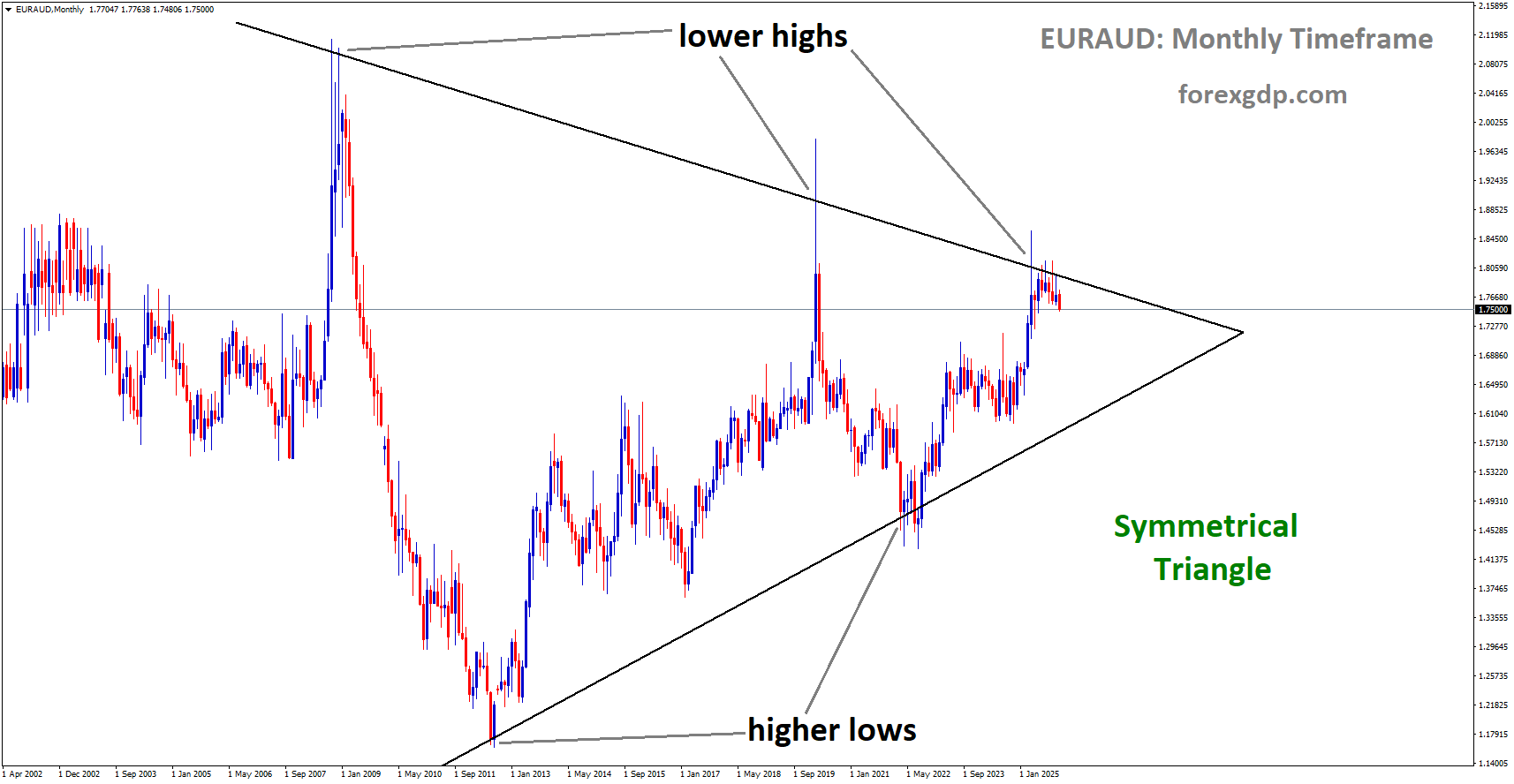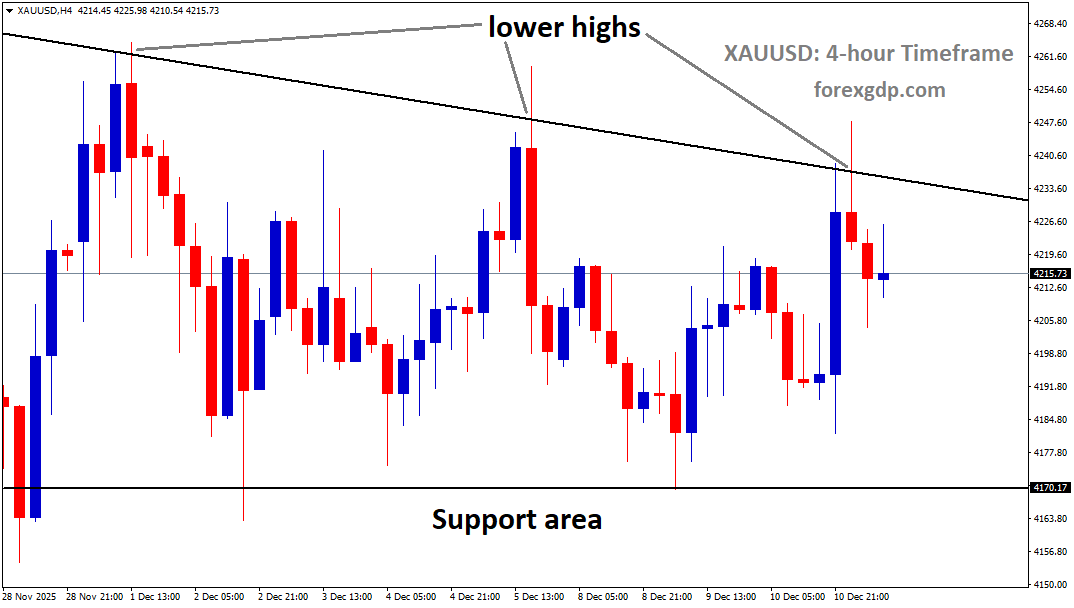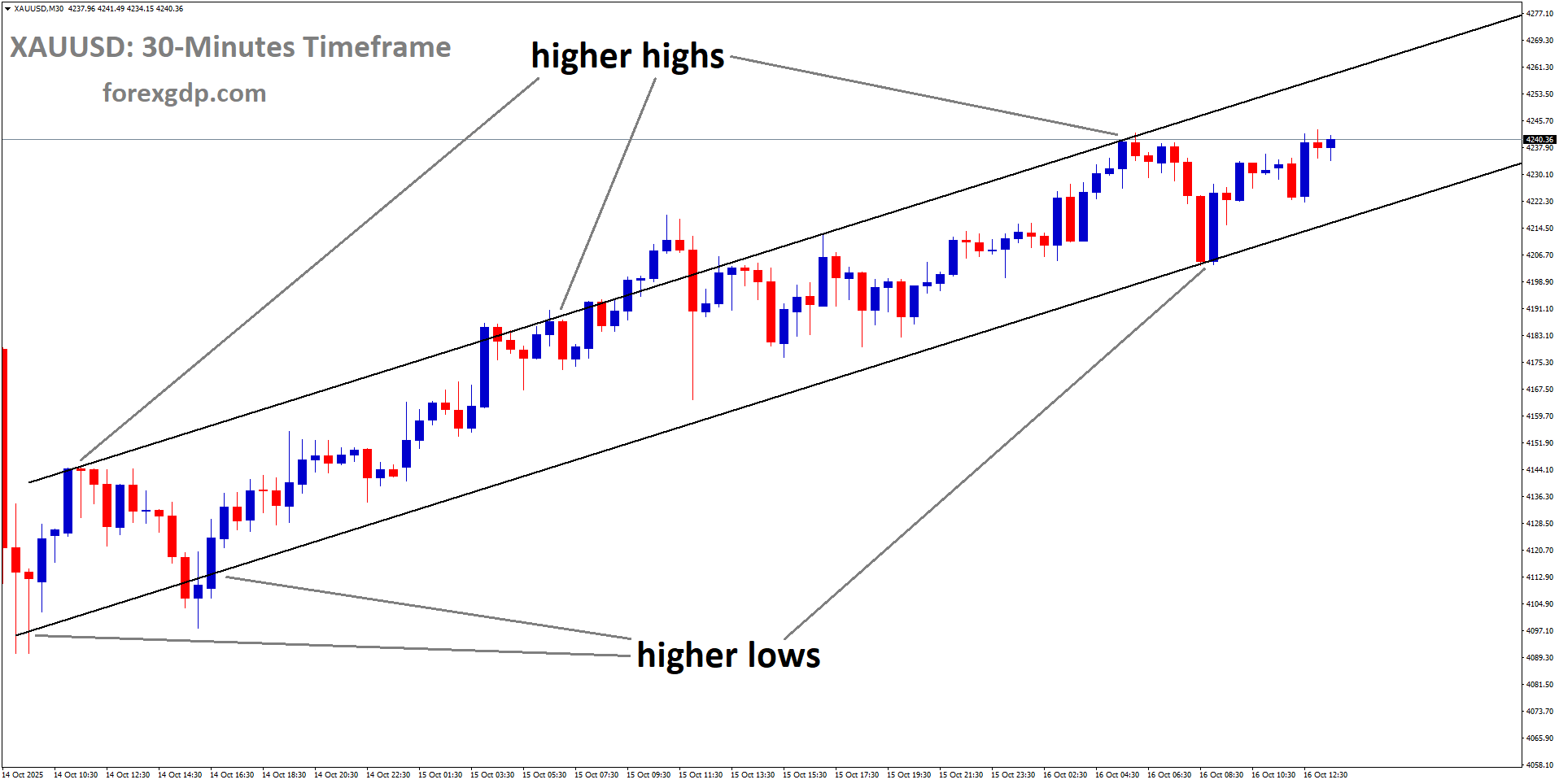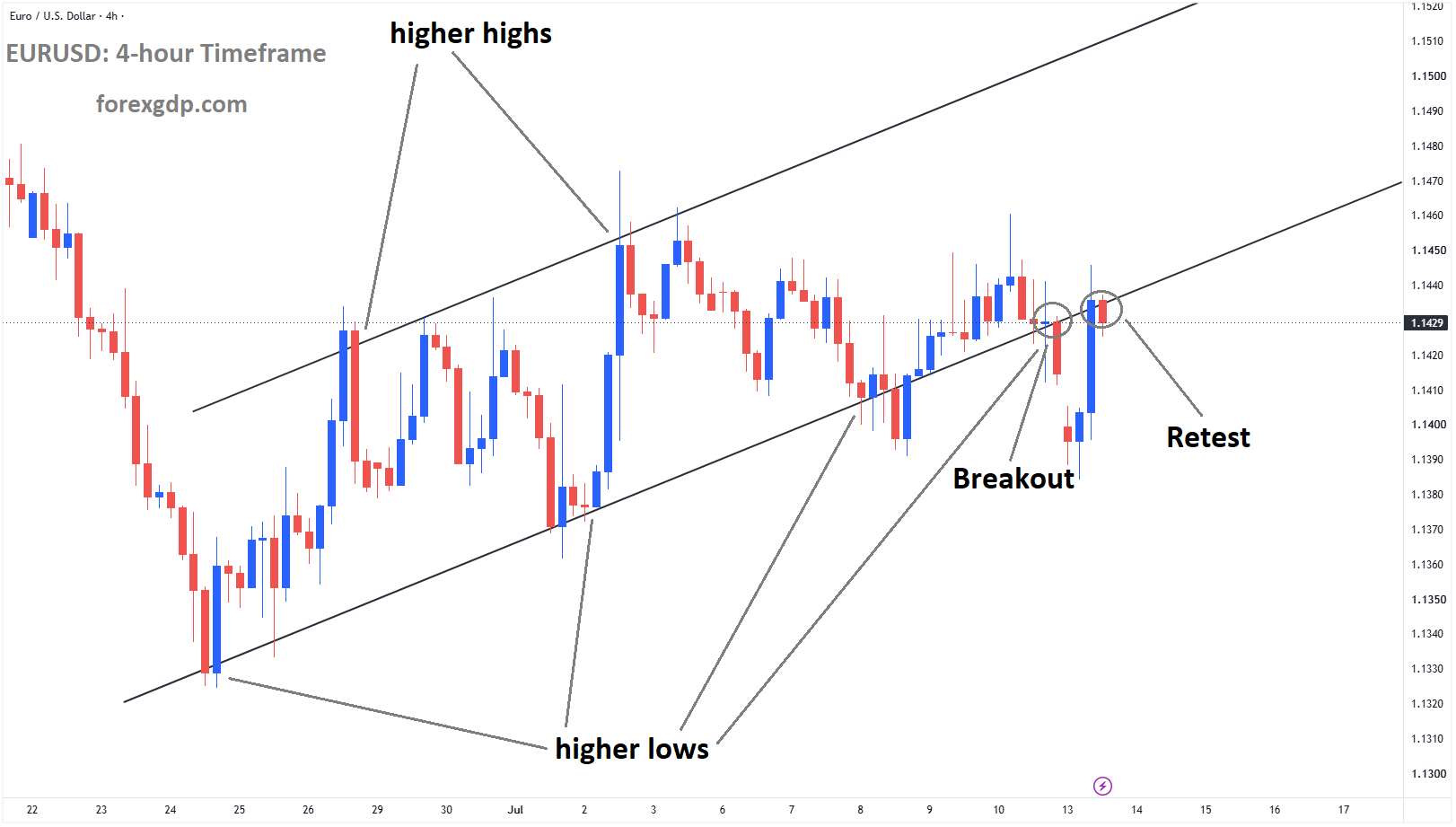
EURUSD reached the retest area of the broken ascending channel
EURUSD Advances Over 1.1400 as Fading Dollar Boosts the Euro
The EUR/USD currency pair started the week with modest gains as the US Dollar gave back part of its early strength. While the Greenback initially moved higher following renewed tensions in the Middle East, investors gradually shifted their attention toward upcoming economic data and central bank expectations.
Although the Euro managed to recover, its gains remained limited. Rising energy prices and growing expectations that the US Federal Reserve could keep interest rates higher for longer continued to support the US Dollar. At the same time, traders remained cautious ahead of important inflation reports from both the United States and the Eurozone, which could influence future monetary policy decisions.
EUR/USD Recovers as Early Dollar Strength Fades
The Euro traded slightly higher against the US Dollar during Monday’s session after bouncing back from earlier losses. The US Dollar had started the week on a stronger note as investors reacted to fresh geopolitical developments involving the United States and Iran.
However, as the trading session progressed, demand for the Dollar eased. Market participants appeared less convinced that the latest military actions would develop into a much larger conflict. This change in sentiment allowed the Euro to regain some ground against the Greenback.
Even though the pair recovered, investors remained careful because uncertainty surrounding global events continued to influence financial markets.
Middle East Tensions Continue to Shape Market Sentiment
The latest exchange of military actions between the United States and Iran became one of the biggest drivers of market sentiment at the start of the week.
During the weekend, both countries launched attacks targeting each other’s military assets. Reports also suggested that Iran once again announced the closure of the Strait of Hormuz, one of the world’s most important shipping routes for oil exports.
The situation immediately attracted global attention because any disruption in this region could affect energy supplies and increase inflation pressures worldwide.
Adding to the developments, US President Donald Trump stated in an interview with Fox News that the United States would act as the “guardian” of the Strait of Hormuz. He also remarked that an earlier agreement had been broken, reinforcing Washington’s firm position.
These developments initially boosted demand for traditional safe-haven assets, including the US Dollar. However, investors later became more optimistic that diplomatic efforts could still prevent the conflict from expanding further.
Why the US Dollar Could Remain Supported

Although the Dollar surrendered part of its early gains, analysts believe its downside may remain limited.
One of the main reasons is the renewed increase in energy prices. Higher oil costs can increase inflation, making it more difficult for central banks to lower interest rates quickly. If inflation remains stubborn, policymakers may decide to keep borrowing costs elevated for longer than previously expected.
This possibility has helped maintain investor confidence in the US Dollar despite the temporary pullback.
Financial markets are also closely monitoring whether geopolitical uncertainty continues to influence global trade and business activity. As long as these risks remain, many investors may continue to favor the safety and stability often associated with the Greenback.
Higher Oil Prices Add Another Layer of Uncertainty
Energy markets have once again become an important focus for global investors.
Recent gains in oil prices have revived concerns that inflation could become more persistent. Rising fuel and transportation costs often spread throughout the economy, affecting businesses and consumers alike.
Analysts at ING believe stronger energy prices could support the US Dollar because they reduce expectations of rapid monetary easing in the United States. If inflation remains elevated, the Federal Reserve may have fewer reasons to reduce interest rates in the near future.
The analysts also noted that currencies from economies heavily dependent on imported energy, including the Euro, could face additional pressure if oil prices continue climbing.
Interest Rate Expectations Remain in Focus
Beyond geopolitical developments, investors are also paying close attention to the outlook for interest rates.
Market expectations currently suggest that both the Federal Reserve and the European Central Bank could maintain a cautious approach toward monetary policy. Investors increasingly believe that another interest rate increase by the Federal Reserve before the end of the year remains possible.
Meanwhile, expectations also continue to build that the European Central Bank may take additional policy action if inflation remains above its target.
Because both central banks are focused on controlling inflation, every new economic report has become increasingly important. Even small changes in inflation trends could influence future policy decisions and affect currency markets.
Inflation Reports Could Shape the Next Market Move
This week brings several important economic releases that could provide greater clarity about the future direction of monetary policy.
In the United States, traders are waiting for the latest Consumer Price Index (CPI) report. Inflation remains one of the Federal Reserve’s primary concerns, making this report especially significant. Stronger-than-expected inflation could reinforce expectations that policymakers will maintain a tighter stance.
Later in the week, investors will also examine the Eurozone’s final inflation figures. These numbers will help determine whether price pressures across the region continue to justify additional action from the European Central Bank.
The outcome of both reports could significantly influence investor expectations and drive movements in the EUR/USD pair over the coming days.
Investors Stay Cautious Despite Improving Risk Sentiment
Although fears of a broader conflict have eased for now, uncertainty has not completely disappeared.
Diplomatic discussions remain ongoing, and markets continue to monitor every new development from the Middle East. Any unexpected escalation could quickly shift investor sentiment back toward safe-haven assets.
At the same time, inflation remains a major challenge for policymakers across the world’s largest economies. Rising energy costs, combined with resilient economic activity, continue to complicate the outlook for central banks.
As a result, traders are balancing geopolitical risks with economic data, making for a cautious and highly watchful market environment.
Final Summary
The EUR/USD pair moved modestly higher after the US Dollar lost some of its early momentum despite renewed geopolitical tensions in the Middle East. Investors became less concerned about an immediate escalation of the conflict, allowing the Euro to recover slightly.
Even so, the US Dollar continues to receive support from higher energy prices and growing expectations that the Federal Reserve may maintain a firm monetary policy stance if inflation remains elevated. Meanwhile, the European Central Bank also faces important decisions as inflation in the Eurozone remains under close observation.
With key inflation reports from both the United States and Europe scheduled this week, investors are likely to remain cautious. These economic releases could provide valuable insight into the future direction of interest rates and play an important role in shaping the next move for the EUR/USD currency pair.
GBPUSD Retreats as Geopolitical Risks Drive Fresh US Dollar Buying
The GBP/USD currency pair started the week on a weaker note as investors shifted toward the US Dollar, which gained strength from rising global uncertainty. Growing tensions in the Middle East encouraged traders to move money into safer assets, giving the US Dollar fresh momentum.
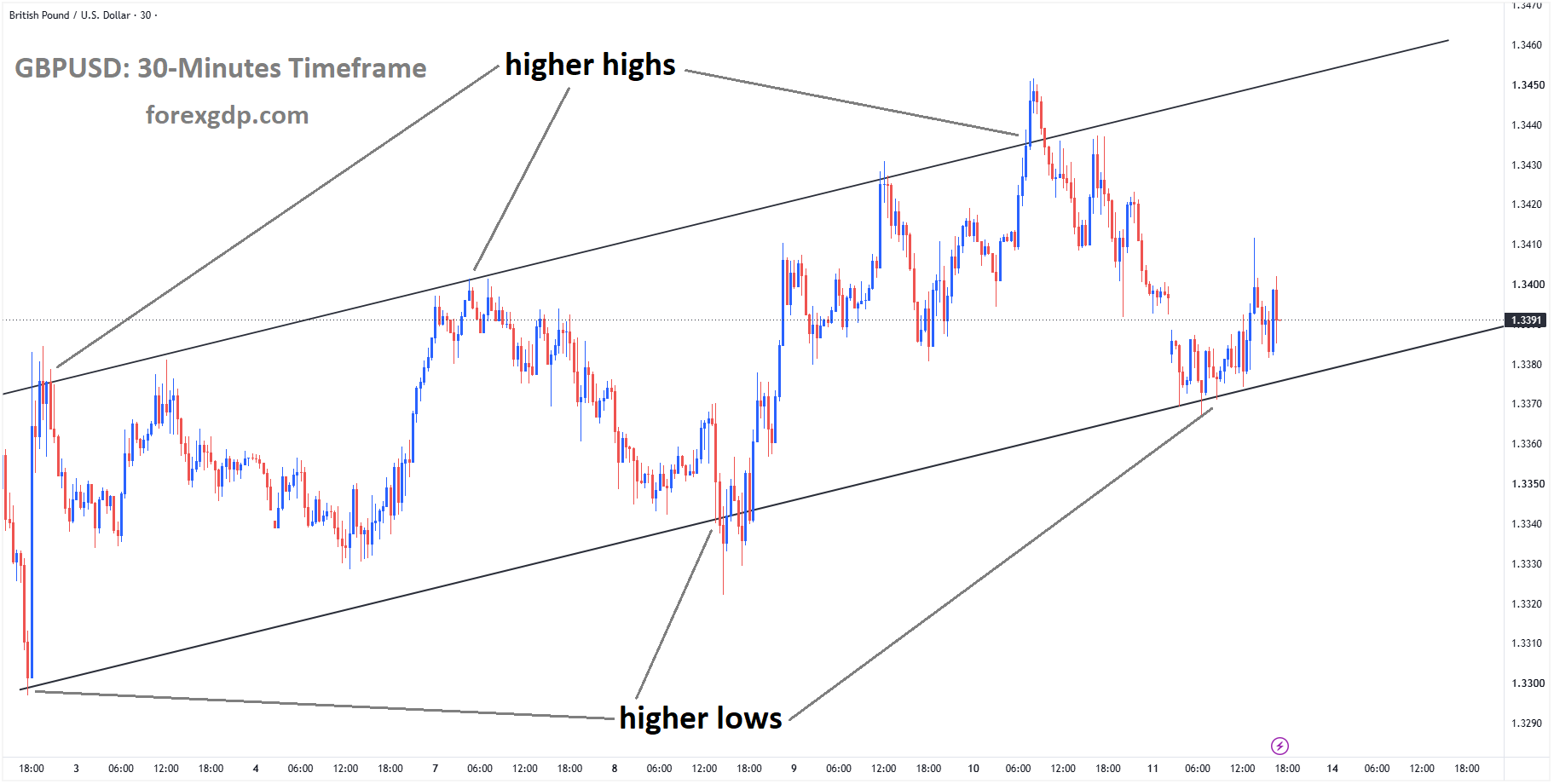
GBPUSD is moving in an ascending channel, and the market has rebounded from the higher low area of the channel
Although the British Pound remains under pressure in the short term, expectations that the Bank of England (BoE) could raise interest rates before the end of 2026 are helping to prevent a sharper decline. At the same time, investors are waiting for important US inflation data and comments from Federal Reserve officials that could shape the next direction for financial markets.
Safe-Haven Demand Pushes the US Dollar Higher
One of the biggest reasons behind the recent weakness in GBP/USD is the increased demand for the US Dollar as a safe-haven currency. Whenever global tensions rise, investors often reduce exposure to riskier assets and move into investments that are considered more stable.
Recent military developments involving the United States and Iran have increased uncertainty across global markets. As concerns about regional stability grow, many traders have chosen the US Dollar as a safer place to protect their investments.
This shift in investor sentiment has strengthened the US Dollar against several major currencies, including the British Pound.
Middle East Conflict Keeps Investors on Edge
The latest escalation between the United States and Iran has become a major focus for financial markets. Reports indicate that US Central Command carried out additional air operations after several days of military activity targeting Iranian positions.
According to officials, these operations are aimed at reducing Iran’s ability to threaten commercial shipping routes. However, the situation remains uncertain, with both Washington and Tehran offering different views about whether one of the world’s most important shipping passages remains fully open.
These conflicting statements have added another layer of uncertainty for global investors. Whenever geopolitical risks increase, financial markets tend to become more cautious, and demand for safe-haven currencies like the US Dollar usually rises.
Higher Oil Prices Add to Inflation Concerns
The ongoing conflict has also influenced energy markets, with oil prices moving higher as traders worry about possible disruptions to global supplies.
Rising energy costs can create broader inflation pressures because they affect transportation, manufacturing, and everyday consumer expenses. If inflation remains stubbornly high, central banks may be forced to keep borrowing costs elevated for a longer period.
For the United States, this possibility has strengthened expectations that the Federal Reserve may continue maintaining a restrictive monetary policy. That outlook has provided additional support for the US Dollar.
US Inflation Data Could Shape Market Direction
Investors are now preparing for one of the week’s most closely watched economic reports—the latest US Consumer Price Index (CPI).
Inflation data plays a major role in determining future decisions by the Federal Reserve. If inflation remains stronger than expected, policymakers may feel less pressure to ease monetary policy. On the other hand, softer inflation numbers could encourage expectations of a more flexible approach in the future.
Because of this, traders are expected to react quickly once the data is released, making it an important event for currency markets.
Federal Reserve Policy Remains in Focus
Alongside inflation figures, market participants are also paying close attention to the Federal Reserve’s policy outlook.
Many investors still believe the US central bank could deliver one additional interest rate increase before the end of the year if inflation remains persistent. This expectation has helped support the US Dollar in recent weeks.
Another important event will be Federal Reserve Chair Kevin Warsh’s first official appearance before the US Congress. Investors will carefully examine his comments for any clues about future interest rate decisions, inflation concerns, and the overall health of the US economy.
Even small changes in the central bank’s language can significantly influence currency markets.
Bank of England Expectations Support the British Pound
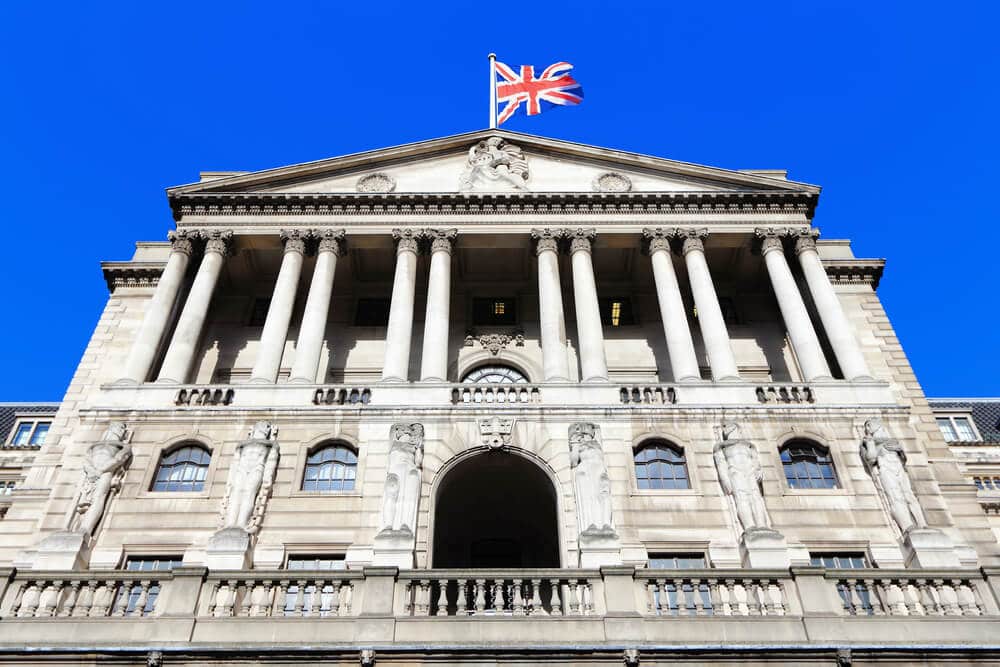
While the US Dollar currently enjoys strong support, the British Pound has managed to avoid a much steeper decline.
One reason is that many traders still expect the Bank of England to increase interest rates by at least 25 basis points before the end of 2026.
Higher interest rates generally make a country’s currency more attractive because they can offer better returns for investors. As long as expectations for tighter Bank of England policy remain in place, the Pound may continue receiving underlying support.
This could help limit further weakness against the US Dollar, even if global uncertainty remains elevated.
Political Stability Brings Some Relief for the Pound
Political developments in the United Kingdom have also contributed to improving investor confidence.
Recent reports suggest that concerns about leadership uncertainty have eased after former Greater Manchester mayor Andy Burnham received overwhelming backing from Labour Members of Parliament to succeed Keir Starmer as Prime Minister.
Political stability is often viewed positively by investors because it reduces uncertainty surrounding future government policies and economic planning.
Although politics is only one of many factors affecting exchange rates, calmer political conditions can help strengthen confidence in the British economy over time.
Investors Continue Watching Multiple Global Risks
The outlook for GBP/USD remains closely tied to several major developments happening simultaneously.
Geopolitical tensions continue to dominate market sentiment, while inflation concerns remain central to expectations for future interest rate decisions. At the same time, economic reports and comments from central bank officials will likely influence investor confidence throughout the week.
The combination of these factors means currency markets could remain highly sensitive to new information.
What Could Influence GBP/USD Going Forward?
Several key themes are likely to guide the pair in the coming weeks.
The first is the evolution of the Middle East conflict. Any signs of either escalation or easing could quickly change investor appetite for risk.
The second is the direction of US inflation and how the Federal Reserve responds. Stronger inflation could strengthen the US Dollar further, while weaker inflation may reduce some of its recent gains.
Finally, attention will remain on the Bank of England. If policymakers continue signaling that further interest rate increases are possible, the British Pound may find enough support to reduce downside pressure.
Summary
GBP/USD has come under pressure as investors move toward the US Dollar amid growing geopolitical uncertainty and stronger demand for safe-haven assets. Rising concerns surrounding the Middle East conflict and inflation have strengthened expectations that the Federal Reserve could maintain a firm monetary policy, supporting the US currency.
However, the British Pound continues to receive support from expectations that the Bank of England may still raise interest rates before the end of 2026. Improved political stability in the United Kingdom has also helped ease investor concerns. As markets await fresh US inflation data and further guidance from central bank officials, these developments are expected to remain the primary drivers of GBP/USD in the near term.
USDJPY Advances While Geopolitical Tensions Keep Pressure on the Japanese Yen
The USDJPY pair started the week on a stronger note, supported by several important global developments. A stronger US Dollar, rising geopolitical tensions in the Middle East, and expectations that the US Federal Reserve could keep interest rates higher for longer have all helped the currency pair move higher.
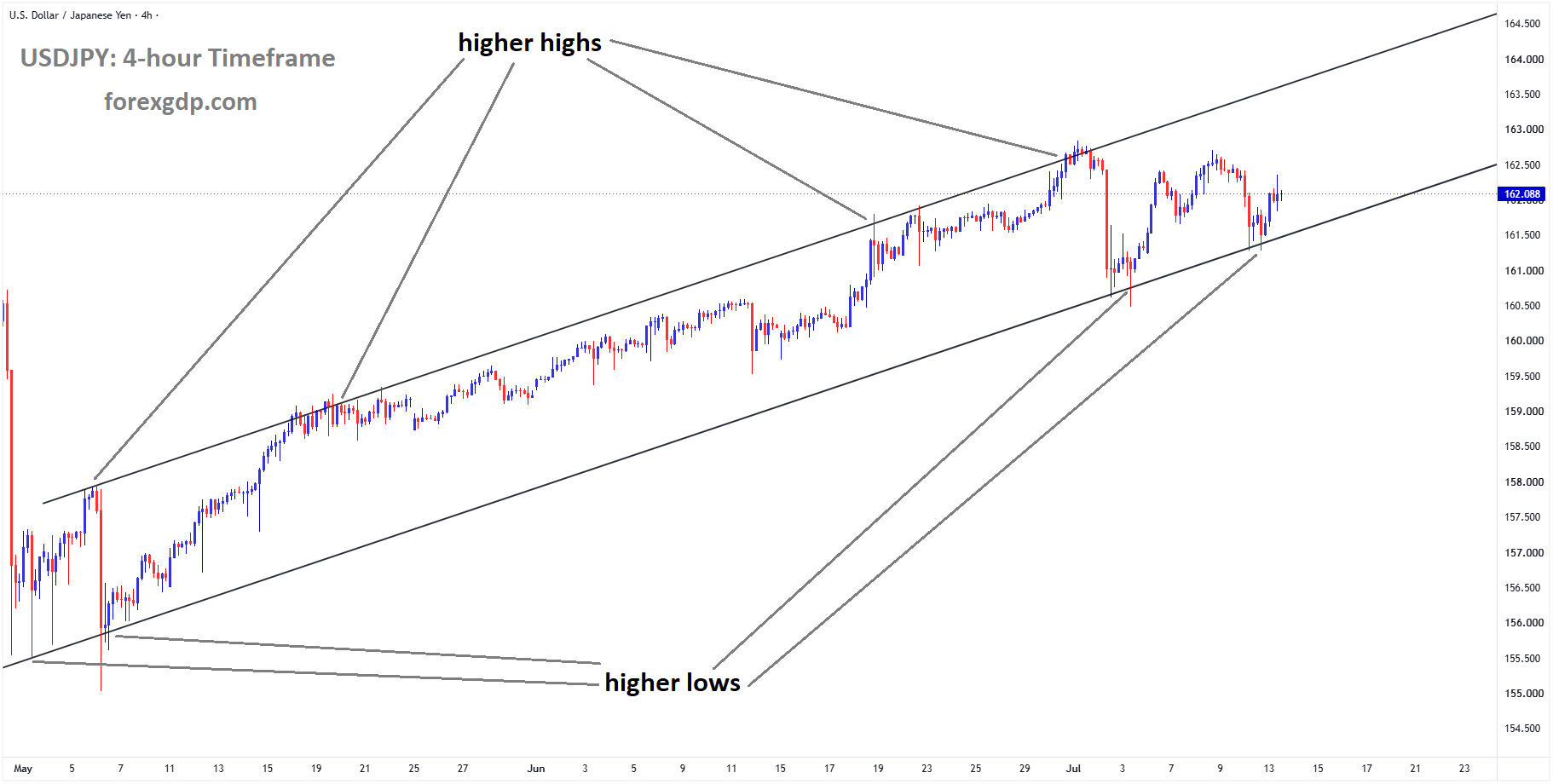
USDJPY is moving in an ascending channel, and the market has rebounded from the higher low area of the channel
At the same time, the Japanese Yen remains under pressure as investors continue to favor currencies offering better returns. Concerns about Japan’s economic outlook, particularly because of its heavy dependence on Middle Eastern energy supplies, have also added to the Yen’s weakness.
US Dollar Finds Fresh Support from Global Uncertainty
The US Dollar has attracted renewed buying interest as investors respond to rising geopolitical tensions. During periods of global uncertainty, the Dollar often benefits because many investors consider it a relatively safer place to hold their money.
The latest developments involving the United States and Iran have increased concerns about regional stability. As military actions and political tensions intensified over the weekend, investors became more cautious, increasing demand for the US Dollar. This renewed confidence in the Greenback has provided solid support for USDJPY.
Growing uncertainty in global markets has once again reminded investors of the important role the US Dollar plays during times of economic and political stress.
Japanese Yen Faces Pressure from Multiple Challenges
The Japanese Yen continues to struggle against many major currencies, including the US Dollar. One of the biggest reasons remains the large difference in interest rates between Japan and other leading economies.
Japan has maintained a relatively accommodative monetary policy compared with countries like the United States. As a result, many investors continue to borrow in Yen and invest in currencies that offer higher returns. This ongoing strategy reduces demand for the Japanese currency.
In addition, Japan faces economic risks linked to developments in the Middle East. Since the country imports most of its crude oil from the region, any disruption to energy supplies can create uncertainty for businesses and consumers alike.
These concerns have made it difficult for the Yen to attract sustained buying interest.
Middle East Conflict Raises Global Economic Concerns
Recent events in the Middle East have once again become a major focus for financial markets. Military exchanges between the United States and Iran have increased fears that the conflict could spread further across the region.
Reports of attacks involving military bases and commercial vessels have added to investor concerns. The announcement regarding the closure of the Strait of Hormuz has also attracted significant attention because it is one of the world’s most important shipping routes for oil exports.
If disruptions continue, countries that rely heavily on imported energy, including Japan, could face higher costs and additional economic pressure. This outlook has weakened confidence in the Japanese Yen while supporting the US Dollar.
Energy Market Worries Revive Inflation Concerns
Rising geopolitical tensions have also renewed concerns about global energy supplies. When uncertainty affects major oil-producing regions, investors often worry that higher energy costs could eventually push inflation higher.
Persistent inflation would make it more difficult for central banks to reduce borrowing costs quickly. As a result, many market participants believe the US Federal Reserve may maintain tighter monetary policy for longer than previously expected.
These expectations have provided another layer of support for the US Dollar, as higher interest rates generally increase the appeal of holding Dollar-denominated assets.
Federal Reserve Outlook Remains a Key Market Driver
Investors are paying close attention to the Federal Reserve’s future policy decisions. Expectations that the central bank may still implement another interest rate increase in 2026 have strengthened confidence in the US Dollar.
However, policymakers continue to stress that future decisions will depend on incoming economic data. Because of this, every major economic report and public statement from Federal Reserve officials is being watched carefully.
Upcoming appearances by Fed leaders are expected to offer additional clues about how policymakers view inflation, economic growth, and the future direction of interest rates.
Any changes in expectations could influence the next move for the US Dollar and USDJPY.
Japan’s Domestic Investment Plans Draw Attention
Japanese government officials have also made comments regarding domestic investment strategies. Officials indicated that the Government Pension Investment Fund has the flexibility to adjust its investment portfolio whenever necessary.
This raised some optimism that more funds could eventually be directed toward Japanese assets, which might provide support for the domestic economy over time.
Despite these positive remarks, investor sentiment toward the Yen remained largely unchanged. Broader concerns surrounding interest rate differences and energy-related risks continued to outweigh any short-term optimism.
Intervention Risks Continue to Remain in Focus
Although the Japanese Yen has weakened considerably, investors remain aware that Japanese authorities have previously stepped into currency markets to slow excessive movements.
Government officials have repeatedly stated that they are closely monitoring exchange rate developments and stand ready to respond if volatility becomes excessive.
This possibility may discourage traders from becoming overly aggressive against the Yen, especially if currency movements become unusually rapid.
As a result, while the overall outlook currently favors the US Dollar, intervention concerns could temporarily slow further Yen weakness.
Important Economic Events Could Shape the Next Move
Attention now turns toward several important events that could provide fresh direction for financial markets.
Investors will closely follow testimony from Federal Reserve Chair Kevin Warsh later this week for additional insight into the central bank’s policy outlook. His comments may influence expectations regarding future interest rate decisions.
At the same time, upcoming US inflation reports, including the Consumer Price Index (CPI) and Producer Price Index (PPI), will play an important role in shaping market sentiment. These reports are expected to provide valuable information about inflation trends and could influence expectations for future Federal Reserve policy.
Stronger-than-expected inflation could reinforce the case for keeping interest rates elevated, while softer data may reduce expectations for additional policy tightening.
Summary
USDJPY remains supported by a combination of strong US Dollar demand, widening policy differences between the United States and Japan, and rising geopolitical tensions in the Middle East. Concerns over energy security continue to weigh on Japan’s economic outlook, while expectations that the Federal Reserve may maintain a restrictive policy stance further strengthen the Dollar.
Even though intervention risks from Japanese authorities remain a factor, investors are primarily focused on upcoming US economic data and Federal Reserve guidance. These developments are likely to determine whether the current momentum continues in the days ahead.
USDCHF Strengthens as the Swiss Franc Loses Ground to the US Dollar
The USD/CHF currency pair started the new week on a stronger note as investors moved toward the US Dollar in response to rising geopolitical tensions in the Middle East. Growing uncertainty surrounding the conflict between the United States and Iran has increased demand for safe-haven assets, giving the Dollar fresh support against the Swiss Franc.
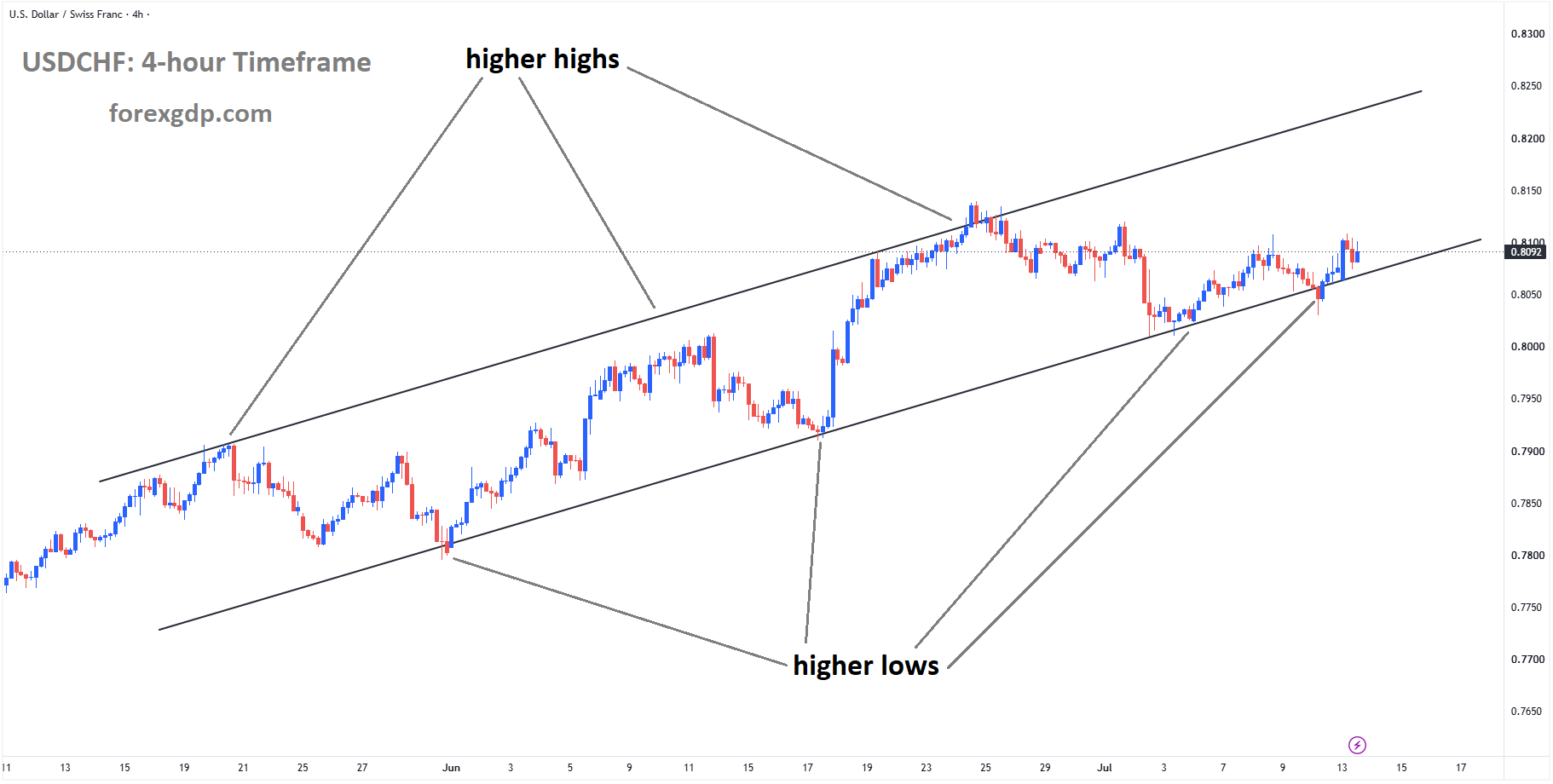
USDCHF reached a higher low area of the ascending channel
At the same time, economic conditions in Switzerland remain weak, reducing the chances of tighter monetary policy from the Swiss National Bank (SNB). Instead, markets are increasingly considering the possibility of future interest rate cuts or even direct action to weaken the Swiss Franc if needed.
With major US inflation data and key Federal Reserve events approaching, traders are paying close attention to the next developments that could shape the direction of both currencies.
Middle East Conflict Drives Demand for the US Dollar
One of the biggest reasons behind the stronger US Dollar is the worsening security situation in the Middle East. Investors often seek safer assets whenever geopolitical risks increase, and the US Dollar continues to be one of the world’s preferred safe-haven currencies.
Recent reports indicate that the US Central Command carried out another round of military strikes aimed at reducing Iran’s ability to threaten civilian ships passing through important waterways. These actions came after several days of military operations that have significantly increased tensions between Washington and Tehran.
The ongoing conflict has also created uncertainty over the safety of maritime trade routes. Conflicting statements from both countries regarding shipping access have left global markets watching the situation closely. Any disruption to these routes could affect global trade, energy supplies, and investor confidence.
As uncertainty grows, investors tend to reduce exposure to riskier assets and increase their holdings of safer currencies such as the US Dollar.
Higher Oil Prices Raise Inflation Concerns
The military conflict has also pushed energy markets into focus. Rising tensions have increased concerns about possible disruptions to global oil supplies, leading to stronger oil prices.
Higher energy costs can eventually filter through to the broader economy by increasing transportation, manufacturing, and consumer expenses. This raises concerns that inflation could remain higher than expected.
If inflation stays elevated, central banks may be forced to keep borrowing costs higher for longer. This possibility has strengthened support for the US Dollar as investors reassess future monetary policy expectations.
While inflation is only one part of the economic picture, energy prices remain an important factor that financial markets continue to monitor closely.
US Inflation Data Takes Center Stage
Investors are now preparing for the upcoming release of the US Consumer Price Index (CPI), one of the most closely watched economic reports of the month.
The inflation report is expected to provide fresh insight into whether price pressures are easing or remaining stubborn. Although some forecasts suggest a slight monthly decline in headline inflation, core inflation is still expected to remain relatively firm.
The results could have a major influence on expectations for future Federal Reserve decisions. Stronger-than-expected inflation could encourage policymakers to maintain a cautious approach, while softer inflation could reduce pressure for additional tightening.
Because inflation directly affects interest rate expectations, the report has become one of the key events that investors are following this week.
Federal Reserve Remains Under the Spotlight
Beyond the inflation figures, market attention is also focused on the Federal Reserve and its future policy direction.
Many investors currently believe the central bank could still introduce another interest rate increase before the end of the year if inflation proves difficult to control. Although no final decisions have been made, expectations continue to shift as new economic data becomes available.
Another important event this week is the first official appearance of Federal Reserve Chair Kevin Warsh before the US Congress. His comments could provide valuable insight into how the central bank views inflation, economic growth, and financial stability.
Even small changes in the tone of Federal Reserve officials often have a noticeable impact on currency markets, making this appearance particularly significant for traders.
Swiss Economic Confidence Continues to Weaken

While the US Dollar has found support from global uncertainty, Switzerland’s domestic economic outlook has shown signs of weakness.
The country’s consumer confidence index fell further into negative territory during June, highlighting that households remain cautious about the economic outlook. Weak consumer confidence often reflects concerns over spending, employment, and future economic conditions.
This softer economic environment reduces pressure on policymakers to tighten monetary policy. Instead, it increases speculation that further policy support may eventually become necessary if economic activity fails to improve.
The weaker domestic outlook has made the Swiss Franc less attractive compared to currencies backed by stronger economic momentum.
Low Inflation Gives the SNB Greater Flexibility
Inflation in Switzerland remains among the lowest in developed economies, providing the Swiss National Bank with significant flexibility.
With price pressures staying well under control, the central bank faces little urgency to raise interest rates. Instead, officials have room to consider additional measures if the economy requires support.
Some market participants believe the SNB could lower interest rates in the future if economic weakness continues. Others also see the possibility of currency market intervention if policymakers decide that the Swiss Franc has become too strong.
Both possibilities reduce the appeal of the Franc for investors seeking stronger returns from higher-yielding currencies.
Why the Swiss Franc Faces Additional Pressure
The Swiss Franc has traditionally been viewed as a safe-haven currency during periods of global uncertainty. However, the current environment presents a different challenge.
Although geopolitical tensions would normally support the Franc, weak domestic economic conditions and expectations of easier monetary policy are limiting its strength.
When investors expect lower interest rates or possible currency intervention, they often become less interested in holding that currency. This shift in expectations has contributed to the Franc’s recent weakness against the US Dollar.
As long as Switzerland’s inflation remains subdued and consumer confidence stays weak, the Franc may continue facing headwinds despite its traditional safe-haven reputation.
What Investors Will Watch Next
The coming days could be particularly important for the USD/CHF pair as several major events unfold simultaneously.
Investors will closely monitor developments in the Middle East for any signs of either further escalation or easing tensions. At the same time, the US inflation report and comments from Federal Reserve Chair Kevin Warsh could reshape expectations for future monetary policy.
Meanwhile, any additional economic data from Switzerland may influence expectations surrounding the Swiss National Bank’s next policy decisions.
These factors together are likely to keep the currency pair active as markets continue adjusting to new economic and geopolitical developments.
Summary
The US Dollar has strengthened against the Swiss Franc as rising geopolitical tensions increased demand for safer assets. Military developments involving the United States and Iran have raised concerns about global stability, while stronger oil prices have renewed inflation worries.
At the same time, Switzerland continues to face weak consumer confidence and low inflation, giving the Swiss National Bank room to consider future policy easing or currency intervention. As investors await fresh US inflation data and guidance from Federal Reserve officials, both global events and central bank expectations are expected to remain the main drivers influencing USD/CHF in the days ahead.
USDCAD Strengthens as New US Military Action Against Iran Pressures the Loonie
The USD/CAD currency pair moved higher during Monday’s Asian trading session, ending a four-day decline as investors turned their attention to growing geopolitical risks and upcoming economic data. The US Dollar found fresh support as tensions in the Middle East intensified, increasing demand for safe-haven assets.
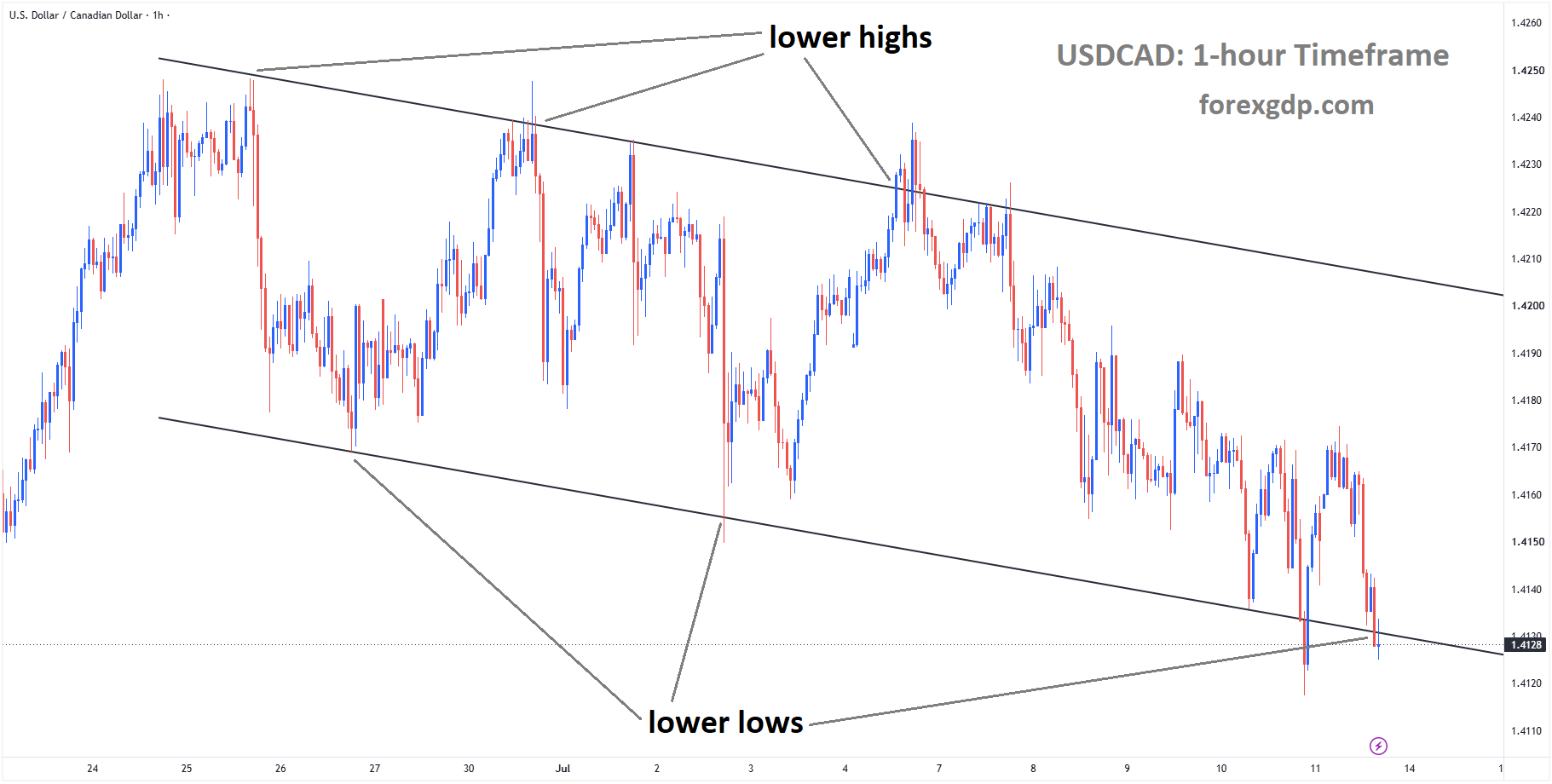
USDCAD reached the lower low area of the descending channel
At the same time, the Canadian Dollar received support from stronger domestic employment figures. However, uncertainty surrounding global events and expectations for the upcoming Bank of Canada policy decision kept traders cautious. Investors are also preparing for an important US inflation report, which could influence market expectations for the Federal Reserve’s next steps.
Rising Middle East Tensions Increase Demand for the US Dollar
One of the biggest drivers behind the stronger US Dollar is the worsening conflict between the United States and Iran. Military developments over the weekend raised concerns about the possibility of a broader regional crisis, encouraging investors to move toward safer financial assets.
According to reports, the United States launched another series of military strikes targeting Iranian facilities. US officials stated that the operations were designed to reduce Iran’s ability to interfere with commercial shipping in the Strait of Hormuz, one of the world’s most important energy transportation routes.
Iran responded quickly. The Islamic Revolutionary Guard Corps launched drone and missile attacks targeting US allies across the Middle East, including Kuwait, Qatar, Bahrain, Jordan, and other nearby countries. These retaliatory actions have increased fears that the conflict could continue to expand.
Whenever geopolitical uncertainty rises, investors often reduce exposure to riskier assets and seek the relative safety of the US Dollar. This shift in investor sentiment helped the Greenback strengthen against several major currencies, including the Canadian Dollar.
Strait of Hormuz Closure Raises Global Concerns
Another important development came from Iran’s announcement that the Strait of Hormuz would remain closed until further notice. The waterway plays a critical role in global energy transportation, with a significant portion of the world’s oil shipments passing through it every day.
Any disruption to shipping in this region creates uncertainty for global trade and financial markets. Businesses, governments, and investors closely monitor developments because prolonged disruptions could affect supply chains and increase economic risks worldwide.
Although the long-term impact remains uncertain, the announcement has added another layer of caution across financial markets. During periods like these, the US Dollar often benefits because it is widely viewed as one of the world’s safest reserve currencies.
Investors Await the US Inflation Report

While geopolitical developments remain in focus, attention is also turning toward important economic data from the United States.
The upcoming Consumer Price Index (CPI) report for June is expected to be one of the week’s most closely watched releases. Inflation remains a key factor influencing Federal Reserve policy decisions, making the report highly significant for currency markets.
If inflation remains elevated, investors may believe the Federal Reserve could maintain a cautious approach toward future interest rate decisions. On the other hand, softer inflation figures could support expectations for easier monetary policy in the months ahead.
Because of its importance, the inflation report could become a major driver of US Dollar movements across global currency markets.
Strong Canadian Employment Data Supports the Loonie
Despite recent gains in the US Dollar, the Canadian Dollar has also received support from encouraging domestic economic data.
Statistics Canada reported that the country added 18,200 new jobs in June, comfortably beating market expectations. This follows another strong month of hiring in May, suggesting that Canada’s labor market continues to show resilience despite broader global uncertainty.
The unemployment rate also improved, falling slightly from the previous month. A stronger labor market generally reflects healthy business activity and consumer confidence, both of which can contribute to overall economic stability.
Positive employment figures often strengthen confidence in the Canadian economy and can provide support for the Canadian Dollar. However, global risk sentiment currently remains a major factor influencing market direction.
Bank of Canada Expected to Keep Policy Unchanged
Investors are also closely watching the Bank of Canada’s upcoming monetary policy meeting scheduled for Wednesday.
Most economists expect the central bank to leave its overnight interest rate unchanged. Surveys indicate that policymakers are comfortable maintaining current policy settings as inflation remains relatively under control and the economy continues its gradual recovery.
Holding interest rates steady would signal that the Bank of Canada believes existing policies remain appropriate while it monitors incoming economic data.
Market participants will pay close attention not only to the policy decision itself but also to any comments from central bank officials regarding future economic growth, inflation, and possible policy adjustments.
Global Uncertainty Keeps Currency Markets Cautious
Currency markets continue to face a combination of economic and geopolitical challenges. Investors are balancing positive domestic economic data against rising international risks, making trading conditions more unpredictable.
The Canadian Dollar benefits from improving employment conditions and expectations of stable monetary policy. At the same time, the US Dollar continues to attract investors whenever uncertainty rises across global markets.
Developments in the Middle East remain difficult to predict, and any new escalation could quickly influence investor sentiment. Similarly, upcoming economic reports from the United States could reshape expectations for future monetary policy and drive further movement in major currency pairs.
For now, traders remain cautious as they monitor both political developments and economic indicators before making larger investment decisions.
Summary
USD/CAD started the week on a stronger note as growing tensions between the United States and Iran increased demand for the US Dollar as a safe-haven currency. Military actions, retaliatory attacks, and concerns surrounding the Strait of Hormuz have added uncertainty to global markets, encouraging investors to seek safer assets.
Meanwhile, Canada’s stronger-than-expected employment report highlights continued resilience in the domestic economy and offers support for the Canadian Dollar. Attention now shifts to the upcoming US inflation report and the Bank of Canada’s policy announcement, both of which could play an important role in shaping the next phase of market sentiment.
Don’t trade all the time, trade forex only at the confirmed trade setups
Get more confirmed trade signals at premium or supreme – Click here to get more signals, 2200%, 800% growth in Real Live USD trading account of our users – click here to see , or If you want to get FREE Trial signals, You can Join FREE Signals Now!