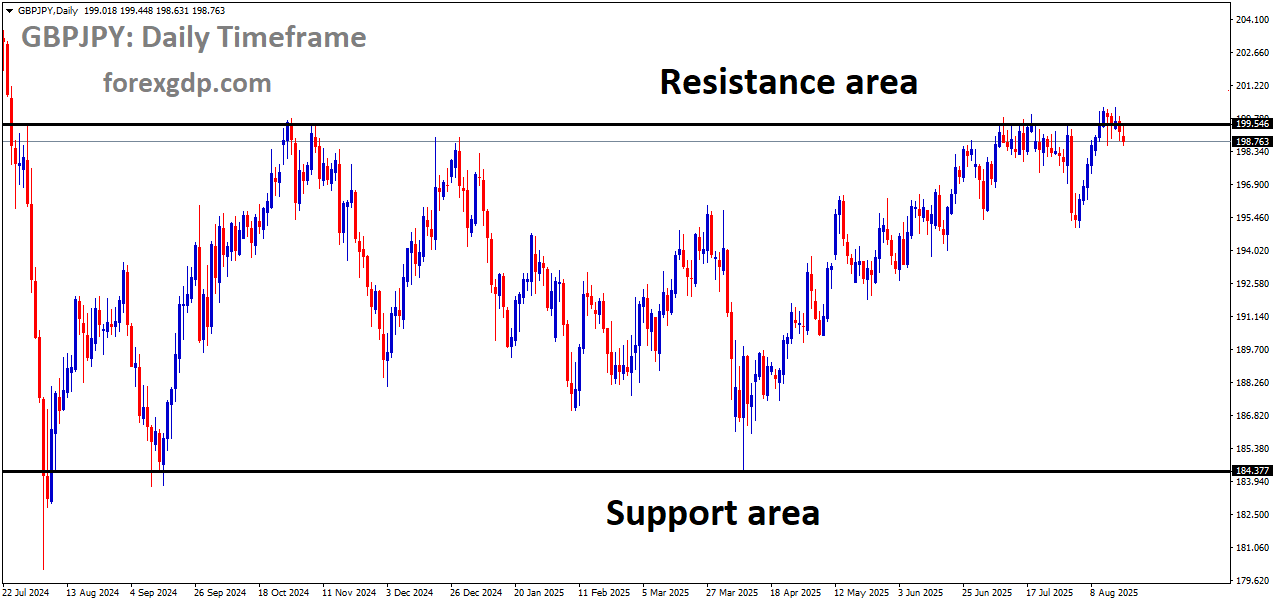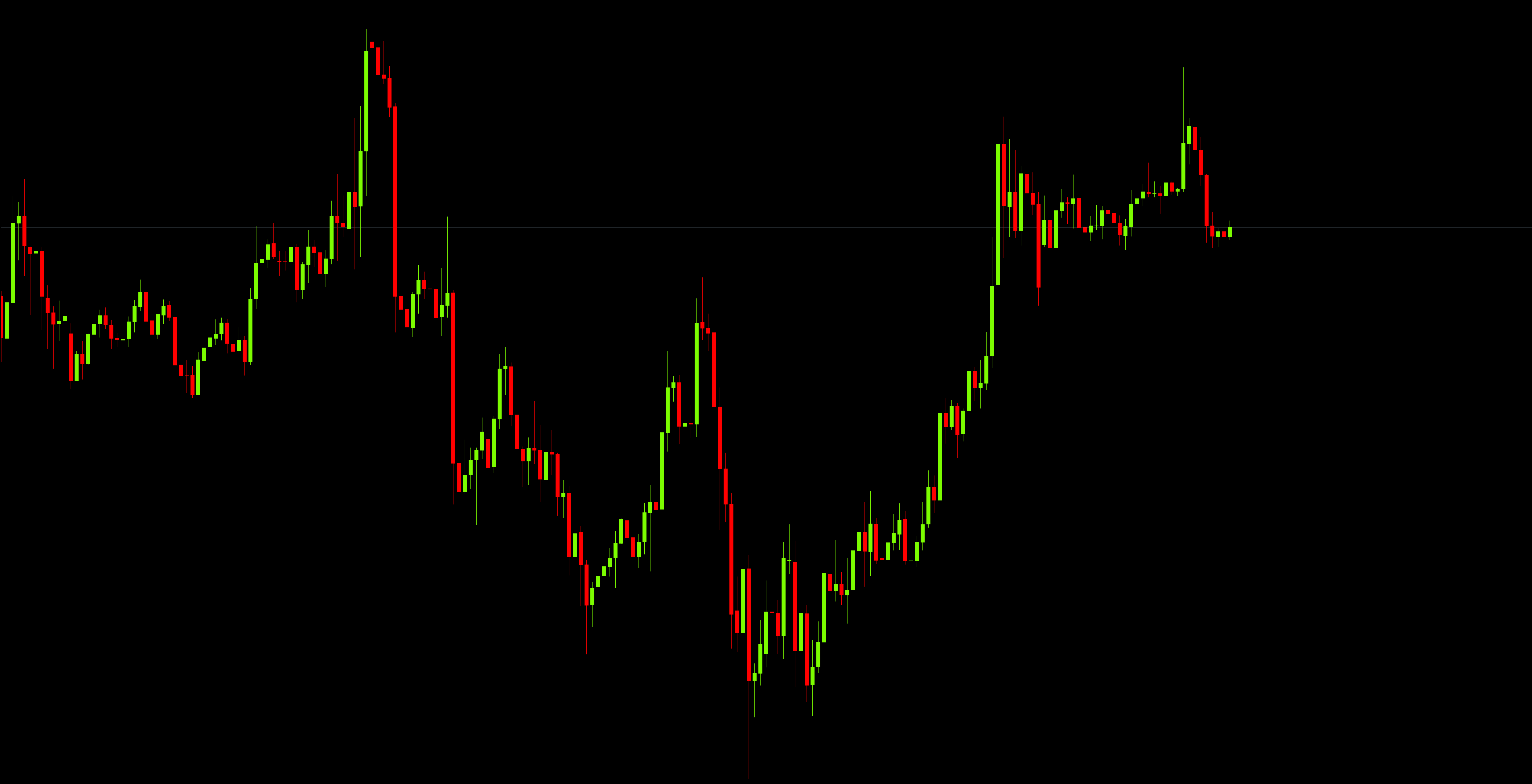


BTCUSD is moving in an uptrend channel, and the market has rebounded from the higher low area of the channel
BTCUSD enters wait-and-watch mode before key Fed announcement
Bitcoin has entered a calm but watchful phase. After bouncing back earlier in the week, the digital asset is now moving sideways as traders and long-term investors pause for clarity. The spotlight has shifted away from short-term price swings and toward broader forces, especially decisions coming from the US Federal Reserve and signals from institutional investors.
This moment reflects a familiar pattern in the crypto market. When uncertainty rises around macroeconomic policy, Bitcoin often settles into a holding pattern. That is exactly what is happening now, as market participants weigh optimism about future growth against caution driven by policy uncertainty.
Bitcoin Finds Balance After a Short Recovery
Bitcoin began the week with renewed strength following a pullback seen earlier. That recovery helped restore some confidence, especially among traders who had been shaken by the recent decline. However, instead of pushing aggressively higher, Bitcoin has slowed down and entered a consolidation phase.
This kind of stabilization is not unusual. After a sharp move in either direction, markets often take time to digest what has happened. Buyers and sellers reassess their positions, and trading activity becomes more measured. In Bitcoin’s case, the recent rebound was enough to stop the downward pressure, but not strong enough to trigger a fresh wave of enthusiasm.
What makes this period especially important is timing. The pause comes just as a major macroeconomic event is about to unfold. Rather than making bold bets, many traders prefer to wait for confirmation from policymakers before committing more capital.
Why the Federal Reserve Matters to Bitcoin
At the center of market attention is the Federal Open Market Committee meeting. While no immediate change in interest rates is widely expected, investors are less focused on the decision itself and more interested in what comes next.
The Federal Reserve’s messaging plays a powerful role in shaping global financial conditions. Even subtle shifts in tone can influence how investors feel about risk. When policymakers sound supportive of future rate cuts, markets often respond positively. Risk-oriented assets like Bitcoin tend to benefit from this environment, as borrowing becomes cheaper and liquidity expectations improve.
On the other hand, a cautious or firm stance from the Fed can quickly cool market sentiment. If officials emphasize inflation risks or signal that rates will remain higher for longer, investors may pull back from assets perceived as risky. In those moments, Bitcoin often experiences renewed pressure as traders move toward safer positions.
What adds to the tension is that every word from the Fed Chair is closely examined. Market participants listen carefully for hints about future policy direction, timelines, and economic concerns. This makes the post-meeting press conference just as important as the rate announcement itself.
Institutional Investors Signal a Careful Approach

While retail traders often react quickly to news and headlines, institutional investors tend to move more deliberately. Their recent behavior suggests caution rather than confidence.
US-listed spot Bitcoin exchange-traded funds have recently seen money flow out after a brief period of inflows. These shifts may appear modest on the surface, but they offer valuable insight into institutional thinking. When large investors hesitate to add exposure, it often reflects uncertainty rather than outright pessimism.
This pattern of mixed flows points to a wait-and-see attitude. Institutions are not rushing to exit Bitcoin entirely, but they are also not increasing their exposure aggressively. Instead, they appear to be adjusting positions carefully while monitoring macroeconomic signals.
For Bitcoin, strong and consistent institutional demand has become an important support factor over time. When that demand softens, upward momentum can slow. This does not necessarily signal a major downturn, but it can limit how far Bitcoin moves in the short term.
A Quiet Derivatives Market Tells Its Own Story
Beyond spot markets and ETFs, activity in Bitcoin’s derivatives space also reflects the current mood. Trading conditions have been unusually calm, with reduced participation across major platforms.
Lower activity in derivatives often indicates that traders are avoiding leverage and short-term speculation. This aligns with the broader theme of caution seen across the market. When uncertainty rises, traders tend to step back from complex or risky strategies and wait for clearer direction.
Open interest in regulated futures markets has gradually declined over time, suggesting that large players are scaling back leveraged positions. Offshore markets, while more stable, have not shown signs of aggressive growth either. Together, these trends point to a market that is neither overly bullish nor deeply fearful, but simply patient.
Some analysts note that part of this shift may be due to changing preferences among institutional participants. Instead of relying heavily on traditional futures markets, many are now using ETF-related products to manage risk and build strategies. This evolution has reshaped where and how institutions interact with Bitcoin exposure.
How Market Sentiment Could Shift Next
The next meaningful move in Bitcoin is likely to be driven by clarity rather than speculation. If policymakers deliver a message that supports future easing and economic stability, risk appetite could return quickly. In that scenario, Bitcoin may attract renewed interest from both institutional and retail investors.
Conversely, if uncertainty lingers or policy signals disappoint, Bitcoin could remain range-bound or face renewed selling pressure. This would not necessarily reflect a loss of faith in the asset itself, but rather a broader reassessment of risk across financial markets.
It is also worth noting that periods of low activity often precede sharper moves. When markets remain quiet for extended periods, pressure can build beneath the surface. Once a catalyst appears, volatility tends to return quickly as traders rush to reposition.
The Bigger Picture for Bitcoin
Despite short-term hesitation, Bitcoin continues to be shaped by long-term structural trends. Institutional involvement, regulatory developments, and macroeconomic shifts all play a role in defining its trajectory.
What stands out in the current environment is maturity. The market is no longer reacting impulsively to every headline. Instead, participants are weighing multiple factors before acting. This reflects a growing integration of Bitcoin into the broader financial system, where macro policy and institutional behavior matter just as much as on-chain narratives.
As Bitcoin evolves, these moments of pause become just as important as periods of rapid growth. They allow the market to reset expectations, absorb information, and prepare for the next phase.
Summary
Bitcoin is currently in a holding pattern after a recent recovery, with traders and investors waiting for guidance from the US Federal Reserve. Institutional activity points to caution, as ETF flows and derivatives data suggest a preference for reduced risk. The outcome of the latest policy meeting and the tone set by policymakers are likely to determine the next wave of momentum. Until then, Bitcoin remains steady, shaped by patience, uncertainty, and anticipation of what comes next.
ETHUSD Attracts ETF Buyers Even as US Traders Remain Risk-Averse
After several days of steady withdrawals, Ethereum exchange-traded funds in the United States have finally seen a return to positive inflows. This shift marks an important moment for Ethereum-focused investment products, especially after a period where investors appeared hesitant and risk-averse.
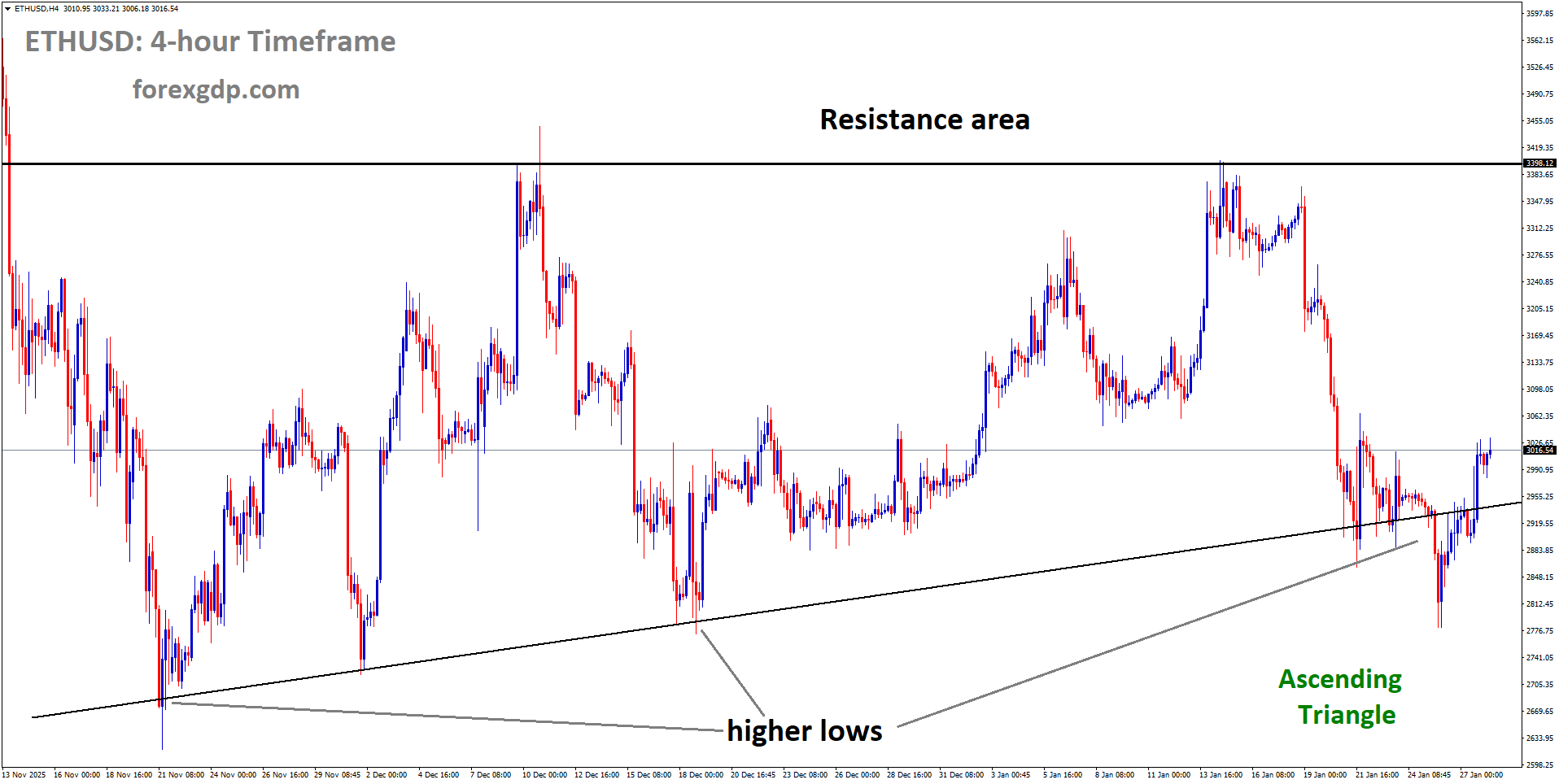
ETHUSD is moving in an Ascending Triangle pattern, and the market has rebounded from the higher low area of the channel
Data from industry trackers shows that these funds attracted a combined net inflow of about $117 million in a single day. While this number alone does not signal a full market turnaround, it does suggest that some institutional and long-term investors are starting to re-engage. The inflows were driven almost entirely by one major fund, while another large provider recorded outflows and the rest saw no meaningful activity.
This uneven participation highlights a key theme around Ethereum right now: interest exists, but confidence remains selective. Investors are not moving as a group, and capital is flowing carefully rather than aggressively.
Fidelity Leads While Others Stay on the Sidelines
Among all the US-based Ethereum ETFs, Fidelity’s offering stood out clearly. It attracted more than $137 million in fresh capital, accounting for all the net inflows seen that day. This suggests that investors who are willing to re-enter the Ethereum market may be choosing specific brands or structures they trust most.
On the other hand, BlackRock’s Ethereum fund experienced notable outflows, with more than $20 million leaving the product. Other Ethereum ETFs showed no inflows or outflows at all, indicating that many investors are still waiting for stronger signals before committing funds.
This split behavior reflects a cautious market mindset. Rather than broad enthusiasm, investors appear to be testing the waters, favoring certain providers while avoiding others. It also shows that ETF inflows alone do not always tell the full story of investor confidence.
US Investor Sentiment Remains Weak
Despite the return of ETF inflows, overall sentiment among US investors continues to lean negative. One widely followed measure of demand from American traders has remained below neutral for over a week. This suggests that selling pressure still outweighs buying interest on major US-based platforms.
When this indicator stays negative, it usually points to investors reducing exposure rather than adding to it. Even with some institutional inflows through ETFs, many individual and professional traders appear focused on protecting capital instead of seeking growth.
This disconnect between ETF activity and broader investor behavior is important. It shows that while structured investment products can attract capital, they do not always reflect how the wider market feels in real time. For Ethereum, this means the recovery in confidence may take longer and require stronger confirmation.
On-Chain Activity Raises New Questions
Adding to the cautious mood, on-chain data has highlighted the movement of a large amount of Ethereum by a long-term holder. According to blockchain tracking sources, an investor who acquired more than 135,000 ETH nearly nine years ago recently transferred the entire balance to a centralized exchange.
Such moves often attract attention because they can suggest potential selling. Large transfers to exchanges sometimes precede liquidations, especially during periods of uncertainty. Given the broader risk-off tone across the digital asset space, many observers viewed this action as a possible sign of reduced confidence.
However, not everyone agrees with that interpretation. Some analysts pointed out that transferring funds to an exchange does not always mean an intention to sell. In many cases, investors move assets to break direct on-chain links or to reorganize wallets for security or privacy reasons.
This example highlights how on-chain data can be open to multiple interpretations. While it offers transparency, it does not always provide clear answers about investor intent.
Ethereum Staking Demand Reaches Record Levels
While trading activity and sentiment show hesitation, another part of the Ethereum ecosystem tells a more optimistic story. The validator entry queue, which tracks how much ETH is waiting to be staked on the network, has reached a record high of around 3.35 million ETH.
Staking requires investors to lock up their assets to help secure the network and validate transactions. This process typically appeals to long-term holders who believe in Ethereum’s future rather than short-term traders looking for quick returns.

The surge in the validator queue suggests that many investors are willing to commit their ETH for extended periods. This behavior signals confidence in the network’s long-term value and its role in the broader blockchain ecosystem.
In simple terms, while some investors are cautious or stepping back, others are doubling down on Ethereum’s fundamentals by actively supporting the network.
What the Mixed Signals Say About Ethereum
Ethereum currently sits at an interesting crossroads. On one side, ETF inflows show that institutional interest has not disappeared. On another, weak sentiment indicators and large on-chain transfers point to lingering uncertainty among traders.
At the same time, record levels of staking activity suggest strong belief in Ethereum’s long-term vision. This contrast reveals a market that is divided between short-term caution and long-term conviction.
Such phases are not unusual for major digital assets. Periods of uncertainty often involve conflicting signals as different types of investors respond in different ways. Traders may reduce risk, institutions may selectively add exposure, and long-term holders may quietly continue building positions.
Understanding this balance helps explain why Ethereum’s market narrative feels complex right now.
Final Summary
Ethereum ETFs in the US have broken a short streak of outflows, bringing in about $117 million and signaling renewed but selective investor interest. Fidelity’s fund led the inflows, while others saw limited or negative activity, reflecting cautious participation rather than broad enthusiasm.
Despite this positive development, overall sentiment among US investors remains weak, with indicators showing continued risk reduction. On-chain data has added to the uncertainty, as a long-term holder moved a large amount of ETH to an exchange, sparking debate about possible intentions.
In contrast, Ethereum’s staking activity has reached a record level, showing that many investors remain confident in the network’s long-term future. Together, these signals paint a picture of a market in transition, where caution and conviction coexist as Ethereum navigates its next phase.
EURUSD Pulls Lower From Recent Peak Ahead of Major Fed Decision
The Euro started the middle of the week on softer ground after an impressive rally that pushed it to levels not seen in several years. The pullback came as the US Dollar showed signs of recovery, helped by fading market reactions to recent political comments and renewed debate around future policy moves in Europe.
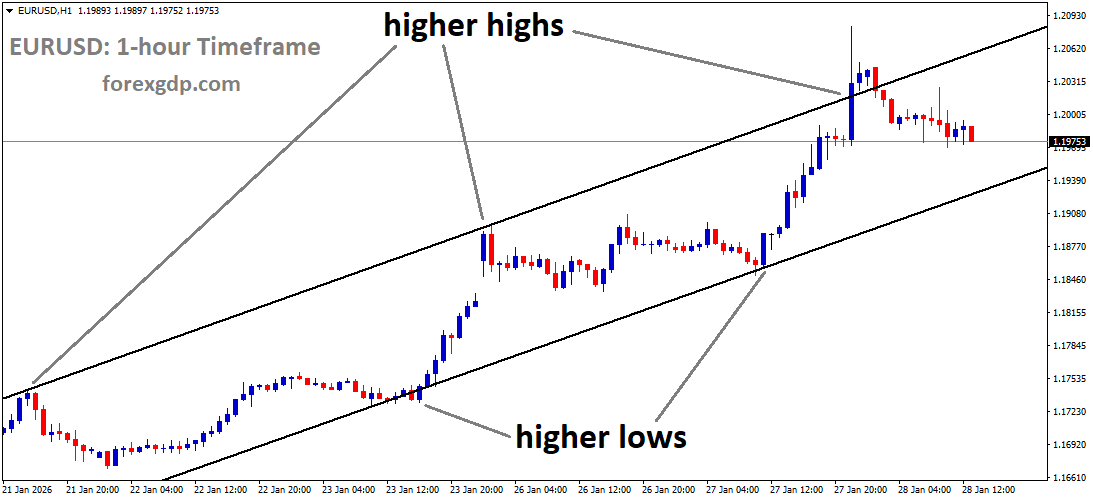
EURUSD is moving in an ascending channel, and the market has fallen fromthe higher high area of the channel
Earlier enthusiasm around the Euro was driven by a sharp drop in the Dollar, sparked largely by remarks from former US President Donald Trump. His comments suggested comfort with a weaker Dollar, which many investors interpreted as a green light to reduce exposure to the US currency. That shift pushed the Euro higher in a short period of time.
However, currency markets rarely move in straight lines. As the initial reaction settled, traders began reassessing the broader picture. Growing expectations that the European Central Bank may lean toward easier policy later this year added pressure on the Euro, while the Dollar benefited from a pause in selling.
Political Comments Shake Confidence in the US Dollar
The US Dollar’s recent weakness can be traced back to political messaging rather than economic strength or weakness alone. When influential leaders openly welcome a weaker currency, it tends to make investors uneasy. In this case, Trump’s comments were taken as confirmation that a softer Dollar may be tolerated or even encouraged under future leadership.
This perception encouraged traders to move away from the Greenback, questioning its role as a stable store of value. Over time, repeated signals like these can weigh on a currency’s reputation, especially when combined with concerns about government spending and trade policy uncertainty.
That said, the impact of such remarks often fades quickly. As markets digested the comments, attention shifted back to fundamentals and upcoming policy decisions. This allowed the Dollar to recover some ground, even if doubts about its longer-term outlook remain unresolved.
ECB Signals Renewed Willingness to Act
On the European side, fresh comments from a senior European Central Bank official played a key role in cooling the Euro’s rally. The official noted that further interest rate cuts could be considered if the strength of the currency begins to interfere with inflation goals.
This message was important because it reminded markets that policymakers are still cautious about excessive currency appreciation. A stronger Euro can make imports cheaper and reduce inflation pressures, which may conflict with the central bank’s objectives.
Following these remarks, money markets adjusted their expectations, assigning a higher probability to a potential rate cut later in the summer. Even a modest shift in these expectations was enough to weigh on the Euro, especially after such a strong recent move.
The ECB has walked a careful line in recent months, balancing improving economic signals with lingering risks. Comments like these reinforce the idea that the bank remains flexible and ready to respond if conditions change.
Attention Turns to the Federal Reserve
While the ECB’s stance influenced the Euro, the spotlight on Wednesday firmly rested on the US Federal Reserve. The central bank was widely expected to keep its policy settings unchanged, but the meeting carried significance beyond the usual decision.

Investors were focused on the Fed’s independence, which has come under scrutiny in recent weeks. Political pressure, public criticism, and discussions around leadership changes have raised questions about how insulated the central bank remains from outside influence.
The possibility of replacing the current Fed chair with someone more supportive of looser policy has unsettled markets. At the same time, reports surrounding legal and political challenges involving senior Fed figures have added to the sense of uncertainty.
Even without a policy change, the tone of the Fed’s communication and its ability to project independence were seen as crucial factors for market confidence.
Why Central Bank Independence Matters
Central bank independence is a cornerstone of financial stability. When investors believe policymakers can act without political interference, they tend to have greater trust in long-term monetary decisions.
Any perception that interest rate decisions could be influenced by short-term political goals can weaken confidence in a currency. For the US Dollar, which plays a central role in global finance, this issue carries even more weight.
As a result, markets were listening closely not just to what the Fed decided, but how it communicated its outlook and priorities.
Global Factors Add to Market Caution
Beyond Europe and the United States, global developments also shaped currency sentiment. Markets remained alert to the possibility of coordinated action by major economies to stabilize certain currencies, particularly in Asia.
Recent communication between central banks signaled heightened awareness around excessive currency moves. This prompted some investors to reduce large speculative positions, adding to the broader sense of caution in the market.
Meanwhile, economic data from the US failed to provide strong support for the Dollar. Consumer confidence declined sharply, reflecting worries about job security and rising living costs. Employment indicators also pointed to a cooling labor market, reinforcing concerns about the pace of economic momentum.
These softer data points did not trigger immediate panic, but they added to the narrative that the US economy may be losing some steam. In such an environment, currencies often react more strongly to policy signals and political developments than to data alone.
Markets Balance Short-Term Moves and Long-Term Risks
The recent swings in the Euro and the Dollar highlight how quickly sentiment can change in currency markets. Short-term moves driven by headlines can be powerful, but they often give way to more measured trading as investors reassess risks.
For the Euro, optimism tied to strong performance was tempered by reminders that policymakers remain cautious. For the Dollar, political rhetoric weighed heavily at first, but attention soon returned to the Fed and broader economic conditions.
This push and pull reflects a market trying to balance immediate reactions with longer-term considerations. Questions around central bank independence, future interest rate paths, and global coordination are likely to remain central themes in the weeks ahead.
Final Summary
The Euro eased back after a strong rally as the US Dollar regained some strength and expectations around European policy shifted. Political comments favoring a weaker Dollar initially drove sharp moves, but their influence faded as markets refocused on central banks.
Signals from the European Central Bank reopened the door to potential rate cuts, limiting further gains for the Euro. At the same time, attention turned to the Federal Reserve, where concerns about independence and leadership weighed on sentiment.
With mixed economic data and rising global uncertainty, currency markets remain sensitive to policy signals and political developments. As investors look ahead, stability and clear communication from central banks will be key in shaping the next phase of market direction.
GBPUSD pauses its climb as market focus shifts to upcoming Fed decision
The British Pound has taken a small step back against the US Dollar after reaching its strongest levels in several years. This pullback comes after a powerful rally that caught the attention of traders and long-term investors alike. While the Pound remains relatively strong, the latest move reflects a shift in focus toward upcoming decisions from the US Federal Reserve and a brief recovery in the US Dollar.
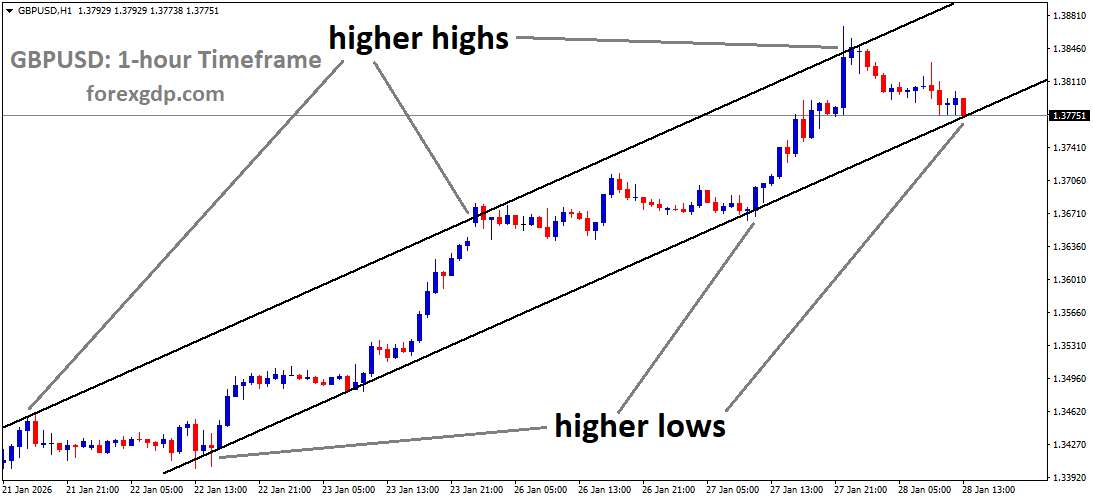
GBPUSD is moving in an uptrend channel, and the market has reached a higher low area of the channel
Rather than signaling a major change in direction, the latest pause appears to be a moment of consolidation. Investors are adjusting their positions after days of heavy Dollar selling and are now waiting for clearer signals from central banks and economic data.
US Dollar Finds Temporary Support
The US Dollar has managed to recover some lost ground after a difficult period. In recent days, the currency had been under strong pressure due to political uncertainty, rising government spending, and repeated public criticism of the Federal Reserve. These factors weakened confidence in the Dollar and encouraged investors to reduce their exposure.
On Tuesday, comments from President Donald Trump offered the Dollar a brief lift. His remarks supporting the current value of the currency helped slow the selling momentum, even though broader concerns remain unresolved. The market reaction suggests that while words can influence short-term movements, deeper issues continue to weigh on the Dollar’s outlook.
Investors are now more cautious, choosing to reduce aggressive bets against the Dollar until there is clarity from the Federal Reserve. This shift in positioning explains much of the Dollar’s modest rebound.
Economic Data Weighs on US Confidence
Recent economic reports from the United States have added to concerns about the strength of the economy. Consumer confidence took a notable hit, reaching its weakest point in more than a decade. The decline reflects growing anxiety among households about job availability and rising living costs.
At the same time, employment data showed signs of slowing momentum. Private-sector job creation has weakened for several consecutive periods, reinforcing fears that the labor market may be losing some of its earlier strength. Together, these indicators paint a picture of an economy facing increasing pressure from both inflation and employment uncertainty.
Why Consumer Sentiment Matters
Consumer confidence plays a critical role in economic growth. When households feel uncertain about their financial future, they tend to spend less. Reduced spending can slow business activity, which in turn affects hiring and investment decisions. This feedback loop is one reason markets closely watch sentiment data, especially during periods of economic transition.
All Eyes on the Federal Reserve
Attention has now shifted firmly to the Federal Reserve’s upcoming policy decision. Markets widely expect the central bank to keep interest rates unchanged and to signal a steady approach in the near term. Stability is the key word investors are looking for, especially after weeks of heightened volatility.
However, uncertainty still surrounds the political backdrop. There is speculation that President Trump may attempt to draw attention by revealing plans related to future leadership at the Federal Reserve. Any unexpected announcement could trigger sharp reactions in financial markets, particularly in currency trading.
Why Fed Communication Is So Important
Central bank messaging shapes investor expectations. Even when no policy changes occur, the tone and language used by officials can influence market behavior. Hints about future policy direction, inflation concerns, or economic risks often carry as much weight as actual decisions.
The Pound’s Strength Has Solid Foundations
While the US Dollar struggles with mixed signals, the British Pound continues to benefit from supportive domestic data. Recent reports have highlighted strong retail activity and healthy business performance across the UK economy. These indicators suggest that consumer demand remains resilient despite global uncertainties.
One of the most encouraging developments has been the rise in shop prices. Stronger pricing power often reflects stable demand and improved confidence among retailers. This data has provided fresh momentum for the Pound and reinforced the idea that the UK economy is holding up better than many expected.
Retail Activity as a Growth Signal
Retail data offers valuable insight into consumer behavior. When shoppers continue to spend, it supports businesses, employment, and tax revenues. Strong retail performance often signals broader economic stability, which tends to attract investor interest in a country’s currency.
A Contrast Between Two Economic Paths
The current movement between the Pound and the Dollar highlights the contrast between the UK and US economic narratives. In the United States, concerns about policy uncertainty, slowing job growth, and consumer anxiety have dampened confidence. In the UK, steady consumption and improving business conditions have helped support the currency.
This divergence does not mean the Pound will rise endlessly or that the Dollar will continue to weaken without interruption. Instead, it shows how relative economic strength and investor sentiment shape currency movements over time.
Markets are dynamic, and shifts in expectations can happen quickly. What matters most is how economies respond to challenges and whether policymakers can maintain credibility and stability.
What Investors Are Watching Next
Looking ahead, traders will closely monitor signals from central banks, upcoming economic releases, and political developments on both sides of the Atlantic. For the Pound, continued strength in consumer spending and business confidence will be key. For the Dollar, reassurance from the Federal Reserve and signs of economic resilience could help restore confidence.
Short-term fluctuations are likely as markets digest new information. However, the broader themes driving the Pound and the Dollar remain firmly in place.
Summary
The Pound has eased slightly after reaching multi-year highs, reflecting a temporary recovery in the US Dollar rather than a shift in the overall trend. The Dollar’s recent rebound comes as investors reduce risk ahead of a crucial Federal Reserve decision, even as economic data points to growing challenges in the US economy.
In contrast, the British Pound continues to draw support from strong domestic data, particularly in retail activity and pricing trends. As attention turns to central bank guidance and economic performance, the balance between caution and confidence will shape the next phase of movement between these two major currencies.
USDJPY Stays Under Pressure as Markets Await the Fed’s Next Move
Global currency markets have been unusually tense as the US Dollar and the Japanese Yen pull in opposite directions. The Dollar has been under pressure in recent days, while the Yen has managed to hold on to its recent gains. This tug of war reflects a mix of political signals, central bank expectations, and shifting investor sentiment.
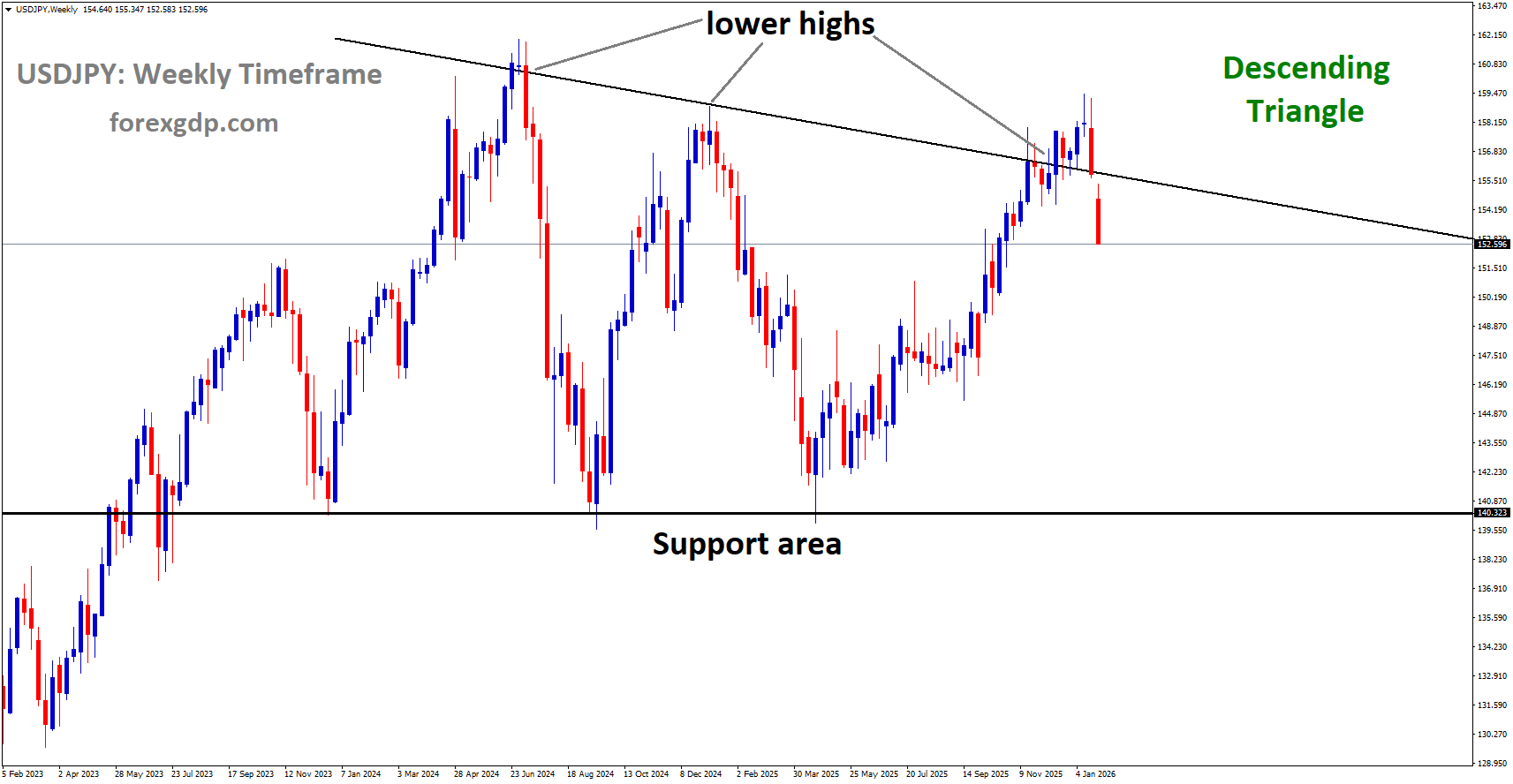
USDJPY is moving in a descending triangle pattern, and the market has fallen from the lower high area of the pattern
Traders are closely watching the lead-up to the next decision from the US Federal Reserve. Even though a major policy shift is not expected right now, the tone of official communication matters. At the same time, developments in Japan are adding a fresh layer of support to the Yen, helping it stay firm even when the Dollar tries to recover.
What makes this moment interesting is not just one event, but the way several forces are coming together. Political comments, central bank messaging, and market positioning are all shaping how investors view these two major currencies.
Political Signals Add Pressure on the Dollar
One of the strongest influences on the Dollar lately has been political commentary from the United States. President Donald Trump’s recent remarks openly welcomed a weaker Dollar, which quickly caught the attention of currency markets. Such comments tend to carry weight because they signal how the administration views the balance between trade, growth, and currency strength.
When a sitting president praises a softer currency, investors often take it as a green light to reduce exposure. The idea is simple: if policymakers are comfortable with depreciation, there may be less resistance to further weakness. This mindset has added to the downward pressure already facing the Dollar.
The impact of these remarks was not limited to a brief reaction. They reinforced a broader narrative that the US may favor easier financial conditions in the future. As a result, the Dollar struggled to regain momentum, even when there were small signs of recovery.
Investors Adjust Positions Ahead of Key Decisions
Another important factor shaping recent moves is investor positioning. After a period of strong trends, many traders chose to reduce their bets against the Dollar. This was not necessarily a vote of confidence in the currency, but rather a cautious step ahead of major policy announcements.
When central bank meetings approach, uncertainty rises. Investors prefer to limit risk rather than be caught on the wrong side of a surprise. This trimming of positions helped slow the Dollar’s decline but did not fully reverse it.
The Japanese Yen, meanwhile, benefited from this shift in sentiment. As traders cut back on aggressive strategies, the Yen’s role as a perceived safe haven became more visible. This allowed it to hold its ground, even as the Dollar attempted to stabilize.
The Federal Reserve’s Steady Hand
The US Federal Reserve is widely expected to keep its current policy stance unchanged in the near term. Officials have consistently signaled a desire to remain patient, especially as they assess how past decisions are affecting the broader economy. For now, stability appears to be the main goal.
However, markets are not just focused on the present. Attention is already turning to the future leadership of the Fed. Chairman Jerome Powell is expected to step down later this year, and that transition brings questions about what comes next.
President Trump has made it clear that he prefers lower borrowing costs. His comments have fueled speculation that future leadership could lean toward a more accommodative approach. Even without immediate changes, this expectation influences how investors view the Dollar over the medium term.
Growing Talk of Coordinated Action Supports the Yen
Recent reports suggesting closer monitoring of currency movements by both US and Japanese authorities added another layer of intrigue. While no official action was confirmed, the mere discussion of coordination was enough to catch the market’s attention.
For traders, the possibility of joint efforts to support the Yen acts as a powerful signal. It encourages caution when betting against the Japanese currency and can quickly change the direction of speculative flows. As a result, some investors chose to step back from aggressive positions, giving the Yen additional breathing room.
This sense of official awareness has helped strengthen confidence in the Yen’s outlook. Even without direct intervention, the message alone can influence behavior, especially in an environment already sensitive to policy signals.
Japan’s Central Bank Signals a Gradual Shift

On the Japanese side, the Bank of Japan has been slowly adjusting its message. Minutes from a recent policy meeting showed a growing confidence among policymakers that inflation and wage growth trends are becoming more sustainable. This marks an important shift for a central bank long associated with ultra-loose policy.
Committee members emphasized a careful and gradual approach, avoiding sudden moves that could disrupt the economy. Still, the acknowledgment of lasting price and wage pressures suggests that Japan is edging toward a more normal policy framework.
This outlook has helped ease concerns about Japan’s long-term financial stability. For investors, it provides reassurance that the Yen has solid backing from domestic economic conditions, not just external factors.
Why the Yen Is Holding Firm
Despite occasional attempts by the Dollar to bounce back, the Yen has shown resilience. This strength is rooted in a combination of domestic policy signals and global uncertainty. When markets sense caution from major central banks and mixed political messaging, the Yen often benefits.
Japan’s commitment to gradual tightening, paired with reduced speculative pressure, has created a more balanced environment for its currency. Instead of reacting sharply to every headline, the Yen has been able to maintain a steady tone.
This does not mean the path ahead will be smooth. Currency markets are dynamic, and sentiment can shift quickly. Still, the current setup favors stability rather than sharp swings.
Looking Ahead: What Investors Are Watching
As the next Federal Reserve meeting approaches, investors will be listening closely to every word from policymakers. Even subtle changes in language can influence expectations and trigger market reactions. The future direction of US monetary policy remains a key question.
At the same time, developments in Japan will continue to matter. Any further confirmation that inflation and wage growth are holding up could strengthen confidence in the Yen’s longer-term prospects.
Political commentary will also remain a wildcard. Statements from US leadership have already shown their ability to move markets, and similar remarks in the future could quickly reshape sentiment.
Final Summary
The recent balance between the US Dollar and the Japanese Yen reflects more than short-term market noise. Political signals from the United States, steady but closely watched central bank policies, and changing investor behavior are all playing a role. While the Dollar faces ongoing pressure tied to leadership comments and future policy expectations, the Yen is finding support from both domestic economic trends and cautious global sentiment. As investors look ahead, clarity from central banks and political leaders will remain crucial in shaping the next phase of this currency relationship.
USDCAD Drifts Lower as Canada’s Central Bank Signals Policy Patience
The Bank of Canada is heading into its next policy meeting with a clear message: stay the course, but stay alert. Policymakers are widely expected to keep the benchmark interest rate unchanged at 2.25%, continuing the pause first signaled late last year. For now, officials appear comfortable with where policy stands, believing it is doing enough to guide inflation toward the central bank’s 2% target without placing unnecessary strain on the economy.
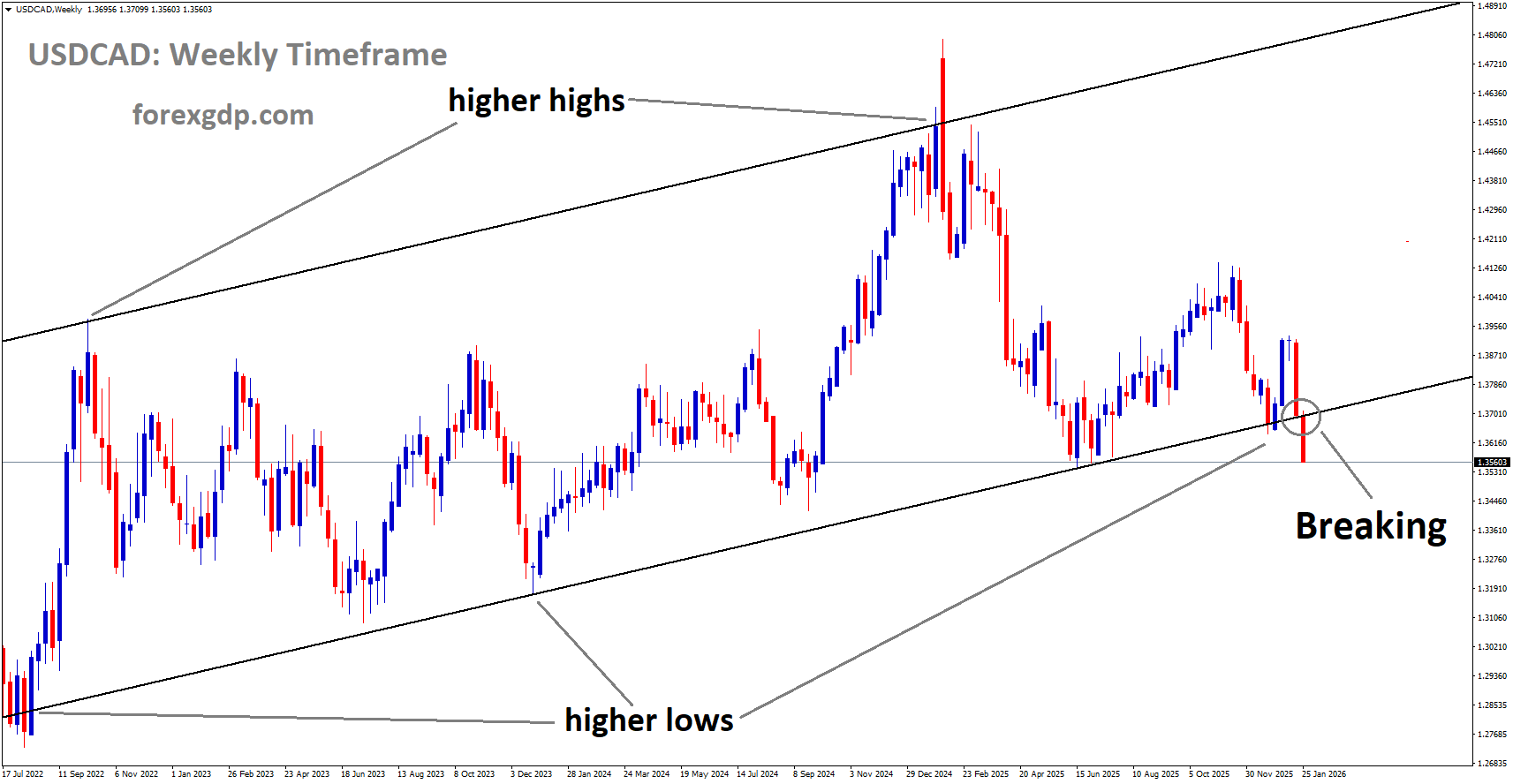
USDCAD is breaking the higher high area of the uptrend channel
At the same time, this is far from a “set it and forget it” approach. The Bank has repeatedly emphasized that it is not locked into any single path. If inflation pressures reappear or the economy falters more than expected, the response could shift quickly. This balance between confidence and caution defines the current stance and explains why markets and businesses alike are paying close attention to every word from policymakers.
Why the Bank of Canada Is Holding Steady
The decision to keep rates unchanged reflects the Bank’s assessment that monetary policy is roughly where it needs to be. After a long period of tightening aimed at cooling inflation, officials now see signs that price pressures are easing, even if the process is not yet complete.
Back in December, the central bank made it clear that it expected inflation to remain close to target as long as the economy evolved in line with forecasts. That guidance set the stage for an extended pause. Since then, incoming data has done little to challenge that view in a decisive way. While there have been some bumps along the road, nothing so far has forced policymakers to rethink their strategy.
This steady stance has also helped reinforce confidence in the Canadian Dollar. With the Bank of Canada sounding measured and disciplined, investors see fewer reasons to expect abrupt shifts in policy. That stability has supported the currency, even as global conditions remain uncertain.
Inflation: Improving, but Not Fully Tamed
Inflation remains the central focus for policymakers, and recent data offers a cautiously reassuring picture. Headline consumer price inflation has been hovering near the 2% target, supported by spare capacity in the economy. In simple terms, when there is room for businesses to expand without pushing against tight limits, price pressures tend to stay in check.
Some cost pressures have emerged from changes in global trade patterns, but these have been partly offset by softer demand in other areas. As a result, the overall inflation trend looks more stable than it did a year ago.
However, underlying inflation tells a slightly more complicated story. Core measures, which strip out volatile items to give a clearer sense of long-term trends, are still running above the target. While they have eased somewhat, they suggest that the disinflation process is not yet finished. This is one of the main reasons the Bank remains cautious about declaring victory.
What the Core Measures Are Saying
The Bank of Canada pays close attention to several preferred measures of core inflation. These indicators have edged lower in recent months, which is encouraging. Even so, they remain above the level consistent with long-term price stability. For policymakers, this means patience is still required. Moving too quickly could risk reigniting inflation, while acting too slowly could weigh on economic activity.
A Mixed Growth Picture Across the Economy
Economic growth in Canada has been uneven, adding another layer of complexity to the policy outlook. After a surprisingly strong performance in the third quarter, momentum appears to have cooled toward the end of the year. Fourth-quarter growth is expected to be softer, reflecting weaker contributions from net exports.
The earlier strength in activity caught many observers off guard, but the Bank of Canada has been careful in its interpretation. Officials have suggested that much of that surge was driven by trade-related volatility rather than a true acceleration in underlying demand. In other words, it may not have been a sign that the economy was suddenly gaining lasting momentum.
Domestic demand has shown some resilience, but not enough to fully offset external headwinds. This reinforces the Bank’s view that policy does not need to become more restrictive at this stage.
Labour Market Offers a Brighter Spot
One area providing a more positive signal is the labour market. Recent data points to early signs of improvement, with employment conditions stabilizing after a period of softness. While this alone is not enough to change the policy outlook, it does support the Bank’s decision to wait and see how conditions evolve.
A labour market that holds up reasonably well can help sustain consumer spending without fueling excessive inflation. For policymakers, this balance is critical.
Market Expectations and Policy Flexibility
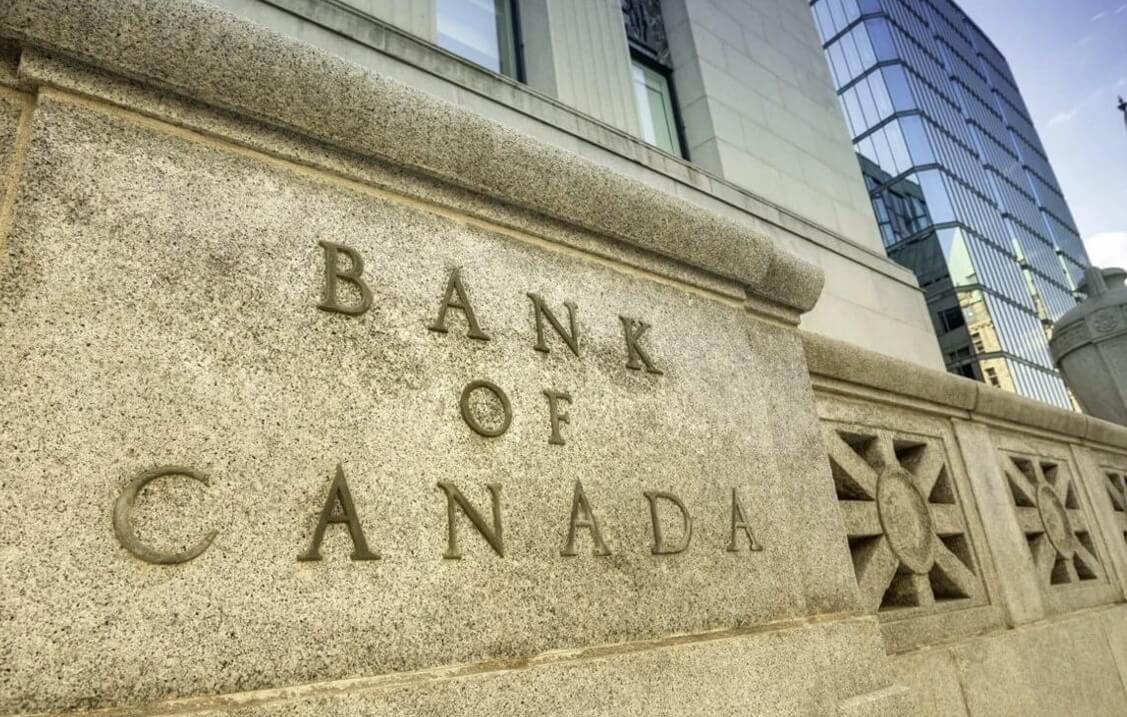
Financial markets broadly agree with the Bank of Canada’s current approach. Expectations point to rates staying on hold for now, with only a modest chance of tightening later in the year if inflation proves more persistent than expected. This outlook aligns with the Bank’s own guidance that policy is near an appropriate level.
Importantly, the central bank has left the door open to adjustments in either direction. If inflation risks re-emerge, officials have made it clear they are prepared to act. Conversely, if growth weakens significantly and inflation continues to ease, a different policy conversation could emerge.
Analysts have highlighted that this is the second consecutive pause after policymakers stated that rates are about right to guide inflation toward target while supporting the economy’s transition. That framing underscores the Bank’s emphasis on flexibility rather than commitment to a fixed path.
What to Watch in the Months Ahead
Looking forward, several factors will shape the Bank of Canada’s next moves. Inflation data will remain the most important input, particularly the behavior of core measures. Signs that underlying inflation is cooling more decisively would strengthen the case for staying on hold.
Economic growth will also matter, especially evidence of whether the softness seen toward the end of last year persists or gives way to a more balanced expansion. Developments in global trade and financial conditions could add further uncertainty.
For now, the message from the Bank is clear: policy is steady, but vigilance is high. This approach aims to preserve hard-won progress on inflation while avoiding unnecessary pressure on the economy.
Final Summary
The Bank of Canada is expected to keep its benchmark rate unchanged as it balances easing inflation against uneven economic growth. Headline inflation has moved closer to target, but underlying pressures remain elevated enough to warrant caution. Growth has cooled after a volatile period, while the labour market shows tentative signs of improvement. Markets largely share the view that policy will remain steady, with only limited adjustments possible later in the year. Taken together, these factors support a wait-and-see approach, with flexibility at the core of the Bank’s strategy.
Don’t trade all the time, trade forex only at the confirmed trade setups
Get more confirmed trade signals at premium or supreme – Click here to get more signals, 2200%, 800% growth in Real Live USD trading account of our users – click here to see , or If you want to get FREE Trial signals, You can Join FREE Signals Now!