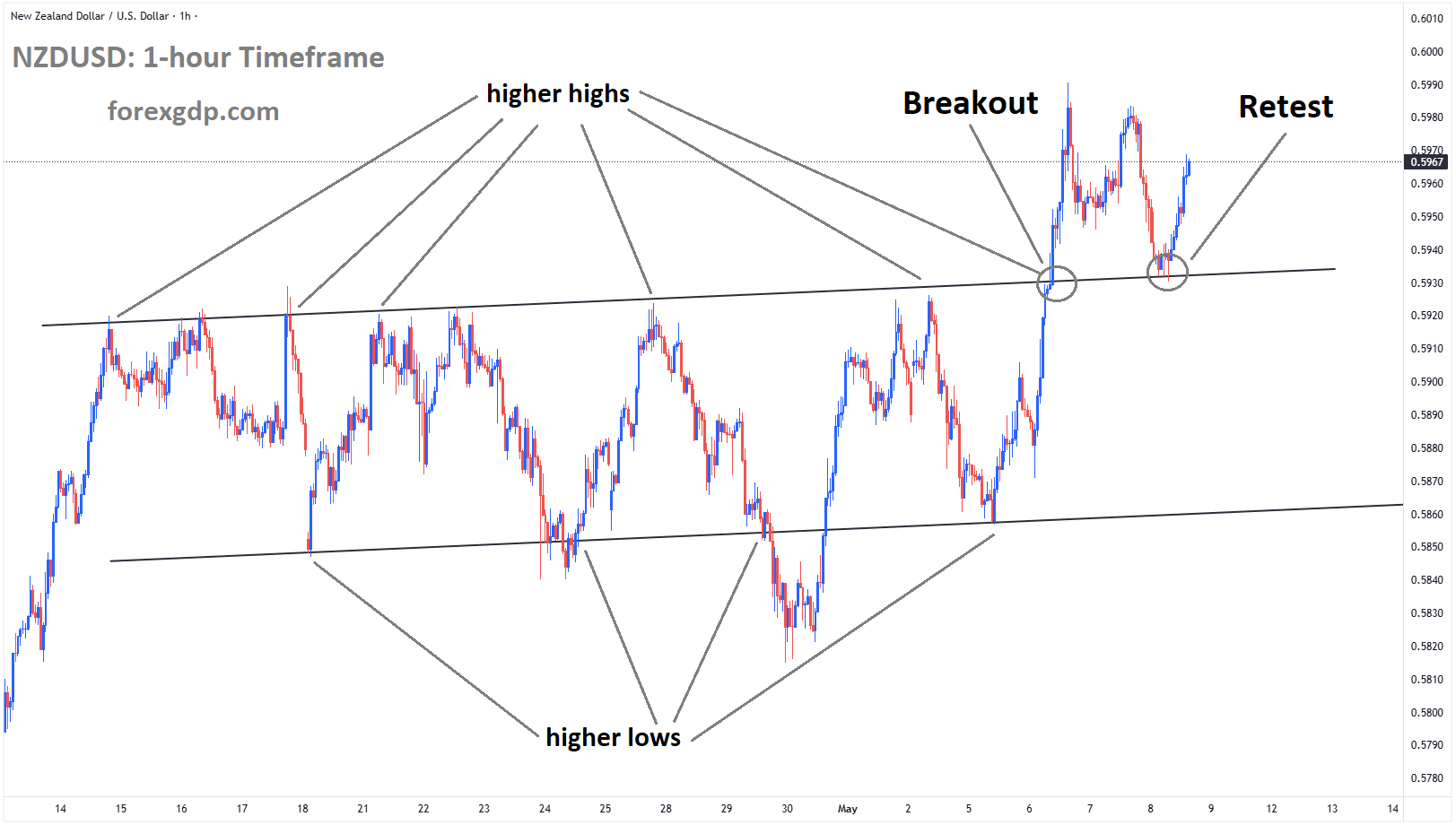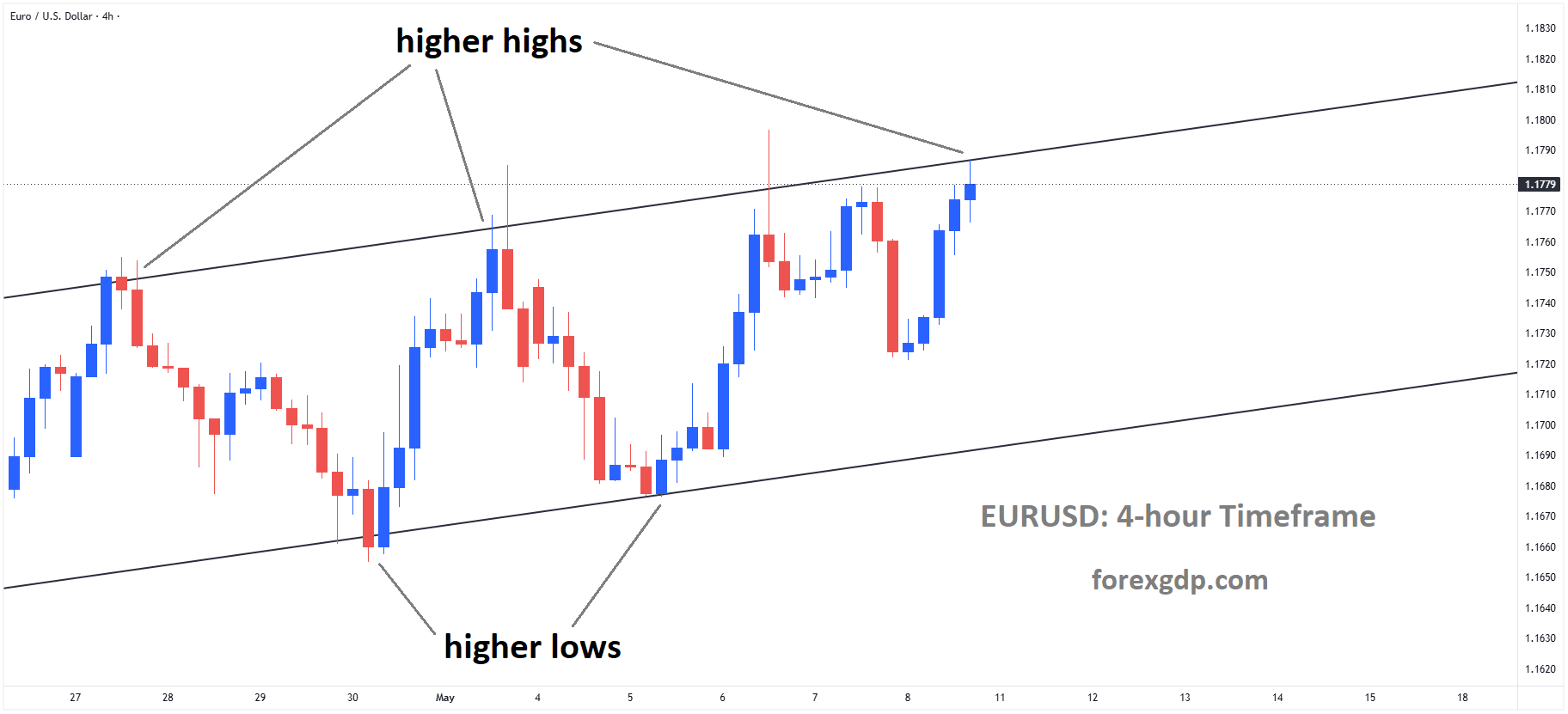
EURUSD reached a higher high area of the ascending channel
EURUSD Advances Ahead of Key US Jobs Data Despite Fresh Pressure on Eurozone Outlook
The EUR/USD pair moved higher on Friday, climbing close to the 1.1750 level after recovering from losses seen in the previous session. Even with the rebound, the pair remains stuck within the same trading range that has controlled price action for the past few weeks. Traders continue to watch a mix of geopolitical developments, economic reports, and expectations surrounding US monetary policy.
While the Euro managed to gain some strength against the US Dollar, market sentiment stayed cautious as tensions in the Middle East created uncertainty across global financial markets.
Rising Iran-US Tensions Weigh on Investor Confidence
Risk appetite weakened after reports emerged that the United States and Iran exchanged fire in the Strait of Hormuz. The region is one of the world’s most important oil shipping routes, so any military activity there quickly attracts global attention.
Investors became more cautious as fears of a wider conflict increased. Concerns about global trade disruptions and energy supply risks added pressure to financial markets, leading many traders to reduce exposure to riskier assets.
Despite the escalation, US President Donald Trump stated that the ceasefire agreement was still active. He also encouraged Iran to move forward with negotiations and sign a peace agreement. On the other side, Iranian officials confirmed that they are reviewing a 14-point proposal from the United States aimed at ending the conflict.
These developments helped calm some fears, but uncertainty remains high. Markets are likely to stay sensitive to any new headlines related to the situation.
Euro Shows Resilience Despite Weak German Economic Data
The Euro remained relatively stable even after disappointing economic figures from Germany, the largest economy in the Eurozone.
Data released on Friday showed that German Industrial Production fell again in March. Economists had expected a recovery after the previous month’s decline, but the figures instead revealed another contraction. The weak performance highlighted ongoing challenges facing the country’s manufacturing sector.
Germany’s Trade Balance data also came in below expectations. Although exports increased unexpectedly, imports rose at a much faster pace, reducing the overall trade surplus. The shrinking surplus raised concerns about slowing external demand and pressure on domestic industries.
Germany’s Manufacturing Sector Faces Continued Pressure
Germany’s industrial sector has struggled for several months due to weaker global demand, higher production costs, and uncertainty in international trade. Manufacturing companies continue to face difficulties linked to supply chain adjustments and softer economic activity across Europe.
The latest industrial output figures suggest that the recovery process may take longer than expected. Investors are now closely watching whether future government support measures or improving global conditions can help stabilize the sector.
Weak economic data from Germany often affects the Euro because the country plays a major role in the overall Eurozone economy. However, in this case, the common currency managed to stay supported as traders balanced European weakness against concerns surrounding the US economy.
Focus Shifts to US Nonfarm Payrolls Report
Attention is now turning toward the upcoming US Nonfarm Payrolls (NFP) report, one of the most closely watched economic releases in global markets.
The report is expected to show that job creation slowed significantly in April. If employment growth weakens more than expected, investors may start increasing bets that the Federal Reserve could eventually shift toward a less aggressive monetary policy stance.
The labor market remains a key factor for the US central bank when making interest rate decisions. Strong employment data usually supports higher interest rates, while signs of slowing economic activity may encourage policymakers to become more cautious.
Federal Reserve Policy Expectations Remain Unclear
Investors are paying close attention to comments from Federal Reserve officials as differences in opinion continue to emerge within the central bank.
Some policymakers remain focused on controlling inflation, while others are becoming increasingly concerned about slowing economic growth and weakening labor market conditions. This division has created uncertainty over the future direction of US interest rates.
The upcoming employment report could provide fresh clues about the strength of the US economy and influence expectations for future policy decisions. Any major surprise in the data may lead to increased volatility in currency markets, especially for the US Dollar.
EUR/USD Continues Moving Within a Familiar Range
Although the Euro gained ground on Friday, the EUR/USD pair remains locked within a narrow range that has been in place for several weeks. Traders appear hesitant to make larger moves until clearer signals emerge from economic data and geopolitical developments.
The combination of weak German figures, Middle East tensions, and uncertainty surrounding the Federal Reserve has created a cautious environment across financial markets. As a result, investors continue to wait for stronger catalysts before pushing the currency pair in a clear direction.
For now, the Euro has shown resilience despite economic concerns in Europe, while the US Dollar remains influenced by shifting expectations surrounding interest rates and employment growth.
Market Sentiment Could Change Quickly
Global markets are currently being driven by headlines as much as by economic data. Any new developments involving Iran and the United States could rapidly influence investor confidence and currency flows.
At the same time, economic releases from both Europe and the United States will continue shaping expectations for central bank policies. Traders are likely to remain highly reactive to any signals that suggest changes in growth, inflation, or labor market conditions.
The balance between geopolitical uncertainty and economic performance is expected to remain the main theme for EUR/USD in the near term.
Summary
EUR/USD edged higher toward 1.1750 on Friday as the Euro recovered from earlier losses, but the pair continued trading within a familiar range. Investors remained cautious after reports of military exchanges between the US and Iran in the Strait of Hormuz raised concerns about global stability.
Meanwhile, weak German Industrial Production and Trade Balance figures highlighted ongoing economic challenges in Europe. Despite this, the Euro managed to stay resilient as traders shifted focus toward the upcoming US Nonfarm Payrolls report.
The employment data is expected to play a major role in shaping expectations for future Federal Reserve decisions. With geopolitical tensions and economic uncertainty still dominating market sentiment, traders are likely to remain cautious in the sessions ahead.
GBPUSD Climbs as Iran Ceasefire Hopes Weigh on Dollar Before US Payrolls
The GBP/USD currency pair moved slightly higher during Friday’s early Asian trading session, hovering near the 1.3560 level. The British pound gained some support as the US dollar weakened amid improving market sentiment linked to developments in the Middle East.
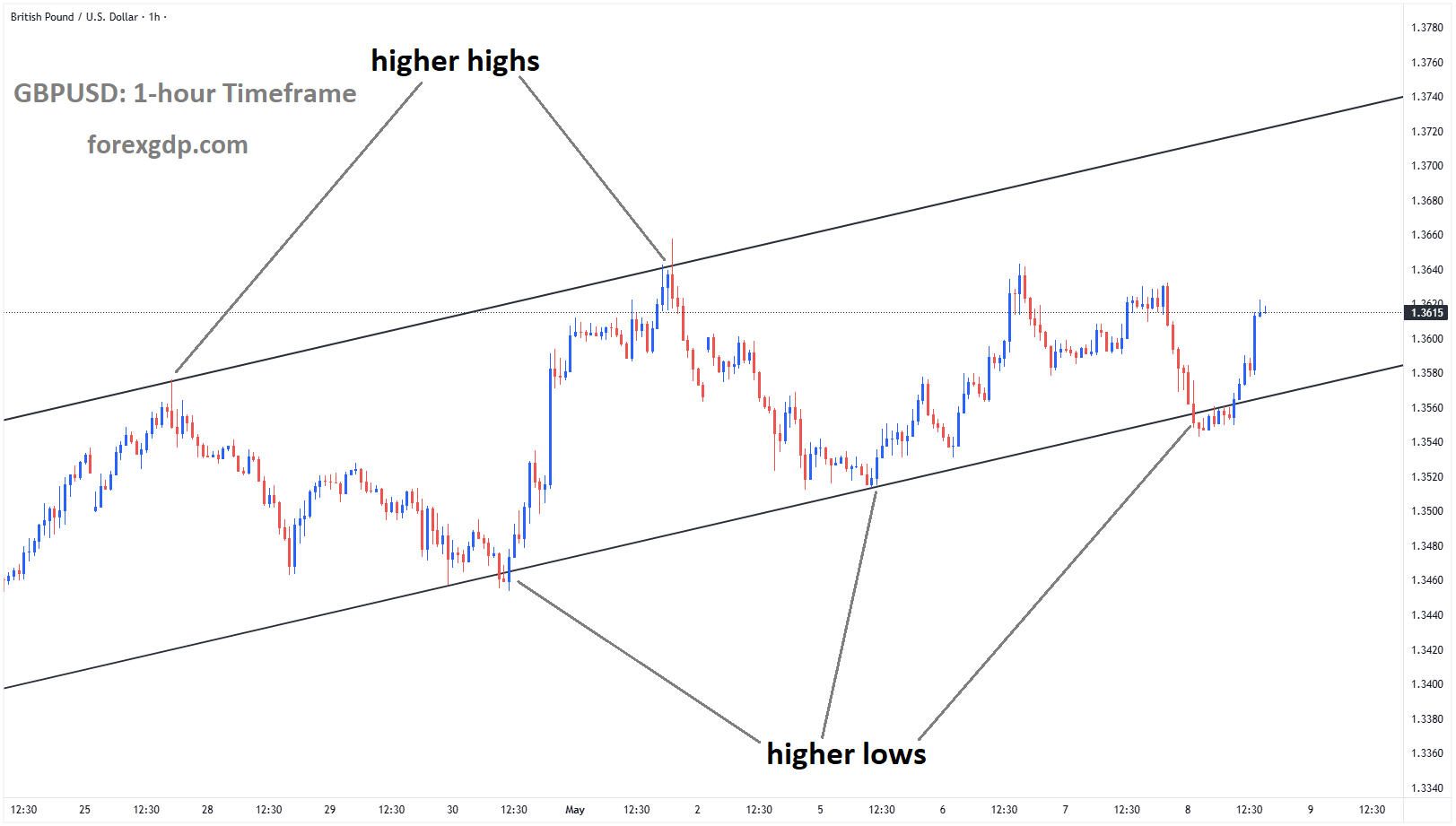
GBPUSD is moving in an ascending channel, and the market has rebounded from the higher low area of the channel
Investors are also turning their full attention toward the upcoming US Nonfarm Payrolls (NFP) report, one of the most closely watched economic releases in global financial markets. The report is expected to provide fresh clues about the strength of the US labor market and the future direction of monetary policy in the United States.
Middle East Tensions Reduce Safe-Haven Demand for the US Dollar
The US dollar often benefits during periods of geopolitical uncertainty because investors view it as a safe-haven asset. However, recent comments from US President Donald Trump helped ease some market concerns surrounding the conflict involving Iran.
Trump stated that the ceasefire with Iran remains active despite reports of fresh military activity near the Strait of Hormuz. According to reports from CNN, he emphasized that it would become very clear if the ceasefire had completely broken down.
These remarks helped improve overall market confidence, reducing demand for the US dollar. When investors feel less worried about global risks, they tend to move away from safe-haven assets and seek opportunities in other currencies and markets.
The Strait of Hormuz remains one of the world’s most important oil shipping routes, and any disruption in the area can create serious concerns for global trade and energy supplies. Because of this, traders continue to monitor every update related to the situation between the United States and Iran.
Optimism Over Potential Peace Agreement Supports Market Sentiment
Another factor influencing the currency market is growing optimism about possible diplomatic progress between Washington and Tehran. Reports suggest that the Trump administration is waiting for Iran’s response to a proposal aimed at reopening the critical waterway and ending the conflict.
Hopes for a peaceful resolution have improved investor sentiment across global markets. This positive mood has put additional pressure on the US dollar while supporting currencies like the British pound.
Currency traders usually react quickly to geopolitical headlines because political stability often affects investment flows, trade expectations, and central bank outlooks. If tensions continue to ease, the US dollar could remain under pressure in the short term.
At the same time, market participants remain cautious because geopolitical conditions can change rapidly. Any unexpected escalation could quickly reverse current market trends and restore demand for safer assets.
All Eyes on the US Nonfarm Payrolls Report
The biggest event for financial markets later on Friday will be the release of the US Nonfarm Payrolls report. The NFP report measures the number of jobs added in the US economy and is considered one of the most important indicators of economic health.
Economists expect the US economy to have added around 62,000 jobs in April. If confirmed, this would represent a major slowdown compared to the 178,000 jobs created in March.
The unemployment rate is expected to remain unchanged at 4.3%, suggesting that the labor market is still relatively stable despite slower hiring activity.
Why the Jobs Report Matters

The NFP report plays a major role in shaping expectations for future decisions by the US Federal Reserve. A stronger-than-expected jobs report could support the US dollar because it may signal that the economy remains resilient.
On the other hand, weaker employment figures could increase speculation that the Federal Reserve may eventually consider policy easing measures if economic growth slows further.
Investors will not only focus on the headline job number but also pay attention to wage growth and broader labor market trends. These details can provide important insight into inflation pressures and consumer spending strength.
Because of the report’s importance, market volatility often increases significantly after the data release. Currency pairs such as GBP/USD can experience sharp movements within minutes as traders react to the latest numbers.
Bank of England Maintains Current Interest Rate
While the US dollar side of the equation remains heavily influenced by economic data and geopolitical developments, the British pound is also receiving support from the Bank of England’s recent policy stance.
The Bank of England decided to keep its benchmark interest rate unchanged at 3.75% during its latest meeting. The decision was widely expected by markets, but investors paid close attention to the central bank’s guidance regarding future policy actions.
The BoE avoided making firm commitments about upcoming rate moves. However, policymakers suggested that additional tightening could still become necessary under certain conditions.
Inflation Risks Remain a Concern in the UK
Bank of England Governor Andrew Bailey warned that energy-related price shocks linked to the Middle East conflict could continue to fuel inflation pressures in the United Kingdom.
He stated that stronger policy tightening could become necessary if rising energy costs begin to significantly impact consumer prices again.
These comments signaled that the central bank remains cautious about inflation risks even as economic growth concerns continue to linger. Higher interest rates generally support a currency because they can attract foreign investment seeking better returns.
As a result, the pound has managed to remain relatively stable against the US dollar despite ongoing global uncertainty.
GBP/USD Outlook Remains Driven by Economic and Political Headlines
For now, the GBP/USD pair continues to trade within a relatively calm range as investors wait for clearer signals from both economic data and geopolitical developments.
The combination of easing Middle East tensions and expectations surrounding the US jobs report is currently shaping market sentiment. If the employment figures disappoint expectations, the US dollar could weaken further and allow the pound to extend its gains.
However, stronger labor market data could quickly shift momentum back in favor of the dollar.
Meanwhile, traders will continue watching comments from central bank officials, updates from the Middle East, and broader economic indicators for fresh direction.
Summary
The GBP/USD pair moved modestly higher near 1.3560 during Friday’s Asian session as improving sentiment surrounding a possible US-Iran peace agreement weakened demand for the US dollar. Investors are now focused on the upcoming US Nonfarm Payrolls report, which could heavily influence short-term market direction.
At the same time, the Bank of England’s cautious stance on inflation and interest rates continues to provide underlying support for the British pound. With both geopolitical developments and key economic data in focus, traders should expect continued market attention on the GBP/USD pair in the coming sessions.
USDCHF Extends Gains While Investors Turn Cautious and Back the Dollar
The USD/CHF currency pair continued to trade with strength during Friday’s Asian session, holding near the 0.7810 level. This marked the second straight day of gains for the pair as the US Dollar stayed stable following recent market uncertainty linked to geopolitical tensions in the Middle East.
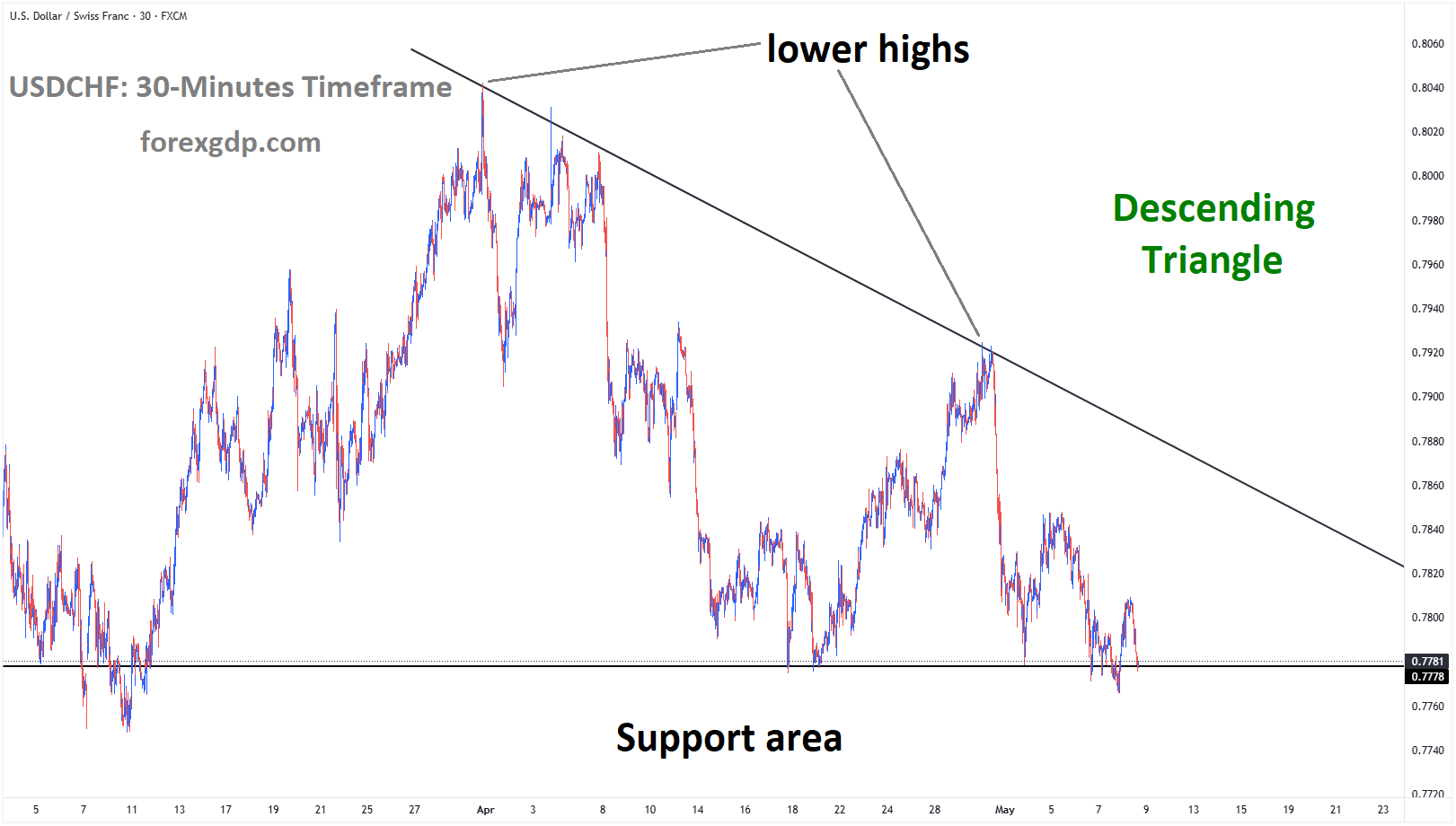
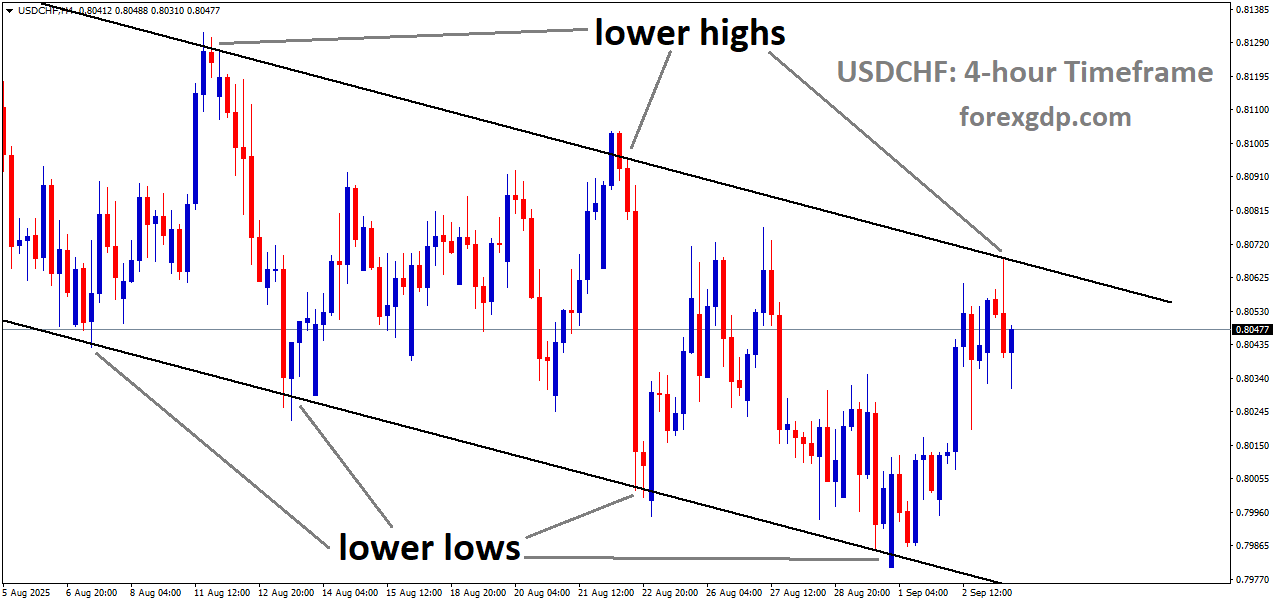
USDCHF is moving in a descending triangle pattern, and the market has reached the support area of the pattern
Investors remained cautious after fresh military activity involving the United States and Iran created concerns about regional stability. At the same time, hopes for a temporary reduction in conflict helped calm financial markets and supported demand for the US Dollar.
Attention is now shifting toward upcoming economic data from both Switzerland and the United States, especially the latest US Nonfarm Payrolls report, which could influence the direction of the currency market in the short term.
USD/CHF Remains Strong as the US Dollar Stays Supported
The US Dollar managed to hold its ground against the Swiss Franc after posting moderate gains in the previous trading session. Traders continued to favor the Dollar as global uncertainty kept investors focused on safer assets.
The Swiss Franc is often considered a safe-haven currency during periods of global stress. However, the US Dollar also benefits from strong demand whenever investors become cautious about geopolitical risks or economic uncertainty. In the current environment, the Dollar has remained relatively firm due to ongoing concerns surrounding the Middle East situation and expectations surrounding US economic data.
The USD/CHF pair has therefore maintained upward momentum for a second consecutive day, showing that traders are still leaning toward the US currency despite mixed market sentiment.
Middle East Tensions Keep Markets on Edge
One of the key drivers behind recent market caution has been the latest military activity involving the United States and Iran.
According to reports, the US military carried out strikes targeting the Iranian port city of Bandar Abbas as well as Qeshm Island, which is located near the Strait of Hormuz. The Strait of Hormuz is one of the world’s most important shipping routes for oil transportation, making any conflict in the region highly sensitive for global markets.
US Central Command stated that Iranian forces launched missiles, drones, and small-boat attacks against several US Navy destroyers, including USS Truxtun, USS Rafael Peralta, and USS Mason, while they were moving through the Strait of Hormuz.
American officials described the Iranian actions as unprovoked and stated that US forces responded under their right to self-defense. The developments increased concerns that tensions in the Gulf region could rise further, potentially affecting global trade and energy supply routes.
Whenever military conflict escalates in strategically important areas, investors often become more defensive. This tends to support the US Dollar as traders seek stability during uncertain periods.
Signs of a Temporary Pause Offer Some Relief
Despite the military confrontation, markets also received signs that both sides may be attempting to avoid a larger conflict.
Separate comments from Israel and Iran suggested that hostilities had temporarily eased. In addition, US President Donald Trump stated that the ceasefire arrangement between the United States and Iran was still active.
A senior US official also reportedly said that the recent strikes should not be interpreted as the beginning of a new war or the end of the current ceasefire understanding.
These comments helped calm some investor fears and reduced concerns about an immediate escalation across the Middle East. Financial markets reacted with a slightly more balanced tone as traders assessed whether diplomatic efforts could continue.
Strait of Hormuz Discussions Remain Important
Another major focus for investors is the future of the Strait of Hormuz and whether tensions around the shipping route can be reduced.
The Trump administration is reportedly waiting for Iran’s response to a proposal aimed at reopening the Strait fully and bringing an end to the nearly 10-week conflict.
Reports suggest that Tehran may deliver its official response through Pakistan within the next two days. While this has created some optimism that negotiations could continue, tensions across the Persian Gulf and Lebanon remain elevated.
The Strait of Hormuz plays a critical role in global energy transportation, with a large portion of the world’s oil exports passing through the area. Any disruption there can create wider concerns for global growth, inflation, and international trade.
Because of this, currency traders are closely monitoring every new development linked to the region.
Traders Await Key US Employment Data
Aside from geopolitical headlines, investors are also preparing for important economic data from the United States.
The upcoming US Nonfarm Payrolls report for April is expected to show that the American economy added around 62,000 jobs during the month. This would represent a noticeable slowdown compared to the 178,000 jobs added in March.
Meanwhile, the US unemployment rate is expected to remain unchanged at 4.3%.
The Nonfarm Payrolls report is one of the most closely watched economic releases in the financial world because it provides insight into the strength of the US labor market. Strong employment data usually supports the US Dollar, while weaker numbers can put pressure on the currency.
If job growth slows more than expected, investors may start questioning the overall pace of the US economy. On the other hand, if the labor market remains resilient despite slower hiring, the Dollar could continue to receive support.
Swiss Economic Data Also in Focus

In Switzerland, traders are waiting for the latest SECO Consumer Climate data for the second quarter.
This report measures consumer confidence and gives insight into how Swiss households feel about the economic outlook. Stronger consumer sentiment may support the Swiss Franc, while weaker readings could reduce demand for the currency.
Although the US employment report is likely to attract most of the market attention, Swiss economic indicators may still influence short-term movement in the USD/CHF pair.
Market Sentiment Remains Fragile
Financial markets are currently balancing two major themes at the same time. On one side, geopolitical tensions in the Middle East continue to create uncertainty and caution among investors. On the other side, hopes for diplomacy and temporary ceasefire efforts are preventing panic from fully taking over the markets.
This combination has helped the US Dollar remain relatively stable while traders wait for clearer signals from both political developments and economic data releases.
Currency markets are likely to remain sensitive to fresh headlines regarding Iran, the Strait of Hormuz, and US economic performance over the coming days.
Final Summary
USD/CHF continued to hold firm as the US Dollar stayed supported by cautious market sentiment and ongoing geopolitical tensions in the Middle East. Recent US military strikes involving Iranian targets initially increased concerns, but comments suggesting a temporary pause in hostilities helped ease fears of a larger conflict.
Investors are now closely watching diplomatic developments related to the Strait of Hormuz while also preparing for key economic releases. The upcoming US Nonfarm Payrolls report and Switzerland’s consumer confidence data could play an important role in shaping the next move for the USD/CHF pair.
USDCAD Slips Ahead of Key Employment Reports as Falling Crude Hurts Loonie
USD/CAD moved slightly lower on Friday, trading near the 1.3650 level after reaching a one-week high earlier in the session. The currency pair slipped around 0.12% on the day, ending a short two-day winning streak. Even with the small decline, traders remain cautious as markets wait for important employment reports from both the United States and Canada.
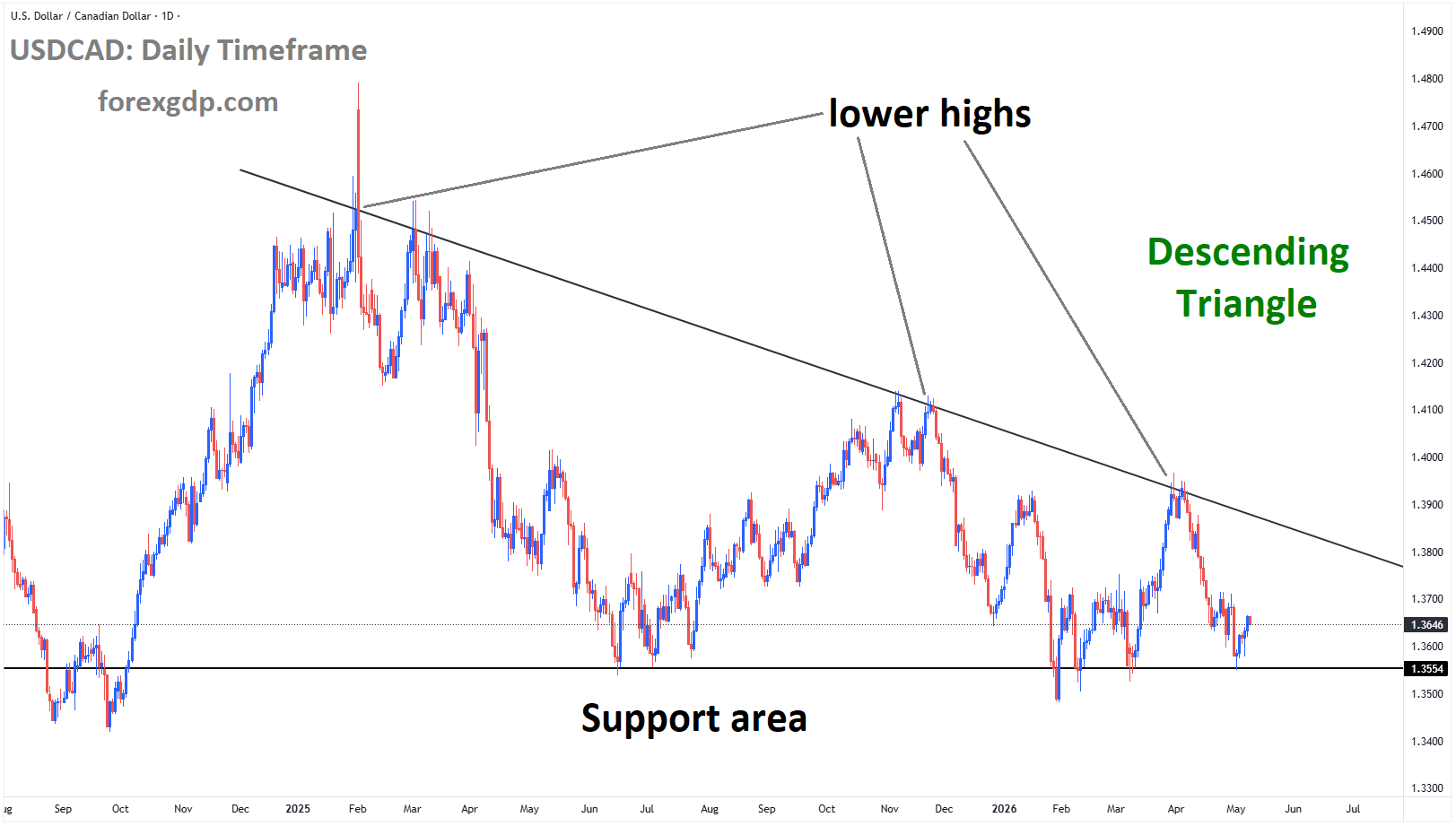
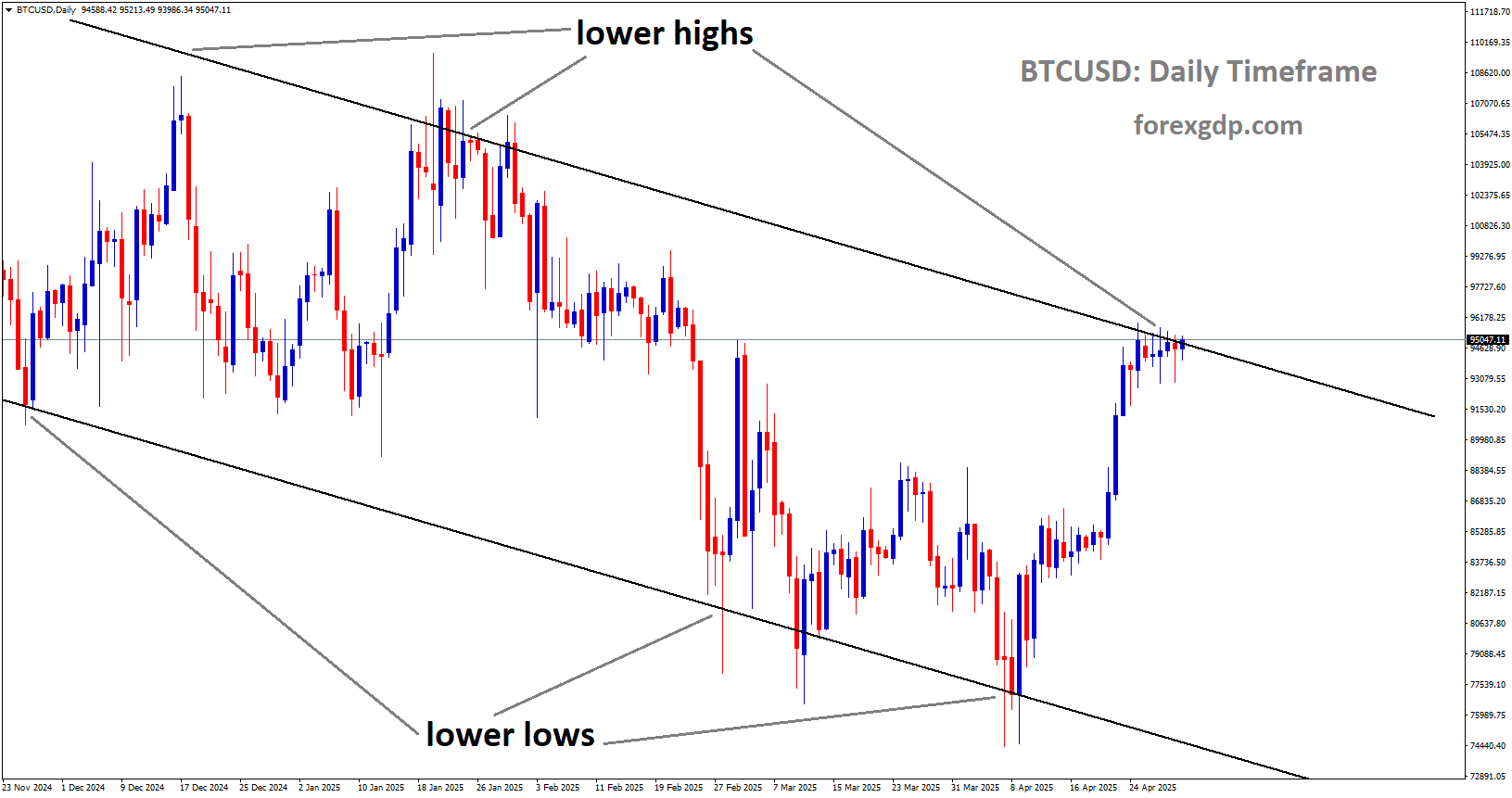
USDCAD is moving in a descending triangle pattern, and the market has rebounded from the support area of the pattern
The latest movement in the pair reflects a mix of changing market sentiment, weaker Oil prices, and growing attention toward upcoming economic data. Investors are closely watching these developments because they could shape the direction of both the US Dollar and the Canadian Dollar in the near term.
Market Sentiment Improves as Geopolitical Tensions Ease
One of the major factors influencing the market on Friday was the easing of geopolitical tensions in the Middle East. Recent comments from both Israel and Iran suggested that tensions between the two countries had temporarily cooled down. At the same time, US President Donald Trump stated that the ceasefire between the United States and Iran remains active.
These developments helped improve overall market confidence. When geopolitical risks begin to fade, investors usually feel more comfortable taking on riskier assets instead of moving money into traditional safe-haven currencies like the US Dollar.
As a result, the US Dollar lost some support during the session. This softer demand for safe-haven assets contributed to the slight pullback in USD/CAD after its recent gains.
Still, investors are not making aggressive moves before the release of critical labor market data. The uncertainty surrounding those reports is keeping trading activity relatively cautious.
Falling Oil Prices Continue to Pressure the Canadian Dollar
Although the US Dollar weakened slightly, the Canadian Dollar also faced challenges due to lower Oil prices. Canada is one of the world’s major energy exporters, and the Canadian Dollar often moves in line with changes in Crude Oil prices.
West Texas Intermediate (WTI) Crude Oil gave back part of its recent gains as concerns about supply disruptions started to fade. Earlier worries about possible interruptions in Oil production had supported higher prices, but the easing of geopolitical tensions reduced those fears.
Lower Oil prices tend to weaken the Canadian Dollar because reduced energy revenue can negatively impact Canada’s economy. This connection between Oil and the Canadian currency remains an important driver in the foreign exchange market.
Because of this relationship, losses in USD/CAD remained limited despite the softer tone in the US Dollar. Traders appear hesitant to push the pair significantly lower while Oil prices continue to struggle.
Focus Shifts to US Nonfarm Payrolls Report
The biggest event for currency markets on Friday is the release of the US Nonfarm Payrolls (NFP) report. This monthly employment report is one of the most closely watched economic indicators because it provides a detailed look at the health of the American labor market.
Economists expect the US economy to have added around 62,000 jobs in April. This would mark a sharp slowdown compared to the previous month’s gain of 178,000 jobs.
Meanwhile, the US Unemployment Rate is projected to remain steady at 4.3%.
A weaker-than-expected jobs report could put additional pressure on the US Dollar, especially if investors begin to believe that economic growth in the United States is slowing. On the other hand, stronger employment figures could support the Dollar by reinforcing confidence in the economy.
Currency traders are paying close attention not only to the headline job number but also to wage growth and labor participation data. These figures can influence expectations about future economic conditions and monetary policy decisions.
Canadian Employment Data Also in Spotlight
Alongside the US jobs report, Canada will also release its latest employment numbers. The Canadian labor market has shown signs of resilience in recent months, and investors are eager to see whether that trend continues.
Analysts expect Canada to add around 15,000 jobs in April following a gain of 14,100 jobs in March. The Canadian Unemployment Rate is forecast to remain unchanged at 6.7%.
If Canadian employment figures come in stronger than expected, the Canadian Dollar could receive some support despite weak Oil prices. Strong job growth often signals a healthier economy and may improve confidence among investors.
However, if the labor data disappoints, the Canadian Dollar may struggle further, especially while Crude Oil prices remain under pressure.
Why Employment Reports Matter for Currency Markets
Employment data plays a major role in currency trading because it provides insight into the strength of an economy. A strong labor market usually means consumers have more income to spend, which supports economic growth.
For central banks, employment trends are also important when making decisions about interest rates. Strong job growth and rising wages can increase inflation pressures, while weak employment conditions may encourage policymakers to take a more cautious approach.
This is why reports like the US Nonfarm Payrolls and Canadian employment data often create strong volatility in currency pairs such as USD/CAD.

Investors use these reports to reassess expectations about future economic performance and central bank policy directions. Even small differences between expectations and actual numbers can lead to sharp market reactions.
Traders Remain Careful Before Major Data Releases
Despite improved market sentiment and easing geopolitical concerns, traders are largely avoiding aggressive positions ahead of the employment reports.
The combination of softer Oil prices, uncertain labor market expectations, and changing global risk sentiment has created a balanced trading environment for USD/CAD.
Many investors prefer to wait for clearer economic signals before making larger moves. This cautious approach explains why the pair has remained relatively stable even after giving up some recent gains.
The outcome of Friday’s economic data could become the next major driver for the currency pair. Stronger US data may support the US Dollar, while stronger Canadian figures could help the Canadian Dollar recover.
Summary
USD/CAD traded slightly lower near 1.3650 on Friday after touching a one-week high earlier in the session. Improved market sentiment following easing Middle East tensions reduced demand for the US Dollar, but falling Oil prices continued to limit support for the Canadian Dollar.
Investors are now fully focused on employment reports from both the United States and Canada. The US Nonfarm Payrolls report and Canadian labor market data are expected to play a major role in determining the next direction for the currency pair.
Until those figures are released, traders are likely to remain cautious as they assess the balance between economic growth expectations, Oil market trends, and global market sentiment.
AUDUSD Pushes Higher as Markets Brace for US Employment Data
The Australian Dollar moved higher against the US Dollar on Friday, climbing close to the 0.7240 level during the European trading session. The currency gained momentum as investors turned cautious ahead of the release of the latest United States Nonfarm Payrolls (NFP) report, one of the most closely watched economic updates in global financial markets.
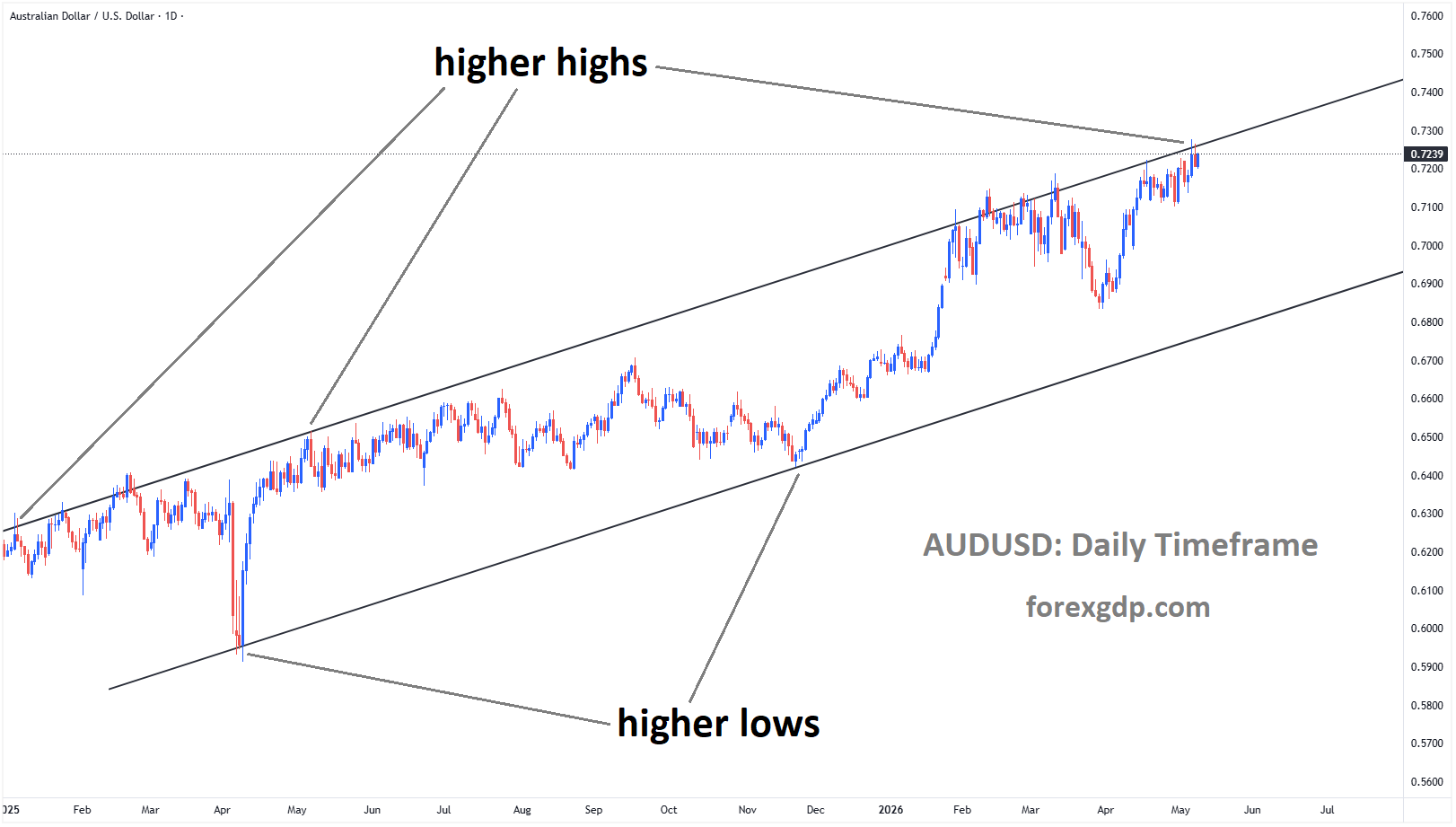
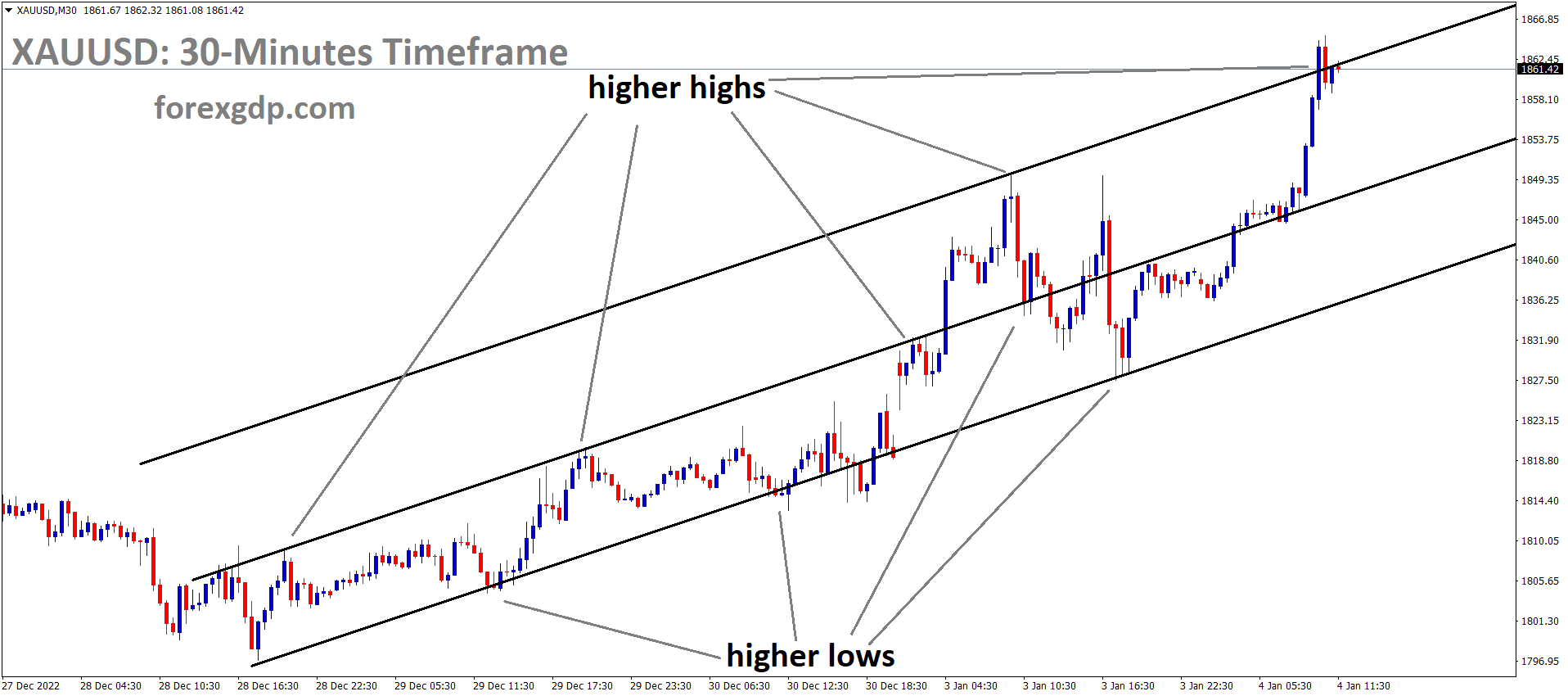
AUDUSD is moving in an Ascending channel, and the market has reached a higher high area of the channel
At the same time, expectations that the Federal Reserve may keep interest rates unchanged for the rest of the year continued to weaken the US Dollar. Growing optimism in global markets, supported by the ongoing ceasefire between the United States and Iran, also improved demand for risk-sensitive currencies like the Australian Dollar.
Australian Dollar Rises as US Dollar Weakens
The Australian Dollar strengthened by around 0.4% against the US Dollar as traders reduced their exposure to the Greenback before the release of the US employment data. Investors often become cautious before major economic announcements because the results can strongly influence market direction.
The US Dollar Index, which measures the value of the American currency against six major global currencies, slipped lower during the session. A weaker US Dollar usually provides support for currencies such as the Australian Dollar, especially when market sentiment becomes more positive.
The Australian Dollar is often considered a risk-sensitive currency. This means it tends to perform well when investors feel confident about global economic conditions and are willing to move into higher-risk assets. With broader market sentiment improving, the Aussie Dollar found additional support.
Investors Focus on US Nonfarm Payrolls Data
The main event for financial markets is the release of the US Nonfarm Payrolls report for April. The report provides a detailed picture of employment conditions in the United States and is viewed as an important indicator of economic strength.
Economists expect the report to show that employers added around 62,000 new jobs during the month. This would represent a significant slowdown compared to the previous reading of 178,000 jobs added in March.
Meanwhile, the unemployment rate is expected to remain unchanged at 4.3%, suggesting that the labor market is still relatively stable despite slower hiring activity.
Another major figure investors are watching closely is Average Hourly Earnings, which measures wage growth across the economy. Analysts expect wages to rise by 3.8% compared to a year earlier, higher than the previous increase of 3.5%.
Wage growth remains important because it can influence inflation trends. If workers earn more money, consumer spending may rise, potentially increasing inflationary pressure in the economy.
Federal Reserve Rate Expectations Remain in Focus
The upcoming jobs report could play a major role in shaping expectations for future Federal Reserve policy decisions.
Currently, many investors believe the Federal Reserve will keep interest rates unchanged through the end of the year. Market expectations suggest there is a strong possibility that policymakers will avoid aggressive rate changes unless economic conditions shift significantly.
If the employment report shows stronger-than-expected hiring and wage growth, it may reduce expectations for future interest rate cuts. A stronger labor market would signal that the economy remains resilient, giving the Federal Reserve more reason to keep borrowing costs steady.
On the other hand, weaker employment numbers could increase pressure on the central bank to consider rate reductions in the coming months. Slower job creation may point to weakening economic momentum, which could encourage policymakers to support growth through easier monetary policy.
Global Risk Sentiment Supports the Aussie Dollar
Apart from economic data, geopolitical developments are also influencing market movements.
The continuation of the ceasefire between the United States and Iran has helped maintain positive sentiment across global financial markets. Investors appear more comfortable taking on risk as fears of further escalation in the Middle East ease.
This improved confidence has boosted demand for equities and higher-yielding currencies. Futures linked to the S&P 500 index moved higher during European trading hours, reflecting stronger investor appetite for riskier assets.
Currencies like the Australian Dollar often benefit in this type of environment because investors tend to move away from traditional safe-haven assets such as the US Dollar.
Why the Australian Dollar Is Sensitive to Global Sentiment

The Australian economy has strong connections to global trade and commodity demand. Because of this, the Australian Dollar frequently reacts to changes in worldwide economic confidence.
When investors believe the global economy is stable and growth is improving, demand for the Australian Dollar often rises. In contrast, during periods of uncertainty or market stress, traders usually prefer safer currencies.
The latest market environment has created favorable conditions for the Aussie Dollar. Expectations of stable US interest rates, softer US economic data, and improving geopolitical conditions have combined to support the currency’s recent gains.
Traders Remain Cautious Ahead of Data Release
Despite the positive movement in the Australian Dollar, traders remain cautious ahead of the official jobs report.
Major economic releases like the Nonfarm Payrolls report can quickly change market expectations and trigger sharp movements in currency markets. Investors are likely to wait for confirmation from the data before making stronger directional moves.
A stronger-than-expected report could help the US Dollar recover some of its recent losses. However, weaker numbers may place additional pressure on the Greenback and provide further support for the Australian Dollar.
Financial markets are expected to remain highly sensitive to both economic data and Federal Reserve policy expectations over the coming weeks.
Final Summary
The Australian Dollar climbed near the 0.7240 level against the US Dollar as investors prepared for the release of the latest US Nonfarm Payrolls data. Weakness in the US Dollar, combined with expectations that the Federal Reserve may keep interest rates steady through the end of the year, supported the Aussie currency.
At the same time, improving global market sentiment driven by the continued US-Iran ceasefire added further momentum to risk-sensitive assets. While investors remain cautious ahead of the key employment report, the Australian Dollar continues to benefit from a combination of softer US Dollar demand and stronger appetite for risk across global markets.