

XAUUSD Falls as Rising Treasury Rates Boost Dollar Demand
Gold remains under selling pressure as renewed strength in the US Dollar and rising US Treasury yields reduce demand for the precious metal. Investors are also becoming more cautious ahead of the Federal Reserve’s latest meeting minutes, which could provide important clues about the central bank’s next policy move.
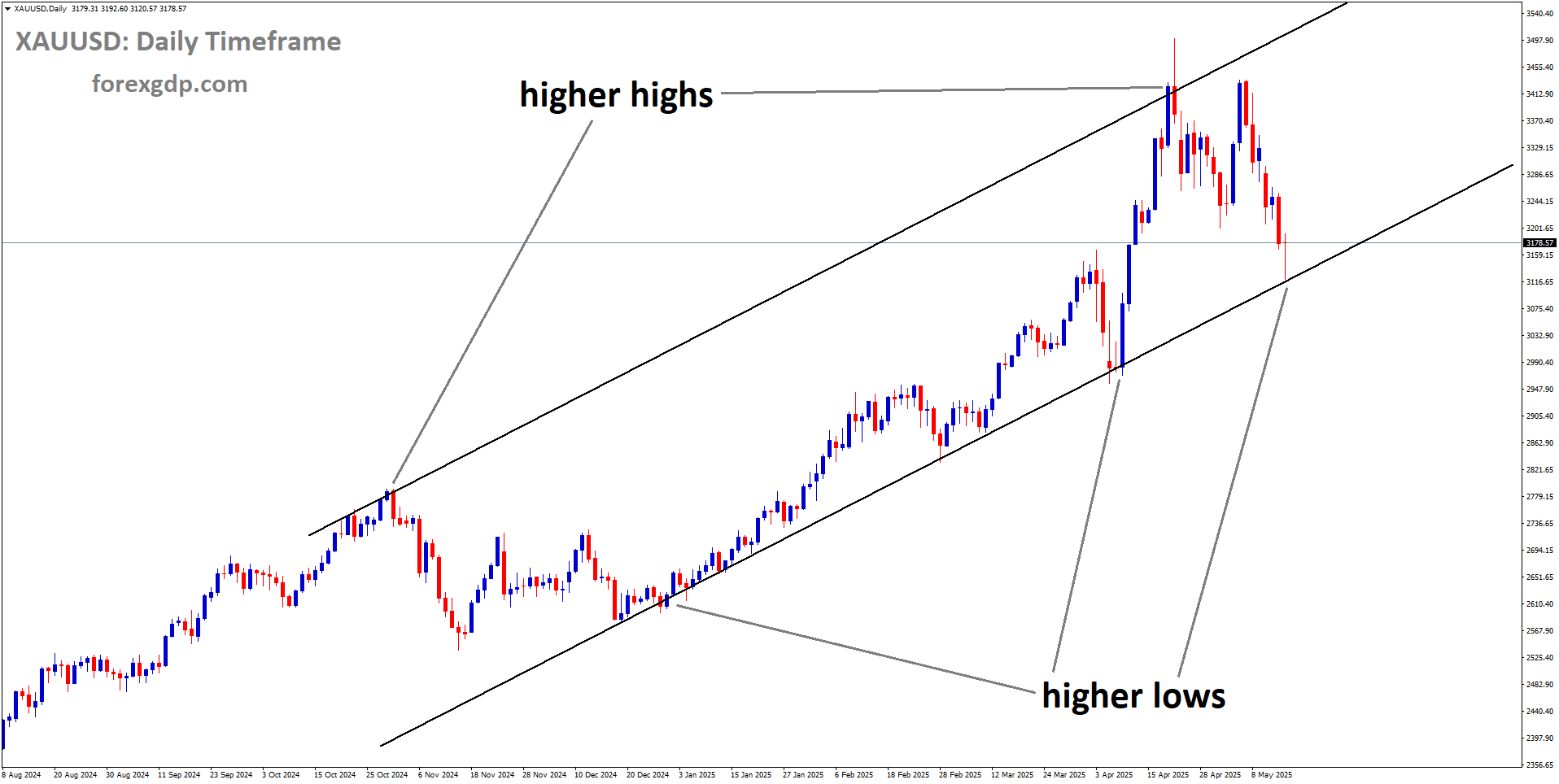
XAUUSD reached the lower low area of the descending channel
The broader market mood has shifted as concerns about inflation, government borrowing and higher energy costs return to focus. At the same time, the US economy continues to show signs of resilience, giving the Federal Reserve more flexibility to maintain restrictive monetary policy if inflation remains difficult to control.
For Gold, the combination of a firmer Dollar and elevated bond yields creates a challenging environment. However, uncertainty surrounding global conflicts, government debt and the longer-term economic outlook continues to keep the precious metal relevant for investors.
US Dollar Strength Creates Pressure on Gold
The US Dollar has regained momentum after experiencing a modest pullback. Demand for the American currency remains supported by expectations that US interest rates could stay elevated for an extended period.
A stronger Dollar can make Gold less attractive to international buyers because the precious metal is mainly traded in the US currency. When the Dollar gains value, buyers using other currencies may face higher costs, which can reduce overall demand.
The Dollar is also benefiting from uncertainty surrounding the Federal Reserve’s future policy decisions. Investors are reluctant to make large commitments until they receive clearer guidance about whether policymakers believe additional monetary tightening may be necessary.
This uncertainty has encouraged some investors to favor the Dollar, particularly as the US economy continues to perform relatively well despite restrictive borrowing conditions.
Gold, meanwhile, is facing pressure as traders reassess whether expectations for easier monetary policy may have moved too quickly.
Rising Treasury Yields Add Another Challenge
US Treasury yields have also moved higher, adding further pressure on Gold. Bond yields are being supported by several important economic and fiscal concerns.
One major factor is the outlook for inflation. Higher energy costs linked to tensions in the Middle East could make it more difficult for inflation to return toward the Federal Reserve’s desired level. Energy affects transportation, manufacturing and household expenses, meaning prolonged increases can spread through many areas of the economy.
Concerns about US government debt and large fiscal deficits are also attracting attention. When the government needs to borrow heavily, investors may demand greater returns for holding longer-term debt. This can contribute to higher Treasury yields.
A resilient US economy provides another reason for yields to remain elevated. Stronger economic activity can reduce the urgency for the Federal Reserve to adopt a more supportive policy stance.
Higher bond yields can be unfavorable for Gold because the metal does not provide regular interest payments. When government bonds offer more attractive returns, some investors may prefer interest-bearing assets instead of holding Gold.
FOMC Minutes Take Center Stage
Attention is now turning toward the minutes from the Federal Open Market Committee’s September meeting. Investors will carefully examine the document for details about how policymakers view inflation, economic growth and the need for additional monetary tightening.
The Federal Reserve previously raised borrowing costs as policymakers continued their effort to control inflation. However, more recent economic reports have created uncertainty about whether another increase will be necessary before the end of the year.
Recent employment figures have indicated some moderation in the labor market, while inflation data based on the Personal Consumption Expenditures measure has also shown signs of easing. These developments could give policymakers reasons to remain patient.
At the same time, the inflation outlook is far from settled.
Energy prices remain an important risk, particularly as geopolitical tensions affect global oil markets. If higher energy costs begin to influence broader inflation, Federal Reserve officials may become more concerned about price pressures returning.
The meeting minutes could therefore help investors understand how divided policymakers are over the next step.
Another Rate Increase Remains a Possibility

Financial markets largely expect the Federal Reserve to keep monetary policy unchanged at its upcoming meeting. However, expectations further ahead remain less certain.
The possibility of another rate increase later in the year has not disappeared. Persistent inflation risks could encourage policymakers to maintain a tougher stance, especially if economic activity remains strong enough to absorb tighter financial conditions.
For Gold investors, this policy uncertainty matters because expectations surrounding US interest rates strongly influence both Treasury yields and the Dollar.
If the Federal Reserve signals that additional tightening remains necessary, expectations for prolonged restrictive policy could continue to weigh on the precious metal. On the other hand, signs that policymakers are becoming more confident about easing inflation pressures could reduce some of the pressure created by high yields.
Much will depend on incoming economic information. The Federal Reserve has repeatedly emphasized that its decisions depend on economic conditions rather than following a predetermined policy path.
Middle East Conflict Keeps Inflation Risks in Focus
The Middle East conflict has introduced another layer of uncertainty into the global economic environment.
Energy markets are particularly sensitive to developments in the region because of its importance to global oil supplies. Any disruption or fear of reduced supply can contribute to higher energy costs.
This creates a complicated environment for Gold.
Geopolitical uncertainty can traditionally increase interest in Gold as investors seek assets that may preserve value during periods of instability. However, when geopolitical tensions simultaneously push energy prices higher and increase inflation concerns, they can also strengthen expectations for tighter monetary policy.
That creates competing forces for the precious metal.
Safe-haven demand may provide some support, while higher yields and a stronger Dollar can work in the opposite direction. This helps explain why Gold can remain under pressure even when geopolitical uncertainty is elevated.
Long-Term Gold Demand Remains Important
Although Gold has struggled during the recent period of restrictive monetary policy, longer-term demand has not disappeared.
Investors continue to view the precious metal as a potential store of value during periods of economic, financial and geopolitical uncertainty. Concerns surrounding government debt, fiscal deficits and the long-term purchasing power of currencies can all encourage strategic demand for Gold.
Central bank demand is another important part of the broader picture. Many central banks maintain Gold as part of their international reserves because it can provide diversification away from traditional currencies and government debt.
Geopolitical uncertainty can strengthen this motivation, especially when countries become more focused on financial security and reserve diversification.
The longer-term outlook for Gold therefore depends on more than short-term changes in interest-rate expectations. Global debt levels, inflation trends, central bank policies, currency confidence and geopolitical developments can all influence demand over time.
Investors Look for Clearer Federal Reserve Direction
For now, Federal Reserve policy remains one of the most important influences on Gold sentiment.
Investors want to know whether policymakers believe inflation is moving sustainably lower or whether renewed price pressures could require additional action. The answer will influence expectations for interest rates, Treasury yields and the US Dollar.
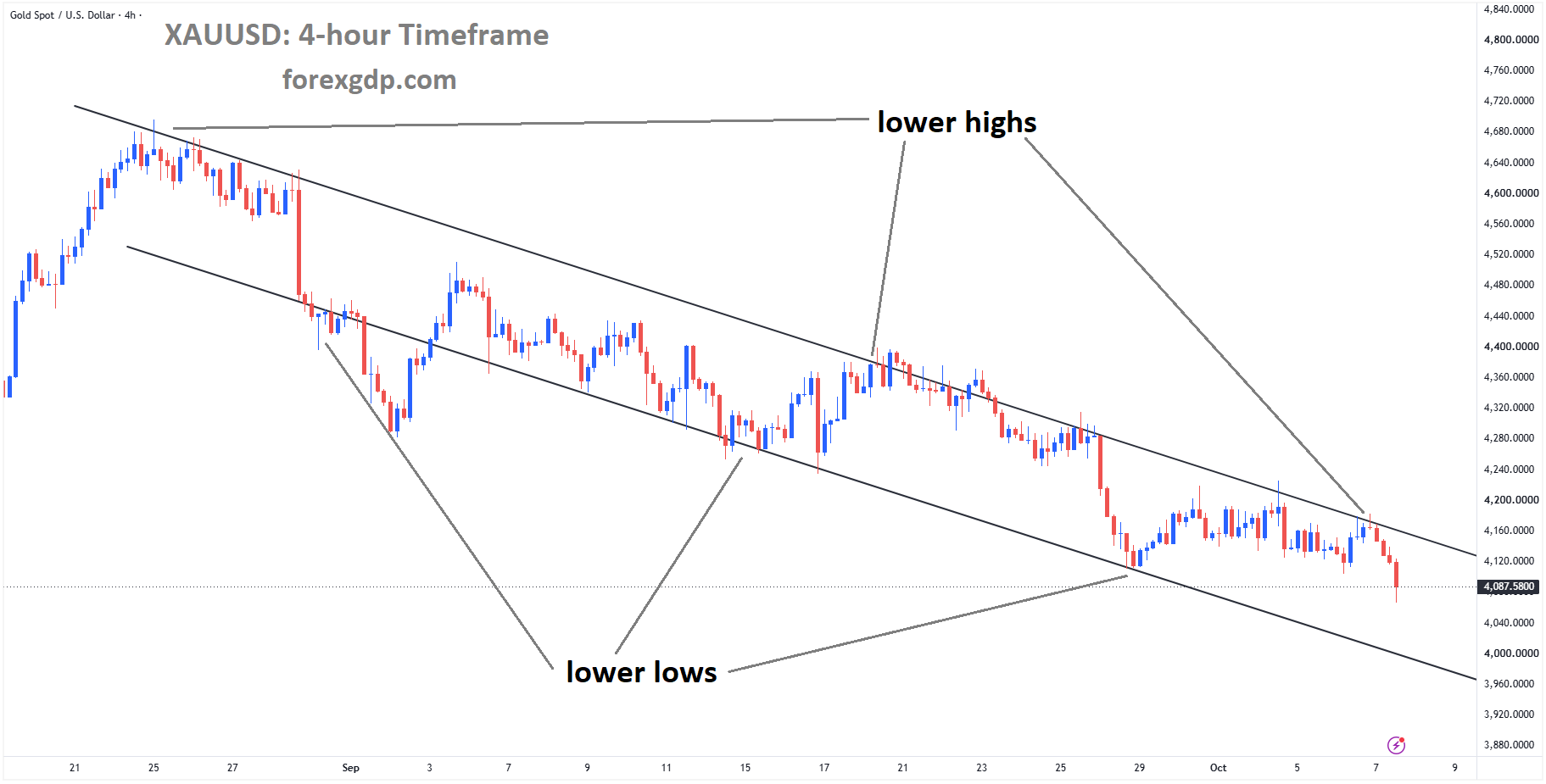
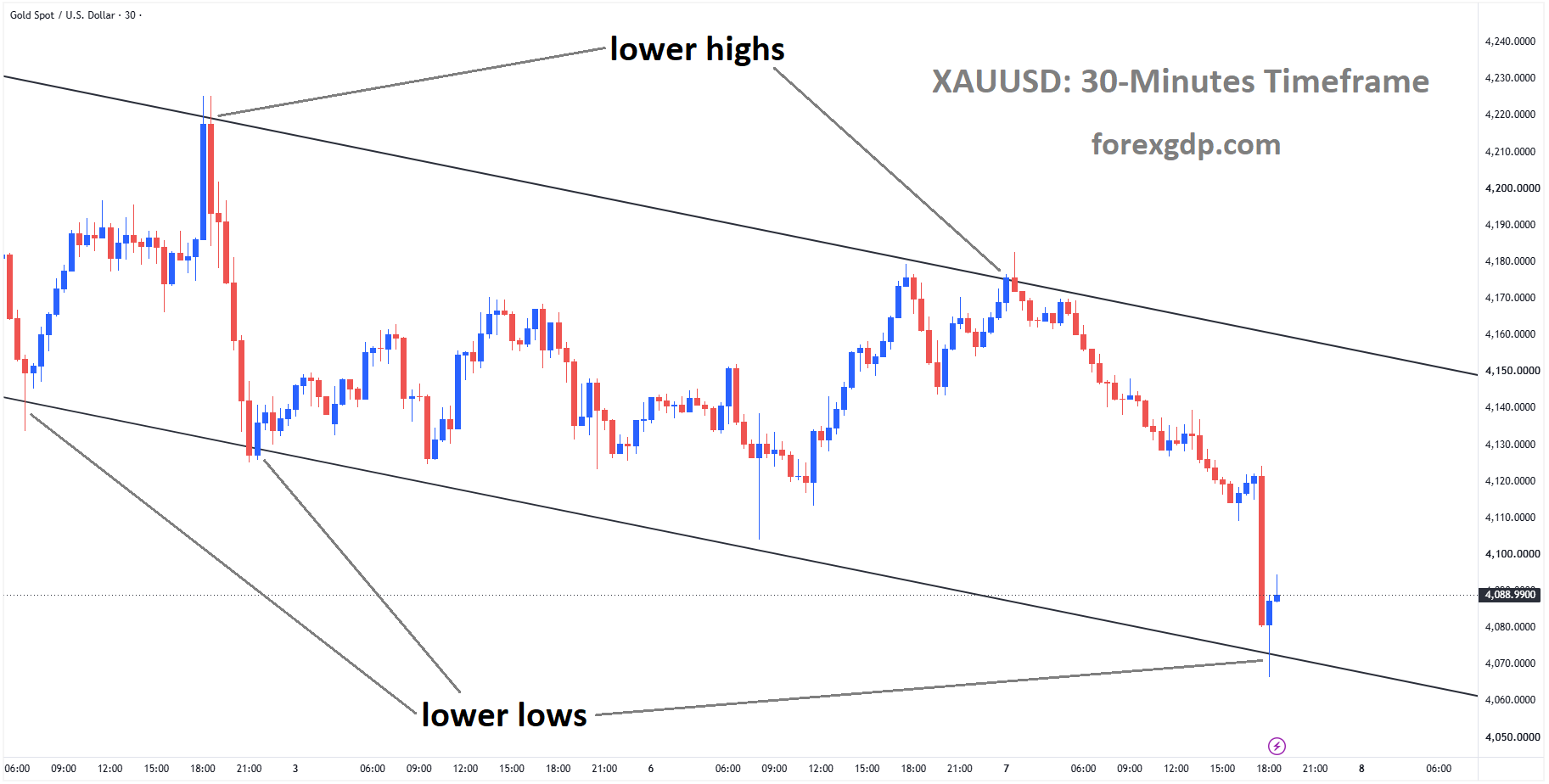
XAUUSD is falling from the lower high area of the descending channel
Upcoming economic reports will also play an important role. Labor-market conditions, consumer spending, inflation and economic growth will help determine whether the US economy can continue performing well under restrictive monetary conditions.
If inflation remains persistent while economic activity stays resilient, the Federal Reserve may have room to maintain a firm stance. If economic momentum weakens and inflation continues to ease, expectations could gradually shift toward a less restrictive policy outlook.
Until that picture becomes clearer, Gold may remain sensitive to changes in Dollar demand, bond yields and Federal Reserve expectations.
Final Summary
Gold is facing renewed pressure as the US Dollar strengthens and Treasury yields remain elevated. Investors are focusing closely on Federal Reserve policy as uncertainty continues over whether another interest-rate increase could become necessary before the end of the year.
Inflation risks linked to higher energy costs, concerns about US government borrowing and continued economic resilience are helping keep bond yields elevated. These conditions can reduce the appeal of non-interest-bearing assets such as Gold.
At the same time, softer employment and inflation data have created reasons for the Federal Reserve to remain patient. The latest FOMC meeting minutes could offer valuable insight into how policymakers are balancing these competing economic forces.
Beyond monetary policy, geopolitical uncertainty, rising government debt and long-term demand for reserve diversification continue to support Gold’s broader role in global markets. The next direction in sentiment will largely depend on how inflation develops and how the Federal Reserve responds to changing economic conditions.
EURUSD Falls as France’s Budget Risks Weigh on Euro
EURUSD remains under pressure as investors become increasingly cautious about the economic and political situation in Europe. Concerns surrounding France’s public finances have become one of the main reasons behind the softer mood toward the Euro.
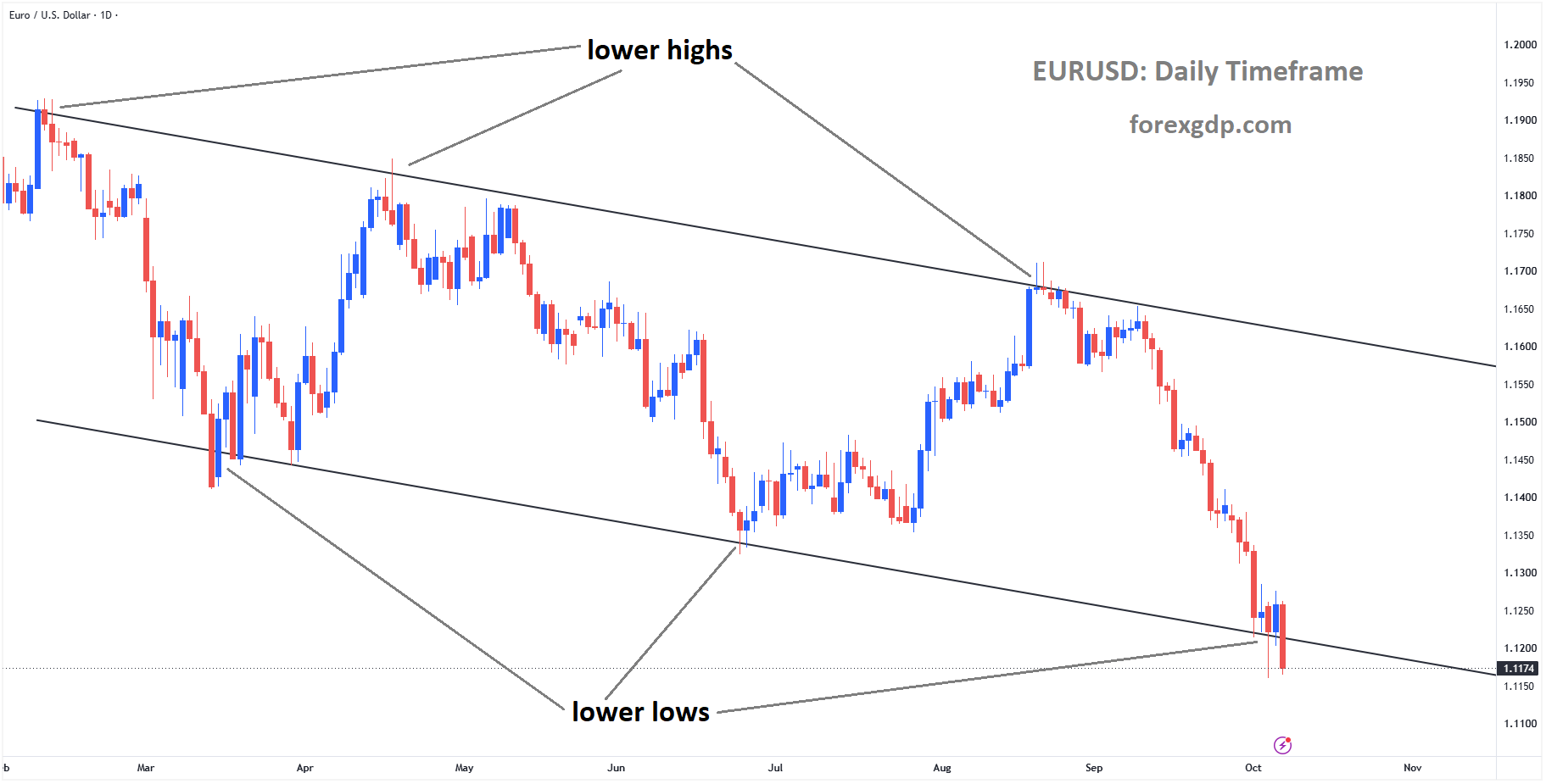
EURUSD reached the lower low area of the descending channel
France is facing growing questions about how it will control government spending and reduce its large budget deficit. Investors are closely watching whether French policymakers can introduce the necessary fiscal measures without creating further political instability.
The situation has become more complicated because the French government does not have a strong parliamentary majority. This makes it harder to approve major spending cuts and other budget measures through the usual political process.
France’s Finance Minister has indicated that the government is prepared to use special constitutional powers if negotiations over the next budget fail. Such a move could allow the government to push through billions in spending reductions without receiving normal parliamentary approval.
While this may help the government move forward with its fiscal plans, it also highlights the difficult political environment in France. The combination of fiscal pressure and political uncertainty has reduced confidence in the Euro and encouraged a more cautious approach among investors.
France’s Budget Problems Raise Wider Eurozone Concerns
France’s financial challenges are attracting attention because of the country’s importance within the Eurozone. As one of Europe’s largest economies, developments in France can have a broader impact on confidence across the region.
The French government is trying to reduce its budget deficit while maintaining economic stability and public support. Achieving all these goals at the same time is becoming increasingly difficult.
Prime Minister Sébastien Lecornu’s minority government previously announced a major savings program designed to improve the country’s fiscal position. The plan includes tens of billions of euros in savings as the government attempts to prevent further deterioration in its public finances.
One of the biggest concerns is the possibility of France facing additional pressure from credit rating agencies. A downgrade could increase borrowing concerns and make the government’s fiscal challenges even more difficult to manage.
There are also worries about the longer-term sustainability of French government debt. Investors want to see a credible plan that brings spending under control while keeping the economy on a stable path.
Political disagreements, however, make this process difficult. With France moving toward an important election period in 2027, policymakers may face growing resistance to spending cuts and other unpopular fiscal measures.
This uncertainty has created an uncomfortable environment for the Euro. Markets generally prefer clear fiscal plans and predictable political conditions. When both become uncertain at the same time, investors can become more cautious about holding assets linked to the affected economy.
Political Risks Spread Beyond France
France is not the only European country attracting political attention. Developments in Spain have added another layer of uncertainty to the broader European outlook.
The prospect of an early election in Spain has increased questions about political stability in another major Eurozone economy. Elections can create uncertainty because investors may not know which policies will be introduced by the next government or how existing economic plans could change.
When political concerns appear in several important European countries at the same time, sentiment toward the Euro can weaken.
The main issue is not simply the election itself. Investors are looking at whether governments across Europe can maintain fiscal discipline while dealing with slower economic activity, public spending demands and political pressure.
Kathleen Brooks, research director at XTB, highlighted that European fiscal and political developments have moved into focus, with France at the centre of investor concerns and Spain adding another source of uncertainty.
These developments have made European politics an important factor for currency markets. Until investors receive greater clarity about government budgets and political stability, the Euro may remain sensitive to new headlines from the region.
Federal Reserve Expectations Could Limit Dollar Demand


While European concerns are creating pressure for the Euro, developments in the United States could offer some balance for EURUSD.
Recent US employment data has reduced expectations that the Federal Reserve will continue raising interest rates aggressively. A softer labour market can reduce the need for policymakers to maintain a highly restrictive approach, particularly if inflation risks are also becoming easier to manage.
Expectations surrounding Federal Reserve policy are important for the US Dollar because interest-rate expectations influence global demand for US assets.
When investors expect higher US borrowing costs, the Dollar can become more attractive. However, when expectations for additional rate increases decline, some of that support can fade.
Following the latest US jobs figures, traders have reduced expectations for another Federal Reserve rate increase at the October meeting. Market pricing indicates that investors currently see a relatively limited chance of another increase in borrowing costs.
This change in expectations could prevent the US Dollar from gaining too much strength even while the Euro faces challenges of its own.
As a result, EURUSD is being influenced by two different forces. European fiscal and political concerns are weighing on the Euro, while reduced expectations for further Federal Reserve tightening could limit demand for the US Dollar.
FOMC Minutes Become the Next Major Focus
Attention is now shifting toward the Federal Open Market Committee minutes.
The minutes can provide additional details about how Federal Reserve officials view inflation, employment, economic growth and future interest-rate decisions. Investors will be particularly interested in whether policymakers remain concerned about inflation or are becoming more cautious because of signs of weakness in the labour market.
If the minutes suggest that Federal Reserve officials are less interested in raising rates again, expectations for additional tightening could decline further. This could reduce some of the support currently available to the US Dollar.
However, if policymakers continue to emphasize inflation risks and the possibility of keeping monetary policy restrictive, Dollar demand could remain supported.
The Federal Reserve is unlikely to make decisions based on a single economic report. Officials will continue assessing employment, inflation, consumer activity and broader economic conditions before determining their next move.
For EURUSD, this means developments on both sides of the Atlantic will remain important. European political and fiscal concerns are influencing the Euro, while changing Federal Reserve expectations are shaping the direction of the US Dollar.
European Fiscal Stability Remains Important for the Euro
The Euro’s broader outlook will depend heavily on whether European governments can reassure investors about their financial plans.
France faces the difficult task of reducing its budget deficit while avoiding deeper political divisions. Investors will want evidence that the government can implement meaningful reforms and maintain confidence in the country’s public finances.
Spain’s political situation will also remain important as markets assess the potential impact of an early election.
If political uncertainty continues to spread across major European economies, confidence in the Euro could remain fragile. On the other hand, credible fiscal measures and greater political stability could help improve sentiment.
At the same time, developments in the United States may continue to provide a counterbalance. If expectations for further Federal Reserve rate increases continue to decline, the US Dollar could lose some of its monetary policy advantage.
Final Summary
EURUSD remains influenced by a combination of European political uncertainty and changing expectations for US monetary policy.
France is currently at the centre of market concerns as the government tries to reduce its budget deficit while dealing with a difficult political environment. Plans for major spending cuts and the possible use of special constitutional powers have increased attention on the country’s fiscal situation.
Political developments in Spain have added another source of uncertainty for the Eurozone, encouraging investors to remain cautious toward the shared currency.
At the same time, softer US employment data has reduced expectations for another Federal Reserve rate increase. This could limit demand for the US Dollar and provide some balance for EURUSD.
The next major focus is the Federal Reserve meeting minutes, which could offer further clues about the direction of US monetary policy. In the coming period, EURUSD sentiment is likely to remain closely linked to France’s fiscal developments, European political stability and changing expectations surrounding the Federal Reserve.
GBPUSD Faces Pressure as Traders Await FOMC Minutes
GBPUSD came under renewed pressure as demand for the US Dollar strengthened across global markets. Investors turned cautious ahead of the Federal Reserve’s latest meeting minutes, while geopolitical uncertainty and elevated US bond yields added further support to the American currency.
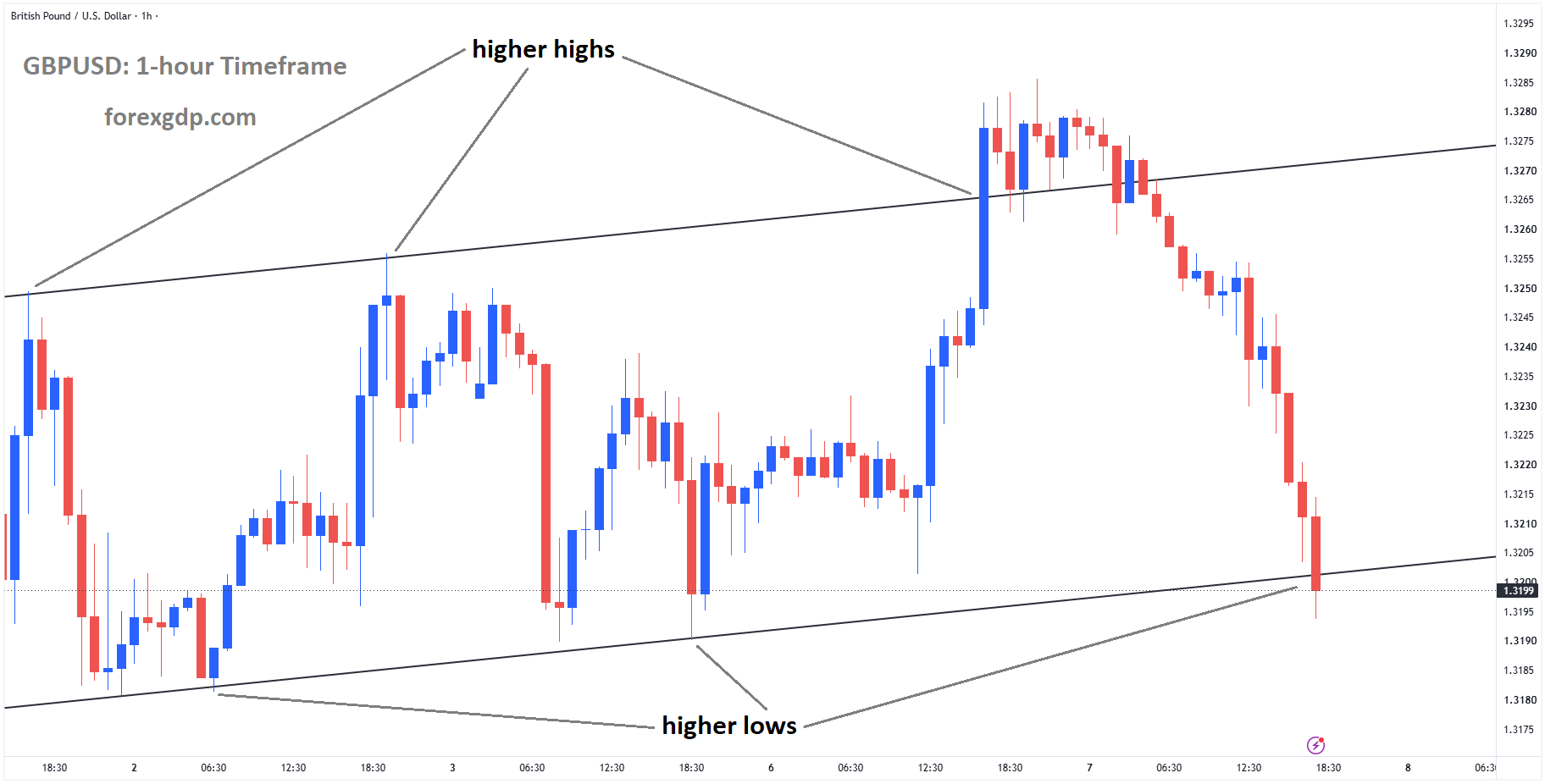
GBPUSD reached the higher low area of the ascending channel
The British Pound faced selling pressure against the Dollar after previously attracting some buying interest. However, traders remain reluctant to make large commitments before receiving clearer guidance from the Federal Reserve. At the same time, expectations surrounding the Bank of England’s monetary policy are helping prevent deeper weakness in Sterling.
The combination of central bank uncertainty, geopolitical concerns, bond market developments, and changing interest-rate expectations has created a cautious environment for GBPUSD.
US Dollar Demand Returns Ahead of Fed Minutes
The US Dollar regained demand as investors prepared for the release of the Federal Open Market Committee meeting minutes. The document is closely followed because it can provide more detail about how Federal Reserve officials view inflation, economic growth, employment, and future interest-rate decisions.
Recent US economic reports have shown signs that inflation pressures are gradually becoming more manageable. The labor market has also displayed some evidence of cooling compared with its earlier strength. These developments have reduced some of the immediate pressure on the Federal Reserve to tighten monetary policy aggressively.
However, investors have not completely ruled out additional monetary tightening. Expectations that US borrowing costs could remain elevated continue to support the Dollar.
The Fed minutes could therefore play an important role in shaping expectations. Traders will look for signs of whether policymakers remain concerned about inflation and whether they believe restrictive monetary conditions need to stay in place for longer.
A cautious or firm message from the Federal Reserve could maintain demand for the Dollar. On the other hand, signs that officials are becoming more comfortable with inflation developments could reduce expectations for tighter policy.
Until greater clarity emerges, investors may remain careful about taking large positions in major currency pairs such as GBPUSD.
Geopolitical Risks Keep Safe-Haven Demand in Focus
Global geopolitical uncertainty is another important factor supporting demand for the US Dollar. During periods of political or military tension, investors often become more cautious and seek assets that are widely viewed as relatively secure and liquid.
Developments in the Middle East have remained an important source of uncertainty. Tensions involving Yemen, Saudi Arabia, and Iran have increased concerns about regional stability and important global shipping routes.
Yemen’s internationally recognized government forces, backed by Saudi Arabia, reported gaining control over strategic locations near the Red Sea coast. Areas close to the Bab al-Mandeb Strait are particularly important because the waterway plays a major role in international trade and energy transportation.
At the same time, the Iran-backed Houthi movement has responded with attacks against targets in Saudi Arabia. Such developments increase concerns that the conflict could expand or create additional risks for infrastructure and transportation networks.
Iran-related activity around the Strait of Hormuz has also attracted attention. The Strait is one of the world’s most important routes for global energy supplies, meaning instability in the region can quickly affect investor confidence.
These concerns have encouraged a more defensive mood in financial markets. When uncertainty rises, demand for the US Dollar can increase as investors reduce exposure to assets considered more sensitive to global risk.
Elevated US Bond Yields Support the Dollar


Another major influence on the Dollar has been the strength of US Treasury yields. Global bond markets have faced considerable selling pressure, keeping US borrowing costs elevated.
Higher Treasury yields can make US assets more attractive to international investors. When investors seek exposure to US bonds or other Dollar-denominated investments, demand for the US currency can increase.
This relationship has helped provide additional support to the Dollar at a time when investors are already closely watching Federal Reserve policy.
Bond markets are also reflecting uncertainty about how long interest rates may need to remain restrictive. Even if inflation continues to cool gradually, policymakers may be reluctant to ease monetary conditions too quickly if they believe inflation risks remain.
For currency traders, this makes movements in the bond market an important part of the broader fundamental picture. Persistent strength in US yields can keep the Dollar supported even when individual economic reports suggest some cooling in the economy.
Bank of England Expectations Offer Support to Sterling
Although the Dollar has regained strength, the British Pound still has an important source of support from expectations surrounding the Bank of England.
Investors continue to assess whether the BoE may need to maintain a tighter monetary stance to control inflation. The UK has faced persistent inflation pressures, making the future direction of monetary policy an important driver for Sterling.
If markets continue to believe that UK borrowing costs will remain elevated, the Pound could retain some underlying demand. This may help limit the impact of broader Dollar strength.
The Bank of England faces a difficult balancing act. Policymakers need to bring inflation under control without placing unnecessary pressure on households, businesses, and economic activity.
Any shift in expectations about future BoE decisions can therefore have a meaningful impact on the Pound. Stronger expectations for tighter policy generally provide support to Sterling, while expectations for easier policy can reduce its appeal.
This central bank difference remains particularly important for GBPUSD because both the Federal Reserve and the Bank of England are dealing with their own inflation and growth challenges.
Fed and BoE Policy Expectations Remain Key
The next major direction for GBPUSD may depend heavily on how investors compare the policy outlooks of the Federal Reserve and Bank of England.
If investors become more confident that the Fed will maintain restrictive policy for longer, the Dollar could remain well supported. However, if expectations for additional BoE tightening increase at the same time, Sterling could receive enough support to balance some of the Dollar’s advantage.
Economic data will continue to influence this debate. Inflation, employment, consumer activity, and broader growth figures can all change expectations surrounding future policy decisions.
Central bank communication will also remain important. Traders will pay close attention to speeches, meeting minutes, and official statements for clues about how policymakers are responding to changing economic conditions.
The uncertainty surrounding both central banks explains why investors may remain cautious rather than committing heavily to one direction.
Global Risk Sentiment Adds Another Layer of Uncertainty
GBPUSD is also being influenced by developments beyond the United States and United Kingdom. Geopolitical tensions, energy market uncertainty, and global bond market volatility are shaping investor sentiment.
A worsening geopolitical environment could increase demand for safe-haven currencies, potentially benefiting the US Dollar. Meanwhile, an improvement in global confidence could reduce defensive demand and allow other currencies, including Sterling, to attract greater interest.
Energy developments also matter because both inflation and economic activity can be affected by changes in global energy supplies. Any disruption to important shipping routes could raise concerns about transportation costs and supply availability.
For this reason, traders are watching not only central bank policy but also developments across the broader global economy.
Final Summary
GBPUSD faces renewed pressure as the US Dollar benefits from cautious market sentiment, elevated Treasury yields, and geopolitical uncertainty. Investors are particularly focused on the Federal Reserve meeting minutes for further clues about the future direction of US monetary policy.
Recent signs of moderating US inflation and some cooling in the labor market have reduced pressure for aggressive tightening, but expectations that borrowing costs could remain high continue to support the Dollar.
At the same time, geopolitical tensions in the Middle East are keeping safe-haven demand in focus, while developments in global bond markets provide another source of support for the US currency.
The British Pound, however, continues to receive some support from expectations that the Bank of England may maintain a tighter policy stance to address inflation pressures.
With both central bank policy and geopolitical developments influencing sentiment, investors are likely to remain attentive to upcoming economic information and official communication from the Federal Reserve and Bank of England.
USDJPY Yen Recovers as Sato Supports Further BoJ Rate Moves
The Japanese Yen gained some ground against the US Dollar on Wednesday after fresh comments from a Bank of Japan policymaker raised expectations that Japan could continue moving toward tighter monetary policy.
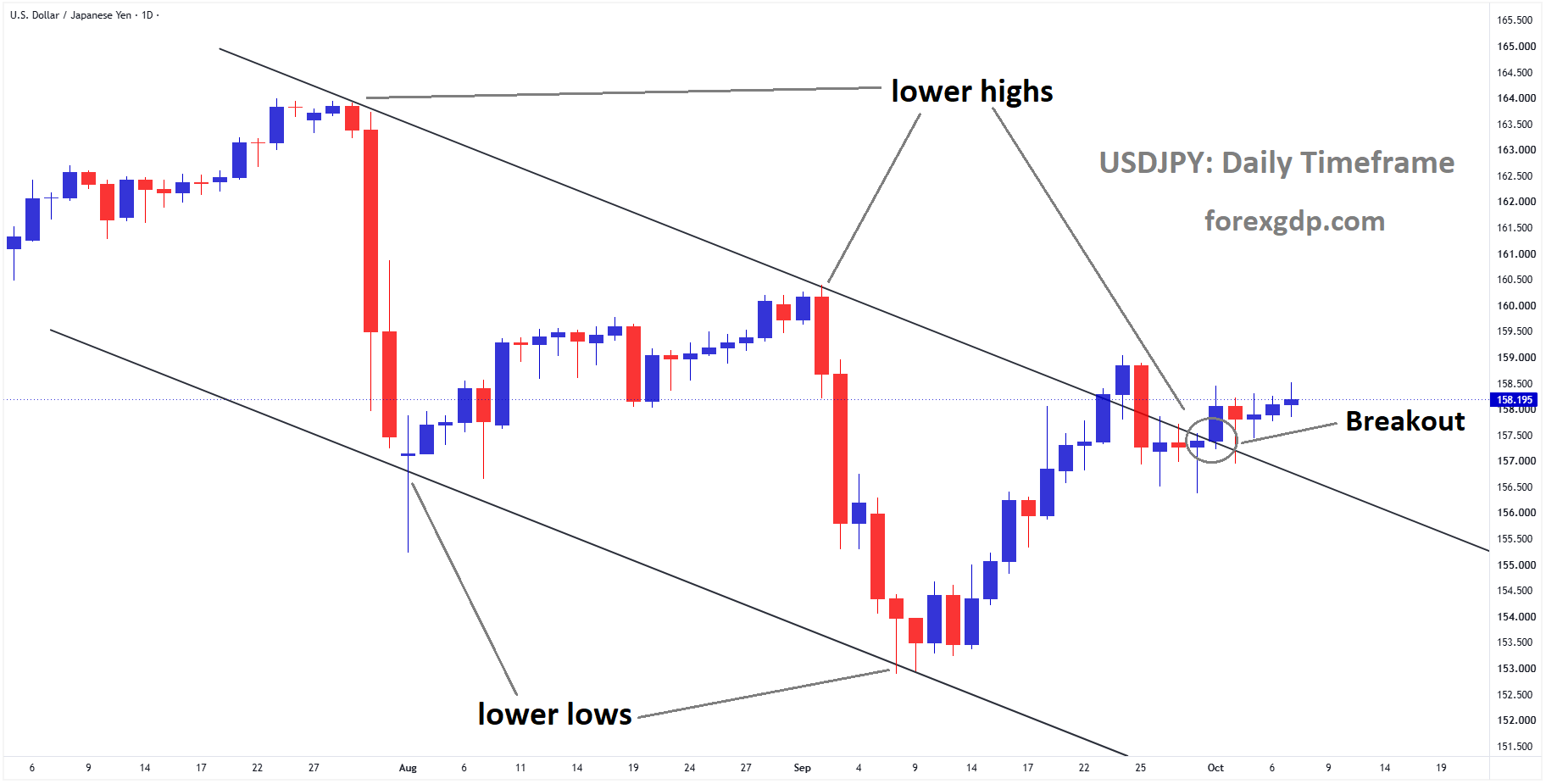
USDJPY has broken the descending channel to the upside
The Yen’s improvement came after Bank of Japan board member Ayano Sato expressed support for gradually adjusting monetary policy. Her comments attracted attention because she has generally been viewed as a more cautious voice within the central bank.
However, the Yen’s recovery remained limited. The US Dollar continued to attract demand as investors waited for fresh guidance from the Federal Reserve. At the same time, higher crude oil costs created another challenge for Japan, which depends heavily on imported energy.
These competing factors have created a mixed environment for the Japanese currency. Expectations surrounding the Bank of Japan are becoming more supportive, but developments in the United States and global energy markets continue to influence sentiment.
BoJ Policymaker Opens Door to Further Tightening
Bank of Japan board member Ayano Sato provided the main source of support for the Japanese Yen during Wednesday’s session.
Sato said she supports gradually adjusting the central bank’s monetary policy. She also suggested that higher interest rates could contribute to sustainable economic growth in Japan.
Her comments were notable because Sato has previously been associated with a cautious approach toward monetary tightening. She was also among the policymakers who opposed the Bank of Japan’s September rate increase.
For that reason, her willingness to discuss further policy adjustments attracted considerable market attention. When a relatively cautious policymaker becomes more comfortable with higher borrowing costs, investors may see it as a sign that support for gradual normalization is becoming broader within the central bank.
The Bank of Japan has spent years maintaining exceptionally loose monetary conditions to support economic activity and encourage lasting inflation. More recently, policymakers have been attempting to move away from those extraordinary measures while avoiding unnecessary pressure on households and businesses.
Sato’s comments reinforce the idea that this process could continue, although the pace is likely to remain careful and gradual.
Japanese Yen Finds Support From Rate Expectations
The Japanese Yen benefited from the possibility of additional monetary tightening because interest rate expectations play an important role in global currency demand.
For many years, Japan maintained much lower borrowing costs than several other major economies. This encouraged investors to use the Yen as a funding currency while seeking higher returns elsewhere.
A gradual increase in Japanese interest rates could slowly change that environment. If investors become more confident that the Bank of Japan will continue normalizing policy, the large difference between Japanese borrowing costs and those of other major economies could narrow over time.
This possibility can make the Yen more attractive.
Still, policymakers have to balance several economic risks. Raising rates too quickly could place additional pressure on consumers, companies and economic growth. Moving too slowly, however, could create other challenges, particularly if inflation remains persistent.
The Bank of Japan therefore appears focused on a cautious path that allows policymakers to respond to economic conditions rather than committing to aggressive tightening.
US Dollar Demand Keeps Pressure on the Yen
While the Bank of Japan comments helped the Yen, continued demand for the US Dollar prevented a larger move in the Japanese currency.
Investors remain focused on the Federal Reserve and are waiting for additional details about the US central bank’s policy thinking. The latest Federal Reserve meeting information could provide clues about how policymakers view inflation, economic growth and the future direction of interest rates.
Uncertainty surrounding the Fed often encourages traders to remain cautious about making large changes to their US Dollar positions.
The Dollar can also benefit when investors believe US borrowing costs may remain elevated for longer. If American rates remain relatively attractive compared with those in Japan, the difference between the two countries’ monetary policies can continue to favor the US currency.
This explains why the Yen’s improvement following Sato’s comments has remained relatively modest. Japan’s policy direction is becoming more supportive for its currency, but developments in the United States continue to provide an important counterweight.
Higher Oil Costs Create Another Challenge for Japan


Energy markets are adding another layer of uncertainty for the Japanese Yen.
Crude oil costs have risen sharply amid renewed concerns about global supply. Reports of fresh attacks by Iran-backed Houthi forces on Saudi Arabia have increased worries about possible disruptions in the Middle East.
At the same time, a storm approaching the United States has added to concerns about energy production and transportation. Together, these developments have renewed fears that global oil supplies could face additional pressure.
Earlier optimism surrounding stronger crude flows through the Strait of Hormuz had helped ease some supply concerns. However, the latest geopolitical and weather-related developments have shifted attention back toward potential disruptions.
This matters for Japan because the country relies heavily on imported energy.
When oil becomes more expensive, Japan generally has to spend more on energy imports. Higher import costs can put pressure on the country’s trade position and increase expenses for businesses and consumers.
As a result, a sustained rise in global energy costs can make it more difficult for the Yen to benefit fully from supportive domestic developments.
Monetary Policy Remains the Main Focus
The broader direction of USDJPY will continue to depend heavily on the relationship between Bank of Japan and Federal Reserve policy.
In Japan, investors will watch for signs that more policymakers are becoming comfortable with gradually higher interest rates. Comments from officials will remain important because they can reveal how much support exists for further normalization.
Economic conditions will also matter. The Bank of Japan wants to see a healthy combination of wage growth, consumer demand and sustainable inflation before making major policy adjustments.
In the United States, attention remains firmly on the Federal Reserve. Investors are looking for greater clarity about how officials plan to manage inflation while supporting economic stability.
If expectations for tighter Japanese policy increase while expectations for restrictive US policy decrease, the Yen could receive greater support. On the other hand, continued US Dollar demand and a cautious Bank of Japan could keep the currency relationship tilted toward the Greenback.
Global Risks Add to Currency Uncertainty
Beyond central bank policy, geopolitical developments are becoming increasingly important for global currencies.
Tensions in the Middle East can affect energy supply expectations very quickly. For Japan, these developments are particularly important because of the country’s dependence on imported oil and other energy products.
Weather disruptions in major energy-producing regions can create similar concerns. Even temporary disruptions may influence expectations about supply, transportation and future costs.
The Japanese Yen is often associated with defensive demand during periods of global uncertainty. However, that relationship is not always straightforward. If geopolitical risks cause energy costs to rise sharply, Japan’s dependence on imported fuel can offset some of the currency’s traditional defensive appeal.
This creates a complicated environment where geopolitical uncertainty may initially support the Yen while rising energy costs work in the opposite direction.
Final Summary
The Japanese Yen gained modest support after Bank of Japan board member Ayano Sato expressed openness to further gradual monetary policy tightening. Her comments were particularly significant because she has previously taken a cautious position on higher interest rates.
The remarks strengthened expectations that the Bank of Japan could continue normalizing policy if economic conditions remain supportive.
However, several factors are limiting the Yen’s recovery. The US Dollar remains supported as investors await further guidance from the Federal Reserve, while rising crude oil costs are creating additional pressure for energy-importing Japan.
The next direction for USDJPY will therefore depend on a combination of central bank expectations, US Dollar sentiment, global energy developments and geopolitical risks. Investors will continue watching both the Bank of Japan and Federal Reserve closely for clearer signals about how monetary policy may evolve.
USDCHF Advances as Swiss Franc Weakens Before Fed Minutes
The US Dollar is gaining strength against the Swiss Franc as investors turn their attention toward the Federal Reserve’s latest meeting minutes. Demand for the Greenback has improved across global currency markets, while the Swiss Franc has struggled to attract buyers.
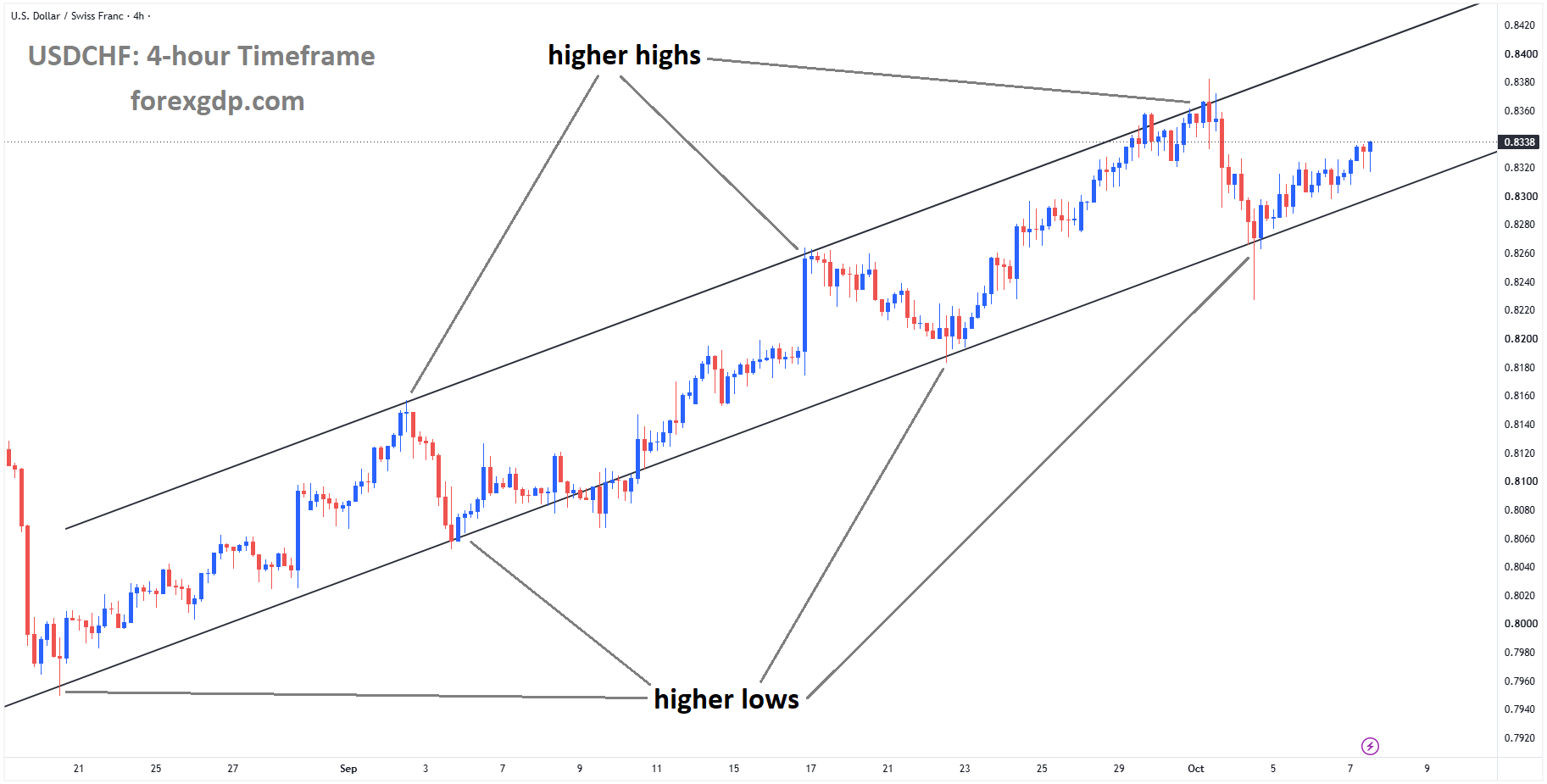
USDCHF is moving in an ascending channel, and the market has rebounded from the higher low area of the channel
The move comes as investors balance several important factors, including expectations for US interest rates, rising energy costs, geopolitical uncertainty, and recent economic data. Although some US economic reports have raised questions about how aggressively the Federal Reserve may act in the coming months, traders remain cautious about selling the Dollar before receiving more guidance from policymakers.
At the same time, a renewed rise in Oil prices is creating additional uncertainty for the global economy. This environment has helped maintain interest in the US Dollar, while the Swiss Franc has faced pressure for a third consecutive trading day.
US Dollar Demand Improves Ahead of Fed Minutes
The US Dollar has found fresh demand as investors prepare for the release of the Federal Reserve’s meeting minutes. The document could provide more information about how policymakers view inflation, employment, economic growth, and the future direction of interest rates.
The Federal Reserve recently raised interest rates for the first time in three years. The decision itself was widely expected, but comments from Fed Chair Kevin Warsh attracted significant attention because of their firm tone.
His message initially encouraged expectations that the central bank could continue raising borrowing costs at upcoming meetings. Investors began considering the possibility of consecutive rate increases as the Fed attempted to maintain control over inflation.
However, those expectations became less aggressive after recent US inflation and employment figures came in softer than anticipated. These reports suggested that economic pressures may be easing, giving the Federal Reserve more room to carefully evaluate its next move.
Even so, expectations for another rate increase have not disappeared. Many market participants still believe the Fed could tighten monetary policy again before the end of the year, with another move potentially following in early 2027.
This uncertainty is one reason investors remain reluctant to reduce their US Dollar holdings aggressively.
Federal Reserve Policy Remains the Main Focus
The Federal Reserve minutes are important because they can reveal more about the discussions that took place among policymakers during the previous meeting.
Investors will be interested in whether officials were broadly united behind the latest policy decision or whether there were meaningful differences of opinion. They will also look for clues about how concerned policymakers remain about inflation and whether recent weakness in some economic indicators could influence future decisions.
The balance between inflation and employment has become increasingly important.
If inflation continues to cool while the labour market loses momentum, the Fed may have less reason to maintain an aggressive approach. On the other hand, persistent inflationary pressure could encourage policymakers to keep monetary conditions restrictive for longer.
For currency markets, this debate matters because expectations surrounding US interest rates can significantly influence demand for the Dollar.
Higher interest rates can make US-denominated assets more attractive to international investors. Expectations for continued tightening can therefore provide support for the Greenback, particularly when other major central banks are taking a less aggressive approach.
Until investors receive clearer guidance, many appear unwilling to make large moves against the US currency.
Rising Oil Prices Add Fresh Global Uncertainty
Energy markets have also become an important factor for currency sentiment.
Oil prices have risen sharply following reports of renewed attacks by Iran-backed Houthi forces on Saudi Arabia. The development has increased concerns about energy supplies and the possibility of further disruption in the Middle East.
Any escalation involving major Oil-producing regions can quickly influence global markets. Investors often become concerned about supply shortages, transportation risks, and higher energy costs for businesses and consumers.
Rising Oil prices can also create wider inflation concerns.
When energy becomes more expensive, transportation, manufacturing, and production costs can rise. Companies may pass some of those additional expenses to consumers, making it more difficult for central banks to bring inflation under control.
This is particularly important at a time when policymakers in several major economies are already trying to balance inflation risks with concerns about economic growth.
The renewed uncertainty in energy markets has therefore added another reason for investors to remain cautious.
Higher Energy Costs Create Pressure for Switzerland


Switzerland depends heavily on imported energy, meaning a sustained increase in global Oil costs can create challenges for the economy.
Higher energy import costs can increase expenses for businesses and households while also affecting the country’s overall import bill. This can reduce some of the fundamental support available to the Swiss Franc.
The Franc is traditionally considered a safe-haven currency because Switzerland has a reputation for political stability, a strong financial system, and disciplined economic management. During periods of severe global uncertainty, investors often seek exposure to Swiss assets.
However, safe-haven demand does not always benefit the Franc equally.
The US Dollar also plays a major role as a defensive currency during periods of uncertainty. Because of the size and liquidity of US financial markets, investors frequently move toward Dollar-denominated assets when global risks increase.
At present, the combination of Federal Reserve policy expectations and geopolitical uncertainty appears to be giving the Greenback an advantage.
Swiss National Bank Data Has Limited Impact
Domestic developments in Switzerland have provided little fresh direction for the Franc.
Recent data from the Swiss National Bank showed that the country’s foreign currency reserves remained broadly stable during September compared with the previous month.
Foreign currency reserves are closely watched because they can offer some insight into the Swiss National Bank’s balance sheet and its activity in currency markets. Switzerland has a long history of managing the economic effects of a strong Franc, particularly when rapid currency appreciation creates difficulties for exporters.
However, the latest reserve figures showed only limited change and did not significantly alter expectations surrounding Swiss monetary policy.
As a result, international developments remain more influential for the Franc than domestic reserve data.
Swiss Franc Faces Several External Pressures
The Swiss Franc is currently being influenced by a combination of global forces rather than one single development.
Federal Reserve expectations are supporting demand for the US Dollar, while uncertainty surrounding Middle East tensions and energy supplies is encouraging investors to remain cautious.
At the same time, higher Oil costs could create additional challenges for energy-importing economies such as Switzerland.
The direction of US monetary policy remains particularly important. If investors become more confident that the Federal Reserve will continue raising interest rates, demand for the Dollar could remain supported.
However, weaker US inflation or employment figures could change those expectations. A clearer slowdown in economic activity could encourage investors to question whether further monetary tightening is necessary.
This makes upcoming US economic releases and Federal Reserve communication especially important for currency sentiment.
Final Summary
The US Dollar is gaining ground against the Swiss Franc as investors remain cautious ahead of the Federal Reserve’s meeting minutes. Expectations that US interest rates could rise further are helping maintain demand for the Greenback, even after softer inflation and employment data reduced expectations for aggressive monetary tightening.
Meanwhile, rising Oil prices and renewed geopolitical concerns in the Middle East are adding uncertainty to the global economic environment. Higher energy costs may create additional pressure for importing economies such as Switzerland and could also complicate the global inflation outlook.
Swiss National Bank reserve data has attracted limited market attention, leaving international developments as the main influence on the Swiss Franc.
For now, Federal Reserve policy expectations, US economic data, energy market developments, and geopolitical risks are likely to remain the major themes influencing USDCHF sentiment.
USDCAD Moves Higher as Dollar Buying Outpaces Loonie Support
USDCAD is attracting renewed attention as investors balance stronger demand for the US Dollar against improving sentiment around the Canadian Dollar. Global geopolitical tensions, changes in US bond yields, oil market developments, and differences between the Federal Reserve and the Bank of Canada are all shaping the currency pair’s direction.
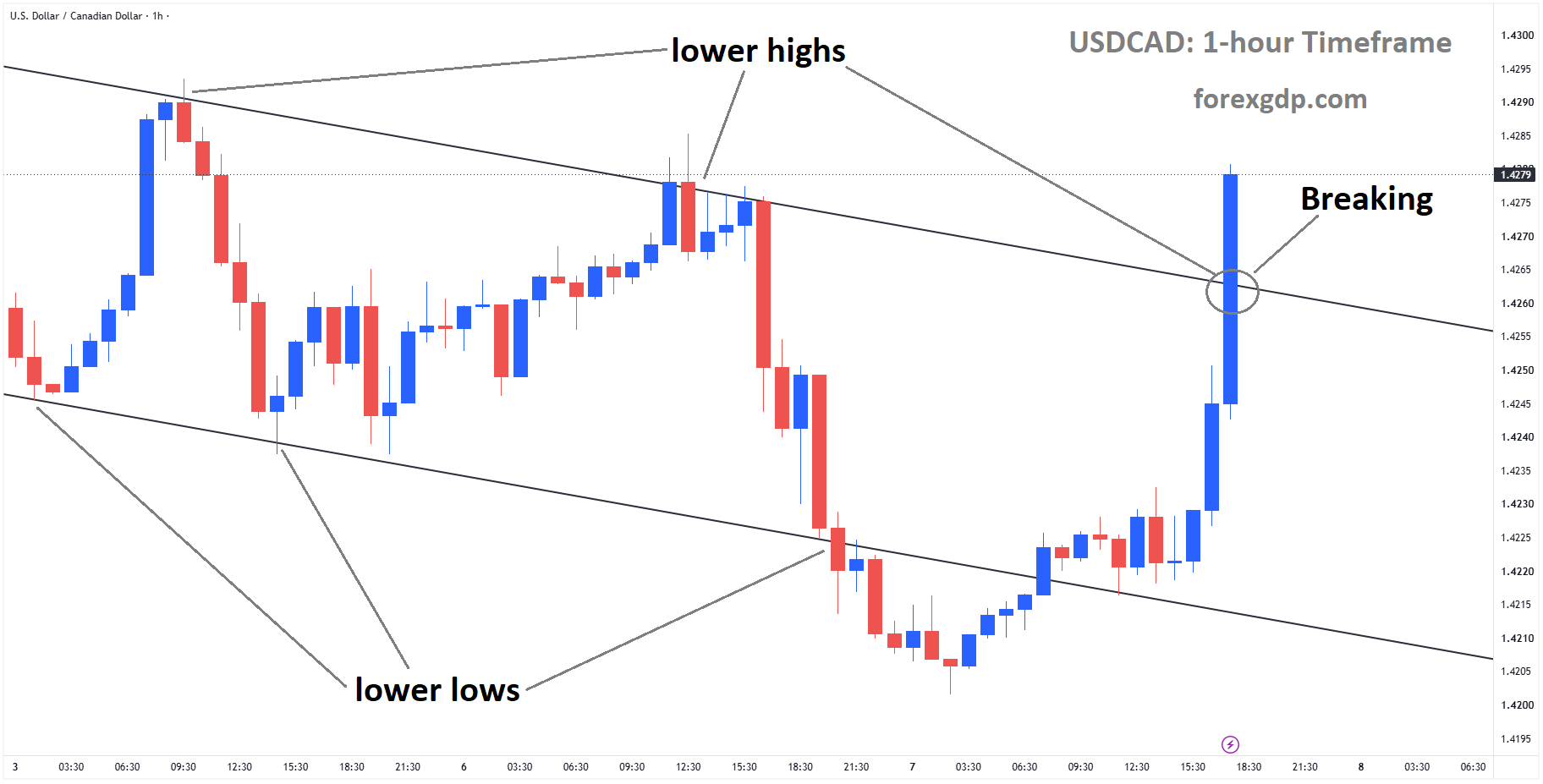
USDCAD is breaking the lower high area of the descending channel
The US Dollar has regained some demand after investors recently booked profits. At the same time, uncertainty surrounding the Middle East is encouraging traders to remain cautious. Safe-haven demand is therefore providing additional support for the Greenback.
However, the Canadian Dollar is also receiving help from recovering crude oil prices. Canada is a major energy exporter, which means changes in the oil market can have an important influence on its currency. This creates a mixed environment for USDCAD, with both currencies finding support from different fundamental factors.
US Dollar Demand Returns as Investors Turn Cautious
The US Dollar has attracted fresh buying interest as investors reassess global risks and the outlook for US monetary policy. After some recent profit-taking, demand for the Greenback has returned as uncertainty remains elevated across international markets.
One important factor is the renewed rise in US government bond yields. Higher yields can make US Dollar-denominated assets more attractive to global investors, especially when markets expect US interest rates to remain relatively high.
The Dollar is also benefiting from its traditional safe-haven status. During periods of geopolitical uncertainty, investors often look for currencies and assets that are considered more defensive. The US Dollar frequently benefits from this shift in sentiment because of the size and importance of the US financial system.
These factors are helping maintain demand for the Greenback, although traders remain cautious ahead of further signals from the Federal Reserve.
Middle East Tensions Keep Geopolitical Risks Elevated
Developments in the Middle East remain an important source of uncertainty for global financial markets. Recent tensions around major shipping routes have increased concerns about potential disruptions to international trade and energy supplies.
The Saudi-backed Yemeni government has claimed control over strategic locations along the Red Sea coast, including areas close to the Bab al-Mandeb Strait. This waterway is particularly important because it connects major global shipping routes and plays a significant role in international commerce.
At the same time, the Iran-backed Houthi group has responded with attacks on targets in Saudi Arabia, including energy-related infrastructure. These developments have raised concerns that regional tensions could spread further and affect important economic assets.
Iranian activity around the Strait of Hormuz has also attracted market attention. The Strait is one of the world’s most important routes for energy transportation. Any threat to shipping through the region can quickly create concerns about global oil supplies.
As a result, geopolitical risk remains an important factor supporting both safe-haven demand for the US Dollar and concerns about future energy supplies.
Recovering Oil Prices Offer Support to Canadian Dollar
While geopolitical uncertainty supports the US Dollar, it can also indirectly benefit the Canadian Dollar through higher oil demand and supply concerns.
Canada is one of the world’s major crude oil producers and exporters. Because energy exports represent an important part of the Canadian economy, the Canadian Dollar often reacts to significant developments in global oil markets.
Oil has recovered after recent weakness as investors assess the possibility of supply disruptions in the Middle East. Concerns surrounding the Red Sea and Strait of Hormuz have reminded markets that geopolitical events can quickly affect global energy flows.
A stronger oil environment can improve expectations surrounding Canadian export revenues. This may increase demand for the Canadian Dollar and help limit broader weakness in the currency.
However, oil is only one part of the picture. Monetary policy expectations in Canada and the United States remain equally important for determining the broader outlook.
Fed and Bank of Canada Policy Expectations Remain Different
The difference between the Federal Reserve and the Bank of Canada continues to influence USDCAD sentiment.
The US economy and Canadian economy are facing different conditions, which means their central banks may follow different monetary policy paths. Investors currently see more room for the Federal Reserve to maintain a restrictive policy stance or consider additional tightening if inflation pressures remain persistent.
Canada faces a more challenging economic outlook. Slower economic activity could reduce inflation pressures over time, giving the Bank of Canada less reason to consider higher borrowing costs.
This difference matters because interest-rate expectations can influence international capital flows. When investors expect one country’s rates to remain higher than another country’s, assets denominated in the higher-yielding currency can become more attractive.
Expectations surrounding the Federal Reserve therefore continue to provide underlying support for the US Dollar against the Canadian Dollar.
At the same time, monetary policy expectations can change quickly when new economic information becomes available. Investors will continue monitoring inflation, employment, consumer activity, and economic growth for clues about what central banks may do next.
FOMC Minutes Take Center Stage for Dollar Outlook


Attention is now turning toward the Federal Open Market Committee meeting minutes. The report could provide additional information about how Federal Reserve officials view inflation, economic growth, and future interest-rate decisions.
Investors are particularly interested in whether policymakers remain concerned about persistent inflation pressures. Any indication that officials are comfortable keeping monetary conditions restrictive could support expectations for higher US borrowing costs.
On the other hand, signs that policymakers are becoming more concerned about economic weakness could reduce expectations for further tightening.
The Federal Reserve has repeatedly emphasized that future policy decisions depend heavily on incoming economic information. This means traders are unlikely to rely on a single report when assessing the broader outlook.
Still, the meeting minutes can offer valuable details about the discussions taking place inside the central bank. They may reveal how strongly policymakers agree or disagree about inflation risks and the appropriate direction of monetary policy.
Mixed Fundamental Forces Keep USDCAD in Focus
USDCAD is currently influenced by several competing fundamental themes.
The US Dollar is receiving support from renewed demand, rising US bond yields, geopolitical uncertainty, and expectations surrounding Federal Reserve policy. These factors create a supportive environment for the Greenback.
The Canadian Dollar, meanwhile, is benefiting from the recovery in crude oil sentiment. Concerns about possible disruptions to Middle Eastern energy supplies are helping oil regain attention, which can be positive for Canada’s commodity-linked currency.
This creates an interesting balance. Geopolitical tensions can support the US Dollar through safe-haven demand while simultaneously helping the Canadian Dollar through stronger energy expectations.
Central bank policy may therefore become increasingly important in deciding which currency gains the greater advantage.
Final Summary
USDCAD remains caught between stronger US Dollar demand and improving support for the Canadian Dollar from the oil market. Renewed geopolitical tensions in the Middle East have increased investor caution while also raising concerns about possible disruptions to global energy supplies.
The US Dollar is benefiting from safe-haven demand and firmer US bond yields. Expectations that the Federal Reserve could maintain a tighter monetary policy stance are also helping support the currency.
Meanwhile, recovering crude oil sentiment is providing some strength to the Canadian Dollar because of Canada’s position as a major energy exporter. However, a softer Canadian economic outlook may leave the Bank of Canada with less reason to pursue tighter monetary policy.
The Federal Reserve meeting minutes will now be closely watched for further guidance about the direction of US interest rates. Until the policy outlook becomes clearer, geopolitical developments, oil market conditions, bond yields, and central bank expectations are likely to remain the main fundamental drivers influencing USDCAD.
AUDUSD Slips as US Dollar Gains Ahead of Fed Minutes
The Australian Dollar came under renewed pressure against the US Dollar on Wednesday as investors moved back toward the Greenback. The change in sentiment interrupted a three-day recovery for AUDUSD, with traders becoming more cautious ahead of an important update from the US Federal Reserve.
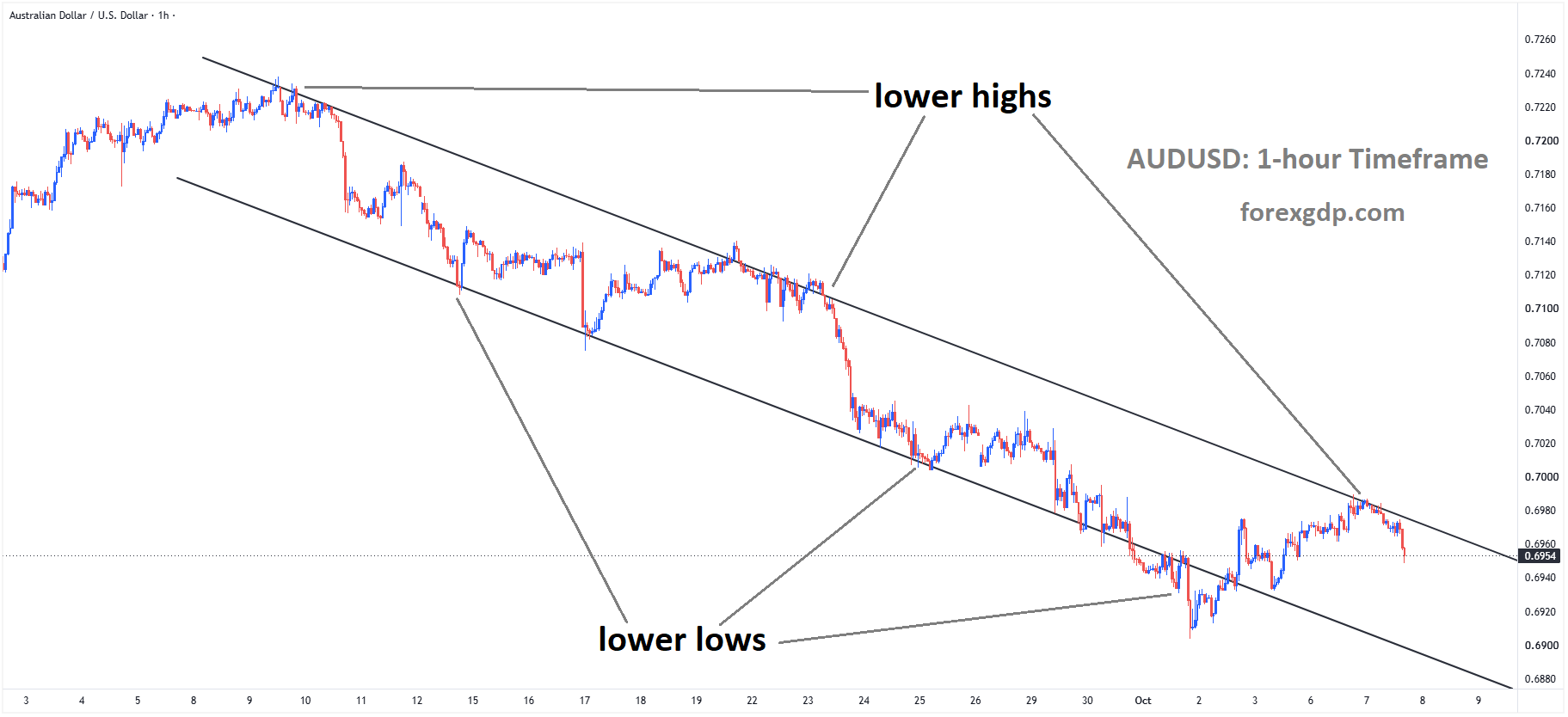
AUDUSD is moving in a descending channel, and the market has fallen from the lower high area of the channel
The US Dollar found fresh demand as several global factors encouraged investors to favor safer assets. Geopolitical uncertainty remains an important concern, while elevated US government bond yields continue to make the Dollar attractive to global investors.
The Australian Dollar, meanwhile, has struggled to maintain its recent improvement. Although the currency had recovered over the previous few sessions, the broader environment remains challenging. Investors are now balancing developments in US monetary policy with changing expectations surrounding the Reserve Bank of Australia.
Attention is firmly focused on the Federal Open Market Committee meeting minutes. Traders hope the document will provide more information about how Federal Reserve officials view inflation, employment conditions, and the future direction of interest rates.
Federal Reserve Policy Remains the Main Focus
The Federal Reserve remains one of the most important influences on global currency markets. Investors are closely following every development that could provide clues about whether US policymakers believe further monetary tightening will be necessary.
Recent economic information has created a more complicated picture for the Fed. Inflationary pressures have shown signs of moderation, while the US labor market has also displayed evidence of cooling. These developments have reduced some expectations for an immediate increase in borrowing costs.
However, investors have not completely abandoned the possibility of additional tightening later in the year. Market expectations continue to reflect a significant chance that the Federal Reserve could take further action if inflation remains difficult to control.
This uncertainty has helped support the US Dollar. When investors believe US interest rates could remain elevated for an extended period, Dollar-denominated assets can become more attractive. That can increase demand for the Greenback and create pressure on currencies such as the Australian Dollar.
The Fed minutes could therefore influence expectations about the next stage of US monetary policy. Investors will pay close attention to how policymakers discussed inflation risks and whether officials expressed concern about keeping monetary conditions restrictive for longer.
Elevated US Bond Yields Support the Dollar
US government bond yields are another important factor supporting demand for the Greenback. Yields have remained elevated as investors consider the possibility that US interest rates could stay high for longer than previously expected.
Higher bond yields can make US assets more appealing to international investors. This can encourage capital flows toward the United States and increase demand for the Dollar.
Energy markets are also contributing to the inflation discussion. Crude oil has remained supported by geopolitical uncertainty, raising concerns that energy costs could keep inflationary pressure alive.
Energy prices matter because rising fuel and transportation costs can affect businesses and consumers across the economy. If energy-related inflation remains persistent, the Federal Reserve may have less flexibility to ease monetary conditions.
The combination of elevated bond yields, uncertainty surrounding inflation, and geopolitical risks has created a supportive environment for the US Dollar.
At the same time, periods of international uncertainty often increase interest in traditional safe-haven currencies. The US Dollar frequently benefits when investors become concerned about geopolitical tensions or the global economic outlook.
Geopolitical Risks Keep Investors Cautious


Geopolitical developments remain another major influence on market sentiment. Persistent uncertainty in different parts of the world has encouraged investors to remain cautious rather than take aggressive positions in risk-sensitive assets.
The Australian Dollar can be particularly sensitive to changes in global risk appetite because Australia has close economic relationships with major Asian economies and depends heavily on international trade.
When investors feel confident about global economic conditions, the Australian Dollar can attract stronger demand. However, when uncertainty increases, traders may favor currencies and assets traditionally considered safer.
Current geopolitical concerns have therefore added another challenge for the Australian currency. Combined with stronger demand for the US Dollar, this cautious environment has made it harder for the Aussie to extend its recent recovery.
RBA Rate Expectations Weigh on the Australian Dollar
Domestic monetary policy is also influencing the Australian Dollar. Investors have reduced expectations for additional interest rate increases from the Reserve Bank of Australia following softer inflation figures and recent comments from Governor Michele Bullock.
Previously, markets had considered the possibility that the RBA could continue tightening monetary policy if inflation remained persistent. However, softer inflation data has encouraged traders to reconsider how much additional action may be required.
Governor Bullock’s recent comments have also been interpreted as less aggressive than some investors expected. This has further reduced expectations that the central bank will continue raising borrowing costs at the same pace.
Changing rate expectations can have a significant effect on a currency. When investors expect a central bank to maintain tighter monetary policy, that currency can become more attractive. When expectations for further tightening decline, some of that support can disappear.
This difference between expectations surrounding the Federal Reserve and the RBA is currently important for AUDUSD. While uncertainty remains about future Fed decisions, markets still see the possibility of additional US monetary tightening. In Australia, expectations for further rate increases have become more limited.
Global Economic Sentiment Matters for the Aussie
The Australian Dollar is closely connected to broader global economic sentiment. Australia’s economy has strong links with international trade and commodity demand, meaning developments outside the country can have a meaningful influence on its currency.
Concerns about global growth can therefore create additional pressure on the Aussie. Investors continue to watch economic developments across major economies, especially in Asia, for signs of stronger or weaker demand.
At the same time, persistent inflation concerns have made the global policy environment difficult to predict. Central banks are trying to balance the need to control inflation with the risk of placing too much pressure on economic activity.
For the Australian Dollar, this means sentiment can change quickly as investors receive new economic information. Domestic inflation, employment conditions, global growth expectations, commodity demand, and central bank communication will all remain important influences.
Fed Minutes Could Shape the Next Market Mood
The upcoming Federal Reserve minutes are likely to receive significant attention because investors want greater clarity about policymakers’ thinking.
Traders will look for indications of whether officials remain concerned about inflation and whether they believe borrowing costs may need to stay elevated for an extended period. Comments about the labor market and economic growth could also influence expectations.
If the minutes reinforce the idea that the Federal Reserve remains focused on controlling inflation, the US Dollar could continue receiving support. On the other hand, signs of greater concern about slowing economic conditions could encourage investors to reconsider expectations for future policy action.
For AUDUSD, developments in both countries will remain important. US monetary policy is currently supporting the Dollar, while reduced expectations for further RBA tightening are limiting support for the Australian currency.
Final Summary
AUDUSD is facing renewed pressure as demand for the US Dollar improves ahead of the Federal Reserve meeting minutes. Elevated US bond yields, geopolitical uncertainty, and concerns about energy-related inflation have helped strengthen interest in the Greenback.
At the same time, the Australian Dollar is receiving less support from domestic monetary policy expectations. Softer inflation data and less aggressive communication from the Reserve Bank of Australia have reduced expectations for additional rate increases.
The Federal Reserve minutes will now be closely watched for clues about the future direction of US monetary policy. Until investors gain greater clarity, developments surrounding inflation, bond yields, geopolitical risks, global economic sentiment, and central bank policy are likely to remain the main forces influencing AUDUSD.
NZDUSD Slips as Higher US Bond Returns Lift Dollar Demand
NZDUSD has come under renewed pressure as demand for the US Dollar increases across global markets. Investors are paying close attention to higher US Treasury yields, persistent inflation concerns, geopolitical tensions in the Middle East, and the outlook for monetary policy in both the United States and New Zealand.
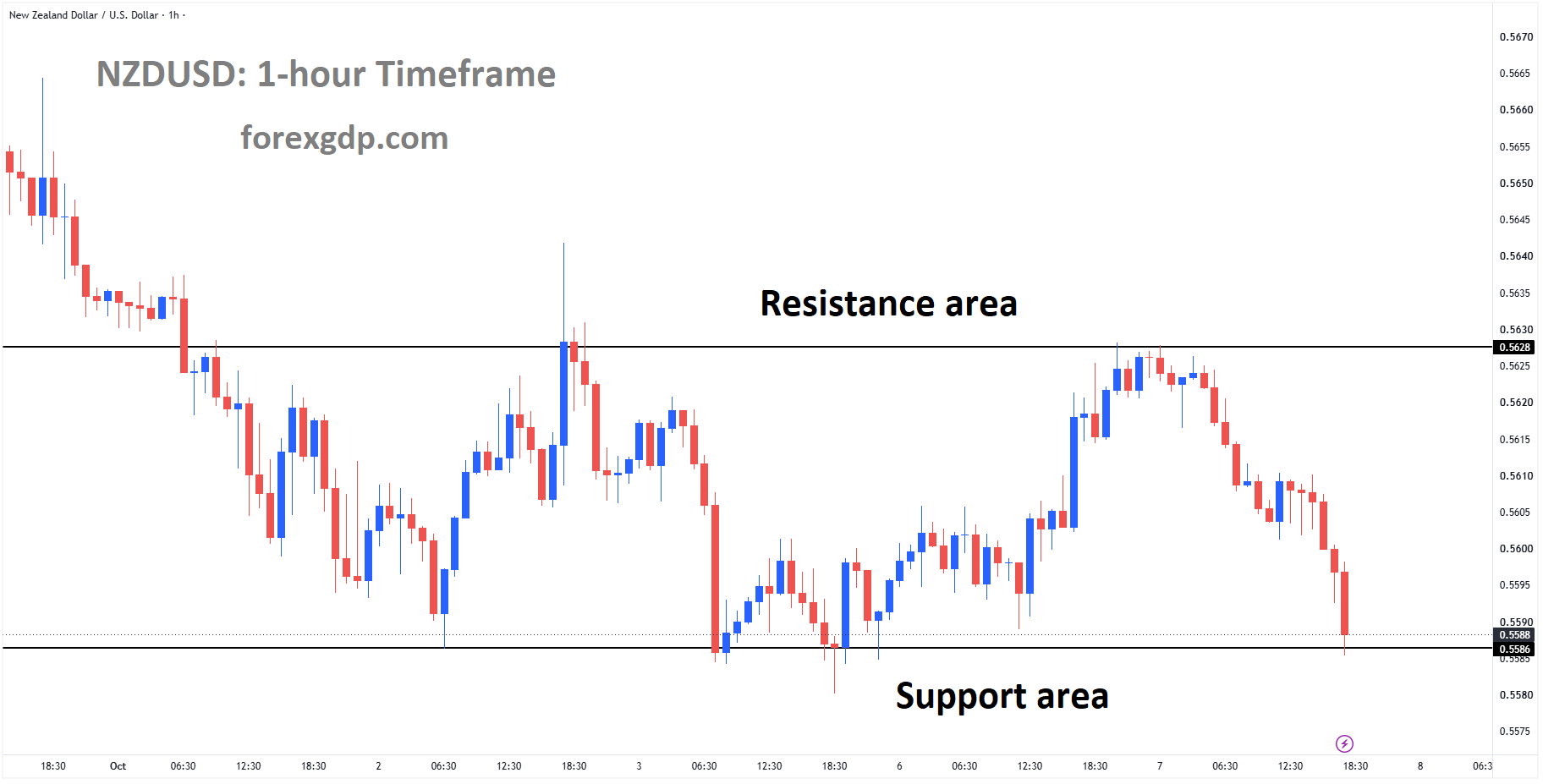
NZDUSD reached the support area of the box pattern
The US Dollar has attracted fresh interest as Treasury yields remain elevated. At the same time, rising energy costs are creating another challenge for central banks that are trying to bring inflation under control. These developments have made investors more cautious and have increased expectations that interest rates could remain restrictive for longer.
The New Zealand Dollar has some support from the Reserve Bank of New Zealand’s recent policy tightening. However, the broader strength of the US Dollar and uncertainty surrounding the global economy continue to create a difficult environment for the Kiwi.
US Dollar Demand Rises as Treasury Yields Stay Elevated
One of the main factors influencing NZDUSD is renewed demand for the US Dollar. US Treasury yields have remained elevated as investors reassess the outlook for inflation, government borrowing, and future Federal Reserve policy.
Higher government bond yields can make US assets more attractive to international investors. This often increases demand for the Dollar, especially when financial markets are uncertain about inflation and the direction of global interest rates.
Persistent inflation remains an important concern. Although central banks have spent considerable time trying to control price pressures, investors remain cautious about declaring the inflation problem fully resolved. Energy costs, government spending, fiscal deficits, and strong investment in rapidly growing industries could all contribute to continued price pressures.
Another factor receiving attention is the expansion of debt issuance linked to artificial intelligence investment. Technology companies and related industries are spending heavily to develop infrastructure, computing capacity, and data centers. This investment can support economic activity, but large-scale borrowing may also add to concerns about financial conditions and the overall supply of debt.
As these issues remain in focus, Treasury markets have faced continued pressure. This has helped the Dollar maintain its appeal against several major currencies, including the New Zealand Dollar.
Middle East Tensions Add to Global Inflation Risks
Geopolitical developments are also playing an important role in the currency market. Rising tensions in the Middle East have increased concerns about global energy supplies and international trade routes.
The Strait of Hormuz is particularly important because a significant amount of the world’s energy supply passes through the region. Any disruption involving tankers or shipping routes can quickly increase concerns about the availability and transportation of crude oil.
Ongoing tensions involving regional forces have added another layer of uncertainty. Investors are closely watching whether the conflict could become broader or create longer-lasting problems for global energy markets.
Higher crude oil costs can have consequences far beyond the energy sector. Transportation, manufacturing, agriculture, and many other industries depend heavily on fuel. When energy becomes more expensive, businesses can face higher operating costs, which may eventually be passed on to consumers.
This creates a difficult situation for central banks. Policymakers want inflation to return to sustainable levels, but rising energy costs can slow that process. If inflation remains persistent, central banks may have less flexibility to reduce interest rates and could even consider additional tightening if price pressures become severe.
These concerns have supported demand for the US Dollar while creating additional pressure on currencies that are more sensitive to changes in global risk sentiment.
Federal Reserve Expectations Remain an Important Driver
Although the US Dollar is receiving support from higher Treasury yields and inflation concerns, expectations surrounding the Federal Reserve remain mixed.
Recent signs of weakness in the US labor market have reduced expectations for aggressive monetary tightening. Employment conditions are one of the key areas the Federal Reserve considers when making policy decisions. If the labor market loses momentum, policymakers may become more cautious about raising borrowing costs further.
This creates a complicated situation for the Fed. On one side, higher energy costs and persistent inflation risks may support keeping monetary policy restrictive. On the other, weaker employment conditions could make additional rate increases more difficult to justify.
Investors are therefore paying close attention to the Federal Open Market Committee Meeting Minutes. The document can provide more information about how policymakers view inflation, economic growth, employment conditions, and the future direction of interest rates.
If policymakers continue to emphasize inflation risks, the Dollar may retain support. However, greater concern about employment or economic growth could reduce expectations for additional tightening.
RBNZ Continues Its Fight Against Inflation


The Reserve Bank of New Zealand is also maintaining a firm approach toward inflation. The central bank recently increased its official cash rate by 25 basis points to 2.75%, marking its second consecutive increase.
The decision reflects the RBNZ’s determination to bring domestic inflation closer to its 2% midpoint target. Policymakers remain focused on preventing inflation from becoming deeply embedded in household and business expectations.
Higher interest rates are designed to reduce demand by making borrowing more expensive. This can slow spending and investment, helping ease pressure on prices over time. However, monetary tightening also creates challenges for households and businesses because mortgage payments, loans, and other financing costs can increase.
Financial markets currently expect the RBNZ to continue its tightening campaign. Expectations for another increase later in the year show that investors believe the central bank may need to maintain restrictive conditions to achieve its inflation objective.
The upcoming RBNZ policy meeting will therefore attract significant attention. Investors will be looking for clues about how policymakers assess domestic inflation, economic activity, employment, and the broader global environment.
New Zealand Dollar Caught Between Domestic and Global Forces
The New Zealand Dollar is currently being influenced by two competing forces. Domestically, higher interest rates from the RBNZ can provide support by making New Zealand assets relatively more attractive. Internationally, however, a firm US Dollar and increased global uncertainty are creating pressure.
New Zealand is also closely connected to international trade and global economic conditions. Changes in commodity demand, energy costs, Asian economic activity, and overall investor confidence can have a meaningful impact on sentiment toward the Kiwi.
If geopolitical tensions continue to push energy costs higher, concerns about global inflation could remain elevated. That environment may encourage investors to favor the US Dollar, particularly when Treasury yields are also high.
At the same time, continued RBNZ tightening could help prevent excessive weakness in the New Zealand Dollar. The balance between Federal Reserve expectations and RBNZ policy will therefore remain an important influence on NZDUSD.
Inflation Remains the Central Theme for Global Markets
Inflation continues to connect many of the major forces affecting currency markets. Higher energy costs can increase consumer prices, while elevated government borrowing and strong investment spending can add further pressure to financial conditions.
Central banks are trying to manage these risks without causing unnecessary damage to economic growth and employment. This balancing act is becoming more complicated as geopolitical uncertainty increases.
For the United States, investors are weighing inflation risks against signs of softer labor conditions. In New Zealand, the central bank remains focused on bringing inflation toward its target through higher borrowing costs.
These different policy challenges could continue to influence the direction of both currencies as markets react to new economic information and central bank communication.
Final Summary
NZDUSD remains under pressure as the US Dollar benefits from elevated Treasury yields and persistent concerns about global inflation. Rising crude oil costs linked to Middle East tensions have added to fears that price pressures could remain higher for longer, potentially limiting the ability of central banks to ease monetary policy.
Federal Reserve expectations remain mixed because inflation concerns are being balanced against signs of weakness in the US labor market. Upcoming Fed communication will be closely watched for further guidance on the direction of monetary policy.
Meanwhile, the Reserve Bank of New Zealand continues to take a firm stance against inflation after delivering another interest-rate increase. Expectations for further tightening could offer some support to the New Zealand Dollar, but broader Dollar demand and global uncertainty remain significant influences on NZDUSD.
EURCAD Slides as Oil Rally Favors Canadian Dollar
Germany delivered encouraging industrial data for September, offering some positive news for Europe’s largest economy. Industrial production increased by 2% during the month, comfortably exceeding expectations for a much smaller improvement. The latest result also marked a clear recovery from the contraction recorded in August.
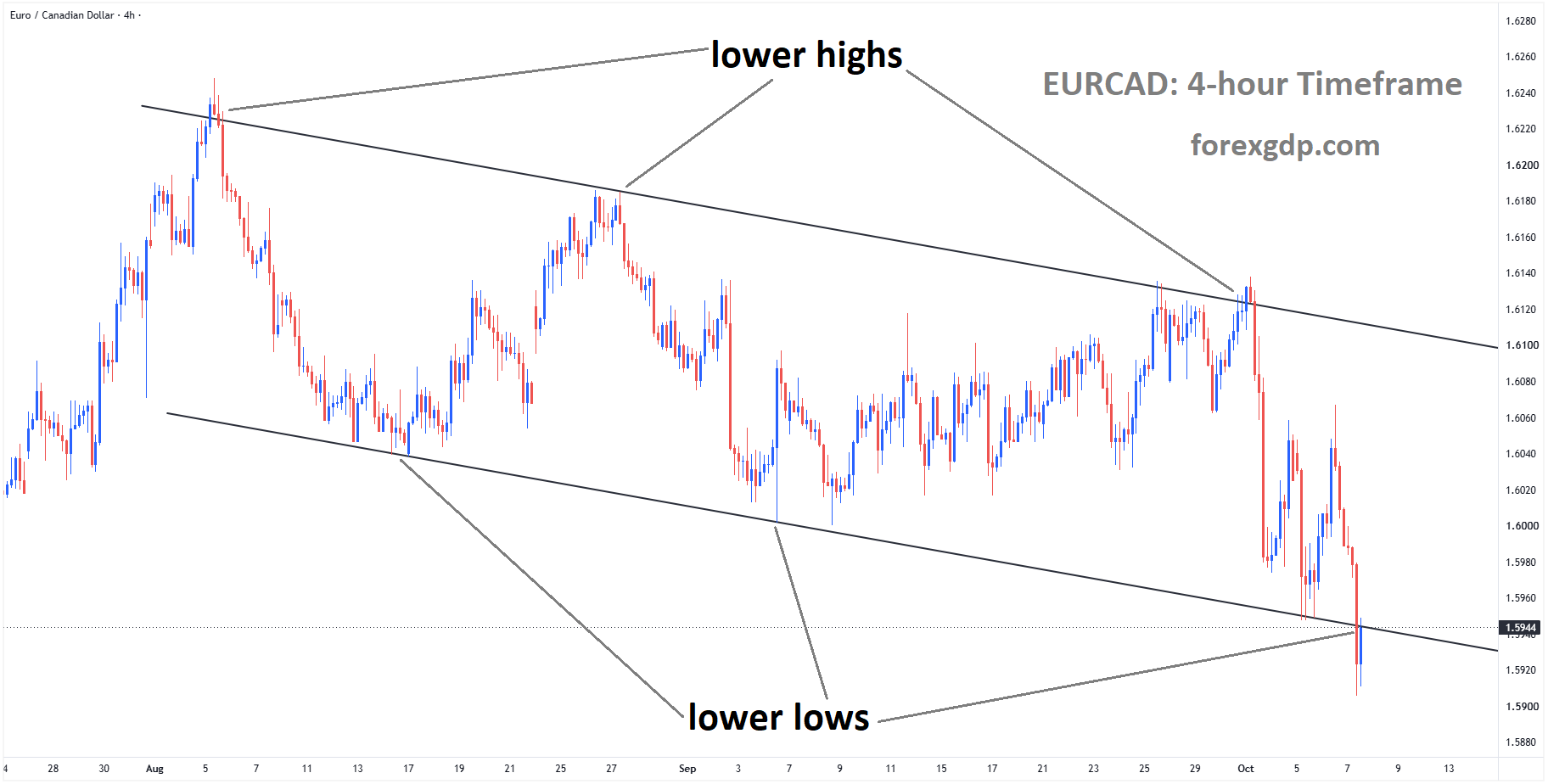
EURCAD has reached the lower low area of the descending channel
On a yearly basis, German industrial production also returned to growth after declining in the previous period. The figures suggest that manufacturing activity has regained some momentum despite the difficult economic environment facing German companies.
Normally, stronger German economic data can provide support to the Euro because Germany plays a central role in the wider Eurozone economy. Better industrial activity can indicate stronger business demand, healthier production levels and improving economic confidence.
However, the latest figures have not been enough to strengthen the Euro significantly. Investors remain more concerned about risks affecting the broader European economy, particularly the sharp increase in global energy costs and escalating geopolitical tensions in the Middle East.
As a result, the positive German data has taken a secondary role while global developments continue to influence sentiment toward the single currency.
Middle East Tensions Bring Energy Security Back Into Focus
Energy markets have become one of the main concerns for global investors as tensions around the Strait of Hormuz continue to increase.
The Strait of Hormuz is one of the world’s most important routes for energy transportation. A significant amount of global oil and gas supply passes through this narrow waterway. Any disruption can therefore have consequences far beyond the Middle East.
Recent attacks involving commercial vessels have increased concerns about the security of shipping through the region. UK Maritime Trade Operations has reported several incidents during the month, adding to uncertainty surrounding global energy supplies.
Tensions have also remained elevated elsewhere in the region. Saudi forces reportedly intercepted a Houthi ballistic missile targeting Khamis Mushait, highlighting the wider security risks surrounding the Middle East.
For financial markets, these developments matter because prolonged instability could disrupt oil transportation or increase the cost of moving energy supplies through important shipping routes.
This uncertainty has encouraged renewed demand in crude oil markets and pushed energy costs sharply higher.
Higher Energy Costs Create New Challenges for Europe
The Eurozone remains particularly sensitive to major changes in global energy prices because many European economies depend heavily on imported energy.
When crude oil and other energy costs increase rapidly, European businesses can face higher transportation, production and operating expenses. Households can also experience increased fuel and utility costs, reducing the amount of money available for other spending.
These pressures can create a difficult combination for policymakers. Higher energy costs may contribute to inflation while also limiting economic growth.
That situation is especially challenging because central banks must balance inflation control with the need to support economic activity. If energy-driven inflation remains persistent, policymakers may have less flexibility even when economic growth is under pressure.
For the Euro, these concerns have become more influential than the latest improvement in German industrial activity. Investors are looking beyond one strong economic report and considering how prolonged energy uncertainty could affect the wider Eurozone economy.
The situation also demonstrates why strong domestic data does not always translate directly into currency strength. Global developments can quickly become the dominant market driver when they create significant economic risks.
Canadian Dollar Benefits From Rising Crude Oil Demand
While higher energy costs create concerns for Europe, they can provide a different economic backdrop for Canada.
Canada is one of the world’s major oil-producing countries, meaning the Canadian economy has a close relationship with developments in global commodity markets. When crude oil demand strengthens and energy prices remain elevated, the Canadian Dollar can attract additional market interest.
This relationship has helped support the Canadian currency as investors continue to monitor possible disruptions to global oil supplies.
The contrast between Canada and the Eurozone is important. Europe faces the risk of higher import costs from expensive energy, while Canada can benefit from stronger demand for one of its major exports.
This difference has contributed to pressure on EURCAD, with the Canadian Dollar receiving support from energy-market developments while the Euro struggles against concerns surrounding inflation, growth and geopolitical uncertainty.
Gulf of Mexico Storm Adds Another Supply Concern

Middle East tensions are not the only factor affecting the global energy outlook. Markets are also monitoring weather developments in the Gulf of Mexico.
Forecasters are watching a developing storm that could potentially strengthen into the first Atlantic hurricane of 2026. The Gulf of Mexico contains important US offshore energy infrastructure, making severe weather in the region relevant to global oil and gas markets.
Strong storms can temporarily disrupt offshore production, transportation and refinery operations. Even before a hurricane reaches major energy facilities, companies may take precautionary measures to protect workers and infrastructure.
When geopolitical concerns and weather-related risks appear at the same time, markets can become increasingly sensitive to any new information about supply.
The combination of Middle East security concerns and possible weather disruptions in the United States has therefore added another layer of uncertainty to the global energy market.
Geopolitical Risk Overshadows Positive European Data
The current environment highlights how quickly investor priorities can change.
Germany’s industrial recovery is an encouraging sign and may help reduce some concerns about weakness in the manufacturing sector. However, markets are currently paying greater attention to geopolitical developments and their potential economic consequences.
For the Eurozone, energy security remains a major issue. A prolonged period of elevated oil costs could increase inflationary pressure, raise costs for companies and households, and complicate the region’s economic recovery.
Canada faces a different situation because of its position as an important energy producer. Stronger crude oil markets can improve sentiment toward Canadian assets and support the country’s currency.
This divergence between the two economies helps explain why positive German data has struggled to provide meaningful support to the Euro against the Canadian Dollar.
What Investors Are Watching Next
Attention is likely to remain focused on developments in the Middle East, particularly the security of commercial shipping through the Strait of Hormuz.
Any signs of further disruption could increase concerns about global energy supplies. On the other hand, a reduction in geopolitical tensions could ease some of the pressure currently affecting energy markets.
Weather conditions in the Gulf of Mexico will also remain important. Investors will closely follow whether the developing storm strengthens and whether it threatens major US offshore energy operations.
European economic data will continue to matter as well. Germany’s latest industrial figures offer a more encouraging signal, but investors will want to see whether the improvement can continue across other areas of the economy.
For Canada, developments in the global oil market are likely to remain an important influence on sentiment toward the Canadian Dollar.
Final Summary
EURCAD remains under pressure as global energy developments create very different conditions for the Eurozone and Canada.
Germany reported a strong recovery in industrial production, offering some welcome evidence of improving activity in Europe’s largest economy. However, the positive data has been overshadowed by growing concerns surrounding Middle East tensions and global energy security.
Attacks involving commercial vessels around the Strait of Hormuz have increased fears about possible disruptions to important oil transportation routes. At the same time, a developing storm in the Gulf of Mexico has added another potential risk to global energy supplies.
Higher crude oil costs present challenges for the Eurozone because expensive imported energy can increase inflation and weigh on economic growth. Canada, by contrast, can benefit from stronger conditions in the energy market due to its position as a major oil producer.
This difference has strengthened demand for the Canadian Dollar while limiting support for the Euro, keeping EURCAD under pressure as investors continue to monitor geopolitical risks, energy supplies and the broader global economic outlook.
EURGBP Slides as Euro Struggles Against Resilient Pound
The Euro continues to face selling pressure against the British Pound as investors become increasingly concerned about France’s financial and political situation. Although the European currency managed to recover part of its earlier losses, sentiment toward the Euro remains weak.
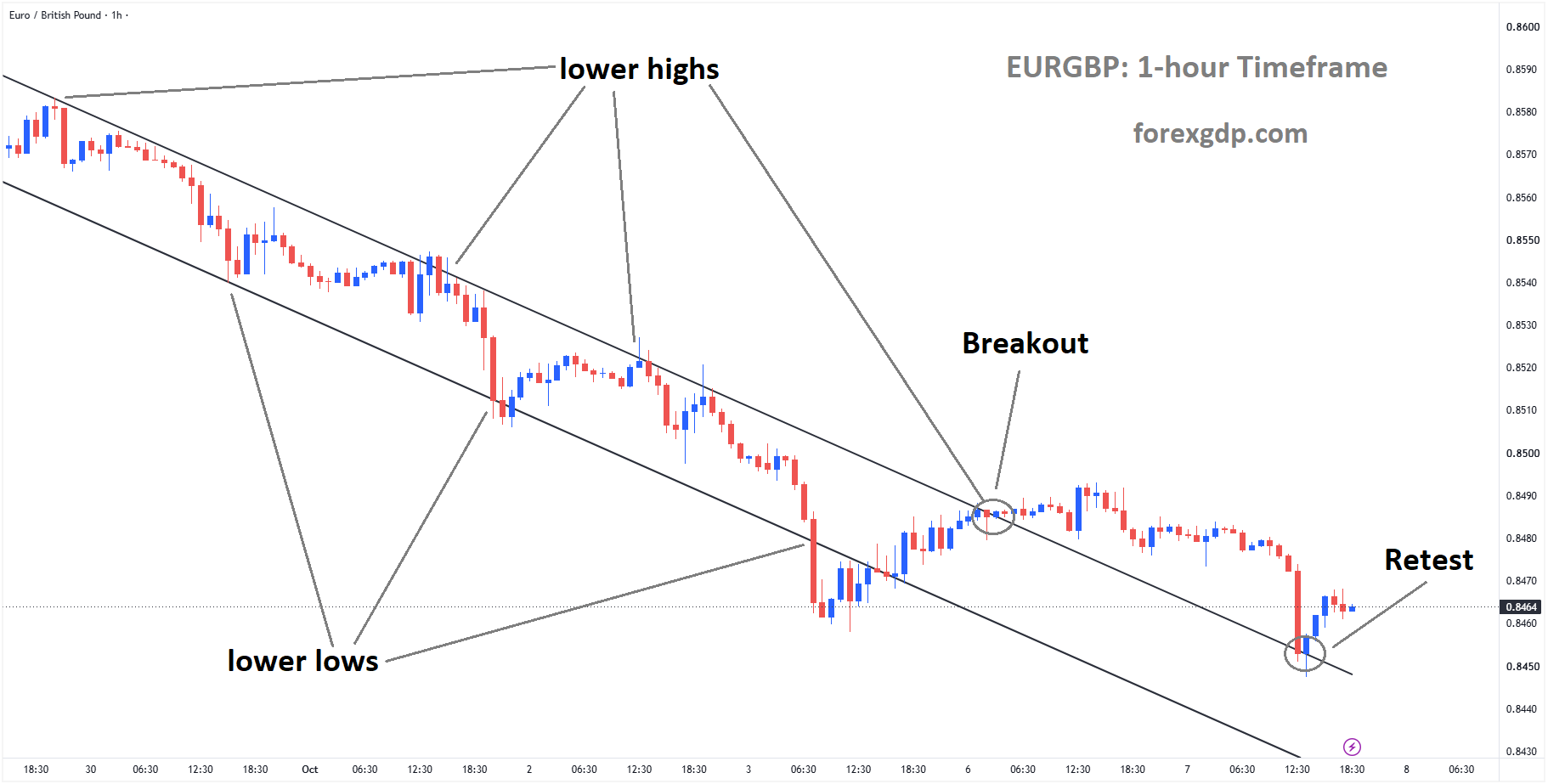
EURGBP is rebounding from the retest area of the broken descending channel
France has become one of the biggest sources of uncertainty for the single currency. Investors are paying close attention to the government’s ability to control public spending, reduce its budget deficit, and maintain confidence in the country’s finances.
The French government is attempting to gradually reduce the budget shortfall over the coming years. However, achieving this goal could prove difficult because of political resistance. Any plan involving spending reductions, tax changes, or other fiscal reforms could face opposition in parliament and from the wider public.
This political uncertainty is making investors question how quickly France can improve its financial position. Until there is greater clarity, concerns surrounding the country’s public finances could continue to create pressure on the Euro.
Rising French Borrowing Costs Add to Investor Concerns
The situation has become more challenging as borrowing costs rise across global bond markets. Governments around the world are facing greater pressure as investors demand higher returns for holding public debt.
France is particularly sensitive to this environment because concerns about its budget deficit have already weakened confidence. When investors become less comfortable with a government’s financial outlook, they may demand greater compensation for lending money to that country.
Officials from the Bank of France have acknowledged that the current environment is difficult. Policymakers have stressed the importance of approving a credible budget that can reassure investors and demonstrate that France remains committed to managing its public finances responsibly.
The key issue is confidence. Markets want to see a realistic plan that can reduce the deficit without causing major damage to economic activity. At the same time, the government must find enough political support to turn its proposals into law.
This balance will not be easy to achieve. France must deal with fiscal pressure while also managing political disagreements and concerns about economic growth.
Eurozone Bond Stress Creates a Challenge for the ECB
France’s difficulties are also important for the wider Eurozone. Large member states play a major role in the region’s financial stability, so concerns about French debt can quickly become a broader European issue.
The European Central Bank faces a complicated environment. Inflation risks remain important, particularly because elevated energy costs can increase expenses for households and businesses. This could keep pressure on policymakers to maintain a firm approach toward inflation.
At the same time, aggressive monetary tightening can increase borrowing costs across the Eurozone. Countries with challenging fiscal positions may feel the effects more strongly.
This creates a difficult balance for the ECB. Policymakers must remain focused on controlling inflation while also paying attention to financial conditions across member countries.
Investors are therefore watching both inflation developments and government debt markets closely. If bond-market stress continues to increase, the ECB may have less flexibility when considering future policy decisions.
British Pound Faces Its Own Fiscal Challenges
The British Pound is not enjoying a completely supportive environment either. The UK has its own fiscal concerns, with investors focused on the government’s upcoming budget and how officials plan to manage public finances.
Questions remain about taxation, spending, economic growth, and government borrowing. These factors could influence confidence in Sterling as investors assess whether the UK can maintain fiscal discipline while supporting the economy.
There are expectations that the government will continue following existing fiscal rules. However, maintaining those commitments may require difficult decisions.
One possibility is additional tax increases. While higher taxes could help strengthen government finances, they could also create pressure on consumers and businesses. This could make it more difficult for the economy to generate stronger growth.
For the government, the challenge is finding a balance between improving public finances and avoiding unnecessary pressure on economic activity.
UK Budget Uncertainty Keeps Sterling Sensitive

The upcoming UK budget remains an important event for the Pound. Investors want clear evidence that the government has a credible financial strategy.
The UK government debt market is also vulnerable to changing investor sentiment. A significant portion of British government debt is held by international investors, which means global confidence can play an important role in determining market conditions.
Foreign investors can react quickly when they become concerned about government borrowing, fiscal policy, or economic performance. This leaves Sterling sensitive to negative developments surrounding the UK’s budget outlook.
The government therefore faces pressure to present a plan that reassures investors while remaining politically acceptable.
Expectations surrounding Bank of England policy have offered only limited support to Sterling. Even when markets expect tighter monetary policy, concerns about government finances and future economic growth can reduce the positive effect on the currency.
France’s Problems Leave the Euro More Exposed
Both France and the United Kingdom are dealing with fiscal uncertainty, but the pressure currently appears more serious for the Euro.
France is facing a combination of political disagreements, a large budget deficit, rising borrowing costs, and questions about whether the government can successfully approve its fiscal plans. Together, these issues have created a difficult environment for the shared currency.
The UK also faces important challenges, especially as investors prepare for the government’s budget. However, concerns surrounding France are making the Euro relatively more vulnerable.
This difference helps explain why EURGBP can remain under pressure even when the British Pound itself is struggling against other major currencies.
The situation is therefore less about broad strength in Sterling and more about the heavier pressure currently affecting the Euro.
Political Stability Becomes Increasingly Important
Fiscal policy and political stability are closely connected. Governments can announce ambitious financial targets, but markets also want to know whether those plans can realistically receive political approval.
This is particularly important in France. Strong opposition could make it difficult for the government to introduce spending reforms or other measures needed to reduce the deficit.
If political disagreements delay important decisions, investor confidence could weaken further. On the other hand, progress toward a credible and achievable budget could help calm concerns.
The UK faces a similar test with its own budget. Investors will examine whether the government can respect its fiscal commitments while avoiding policies that place too much pressure on economic growth.
For both currencies, political decisions could therefore become just as important as central bank policy in shaping market sentiment.
Final Summary
EURGBP remains heavily influenced by fiscal and political developments on both sides of the Channel. France’s budget problems are currently placing greater pressure on the Euro as investors question how effectively the government can reduce its deficit and restore confidence in public finances.
Higher borrowing costs have added another layer of difficulty, while uncertainty surrounding France’s political environment could complicate efforts to approve a credible budget. These concerns also matter for the wider Eurozone and could make the European Central Bank’s policy decisions more challenging.
The British Pound has its own problems. The UK government faces a difficult budget, concerns about borrowing, possible tax increases, and questions about future economic growth. Sterling could remain sensitive to any negative fiscal developments.
However, France’s combination of fiscal pressure and political uncertainty currently leaves the Euro more exposed. As a result, EURGBP sentiment is being shaped mainly by relative vulnerability, with investors seeing greater immediate risks surrounding the Euro than the British Pound.
BTCUSD Momentum Slows as Wall Street Influence Increases
Bitcoin has regained some momentum after a period of uncertain trading, but the broader picture remains mixed. Recent activity shows that traders are becoming more willing to take positions in the derivatives market, while demand from direct spot buyers remains relatively quiet.
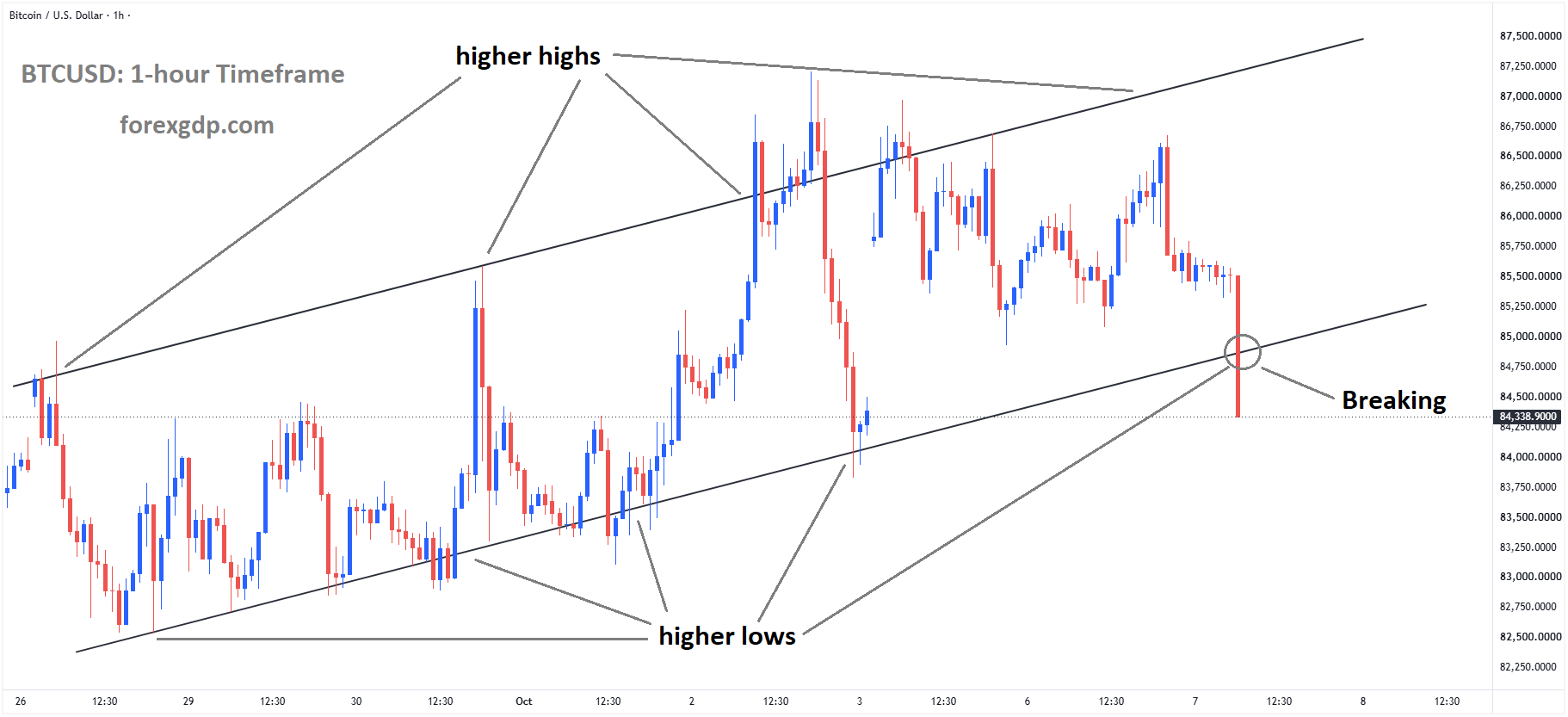
BTCUSD is breaking the higher low area of the ascending channel
This difference matters because derivatives activity can create fast market moves, but stronger spot participation is often needed to support a more lasting recovery. At the same time, Bitcoin is becoming increasingly connected with traditional financial markets, particularly US equities.
As this relationship grows, investors may need to pay closer attention to interest rates, bond markets, economic expectations and overall risk sentiment. Crypto-specific developments still matter, but the wider economic environment could play a larger role in determining Bitcoin’s direction.
Derivatives Activity Shows Renewed Trader Interest
Recent market activity included a short-lived increase in Bitcoin derivatives positioning. This suggests that speculative traders became more active and were willing to increase their exposure as sentiment improved.
Bitfinex noted that better liquidity conditions and renewed interest in riskier assets helped support the recent recovery. When financial conditions become more supportive, investors often become more comfortable taking exposure to assets such as cryptocurrencies.
However, derivatives activity alone may not provide enough strength for a sustainable Bitcoin recovery.
Futures and other leveraged products allow traders to gain significant exposure without purchasing the underlying asset directly. This can increase market activity quickly, but it can also make moves less stable when spot demand does not increase at the same time.
For Bitcoin to develop stronger and more sustainable momentum, participation from direct buyers may need to improve.
Spot Bitcoin Demand Remains an Important Missing Piece
Spot demand continues to attract attention because it reflects investors purchasing Bitcoin directly rather than gaining exposure through leveraged contracts.
One important source of spot demand comes from institutional investment products, particularly Bitcoin exchange-traded funds. Stronger ETF inflows can indicate that larger investors are becoming more comfortable increasing their Bitcoin exposure.
Bitfinex suggested that ETF activity would need to return closer to the stronger levels previously seen for the market to establish a more convincing advance.
Without stronger inflows, Bitcoin could remain caught between improving trader optimism and cautious investor participation.
This does not necessarily mean demand is weak across the entire market. Instead, it suggests that buyers have not yet returned with enough conviction to create a clear and lasting change in sentiment.
A fresh fundamental catalyst could change this situation. Improving global liquidity, lower borrowing costs, stronger institutional demand or greater confidence across financial markets could encourage more capital to enter crypto assets.
Until then, investors may remain selective.
Bitcoin Becomes More Connected With US Equities
Another important development is Bitcoin’s growing relationship with the US stock market.
Market maker Wintermute highlighted that Bitcoin’s correlation with the S&P 500 has increased again after weakening earlier. This connection could have major implications for how investors evaluate Bitcoin’s risk.
When correlation is high, Bitcoin can behave more like a higher-risk version of the broader equity market. If stocks face heavy selling pressure, cryptocurrencies may experience even larger declines because investors often reduce exposure to their riskiest holdings first.
The relationship may also be uneven. Bitcoin can decline sharply when equities struggle without necessarily matching stock-market gains when sentiment improves.
This creates an important challenge for crypto investors. Bitcoin may remain influenced by developments within the digital asset industry, but weakness across global financial markets can potentially overpower positive crypto-specific news.
As a result, understanding the broader economic environment has become increasingly important.
Macroeconomic Conditions Take Center Stage


The changing relationship between Bitcoin and equities means investors are paying closer attention to US monetary conditions.
Interest rates are especially important.
Higher long-term government bond yields can make riskier assets less attractive because investors have access to more competitive returns from traditionally safer investments. Rising yields can also tighten financial conditions and reduce the amount of capital available for speculative assets.
Bitcoin does not generate interest simply by being held, so changes in yields can influence how investors compare cryptocurrencies with bonds and other income-producing assets.
When yields remain elevated, some investors may prefer assets that provide regular returns. When yields decline, the relative appeal of growth-focused and risk-sensitive assets can improve.
This dynamic helps explain why developments in the US Treasury market have become increasingly relevant for Bitcoin.
US Economic Developments Could Shape Risk Sentiment
Political and economic uncertainty in the United States could also influence financial markets over the coming weeks.
Wintermute maintains a moderately positive outlook heading toward the US midterm elections, with long-term Treasury yields viewed as an important factor to watch. If uncertainty eases and bond yields begin to decline, financial conditions could become more supportive for equities.
Strong corporate earnings combined with easier yield conditions could encourage investors to return to areas of the stock market that have struggled under higher borrowing costs.
If equities benefit from that shift, Bitcoin could potentially receive support as well because of its stronger correlation with traditional risk assets.
However, the opposite scenario remains possible. Persistent inflation concerns, rising borrowing costs or renewed weakness in equities could create pressure across cryptocurrencies.
Bitcoin’s next major move may therefore depend less on a single crypto headline and more on how investors interpret the broader US economic environment.
Altcoin Activity Offers Another Clue About Market Sentiment
The wider cryptocurrency market is also showing interesting changes.
Wintermute observed that newer digital assets are appearing among the larger cryptocurrencies at a pace that resembles certain earlier stages of previous market cycles. At the same time, some lower-quality or previously overlooked tokens have started attracting greater attention.
This type of activity can indicate that traders are moving further along the risk spectrum.
During stronger periods of crypto optimism, capital often begins with established assets before gradually moving toward smaller and more speculative tokens. When assets that previously lagged suddenly begin performing strongly, it can sometimes suggest that a shorter-term rally has entered a more mature phase.
That does not automatically mean the broader market is preparing for a reversal. However, it does highlight the importance of evaluating the quality of participation rather than looking only at overall market enthusiasm.
If speculative activity expands while demand for larger, established cryptocurrencies remains limited, the strength of the broader rally may become less convincing.
Institutional Participation Remains Critical
Bitcoin’s market structure has changed significantly as institutional involvement has expanded.
ETF flows, professional trading firms and connections with traditional financial markets now play an important role in shaping sentiment. This means Bitcoin increasingly reacts to many of the same forces that influence stocks and other major financial assets.
Liquidity conditions, interest-rate expectations, bond yields and investor appetite for risk can all affect capital allocation.
This growing institutional presence can help Bitcoin become more integrated into global markets, but it also creates new vulnerabilities. Events that have little direct connection with cryptocurrencies can still influence Bitcoin when they change global risk sentiment.
For investors, the key question is therefore not simply whether interest in Bitcoin is increasing. The quality and source of that demand matter just as much.
Final Summary
Bitcoin’s recent recovery has brought renewed attention to the cryptocurrency market, but stronger evidence of sustainable demand is still needed.
Derivatives traders have shown greater willingness to increase exposure, while spot-market participation remains more cautious. A meaningful improvement in institutional and ETF demand could help strengthen confidence and support a more durable market recovery.
At the same time, Bitcoin’s growing correlation with the S&P 500 means the cryptocurrency is becoming increasingly sensitive to the wider economic environment. Treasury yields, financial liquidity, US monetary expectations, corporate performance and general investor risk appetite could all influence what happens next.
Activity across smaller cryptocurrencies also suggests that speculative interest is spreading, although the growing popularity of lower-tier assets may indicate that parts of the current rally are becoming more mature.
Bitcoin therefore enters its next phase with improving sentiment but without a decisive catalyst. Stronger spot participation and more supportive macroeconomic conditions could provide the foundation for renewed confidence, while persistent pressure from bond yields or weakness in global equities could keep investors cautious.
Don’t trade all the time, trade forex only at the confirmed trade setups
Get more confirmed trade signals at premium or supreme – Click here to get more signals, 2200%, 800% growth in Real Live USD trading account of our users – click here to see , or If you want to get FREE Trial signals, You can Join FREE Signals Now!