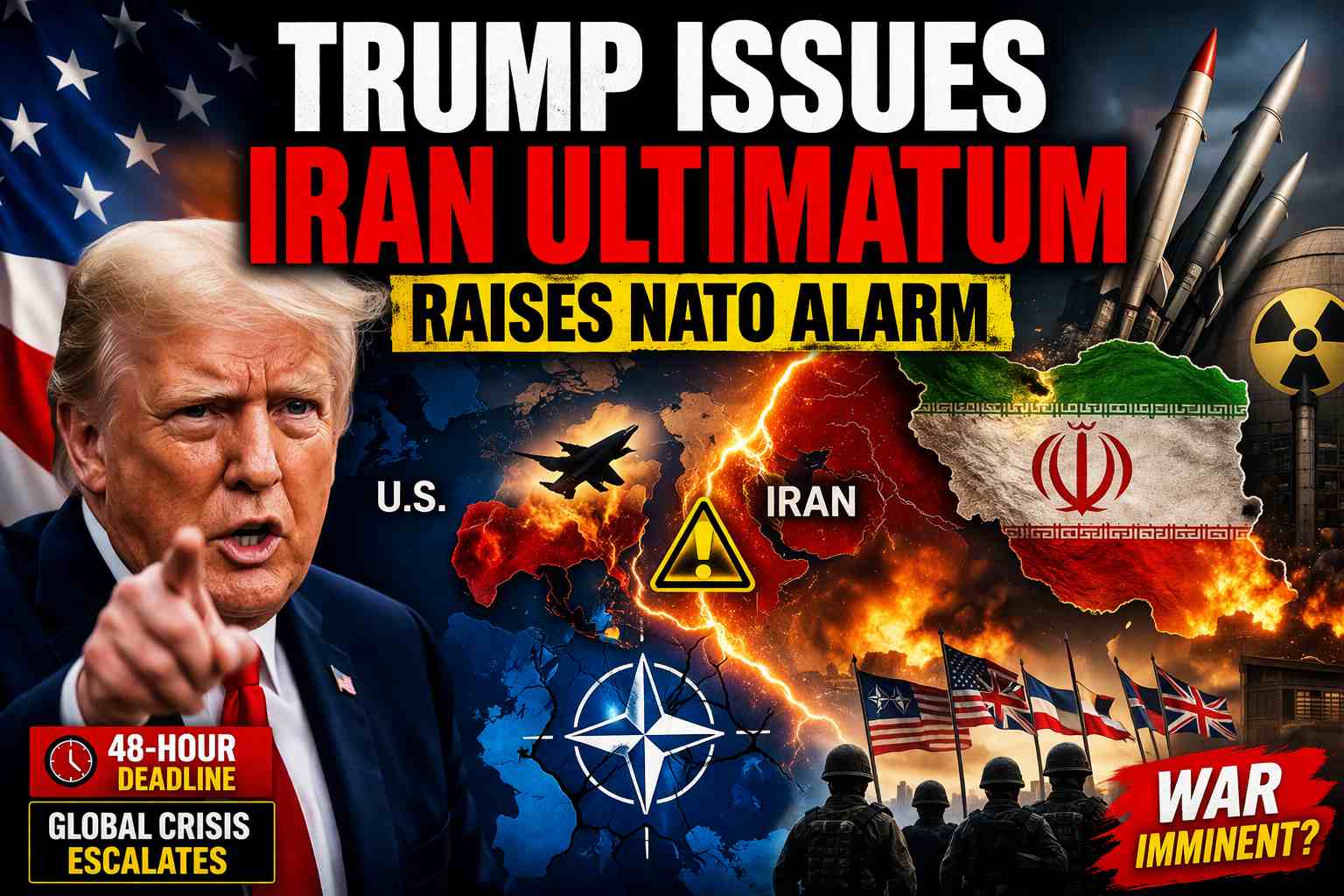
The Middle East once again finds itself at the center of global attention. A complex mix of military presence, political disagreements, and economic concerns has created a tense environment that could shape the region for years to come. At the heart of the situation is the ongoing standoff between the United States and Iran, with strong words, military positioning, and uncertain negotiations defining the current moment.
Recent developments show how delicate the situation is. While both sides have spoken about peace, their actions and statements suggest that trust remains low. The world is watching closely, especially as the conflict affects oil supplies, global markets, and international alliances.
Military Pressure and Strong Warnings
The United States has made it clear that it intends to maintain a strong military presence in the Middle East. President Donald Trump stated that American ships, aircraft, and personnel will remain in the region until a solid and lasting agreement with Iran is fully implemented. This decision signals that the U.S. is not willing to take risks when it comes to its strategic interests.
The message from Washington has been firm. The U.S. has warned that if Iran does not follow through on its commitments, the conflict could escalate quickly and on a much larger scale. At the same time, there is still a sense of optimism from the American side that a long-term agreement can be reached.
This mix of confidence and warning reflects the broader situation: hope for peace, but readiness for conflict.
Iran, on the other hand, has responded cautiously. While it has engaged in discussions, its leaders have raised concerns about the conditions being placed on them. One of the biggest disagreements centers on Iran’s nuclear program. The United States claims that Iran has agreed to stop pursuing nuclear weapons, while Iranian officials insist they have the right to continue certain nuclear activities.
These differences highlight just how far apart the two sides remain.
The Impact of Regional Conflict
The situation has become even more complicated due to ongoing military actions in the region. A large-scale strike by Israel in Lebanon has added another layer of tension. The attack resulted in heavy casualties and raised serious questions about whether a broader ceasefire can hold.
Iran strongly criticized these strikes and suggested that continuing military actions could make peace talks pointless. From Tehran’s point of view, it is difficult to negotiate while violence continues in nearby areas.
This creates a major challenge. Even if the United States and Iran are willing to talk, events involving other countries can quickly disrupt progress. The Middle East is deeply interconnected, and conflicts in one area often spill over into others.
Different countries also have different expectations for what peace should look like. The United States and Israel have indicated that certain areas, like Lebanon, are not included in current agreements. Iran, however, sees peace in Lebanon as an essential part of any broader deal.
This disagreement makes negotiations more complex and shows how difficult it is to reach a solution that satisfies everyone.
Oil, Trade, and Global Economic Concerns

One of the most immediate effects of the conflict has been seen in global energy markets. Oil prices have risen as investors worry about supply disruptions. The Strait of Hormuz, a narrow waterway through which a large portion of the world’s oil passes, has become a key point of concern.
This strait is one of the most important shipping routes in the world. Any restrictions or uncertainty in this area can quickly affect global energy supplies. Iran has demonstrated that it has the ability to control access to the strait, and this has made markets nervous.
Even after a ceasefire was announced, there has been little clarity about how open the strait truly is. Ships may still be passing through, but reports suggest that Iran is maintaining a level of control and may require permission for safe passage.
This situation has raised serious questions about the future of global trade in the region. If shipping is restricted or slowed down, the impact could be felt far beyond the Middle East.
Global markets have already shown signs of unease. Stock markets in Asia, Europe, and the United States have reacted cautiously, reflecting uncertainty about what comes next. Investors are clearly concerned that the situation could worsen.
The debate over the Strait of Hormuz is not just about economics. It is also about international law and the principle of free navigation.
Several countries, including the United Kingdom, have emphasized that international waterways should remain open and accessible to all. The idea is simple: no single country should control or charge for passage through such critical routes.
However, Iran’s recent actions suggest a different approach. By asserting control over the strait and introducing new rules for ships, Tehran is challenging long-standing norms.
This has created a wider debate about who has the authority to control global trade routes. If one country can impose restrictions, it could set a precedent that others might follow in different parts of the world.
The issue is not just regional—it has global implications.
Conflicting Agendas and Difficult Negotiations
Peace talks between the United States and Iran are expected to take place soon, but expectations are mixed. Both sides have laid out their positions clearly, and there is little overlap between them.
The United States wants strict limits on Iran’s nuclear activities and guarantees about regional stability. Iran, meanwhile, is seeking recognition of its rights and an end to external pressures.
These opposing views make negotiations challenging. Even small disagreements can slow down progress, and larger issues can bring talks to a halt.
Adding to the complexity is public opinion within Iran. Many people there are skeptical about ceasefires and agreements, especially after repeated violations. This makes it harder for Iranian leaders to make compromises.
Despite these challenges, there is still a willingness to engage in dialogue. Iran has sent a delegation for talks, indicating that it is open to discussion, even if the path forward is uncertain.
Strain on Global Alliances
The conflict has not only affected the Middle East but also relationships between major global powers. One of the most significant impacts has been on NATO, the military alliance that includes the United States and several European countries.
Recent statements from U.S. leadership have raised concerns among allies. Suggestions that the United States might not fully support NATO members in future conflicts have created uncertainty.
Experts have described this as one of the most difficult periods for the alliance. When trust between partners weakens, it can affect global stability.
There is also concern that other countries may take advantage of these divisions. If alliances appear fragile, rivals may see an opportunity to test boundaries in other regions, such as Eastern Europe or East Asia.
This shows how a regional conflict can have far-reaching consequences.
Military Resources and Strategic Challenges
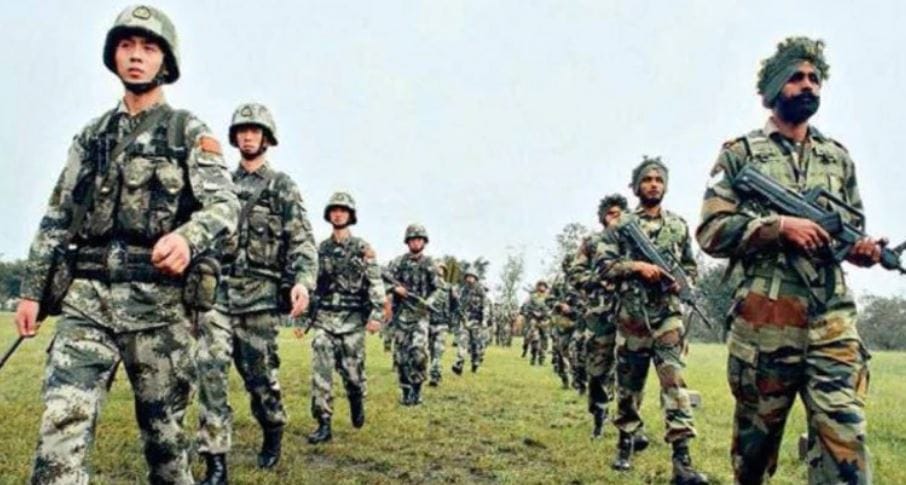
Another important issue is the strain on military resources. The recent conflict has required significant use of weapons and equipment, especially from the United States.
Some analysts believe that this has reduced the readiness of U.S. forces in other parts of the world. When resources are heavily focused in one region, it can create gaps elsewhere.
This raises strategic questions about long-term planning. How can countries maintain security in multiple regions at the same time? And what happens if new conflicts arise while resources are already stretched?
These are difficult questions with no easy answers.
Shifting Power Dynamics in the Region
The events of the past few weeks have also changed the balance of power in the Middle East. Iran’s ability to influence shipping in the Strait of Hormuz has given it a stronger position.
This shift is significant because it challenges decades of military and political influence from other powers, especially the United States.
For many observers, this is one of the most important outcomes of the conflict. It shows that control over key locations can be just as important as military strength.
At the same time, it has created new risks. When power dynamics change quickly, it can lead to uncertainty and instability.
The Road Ahead
Looking forward, the situation remains unpredictable. There are signs of both progress and tension, and it is not yet clear which direction things will take.
On one hand, there is a shared interest in avoiding further conflict. War has already caused significant loss of life and economic damage. Both sides understand the risks of escalation.
On the other hand, deep disagreements remain. Issues like nuclear policy, regional influence, and control of key trade routes are not easy to resolve.
The upcoming talks will be critical. They will determine whether the current ceasefire can lead to a lasting agreement or whether tensions will rise again.
Summary
The current situation in the Middle East reflects a delicate balance between conflict and cooperation. The United States has taken a firm stance by maintaining its military presence, while Iran continues to push back on key demands. At the same time, regional events, such as strikes in Lebanon, are making negotiations more complicated.
Economic concerns, especially around oil supply and the Strait of Hormuz, have added urgency to the situation. Global markets are watching closely, and the impact is being felt worldwide.
Beyond the region, the conflict has strained international alliances and raised questions about global security. It has also highlighted shifting power dynamics that could shape the future of the Middle East.
As talks begin, the world is left hoping for stability, even as uncertainty remains high. The decisions made in the coming days and weeks will likely have lasting effects, not just for the region, but for the entire global community.