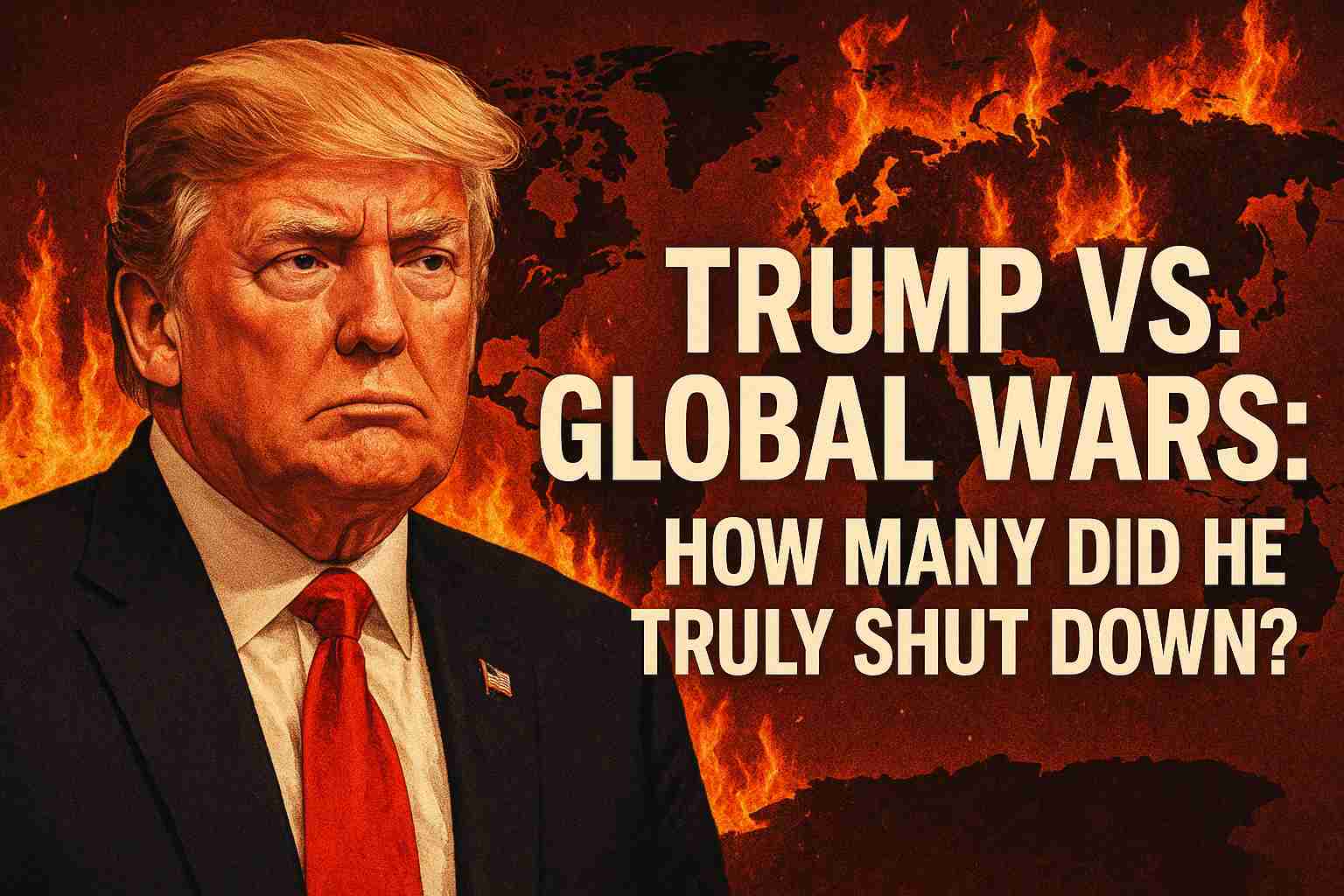
When Donald Trump starts talking about peace, he rarely does it quietly. Recently, he’s been loudly highlighting his role in stopping global conflicts, claiming he’s ended multiple wars during his time in office. At one point, he even suggested the number had reached seven, proudly positioning himself as a peacemaker on the world stage.
With some calling for him to receive a Nobel Peace Prize, the big question is—how much of this is real, and how much is political showmanship? Let’s break down the key situations and see how much of this peace talk holds up.
Trump’s Role in the Israel-Iran Tensions: Temporary Calm or Real Peace?
A Quick 12-Day Conflict Ends—But At What Cost?
The fight between Israel and Iran earlier this year was brief but intense. It began with Israel launching strikes on Iranian targets, followed by U.S. involvement aimed at nuclear facilities in Iran. The conflict was tense and dangerous, but within less than two weeks, it was over.
Trump took to social media to announce the ceasefire, calling it a “victory for peace.” However, it’s important to note that while the bombs stopped falling, nothing formal was signed to guarantee long-term peace. Iran declared its own “victory” without mentioning any ceasefire agreement, and Israel warned that future strikes could still happen.
So, was it a genuine peace deal? Not really. It was more of a forced pause—one that could easily collapse if tensions flare up again.
India and Pakistan: A Familiar Flashpoint Calms Down
Tensions between these two nuclear-armed neighbors are nothing new. But in May, things got heated again after a deadly attack in Kashmir led to military strikes on both sides.
After four days, Trump declared that a full ceasefire had been reached thanks to U.S. mediation. Pakistan praised his involvement, even suggesting he deserved a Nobel Prize. But India quickly brushed off the idea that the U.S. had played any key role, saying they’d handled the situation directly with Pakistan through their own diplomatic channels.
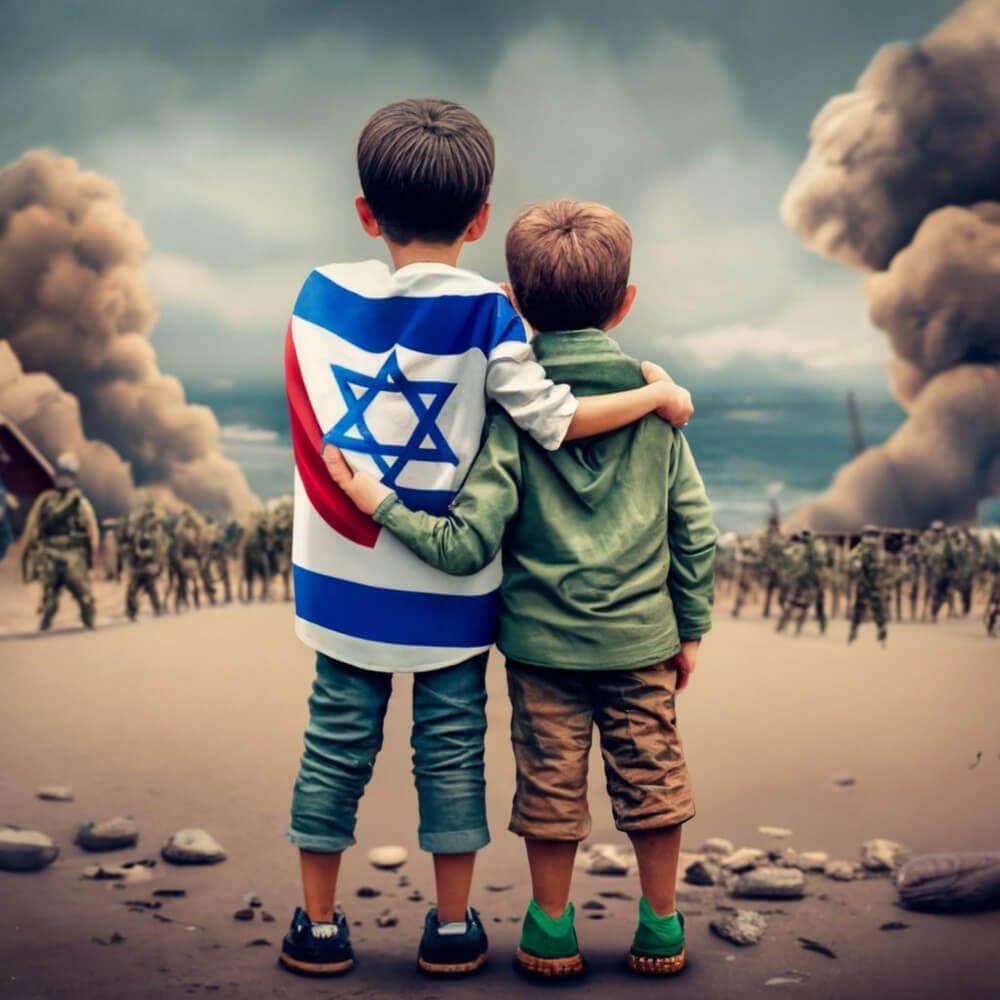
It’s hard to know exactly how much influence Trump had here. The fighting did stop, which is a positive outcome, but whether it was really due to his intervention is still up for debate.
A Fragile Peace Between Rwanda and the Democratic Republic of Congo
Washington Talks Lead to a Temporary Agreement
The long-standing conflict between Rwanda and the DRC escalated once again when the M23 rebel group took control of valuable land in eastern Congo. In June, Trump brought both sides to Washington for peace talks, resulting in a new ceasefire agreement.
The goal? Reduce violence and boost trade between the two nations and the U.S.
Since then, however, things haven’t gone smoothly. Both sides continue to blame each other for breaking the ceasefire, and the M23 rebels are threatening to pull out of the peace process entirely.
So, while Trump’s role in getting them to talk is worth noting, the situation on the ground shows that lasting peace is still a long way off.
Thailand and Cambodia: Quick Conflict, Quicker Resolution
A border clash between Thailand and Cambodia erupted suddenly but lasted less than a week. Trump stepped in, phoning Thai leaders and applying pressure by threatening to suspend trade negotiations unless the fighting stopped.
The result? An “immediate and unconditional ceasefire” was agreed upon in just days. While Malaysia played host for the actual talks, it was Trump’s economic leverage that reportedly pushed both countries toward ending the violence.
This may be one of the few cases where his direct involvement helped speed up the peace process in a real, measurable way.
Armenia and Azerbaijan: A Decades-Old Feud Eases
Symbolic Peace or Real Progress?
The bitter conflict between Armenia and Azerbaijan over the Nagorno-Karabakh region has lasted for decades. After serious fighting in 2023, both countries returned to the table, with Trump hosting a peace deal signing at the White House in August.
Leaders from both sides praised him and even suggested he should be awarded the Nobel Peace Prize.
While the situation has remained relatively calm since then, it’s hard to ignore the long history of failed agreements in the region. Still, getting both parties to commit publicly to peace, especially in such a high-profile setting, was a major diplomatic win.
Egypt and Ethiopia: More Talk Than Action
There wasn’t a war in the traditional sense between these two nations, but tensions over Ethiopia’s massive dam on the Nile River have been simmering for years. Egypt fears the dam will restrict its water supply, and negotiations have repeatedly stalled.
Trump claimed he would resolve the conflict “very quickly” and suggested Egypt had every right to want control over the water.
While his comments drew international attention, they didn’t lead to any actual agreement. Ethiopia didn’t appreciate the interference, and tensions remain. So far, it’s been more of a headline than a resolution.

Serbia and Kosovo: Diplomacy or Deterrence?
Trump has said he prevented a war between Serbia and Kosovo simply by threatening to cut off U.S. trade if they chose to fight.
While that might sound dramatic, experts point out that there wasn’t an active war brewing at the time—just rising tensions, something common in that region. Still, Trump did host both sides at the White House for economic normalization talks back in 2020.
So, while there wasn’t a war to stop, his efforts did help keep things stable and encouraged cooperation, at least economically.
So, Did Trump Really End Seven Wars?
Let’s be honest—claiming to have ended seven wars is a big stretch. In many of these cases, there was either no official war, no lasting peace deal, or only a temporary halt in fighting. Still, there are a few moments where Trump’s involvement clearly had an impact.
He’s skilled at drawing attention to himself and using bold language to take credit, but the real outcomes vary a lot depending on the situation.
Wrapping It Up: Big Claims, Mixed Results
Trump has always been a master of making headlines, and his peace efforts are no exception. Some of the conflicts he claims to have ended weren’t full-scale wars, while others are still unresolved beneath the surface.
That said, it’s fair to acknowledge that in a few cases—like Thailand and Cambodia or Armenia and Azerbaijan—his actions likely helped push toward calm, at least temporarily.
But lasting peace takes more than tweets and press conferences. It requires commitment, follow-through, and often the kind of behind-the-scenes diplomacy that doesn’t get much attention.
So, has Trump earned the title “peacemaker-in-chief”? That’s up to history to decide—but the answer isn’t as clear-cut as he might like us to believe.