

XAUUSD Rebounds as Lower Treasury Returns Restore Gold Demand
Gold recovered strongly on Friday after facing early pressure following the release of the latest United States inflation figures. The precious metal initially moved lower as traders reacted to the data, but the decline did not last long. Buying interest soon returned as the US Dollar lost momentum and Treasury yields moved lower.
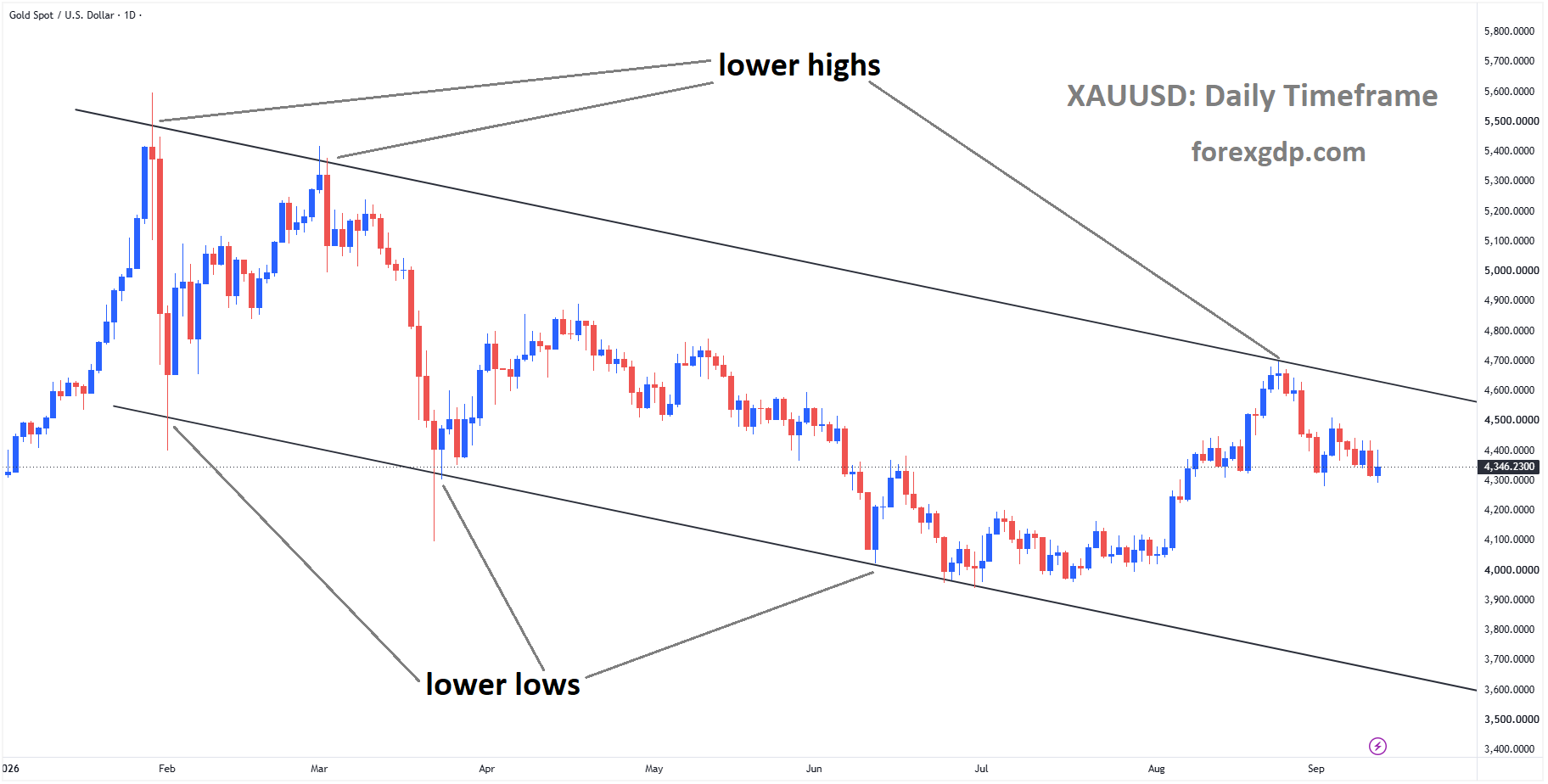
XAUUSD is moving in a descending channel, and the market has fallen from the lower high area of the channel
The inflation report strengthened expectations that the Federal Reserve could raise interest rates at its next policy meeting. Normally, the possibility of higher interest rates can create pressure on gold because the metal does not provide interest income. However, the market reaction was not straightforward. Investors also considered weaker consumer confidence and growing concerns about the health of the US economy.
This mixed environment allowed gold to recover. The initial response to the inflation figures supported the Dollar, but that strength quickly faded. As the currency lost some of its early demand, gold became more attractive to buyers holding other currencies.
The recovery also showed that investors were unwilling to abandon safe-haven assets. Inflation remains a concern, households are becoming less confident, and uncertainty about future economic conditions continues to influence financial markets.
US Inflation Keeps Federal Reserve Expectations High
The latest Consumer Price Index showed that inflation continued to rise during August. The monthly and yearly figures were broadly in line with market expectations. However, core inflation, which removes more unstable food and energy costs, recorded a slightly stronger monthly increase than economists had predicted.
Core inflation is closely watched because it can provide a clearer picture of long-term price pressure. A stronger reading may suggest that inflation is proving difficult to control. This can encourage the Federal Reserve to maintain a stricter monetary policy or consider another interest-rate increase.
Following the report, expectations of a rate hike increased sharply. Traders began to view a policy move at the next Federal Reserve meeting as highly likely. This initially helped the US Dollar because higher interest rates can make a currency more appealing to international investors.
Yet the Dollar failed to hold its gains. This suggests that much of the expected policy action may already have been included in market positions. Investors may also be questioning how long the Federal Reserve can continue tightening policy without causing greater weakness in consumer spending, employment and overall economic activity.
Gold benefited from this uncertainty. Although higher rates can be negative for bullion, concerns about the economy can increase demand for assets traditionally used to protect wealth.
Falling Consumer Confidence Raises Economic Concerns
The University of Michigan’s consumer sentiment report added another layer of uncertainty. Confidence among US households weakened during September and fell below economists’ expectations. The decline showed that many consumers are becoming more worried about their personal finances and the broader economy.
Rising fuel costs and ongoing trade tensions appear to be important concerns. When households expect everyday expenses to increase, they often become more careful about spending. This can affect businesses, retail activity and economic growth because consumer spending is a major part of the US economy.
The report also revealed that inflation expectations increased. Consumers now believe prices could rise faster over the coming year. Their longer-term expectations also moved slightly higher, suggesting that worries about inflation are not limited to the immediate future.
This presents a difficult challenge for the Federal Reserve. Higher inflation expectations may support the case for tighter policy, but weaker confidence could signal that households are already feeling financial pressure. Raising interest rates may help control inflation, but it can also make mortgages, loans and credit more expensive.
Gold often attracts interest during periods when economic signals point in different directions. Investors may turn to the precious metal when they are uncertain about growth, inflation and central bank policy. Weak consumer sentiment therefore helped gold recover despite stronger expectations of a rate increase.
Lower Treasury Yields Support Gold Demand

US Treasury yields declined during Friday’s session, providing additional support for gold. Bond yields had risen strongly earlier in the week, but the pullback reduced some of the pressure on the precious metal.
The relationship between gold and bond yields is important because government bonds offer interest payments while gold does not. When yields rise, some investors may prefer bonds because they can earn a return while holding a traditionally lower-risk asset. When yields fall, the disadvantage of holding gold becomes less significant.
Lower yields can also indicate that investors are seeking safety or becoming less confident about future economic growth. In such an environment, gold may benefit from its role as a store of value.
However, the weekly rise in yields showed that the broader market remains cautious about inflation and Federal Reserve policy. Gold traders will therefore continue watching the bond market closely. A fresh increase in yields could limit demand, while a continued decline may give bullion more support.
Federal Reserve Decision Takes Centre Stage
The next Federal Reserve policy announcement will be the main focus for gold investors. The decision itself will be important, but the central bank’s explanation may have an even greater influence on market sentiment.
Investors will listen carefully for guidance about inflation, employment and future interest-rate decisions. If policymakers express strong concern about persistent inflation, markets may expect monetary policy to remain tight for longer. That could support the Dollar and create pressure on gold.
On the other hand, any warning about weaker economic activity or financial stress could increase interest in safe-haven assets. Traders will also pay close attention to the Federal Reserve Chair’s press conference for clues about whether another policy move may follow.
Uncertainty is likely to remain high before the meeting. Markets have already formed strong expectations, so even a widely predicted decision could produce volatility if the central bank’s message differs from what investors expect.
Other US Reports Could Influence Market Direction
The Federal Reserve meeting will not be the only important event on the US calendar. Investors will also receive employment, manufacturing, retail, housing and jobless claims data. These reports will help reveal whether the economy remains strong enough to handle tighter monetary policy.
Retail sales will offer insight into household spending, while labour-market figures could show whether employers are still creating jobs at a healthy pace. Housing information may indicate how higher borrowing costs are affecting buyers and construction activity.
Comments from Federal Reserve officials could also shape expectations. Any disagreement among policymakers may create fresh movement in the Dollar, Treasury yields and gold.
Final Summary
Gold recovered after an unstable reaction to the latest US inflation report. Stronger expectations of a Federal Reserve rate increase initially supported the Dollar, but that reaction faded as weaker consumer confidence and lower Treasury yields changed the market mood.
Investors now face a complicated picture. Inflation remains a concern, yet consumers are becoming more pessimistic about their finances and the economy. The Federal Reserve must balance these risks carefully when deciding its next move.
The upcoming policy announcement, press conference and major US economic reports will likely determine gold’s next broader direction. Until clearer guidance appears, uncertainty surrounding inflation, interest rates and economic growth may continue to keep demand for the precious metal firm.
EURUSD Slides as Dollar Strengthens Before US Inflation Report
The Euro continued to weaken against the US Dollar as traders became more cautious ahead of an important US inflation report. Earlier optimism surrounding the European Central Bank’s latest interest rate increase began to fade, allowing the Dollar to regain control.
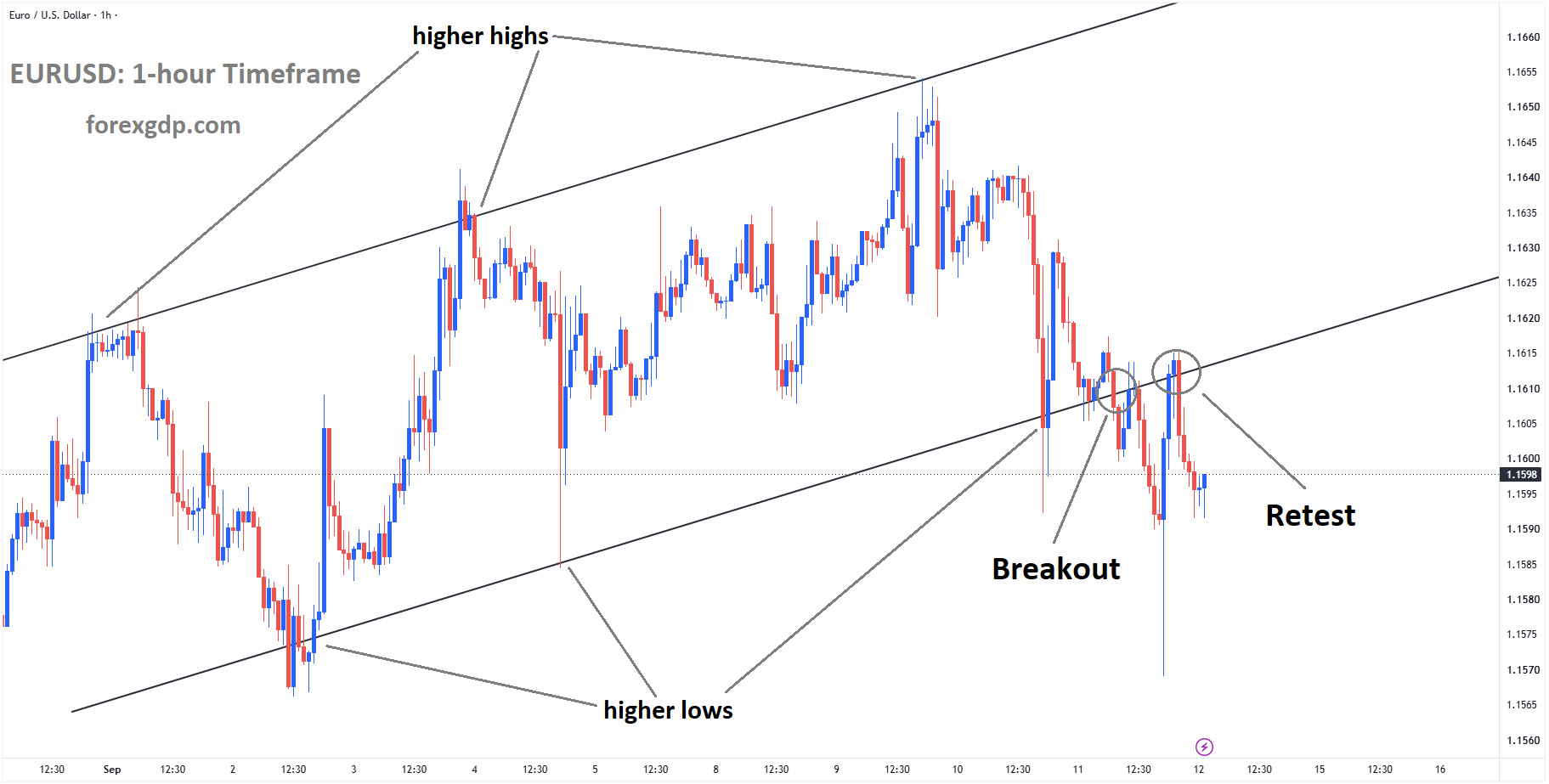
EURUSD is falling from the retest area of the broken ascending channel
The ECB delivered a firm message about inflation and future monetary policy. However, its decision was not enough to support the Euro for long. Investors quickly shifted their attention toward the United States, where stronger inflation figures increased expectations that the Federal Reserve could raise interest rates again.
This change in focus placed fresh pressure on EURUSD. The pair moved toward a moderate weekly decline as demand for the US Dollar improved and risk appetite weakened across global markets.
US Inflation Becomes the Main Market Focus
The upcoming US Consumer Price Index report is expected to play a major role in shaping expectations for the Federal Reserve’s next decision. The CPI measures changes in the cost of goods and services paid by consumers, making it one of the most closely followed indicators of inflation.
A stronger-than-expected report could support the view that inflation remains difficult to control. That may give Federal Reserve officials another reason to tighten monetary policy. In contrast, softer inflation could reduce the pressure for an immediate rate increase and weaken some of the Dollar’s recent strength.
Investors are therefore approaching the report with caution. Many traders are avoiding large positions until the data provides a clearer picture of where US monetary policy may be heading.
Rate Hike Expectations Continue to Rise
Expectations for another Federal Reserve rate increase have grown significantly. Futures markets now indicate a stronger probability of a quarter-point hike at the central bank’s next policy meeting.
This represents an important change in market sentiment. Only a week earlier, traders were much less certain that the Fed would take further action. Stronger inflation information has since encouraged investors to reconsider the possibility of tighter monetary policy.
Higher interest rates can make the US Dollar more attractive because investors may receive better returns from assets priced in the currency. This is one reason the Dollar has gained support while the Euro has struggled to hold its earlier advances.
Producer Inflation Adds Pressure on the Federal Reserve
The latest US Producer Price Index figures showed that inflation at the factory level accelerated during August. Producer inflation measures changes in the prices businesses receive for their goods and services. It can sometimes offer an early warning about future consumer price pressures.
When companies face higher production costs, they may eventually pass part of those expenses on to customers. This process can keep consumer inflation elevated and make the Federal Reserve’s job more difficult.
Core producer inflation, which removes some of the more unstable components, also increased. That suggested the rise was not limited to one temporary area of the economy. As a result, investors increased their bets that the Fed may need to keep monetary conditions tight.
The stronger producer inflation figures helped the Dollar recover and reduced the positive effect of the ECB’s decision on the Euro.
Federal Reserve Outlook Remains Uncertain
Although expectations for higher US interest rates are growing, the Federal Reserve’s path is still far from certain. Economists have warned that financial markets may be expecting more tightening than policymakers are prepared to deliver.
Some forecasts suggest that investors anticipate several rate increases extending into the middle of next year. However, this could prove too aggressive if underlying inflation remains controlled.
A rise in headline inflation caused mainly by higher energy costs may not be enough to convince every Federal Reserve official to support another hike. Energy prices can move sharply and may not reflect broader inflation conditions within the economy.
Core inflation will therefore receive close attention. If it remains moderate, more cautious Fed officials could argue that current interest rates should be maintained while the bank waits for additional information.
Leadership Questions Add Another Layer of Risk

Uncertainty surrounding the future leadership of the Federal Reserve may also make the outlook harder to predict. Markets cannot confidently judge how willing the next Fed Chair might be to raise interest rates.
Even if the inflation report sends a strong message, there is no guarantee that policymakers will respond in the way traders expect. Economic information is only one part of the decision. Officials must also consider employment, growth, consumer spending, financial stability, and the delayed effects of earlier policy changes.
This uncertainty could create sudden movements in the US Dollar. Traders may react quickly to the inflation figures, but the longer-term direction will depend on how Federal Reserve officials interpret the report.
ECB’s Hawkish Decision Provides Limited Euro Support
The European Central Bank raised its deposit rate for the second consecutive meeting, continuing its effort to bring inflation under control. ECB President Christine Lagarde delivered a firm message and warned that inflation could remain above the bank’s target well into 2027.
Her comments suggested that the ECB may consider additional policy tightening if price pressures remain persistent. Normally, such a message could offer meaningful support to the Euro.
However, the market reaction was short-lived. Investors had largely expected the rate increase, which limited the surprise. Once the announcement passed, attention returned to the stronger inflation concerns in the United States.
The Euro also faced pressure from weaker risk sentiment. During uncertain periods, investors often prefer assets they consider more defensive. The US Dollar frequently benefits from this behaviour because of its central role in global trade and financial markets.
Different Inflation Challenges Face the ECB and Fed
Both the ECB and the Federal Reserve are dealing with inflation, but the situation facing each central bank is different.
The ECB is concerned that Eurozone inflation may remain above its target for a prolonged period. At the same time, officials must avoid placing too much pressure on economic activity. Higher borrowing costs can reduce household spending and business investment, potentially slowing growth.
The Federal Reserve faces a similar balancing act. It needs to control inflation without creating unnecessary weakness in the labour market or the broader economy. If the Fed raises rates too aggressively, growth could suffer. If it waits too long, inflation may become harder to manage.
These competing risks explain why EURUSD remains sensitive to economic data and central bank communication. Traders are comparing not only current interest rates but also the likely direction of policy in both regions.
What Traders May Watch Next
The US CPI report is likely to be the immediate focus. Investors will examine both headline and core inflation to determine whether price pressures are broad or mainly driven by temporary factors such as energy.
Attention will then turn to the Federal Reserve meeting and the language used by policymakers. Even if the central bank changes rates, its guidance about future decisions may have a greater influence on the Dollar.
For the Euro, upcoming inflation reports, economic activity data, and comments from ECB officials will remain important. Any sign that the European economy is weakening could make further rate increases more difficult, even if inflation stays elevated.
Final Summary
EURUSD remains under pressure as investors focus on US inflation and the growing possibility of another Federal Reserve rate hike. Stronger producer inflation has supported the Dollar, while cautious market sentiment has added to demand for the US currency.
The ECB’s latest rate increase and firm inflation warning offered only temporary help to the Euro. The next major move will depend on US consumer inflation, the Federal Reserve’s response, and whether markets have become too confident about future monetary tightening.
GBPUSD Bounces Back as Sterling Finds Support From UK Expansion
The Pound Sterling recovered against the US Dollar after an early decline triggered by the latest United States inflation report. Traders initially responded by buying the Dollar, but that reaction did not last long. As the market examined the figures more carefully, demand for the US currency began to weaken, allowing GBPUSD to regain momentum.
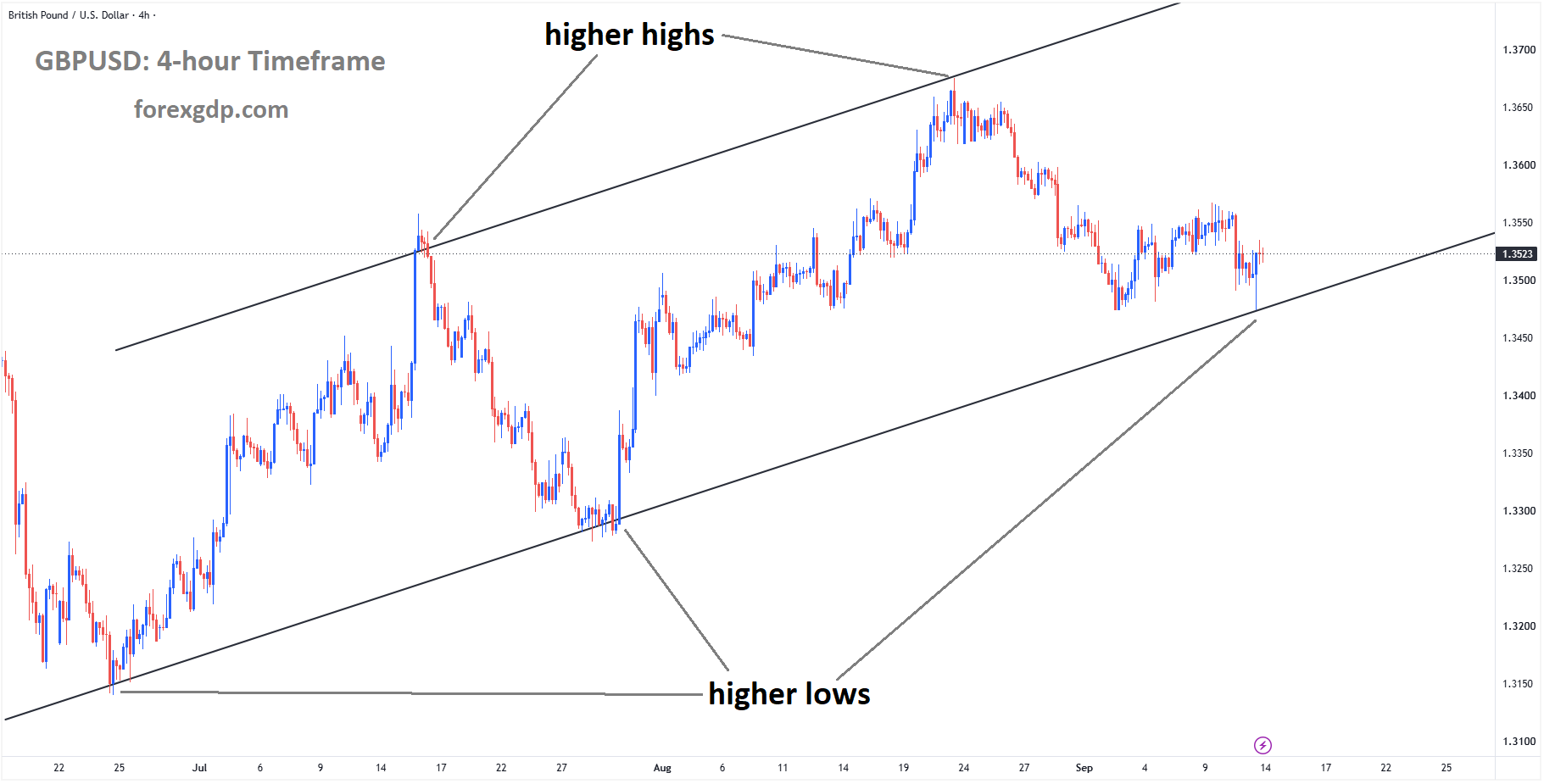
GBPUSD reached the higher low area of the ascending channel
The headline Consumer Price Index for August increased by 0.4% compared with the previous month. On an annual basis, inflation reached 3.4%. Both results matched market expectations, meaning the report did not deliver a major surprise.
Core inflation, which removes the more unstable food and energy categories, rose by 0.3% during the month. This was slightly stronger than analysts had expected. However, the annual core inflation rate eased from 2.5% to 2.4%, matching forecasts.
This mixed picture explains why the Dollar’s initial strength quickly faded. Monthly inflation remained firm, but the slower annual core reading offered some evidence that underlying price pressure was gradually cooling. Investors therefore had little reason to maintain an aggressive response once the first wave of trading passed.
Federal Reserve Rate Hike Expectations Rise Sharply
Although the inflation report was largely in line with expectations, it had a significant effect on Federal Reserve policy forecasts. Money markets increased the probability of a quarter-point interest rate hike at the upcoming Fed meeting to 88%. Only one day earlier, the estimated chance had been close to 60%.
The sudden increase shows how sensitive financial markets remain to inflation. Even when headline figures meet forecasts, a stronger monthly core reading can influence expectations about the next central bank decision.
Federal Reserve officials are trying to balance two major risks. If they tighten policy too much, they could weaken economic growth and place additional pressure on households and businesses. However, if they act too slowly, inflation could remain above the desired level for longer.
For currency traders, this creates an uncertain environment. Higher interest rates usually support the Dollar because they can make US assets more attractive to global investors. However, much of that expectation may already be reflected in market positioning. This can limit the Dollar’s ability to hold gains, especially when economic confidence begins to deteriorate.
US Consumer Confidence Sends a Warning
The latest University of Michigan Consumer Sentiment survey showed that American households are becoming less confident about the economy. The sentiment index fell from 51.7 to 47.8, while economists had expected a reading near 51.
This decline suggests that many consumers are worried about future financial conditions. Rising fuel costs, trade tensions and continued pressure on household budgets have made people more cautious. When consumers feel uncertain, they may reduce spending, delay large purchases and focus more heavily on essential expenses.
That matters because household consumption plays a central role in the US economy. A prolonged decline in confidence could eventually weaken business revenue, investment and employment growth. It may also complicate the Federal Reserve’s policy choices.
Inflation expectations added another layer of concern. Consumers’ expectations for inflation over the coming year climbed from 4% to 4.6%. Longer-term expectations also increased slightly, moving from 3.3% to 3.4%.
Central banks monitor these expectations closely because public beliefs can influence real economic behaviour. If households expect prices to rise rapidly, they may change their spending decisions. Workers may also seek higher wages, while companies may increase prices to protect their profit margins. These actions can make inflation more difficult to control.
Strong UK GDP Data Gives Sterling Fresh Support
While the United States delivered a mixed economic picture, the United Kingdom reported encouraging growth figures. British Gross Domestic Product expanded by 1.6% compared with the same period a year earlier. This was stronger than the expected 1.2% increase and above the previous reading of 1.1%.
The economy also grew by 0.4% during the month, exceeding forecasts for no growth. The result marked the fastest annual pace of expansion in 18 months and helped improve confidence in the UK economic outlook.
These figures supported the Pound because they reduced immediate fears of economic stagnation. Stronger activity can provide businesses with more confidence to invest, recruit workers and expand their operations. It can also improve government tax revenue and strengthen the country’s overall financial position.
However, one positive report does not remove every challenge facing the British economy. The UK remains vulnerable to energy costs because it depends heavily on imported energy. Higher global fuel prices can raise production expenses, increase household bills and place renewed pressure on inflation.
Even so, the better-than-expected GDP report gave Sterling an important advantage. While concerns about US consumer confidence limited Dollar demand, stronger British growth helped the Pound remain steady before the Bank of England’s upcoming announcement.
Bank of England Expected to Hold Policy Steady
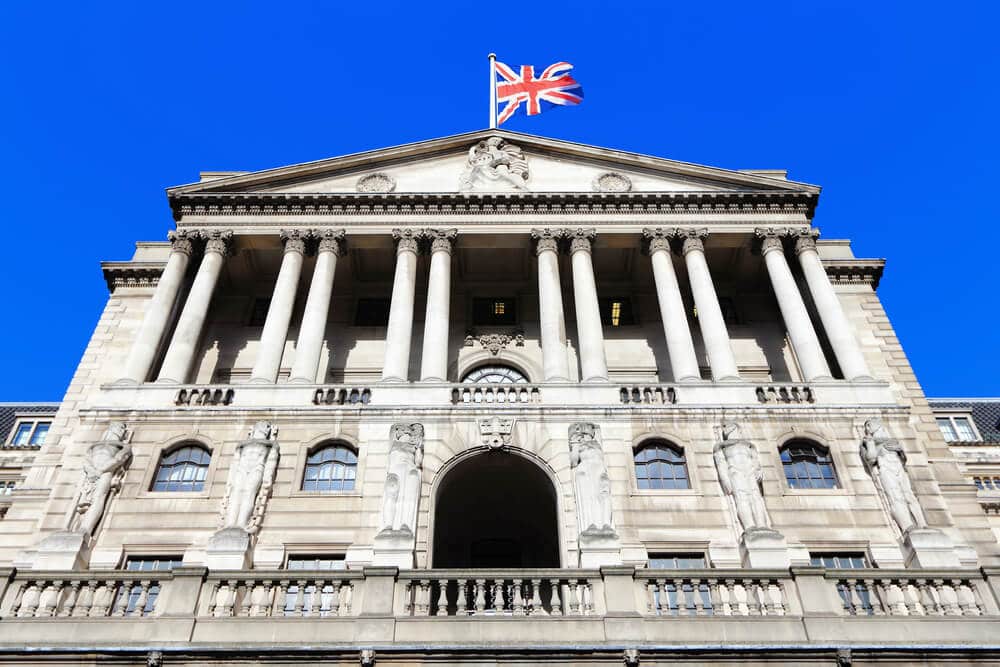
Markets widely expect the Bank of England to leave interest rates unchanged at its next meeting. Governor Andrew Bailey recently attempted to reduce expectations of an immediate rate increase, explaining that further tightening should not be viewed as imminent.
The Bank of England must manage a difficult balance. Stronger economic growth could support tighter policy, particularly if inflation remains uncomfortable. At the same time, high borrowing costs continue to affect mortgage holders, businesses and consumers. Another increase could create unnecessary pressure if inflation begins to ease naturally.
The central bank will therefore need to consider more than the latest GDP figures. Policymakers will examine wage growth, employment conditions, consumer spending, energy prices and broader inflation trends before making any future decisions.
The language used by the Bank may be just as important as the policy decision itself. Even if rates remain unchanged, officials could signal whether future increases are still possible. A cautious but firm message could support Sterling, while a softer outlook may limit its strength.
Central Bank Decisions Take Centre Stage
The Federal Reserve and Bank of England meetings will be the main events for GBPUSD traders. The Fed will announce its monetary policy decision first, followed by the BoE.
The Federal Reserve faces renewed pressure after the stronger monthly core inflation reading and the sharp rise in consumer inflation expectations. At the same time, weak consumer sentiment raises questions about the strength of the US economy. Officials must decide whether controlling inflation requires another increase or whether current policy is already restrictive enough.
The Bank of England has a different challenge. UK economic growth has improved, but the country remains exposed to imported inflation and high household costs. Policymakers may prefer to wait for more evidence before changing rates.
The direction of GBPUSD will depend heavily on how these two central banks compare. If the Fed delivers a more aggressive message than the BoE, the Dollar could attract stronger demand. If the Fed sounds cautious while the BoE keeps future tightening on the table, Sterling may receive additional support.
Final Summary
GBPUSD recovered after an early decline as the Dollar failed to maintain the strength created by the US inflation report. Headline inflation matched expectations, while monthly core inflation came in slightly stronger. This pushed the estimated probability of a Federal Reserve rate increase sharply higher.
However, weak US consumer confidence and rising household concerns limited the Dollar’s advance. At the same time, stronger UK GDP growth provided support for the Pound and improved confidence in Britain’s economic outlook.
Attention now turns to the Federal Reserve and Bank of England. Their decisions, economic assessments and guidance on future policy will shape the next major move in GBPUSD. Until those announcements arrive, shifting rate expectations and differences between the US and UK economies are likely to remain the pair’s main driving forces.
USDJPY Drops as BoJ Rate Hopes Fuel Yen Demand
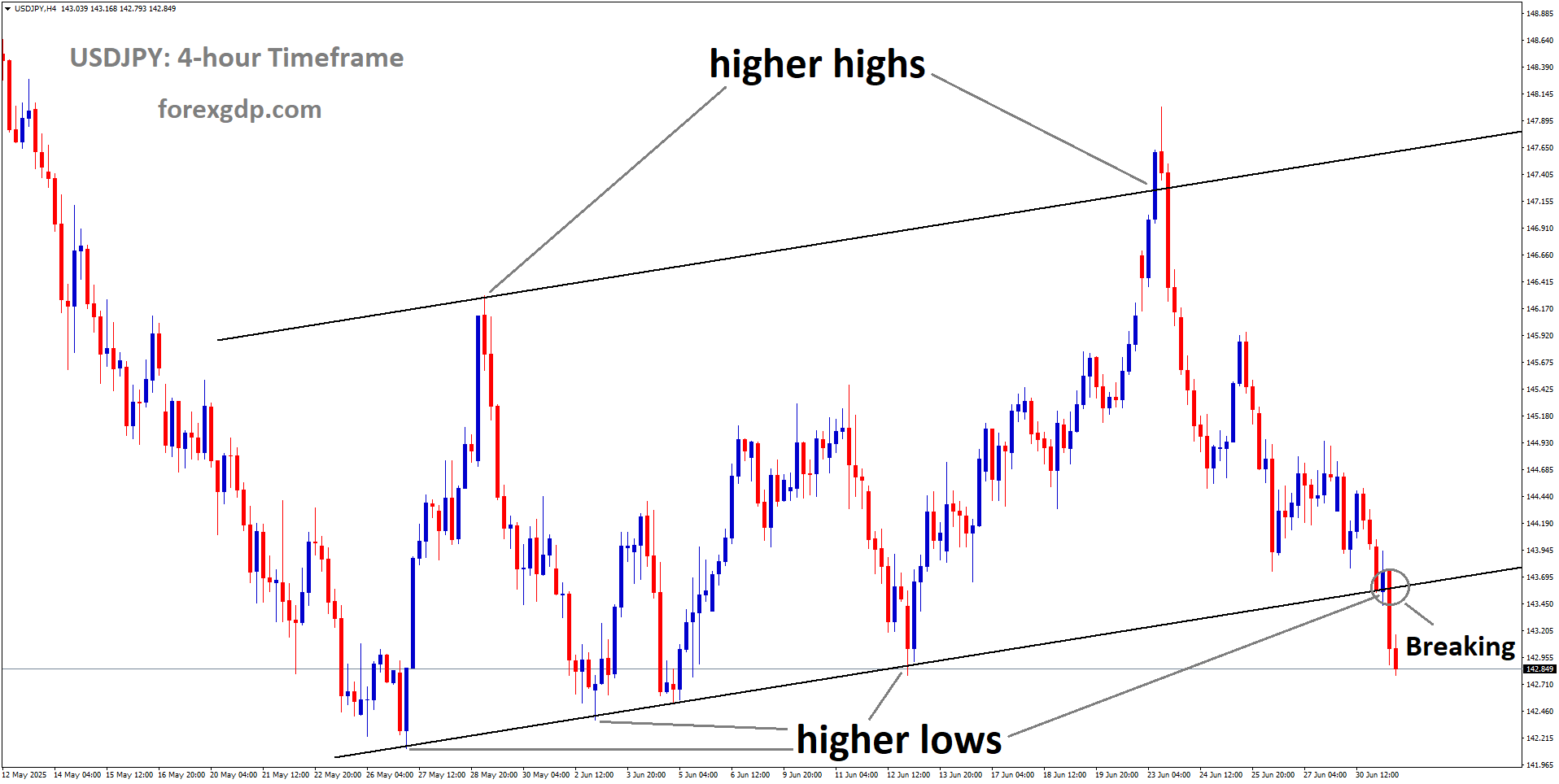
USDJPY moved lower on Friday as renewed demand for the Japanese Yen outweighed an early recovery in the US Dollar. The currency pair briefly climbed after the release of fresh United States inflation data, but the move did not last long.
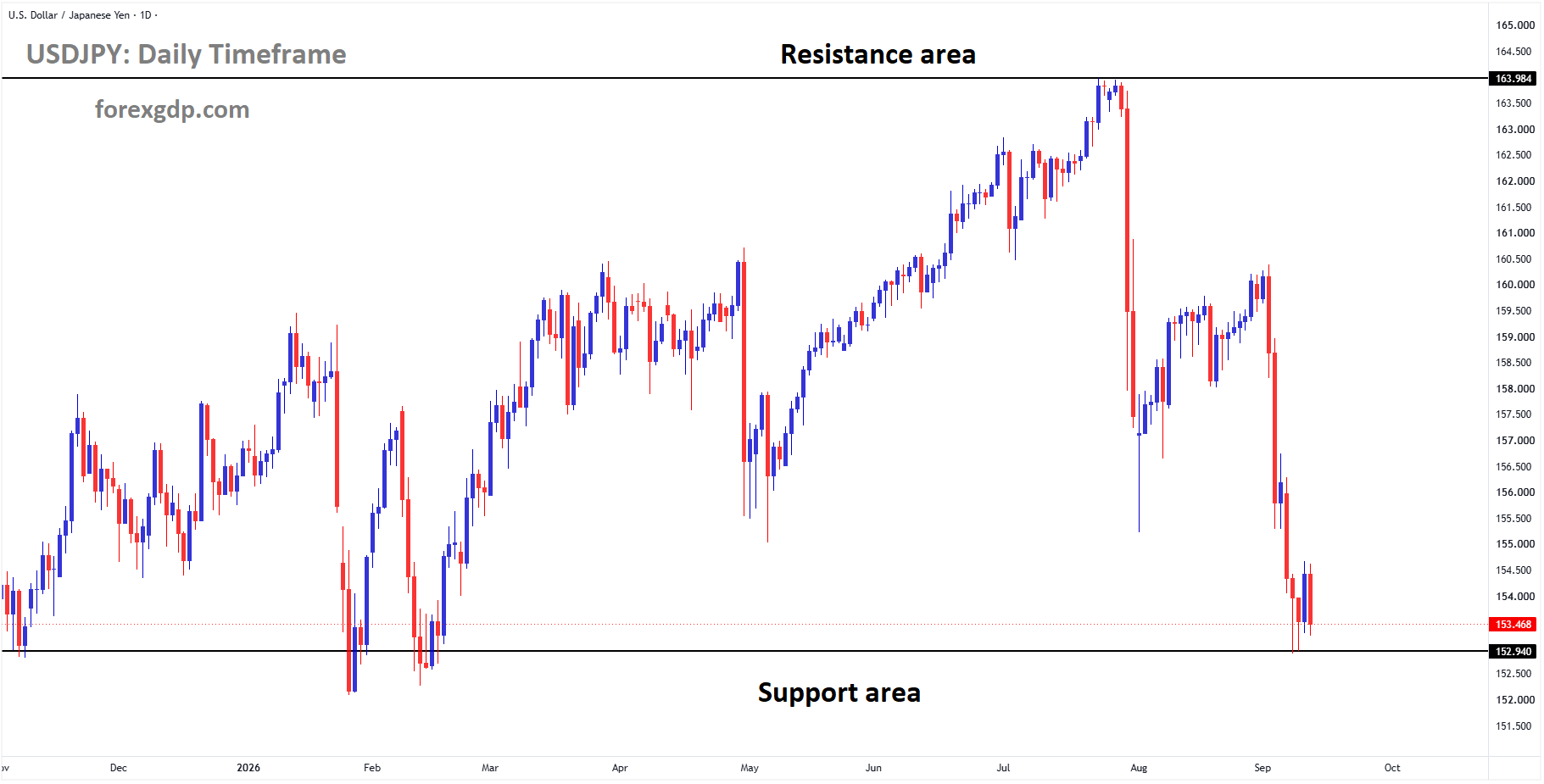
USDJPY reached the support area of the box pattern
Investors initially supported the US Dollar because monthly core inflation was slightly stronger than expected. However, attention quickly returned to Japan’s monetary policy outlook. Growing expectations that the Bank of Japan could raise interest rates helped the Yen recover and placed fresh pressure on USDJPY.
The market reaction showed that US inflation remains important, but it is not the only force guiding this currency pair. Traders are also preparing for the Bank of Japan’s upcoming policy meeting, where officials could take another step toward tighter monetary conditions.
US Inflation Sends a Mixed Message
The latest US Consumer Price Index report showed that annual inflation remained unchanged at 3.4% in August. This matched market expectations and suggested that overall price pressures are no longer accelerating. However, inflation is still high enough to remain a concern for the Federal Reserve.
Monthly consumer prices increased by 0.4%, following a much smaller rise during the previous month. This stronger monthly increase suggested that inflationary pressure has not completely disappeared from the US economy.
The underlying data also presented a mixed picture. Core inflation, which removes the more volatile food and energy categories, rose by 0.3% during the month. Economists had expected a smaller increase, so this result initially encouraged buying interest in the US Dollar.
On an annual basis, however, core inflation slowed from 2.5% to 2.4%. This decline showed that the broader disinflation process is continuing, even though monthly price growth remains uneven.
These conflicting signals made it difficult for the US Dollar to maintain a clear direction. The stronger monthly core figure supported the currency at first, but the softer annual reading limited confidence in a lasting recovery.
Why Core Inflation Matters
Core inflation is closely followed because it can provide a clearer view of long-term price pressure. Food and energy costs often change quickly, while prices for services, housing, and other everyday expenses can remain elevated for longer.
When monthly core inflation exceeds expectations, investors may believe that the Federal Reserve will need to keep interest rates higher for an extended period. That possibility can strengthen the US Dollar because higher rates may make dollar-based assets more attractive.
In this case, however, the Dollar’s positive reaction was brief. Investors appeared unwilling to build strong positions based on one monthly figure, especially when annual core inflation continued to ease.
Japanese Yen Gains Support From BoJ Expectations

The Japanese Yen became one of the strongest major currencies during the week. Its strength was closely connected to expectations that the Bank of Japan may continue normalizing monetary policy.
For many years, Japan maintained extremely low interest rates to encourage borrowing, investment, and economic activity. This policy often weakened the Yen because investors could borrow cheaply in Japan and move their money into countries offering higher returns.
That situation has started to change. Inflation and wage growth have given the Bank of Japan more room to move away from its previous ultra-loose policy. Investors now believe the central bank may be preparing for another increase in borrowing costs.
Markets are considering the possibility of a 25-basis-point rate hike at the next policy meeting. If officials approve such a move, Japan’s borrowing costs would reach their highest level in more than three decades.
The possibility of higher interest rates makes the Yen more attractive. It also encourages investors to reduce positions that were based on borrowing the Japanese currency at very low costs.
Policy Normalization Changes the Yen’s Outlook
The Bank of Japan does not need to raise rates aggressively for the Yen to benefit. A gradual and clearly communicated tightening process may still influence investor behaviour.
The direction of policy is often just as important as the size of an individual rate decision. If markets believe that Japanese interest rates will continue rising over time, demand for the Yen may remain firm.
Investors will therefore study the central bank’s statement carefully. They will look for comments about inflation, wages, domestic spending, and the future path of interest rates. Any sign that officials remain comfortable with further tightening could provide additional support for the Japanese currency.
However, the decision itself is only part of the story. The language used by policymakers may determine whether investors expect another move soon or believe the Bank of Japan will pause after its next action.
USDJPY Reflects a Changing Policy Balance
USDJPY is strongly influenced by the difference between interest rates in the United States and Japan. For a long time, US rates were much higher than Japanese rates. This wide gap supported the US Dollar and reduced the appeal of the Yen.
The balance may now be shifting. US inflation is gradually cooling on an annual basis, while Japan appears to be moving toward tighter monetary policy. If the Federal Reserve becomes less restrictive as the Bank of Japan raises rates, the interest-rate advantage enjoyed by the Dollar could narrow.
This does not guarantee a lasting decline in USDJPY. US economic data can still change expectations quickly, while the Bank of Japan may choose to move cautiously. Nevertheless, the current policy outlook gives investors a stronger reason to consider the Yen.
Friday’s market behaviour highlighted this change. The Dollar received an early boost from the inflation report, but it could not hold its gains. Yen demand proved stronger as traders focused on Japan’s potential rate increase.
Central Bank Guidance Will Be Crucial
The next important development will be the Bank of Japan’s policy announcement. A rate increase could support the Yen, but much will depend on whether the decision has already been widely expected.
If the central bank raises rates and signals that further tightening remains possible, investors may view the move as part of a broader policy shift. If officials sound cautious, the Yen’s reaction could be more limited.
The Federal Reserve’s future decisions will also remain important. Persistent US inflation could keep American rates elevated, while a clearer slowdown in price growth could increase expectations for easier policy.
USDJPY will therefore remain sensitive to the changing relationship between the two central banks. Investors are no longer focused only on US policy; developments in Japan are becoming increasingly influential.
Final Summary
USDJPY weakened after an early Dollar recovery failed to hold. US inflation data delivered mixed signals, with headline inflation remaining steady, monthly core inflation exceeding expectations, and annual core inflation continuing to slow.
The Japanese Yen gained stronger support from expectations that the Bank of Japan may raise interest rates at its upcoming meeting. Such a move would represent another important step away from Japan’s long period of exceptionally loose monetary policy.
The outlook now depends heavily on central bank communication. The Federal Reserve must balance persistent monthly inflation pressure against easing annual core inflation, while the Bank of Japan must decide how quickly it wants to continue policy normalization. For USDJPY, this changing difference between US and Japanese monetary policy is likely to remain the central market theme.
USDCAD Advances While Crude Sell-Off Pressures the Loonie
USD/CAD continued to move higher as the Canadian Dollar faced pressure from a sharp fall in oil prices. At the same time, fresh inflation figures from the United States briefly strengthened demand for the US Dollar.
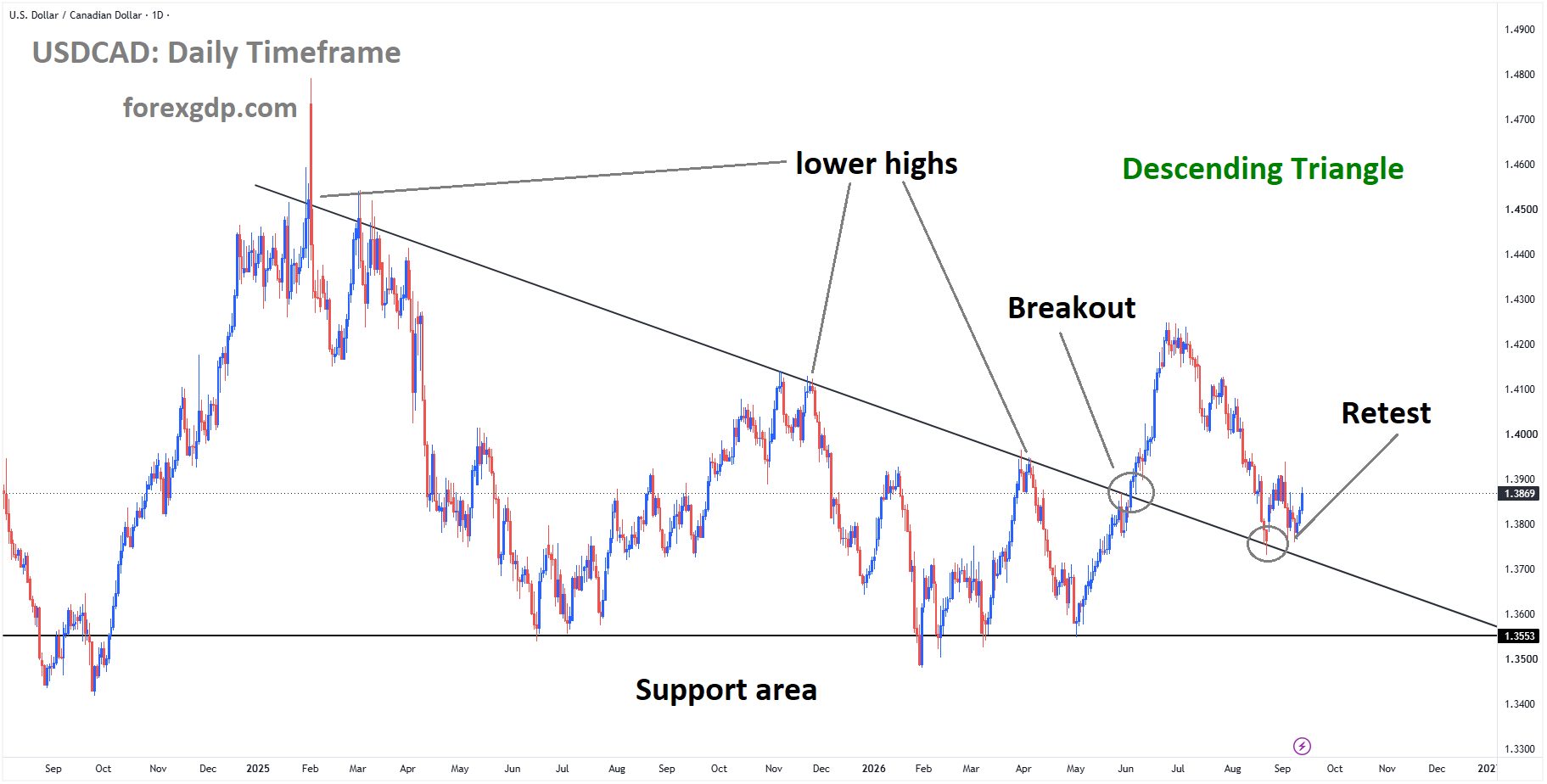
USDCAD is rebounding from the retest area of the descending triangle pattern
The currency pair headed toward a third straight day of gains, showing that buyers remained active. The initial advance came after investors examined the latest US Consumer Price Index report. Although the headline figures matched expectations, one part of the report showed that underlying price pressures were slightly stronger than economists had predicted.
This development gave the US Dollar an early lift. However, the currency struggled to maintain all its strength because the broader inflation picture did not show a major acceleration. Even so, weakness in the Canadian Dollar allowed USD/CAD to remain supported.
The Canadian currency was one of the weaker major currencies during the session. Its decline was closely linked to a heavy sell-off in crude oil, an important export for Canada. When energy prices fall sharply, the Canadian Dollar often comes under pressure because oil plays a major role in the country’s economy and international trade.
US Headline Inflation Holds Steady
The latest data from the US Bureau of Labor Statistics showed that annual consumer inflation remained unchanged in August. The result was in line with market forecasts, suggesting that overall price growth had neither improved nor worsened significantly compared with the previous month.
Monthly inflation, however, increased at a faster pace than before. This showed that consumer prices continued to rise across the US economy. Although the change was not dramatic, it reminded investors that inflation has not completely disappeared as a concern.
The steady annual reading offered some comfort because it did not point to a fresh surge in inflation. At the same time, the stronger monthly increase made the report more difficult to interpret. Investors were left balancing signs of continued price pressure against evidence that annual inflation was no longer accelerating.
This mixed picture explains why the US Dollar strengthened immediately after the release but later struggled to keep all its gains. Traders initially focused on the firmer monthly numbers before considering the wider message from the report.
Core Inflation Comes in Stronger Than Expected
Core inflation received particular attention because it excludes food and energy costs, which can change quickly. Policymakers often study this measure to gain a clearer understanding of lasting price pressures within the economy.
Monthly core inflation rose more than economists had expected. The stronger result suggested that price increases were still spreading through important areas of consumer spending. This raised some concerns that inflation could remain difficult to control, even if headline inflation appeared stable.
The annual core reading offered a more encouraging signal. It slowed slightly compared with July, indicating that underlying inflation continued to ease over a longer period. The combination of stronger monthly growth and softer annual growth created a complicated message for financial markets.
Investors often react quickly to unexpected data, especially when it could affect the future direction of US interest rates. A stronger monthly core reading may encourage the Federal Reserve to remain careful about easing monetary policy too soon. However, the decline in annual core inflation reduces the urgency for further action.
As a result, the inflation report provided only temporary support for the US Dollar. It was firm enough to attract buyers at first, but it did not clearly prove that inflation was entering another period of rapid growth.
Federal Reserve Expectations Remain Important

The Federal Reserve’s main challenge is to bring inflation under control without causing unnecessary damage to economic growth. Every inflation report helps investors estimate how officials may approach future interest-rate decisions.
The latest figures are unlikely to settle that debate. Policymakers may be concerned about the stronger monthly rise in core prices, but they may also welcome the gradual decline in the annual core rate. This means the central bank could continue to follow a cautious and data-dependent approach.
For the US Dollar, uncertainty about interest rates can create sudden changes in demand. Strong inflation normally supports the currency because it may encourage higher interest rates for longer. Softer inflation can have the opposite effect by increasing expectations of lower borrowing costs.
In this case, the data contained arguments for both sides. The US Dollar’s brief advance showed that markets initially focused on the stronger core result. Its inability to hold the full move suggested that investors remained unconvinced that the report would produce a major change in Federal Reserve policy.
Falling Oil Prices Hurt the Canadian Dollar
While the US inflation report influenced the American currency, the larger source of pressure came from the Canadian side. Crude oil suffered a steep decline after recently reaching its strongest area in several months.
Canada is a major oil producer and exporter, making its currency sensitive to changes in energy prices. Strong oil demand can improve export income and support the Canadian economy. A rapid fall in oil prices may reduce those benefits and weaken demand for the Canadian Dollar.
The size of the decline also affected market confidence. Oil had recently enjoyed a strong period, but the sudden wave of selling showed that investors were becoming more cautious. Concerns about demand, profit-taking, and changing expectations in the global energy market may all contribute to sharp moves in crude prices.
Because oil is so important to Canada’s export sector, the Canadian Dollar often reacts more strongly to energy-market changes than many other currencies. The latest sell-off therefore created a clear disadvantage for the Loonie.
This pressure remained even after the US Dollar lost part of its post-inflation strength. The difference between the two currencies allowed USD/CAD to continue advancing.
Canadian Economic Outlook Faces Added Pressure
Lower oil prices can affect Canada in several ways. They may reduce export revenue, slow investment in the energy industry, and weaken the country’s trade position. These concerns can make Canadian assets less attractive to international investors.
The Bank of Canada must also consider domestic inflation, employment, economic growth, and consumer spending when deciding its next policy steps. If the economy loses momentum while energy prices fall, the central bank may have less reason to maintain tight monetary conditions.
Expectations about Canadian interest rates can therefore add another layer of pressure to the currency. Investors will closely follow future economic reports to determine whether the economy can remain resilient despite weaker energy prices.
The Canadian Dollar’s poor performance does not depend on oil alone, but crude prices remain one of its most influential drivers. Until energy markets become more stable, the currency may continue to experience periods of increased weakness.
Final Summary
USD/CAD strengthened as two major developments worked against the Canadian Dollar. US inflation data produced an initial rise in the US Dollar after monthly core inflation exceeded expectations. However, steady headline inflation and a slight decline in the annual core rate prevented the Greenback from keeping all its early strength.
At the same time, a sharp fall in crude oil created stronger selling pressure on the Canadian Dollar. Canada’s close connection to the energy market means that declining oil prices can damage export expectations and reduce confidence in the currency.
The US inflation outlook, Federal Reserve expectations, oil-market conditions, and Canada’s economic performance will remain important influences on USD/CAD. For now, softer oil prices and mixed US inflation signals have kept the currency pair supported.
USDCHF Stays Resilient as Weak Franc Defies Fading Dollar Strength
USDCHF continues to hold firm as the Swiss Franc underperforms many of its major rivals. Although the US Dollar has struggled to maintain its strength following the latest US inflation report, weakness in the Swiss currency has limited selling pressure on the pair.
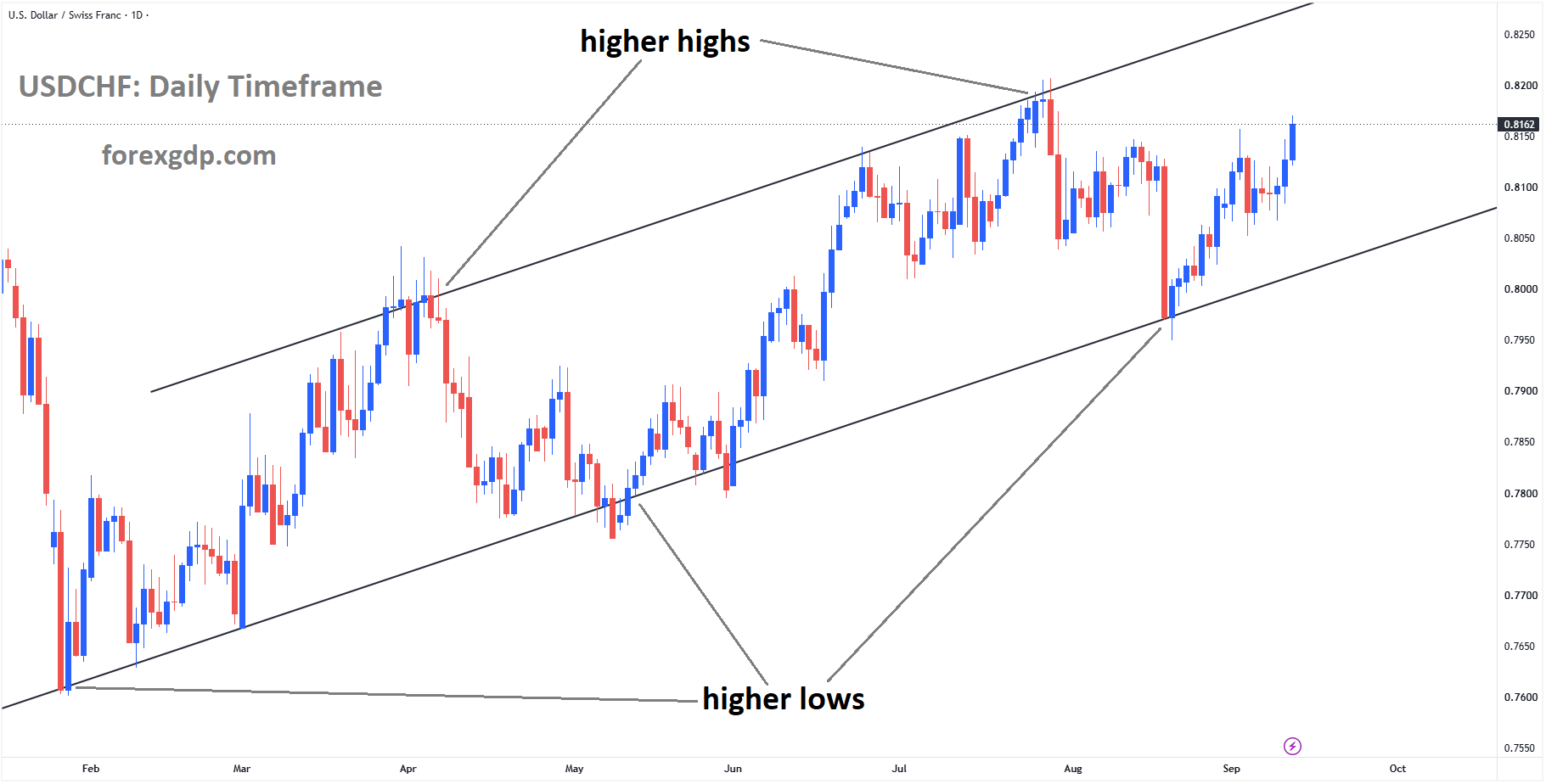
USDCAD is rebounding from the retest area of the descending triangle pattern
The Swiss Franc is often viewed as a safe-haven currency during periods of market uncertainty. However, investors are currently paying close attention to Switzerland’s low interest rates and the possibility of intervention from the Swiss National Bank. These factors are making the currency less attractive compared with currencies that offer higher returns.
The difference between Swiss interest rates and borrowing costs in other major economies could become even wider. If central banks outside Switzerland continue tightening monetary policy, demand may shift toward currencies with better yields. This environment could leave the Swiss Franc under continued pressure.
US Inflation Keeps Federal Reserve Expectations Elevated
The latest US Consumer Price Index report showed that inflation pressures remain present in the American economy. Monthly headline inflation accelerated compared with the previous month, while the annual inflation rate remained unchanged.
Core inflation, which excludes food and energy costs, also rose faster than economists had expected on a monthly basis. Although the annual core rate eased slightly, the monthly increase suggested that underlying inflation has not disappeared.
This combination strengthened expectations that the Federal Reserve could raise interest rates at its next policy meeting. Before the inflation report, investors were less certain about another increase. Following the release, market expectations moved strongly toward tighter monetary policy.
Higher interest rates usually support a currency because they can offer better returns on deposits and other investments. However, the US Dollar was unable to hold onto its initial gains. This reaction showed that inflation data was not the only factor influencing investor decisions.
US Dollar Fails to Benefit Fully From Stronger Data
The US Dollar briefly strengthened after the inflation figures were published, but the advance quickly lost momentum. Falling US Treasury yields reduced some of the Dollar’s appeal, while weaker energy prices also eased immediate concerns about future inflation.
Treasury yields often influence demand for the US Dollar because they affect the potential return available from American government debt. When yields decline, investors may have less reason to increase their Dollar holdings, even when Federal Reserve policy expectations remain firm.
This explains why the US Dollar struggled despite growing confidence that the central bank could increase borrowing costs. Traders appeared unwilling to rely on a single inflation report when other economic signals offered a less confident picture.
The Dollar’s mixed response also suggests that investors may already have considered much of the expected policy tightening. When a major decision is widely anticipated, fresh economic data may produce only a temporary reaction unless it significantly changes the longer-term outlook.
Consumer Confidence Adds a Note of Caution
Separate information from the University of Michigan showed a decline in US consumer sentiment. The fall suggested that households were becoming less confident about current and future economic conditions.
Consumer expectations also weakened noticeably. This matters because household spending plays a major role in the US economy. When people feel uncertain about their financial future, they may reduce spending, delay major purchases, or increase their savings.
At the same time, inflation expectations moved higher. Consumers expected prices to rise more quickly over both the short and longer term. This creates a difficult situation for the Federal Reserve.
The central bank must control inflation without placing unnecessary pressure on economic activity. Higher inflation expectations could support further monetary tightening, but weak consumer confidence may raise concerns about the effect of expensive borrowing on future growth.
These conflicting signals help explain why the US Dollar could not extend its gains after the CPI release. The inflation report supported a possible rate increase, while the sentiment data showed that higher living costs may already be affecting household confidence.
SNB Comments Increase Intervention Concerns
The Swiss Franc also faces pressure from concerns about possible action by the Swiss National Bank. SNB Chairman Martin Schlegel recently described the Franc’s exchange rate as a challenge for the Swiss economy.
A very strong currency can make Swiss products more expensive for international buyers. This may hurt exporters, reduce business income, and place pressure on industries that depend heavily on overseas demand. It can also lower the cost of imported goods, which may weaken inflation further.
Because of these risks, investors believe the SNB may be prepared to intervene if the Franc appreciates too sharply. Currency intervention could involve selling Swiss Francs in the foreign exchange market to limit unwanted strength.
Even if the central bank does not take immediate action, the possibility of intervention can affect market behaviour. Traders may become cautious about buying the Franc aggressively when policymakers are openly concerned about its value.
Low Swiss Inflation Supports Loose Monetary Policy

Switzerland’s subdued inflation environment gives the SNB little reason to raise interest rates quickly. While several major economies continue to face uncomfortable price pressures, Switzerland’s inflation situation remains relatively controlled.
This difference is important for USDCHF. The Federal Reserve may consider higher borrowing costs, while the SNB appears likely to maintain its low-rate approach. As a result, the interest-rate gap between the United States and Switzerland could remain wide or grow further.
Investors often prefer currencies connected to economies offering higher interest rates. Those currencies may provide better returns, especially when market conditions are calm enough to encourage greater risk-taking.
By comparison, the Swiss Franc offers limited income because of Switzerland’s low borrowing costs. Its safe-haven reputation can still attract demand during serious uncertainty, but low returns may reduce its appeal during more stable periods.
Carry Trades Could Keep the Franc Under Pressure
The interest-rate difference also makes the Swiss Franc useful as a funding currency for carry trades. In this strategy, investors borrow or sell a currency with a low interest rate and use the funds to purchase a higher-yielding currency.
Switzerland’s low-rate policy makes the Franc a natural candidate for this type of activity. As long as investors remain comfortable with market risk, carry-trade demand could continue weighing on the Swiss currency.
Recent developments involving the Japanese Yen offer a useful comparison. Expectations of faster policy tightening by the Bank of Japan have made the Yen more attractive, encouraging some investors to close positions that were funded through the Japanese currency.
If Japanese borrowing costs continue moving higher while Swiss rates remain low, more traders could choose the Franc as an alternative funding currency. Such a shift could create another source of selling pressure.
However, carry trades are sensitive to sudden changes in market confidence. During periods of severe uncertainty, investors often close risky positions and return to traditional safe-haven assets. Therefore, the Franc could still recover quickly if global risk sentiment worsens.
Global Energy Costs Remain an Important Factor
Energy prices continue to influence the wider monetary policy outlook. Elevated oil costs can increase transportation and production expenses, eventually placing upward pressure on consumer prices.
Central banks facing persistent inflation may respond by keeping interest rates higher or introducing additional tightening. Switzerland may be less affected than some other economies, but a widening difference in monetary policy could still influence demand for the Franc.
If the Federal Reserve and other central banks maintain tighter policies while the SNB remains cautious, higher-yielding currencies may continue to attract investors. This would reinforce the broader pressure already facing the Swiss currency.
Final Summary
USDCHF remains supported mainly because the Swiss Franc is struggling against its major peers. The latest US inflation report strengthened expectations of another Federal Reserve rate increase, but falling Treasury yields and weaker consumer confidence prevented the US Dollar from fully benefiting.
Meanwhile, Switzerland’s low inflation, near-zero interest rates, and the risk of SNB intervention continue to reduce demand for the Franc. The currency may also become increasingly popular as a source of funding for carry trades if other central banks move toward tighter policies.
The future direction of USDCHF will largely depend on the contrast between Federal Reserve and SNB policy, changes in global inflation expectations, and investor demand for safe-haven currencies.
AUDUSD Finds Fresh Demand Despite Rising US Price Pressures
The Australian Dollar is showing surprising strength against the US Dollar, even after the latest American inflation report came in hotter than economists expected. Normally, stronger inflation would increase demand for the US Dollar because it raises the possibility of higher interest rates. However, the Dollar’s initial recovery quickly lost momentum.
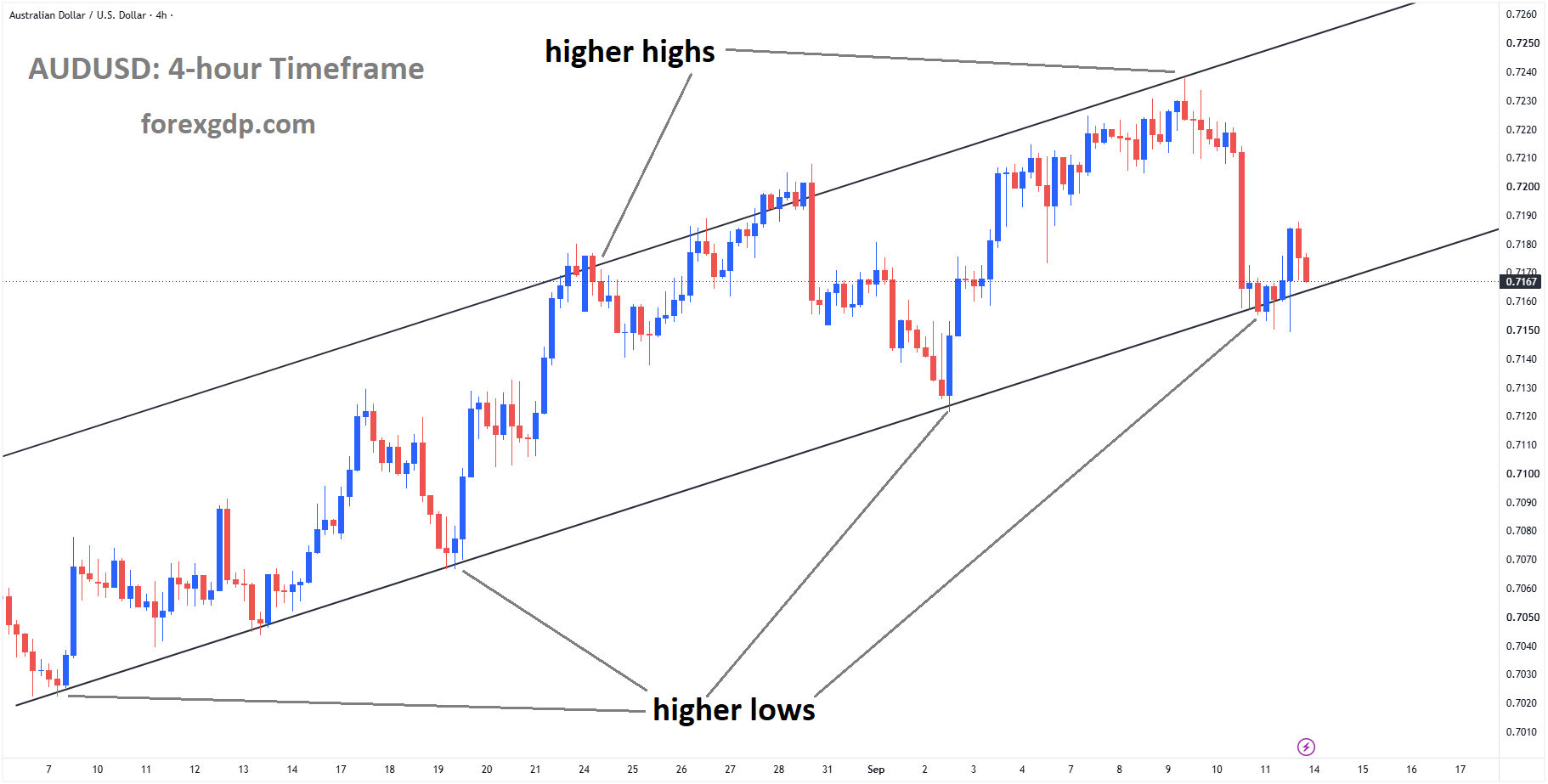
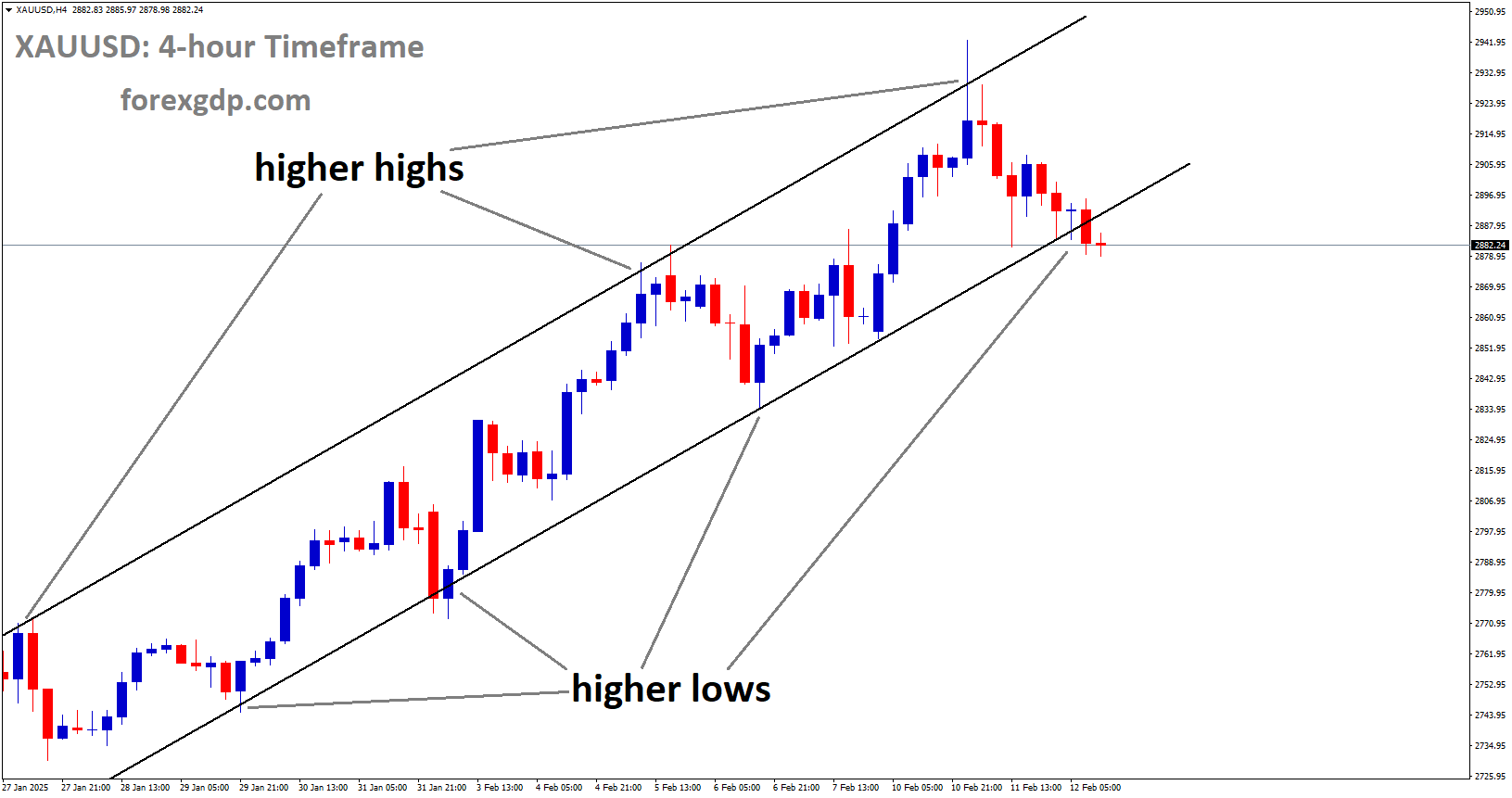
AUDUSD is moving in an ascending channel, and the market has reached the higher low area of the channel
This unusual reaction shows that investors are looking beyond a single economic report. Questions about US fiscal policy, government borrowing and the wider economic outlook are preventing the Dollar from enjoying the full benefit of rising inflation expectations.
Meanwhile, the Australian Dollar remains supported near its recent highs. Although the currency experienced a noticeable decline during the previous session, buyers have returned. The Aussie’s ability to recover despite stronger US inflation highlights the uncertainty surrounding the Dollar’s longer-term direction.
US Core Inflation Creates a Challenge for the Fed
The latest US Consumer Price Index report showed that underlying inflation increased more quickly than forecast during August. Headline inflation matched expectations, but core inflation recorded its strongest monthly rise since the spring.
Core inflation excludes food and energy costs because those categories can experience sudden and temporary changes. For this reason, Federal Reserve officials often study the core figure carefully when assessing the strength of inflationary pressure.
The stronger reading suggests that inflation is still proving difficult to control. It also supports the argument for tighter monetary policy at the Federal Reserve’s upcoming meeting.
A rate increase would make borrowing more expensive for households and businesses. The central bank would hope that weaker demand would eventually slow price growth. However, higher interest rates can also place pressure on economic activity, employment and consumer confidence.
This leaves the Federal Reserve with a difficult decision. Officials must show that they remain committed to controlling inflation without causing unnecessary damage to the economy.
The Dollar Struggles Despite Supportive Conditions
Several developments would usually provide strong support for the US Dollar. Inflation is running hotter than expected, short-term Treasury yields are rising, and energy costs remain a concern. Nevertheless, the Dollar has been unable to maintain its post-inflation gains.
This suggests that investors are becoming less confident in the traditional relationship between interest rates and currency strength. Higher US yields do not automatically guarantee stronger demand for the Dollar when wider policy concerns are present.
Market participants are paying close attention to the US government’s fiscal position and growing borrowing requirements. Heavy government spending and rising debt can create doubts about future financial stability. Investors are also questioning whether officials will allow longer-term borrowing costs to remain elevated or attempt to limit them through policy measures.
These concerns have created what many traders see as a policy premium around US assets. The Dollar may still gain during periods of risk aversion, but investors appear less willing to buy it based only on expectations of higher interest rates.
Treasury Yields Reflect Rate Hike Expectations
Short-term US Treasury yields moved higher following the inflation report. These yields are highly sensitive to expectations surrounding Federal Reserve policy, so their rise shows that investors see a greater possibility of another rate increase.
Longer-term yields remain elevated as well, although their reaction was more restrained. This difference matters because short-term and long-term borrowing costs reflect different concerns.
Short-term yields mainly respond to what the Federal Reserve is expected to do in the coming months. Longer-term yields are influenced by inflation expectations, economic growth, government debt and confidence in the country’s future policy direction.
The mixed response across the Treasury market helps explain why the Dollar’s reaction was limited. Investors may believe that the Federal Reserve needs to act soon, but they also remain cautious about the longer-term effects of tighter policy and heavy government borrowing.
Energy Costs Keep Inflation Risks Alive

Energy remains one of the largest threats to the inflation outlook. Crude oil supplies continue to face disruption, particularly around the Strait of Hormuz. This region plays a major role in global energy transportation, so any interruption can quickly affect businesses, consumers and governments around the world.
The International Energy Agency has warned that the global oil supply shortage could become more serious during the year. Inventories have declined further, while production from the Gulf region may take considerable time to recover fully.
Higher energy costs can spread through almost every part of the economy. Companies pay more for transportation, manufacturing and electricity. Many businesses then pass some of those expenses to customers through higher prices.
This creates an additional challenge for the Federal Reserve. Interest rate increases can reduce demand, but they cannot directly produce more oil or repair disrupted supply routes. If energy costs remain elevated, inflation could stay uncomfortable even as economic activity begins to slow.
Why the Australian Dollar Is Staying Resilient
The Australian Dollar is benefiting mainly from the US Dollar’s inability to turn supportive economic news into lasting strength. The Aussie is not ignoring the risk of tighter American monetary policy, but it has remained relatively steady because traders are reluctant to build aggressive Dollar positions.
Australia’s currency can also attract interest when global investors remain willing to hold currencies linked to international trade and commodities. Although uncertainty surrounding energy supplies is creating inflation concerns, it can also influence demand for currencies connected to resource-producing economies.
The Australian Dollar’s recovery does not remove the risks ahead. A more forceful Federal Reserve could still increase pressure on the currency. However, its current resilience suggests that investors want clearer evidence before committing strongly to the US Dollar.
Much will depend on whether the Fed delivers a rate increase and how officials explain the decision. The language used in the policy statement and press conference may be just as important as the decision itself.
The Federal Reserve Decision Takes Centre Stage
The upcoming Federal Reserve meeting is the most important event for the near-term AUDUSD outlook. A decisive rate increase supported by firm guidance could provide the Dollar with its strongest backing in several weeks.
Officials would need to convince investors that they are prepared to keep policy tight until inflation shows clear and lasting improvement. A confident message could strengthen expectations for further action and renew demand for the Dollar.
However, a cautious decision or softer guidance could produce the opposite reaction. If policymakers appear reluctant to respond strongly to persistent inflation, investors may question whether the central bank is fully committed to restoring price stability.
The Fed must therefore balance two messages. It needs to acknowledge that inflation remains a serious concern while also recognising the risks that additional tightening could create for growth and financial conditions.
Final Summary
AUDUSD remains resilient even though US core inflation exceeded forecasts and increased expectations of a Federal Reserve rate hike. Rising short-term Treasury yields and ongoing energy concerns have provided only temporary support for the US Dollar.
Investors remain cautious about America’s fiscal outlook, government borrowing and the wider policy environment. These concerns are weakening the usual connection between higher yields and Dollar strength.
The Federal Reserve’s next decision will be crucial. Strong action and firm guidance could revive the Dollar, while a softer approach may allow the Australian Dollar to maintain its recovery. Until policymakers provide clearer direction, uncertainty surrounding US policy is likely to remain the main influence on the currency pair.
NZDUSD Advances as Federal Reserve Rate Clues Draw Attention
The New Zealand Dollar regained some strength against the US Dollar during Friday’s early European session, ending a four-day period of weakness. The recovery came as traders adjusted their positions ahead of an important US inflation report.
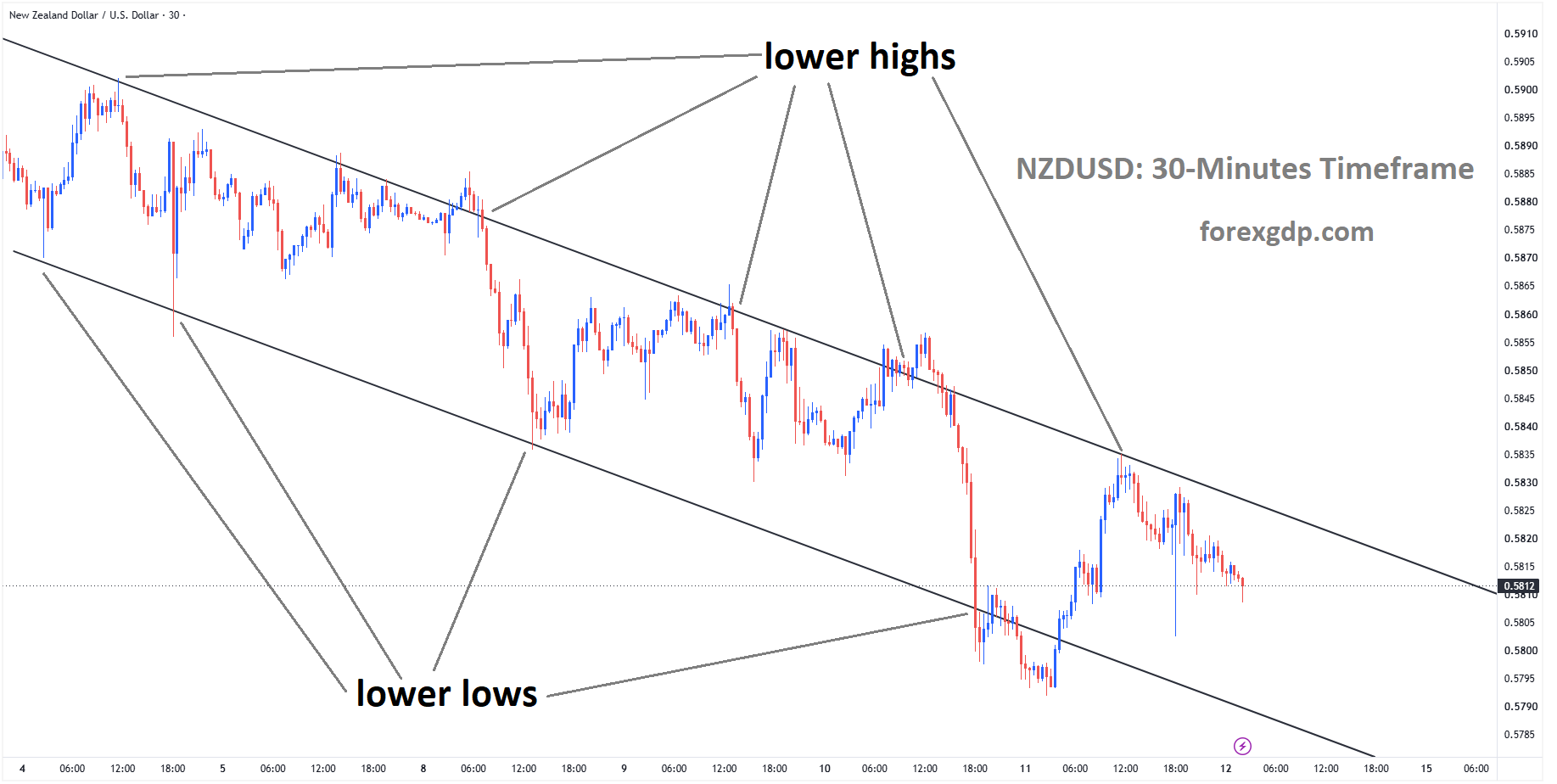
NZDUSD is falling from the lower high area of the descending channel
Although the Kiwi attracted fresh buying interest, the wider outlook remains uncertain. Investors are closely watching inflation developments in the United States because they could influence the Federal Reserve’s next interest rate decision. At the same time, the Reserve Bank of New Zealand’s cautious policy message may prevent the New Zealand Dollar from making a stronger recovery.
The direction of NZDUSD will largely depend on how markets respond to upcoming US inflation data and whether the RBNZ maintains its gradual approach to monetary policy.
New Zealand Dollar Ends Four-Day Losing Run
The New Zealand Dollar showed renewed strength after falling for four consecutive trading days. This recovery suggests that some traders may have considered the recent decline excessive and decided to take advantage of the currency’s lower valuation.
Improved demand for the Kiwi also reflected a slight change in market mood. When traders become more willing to take risks, currencies such as the New Zealand Dollar can benefit. However, this support may remain fragile because investors are still waiting for clearer signals from the United States.
The recovery does not necessarily mean that the broader pressure on the Kiwi has disappeared. Instead, it reflects a temporary improvement while traders review the latest economic information and prepare for major central bank decisions.
Uncertainty often encourages investors to reduce large positions before important reports. This behaviour can lead to short-term currency movements even when the wider economic outlook has not changed significantly.
US Producer Inflation Changes Rate Expectations
The latest US Producer Price Index report showed that inflation pressures at the business level increased during August. Producer inflation measures changes in the prices companies receive for their goods and services. It is closely watched because higher production costs can eventually reach consumers.
Following the stronger report, traders increased their expectations that the Federal Reserve could raise interest rates by a quarter of a percentage point. Market pricing suggested that the probability of such a move had risen above 70%.
This shift helped maintain support for the US Dollar, even though the New Zealand currency managed to recover some ground. Higher US interest rates can make Dollar-based investments more attractive because they may offer stronger returns.
However, one economic report is rarely enough to determine the Federal Reserve’s final decision. Policymakers consider several factors, including consumer inflation, employment conditions, wage growth and the overall strength of the economy.
The increase in producer inflation therefore raised concerns, but traders still need confirmation from consumer price data before forming stronger expectations.
US Consumer Inflation Takes Centre Stage
The US Consumer Price Index is expected to provide the clearest indication of whether inflation is becoming a more serious problem. This report measures changes in the cost of goods and services purchased by households.
Headline inflation includes all major spending categories, including food and energy. Core inflation removes these more volatile areas and can provide a clearer view of underlying price pressure.
The upcoming report carries additional importance because it is the final major inflation update the Federal Reserve will receive before its next interest rate meeting. A stronger-than-expected result could support expectations for tighter monetary policy and increase demand for the US Dollar.
On the other hand, softer inflation could reduce the urgency for another rate increase. That outcome may weaken the US Dollar and give the New Zealand Dollar more room to recover.
Inflation data can create a strong market reaction because it directly affects expectations surrounding borrowing costs. If prices continue rising faster than policymakers would like, the Federal Reserve may believe that higher interest rates are necessary to control demand.
If inflation begins to cool, officials could adopt a more patient approach. This would reduce pressure on households and businesses already dealing with higher borrowing expenses.
RBNZ Raises Rates but Maintains a Cautious Tone
The Reserve Bank of New Zealand increased its Official Cash Rate by a quarter of a percentage point. However, the decision was accompanied by a cautious message, making it a dovish rate increase.
A dovish rate hike occurs when a central bank raises borrowing costs but signals that future increases may be slow or limited. The RBNZ explained that monetary conditions remained supportive and that stimulus would be removed gradually.
This careful language reduced expectations for a rapid series of interest rate increases. While higher rates can normally support a currency, the future policy outlook often matters more than a single decision.
If traders believe the RBNZ will move slowly, demand for the New Zealand Dollar may remain limited. Investors generally compare the expected interest rate paths of different countries when deciding where to place their money.
The contrast between stronger expectations for US policy and the RBNZ’s cautious guidance could continue to influence NZDUSD. Even if New Zealand raises rates again, the Kiwi may struggle if the Federal Reserve is expected to take a more forceful approach.
Another New Zealand Rate Increase Remains Possible
Many economists expect the RBNZ to raise interest rates at least once more before the end of the year. December is widely viewed as a possible time for the next move, although the decision will depend on future economic data.
The central bank must balance several risks. Keeping monetary policy too loose could allow inflation to remain elevated, while raising rates too quickly could weaken consumer spending, business activity and economic growth.
New Zealand households can be sensitive to changes in borrowing costs because higher rates affect mortgages, loans and everyday financial decisions. For this reason, the RBNZ may prefer a gradual approach rather than introducing aggressive increases within a short period.
The central bank will continue monitoring inflation, employment and domestic demand. Any signs that price pressures are becoming more persistent could encourage further action. Weak economic activity, however, could lead policymakers to remain patient.
What Could Influence NZDUSD Next
The next major driver will be the US consumer inflation report. A strong reading could reinforce expectations for a Federal Reserve rate increase and place renewed pressure on the New Zealand Dollar.
A weaker result could produce the opposite response by reducing demand for the US Dollar. In that situation, the Kiwi may receive additional support, especially if investors become more comfortable with risk-sensitive assets.
RBNZ communication will also remain important. Any suggestion that policymakers are prepared to raise rates more quickly could improve sentiment toward the New Zealand Dollar. Continued emphasis on gradual action may restrict its strength.
Global risk conditions, economic growth expectations and changes in commodity demand could also affect the Kiwi because New Zealand depends heavily on international trade.
Final Summary
NZDUSD recovered after four days of losses as traders prepared for crucial US inflation data. However, the recovery remains vulnerable because stronger US producer inflation has increased expectations for another Federal Reserve rate rise.
The US Consumer Price Index could shape the market’s view of the Fed’s next decision. Meanwhile, the RBNZ’s cautious message has reduced expectations for aggressive policy tightening in New Zealand.
Although another RBNZ rate increase may occur before the end of the year, the Kiwi’s wider direction will depend on the balance between New Zealand’s gradual policy approach and changing US interest rate expectations.
EURGBP Slips as Strong UK Economic Data Boosts the Pound
The British pound gained fresh support against the euro after the United Kingdom released a stronger-than-expected set of economic figures. Growth, industrial activity, manufacturing output, services performance, and trade data all showed encouraging signs.
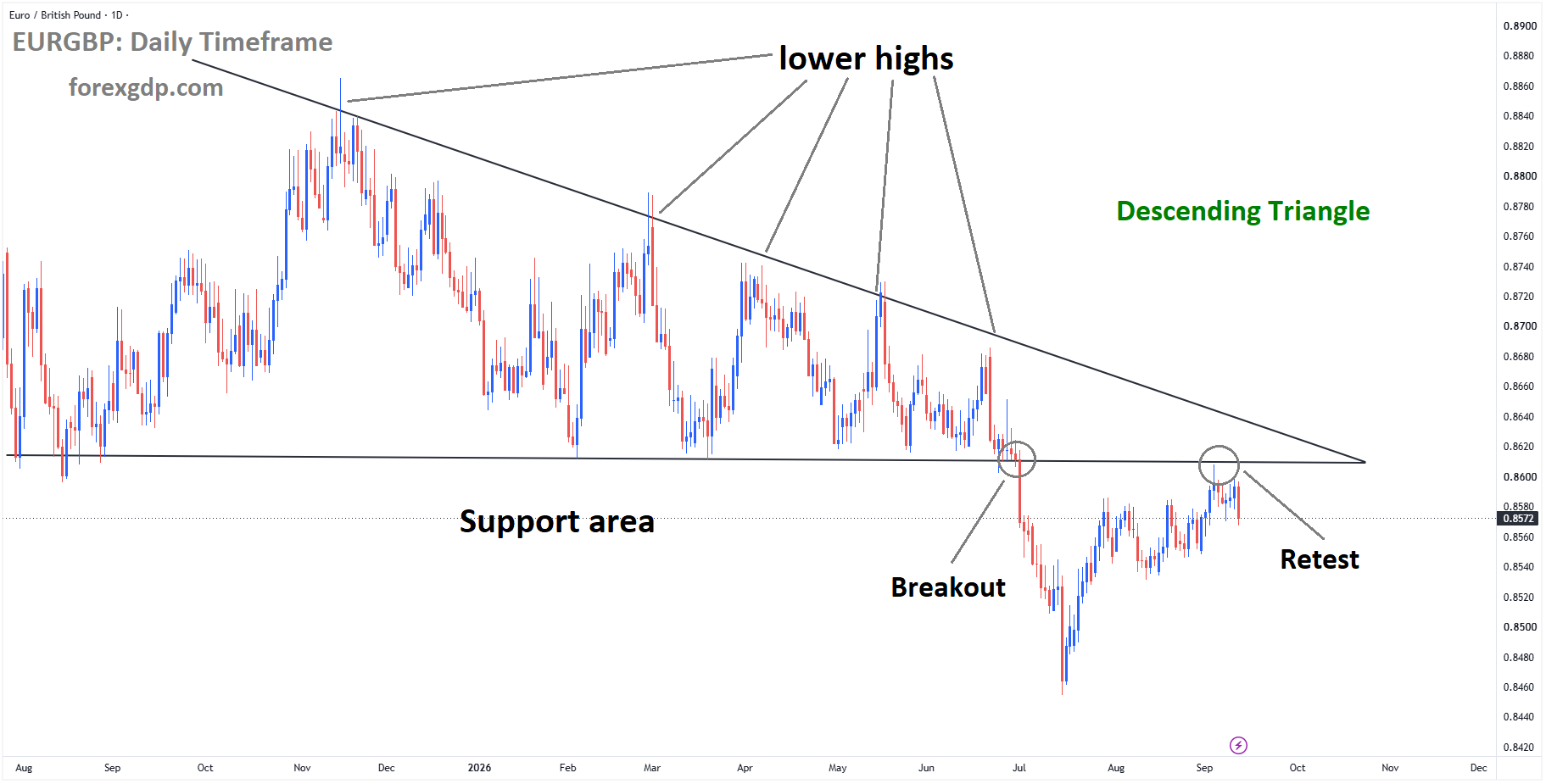
EURGBP has reached the retest area of the broken descending triangle pattern
The latest results helped ease some concerns about the health of the British economy. They also strengthened the view that the UK may be handling difficult economic conditions better than previously expected.
The euro had received support following the European Central Bank’s latest interest rate increase. However, the positive UK data shifted attention back toward the pound. Investors are now comparing the ECB’s tighter policy outlook with expectations that the Bank of England may keep borrowing costs unchanged at its next meeting.
Strong UK Economic Growth Supports the Pound
The UK economy expanded by 0.4% in July, beating forecasts for no growth. This followed a 0.3% increase in June and indicated that economic activity continued to improve at the beginning of the third quarter.
The growth result was important because businesses and households have been facing high borrowing costs, expensive energy, and persistent inflation. Despite these pressures, the economy showed greater strength than analysts had predicted.
A stronger economy can support the British pound because it improves confidence in the country’s financial outlook. It may also reduce fears of a sharp slowdown or recession. When economic performance exceeds expectations, international investors often become more interested in assets linked to that country.
The latest GDP figures do not mean that every part of the UK economy is performing perfectly. Consumers and businesses are still dealing with significant challenges. Nevertheless, the data offered welcome evidence that economic activity remained resilient.
Industrial and Manufacturing Output Improve
Industrial Production increased by 0.2% after declining by the same amount in the previous month. This recovery showed that the industrial sector regained some momentum after a weak period.
Manufacturing Production delivered an even stronger result, rising by 0.9%. It was the fastest rate of growth recorded in four months and comfortably exceeded expectations for a smaller increase. The improvement was particularly encouraging because manufacturing output had fallen in June.
British manufacturers have faced several difficulties in recent years. Rising production costs, weaker international demand, supply problems, and expensive borrowing have placed pressure on many companies. The latest growth suggests that some of these pressures may be easing or that businesses are becoming better at managing them.
A healthier manufacturing sector can benefit the wider economy by supporting employment, investment, and exports. It can also improve confidence among companies that depend on domestic production.
However, one strong monthly report does not guarantee a lasting recovery. Future releases will need to show whether the improvement can continue. For now, the figures have provided the pound with a positive economic foundation.
Services Sector Shows Continued Resilience
The UK services industry also performed better than expected. The Index of Services increased by 0.6% during the three months ending in July, slightly exceeding forecasts.
Services make up the largest part of the British economy. The sector includes finance, retail, transportation, hospitality, communication, healthcare, and many other important industries. Because of its size, stronger services activity can have a major influence on overall economic growth.
The latest increase suggests that demand remained firm across several areas of the economy. It also helped confirm that the positive GDP result was supported by more than one sector.
This matters for the Bank of England because strong domestic activity can sometimes keep inflation elevated. Businesses may continue raising prices when demand remains healthy, while workers may seek higher wages to manage the rising cost of living. Policymakers must consider these pressures when deciding whether interest rates should remain unchanged or move higher.
UK Trade Deficit Narrows
The UK’s goods trade deficit also improved. The shortfall narrowed to £20.96 billion from £23 billion in June, performing better than economists had expected.
A trade deficit occurs when a country imports more goods than it exports. A smaller deficit can be viewed positively because it suggests that the difference between imports and exports is becoming less severe.
Several factors may cause the deficit to narrow. Export demand may increase, businesses may reduce imports, or changes in energy costs may affect the overall value of goods entering the country. Regardless of the reason, the latest result added another positive element to the UK economic report.
The country still faces long-term trade challenges, but the improvement helped reinforce the pound’s strength following the release.
ECB Raises Interest Rates Again

The euro had strengthened moderately after the European Central Bank increased its Deposit Facility Rate by 25 basis points for the second consecutive meeting.
The ECB’s decision came as inflation pressures continued to rise, partly because of higher energy costs. Expensive energy can affect almost every area of the economy. It raises transportation and manufacturing expenses while increasing household bills. Businesses often pass these additional costs to consumers, making inflation more difficult to control.
Higher interest rates are one of the main tools central banks use to reduce inflation. More expensive borrowing can slow consumer spending and business investment, which may eventually reduce pressure on prices. However, tighter monetary policy also carries risks because it can weaken economic growth.
The ECB must therefore balance two difficult goals: controlling inflation while avoiding unnecessary damage to the Eurozone economy.
Lagarde Warns About Lasting Energy Pressures
ECB President Christine Lagarde warned that the energy shock connected to the conflict in the Middle East could continue well into 2027. She also indicated that consumer inflation may not return to the central bank’s 2% target until the end of next year.
These comments suggested that inflation could remain a concern for an extended period. As a result, the ECB may need to consider at least one further rate increase during the coming year.
The possibility of tighter monetary policy can support the euro because higher interest rates may make euro-denominated assets more appealing. However, the currency’s reaction can be limited if investors believe that additional rate increases could weaken economic activity across the region.
Europe remains especially sensitive to changes in energy prices because households and industries depend heavily on reliable energy supplies. A lasting increase in costs could reduce spending, hurt business confidence, and create new challenges for economic growth.
Bank of England Expected to Hold Rates
Unlike the ECB, the Bank of England is widely expected to leave interest rates unchanged at its next policy meeting.
Rabobank analysts noted that the voting pattern at the Bank’s previous meeting appeared more supportive of tighter policy than expected. Even so, they believe most members of the Monetary Policy Committee remain reluctant to approve another increase in the near term.
A small group of policymakers may continue arguing that persistent inflation requires stronger action. However, the majority may prefer to wait and study additional information before changing policy.
The latest UK growth and production figures could make that decision more complicated. Strong economic activity may give the Bank greater confidence that the economy can withstand higher borrowing costs. At the same time, policymakers must consider the financial pressure already facing households, homeowners, and businesses.
Final Summary
The British pound gained support after the UK reported stronger GDP growth, improving industrial activity, a sharp rise in manufacturing production, resilient services output, and a narrower trade deficit.
Meanwhile, the euro continued to benefit from the European Central Bank’s latest interest rate increase and its warning that energy-related inflation pressures may remain for longer. The possibility of further ECB tightening could help the single currency, although concerns about Eurozone growth may limit that support.
Attention will now turn to the Bank of England’s next policy decision. While an interest rate increase is not widely expected, the latest UK economic results may influence how policymakers describe inflation, growth, and the future direction of monetary policy.
EURCAD Finds Support as ECB Confidence Meets Canadian Dollar Pressure
EURCAD could gain support as investors assess the different economic forces affecting the Euro and the Canadian Dollar. The Euro may benefit from expectations that the European Central Bank will continue following a firm approach to monetary policy. Meanwhile, the Canadian Dollar is facing pressure from weaker oil prices and uncertainty surrounding the global energy market.
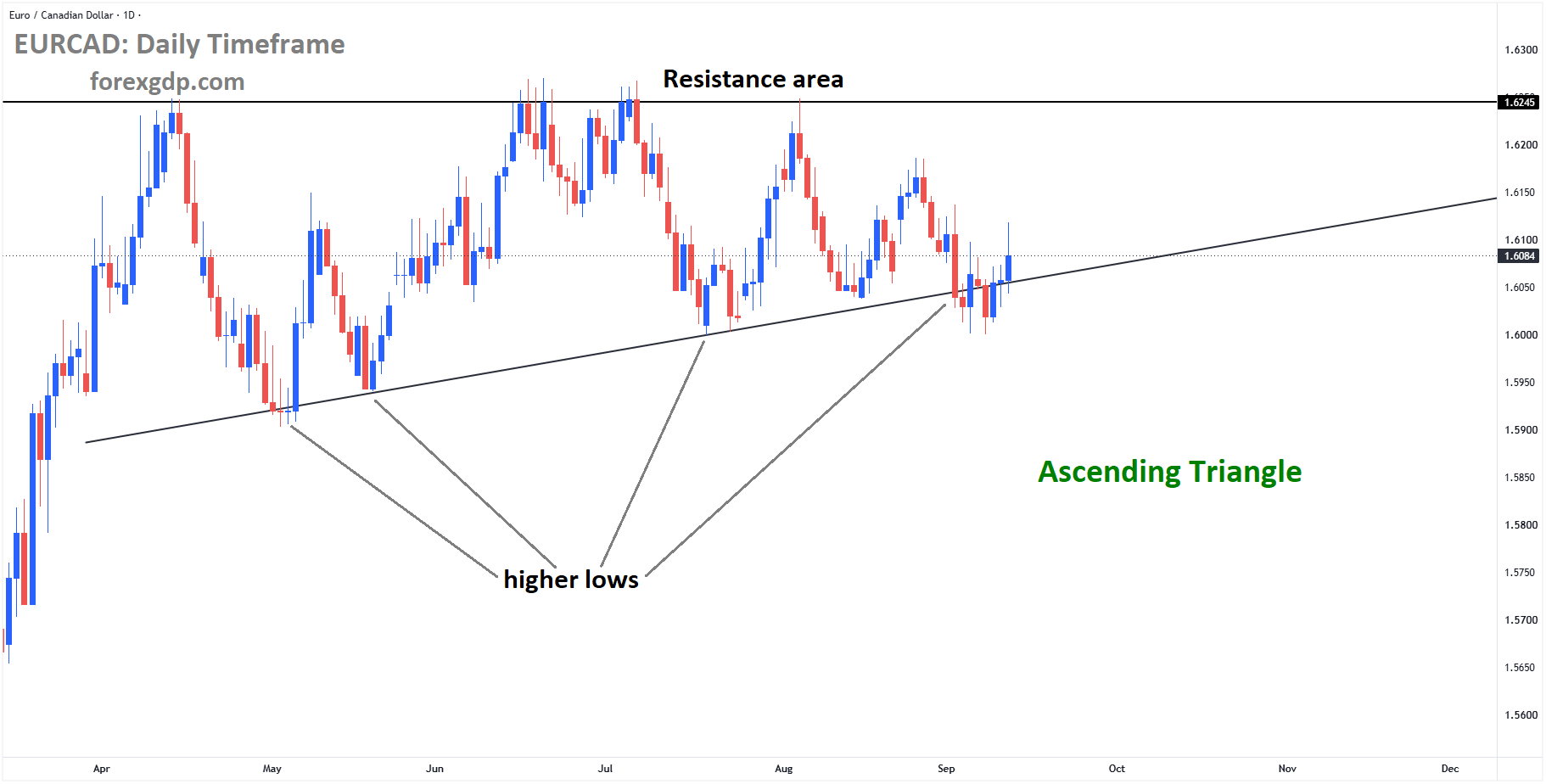
EURCAD has reached the higher low area of the ascending triangle pattern
Geopolitical developments are also becoming increasingly important. The conflict involving the United States and Iran has created fresh concerns about energy supplies, shipping routes, and international trade. At the same time, reports that Houthi forces have captured the strategic Yemeni port of Mokha have increased fears about the security of the Red Sea.
These factors may create a challenging environment for the Canadian Dollar while offering some support to the Euro.
Hawkish ECB Outlook Supports the Euro
The European Central Bank remains one of the main forces influencing the Euro. At its September policy meeting, the bank raised the interest rate on its deposit facility, delivering its second increase of the year.
The decision was widely expected, but the ECB’s message was still important. Policymakers appear concerned that inflation could remain elevated for longer than previously hoped. This suggests that the central bank may keep borrowing costs high or consider further action if inflationary pressure does not ease.
Higher interest rates can make a currency more attractive because investors may receive better returns from assets linked to that currency. As a result, expectations of a firm ECB policy stance could improve demand for the Euro.
The latest increase also shows that the ECB is not ready to declare victory over inflation. Although economic growth remains an important concern, price stability continues to be the central bank’s main responsibility. Policymakers must therefore balance the risk of weak economic activity against the danger of allowing inflation to stay above the official target.
Lagarde Warns About Persistent Inflation
ECB President Christine Lagarde warned that geopolitical conflicts could keep headline inflation above the bank’s target for an extended period. She highlighted the Middle East conflict and developments in the war between Russia and Ukraine as major sources of uncertainty.
Both conflicts can affect energy costs, transportation expenses, food supplies, and business confidence. When supply routes are disrupted or energy availability becomes uncertain, companies often face higher operating costs. Some of those expenses may eventually be passed on to consumers.
This makes the ECB’s job more difficult. If inflation remains stubborn, policymakers may have less room to reduce interest rates, even if parts of the European economy begin to slow. Such an environment could maintain a relatively supportive policy backdrop for the Euro.
Canadian Dollar Feels the Weight of Lower Oil Prices
The Canadian Dollar is closely connected to the energy market because Canada is a major oil-producing and exporting country. Oil exports generate significant income for the Canadian economy and contribute to demand for the domestic currency.
When oil prices decline, investors may become less optimistic about Canada’s export revenue and broader economic prospects. This can place pressure on the Canadian Dollar, especially when other currencies are receiving support from stronger interest rate expectations.
The recent weakness in oil has therefore created a difficult situation for the Canadian currency. Even though geopolitical risks remain high, energy prices have not consistently benefited from concerns about possible supply disruptions.
Several factors can cause oil prices to fall during a period of political tension. Traders may be focused on weaker global demand, sufficient available supplies, or expectations that major producers will respond to shortages. Markets may also believe that the conflict will not immediately affect key production facilities or transportation networks.
However, conditions can change quickly. If the confrontation involving the United States and Iran causes a meaningful reduction in energy supplies, oil prices could recover. A sustained rebound in oil may eventually provide some relief to the Canadian Dollar.
A Complicated Outlook for Canada’s Currency

The Canadian Dollar is caught between current oil weakness and the possibility of future supply concerns. Lower oil prices are creating immediate pressure, but a serious escalation in the Middle East could reverse the situation.
Reports suggest that senior US officials have warned President Donald Trump that the conflict may continue for a prolonged period. A longer confrontation would increase uncertainty across global energy markets and could affect investment decisions, shipping costs, and business activity.
For the Canadian Dollar, the impact would depend on how the energy market responds. Higher oil prices could improve Canada’s export outlook, but a wider conflict could also reduce global risk appetite. During periods of intense uncertainty, investors often move toward assets they consider safer, which may limit demand for currencies linked to commodities.
Houthi Capture of Mokha Raises Trade Concerns
Regional tensions have increased following reports that Yemen’s Houthi forces captured the strategic port city of Mokha. The port was previously held by Saudi-backed forces supporting Yemen’s internationally recognized government.
Mokha’s location gives the development wider importance. The city is close to the Bab al-Mandab Strait, a narrow waterway connecting the Red Sea with the Gulf of Aden. This route is essential for ships travelling between Asia and Europe through the Suez Canal.
Control near this area could allow the Iran-backed Houthi movement to increase pressure on regional shipping. Any threat to commercial vessels may force shipping companies to delay journeys, choose longer routes, or pay higher insurance costs.
These disruptions would affect more than the energy sector. The Red Sea carries manufactured products, food, raw materials, fuel, and other important goods. Interruptions could increase transportation expenses and delay deliveries across several regions.
Why the Bab al-Mandab Strait Matters
The Bab al-Mandab Strait is one of the world’s most important maritime gateways. It connects major Asian markets with Europe and provides access to the Suez Canal. If ships cannot safely travel through the area, they may need to sail around Africa.
That alternative route takes more time and requires more fuel. It can also reduce the number of journeys that shipping companies complete within a given period. The result may be higher freight costs and increased pressure on global supply chains.
For Europe, continued disruption could add to inflation concerns. Higher transportation and energy costs may make imported products more expensive. This would strengthen the ECB’s argument for maintaining a cautious and firm monetary policy.
Canada may experience a different effect. Although higher energy prices could support export income, weaker global trade and declining investor confidence could create wider economic challenges.
EURCAD Reflects Different Economic Pressures
The outlook for EURCAD is being shaped by a clear contrast between the two currencies. The Euro has potential support from the ECB’s hawkish tone and concerns that inflation will remain persistent. The Canadian Dollar, however, is dealing with lower oil prices and uncertainty about the future direction of global energy markets.
Geopolitical events could quickly alter this balance. A major disruption to oil supplies may help Canada’s energy sector, while also increasing inflation concerns in Europe. At the same time, a wider conflict could encourage cautious market behaviour and weaken confidence in currencies connected to global growth.
Investors will therefore continue watching central bank communication, energy market developments, and security conditions near important shipping routes. These issues are closely linked, and a major change in one area could influence the entire currency outlook.
Final Summary
EURCAD may receive upward support as the Euro benefits from the European Central Bank’s firm policy position. The ECB remains concerned that geopolitical conflicts could keep inflation above its target, reducing the possibility of an early shift toward easier monetary policy.
The Canadian Dollar continues to face pressure from weaker oil prices, although future supply disruptions could help energy prices recover. The reported Houthi capture of Mokha has added another layer of uncertainty because of the city’s proximity to the Bab al-Mandab Strait.
With monetary policy, oil markets, and geopolitical risks all influencing sentiment, the relationship between the Euro and the Canadian Dollar is likely to remain sensitive to new developments.
AUDJPY Holds Steady as RBA Rate Hike Bets Counter Yen Demand
AUDJPY remained broadly stable on Friday as investors considered the possibility of further interest-rate increases in both Australia and Japan. The Australian Dollar received support from firm comments by Reserve Bank of Australia officials, while the Japanese Yen benefited from stronger inflation pressures and expectations that the Bank of Japan may continue moving away from its earlier ultra-loose policy.
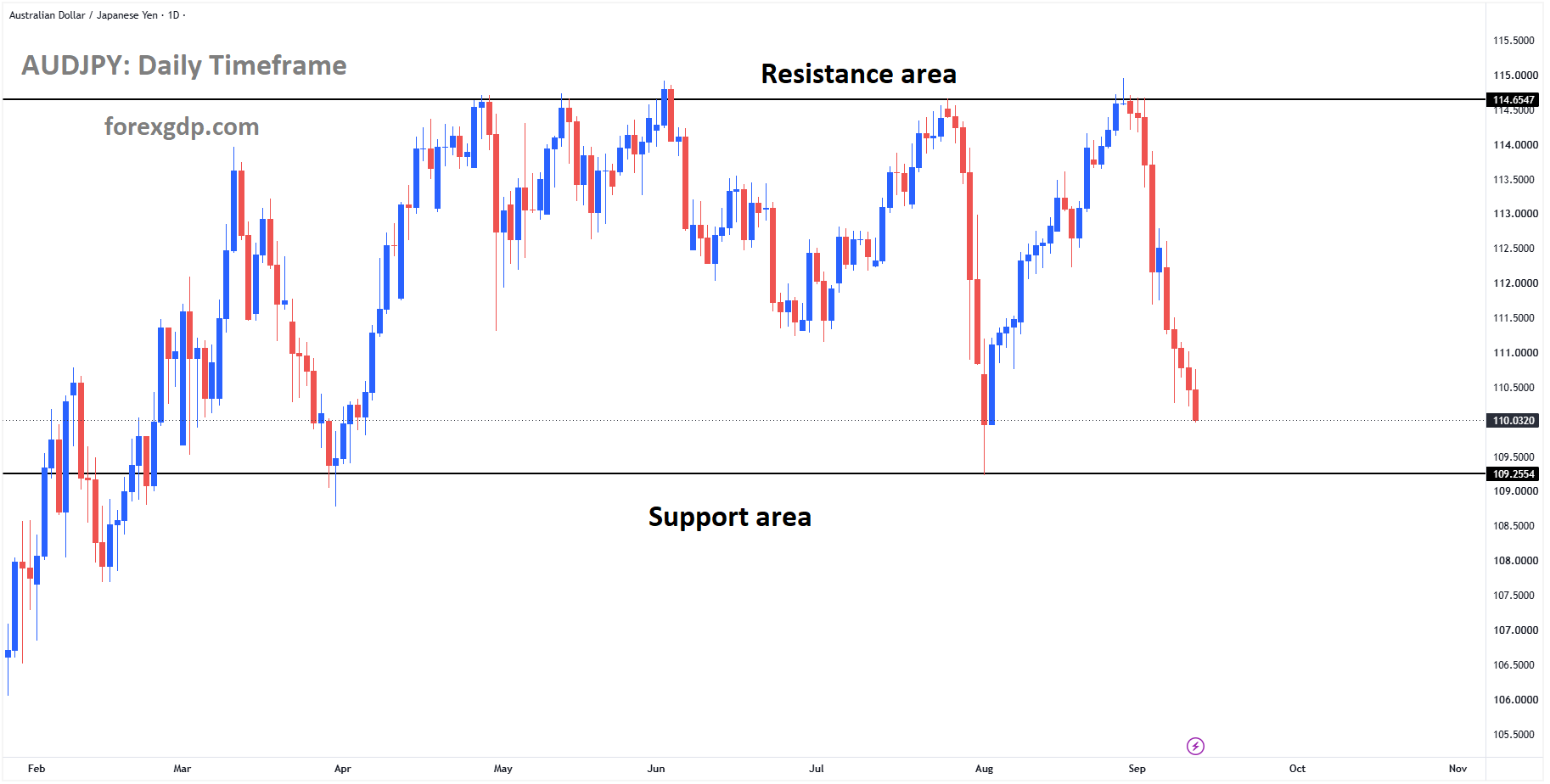
AUDJPY is moving in a box pattern
The outlook has created a balanced situation for the currency pair. Both central banks appear increasingly concerned about inflation, and policymakers have shown that they are prepared to take further action if necessary. However, rising oil costs and ongoing geopolitical tensions are creating additional uncertainty for both currencies.
RBA Officials Keep Interest-Rate Expectations Alive
Australia released no major economic reports on Friday, so investors continued to focus on recent statements from senior Reserve Bank of Australia officials. Their comments suggested that the central bank has not finished its fight against inflation.
RBA Assistant Governor Sarah Hunter warned that interest rates may need to rise again if inflation remains stronger or more persistent than expected. Her remarks reminded investors that another increase remains possible at an upcoming policy meeting.
Deputy Governor Andrew Hauser also delivered a firm message. He described inflation as a major challenge for the Australian economy and said the central bank was ready to tighten policy further if conditions required it.
These statements have encouraged investors to prepare for the possibility of higher borrowing costs. Expectations of additional tightening can support the Australian Dollar because higher interest rates may make Australian assets more attractive to international investors.
However, the central bank is likely to remain careful. Raising rates too aggressively could weaken household spending, increase mortgage pressure, and slow business activity. The RBA must therefore control inflation without placing unnecessary stress on the wider economy.
Persistent Inflation Remains Australia’s Main Concern
Inflation continues to shape the outlook for Australian monetary policy. Although price pressures may have eased from their previous highs, policymakers are concerned that inflation could remain above the central bank’s preferred range for longer than expected.
Several factors can keep inflation elevated. Strong demand, higher wages, rising service costs, housing expenses, and global supply disruptions may all make it more difficult for price growth to return to comfortable levels.
The RBA’s recent language shows that officials are closely watching whether inflation is becoming deeply established in the economy. If businesses continue passing higher costs to consumers, the central bank may decide that keeping rates unchanged is not enough.
At the same time, officials must consider the financial pressure facing Australian households. Many borrowers are already dealing with expensive mortgages and higher everyday living costs. Another rate increase could reduce consumer confidence and limit spending.
This difficult balance explains why the RBA is keeping its options open. It has not promised another increase, but it has made clear that further action remains possible. That position is helping the Australian Dollar stay supported even when the domestic economic calendar is quiet.
Japanese Inflation Data Supports the Yen
The Japanese Yen also gained support after producer inflation remained elevated. Producer price data measures changes in the prices businesses receive for goods before they reach consumers. Strong producer inflation can eventually affect household prices if companies pass their rising expenses to customers.
The latest report showed that price pressures at the business level remained stronger than economists had expected. Although producer inflation slowed slightly compared with the previous period, it did not fall as sharply as markets had predicted.
This result strengthened the argument for additional monetary tightening by the Bank of Japan. For many years, Japan struggled with weak inflation and slow economic growth. The central bank responded by keeping borrowing costs extremely low and using large-scale financial support.
That environment has changed. Inflation has become more noticeable, wages have improved, and companies have shown greater willingness to raise their prices. These developments have allowed the BoJ to gradually reconsider its highly supportive policy.
Investors are now watching for signs that the central bank may continue normalizing interest rates. Any indication of a firmer policy stance can increase demand for the Yen, especially after a long period in which Japanese interest rates were much lower than those in other major economies.
Carry Trade Unwinding Adds Support to the Yen
The Japanese Yen is also benefiting from the unwinding of carry trades. In a carry trade, investors borrow money in a currency with low interest rates and use it to purchase assets that may offer higher returns elsewhere.
The Yen has often been used as a funding currency because Japan maintained very low borrowing costs for many years. However, expectations of higher Japanese rates can make these trades less attractive.
When investors reduce or close their carry-trade positions, they may need to buy Yen to repay their borrowing. This process can increase demand for the Japanese currency.
Capital repatriation may provide additional support. Japanese investors sometimes move overseas funds back home when domestic returns improve or global uncertainty rises. This can create another source of demand for the Yen.
Still, the effect is not always smooth. The direction of the currency can change quickly when investors receive new information about inflation, economic growth, or central-bank policy.
Higher Oil Costs Create a Challenge for Japan

Despite stronger expectations for Bank of Japan tightening, rising oil costs may limit the Yen’s ability to gain significantly.
Japan imports a large share of the energy it consumes. When oil becomes more expensive, Japanese companies and households face higher costs. The country may also need to spend more on foreign energy imports, which can place pressure on its trade balance.
The ongoing conflict involving the United States and Iran has increased concerns about global energy supplies. With no clear sign of easing tensions, businesses and investors remain cautious about the possibility of further disruption.
Higher energy costs can also increase inflation in Japan. While stronger inflation may encourage the BoJ to tighten policy, inflation caused by expensive imports is not always positive for the economy. It can reduce household purchasing power, hurt company profits, and weaken consumer confidence.
This creates a complicated situation for the Yen. Expectations of higher interest rates may support the currency, but expensive oil can damage Japan’s economic outlook and limit that support.
Both Central Banks Face Difficult Decisions
Australia and Japan are dealing with different economic conditions, but their central banks share a similar challenge. Both must decide how firmly to respond to inflation without damaging economic growth.
The RBA is warning that another rate increase may be needed if Australian inflation remains stubborn. Meanwhile, the BoJ is considering how quickly it should continue moving away from years of unusually loose monetary policy.
These expectations are offering support to both currencies, which helps explain why AUDJPY has shown limited movement. Investors are receiving reasons to buy the Australian Dollar and the Japanese Yen at the same time.
Future direction will depend heavily on fresh economic information and comments from central-bank officials. Inflation reports, wage developments, consumer activity, and global energy conditions will remain especially important.
Final Summary
AUDJPY remains caught between two currencies supported by expectations of tighter monetary policy. The Australian Dollar is benefiting from firm comments by RBA officials, who have warned that another interest-rate increase may be necessary if inflation remains persistent.
The Japanese Yen is receiving support from elevated producer inflation, expectations of further Bank of Japan tightening, carry-trade unwinding, and capital returning to Japan.
However, rising oil costs and continued geopolitical tensions present a serious challenge for the Japanese economy. With both central banks facing difficult policy choices, AUDJPY may continue to reflect a careful balance between inflation concerns, interest-rate expectations, energy costs, and global risk sentiment.
BTCUSD Bulls Face a Tough Battle as Selling Pressure Limits Further Gains
Bitcoin has entered an important stage as investors try to determine whether the cryptocurrency is preparing for another strong bull market or simply taking a break after its recent recovery. Optimism has improved, but several challenges continue to limit the market’s progress.
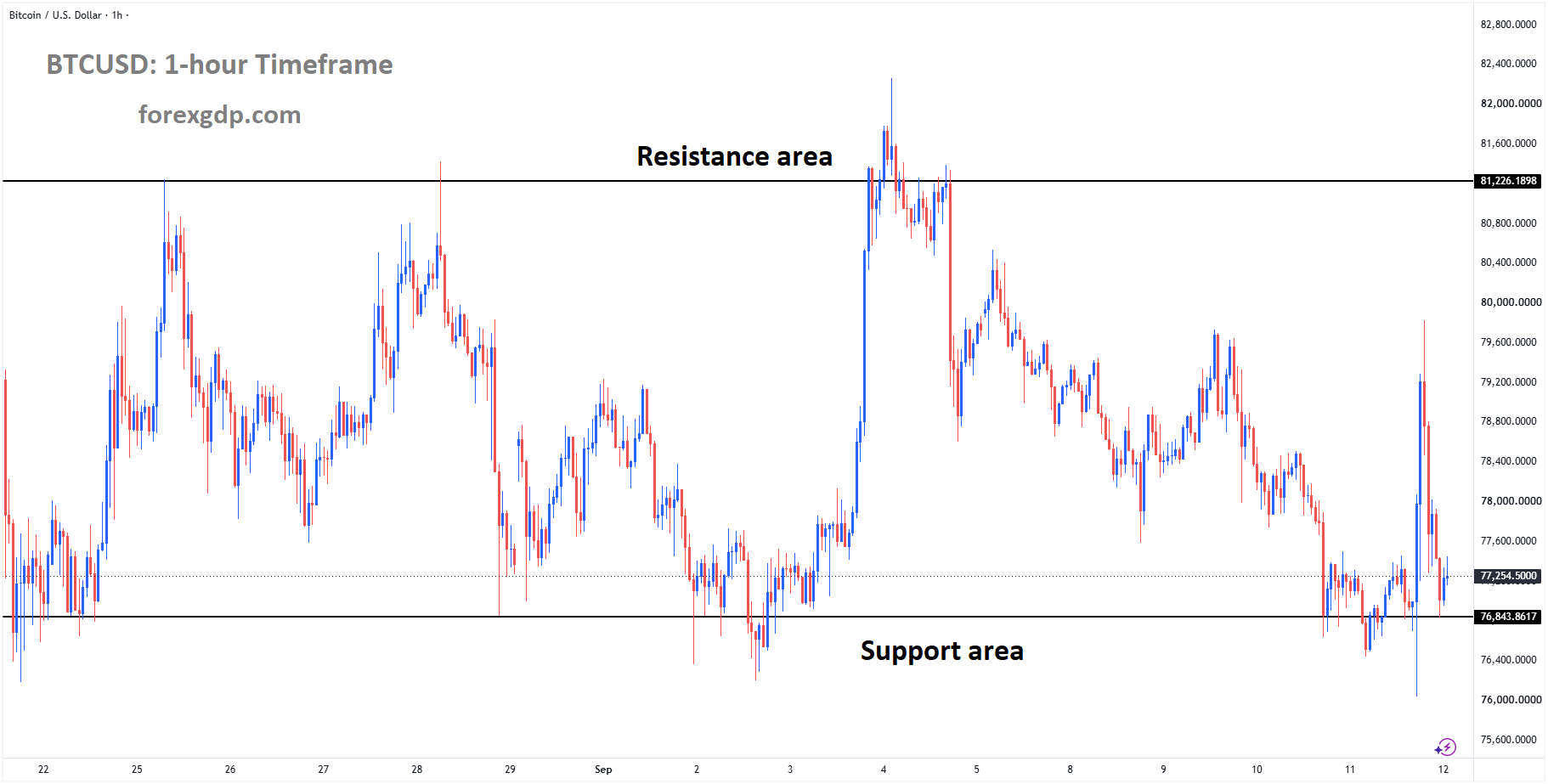
BTCUSD has reached the support area of the box pattern
One of the biggest concerns is the growing amount of Bitcoin being sold by long-term holders. These investors are often viewed as some of the most patient participants in the cryptocurrency market. When they begin moving large amounts of Bitcoin, it can create additional selling pressure and make it harder for demand to support further growth.
Bitcoin’s next major move may depend on whether buyers can absorb this available supply. Strong demand could encourage greater confidence and attract fresh capital. Weak demand, however, may leave the market uncertain and prevent a lasting recovery.
Long-Term Bitcoin Holders Begin Taking Profits
Long-term holders usually keep their Bitcoin through periods of strong volatility. Their decisions are therefore closely watched because they can provide useful information about broader market confidence.
During 2026, long-term holders reportedly sold a significant amount of Bitcoin. This activity suggests that some experienced investors decided to secure profits or reduce their exposure after the market recovered.
There are several possible reasons for this behaviour. Some holders may believe that the market has already delivered enough gains to justify taking profit. Others may need cash for personal, business, or investment purposes. A portion of these investors may also be waiting for clearer evidence that the wider recovery can continue.
Selling from long-term holders does not automatically mean that a major decline is coming. Profit-taking is a normal part of every market cycle. Early investors often reduce their holdings when market conditions improve, especially after remaining patient during a difficult period.
The real question is whether new buyers are prepared to purchase the Bitcoin entering the market. When fresh demand is strong, the market can absorb long-term holder selling without suffering serious damage. When demand is limited, the additional supply can slow momentum and weaken investor confidence.
Fresh Demand Is Essential for a Sustainable Bitcoin Rally
A strong Bitcoin bull market needs more than excitement from existing cryptocurrency traders. It requires steady demand from several different groups, including individual investors, institutions, businesses and long-term asset managers.
Institutional participation has become increasingly important to Bitcoin’s growth. Professional investors generally manage larger amounts of capital and often follow carefully planned allocation strategies. Their involvement can provide deeper demand and may help the market remain more stable during periods of uncertainty.
However, institutions rarely make decisions based on enthusiasm alone. They consider economic conditions, regulation, market liquidity, custody security and the level of risk across global financial markets. If these conditions appear favourable, institutional interest may increase. If uncertainty remains high, many large investors may delay their decisions.
Retail participation is also important. Individual traders and investors can strengthen market activity when confidence returns. Yet retail demand is often influenced by recent performance, media coverage and social sentiment. This can make it less stable than institutional demand.
For Bitcoin to develop a healthier recovery, demand must be broad and consistent. Short bursts of buying may create temporary excitement, but lasting growth generally requires continuous capital entering the market.
Market Confidence Remains Divided
Bitcoin investors are currently balancing optimism with caution. Supporters believe the cryptocurrency is entering a new stage of adoption as access improves and digital assets become more accepted within traditional finance. They also point to Bitcoin’s limited supply as a reason for its long-term appeal.
More cautious investors are focusing on the risks. These include uncertain regulation, changing interest-rate expectations, global economic weakness and the possibility of further selling from major holders.
This disagreement is one reason Bitcoin can remain unsettled even when the overall mood improves. Buyers may be interested but unwilling to commit fully. Sellers may also avoid leaving the market completely because they do not want to miss a possible recovery.
Such conditions can create a waiting period in which investors look for stronger evidence before making larger decisions. Confidence may improve if demand remains steady and the available supply is absorbed without major disruption. On the other hand, repeated selling could cause investors to become more defensive.
Global Economic Conditions Could Shape Bitcoin’s Direction

Bitcoin does not operate separately from the wider financial system. Decisions by central banks, changes in inflation and shifts in global risk appetite can all affect demand for cryptocurrency.
When borrowing costs are high, investors often become more careful with speculative assets. Safer investments may appear more attractive, while traders reduce their exposure to markets known for strong volatility. If monetary conditions become less restrictive, more capital may move toward assets such as Bitcoin.
The strength of the US dollar can also influence cryptocurrency demand. A stronger dollar may place pressure on assets priced in the currency, while a weaker dollar can sometimes support investor interest in alternative stores of value.
Economic uncertainty can affect Bitcoin in different ways. Some investors see it as a scarce digital asset that may protect wealth over the long term. Others continue to treat it as a high-risk investment and sell it when financial conditions become difficult. This mixed identity means Bitcoin can react differently depending on the main concern driving global markets.
Regulation and Adoption Remain Important Factors
Clear cryptocurrency regulation could play a major role in Bitcoin’s long-term future. Investors and financial companies are more likely to participate when they understand the legal responsibilities and risks involved.
Improved rules around trading platforms, custody, taxation and investor protection could make Bitcoin more accessible to traditional financial institutions. At the same time, overly restrictive policies could limit participation and reduce market confidence.
Adoption also matters. Bitcoin needs continued growth in real-world use, investment access and financial infrastructure to support a lasting expansion. Greater involvement from regulated platforms, asset managers and payment companies could strengthen its position within the global financial system.
However, adoption is usually gradual. A single announcement may create excitement, but lasting progress depends on continued development and trust. Security, transparency and reliable services will remain essential if Bitcoin is to attract a wider audience.
Investors Should Focus on Risk Management
Bitcoin’s long-term potential can be attractive, but the market remains highly unpredictable. Sudden changes in sentiment can produce sharp movements in either direction, especially when large holders become active.
Investors should avoid making decisions based entirely on fear of missing out. A strong period of market activity does not guarantee that gains will continue. Similarly, short-term weakness does not always mean that Bitcoin’s long-term outlook has failed.
A clear plan can help investors manage uncertainty. This may include choosing an appropriate investment size, avoiding excessive leverage and deciding in advance how much risk is acceptable. Diversification can also prevent one asset from having too much influence on an entire portfolio.
Patience is equally important. Waiting for stronger market confidence may feel frustrating, but it can prevent emotional decisions during uncertain conditions.
Final Summary
Bitcoin is facing an important test as long-term holders release a large amount of supply into the market. This selling does not necessarily signal the end of the recovery, but it creates a challenge that buyers must overcome.
A sustainable bull market will require strong and consistent demand from retail investors, institutions and other major participants. Global economic conditions, regulation and continued adoption will also help determine whether confidence can grow.
For now, the market remains divided between investors expecting a broader recovery and those choosing to protect profits. Bitcoin’s future direction will depend largely on whether fresh demand can absorb the available supply and build lasting confidence.
Don’t trade all the time, trade forex only at the confirmed trade setups
Get more confirmed trade signals at premium or supreme – Click here to get more signals, 2200%, 800% growth in Real Live USD trading account of our users – click here to see , or If you want to get FREE Trial signals, You can Join FREE Signals Now!