

XAUUSD is moving in an ascending channel, and the market has rebounded from the higher low area of the channel
Gold has entered a quiet phase. After a sharp pullback earlier this year, the metal is now moving sideways, holding its ground but failing to attract strong buying interest. Traders are watching closely, but most are choosing patience over bold moves. With financial markets calm and no major surprises driving sentiment, gold is stuck in a holding pattern as investors wait for clarity.
This pause does not mean gold has lost its appeal. Instead, it reflects a market that is catching its breath. Several powerful forces continue to support gold in the background, even as short-term enthusiasm cools. The coming days could be important, as key economic updates from the United States may help shape the next move.
A Calm Market Keeps Gold in Check

Gold trading has been muted as global markets settle into a risk-friendly mood. Stocks across major regions continue to perform well, encouraging investors to lean toward assets that benefit from economic growth. In this type of environment, gold often struggles to stand out because it is commonly used as a defensive asset during uncertain times.
Even so, gold has managed to stay resilient. While it briefly dipped below an important psychological threshold earlier in the day, it quickly recovered and stabilized. This behavior suggests that sellers are not in full control, but buyers are also hesitant to step in aggressively.
One reason for this balance is the lack of fresh news. When markets do not receive new information that changes expectations, trading volumes tend to fall. Many participants prefer to wait rather than react, especially after a period of heightened volatility.
Caution Follows a Sharp Correction
The recent past still weighs heavily on trader sentiment. Gold experienced a steep correction after reaching record highs earlier in the year. That drop was swift and uncomfortable, prompting many investors to reduce risk and lock in profits.
Since then, confidence has not fully returned. Volatility across precious metals remains elevated, making traders wary of large positions. Instead of chasing short-term moves, many are choosing to sit on the sidelines until the market shows clearer direction.
This cautious behavior is not unusual after a sharp pullback. Markets often need time to rebuild trust. During this phase, prices can drift within a narrow range as buyers and sellers test each other’s resolve without committing fully.
The US Dollar and Yields Offer Some Support
While gold lacks momentum, it is not without help. The US Dollar has shown signs of weakness, which generally supports gold by making it more attractive to buyers using other currencies. At the same time, government bond yields have softened, reducing the appeal of interest-bearing assets.
Gold does not generate income, so lower yields elsewhere make holding it less costly by comparison. This dynamic has helped limit downside pressure, even as demand remains subdued.
Together, a softer dollar and easing yields act as a cushion. They may not be strong enough to spark a rally on their own, but they help explain why gold has not fallen further despite a lack of enthusiasm.
Key US Economic Data in Focus
Attention is now turning to upcoming economic reports from the United States. Data on consumer spending, employment, and inflation are all scheduled for release this week. These reports are closely watched because they influence expectations around economic growth and future monetary policy.
If the data shows signs of slowing activity, it could strengthen the case for easier policy from the Federal Reserve. That scenario tends to favor gold, as lower borrowing costs reduce the opportunity cost of holding the metal.
On the other hand, stronger-than-expected results could delay hopes for policy easing, keeping gold under pressure. For now, traders are waiting to see how the numbers shape the outlook before making their next move.
Long-Term Forces Continue to Support Gold
Despite short-term uncertainty, the broader picture for gold remains constructive. Several long-term themes continue to drive interest in the metal, even if they are not dominating daily price action.
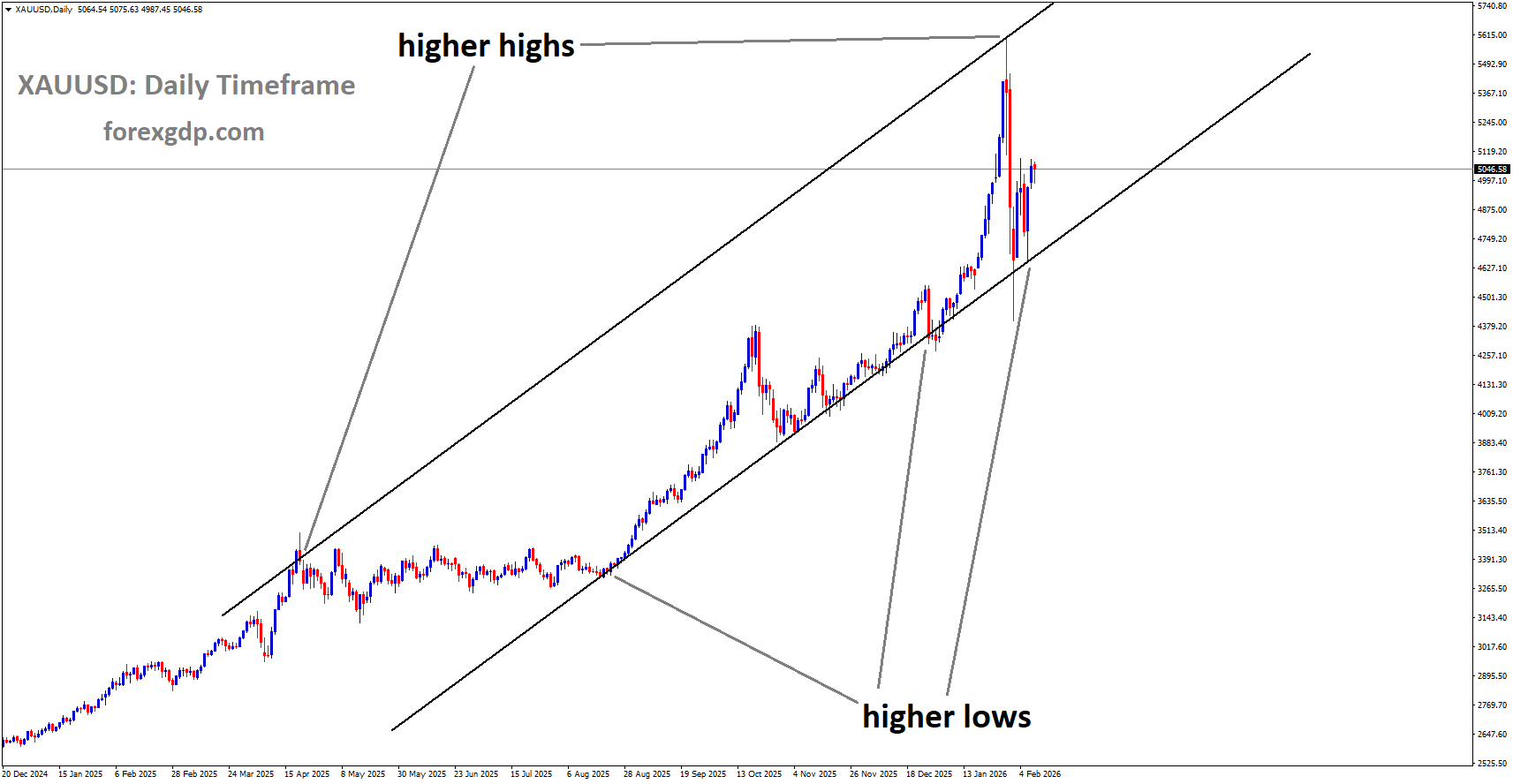
XAUUSD is moving in an uptrend channel, and the market has rebounded from the higher low area of the channel
The Debasement and Debt Narrative
One of the strongest pillars supporting gold is concern over currency debasement. Governments around the world carry heavy debt burdens, and trust in long-term fiscal discipline has weakened. Gold is often seen as a hedge against this risk because it cannot be printed or devalued by policy decisions.
Central banks have taken note. Many have increased their gold holdings as part of a broader effort to diversify reserves and reduce reliance on traditional assets. This steady demand provides a solid foundation beneath the market.
Questions Around US Policy Direction
Uncertainty surrounding US economic and trade policy has also played a role. Ongoing debates about trade measures and political pressure on institutions have raised questions about stability and independence. In such an environment, gold’s role as a neutral store of value becomes more attractive.

Reports that some countries are reassessing their exposure to US government debt have added to this narrative. These shifts do not happen overnight, but they contribute to a slow and steady bid for gold over time.
Expectations of Easier Monetary Policy
Many investors believe that the Federal Reserve will eventually return to easing policy as growth cools and inflation pressures ease. Even if that shift takes time, the expectation alone helps support gold.
Lower interest rates tend to benefit gold by reducing competition from yield-based investments. As markets reassess the future path of policy, gold remains a key asset in portfolios designed to weather economic change.
Geopolitical Tensions Add a Layer of Risk
Geopolitical risks remain another important factor. Tensions in key regions have not disappeared, and developments in sensitive trade and shipping routes continue to attract attention.
Recent warnings related to maritime security in critical areas have reminded investors that global risks can escalate quickly. Gold often benefits from these moments of uncertainty, as it is viewed as a safe asset during periods of heightened tension.
While these risks are not currently driving aggressive buying, they linger in the background and help explain why investors are reluctant to abandon gold altogether.
Why Patience Defines the Current Market
At its core, the current gold market is defined by patience. Buyers want confirmation that the worst of the correction is over, while sellers lack the conviction to push prices significantly lower. This standoff has resulted in narrow trading and low energy.
Such phases can be frustrating, but they are a normal part of market cycles. Consolidation often follows sharp moves, allowing prices to reset before the next trend develops.
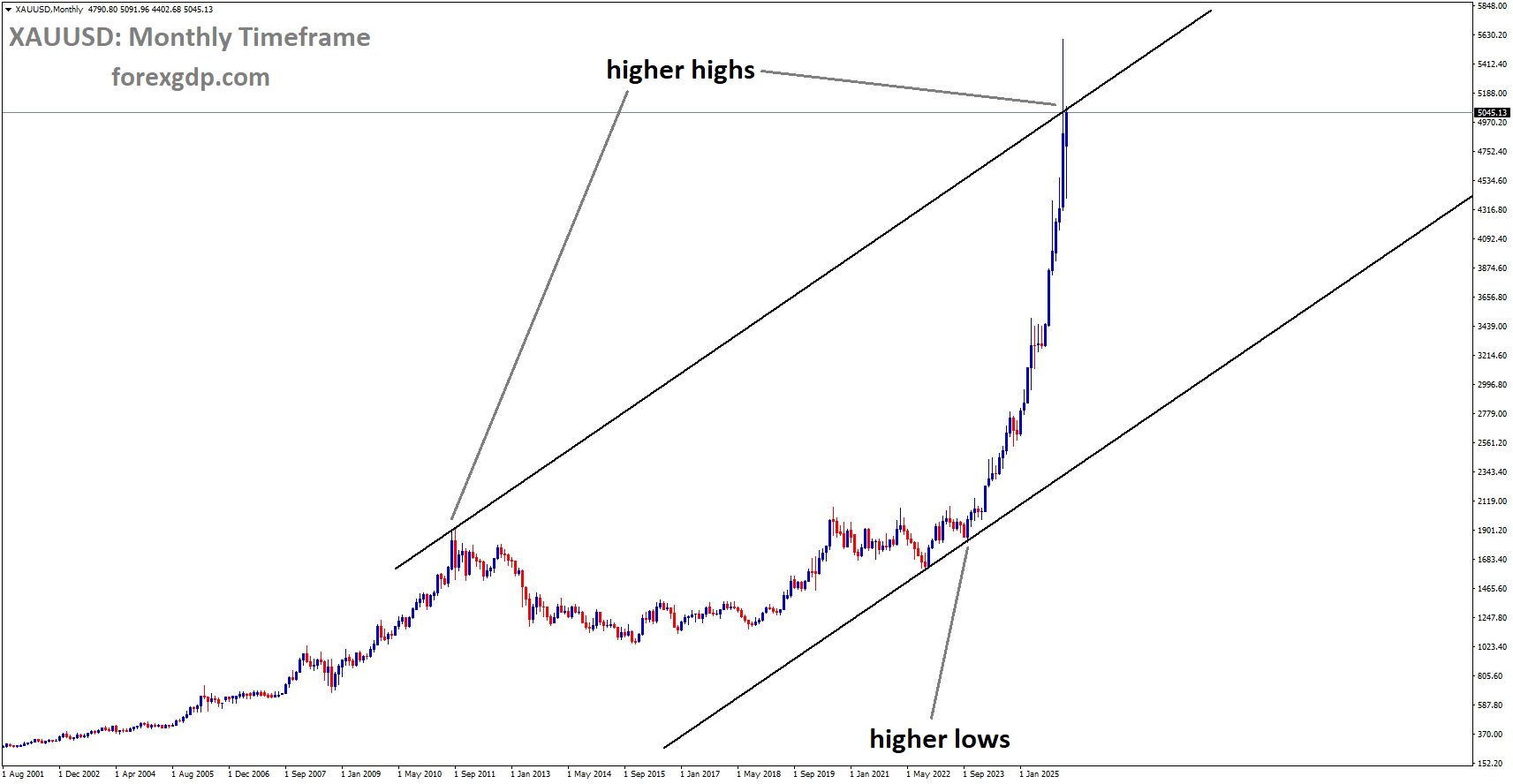
XAUUSD is moving in an uptrend channel, and the market has reached a higher high area of the channel
For gold, the next catalyst is likely to come from economic data or a shift in expectations around monetary policy. Until then, calm conditions may persist.
Final Summary
Gold is holding steady after a turbulent period, supported by long-term themes but restrained by short-term caution. A calm market environment, combined with lingering memories of a sharp correction, has kept traders on the sidelines. While a softer US Dollar, easing yields, and ongoing geopolitical risks provide underlying support, investors are waiting for clearer signals from upcoming economic data. As patience dominates sentiment, gold remains in a watchful phase, poised to react once the next meaningful driver emerges.