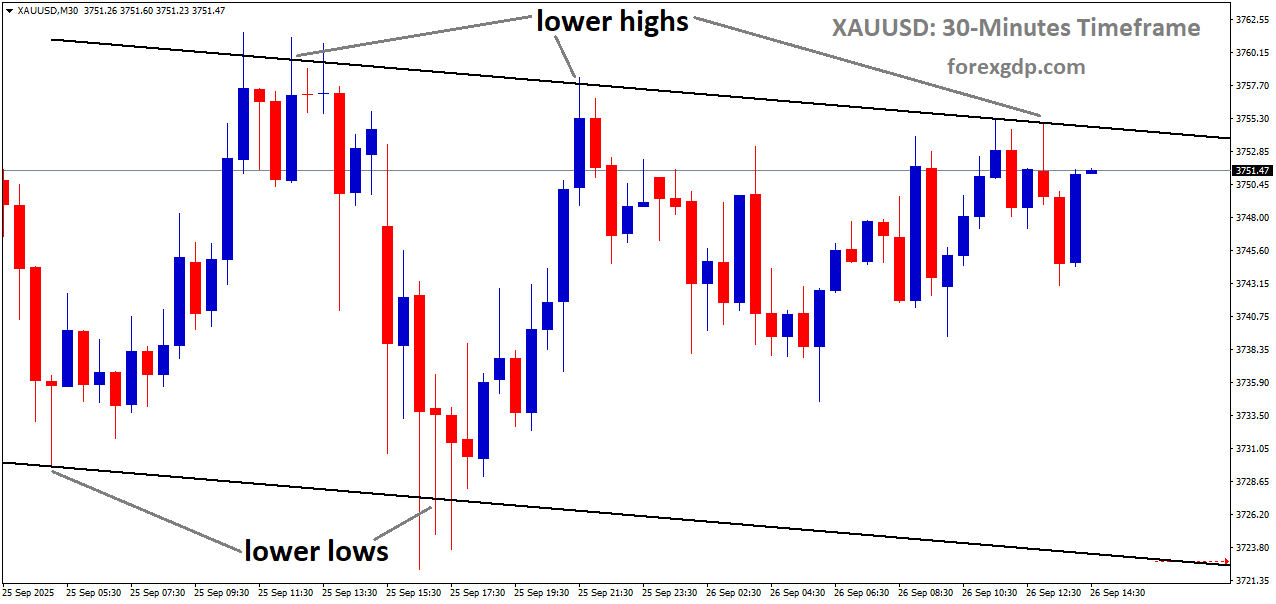
XAUUSD is moving in a downtrend channel
Gold has always been more than just a shiny metal—it’s the world’s go-to safe haven whenever markets get shaky. Recently, gold has been moving in interesting ways, and a lot of that comes down to the U.S. Federal Reserve, trade policies, and ongoing global uncertainty. Let’s break down what’s happening, why it matters, and what investors are keeping their eyes on.
Why Gold Is Back in the Spotlight
Gold’s recent movements aren’t just about market trends—they’re a reflection of bigger forces shaping the global economy. One of the strongest drivers at the moment is the Federal Reserve’s monetary policy.
For months, traders have been speculating about whether the Fed will cut interest rates again. Lower borrowing costs usually weaken the U.S. dollar, making gold more attractive. While the dollar recently hit a short-term high, it pulled back as expectations grew that the Fed might loosen policy later this year. That hesitation by the Fed has left gold floating in a tight range, as traders wait for solid economic signals before making big moves.

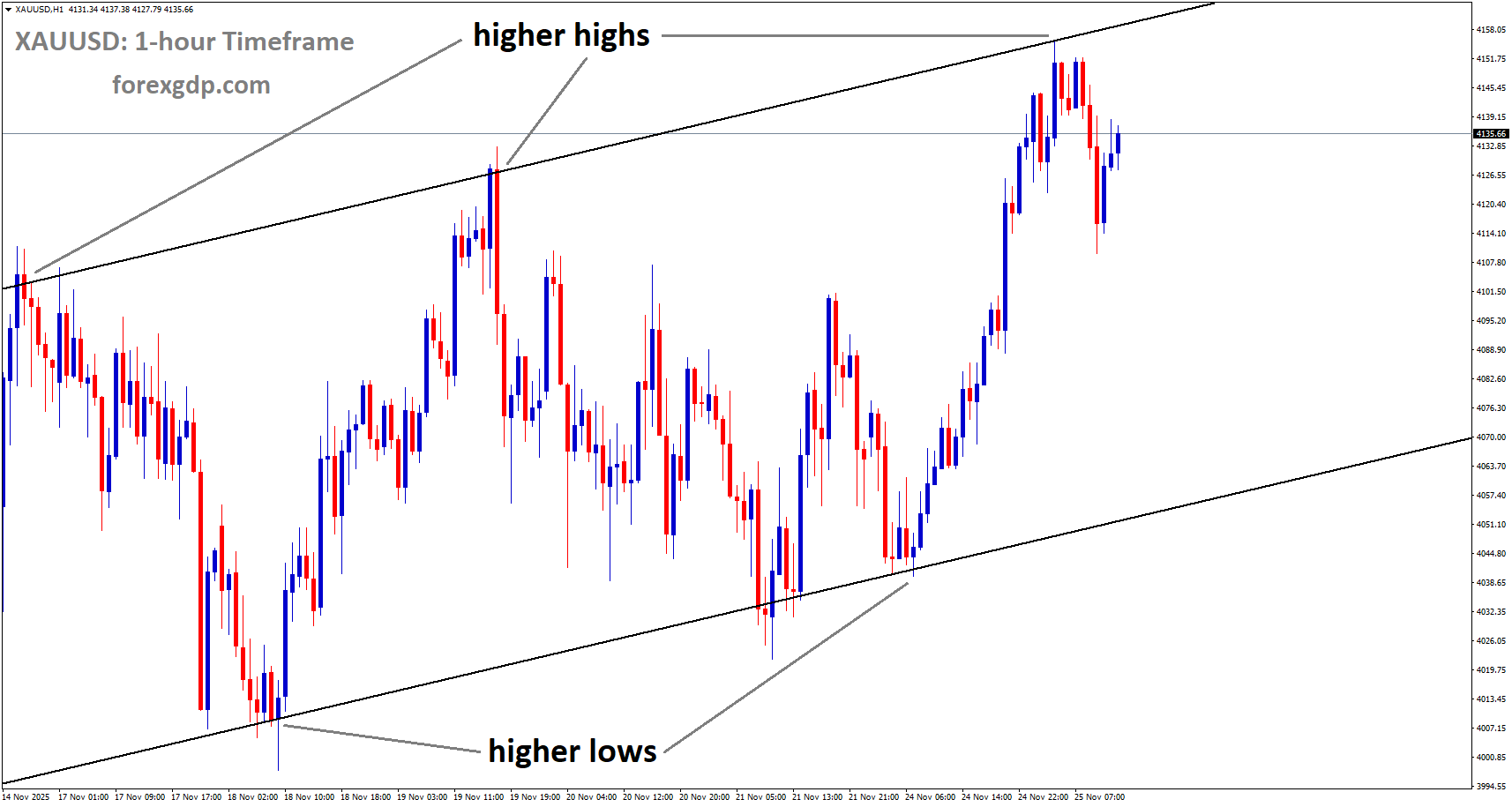
XAUUSD is moving in an Ascending channel, and the market has reached a higher high area of the channel
At the same time, U.S. trade policies are adding another layer of uncertainty. New rounds of tariffs have sparked concerns about growth, making investors nervous. When economies show signs of strain, gold often benefits because people see it as a stable store of value.
The Role of Economic Data
Economic reports have been coming in stronger than expected, which is both good and complicated for gold prices.
-
GDP Growth: The U.S. economy expanded faster than earlier estimates suggested. That kind of growth usually signals strength and resilience, but it also raises questions about whether the Fed will really cut rates as aggressively as some hope.
-
Durable Goods Orders: Orders for long-lasting products bounced back after a slump. This shows businesses are still investing, another sign of economic health.
-
Jobless Claims: Fewer Americans are filing for unemployment, hinting that the job market is still holding up despite headwinds.

All of this data creates a push and pull effect. On one hand, strong numbers make the U.S. economy look solid, which normally supports the dollar and weighs on gold. On the other hand, tariffs, inflation risks, and global uncertainty keep the safe-haven appeal of gold alive.
Tariffs, Tensions, and Global Uncertainty
The trade environment has been far from calm. Announcements of fresh tariffs on industries ranging from pharmaceuticals to heavy-duty trucks and kitchen goods have raised eyebrows around the world. The worry is simple: more tariffs mean higher costs, slower trade, and possible inflationary pressures.
But here’s the twist—policymakers don’t all agree on how much tariffs are actually pushing up inflation. Some Federal Reserve voices argue that the impact has been smaller than expected. Others worry that the economy is walking a fine line between slowing growth and stubborn inflation.
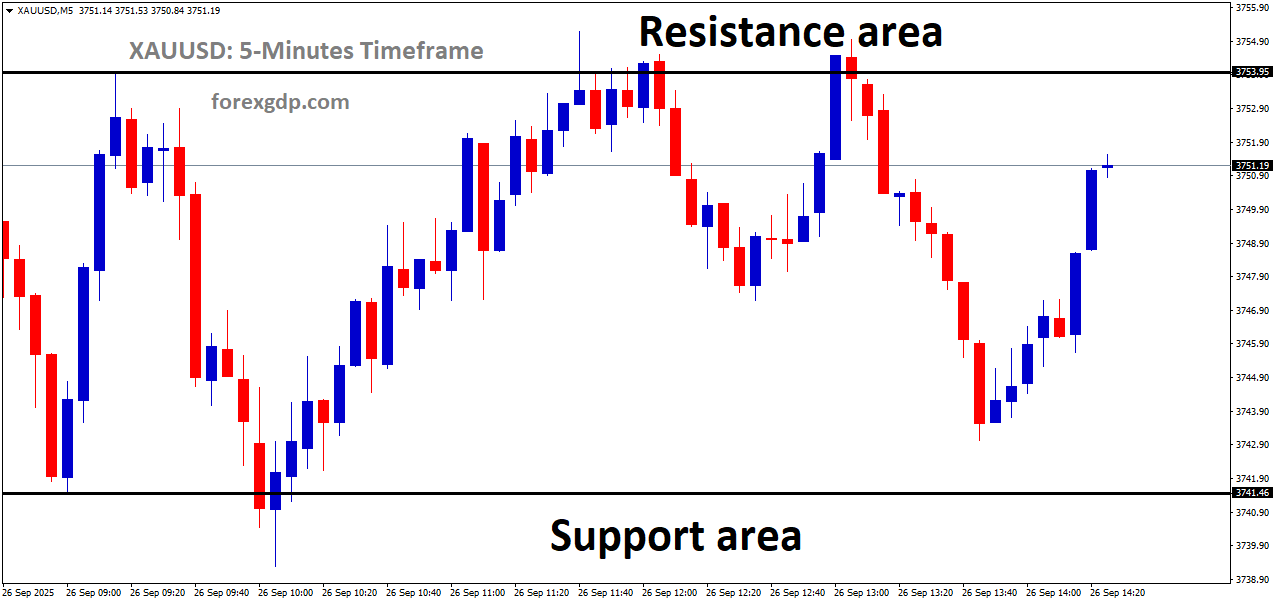
XAUUSD is moving in a box pattern
On top of that, geopolitical risks keep flaring up, making investors cautious. In uncertain times, gold shines brighter as people look for security.
What the Federal Reserve Is Signaling
The Federal Reserve’s stance is crucial for gold’s direction. Several Fed officials have recently shared their thoughts:
-
Some believe rates are still too restrictive, making the economy vulnerable to shocks.
-
Others acknowledge inflation is still higher than desired, which means rate cuts should be gradual and carefully timed.
-
There’s broad agreement that the Fed will remain data-driven—every new economic report could shift the path forward.
Markets are already pricing in the likelihood of a rate cut soon, with another one possibly before the end of the year. That expectation has put a ceiling on the dollar’s recent rally and kept gold supported, even when economic data points to resilience.
The Next Big Test: PCE Price Index
If there’s one report traders are glued to right now, it’s the Personal Consumption Expenditure (PCE) Price Index. This is the Fed’s preferred inflation gauge, and its results can swing expectations about interest rates dramatically.
-
A stronger-than-expected number could give the Fed reasons to stay cautious on rate cuts, boosting the dollar and weighing on gold.
-
A weaker reading, on the other hand, could strengthen the case for cuts, sending the dollar lower and giving gold another boost.

XAUUSD is moving in an uptrend channel
This data release has the power to set the tone for markets in the coming weeks, which is why traders are hesitant to take big positions until it’s out.
Final Summary
Gold is caught in the middle of a tug-of-war between strong U.S. economic data and growing concerns about trade tensions, tariffs, and global risks. The Federal Reserve’s uncertain path on interest rates adds to the suspense, keeping gold investors watchful but cautious.
For now, the spotlight is firmly on the upcoming PCE Price Index report. It will not only reveal more about inflation but also shape expectations for how the Fed responds in the months ahead. As long as uncertainty hangs in the air—from central banks to trade policies—gold will likely continue to draw interest as a safe and steady option for investors.