
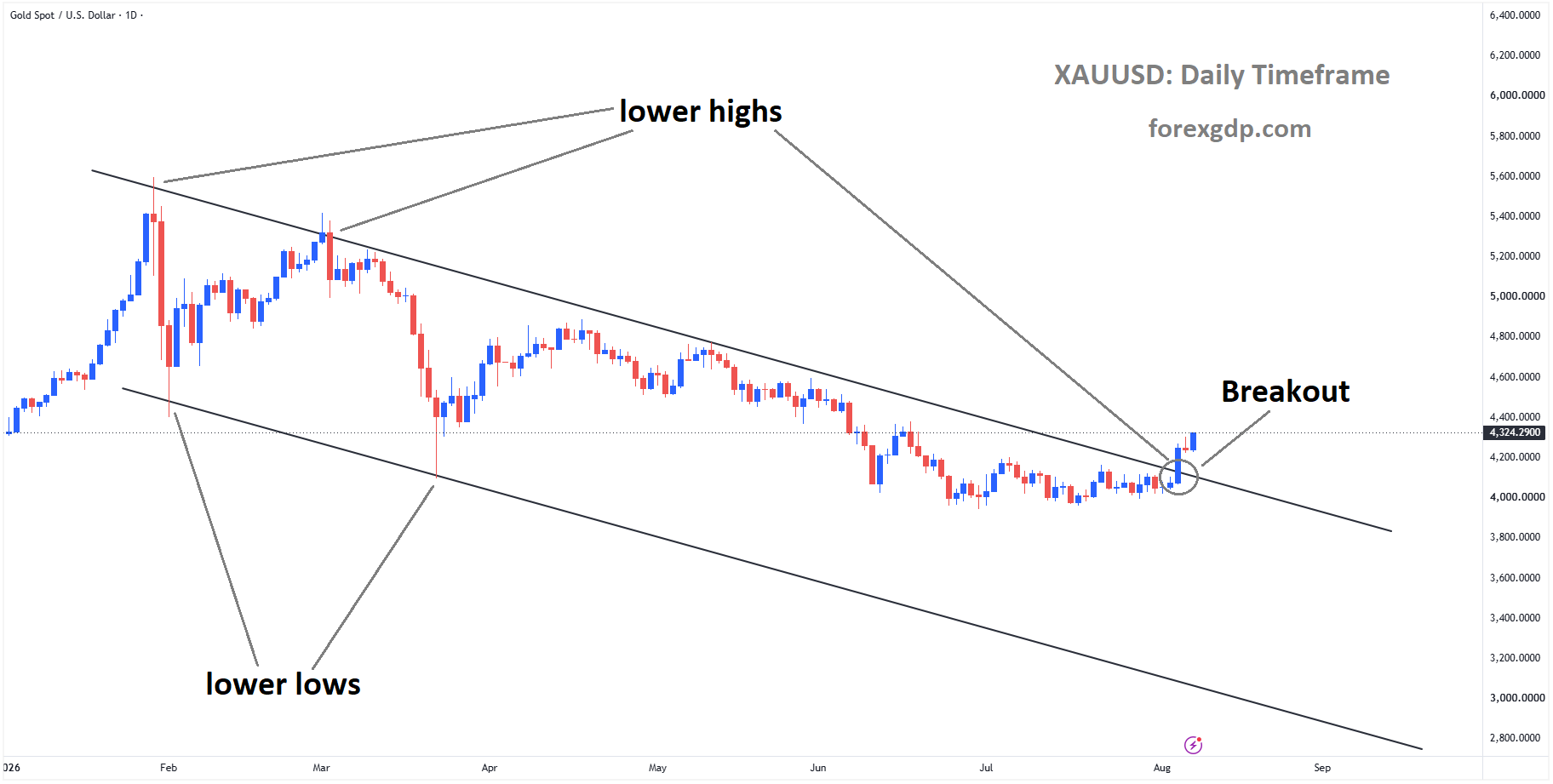
XAUUSD has broken descending channel in upside
Gold found renewed buying interest on Friday as investors responded to rising geopolitical uncertainty, inflation concerns, and expectations surrounding US monetary policy. The precious metal recovered from the previous session’s decline and remained on course for its strongest weekly performance since January.
However, traders appeared unwilling to make aggressive moves before the release of the latest US Nonfarm Payrolls report. The closely watched employment data could influence expectations for Federal Reserve policy and determine the next direction of the US dollar.
Gold Benefits From Safe-Haven Demand
Gold continued to attract investors seeking protection from political and economic uncertainty. Demand for safe-haven assets strengthened as conflicting reports emerged about the possibility of ending the US-Iran conflict.
US President Donald Trump said on Thursday that he believed the war with Iran could end soon. His remarks briefly supported hopes that diplomatic efforts might reduce tensions in the Middle East.
However, other developments created a less encouraging picture. A Saudi official warned that some Iraqi militia groups could be preparing attacks against Saudi Arabia. According to the official, the factions were coordinating with Yemen’s Iran-backed Houthi movement.
Such reports have increased fears that the conflict could spread to other countries in the region. A wider confrontation involving Saudi Arabia or other major Middle Eastern nations could create serious security and economic consequences.
This uncertainty has encouraged investors to maintain exposure to traditional safe-haven assets. Gold often receives support during periods of war, political instability, and concern about the global economy.
At the same time, geopolitical risk has also strengthened demand for the US dollar. Because gold and the dollar often compete for safe-haven flows, a stronger American currency could limit the precious metal’s ability to extend its recovery.
Strait of Hormuz Dispute Weakens Peace Hopes
Fresh reports concerning the Strait of Hormuz have added another layer of uncertainty. Iran is reportedly reviewing a proposed framework for managing access to the important shipping route.
Under the reported plan, American, Israeli, and other vessels considered hostile could be prevented from passing through the strait until compensation is paid. If such restrictions are introduced, they could increase tensions with Western governments and complicate efforts to reach a peace agreement.
The Strait of Hormuz is one of the world’s most important energy transportation routes. A significant share of global oil and gas shipments passes through the narrow waterway. Any disruption could affect energy supplies, shipping costs, and international trade.
The reported framework has therefore reduced optimism that the US-Iran war will end through negotiations in the near future. Even if political leaders continue discussing peace, disagreements over shipping rights and compensation could delay progress.
Investors are closely monitoring these developments because disruptions in the region may have effects far beyond the countries directly involved in the conflict. Higher transport costs and reduced energy supplies could place additional pressure on businesses and consumers around the world.
Houthi Attack Revives Energy Supply Concerns
Concerns about regional security intensified after the Houthis claimed responsibility for an attack on a Saudi oil tanker in the Gulf of Aden. The incident renewed fears that commercial vessels and energy shipments could face further threats.
The Gulf of Aden is another important route for global shipping. Attacks in the area can force vessels to take longer journeys, increase insurance expenses, and disrupt delivery schedules.
Repeated threats against tankers could also create uncertainty about the reliability of global energy supplies. Even when physical supply remains available, the risk of further attacks may contribute to higher transportation and operating costs.
These conditions can increase inflation pressure. Energy affects almost every part of the economy, including manufacturing, agriculture, travel, and the movement of goods. When fuel and shipping costs rise, companies may pass some of those expenses on to customers.
Inflation concerns can support gold because the metal is often viewed as a store of value during periods when purchasing power is under pressure. However, persistent inflation may also encourage central banks to maintain tighter monetary policies, creating a challenge for gold.
Federal Reserve Expectations Limit Gold’s Recovery

The outlook for US interest rates remains an important factor for the gold market. Traders continue to expect that the Federal Reserve could raise borrowing costs before the end of the year if inflation remains difficult to control.
Energy supply disruptions could strengthen the argument for a firmer policy position. If oil-related costs keep inflation elevated, the Fed may decide that higher interest rates are necessary to prevent broader price pressures from becoming established.
This possibility can hold back demand for gold because the metal does not provide interest. When borrowing costs rise, interest-bearing assets may become more attractive to some investors.
Expectations of tighter Federal Reserve policy can also support the US dollar. A stronger dollar usually makes gold more expensive for buyers using other currencies, which may reduce international demand.
Gold is therefore receiving support from geopolitical risk while facing pressure from the prospect of higher interest rates and a stronger dollar. These competing forces explain why traders remain cautious despite the metal’s strong weekly performance.
US Jobs Report Becomes the Main Focus
The upcoming US Nonfarm Payrolls report is expected to play a major role in shaping market sentiment. The report provides important information about job creation, unemployment, and the overall health of the American labor market.
A resilient employment market could give the Federal Reserve more confidence to maintain a strict approach toward inflation. Strong job growth may suggest that the economy can withstand higher borrowing costs, increasing expectations for tighter policy.
On the other hand, weaker employment figures could reduce pressure on the Fed to raise rates. Signs of slowing job creation may lead policymakers to place greater emphasis on supporting economic activity.
The data could also influence demand for the US dollar. Since movements in the dollar often affect gold, the employment report may provide the next major source of direction for the precious metal.
Many traders are likely to avoid making large commitments until the figures are released and the market has had time to assess their policy implications.
China Continues to Build Its Gold Holdings
Gold has also received longer-term support from continued central bank demand. China’s central bank reported another monthly increase in the value of its official gold reserves at the end of July.
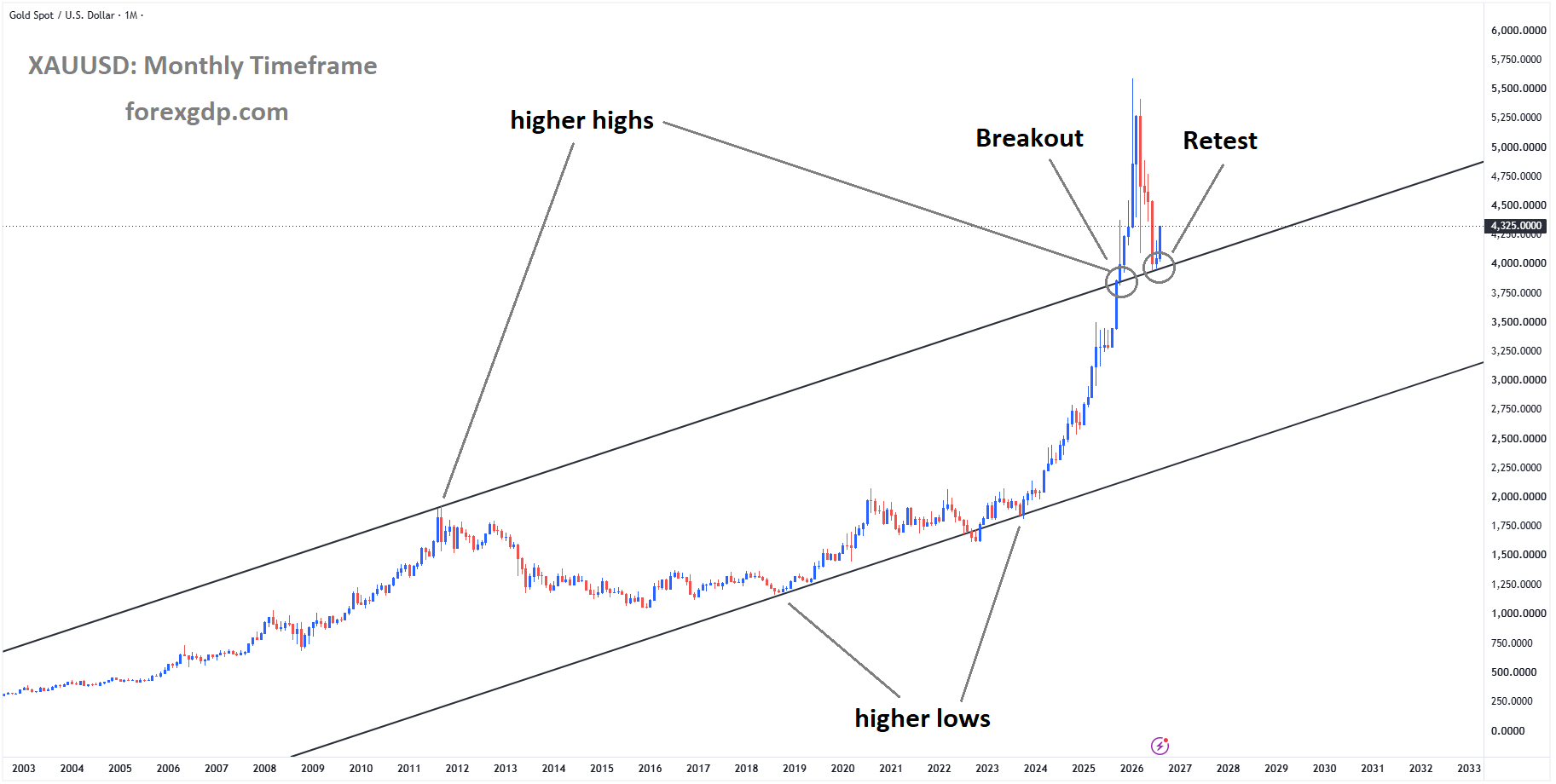
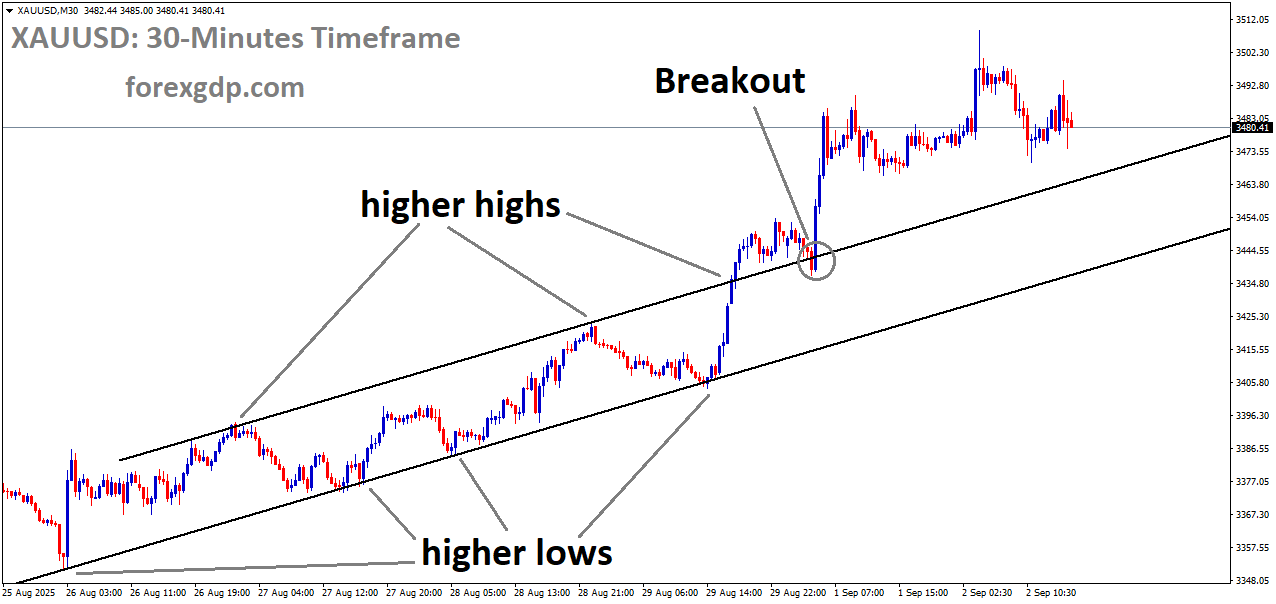
XAUUSD is rebounding from the retest area of the broken ascending channel
The rise from June suggests that gold remains an important part of China’s reserve strategy. Central banks often hold the metal to diversify national assets and reduce dependence on any single currency.
Continued institutional demand can provide a stable foundation for the gold market, especially during periods of political uncertainty and changing monetary conditions. China’s growing reserves also reflect the broader interest among central banks in using gold as a long-term financial safeguard.
Summary
Gold regained support as investors reacted to uncertainty surrounding the US-Iran conflict, possible attacks in Saudi Arabia, and threats to major energy shipping routes. These risks strengthened safe-haven demand, while concerns about supply disruptions added to fears of persistent inflation.
At the same time, expectations that the Federal Reserve may raise borrowing costs supported the US dollar and limited gold’s recovery. Traders are now focused on the US Nonfarm Payrolls report, which could reshape interest-rate expectations and influence demand for both gold and the dollar. Continued growth in China’s official gold reserves offers additional long-term support as markets navigate an uncertain geopolitical and economic environment.