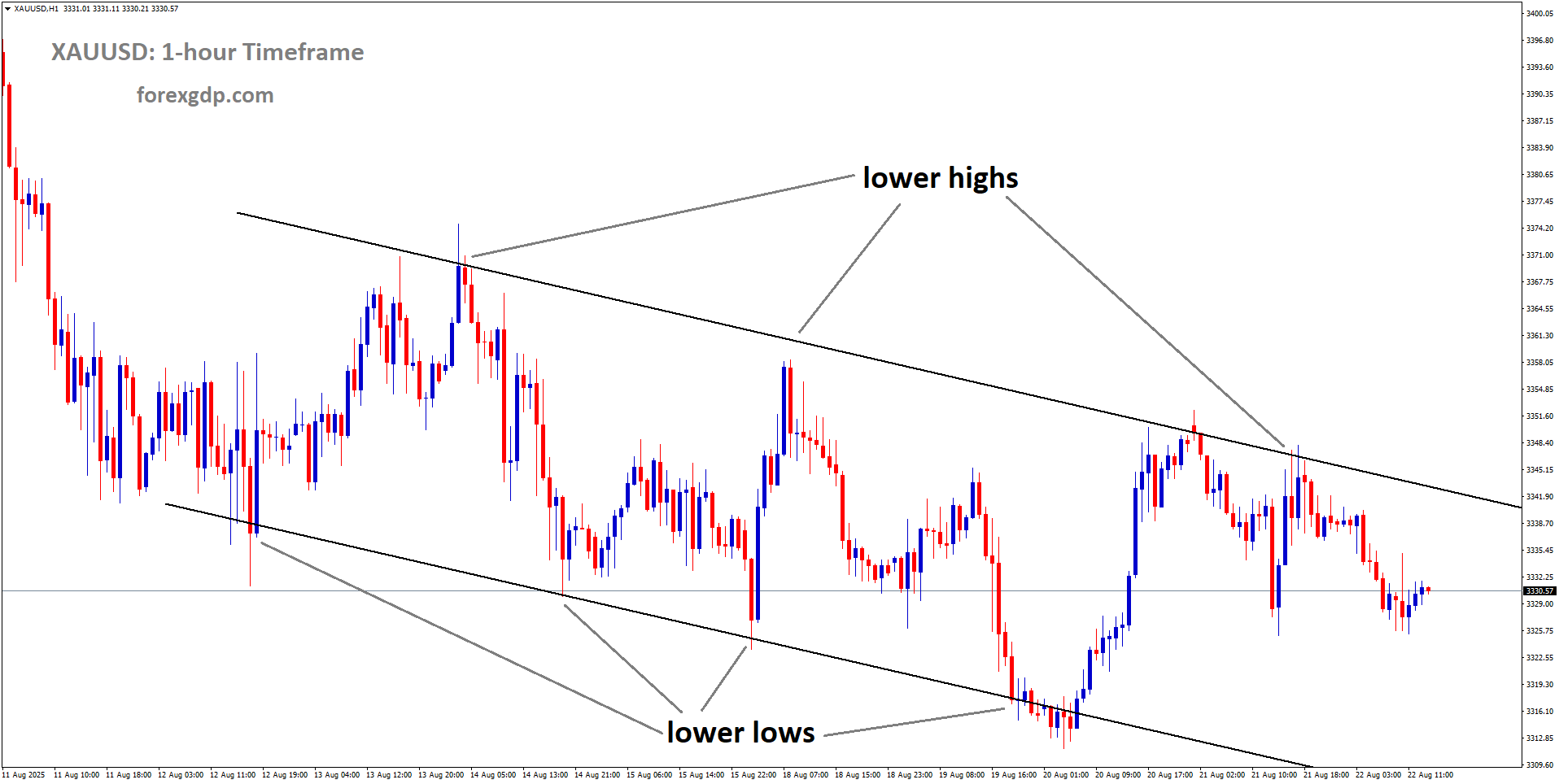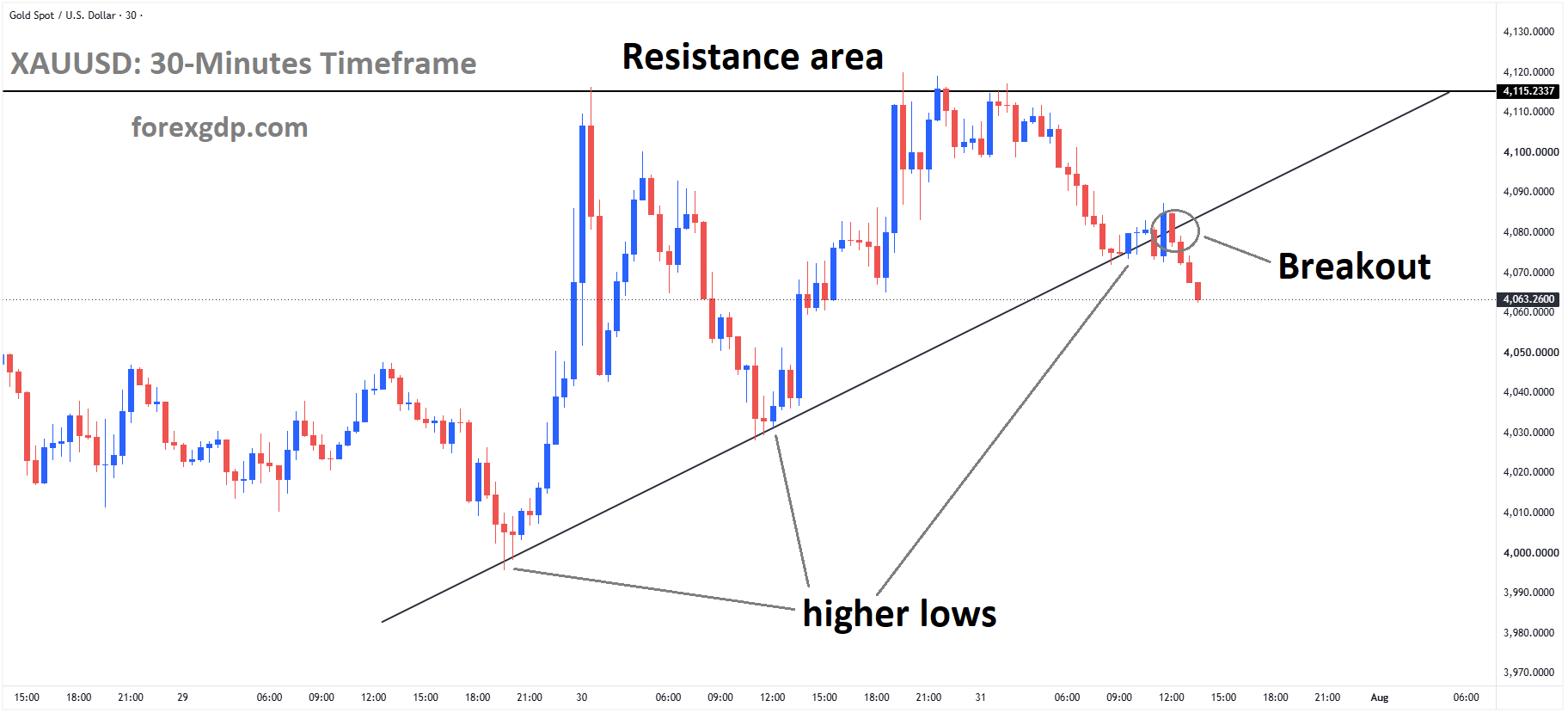
XAUUSD has broken the ascending triangle on the downside
Gold prices moved lower on Friday as the US Dollar regained strength after a sharp decline in the previous session. While investors continue to view Gold as a safe-haven asset during periods of uncertainty, renewed confidence in the US Dollar has reduced buying interest.
At the same time, ongoing tensions in the Middle East continue to influence global markets. Rising energy costs have renewed concerns that inflation could remain stubbornly high, encouraging expectations that the US Federal Reserve may continue to maintain a firm stance on monetary policy. This combination has limited Gold’s ability to build upward momentum.
US Dollar Recovers After Sharp Weakness
The US Dollar found fresh support after experiencing significant losses earlier in the week. Investors returned to the currency as global uncertainty increased, making it an attractive safe-haven choice alongside Gold.
Earlier weakness in the Dollar was partly linked to reports of possible foreign exchange activity by Japanese authorities aimed at supporting the Japanese Yen. As market conditions stabilized, demand for the Dollar gradually returned, placing pressure on Gold.
Although the Dollar has recovered in the short term, it is still on track to finish the month weaker overall. Even so, the recent rebound has been enough to slow Gold’s recent strength.
Middle East Tensions Keep Inflation Risks Alive
Geopolitical uncertainty remains one of the biggest drivers of market sentiment. The ongoing conflict in the Middle East has pushed energy prices higher, increasing fears that inflation could remain elevated for longer than expected.
Higher energy costs often spread across the broader economy, making goods and services more expensive. If inflation remains persistent, central banks may be forced to keep borrowing costs higher for longer.
This outlook creates a difficult environment for Gold. While geopolitical risks usually increase demand for safe-haven assets, expectations of higher interest rates can reduce Gold’s appeal because it does not generate interest income.
Federal Reserve Maintains a Cautious Approach
The Federal Reserve recently decided to leave interest rates unchanged. However, the overall tone of policymakers suggested that the fight against inflation is far from over.
Several officials supported the idea of raising rates immediately, showing that opinions within the central bank remain divided. Fed Chair Kevin Warsh also emphasized that controlling inflation continues to be a top priority, although he avoided making firm promises about future policy decisions.
Because of these comments, many investors believe another rate increase remains a realistic possibility in the coming months. Those expectations continue to influence both the US Dollar and Gold.
Market Expectations Continue to Shift
Financial markets constantly adjust their expectations based on new economic data and comments from central bank officials. Investors are currently paying close attention to signs that could confirm whether inflation is slowing or remaining stubbornly high.
If future reports point to stronger inflation, expectations for tighter monetary policy may increase further. On the other hand, softer economic data could reduce pressure on policymakers and improve sentiment toward Gold.
This ongoing uncertainty explains why many traders are avoiding aggressive positions until clearer signals emerge.
Investors Await Important US Economic Data
Attention is now turning toward key US economic reports scheduled for release later in the day. Consumer sentiment and inflation expectation data are expected to provide fresh insight into how households view the economy and future price pressures.
These reports are closely watched because they can influence expectations about future Federal Reserve decisions. Any major surprise could quickly affect both the US Dollar and Gold, leading to increased market volatility.
For now, many investors prefer to remain cautious while waiting for these important updates.
Gold Holds Firm Despite Short-Term Pressure
Despite the recent pullback, Gold has shown resilience by attracting buyers whenever uncertainty increases. Ongoing geopolitical risks continue to provide underlying support for the precious metal, preventing deeper losses.
However, stronger demand for the US Dollar and the possibility of higher interest rates continue to limit Gold’s recovery. These opposing forces have kept the market balanced, with neither buyers nor sellers taking complete control.
As a result, Gold continues to trade in a relatively steady environment while investors wait for stronger economic signals.
What Could Shape Gold’s Next Move?
Several factors are likely to influence Gold in the coming weeks. Developments in the Middle East will remain important, as any escalation could increase demand for safe-haven assets.
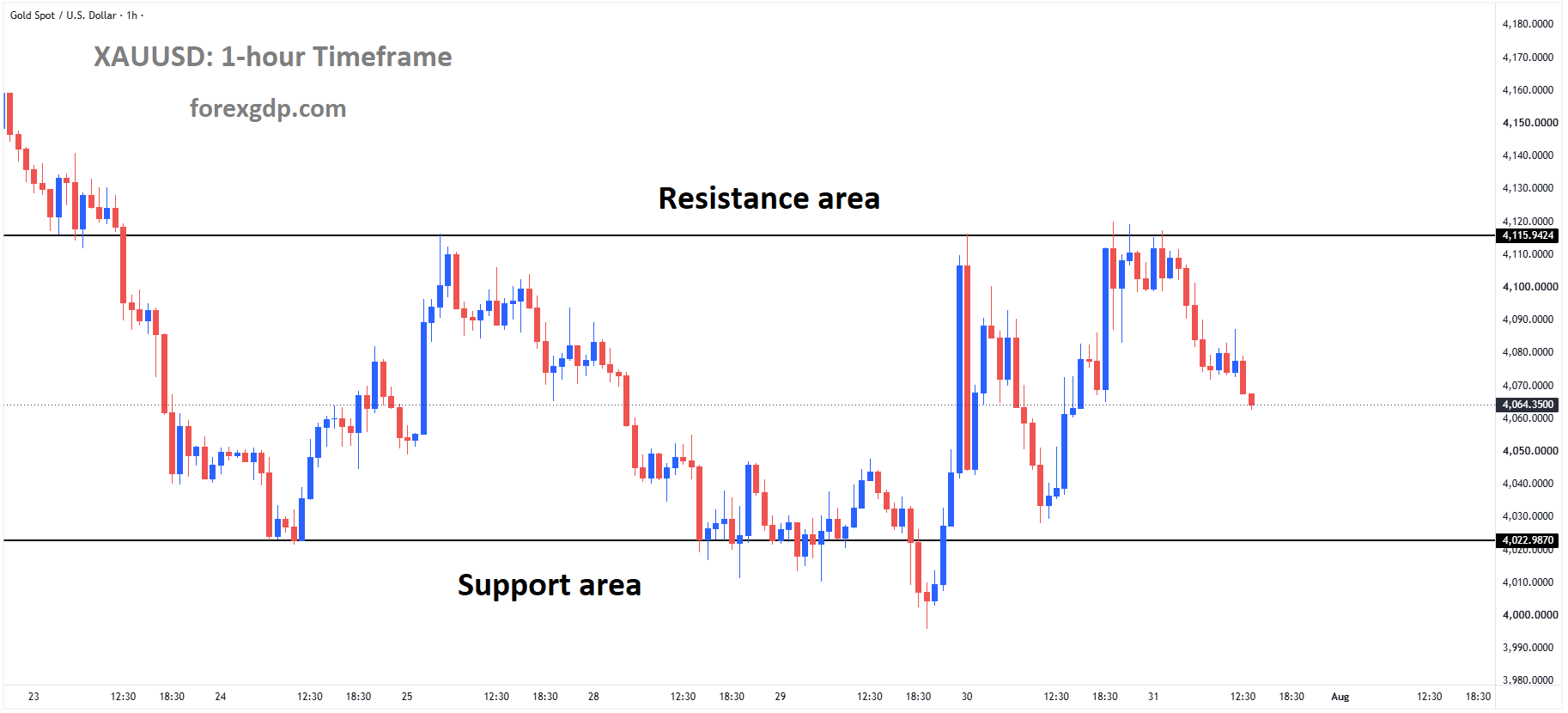
XAUUSD is moving in a box pattern, and the market has fallen from the resistance area of the pattern
At the same time, upcoming US inflation reports, employment data, and future Federal Reserve communication will play a major role in shaping market expectations. These events could determine whether the US Dollar continues to strengthen or begins to weaken again.
Until clearer direction emerges, Gold is likely to remain sensitive to every major economic headline and geopolitical development.
Final Summary
Gold has eased as the US Dollar recovered from recent weakness, while ongoing inflation concerns continue to support expectations of a cautious Federal Reserve. Rising energy costs linked to geopolitical tensions have added another layer of uncertainty, keeping investors focused on inflation and future policy decisions.
Although Gold continues to benefit from its safe-haven appeal, stronger demand for the US Dollar and the possibility of higher interest rates are limiting its upside. With important US economic data and geopolitical developments still in focus, investors are likely to remain cautious as they look for the next major catalyst in the Gold market.