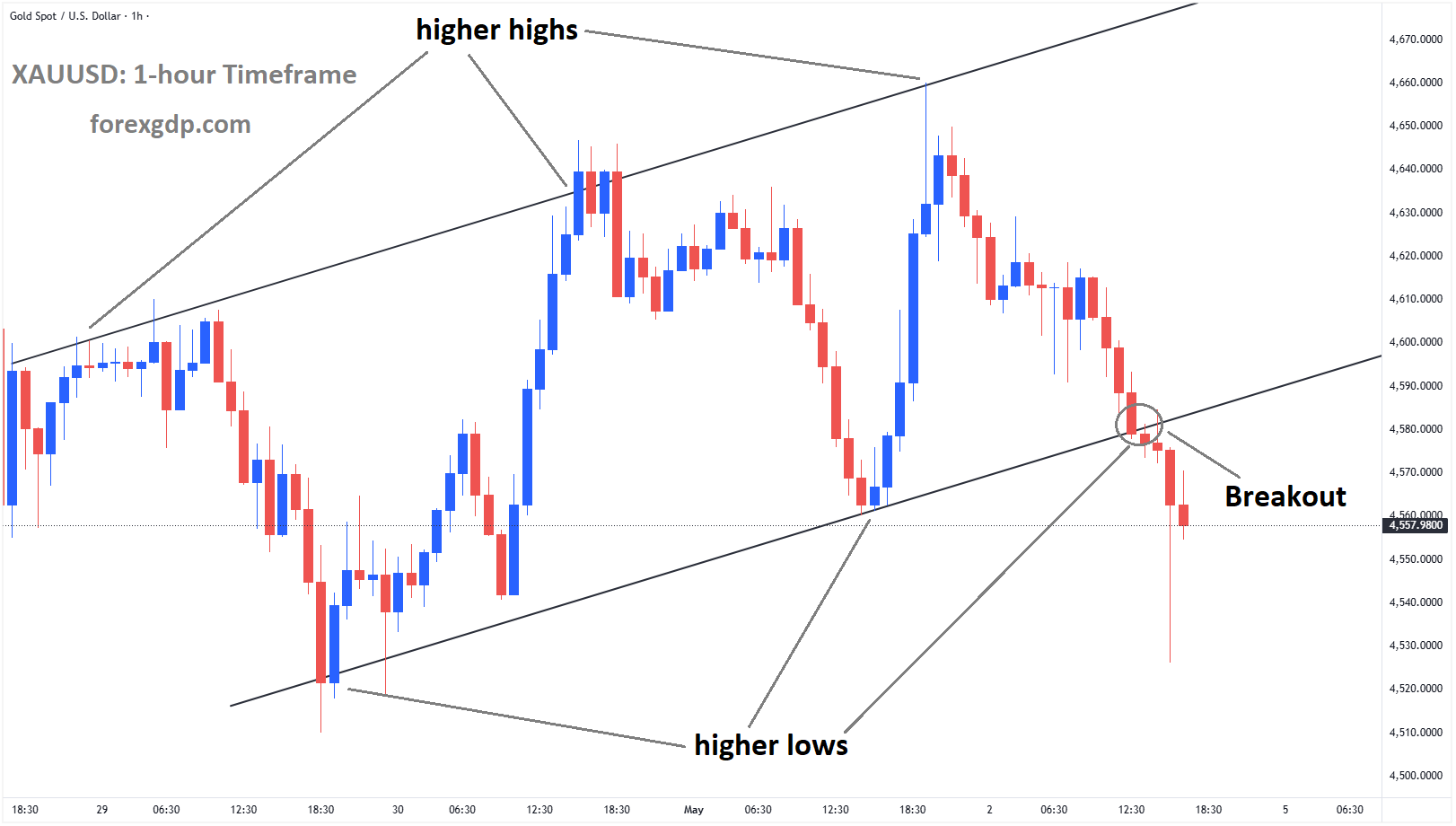
XAUUSD has broken the Ascending channel on the downside
Gold has started the week on a weaker note, struggling to gain momentum as several global factors continue to weigh on its appeal. The precious metal, often seen as a safe haven during uncertain times, is currently facing pressure from rising interest rate expectations and ongoing geopolitical tensions. While global risks remain elevated, the balance between economic policy and political instability is shaping the direction of gold in a complex way.
Rising Tensions in the Strait of Hormuz
A Key Global Flashpoint
The Strait of Hormuz, one of the most important waterways for global oil transportation, has once again become a center of concern. Recent developments have heightened fears about stability in the region. Reports from Iranian sources claimed that missiles targeted a US naval vessel near the island of Jask after warnings were allegedly ignored. However, US officials have denied that any such strike occurred.
This situation highlights how quickly tensions can escalate in sensitive regions. Even without confirmed damage, such incidents create uncertainty in global markets. The Strait of Hormuz plays a critical role in energy supply, and any disruption can have far-reaching effects.
Diplomatic Efforts Stall
Efforts to ease tensions between the United States and Iran have not made much progress. Negotiations appear to be stuck, with both sides unable to agree on key issues, particularly those related to nuclear policies. The United States has rejected Iran’s revised proposal and offered its own terms, which are now under review in Tehran.
The lack of a clear diplomatic breakthrough is adding to global uncertainty. When major powers fail to find common ground, markets often react with caution. Investors tend to move carefully, weighing risks across multiple fronts, including energy supply, political stability, and economic outlook.
Impact on Global Sentiment
The ongoing situation in the Middle East is keeping market sentiment fragile. Even though a broader conflict has not erupted, the possibility remains a concern. This uncertainty affects not just energy markets but also broader financial systems, including commodities like gold.
Interest Rate Expectations Weigh on Gold
Why Interest Rates Matter
One of the biggest factors influencing gold right now is the outlook for interest rates, especially in the United States. Gold does not offer any interest or yield, which means it becomes less attractive when interest rates are high. Investors often prefer assets that provide returns, such as bonds, when borrowing costs rise.
Recent signals suggest that central banks, particularly the Federal Reserve, may keep interest rates elevated for a longer period. There is even growing belief that rates could increase further in the future if inflation remains persistent.
Inflation and Energy Prices
The tension in the Strait of Hormuz is also affecting oil prices, as supply concerns push energy costs higher. Rising energy prices can lead to increased inflation, which complicates the job of central banks. To control inflation, policymakers may choose to maintain tighter monetary policies.
This creates a challenging environment for gold. While gold is traditionally seen as a hedge against inflation, higher interest rates can offset that benefit by reducing demand for non-yielding assets.
Stronger Dollar Adds Pressure

Another important factor is the strength of the US dollar. When interest rates are high or expected to rise, the dollar often becomes stronger. A stronger dollar makes gold more expensive for buyers using other currencies, which can reduce demand.
The combination of high interest rate expectations and a firm dollar is creating a difficult environment for gold to recover. Even though geopolitical risks usually support gold, the current economic conditions are limiting its upside.
The Role of Economic Data and Central Bank Signals
Key Data to Watch
Investors are closely watching upcoming economic data from the United States for clues about the future path of interest rates. Important reports on employment, business activity, and job openings are expected throughout the week.
These reports provide insight into how strong the economy is. If the data shows continued strength, it may support the case for keeping interest rates high. On the other hand, weaker data could ease pressure on central banks to tighten policy further.
Central Bank Communication
Statements from Federal Reserve officials will also play a key role. Markets pay close attention to any hints about future policy decisions. Even small changes in tone can influence expectations and shift market trends.
Clear communication from policymakers helps guide investor behavior. However, when signals are mixed or uncertain, it can lead to increased volatility across markets, including gold.
Balancing Risk and Opportunity
Safe Haven vs. Economic Reality
Gold often benefits during times of geopolitical stress, but the current situation shows that it does not move in isolation. While tensions in the Middle East are supporting its safe-haven appeal, strong economic factors are working against it.
This creates a delicate balance. Investors are weighing the risks of geopolitical instability against the reality of higher interest rates and a stronger dollar.
Market Sentiment Remains Cautious
The overall mood in financial markets remains cautious. There is no clear direction, as both positive and negative forces are at play. Traders and investors are taking a wait-and-see approach, looking for clearer signals before making major decisions.
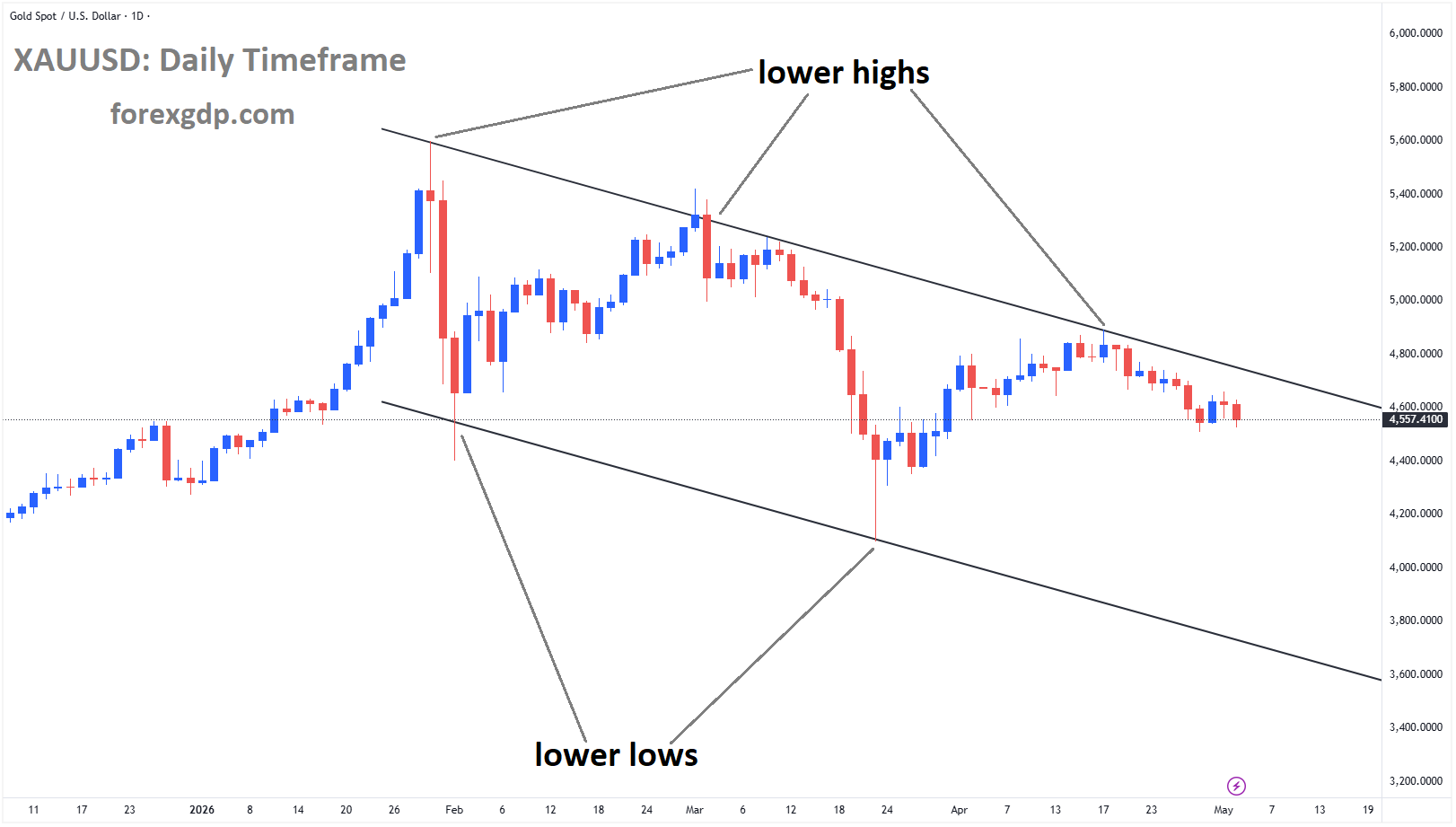
XAUUSD is moving in a descending channel, and the market has fallen from the lower high area of the channel
This cautious sentiment is reflected in gold’s performance, as it remains under pressure without a strong push in either direction.
What Lies Ahead for Gold
The future of gold will largely depend on how current global issues evolve. Several key factors will shape its path in the coming weeks:
- Developments in US-Iran relations and broader Middle East tensions
- Changes in energy prices and their impact on inflation
- Economic data from major economies, especially the United States
- Signals from central banks regarding interest rate policies
Each of these elements has the potential to shift market dynamics quickly. As a result, gold is likely to remain sensitive to both political and economic developments.
Summary
Gold is currently navigating a complex environment shaped by both geopolitical tensions and economic pressures. While uncertainty in the Middle East is providing some support, rising interest rate expectations and a strong US dollar are limiting its gains. The lack of progress in diplomatic talks between the United States and Iran is keeping markets on edge, while concerns about inflation and energy supply continue to influence central bank decisions.
As investors await important economic data and further guidance from policymakers, gold remains under pressure. Its direction will depend on how global risks and economic conditions unfold, making it a closely watched asset in the days ahead.