

XAUUSD is breaking the higher high area of the uptrend channel
Gold is back in the spotlight this week, and for good reason. On Tuesday, the precious metal pushed to new all-time highs as investors continued to look for safer places to park their money. The move came as global uncertainty stayed high, with ongoing war risks, rising trade tensions, and a softer US Dollar all helping to lift demand.
While gold often moves quietly in the background, it tends to take center stage when people feel nervous about the future. Right now, many investors are not just nervous—they’re cautious, watchful, and ready for sudden changes in global markets. That mindset is creating strong support for gold as a trusted safe-haven asset.
Why Gold Is Climbing to New Highs
Gold’s rise is being powered by a mix of global worries that are hard to ignore. Even when one risk fades, another seems to take its place. This kind of environment often pushes people toward assets that are seen as stable and reliable, and gold has played that role for generations.
At the moment, the key reasons behind gold’s strength include:
-
Ongoing geopolitical conflict in Eastern Europe
-
Growing fear of a trade clash between major Western economies
-
A weaker US Dollar, making gold more attractive globally
-
Investor caution ahead of major US economic updates later this week
Gold doesn’t pay interest, but it doesn’t need to when fear is high. When confidence drops in currencies or in political stability, gold becomes a popular option because it is widely recognized and easy to trade around the world.
Geopolitical Tensions Keep Safe-Haven Demand Strong
One of the biggest drivers behind gold’s rally is the continued uncertainty around global conflict. The war between Russia and Ukraine remains a major concern for world stability, and recent developments have reminded investors that the situation is far from improving.
Reports indicate that Russia launched heavy drone attacks targeting Ukraine’s energy infrastructure. These strikes led to widespread power outages during a time when freezing temperatures and high energy demand made the impact even more severe. On top of that, the Ukrainian capital of Kyiv also faced a combined drone and missile attack early Tuesday.
These events matter to gold because conflict can quickly disrupt economies, supply chains, and investor confidence. Even if the fighting is happening far from major financial centers, global markets react strongly when the risk of escalation rises.
Iran Unrest Cools, but Risks Don’t Disappear
At the same time, tensions in Iran appear to have eased slightly compared to earlier fears. US President Donald Trump seemed to step back from previous talk of possible military action against Iran, after Tehran’s harsh response to protests raised concerns about a wider crisis.
While this reduction in immediate risk may sound like good news, it hasn’t been enough to calm investors overall. With the Russia-Ukraine war still active and global politics becoming more unpredictable, gold continues to benefit from the broader atmosphere of uncertainty.
Trade War Fears Add Another Layer of Pressure
Beyond geopolitics, trade tensions are also playing a major role in gold’s latest push upward. Investors are watching closely as friction builds between the United States and parts of Europe, especially due to rising tensions tied to Greenland.
Over the weekend, Trump warned that he could introduce an additional 10% tariff starting February 1 on goods imported from eight European nations. According to his comments, these countries stand in the way of his efforts related to Greenland. This has added fuel to fears that trade relations could worsen quickly.
France, in particular, has suggested it could respond with a range of economic countermeasures—some of which have not been used before. That kind of language signals that the situation could turn into a serious economic standoff if both sides refuse to back down.
Trade wars tend to shake confidence because they can slow growth, raise costs, and damage business activity across multiple countries. When investors start worrying about global trade disruption, gold often becomes more attractive because it is not tied to the performance of any single economy.
A Weaker US Dollar Gives Gold an Extra Boost

Another major reason gold is rising is the US Dollar’s softer performance. Gold is priced in dollars, so when the dollar weakens, gold often becomes cheaper for buyers using other currencies. That can increase demand and help drive prices higher.
In this case, the US Dollar has faced pressure from renewed concerns about US trade policy. Trump’s tariff threats have helped revive what some investors call the “Sell America” trade—meaning a shift away from US-based assets due to fears about policy instability or economic impact.
Even though markets have reduced expectations for aggressive interest rate cuts in the future, the dollar hasn’t gained much support. Instead, investors appear more focused on the uncertainty surrounding trade and politics, which is keeping the dollar under pressure and giving gold another reason to climb.
Why the Dollar-Gold Relationship Matters
Gold and the US Dollar often move in opposite directions, although not always perfectly. When the dollar falls, gold can rise because:
-
It becomes more affordable for international buyers
-
It can act as a hedge against currency weakness
-
Investors may seek alternatives to cash-based assets
This is one reason why gold often performs well during times of political or economic instability in the United States, especially when policy headlines create uncertainty.
Investors Await Key US Inflation Data for the Next Move
Even with gold showing strong momentum, many traders may prefer to wait before making bigger moves. A major reason is the upcoming release of the US Personal Consumption Expenditure (PCE) Price Index on Thursday.
The PCE report is closely watched because it is the Federal Reserve’s preferred measure of inflation. Inflation data matters because it influences where interest rates may go next—and interest rates have a direct impact on gold demand.
If inflation stays high, the Fed may be less willing to cut rates quickly. If inflation cools, it could open the door for a more supportive policy stance. Either way, the report could shape market expectations and affect gold’s direction.
Alongside the PCE data, investors will also be paying attention to the final US third-quarter GDP report. Together, these updates may offer stronger clues about how the US economy is performing and what the Fed might do next.
How Fed Policy Impacts Gold
Gold is often sensitive to interest rate expectations because:
-
Higher rates can make interest-bearing assets more attractive than gold
-
Lower rates reduce the opportunity cost of holding gold
-
Changes in policy outlook can shift investor sentiment quickly
Even if gold is rising for safe-haven reasons, the Fed’s direction still matters. That’s why major inflation and growth reports often cause noticeable movement in the gold market.
What’s Driving Gold Sentiment Right Now
Right now, gold is being supported by a rare combination of factors all pointing in the same direction. Investors are dealing with multiple sources of uncertainty at once, including war risks, trade threats, and political tensions.
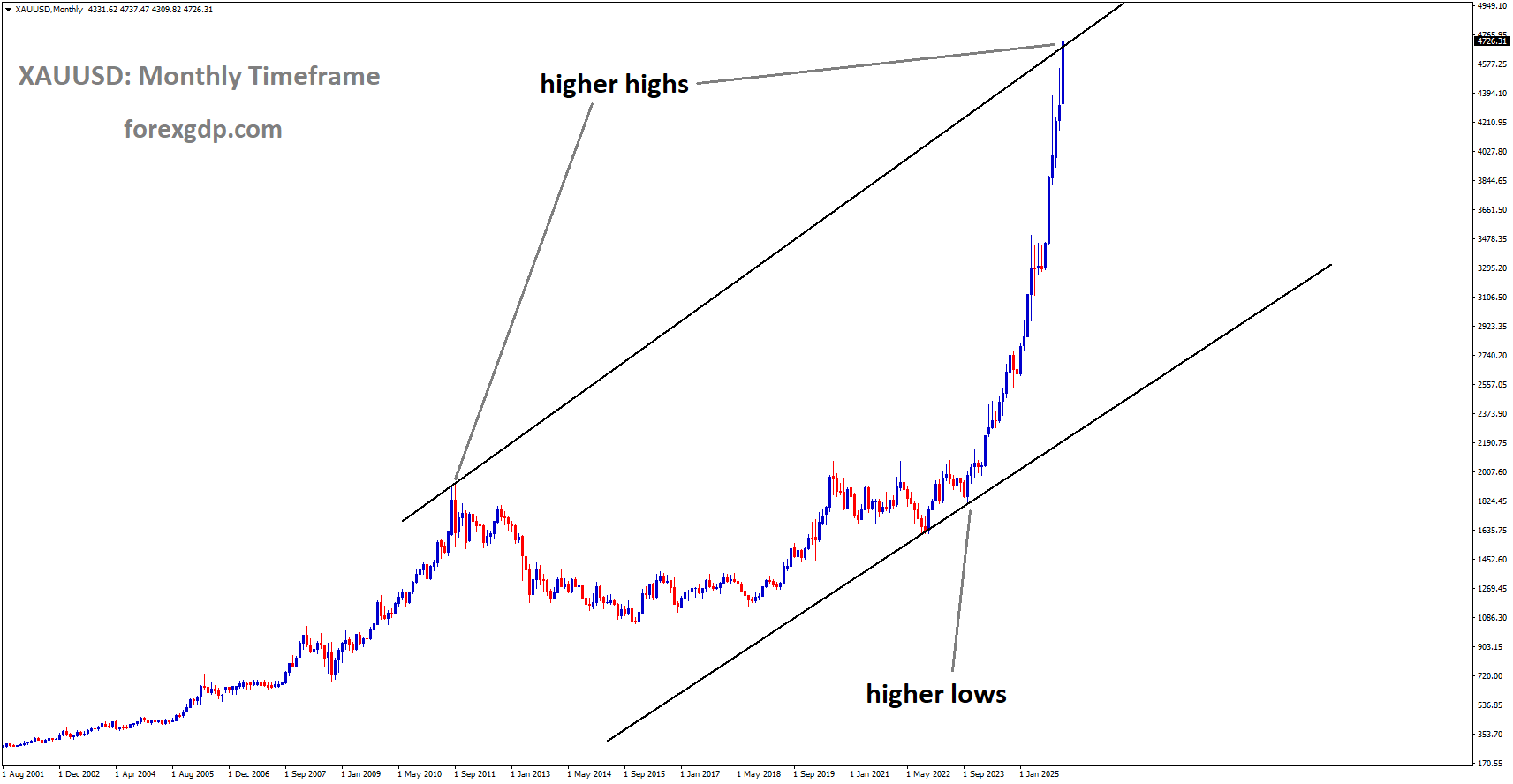
XAUUSD is moving in an uptrend channel, and the market has reached a higher high area of the channel
At the same time, the US Dollar is not providing its usual strength, which removes a common obstacle for gold. That has allowed buyers to stay confident and keep pushing gold higher.
It’s also worth noting that even when some risks fade—such as reduced fears of immediate US action against Iran—markets are still focused on the bigger picture. The overall global environment remains tense, and that keeps safe-haven demand alive.
Final Summary
Gold has climbed to fresh record highs as investors respond to ongoing global uncertainty and rising demand for safe-haven assets. The Russia-Ukraine war continues to create serious geopolitical risk, while fears of a potential US-EU trade conflict are adding new pressure to investor confidence. A weaker US Dollar has provided additional support, making gold more appealing to buyers worldwide. With major US inflation and economic reports due later this week, many traders are watching closely for the next key signal that could shape gold’s direction in the days ahead.