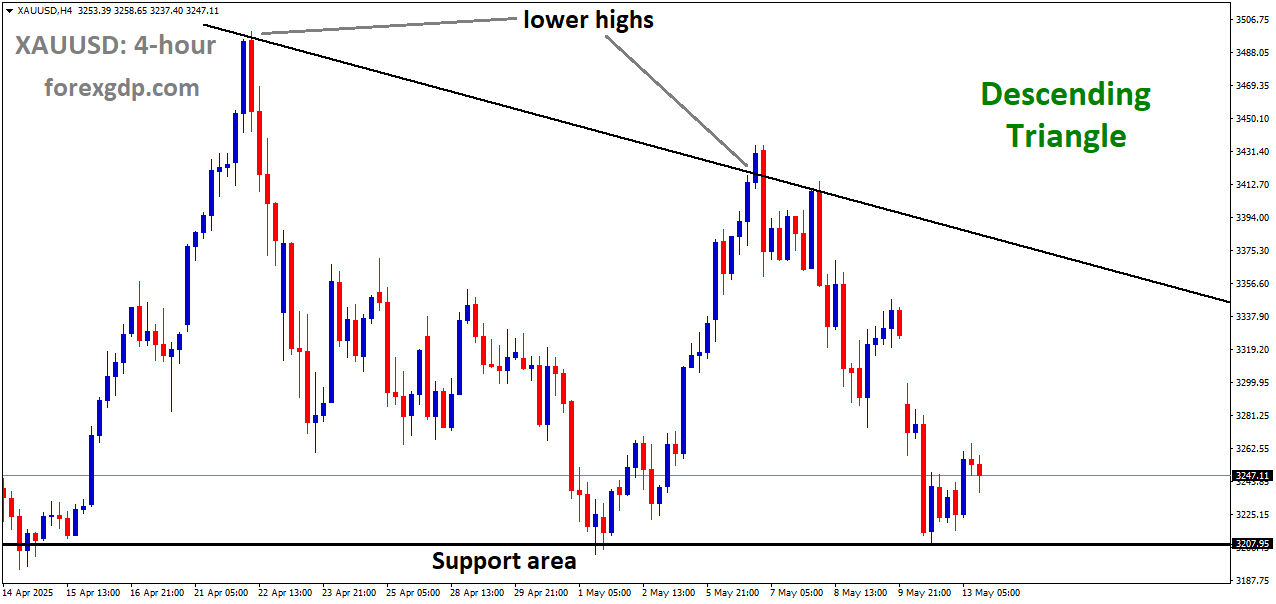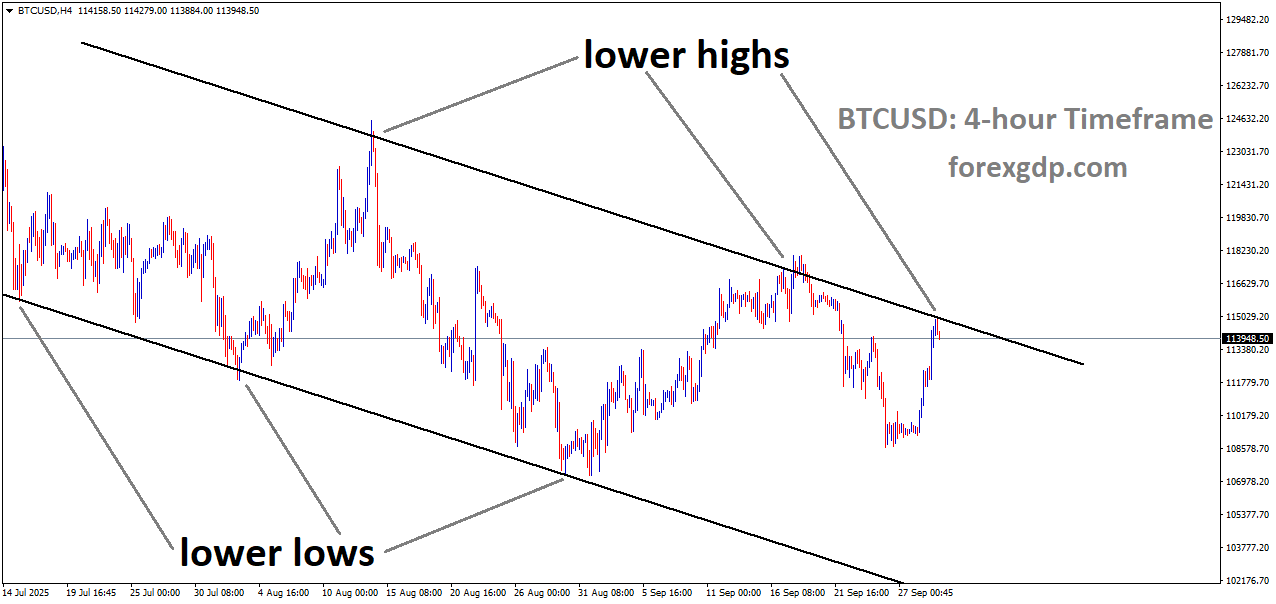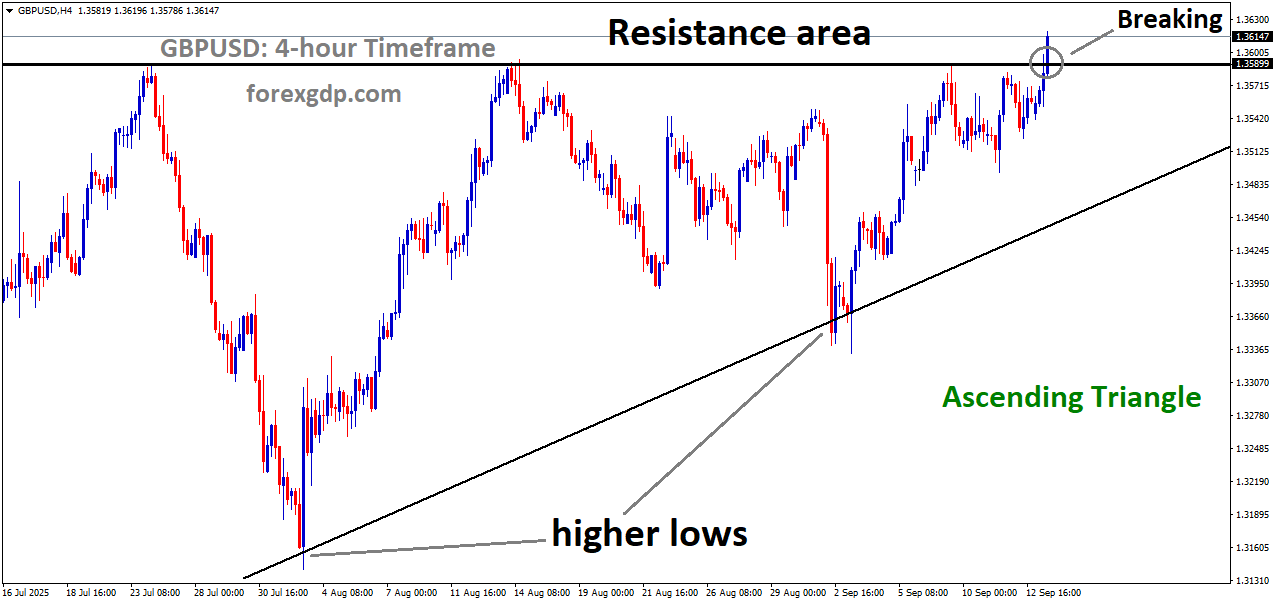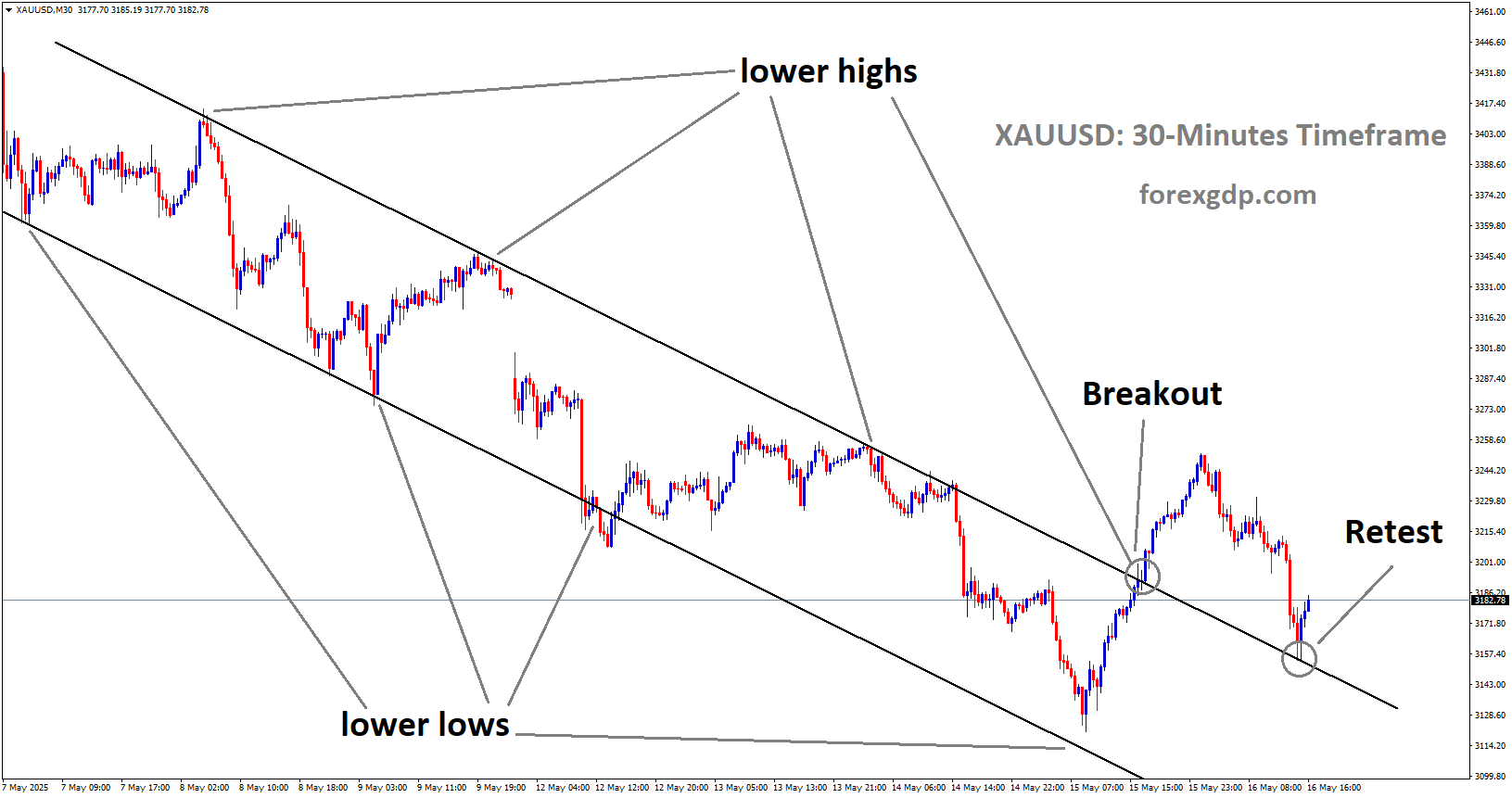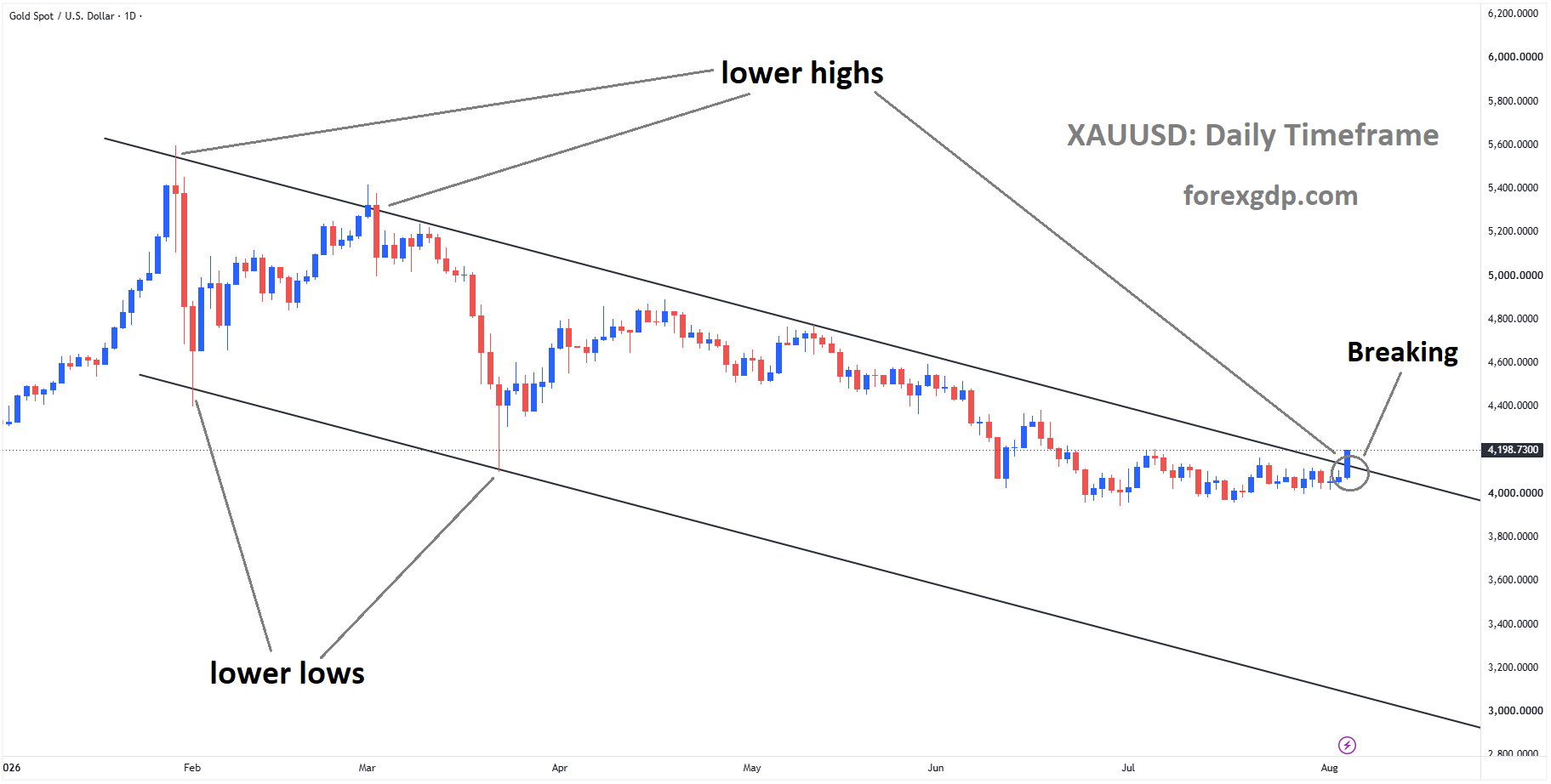
XAUUSD is breaking the lower high area of the descending channel
Gold recorded a strong advance on Wednesday as signs of weakness in the United States labour market placed fresh pressure on the US Dollar. Falling energy costs and growing hopes for progress in negotiations involving Iran also shaped investor sentiment.
The latest economic reports encouraged traders to reduce their expectations for another Federal Reserve interest-rate increase in September. This change made gold more attractive because the precious metal does not pay interest and often benefits when expectations for higher borrowing costs begin to fade.
Investors are now focused on the upcoming US Nonfarm Payrolls report. The figures could provide a clearer picture of employment conditions and influence the Federal Reserve’s next policy decision.
Weak US Employment Report Supports Gold
The ADP Employment Change report showed that private-sector employers added 44,000 jobs in July. The result was considerably weaker than the 70,000 increase expected by economists. It also represented a sharp slowdown from the 98,000 jobs created in June.
This disappointment added to concerns that the US labour market may be losing momentum. Employment has remained an important source of strength for the American economy, helping households maintain spending even as borrowing costs stayed elevated. Any meaningful slowdown could change the outlook for economic growth and monetary policy.
The ADP report followed weaker Job Openings and Labor Turnover Survey data released on Tuesday. That report also suggested that demand for workers was becoming less robust.
When several employment indicators begin pointing in the same direction, financial markets often reconsider their expectations for Federal Reserve policy. A cooling labour market could reduce wage pressure and slow consumer demand, potentially making it easier for inflation to move toward the central bank’s target.
The reports weakened the US Dollar, creating a more favourable environment for gold. Since bullion is commonly valued in dollars, a softer US currency can make it more affordable for buyers using other currencies.
Nonfarm Payrolls Report Takes Centre Stage

Attention has now shifted to Friday’s Nonfarm Payrolls report, one of the most closely followed economic releases in the world. It will offer a broader assessment of job creation across the US economy and provide information about unemployment and wage growth.
The report will be especially important because recent employment data has raised questions about the health of the labour market. A weak reading could strengthen the argument that the Federal Reserve should avoid further policy tightening. On the other hand, stronger-than-expected figures could show that the economy remains resilient despite restrictive financial conditions.
Federal Reserve officials closely monitor employment because their mandate includes both stable prices and maximum employment. While inflation remains a major concern, clear weakness in hiring could make officials more cautious about raising interest rates again.
Markets have already reduced the probability of a September rate increase. According to the CME FedWatch Tool, the estimated chance fell to 56.9% from 67.2% one day earlier. The decline shows how quickly expectations can change when important economic reports fail to meet forecasts.
Gold often responds positively when investors become less confident that interest rates will rise. Higher rates generally increase the appeal of interest-bearing assets, while lower or stable rates reduce that disadvantage for bullion.
Lower Energy Costs Ease Inflation Concerns
A decline in oil prices also contributed to gold’s rise by reducing some concerns about future inflation. Energy costs affect transportation, manufacturing and household expenses, meaning that changes in oil prices can influence inflation across the wider economy.
Strategists at ING said lower energy costs had created a more supportive setting for bullion. Reduced pressure from fuel prices could make another Federal Reserve rate increase less necessary, particularly if the labour market continues to soften.
However, the situation remains complicated. The Federal Reserve is still expected to keep monetary policy restrictive until policymakers are confident that inflation is moving sustainably toward the central bank’s 2% target.
This means borrowing costs could remain elevated for an extended period even if officials decide against another immediate increase. Such a policy environment may limit gold’s ability to build uninterrupted momentum.
Investors are therefore balancing two different forces. Softer economic data and reduced expectations for rate increases are helping gold, while the possibility of interest rates staying high for longer remains a challenge.
Iran Talks Improve the Geopolitical Outlook
Developments involving the United States and Iran also attracted market attention. US President Donald Trump said Washington had held “very good discussions” with Iran during negotiations on Tuesday. He also expressed confidence that the Strait of Hormuz would reopen soon.
The Strait of Hormuz is one of the world’s most important shipping routes for oil and gas. Any disruption in the area can create fears of supply shortages, raise transportation costs and increase energy-market volatility.
Axios reported that the United States, Iran and Oman were moving closer to an interim agreement. The proposed arrangement would reportedly create a temporary 60-day framework between Iran and Oman aimed at restoring shipping activity.
Progress toward reopening the waterway helped reduce fears about energy supplies. That placed downward pressure on oil prices and eased some inflation concerns in the United States.
Improving diplomatic conditions can sometimes reduce demand for gold as a safe-haven asset. In this case, however, the effect of a weaker dollar and lower interest-rate expectations appeared to be more influential.
Federal Reserve Policy Remains the Main Question
The direction of gold will continue to depend heavily on the Federal Reserve’s assessment of inflation, employment and economic growth. Although expectations for a September increase have declined, policymakers have not indicated that the fight against inflation is over.
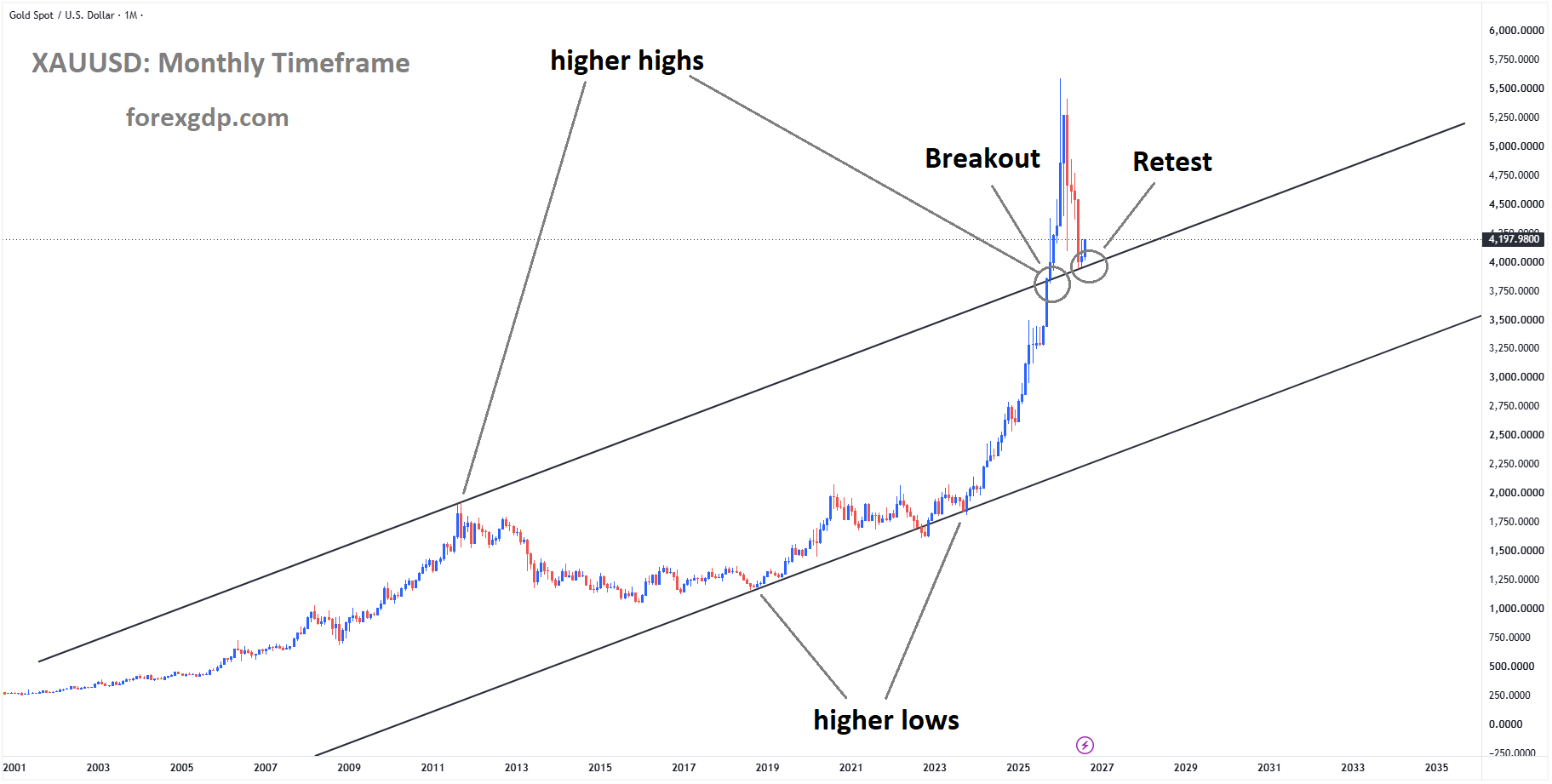
XAUUSD reached the retest area of the broken ascending channel
The central bank may prefer to maintain a cautious position until it sees consistent evidence that inflation is returning to its target. Officials will also need to determine whether weaker employment figures represent a temporary slowdown or the beginning of a more serious deterioration.
Upcoming labour data could therefore play a major role in shaping policy expectations. Investors will examine job creation, wage growth and unemployment for signs that restrictive monetary policy is having a deeper effect on the economy.
Energy developments will remain important as well. A lasting agreement that restores shipping through the Strait of Hormuz could keep oil costs under pressure and reduce the risk of another inflationary shock. However, negotiations remain sensitive, and any breakdown could quickly reverse market confidence.
Summary
Gold strengthened sharply as disappointing US employment reports weakened the dollar and reduced expectations for a September Federal Reserve rate increase. Slower private-sector job creation and softer job-opening figures raised concerns that the American labour market is losing momentum.
Falling oil prices provided additional support by easing fears of renewed inflation. Hopes for an interim agreement involving the United States, Iran and Oman also improved expectations that shipping through the Strait of Hormuz could resume.
The Nonfarm Payrolls report will now be the next major test for market sentiment. Its findings could determine whether investors continue reducing expectations for tighter monetary policy or reconsider the strength of the US economy. Gold’s outlook will remain closely connected to employment conditions, inflation trends, Federal Reserve decisions and diplomatic developments in the Middle East.