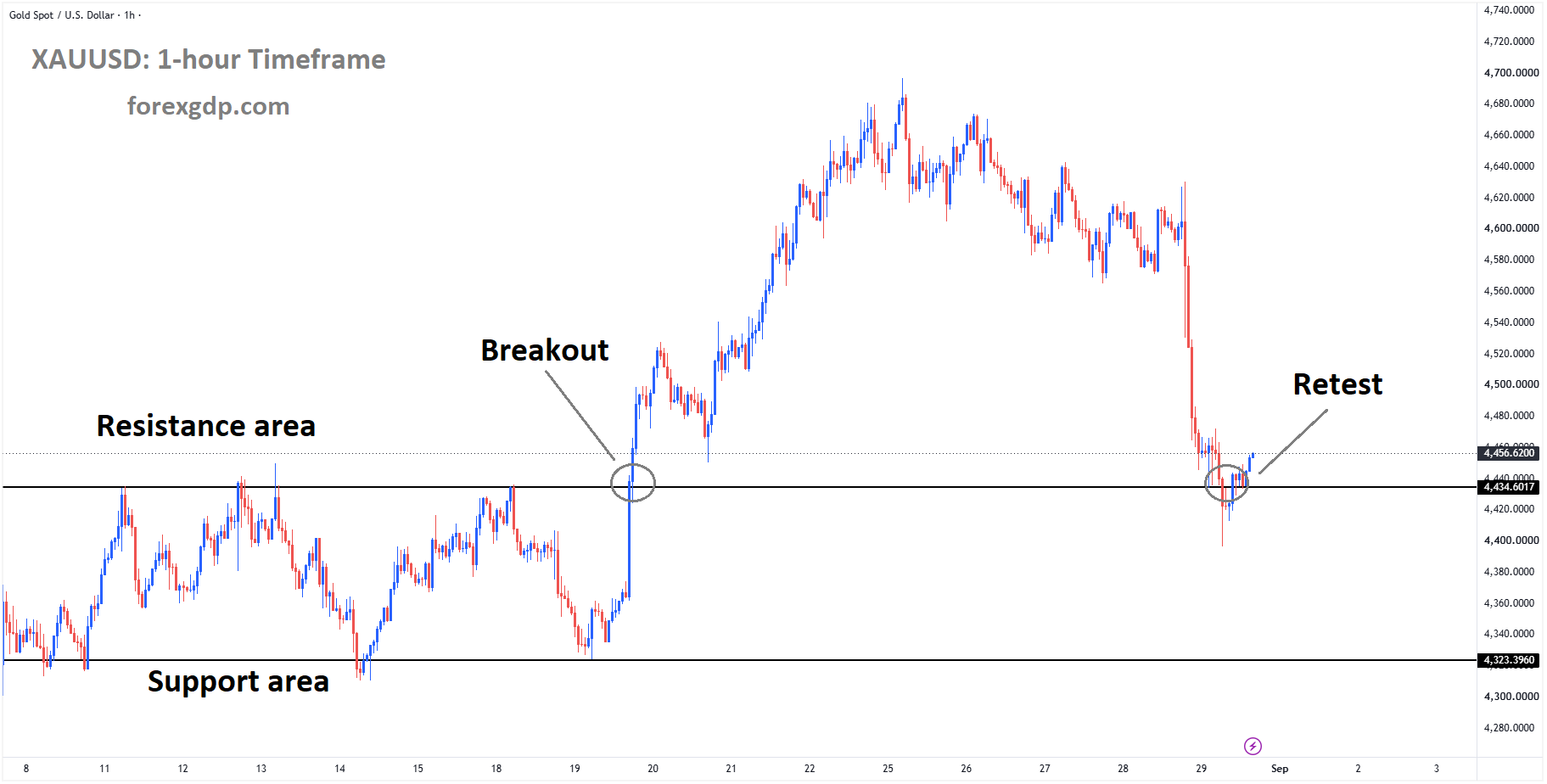
Gold started the week under pressure before finding a degree of stability. The precious metal managed to recover from its earlier weakness, but buyers remained cautious. The main concern is the growing belief that US interest rates could stay high for longer or even rise again if inflation fails to improve.
This change in market expectations has created a difficult environment for gold. Unlike bonds or savings accounts, gold does not pay interest. When interest rates rise, investors can earn better returns from interest-bearing assets. As a result, some may reduce their exposure to precious metals and move money into the US Dollar or government bonds.
Still, gold is not without support. Geopolitical uncertainty, central-bank purchases and concerns about inflation continue to make the metal attractive as a defensive asset. The market is now balancing these supportive forces against the pressure created by a more hawkish Federal Reserve outlook.
Federal Reserve Expectations Weigh on Gold Demand
The latest weakness in gold followed comments from Federal Reserve Chair Kevin Warsh at the Jackson Hole Symposium. Investors interpreted his message as hawkish because he suggested that additional interest-rate increases could remain possible unless inflation shows convincing progress toward the central bank’s target.
His comments caused a major shift in expectations. Before the speech, many investors believed the Federal Reserve would avoid another increase in borrowing costs. However, the possibility of a rate hike at the next policy meeting became much stronger after his remarks.
Warsh’s position was clear: the central bank needs stronger proof that underlying inflation is moving in the right direction. If price pressures remain persistent, policymakers may believe that more action is required.
This matters greatly for gold. Higher interest rates increase the opportunity cost of holding an asset that produces no regular income. Investors who can receive attractive returns from short-term government debt may see less reason to hold gold, especially during periods when the US economy remains resilient.
The Federal Reserve does not need to raise rates immediately to pressure the metal. Even the expectation of tighter monetary policy can influence investment decisions. When traders believe rates will remain elevated, the US Dollar and Treasury yields often receive support, creating an additional obstacle for gold.
US Dollar and Treasury Yields Shape Market Sentiment
Gold received some relief when the US Dollar and Treasury yields eased from their recent highs. A weaker Dollar can support demand for bullion because gold becomes more affordable for buyers using other currencies.
However, the pullback in the Greenback was not enough to create strong confidence among gold buyers. The broader outlook still depends heavily on the Federal Reserve and incoming US economic information.
Treasury yields are another important influence. When yields rise, government bonds become more appealing to income-focused investors. Gold cannot offer the same type of return, so demand may weaken when bond yields remain elevated.
Even so, gold has delivered a strong monthly performance. One reason has been the US Treasury’s decision to increase liquidity-support purchases of longer-term government bonds. That announcement helped improve sentiment toward gold by raising questions about financial conditions, government borrowing and the long-term value of paper currencies.
These concerns can encourage investors to hold gold as a store of value. But the benefit may be limited if the Federal Reserve continues to favour restrictive monetary policy.
Oil Prices Add Fresh Inflation Concerns

Rising oil prices have added another layer of uncertainty. Tensions in the Middle East intensified after Iran reported attacks involving US military positions following American strikes on Iranian targets. Some claims surrounding these events were disputed, but the situation was enough to increase concern about regional stability and possible energy-supply disruptions.
Higher energy costs can push inflation upward because oil influences transportation, manufacturing and consumer expenses. Businesses facing larger fuel and shipping bills may pass those costs on to customers. This makes it harder for inflation to return to the Federal Reserve’s preferred level.
For gold, the effect is complicated. Inflation fears can increase demand for the metal because many investors view it as protection against the falling purchasing power of money. At the same time, stronger inflation may encourage the Federal Reserve to maintain high rates or tighten policy further.
Therefore, rising oil prices can support gold through safe-haven demand while also hurting it through higher interest-rate expectations. It is a push-and-pull situation, and neither side currently has complete control.
Geopolitical Risks Continue to Support Safe-Haven Demand
Gold often attracts buyers when political or military uncertainty increases. Investors value the metal because it is not tied to the financial health of a particular company or government. During unstable periods, that independence can become especially attractive.
Ongoing tensions in the Middle East could keep defensive demand alive. Any sign of a broader conflict, disruption to shipping routes or damage to energy infrastructure may encourage investors to seek protection in traditional safe-haven assets.
However, geopolitical fear does not always produce a lasting rise in gold demand. The reaction depends on the seriousness of the event and whether investors believe the crisis will affect the global economy. Short-lived headlines may create temporary interest, while a prolonged conflict could have a much deeper impact.
For now, geopolitical uncertainty is helping to prevent a sharper decline in gold. Yet it has not completely overcome the pressure caused by expectations of tighter US monetary policy.
Central-Bank Buying Provides Long-Term Support
Central-bank demand remains one of the strongest long-term foundations for gold. Many central banks have increased their gold reserves to diversify away from traditional currencies and reduce dependence on the US Dollar.
These purchases are generally not driven by short-term market movements. Central banks often view gold as a strategic reserve asset that can provide security during currency weakness, inflation or global financial stress.
Consistent official-sector buying can absorb some of the selling created by private investors. It also shows that gold continues to play an important role in the global monetary system.
Nevertheless, central-bank demand does not guarantee that gold will rise continuously. Short-term sentiment is still influenced by interest rates, the Dollar, Treasury yields and economic data. Official purchases may provide a solid base, but they cannot remove every period of weakness.
US Economic Data Takes Centre Stage
Investors will closely examine upcoming US economic reports for evidence about the Federal Reserve’s next move. Business activity surveys and the Nonfarm Payrolls report will be among the most important releases.
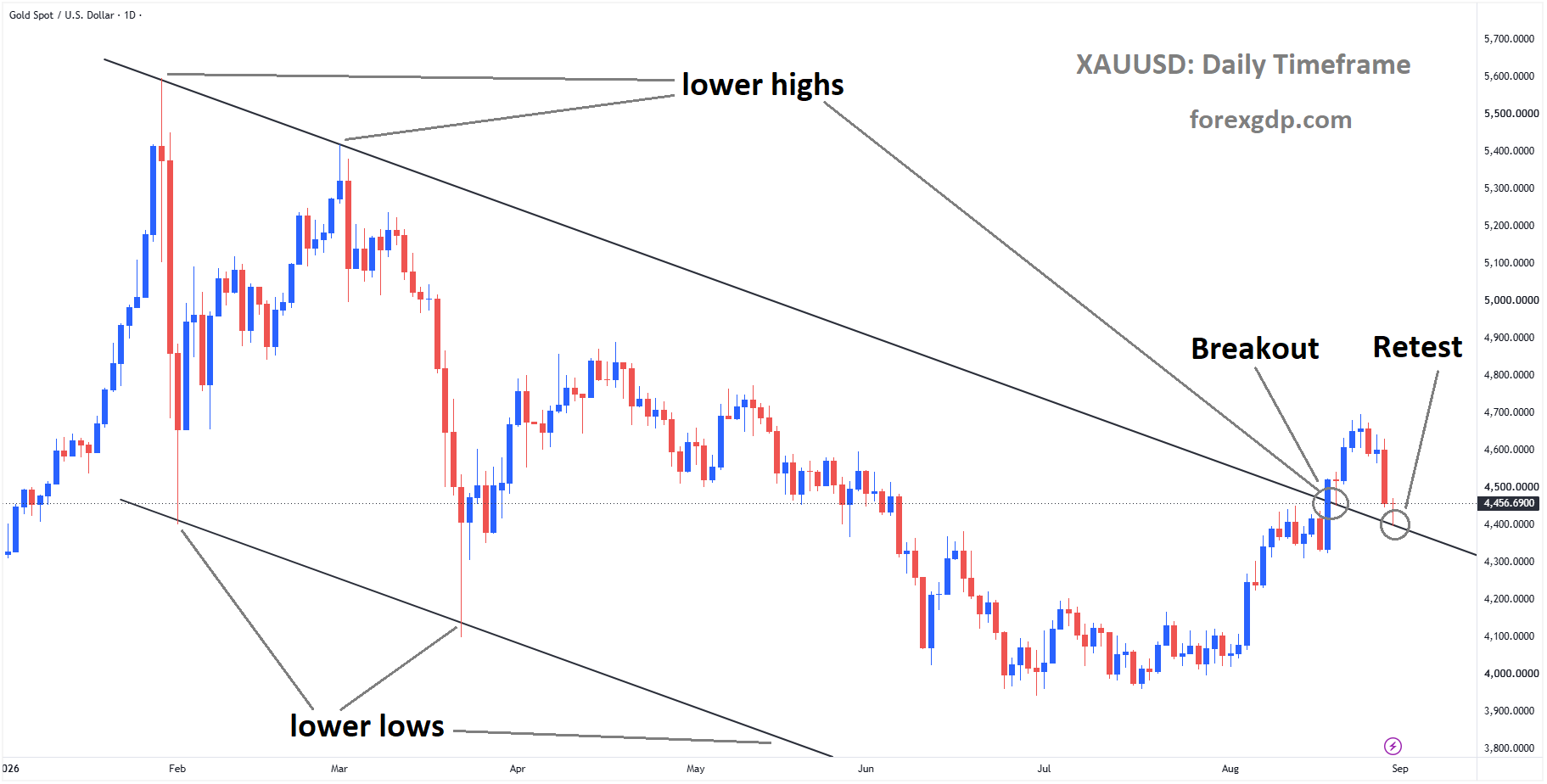
XAUUSD reached the retest area of the broken descending channel
Strong economic figures could strengthen the case for higher interest rates. If businesses continue to expand and employers create jobs at a healthy pace, the Federal Reserve may feel more comfortable keeping policy restrictive.
On the other hand, weaker data could reduce expectations of another rate hike. Signs of slower hiring or softer business activity may suggest that high borrowing costs are already affecting the economy.
Inflation information will remain equally important. The Federal Reserve wants clear and lasting evidence that underlying price pressures are moving toward its target. Until that happens, policymakers may continue to warn that further action is possible.
Gold could therefore remain sensitive to every major US report. Surprises in either direction may quickly change expectations surrounding rates, the Dollar and investor demand for precious metals.
Final Summary
Gold has regained some stability, but its recovery remains limited by higher-for-longer interest-rate expectations. The Federal Reserve’s hawkish message has encouraged investors to consider the possibility of another rate increase, making interest-bearing assets more attractive than non-yielding gold.
At the same time, rising oil prices, Middle East tensions and continued central-bank purchases are providing important support. These factors keep gold relevant as a hedge against inflation, geopolitical risk and financial uncertainty.
The next direction will depend heavily on US economic data and the Federal Reserve’s response. Until investors receive clearer evidence about inflation, employment and business activity, gold may remain caught between safe-haven demand and the pressure of restrictive monetary policy.