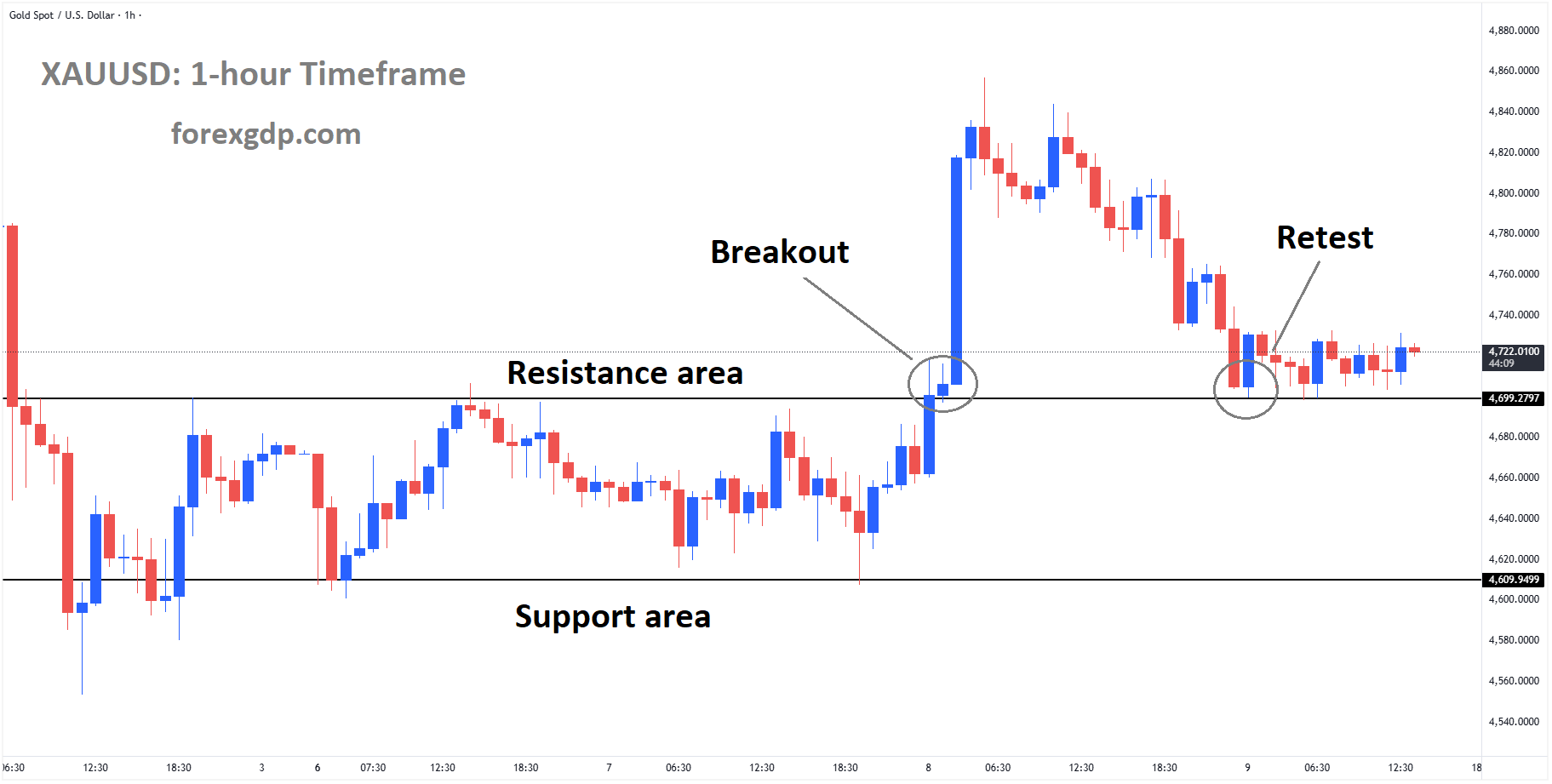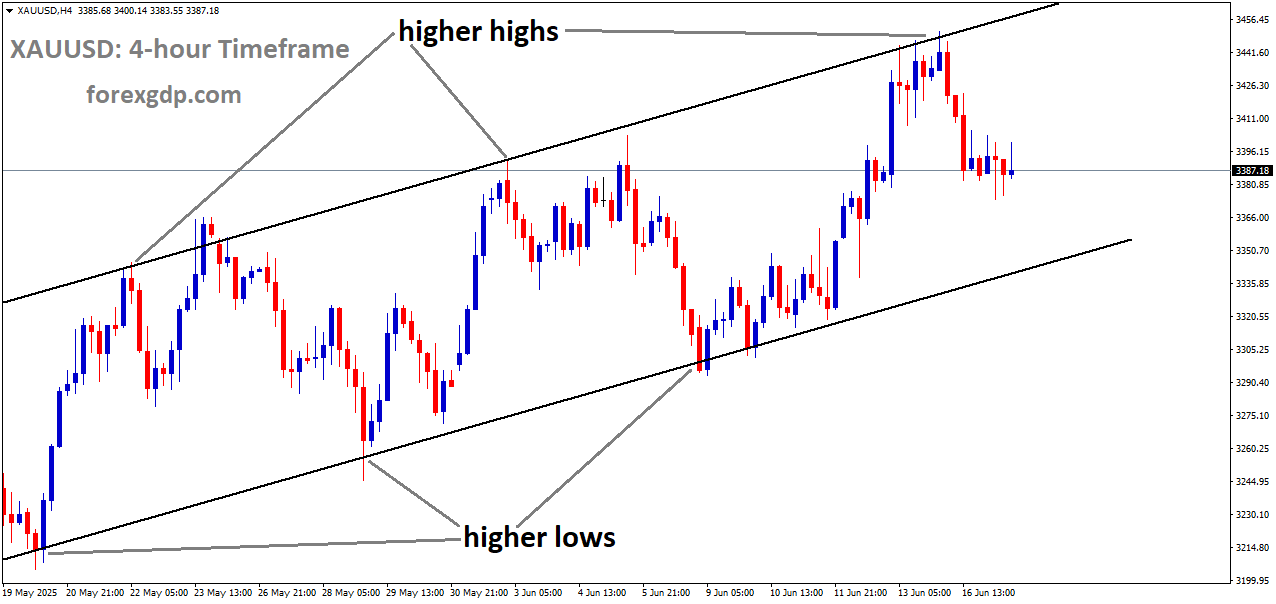

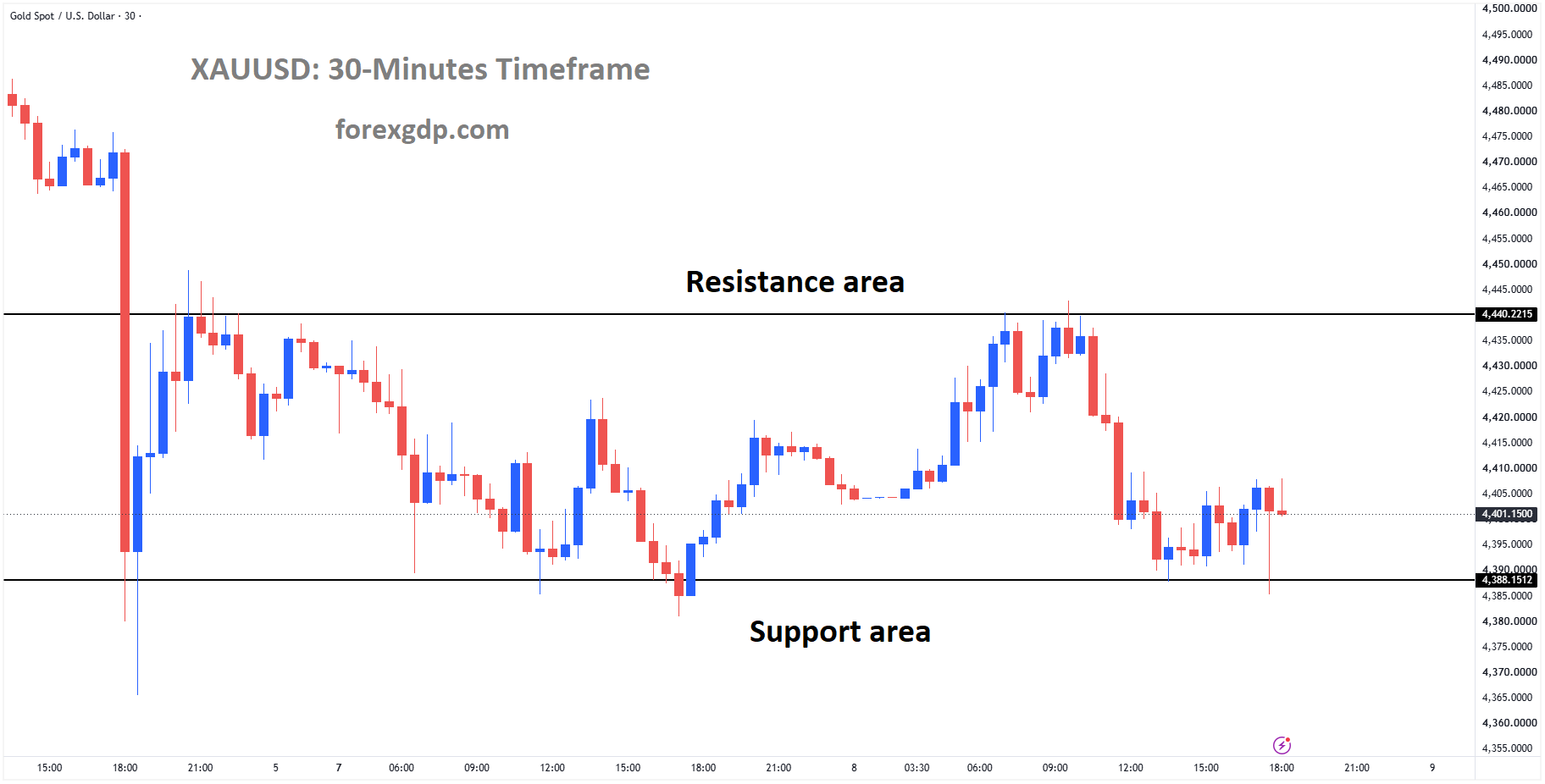
XAUUSD is rebounding from the support area of the box pattern
Gold came under fresh pressure during Tuesday’s American trading session after failing to hold its earlier advance. The precious metal initially attracted buyers as geopolitical tensions in the Middle East became more serious. However, the move quickly lost strength when the US Dollar recovered and rising Oil prices created new concerns about inflation.
A stronger US Dollar often makes Gold more expensive for buyers using other currencies. This can reduce international demand and place pressure on the metal. Although the Greenback’s recovery was limited, it was enough to encourage some traders to reduce their exposure to Gold.
The change in sentiment shows how difficult the current environment has become for bullion. Gold usually benefits from political uncertainty and military conflict, but investors are now balancing those risks against the possibility of tighter monetary policy in the United States.
Middle East Tensions Keep Investors Alert
Geopolitical risks remain an important part of the Gold outlook. Tensions in the Middle East intensified after Iran-backed Houthi forces reportedly attacked energy facilities in several southern Saudi cities.
The latest incident followed a series of military actions involving the United States and Iran. The United States had previously targeted Iranian vessels, while Tehran responded by attacking American warships and Oil tankers. These developments have increased fears that the conflict could spread and disrupt major energy routes.
Gold is traditionally seen as a safe-haven asset during periods of political and military uncertainty. Investors often turn to it when they become worried about global stability, financial markets, or the safety of other assets. That explains why bullion initially received support following the latest escalation.
However, geopolitical tension does not always produce a lasting rise in Gold. The final impact depends on how other markets respond. In this case, the sharp reaction in the energy market complicated the situation for the precious metal.
Rising Oil Prices Create an Inflation Problem
Oil prices continued to climb as traders considered the possibility of supply disruptions. Saudi Arabia is one of the world’s most important energy producers, so attacks on its facilities can quickly raise concerns about global Oil availability.
Higher energy costs can spread through the wider economy. Businesses may face more expensive transport, production, and delivery costs. These additional expenses are often passed on to consumers through higher prices for goods and services.
This matters for Gold because rising Oil prices can keep inflation elevated. Although Gold is widely regarded as a hedge against inflation, its relationship with inflation is not always straightforward. If stronger price pressures encourage central banks to raise interest rates, the result can become negative for the metal.
Gold does not provide regular interest payments. When borrowing costs rise, interest-bearing assets can become more attractive to investors. As a result, expectations of higher rates may reduce demand for non-yielding assets such as bullion.
Therefore, the same geopolitical tensions that initially support Gold can later create pressure by driving energy costs and interest-rate expectations higher.
US Dollar Finds Support

The US Dollar recovered some of its recent losses as investors responded to renewed concerns about inflation and global uncertainty. Demand for the currency had previously weakened, partly because of a strong rally in the Japanese Yen.
The Dollar often attracts buyers when financial markets become nervous. It remains one of the world’s main reserve currencies and is widely used in international trade. During uncertain periods, investors may hold more US Dollars as part of a defensive strategy.
This creates competition for Gold. Both assets can benefit from safe-haven demand, but a rising Dollar often limits Gold’s ability to advance. Because bullion is mainly traded in US currency, Dollar strength can make the metal less affordable outside the United States.
The latest recovery in the Greenback was not dramatic, but it added to the pressure already created by concerns about US monetary policy.
Federal Reserve Expectations Remain the Main Challenge
The Federal Reserve has not increased interest rates so far this year, but policymakers continue to express concern about inflation. Price growth has remained above the central bank’s long-term target, making officials cautious about declaring victory over inflation too early.
A stronger-than-expected US employment report has added another layer to the debate. The healthy labour market has reduced immediate worries about economic weakness and may give the Fed more freedom to concentrate on controlling inflation.
When employment remains strong, the central bank may feel less pressure to support the economy with lower borrowing costs. Instead, policymakers can maintain or raise rates if they believe inflation remains a serious threat.
This is an uncomfortable situation for Gold. The metal usually performs better when interest rates are low or expected to fall. Lower rates reduce the advantage of holding bonds and other assets that pay interest. On the other hand, the possibility of tighter policy can make bullion less appealing.
Traders are therefore watching the Federal Reserve’s next policy meeting closely. Expectations of a possible rate increase have grown, but the decision will depend heavily on upcoming economic information.
US Inflation Reports Take Centre Stage
The next major clues will come from the US Producer Price Index and Consumer Price Index reports. These releases will show whether inflationary pressure is increasing, easing, or remaining stubbornly high.
The Producer Price Index measures changes in the prices received by domestic producers. It can provide an early indication of cost pressures that may eventually reach consumers. If companies are paying more for materials, transport, and energy, they may raise their own prices.
The Consumer Price Index measures changes in the cost of goods and services purchased by households. It is one of the most closely followed inflation reports because it directly affects expectations for Federal Reserve policy.
Stronger inflation figures could support the case for higher interest rates. Such an outcome may strengthen the US Dollar and create additional pressure on Gold. Softer inflation data could have the opposite effect by reducing expectations of tighter policy and giving the precious metal some breathing room.
Gold Faces Conflicting Market Forces
Gold is currently caught between two powerful influences. On one side, military tensions and fears of energy supply disruptions are encouraging demand for traditional safe havens. On the other, rising Oil prices are increasing inflation concerns and supporting expectations of higher US interest rates.
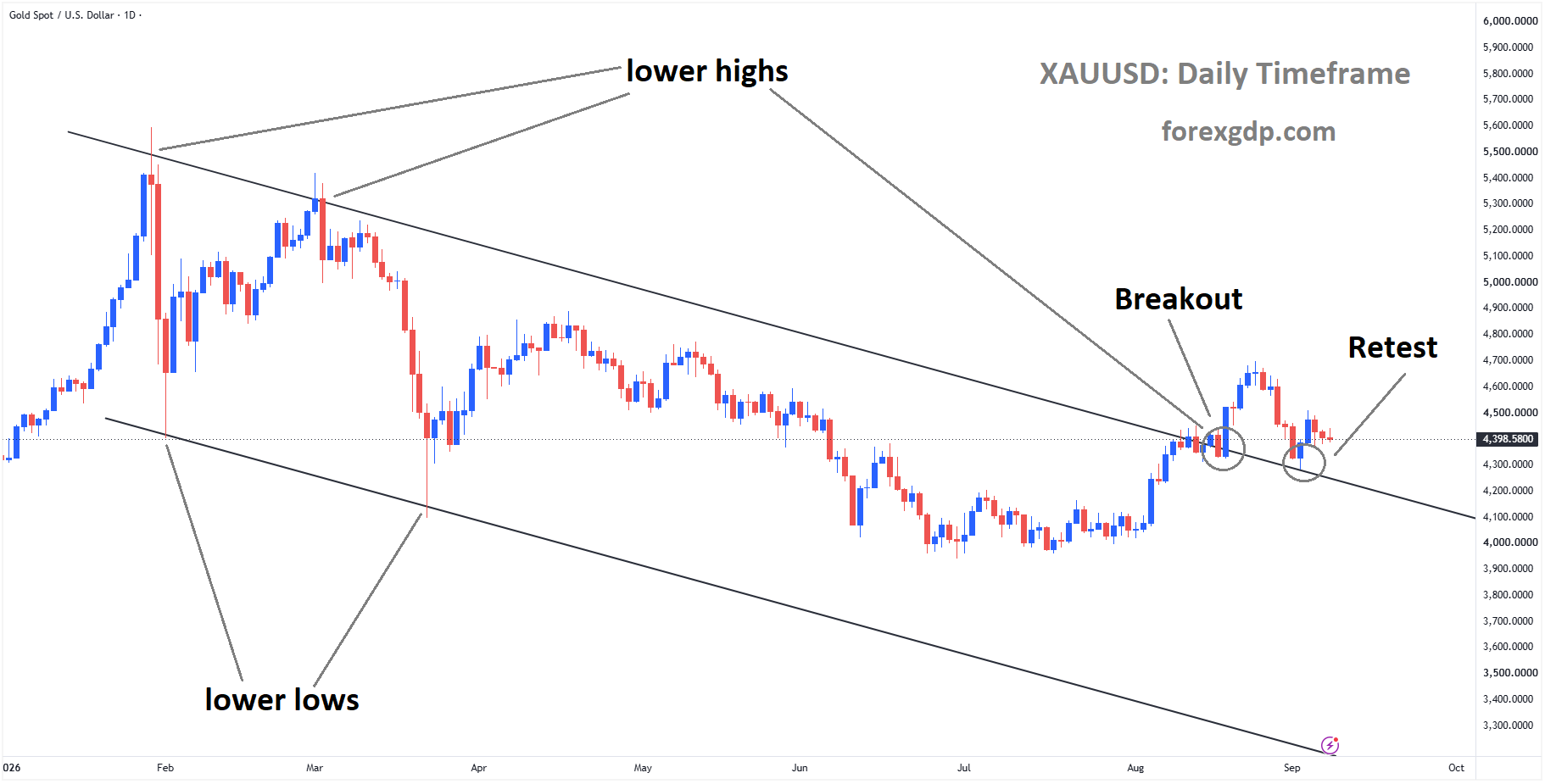
XAUUSD reached the retest area of the broken descending channel
This conflict explains why Gold has struggled to maintain its gains. Geopolitical uncertainty may continue to provide underlying support, but monetary policy remains a major obstacle. Investors are likely to remain cautious until the latest inflation reports offer clearer guidance.
Final Summary
Gold lost momentum as the US Dollar recovered and higher Oil prices increased concerns about persistent inflation. Escalating tensions in the Middle East initially supported safe-haven demand, but fears of tighter Federal Reserve policy limited the metal’s strength.
The upcoming US inflation reports will play an important role in shaping expectations for the Fed’s next decision. Strong readings may increase the possibility of higher borrowing costs and keep Gold under pressure. Weaker figures could reduce rate-hike fears and improve demand for the precious metal.