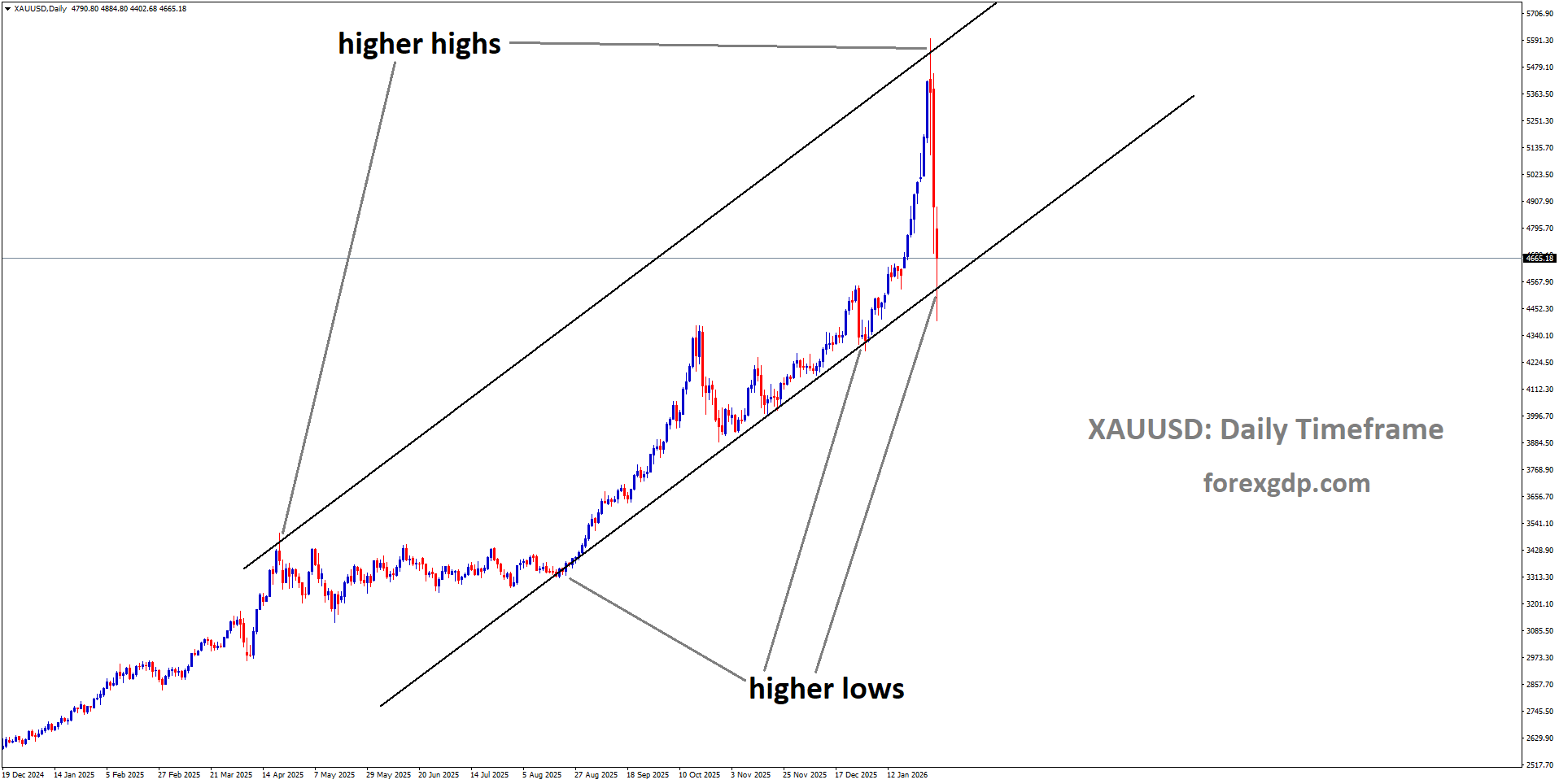
XAUUSD is moving in an ascending channel, and the market has reached the higher low area of the channel
Gold started the week under pressure as investors reassessed the balance between political developments in the United States and ongoing global uncertainty. After a strong run that pushed the metal to record territory last week, some traders chose to lock in profits, leading to a softer tone during early European trading hours on Monday.
This pullback does not signal a sudden loss of interest in gold. Instead, it reflects a market that is trying to digest mixed signals: signs of stability in US monetary leadership on one hand, and persistent geopolitical and economic risks on the other. As a result, gold is caught between short-term selling and longer-term support factors that continue to attract buyers.
Profit-Taking After a Strong Rally
Gold’s recent weakness largely comes down to timing. The metal had surged sharply in previous sessions, driven by uncertainty around US politics and global conflicts. When prices reach new highs, it is common for investors to pause and secure gains. That natural wave of profit-taking can create temporary downward pressure, even if the broader outlook remains supportive.
Another factor influencing sentiment is a growing sense of clarity around the future leadership of the US Federal Reserve. Reports that Kevin Warsh has been nominated to succeed the current Fed chair have helped calm fears about abrupt or politically motivated changes in monetary policy. For some investors, this perceived stability reduces the immediate need to hold large safe-haven positions, including gold.
This shift does not mean confidence has fully returned to markets. Rather, it suggests that some of the urgency that fueled gold’s recent rally has eased, at least for now.
Fed Leadership and Its Impact on Gold Sentiment
The nomination of Kevin Warsh as the next Federal Reserve chair has become a key talking point for markets. Warsh is expected to take office in the future, but even the announcement has had an impact. Investors generally prefer predictability when it comes to central banks, and the idea of a clear succession plan has helped reduce uncertainty.
Gold often benefits when confidence in central bank independence is questioned. In recent weeks, concerns about political influence over monetary policy played a role in pushing the metal higher. With those worries fading slightly, some of that support has been removed.
At the same time, the Federal Reserve remains cautious about its next steps. Recent inflation data suggests that price pressures are still present, which strengthens the argument for keeping interest rates steady for longer. A central bank that is in no rush to cut rates can be a headwind for gold in the short term, as higher yields on other assets make non-yielding investments less attractive.
Even so, this dynamic is not one-sided. If economic data weakens or inflation cools faster than expected, expectations could shift quickly, once again favoring gold.
Geopolitical Tensions Keep Safe-Haven Demand Alive
While US political developments have eased some concerns, global risks remain very much in play. Tensions in the Middle East, particularly involving the United States and Iran, continue to simmer. Statements from leaders on both sides have highlighted the fragile nature of the situation, with warnings about the potential for wider conflict if negotiations fail.
Gold has long been seen as a shelter during times of geopolitical stress. Even when prices dip due to short-term factors, these underlying risks often limit how far the metal can fall. Investors tend to keep at least part of their portfolios exposed to gold as insurance against sudden shocks.
Any escalation in global conflicts, unexpected diplomatic breakdowns, or signs of military confrontation could quickly revive demand for safe-haven assets. This lingering uncertainty is one reason why gold’s downside may remain limited, despite recent selling pressure.
Central Bank Buying Supports the Bigger Picture
Another important pillar supporting gold is sustained buying from central banks around the world. In recent years, many monetary authorities have increased their gold reserves as part of a broader effort to diversify away from traditional reserve currencies.
This trend has been driven by both economic and political considerations. Events such as the freezing of foreign assets during international disputes have prompted some countries to rethink how they store value. Gold, which is not tied to any single government, is often viewed as a neutral and reliable alternative.
Strategists have noted that central banks see gold as a way to reduce dependence on US policy decisions. This steady, long-term demand does not react quickly to daily price swings, which helps provide a strong foundation for the market. Even during periods of correction, central bank interest can act as a stabilizing force.
Economic Data and the US Dollar Connection
Investors are also paying close attention to upcoming US economic reports, particularly those related to manufacturing and inflation. Data that shows slowing activity could weigh on the US dollar, which tends to have an inverse relationship with gold.
When the dollar weakens, gold often becomes more attractive to buyers using other currencies. On the other hand, stronger-than-expected economic numbers can support the dollar and apply pressure to gold in the short term.
Recent inflation readings at the producer level have surprised to the upside, reinforcing the view that the Federal Reserve should remain cautious. This has helped keep the dollar supported, adding another layer of complexity to gold’s outlook. However, markets are highly sensitive to surprises, and even a single weak report can shift expectations quickly.
Balancing Short-Term Moves and Long-Term Confidence
Gold’s current pullback highlights the tension between short-term market reactions and longer-term confidence in the metal’s role as a store of value. On one side, easing political concerns in the US and resilient economic data have reduced immediate safe-haven demand. On the other, global instability, central bank buying, and structural uncertainties continue to make gold appealing.
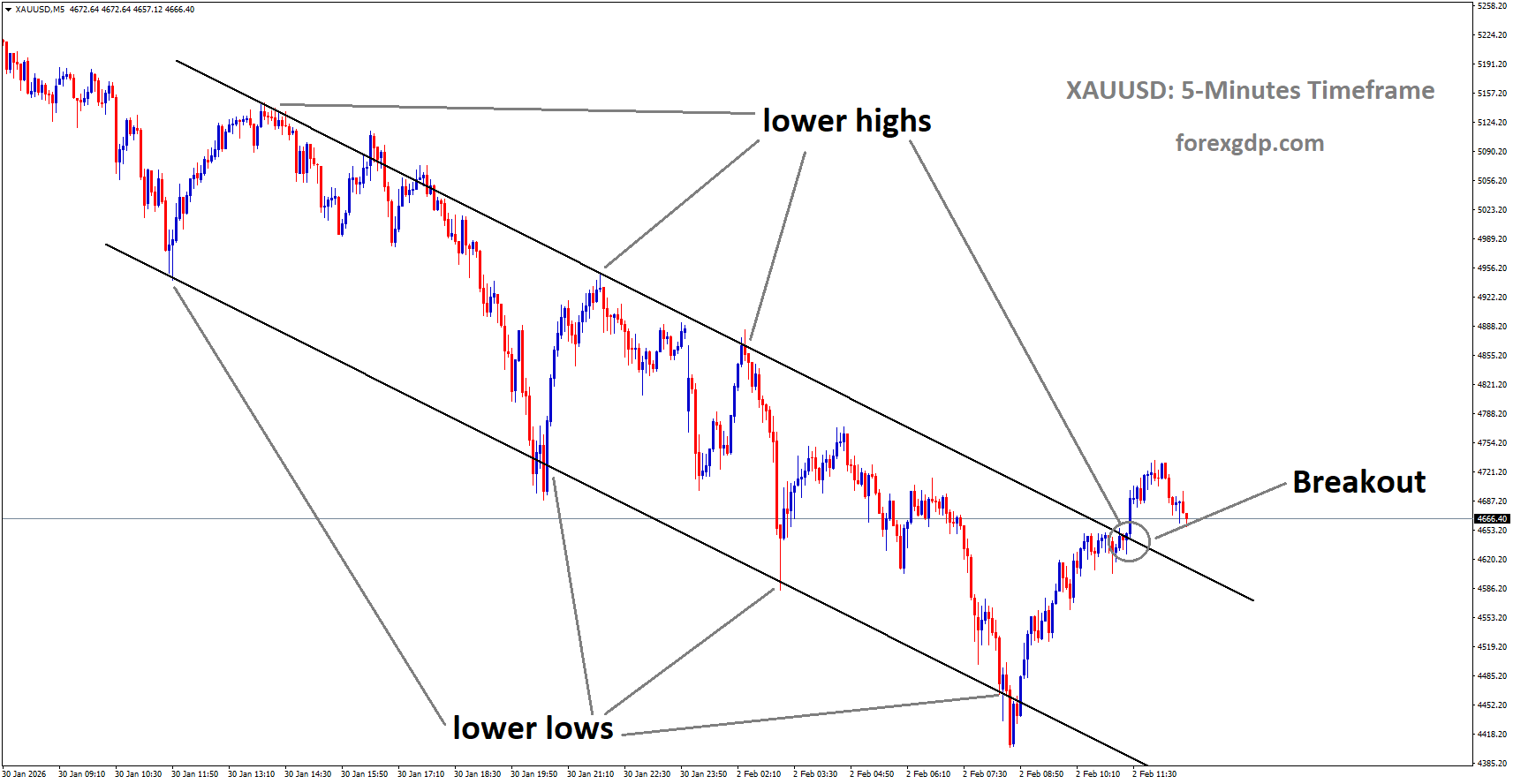
XAUUSD has broken the descending channel in upside
This balancing act is likely to continue in the near future. Rather than moving in a straight line, gold may experience periods of consolidation as investors reassess risks and adjust their positions.
Final Summary
Gold has come under modest pressure as traders take profits and react to signs of greater clarity around future US Federal Reserve leadership. The nomination of Kevin Warsh has eased some concerns about monetary policy stability, reducing short-term demand for safe-haven assets. At the same time, ongoing geopolitical tensions, especially in the Middle East, and steady central bank buying continue to support the broader outlook for gold.
Economic data from the United States remains another key factor, influencing the dollar and shaping expectations for future policy decisions. While gold may face near-term fluctuations, the mix of global risks and long-term demand suggests it remains firmly on investors’ radar as a trusted hedge in uncertain times.