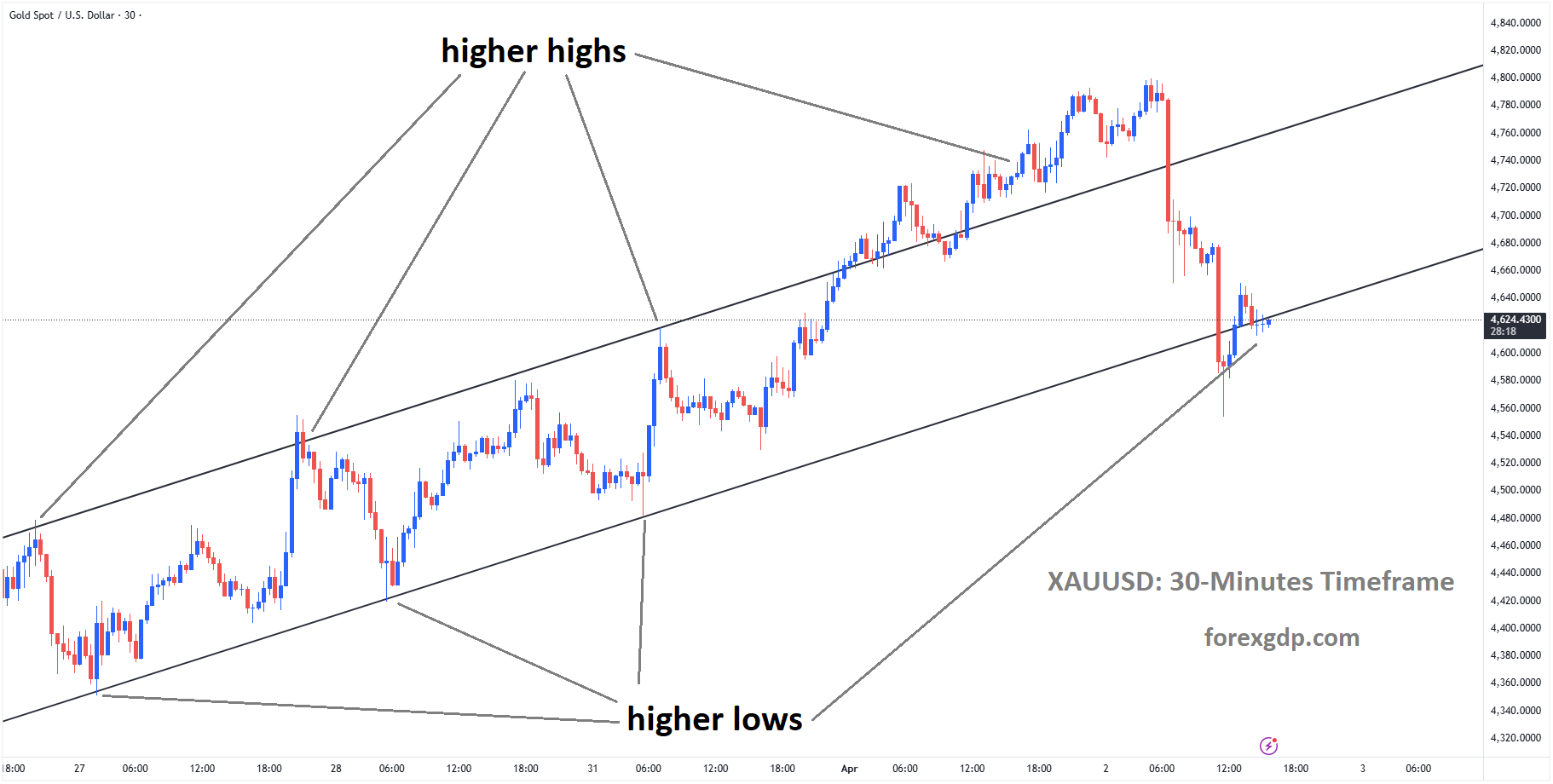
XAUUSD is moving in an Ascending channel, and the market has reached the higher low area of the channel
Gold prices faced strong selling pressure on Thursday, bringing an end to a four-day upward streak that had pushed the metal to a two-week high. While there was a small recovery later in the day, the overall sentiment remains weak as global events continue to shape investor behavior.
A mix of geopolitical tensions, rising oil prices, and a stronger US Dollar has created a challenging environment for gold. These factors are closely linked and together are influencing how investors view risk, inflation, and future economic conditions.
Geopolitical Tensions Strengthen the US Dollar
One of the main drivers behind gold’s recent decline is the growing tension in the Middle East. Comments from US President Donald Trump have added uncertainty to the situation, especially regarding relations with Iran.
In a national address, Trump warned that Iran could face severe consequences if no agreement is reached in the coming weeks. Such strong statements have reduced hopes for a peaceful resolution and increased fears of further conflict.
Why This Matters for Gold
Gold is often seen as a safe-haven asset, meaning investors usually buy it during times of uncertainty. However, in this case, the US Dollar is gaining more attention as the preferred safe asset.
When global tensions rise, the US Dollar often strengthens because it is considered the world’s primary reserve currency. As more investors move their money into the Dollar, gold tends to lose its appeal. This shift in demand puts downward pressure on gold prices.
Additionally, reports suggest that Iran’s energy infrastructure could become a target if tensions escalate further. There are also discussions involving the United Arab Emirates pushing for military action to secure important oil routes. These developments are adding to the overall uncertainty in the market.
Rising Oil Prices Increase Inflation Concerns
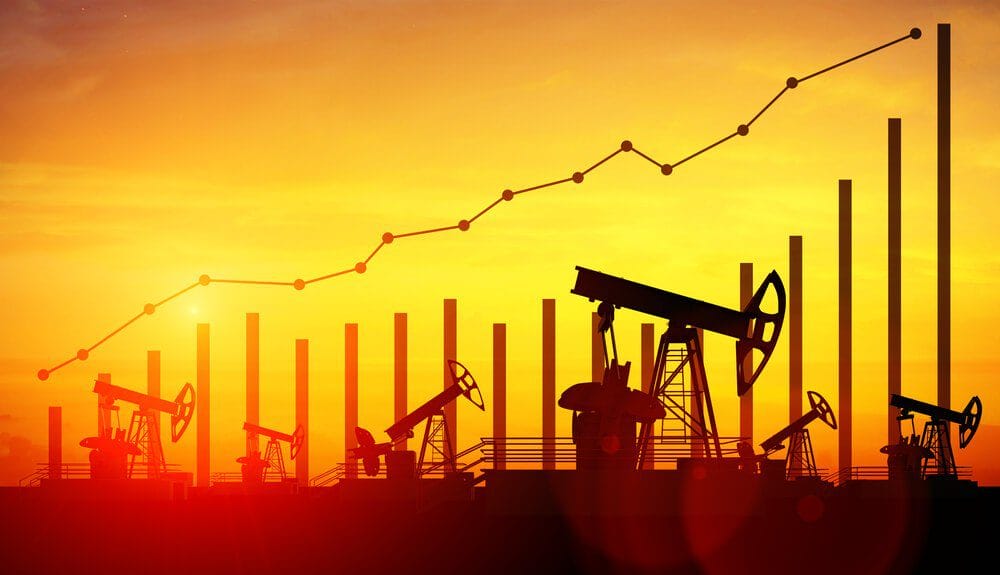
Another key factor affecting gold is the sharp rise in crude oil prices. As tensions in the Middle East grow, concerns about oil supply disruptions have increased. This has led to a noticeable jump in oil prices.
Impact of Higher Oil Prices
When oil prices rise, it often leads to higher inflation. This is because energy costs affect many parts of the economy, including transportation and production. As inflation fears grow, central banks may respond by tightening monetary policy.
In the United States, this means the Federal Reserve could take a more aggressive stance. Investors are now expecting the possibility of higher interest rates in the future as a way to control inflation.
Why Interest Rate Expectations Hurt Gold
Gold does not offer any interest or yield. When interest rates rise, other assets like bonds become more attractive because they provide returns. This makes gold less appealing in comparison.
As expectations for rate hikes increase, investors tend to move away from gold and toward interest-bearing investments. This shift further adds to the downward pressure on gold prices.
Bond Yields and Dollar Strength Add Pressure
The expectation of higher interest rates has also pushed US Treasury bond yields higher. This is another important factor influencing gold.
Higher bond yields make the US Dollar more attractive to global investors. As demand for the Dollar increases, its value rises. Since gold is priced in US Dollars, a stronger Dollar makes gold more expensive for buyers using other currencies.
This reduces global demand for gold and contributes to its price decline.
A Combined Effect on Gold
The combination of rising bond yields and a stronger Dollar creates a tough environment for gold. Even when the metal attempts to recover, these factors often limit any upward movement.
Market Focus Remains on Global Developments
Gold is highly sensitive to news and events, especially those related to geopolitics. The ongoing situation involving Iran continues to be a major source of uncertainty.
Investors are closely watching for any updates, as even small changes in the situation can quickly impact market sentiment. This constant flow of news is expected to keep volatility high in the gold market.
Limited Impact from Economic Data
While economic reports often influence markets, their impact may be reduced in the current environment. For example, the upcoming US Nonfarm Payrolls (NFP) report is usually a key event for investors.
However, with so much focus on geopolitical tensions, the market’s reaction to economic data may be more limited than usual. Investors are currently more concerned about global risks than short-term economic indicators.
Recent Price Movement and Market Outlook

XAUUSD is moving in a descending channel, and the market has rebounded from the lower low area of the channel
Gold had recently shown signs of recovery after dropping to a four-month low near the $4,100 level. The four-day rally that followed gave hope to buyers that a stronger rebound could be underway.
However, the latest developments have shifted the outlook once again. The return of selling pressure suggests that the recovery may not continue in the near term.
Caution Remains Key
The overall market environment still favors those expecting lower gold prices. Strong demand for the US Dollar, rising bond yields, and ongoing geopolitical risks are all working against gold.
Investors are likely to remain cautious, especially with the situation in the Middle East still evolving. Any signs of further escalation could continue to support the Dollar and keep gold under pressure.
Final Summary
Gold prices have come under pressure due to a combination of global tensions, rising oil prices, and a stronger US Dollar. Concerns about potential conflict in the Middle East have boosted demand for the Dollar, reducing interest in gold. At the same time, higher oil prices are increasing inflation fears, leading to expectations of higher interest rates.
These factors have pushed bond yields higher and made gold less attractive compared to other investments. While the metal attempted a short recovery, the broader outlook remains uncertain. With geopolitical developments continuing to dominate market sentiment, gold is likely to remain volatile in the near term.