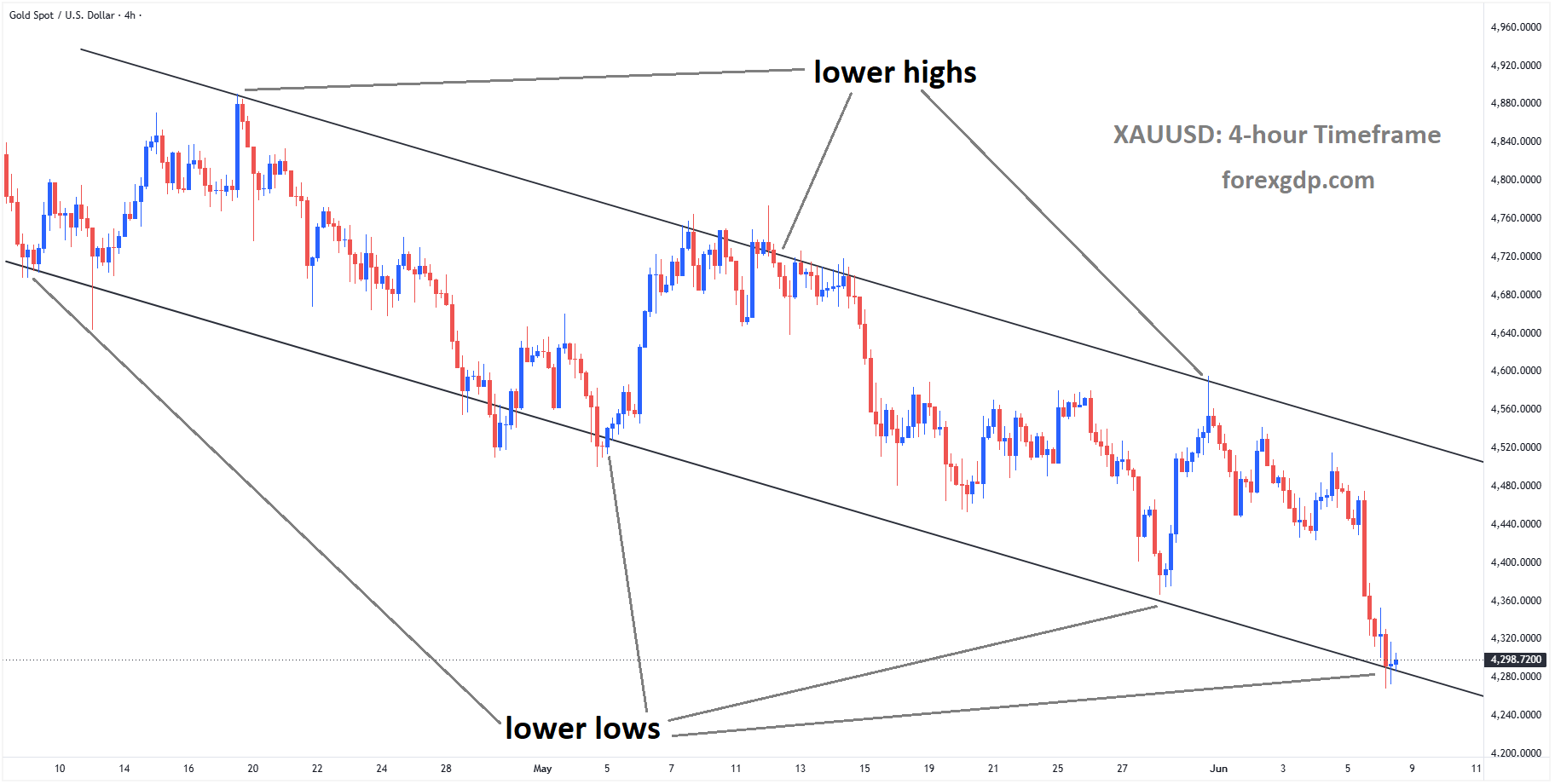
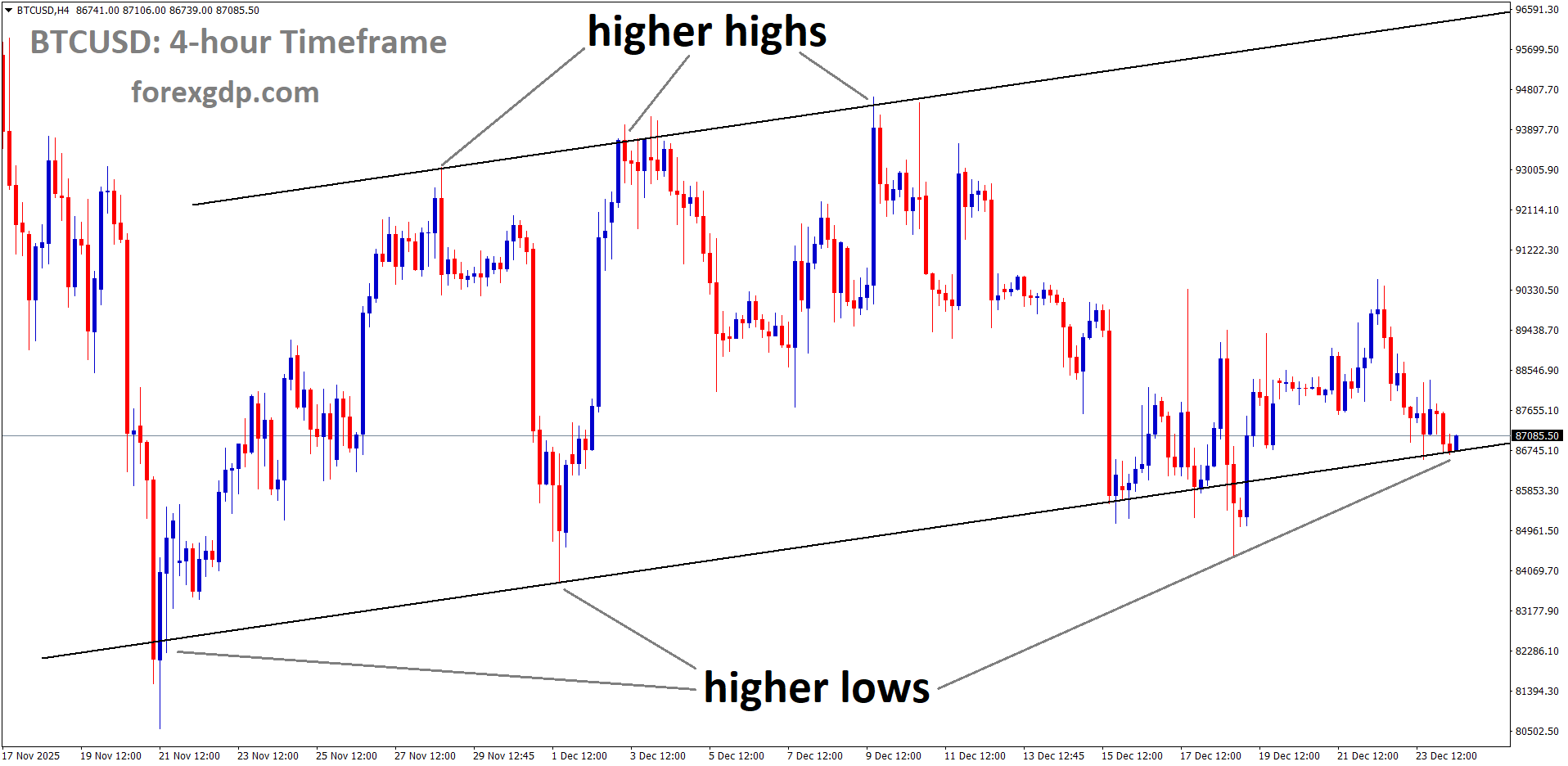
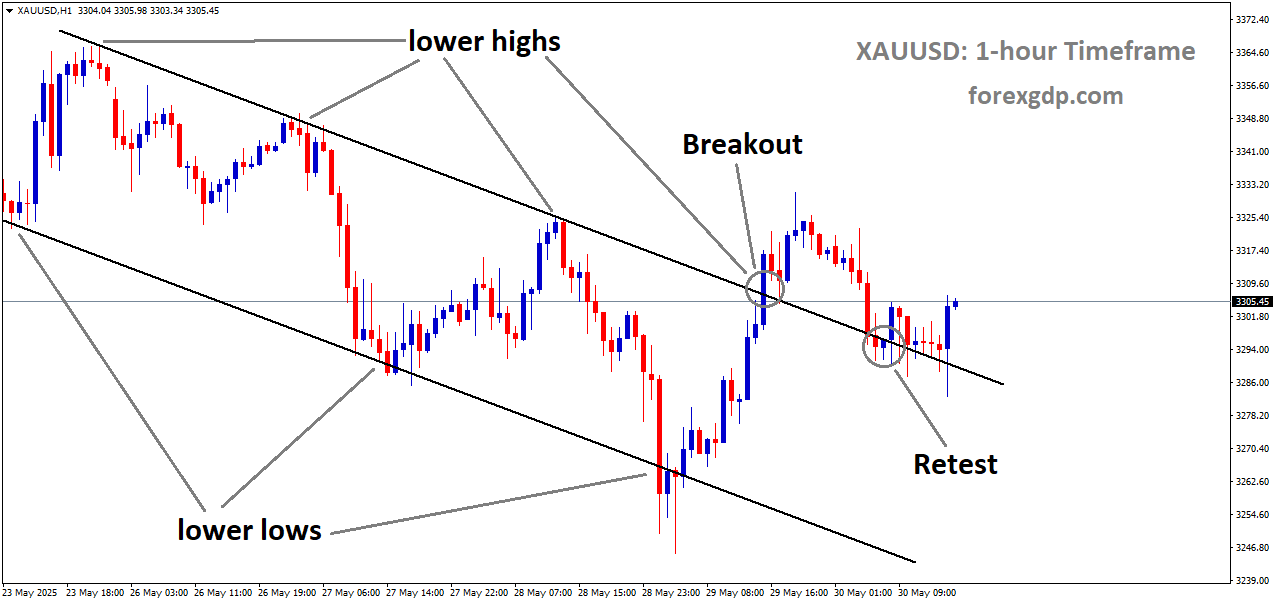
XAUUSD is moving in an uptrend channel, and the market has reached a higher high area of the channel
Gold is extending one of its strongest rallies in recent memory, marking its eighth straight day of gains as global uncertainty keeps investors firmly in defensive mode. The precious metal continues to attract steady demand, even as the US Dollar attempts a modest recovery and equity markets show signs of resilience. At the heart of gold’s momentum lies a mix of geopolitical tensions, political uncertainty, and growing expectations that US interest rates may fall in the coming years.
This ongoing surge highlights gold’s enduring role as a store of value during unstable times. While short-term market movements often influence price swings, the broader story right now is about confidence, trust, and the search for safety in a rapidly changing global landscape.
Safe-Haven Appeal Strengthens Amid Political and Economic Risks
Gold’s appeal as a safe-haven asset has been reinforced by a wave of political and economic developments that have unsettled investors worldwide. Concerns surrounding global trade, military conflicts, and political leadership decisions have created an environment where caution outweighs optimism.
Recent remarks and policy signals from US President Donald Trump have played a notable role in fueling uncertainty. From trade-related warnings to unexpected geopolitical positions, these developments have left markets uneasy about the direction of international relations. When clarity is lacking, investors often turn to assets that are seen as reliable during periods of stress, and gold has once again taken center stage.
In addition, lingering questions about the independence of the US Federal Reserve have added another layer of concern. Markets tend to react strongly when there is a perception that monetary policy decisions could be influenced by political pressure. This has reinforced gold’s attractiveness, as it is not tied to any single government or central bank.
Geopolitical Tensions Continue to Support Gold Demand
Ongoing geopolitical conflicts remain a major driver behind gold’s sustained strength. The prolonged war between Russia and Ukraine shows no clear signs of resolution, keeping global security risks elevated. Recent peace talks mediated by the United States failed to produce an agreement, as both sides remain firm on key territorial demands.
Russia’s insistence on major concessions from Ukraine has hardened positions and reduced hopes for a near-term settlement. For investors, prolonged conflict means prolonged uncertainty, which tends to favor assets perceived as stable and resilient.
Elsewhere, tensions involving NATO have also caught the market’s attention. Reports of friction between the United States and its allies, linked to controversial proposals and strategic disagreements, have raised concerns about unity within the alliance. Any sign of strain among long-standing partners can have far-reaching implications for global stability, further strengthening the case for holding gold.
Trade Disputes Resurface on the Global Stage
Trade uncertainty has also re-emerged as a key theme supporting gold. Recent statements accusing Canada of potentially facilitating Chinese exports into the US have revived fears of escalating trade disputes. Although Canadian officials have denied intentions to pursue such agreements, the mere possibility of new trade barriers has unsettled markets.
Trade tensions tend to disrupt supply chains, slow economic growth, and increase volatility across financial markets. In response, investors often seek shelter in assets that are less exposed to trade flows and economic cycles. Gold, which does not rely on industrial demand alone and carries no credit risk, fits that role well.
Federal Reserve Expectations Shape Market Sentiment
Another major factor behind gold’s continued rise is shifting expectations around US monetary policy. Investors increasingly believe that the Federal Reserve may lower interest rates in the future as economic conditions evolve. Lower interest rates typically reduce the appeal of yield-bearing assets, making non-yielding assets like gold more attractive by comparison.

Recent comments suggesting that borrowing costs could decline under future Fed leadership have reinforced these expectations. Markets are closely watching signals from policymakers, especially ahead of major central bank meetings, for clues about the direction of interest rates.
At the same time, concerns about the Fed’s autonomy have added to market unease. When investors question whether monetary policy decisions are being influenced by political considerations, confidence in traditional financial instruments can weaken. Gold often benefits in such scenarios, as it operates outside the framework of central bank policies.
US Dollar Movements Fail to Slow Gold’s Momentum
The US Dollar has attempted a rebound after hitting multi-year lows, driven partly by short-term repositioning ahead of key policy announcements. However, this recovery has had little impact on gold’s broader upward trend.
Typically, a stronger dollar can weigh on gold demand, as it makes the metal more expensive for international buyers. In this case, the underlying demand for safety appears strong enough to offset currency effects. Investors seem more focused on long-term risks than short-term fluctuations in exchange rates.
This resilience suggests that gold’s current rally is not merely a reaction to currency weakness but is instead rooted in deeper concerns about the global outlook.
Equity Market Optimism Takes a Back Seat to Risk Management
Interestingly, gold’s strength has persisted even as equity markets show signs of optimism. Stock prices have benefited from expectations of supportive monetary policy and hopes for economic resilience. Yet, this positive sentiment has not pulled investors away from gold.
This dynamic highlights a cautious approach among market participants. Rather than choosing between risk and safety, many investors appear to be balancing both. Holding gold alongside equities allows portfolios to remain exposed to potential growth while maintaining protection against sudden shocks.
Such behavior reflects a broader shift in investor mindset. In an era marked by frequent geopolitical surprises and policy uncertainty, diversification and risk management have become central themes in investment strategies.
Focus Turns to Central Bank Guidance
As markets await further guidance from the Federal Reserve, attention is firmly fixed on upcoming policy communications. Investors are particularly interested in any signals about the future path of interest rates and how policymakers view current economic conditions.
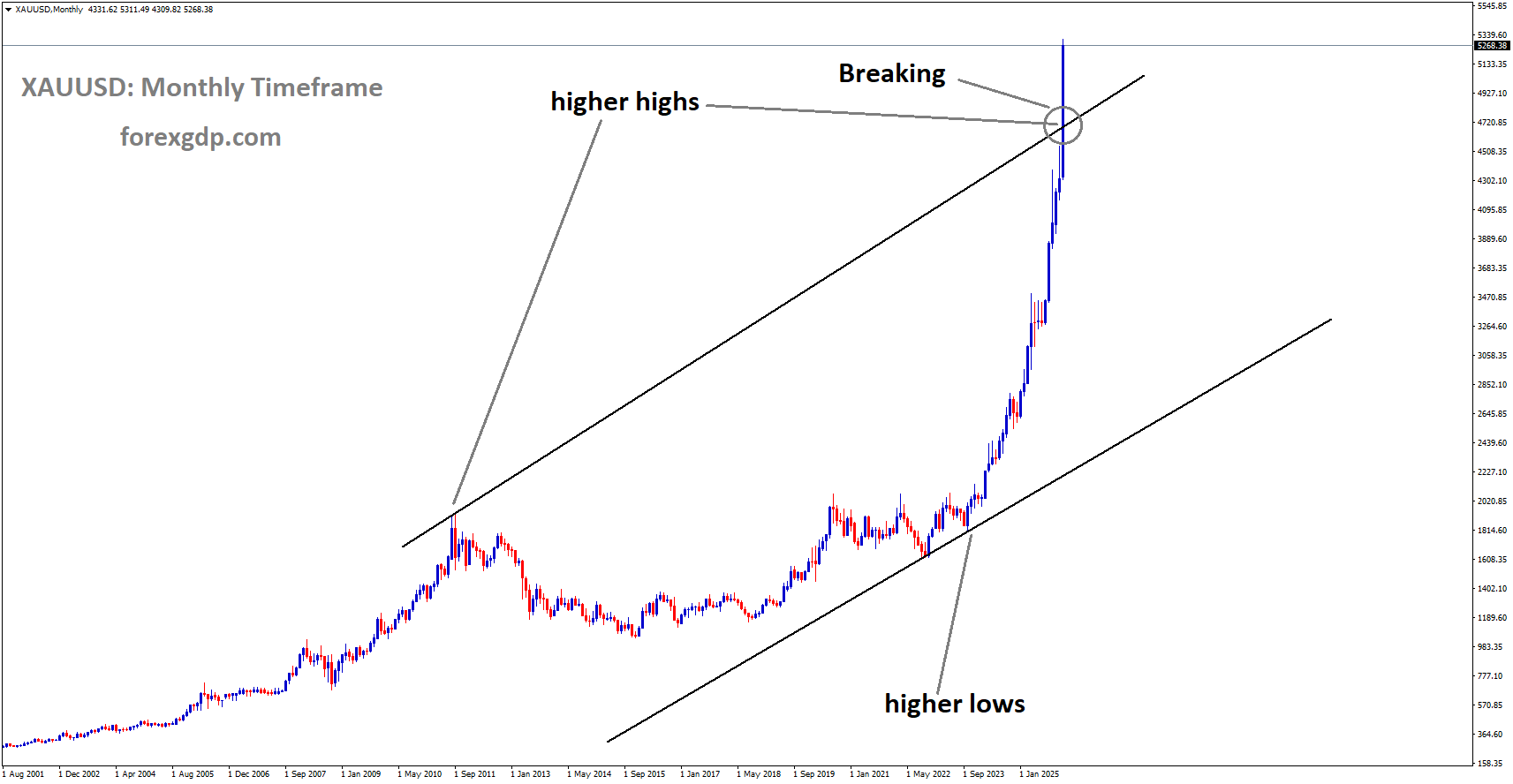
XAUUSD is breaking the higher high area of the uptrend channel
Statements from Fed leadership during post-meeting press conferences are expected to influence market sentiment across currencies, commodities, and equities. Clear guidance could either reinforce gold’s appeal or introduce short-term volatility, depending on how expectations align with official messaging.
For now, the prevailing mood suggests that uncertainty will remain a dominant force. As long as questions persist about global stability, trade relations, and monetary policy, gold is likely to remain in favor among cautious investors.
Final Summary
Gold’s extended rally reflects a convergence of powerful forces shaping the global financial landscape. Political uncertainty, unresolved geopolitical conflicts, renewed trade tensions, and shifting expectations around US interest rates have all contributed to strong safe-haven demand.
Despite a modest recovery in the US Dollar and a generally upbeat tone in equity markets, gold continues to attract investors seeking stability and protection. Its resilience underscores its enduring role as a trusted asset during times of uncertainty.
As markets look ahead to key central bank signals and evolving geopolitical developments, gold remains firmly positioned as a cornerstone of risk management strategies. The current environment suggests that its appeal is driven not by short-term trends, but by deeper concerns about the direction of the global economy and international relations.