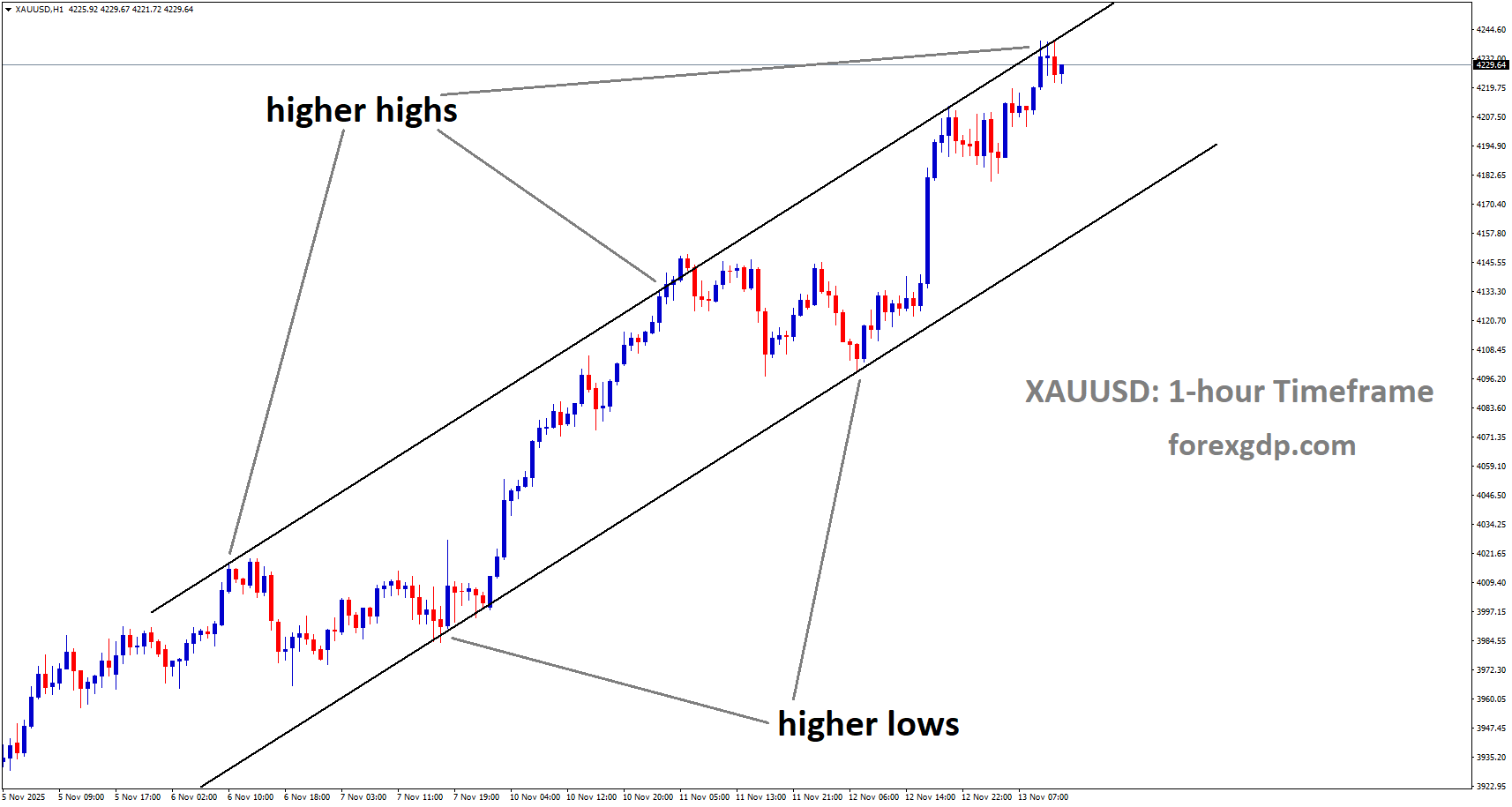
XAUUSD is moving in an uptrend channel, and the market has reached a higher high area of the channel
Gold has always been more than just a shiny metal—it’s a reflection of how people feel about the economy. When confidence in markets fades or uncertainty rises, investors instinctively turn to gold as a safe place for their money. Recently, the metal has been enjoying a strong upward trend, with many analysts suggesting that its momentum could continue. But what exactly is driving this renewed interest in gold, and what could it mean for investors in the months ahead?
A Supportive Economic Environment for Gold
The current global backdrop has created ideal conditions for gold to thrive. Over the past few months, several economic developments have made investors cautious about traditional assets like currencies and stocks. Concerns about slower growth, government budget challenges, and shifting monetary policies have all contributed to the growing appeal of gold.
Economic Uncertainty Fuels Demand
Investors are becoming increasingly nervous about the health of the global economy. A prolonged period of weak growth data in major economies, especially the United States, has raised concerns about whether current policies can sustain momentum. The temporary shutdown of the U.S. government earlier this year highlighted these vulnerabilities, affecting consumer confidence and disrupting essential services.
Economists have also warned that the shutdown may have taken a noticeable toll on quarterly GDP figures, cutting into economic output and leaving lasting scars on public and private sectors alike. These uncertainties push investors to look for safety—and gold remains one of the most trusted assets during times like this.
The Role of the Federal Reserve
Another major factor supporting gold’s rise is the growing belief that the U.S. Federal Reserve might reduce interest rates again. Investors are betting that economic weakness and the slowdown in job creation could lead the Fed to adopt a more cautious, or “dovish,” stance. When the Fed cuts rates, it typically weakens the U.S. dollar, making gold cheaper for holders of other currencies.
With inflation appearing to cool and unemployment data showing early signs of softening, markets expect the Fed to focus on supporting growth rather than fighting price pressures. That expectation has been a major reason for the ongoing demand for gold.
The Dollar’s Decline and Gold’s Strength
The relationship between the U.S. dollar and gold is a classic one: when the dollar falls, gold usually rises. This inverse connection has once again proven true in recent weeks. As investors grow skeptical of the dollar’s future strength amid fiscal concerns and potential interest rate cuts, they’re turning to gold as a hedge.
Why a Weaker Dollar Helps Gold
A declining dollar makes gold more affordable for international buyers. Since gold is priced in dollars, a weaker currency increases purchasing power for those holding other currencies, boosting demand. This dynamic has played out strongly in recent sessions, adding another layer of support to gold’s climb.
Even positive developments, like the reopening of the U.S. government, haven’t been enough to dampen gold’s momentum. While such news usually encourages risk-taking in financial markets, investors are still worried about the broader picture—particularly the sustainability of fiscal policies and rising national debt. This ongoing caution keeps the yellow metal in demand.
Investor Sentiment and Market Confidence
Beyond the numbers and headlines, gold’s strength often reflects how investors feel. Sentiment plays a major role in financial markets, and right now, that sentiment leans toward caution. Many traders believe that while the global economy isn’t collapsing, it’s certainly facing a period of slower growth and persistent uncertainty.
Labor Market Concerns

Recent data has shown worrying signs in the U.S. labor market. Reports suggest a decline in government employment and job losses across several sectors. Workforce analytics firms have noted that thousands of positions have disappeared in recent months, while regional Federal Reserve branches have hinted at rising unemployment rates. A weaker job market typically means lower consumer spending and slower economic activity—two trends that often strengthen gold demand.
Cautious Optimism Among Policymakers
Interestingly, not all Federal Reserve officials are alarmed by these developments. Some, like Atlanta Fed President Raphael Bostic, have emphasized that while the job market is softening, it remains in a “state of balance.” Bostic also pointed out that inflation seems contained, suggesting that lowering interest rates further may not trigger a surge in prices. Still, investors remain skeptical, preferring to protect themselves by increasing their exposure to assets like gold.
The Bigger Picture: Why Gold Still Matters
Gold’s recent performance is more than just a short-term price rally—it’s a reminder of its enduring importance. In an age dominated by digital assets, high-frequency trading, and complex financial instruments, gold remains a straightforward, tangible store of value. It doesn’t rely on a central bank or a corporate balance sheet, which is exactly why it thrives when confidence elsewhere falters.
Safe Haven in Times of Transition
Whenever the global economy enters a phase of transition—whether it’s changing interest rate cycles, political uncertainty, or fiscal instability—gold tends to outperform. The current period is no exception. With markets adjusting to slower growth, shifting monetary policies, and a weaker dollar, gold has become a natural choice for both short-term traders and long-term investors.
A Hedge Against Uncertainty
Gold also acts as a hedge against inflation and currency fluctuations. While inflation has cooled in recent months, many investors believe that the long-term risks remain. If central banks continue cutting rates or expanding fiscal spending, the value of paper currencies could decline. In such a scenario, gold offers a reliable means of preserving wealth.
What to Watch Next
Looking ahead, investors will keep a close eye on the Federal Reserve’s comments and economic indicators. Every statement from policymakers can sway market expectations and, in turn, gold’s trajectory. Employment data, inflation figures, and consumer spending trends will all play key roles in shaping investor sentiment.
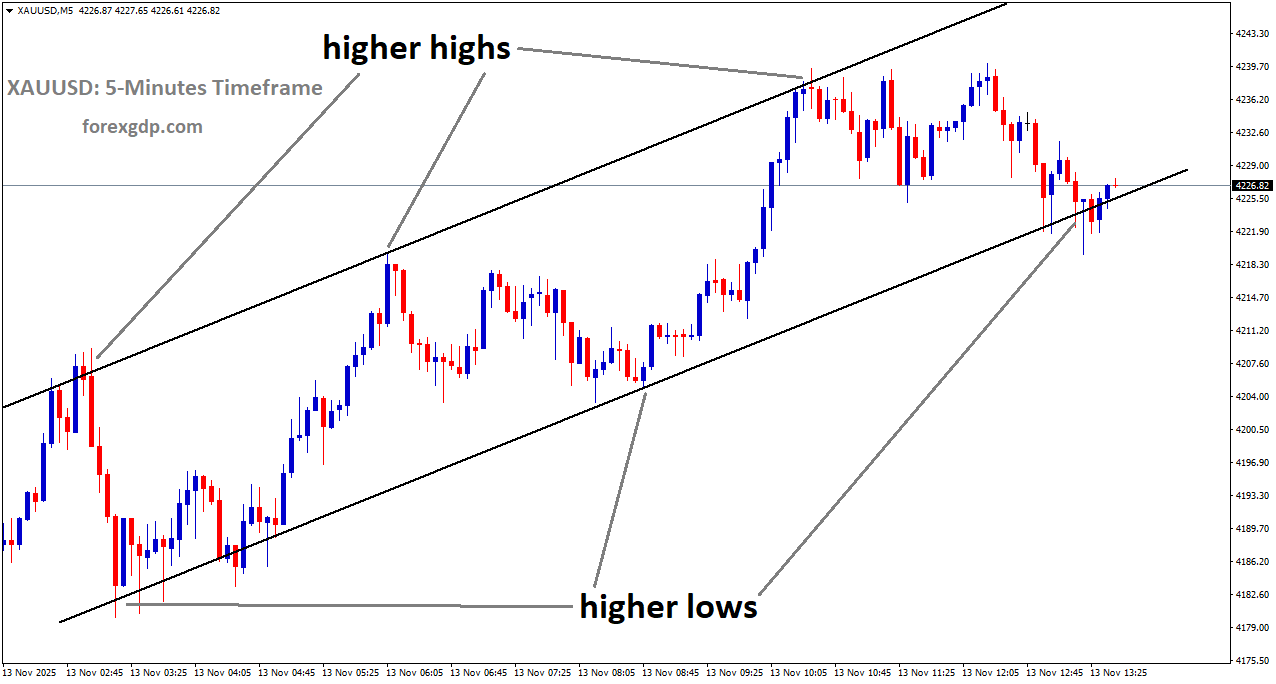
XAUUSD is moving in an uptrend channel, and the market has reached hed higher low area of the channel
Additionally, geopolitical tensions and global trade discussions remain potential catalysts. Historically, any sign of instability—whether economic or political—has led to stronger demand for gold.
Final Summary
Gold’s renewed strength isn’t just about short-term price movements—it reflects deeper shifts in how investors view the global economy. With the U.S. dollar under pressure, concerns about economic growth mounting, and central banks signaling a more cautious approach, gold has reasserted itself as a vital part of the financial landscape.
The metal’s appeal lies in its simplicity and reliability. It doesn’t promise rapid returns or flashy innovation—it offers something far more valuable: stability. As the world navigates uncertain times, gold continues to remind us why it’s called the ultimate safe haven. Whether you’re a trader looking for short-term gains or an investor seeking long-term protection, the golden glow of this timeless asset shows no signs of fading anytime soon.