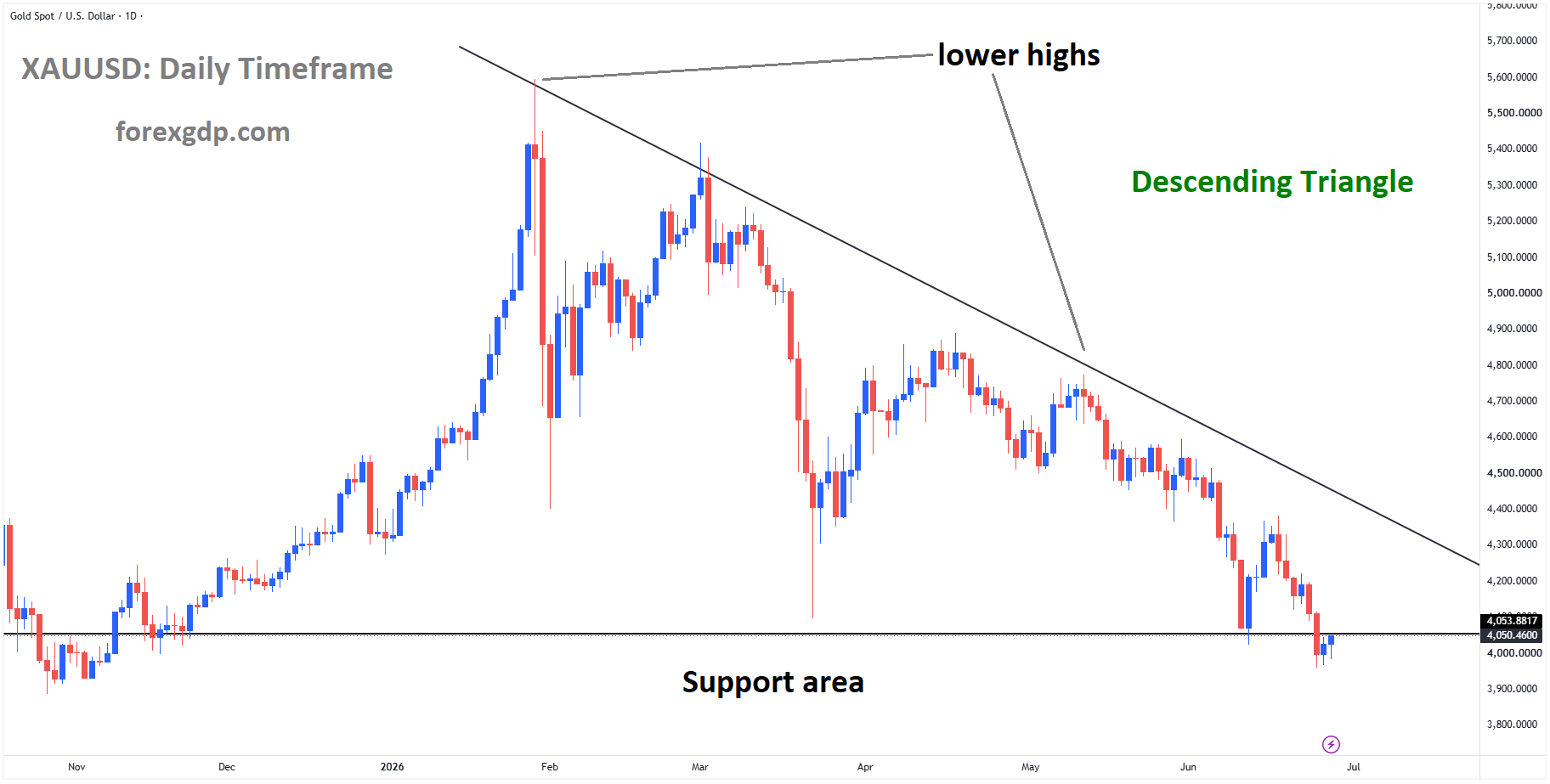
XAUUSD reached the support area of the descending triangle pattern
Gold remained steady on Friday as a weaker US Dollar and lower US Treasury yields gave the precious metal some support. Fresh inflation data from the United States helped calm concerns about another immediate interest rate increase, allowing Gold to recover some stability after recent weakness.
Although the latest inflation figures eased short-term pressure, the overall outlook remains uncertain. Investors continue to balance slowing inflation, central bank policy expectations, and growing geopolitical tensions, all of which continue to influence demand for Gold.
Softer Inflation Data Boosts Gold Sentiment
The latest Personal Consumption Expenditures (PCE) inflation report from the United States came in largely as expected, but monthly inflation increased less than economists had predicted. This was welcomed by financial markets because it suggested that inflation may not be rising as quickly as feared.
Lower inflation reduces the urgency for the Federal Reserve to tighten monetary policy further. As a result, many investors lowered their expectations that another interest rate increase would happen in the near future. That shift helped improve confidence in Gold, which often benefits when borrowing costs are expected to remain stable.
While the monthly numbers were encouraging, annual inflation still remains above the Federal Reserve’s long-term target. This means policymakers are unlikely to change their cautious approach anytime soon, keeping financial markets focused on upcoming economic data.
A Weaker US Dollar Offers Additional Support
The US Dollar softened following the inflation report, making Gold more attractive to buyers using other currencies. Since Gold is traded globally in US Dollars, a weaker Dollar often increases international demand for the precious metal.
Although the Dollar lost some strength during the day, it continues to hold onto much of its recent gains. Confidence in the US economy and expectations that interest rates could stay elevated for an extended period continue to provide underlying support for the American currency.
This creates a mixed environment for Gold. The softer Dollar offers short-term relief, but continued strength in the US currency could limit stronger upside momentum if market conditions change again.
Interest Rate Expectations Remain the Main Focus
Interest rate expectations continue to be one of the biggest factors influencing Gold prices. Investors closely monitor inflation reports because they help shape the Federal Reserve’s next policy decisions.

The latest data reduced expectations of an immediate rate increase, but it did not completely remove the possibility of tighter monetary policy in the future. As long as inflation remains above the central bank’s preferred level, officials may continue to keep borrowing costs higher for longer.
Higher interest rates generally reduce the appeal of Gold because the metal does not generate interest or income. Investors often prefer interest-bearing assets during periods of rising rates, making it harder for Gold to build strong long-term momentum.
Lower Treasury Yields Help Improve Market Confidence
Another supportive factor for Gold has been the decline in US Treasury yields. When bond yields move lower, the opportunity cost of holding Gold decreases, making the precious metal relatively more attractive.
This combination of lower yields and softer inflation helped stabilize market sentiment after several weeks of uncertainty. Investors welcomed signs that inflation pressures may be easing without immediately forcing additional monetary tightening.
Even so, bond markets remain highly sensitive to future economic reports. Any stronger-than-expected data could quickly change expectations and influence both yields and Gold demand.
Global Uncertainty Continues to Support Safe-Haven Demand
Apart from economic factors, geopolitical developments continue to influence investor sentiment. Ongoing uncertainty surrounding relations between the United States and Iran remains an important concern for global markets.
Iran recently criticized the continued US military presence in the Gulf, arguing that it increases regional instability. The country also repeated that navigation through the Strait of Hormuz should be coordinated with Iranian authorities.
These developments have kept investors cautious. During periods of geopolitical uncertainty, many market participants turn to safe-haven assets like Gold to help protect their portfolios from unexpected global risks.
Although political headlines can change quickly, continued uncertainty may provide additional support for Gold whenever investor confidence weakens.
Gold Faces Both Opportunities and Challenges
Gold currently sits between supportive and limiting factors. On one hand, softer inflation, lower Treasury yields, and a weaker Dollar have improved short-term market sentiment. On the other hand, inflation remains above target, and expectations that interest rates could stay higher for longer continue to weigh on investor confidence.
Lower energy prices may also help reduce inflation over the coming months, but policymakers will likely want to see consistent evidence before making significant changes to monetary policy.
Because of these mixed conditions, investors are expected to remain cautious while closely following upcoming economic releases, central bank comments, and global political developments.
What Investors Should Watch Next
The direction of Gold will largely depend on several important factors in the weeks ahead. Future inflation reports will show whether price pressures continue to ease. Federal Reserve officials will provide further clues about interest rate plans, while movements in the US Dollar and Treasury yields will continue to influence market sentiment.
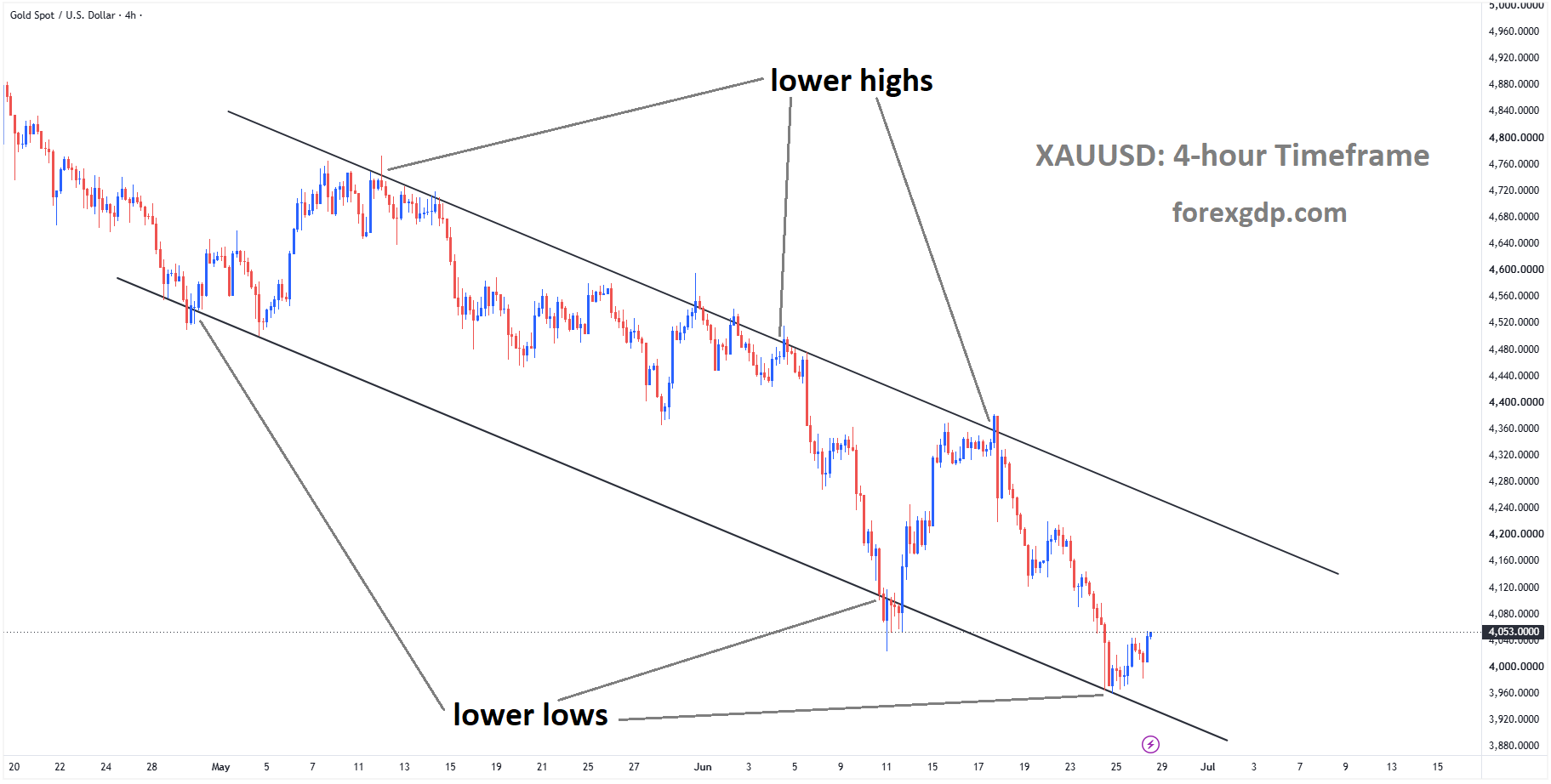
XAUUSD is moving in a descending channel, and the market has rebounded from the lower low area of the channel
At the same time, geopolitical events remain an important source of uncertainty. Any major developments in global conflicts or international relations could quickly increase demand for safe-haven assets.
Rather than focusing on a single event, investors will likely continue evaluating the overall economic picture before making major investment decisions.
Final Summary
Gold found support after softer US inflation data reduced immediate concerns about another interest rate increase. A weaker US Dollar and lower Treasury yields also helped improve market sentiment, allowing the precious metal to remain stable.
However, the broader outlook remains balanced. Inflation is still above the Federal Reserve’s target, interest rates may stay elevated for longer, and geopolitical tensions continue to create uncertainty. As investors wait for more economic data and policy guidance, Gold is likely to remain influenced by both economic developments and global events.