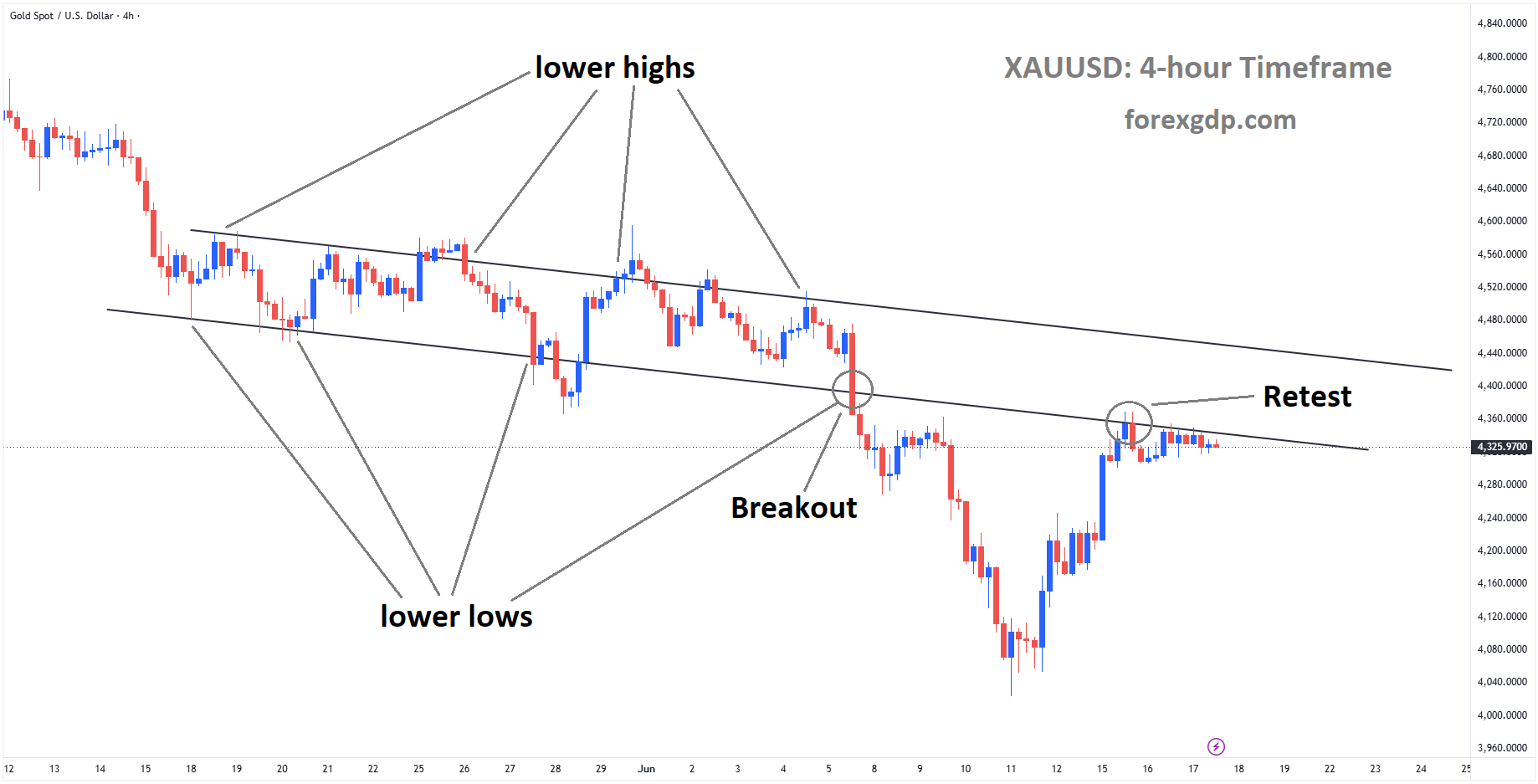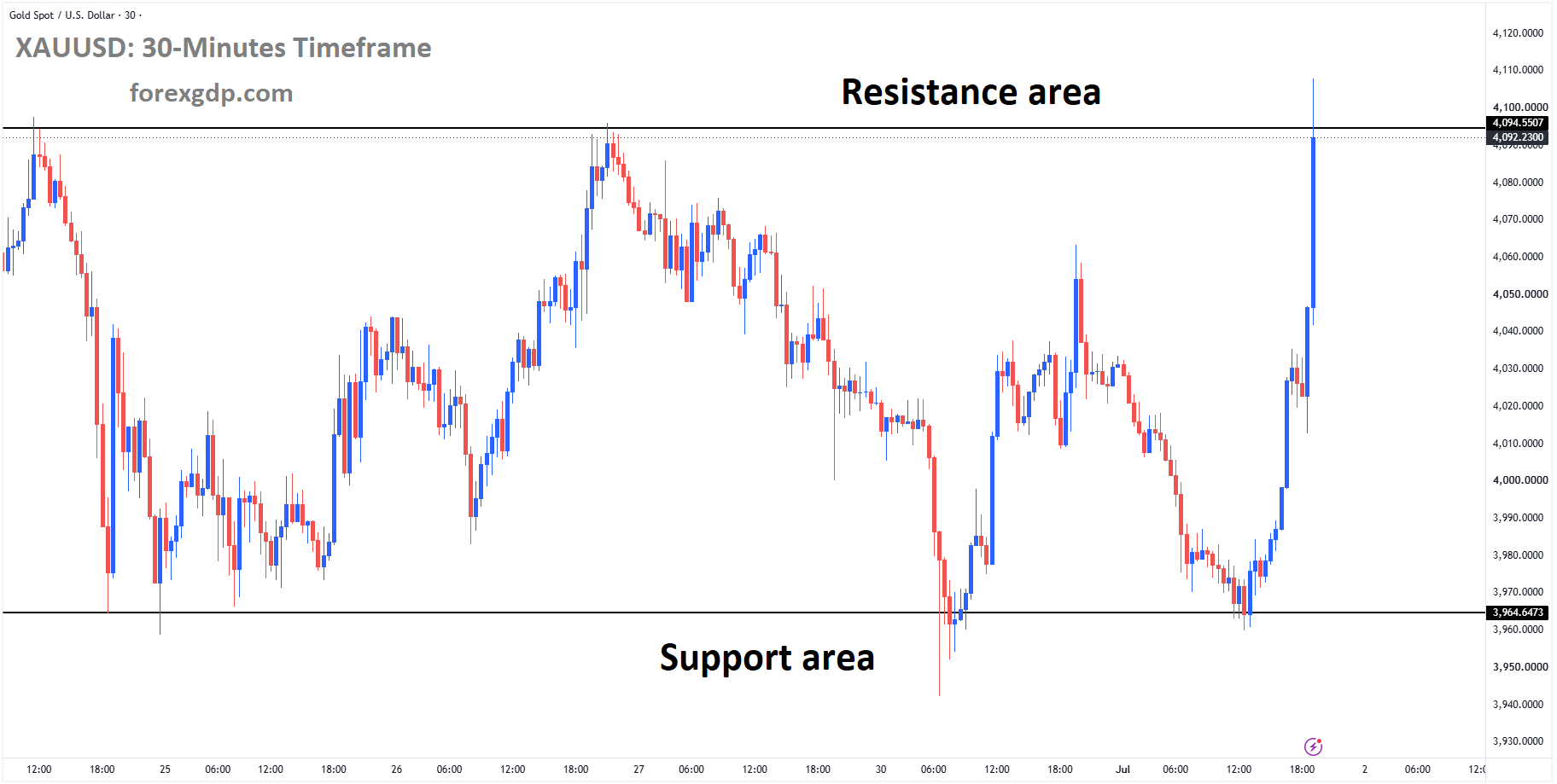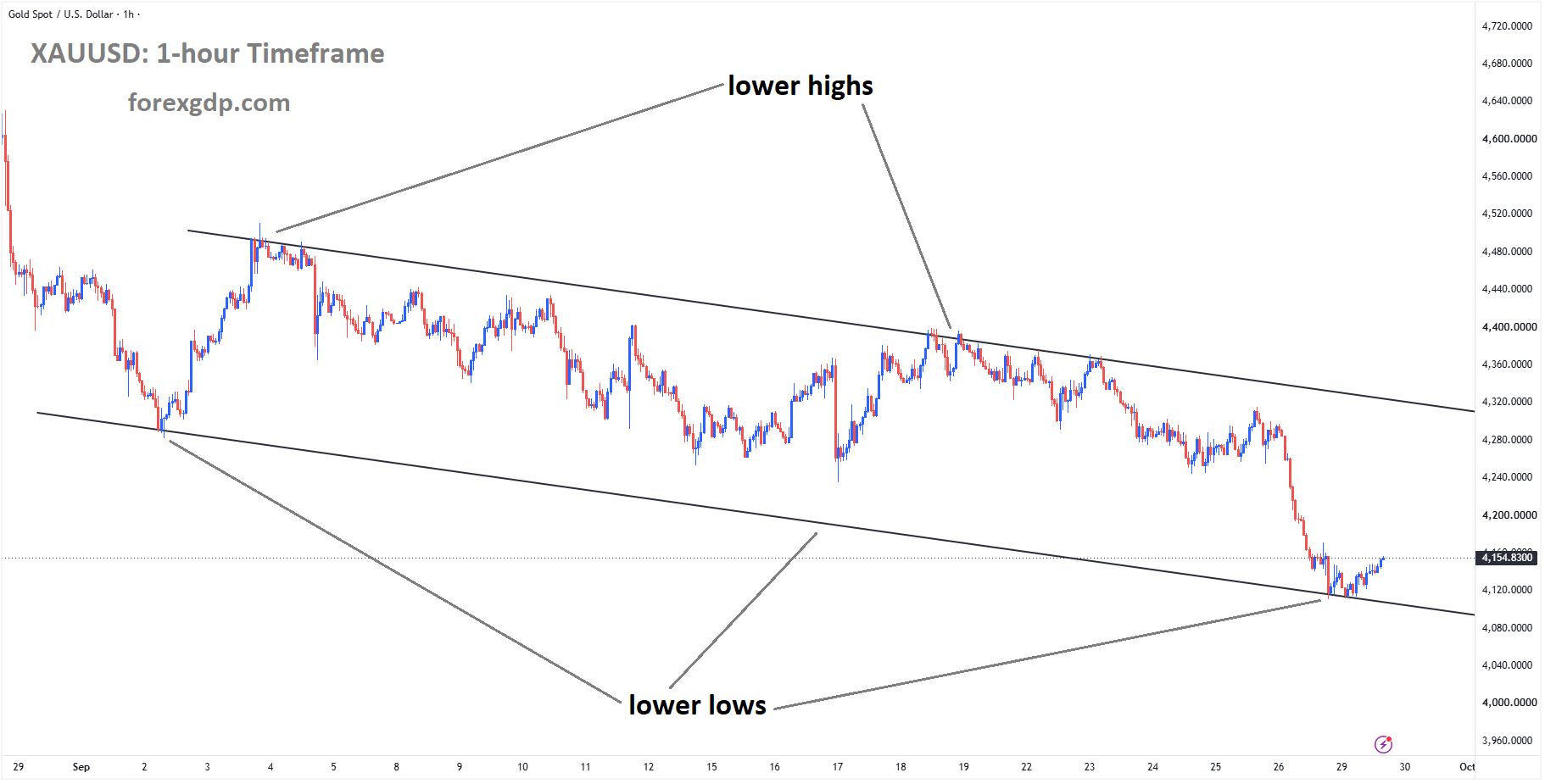
XAUUSD is moving in a descending channel, and the market has rebounded from the lower low area of the channel
Gold has regained some ground after a steep decline at the start of the week. Buyers returned after the metal reached a seven-week low, but the recovery remains cautious. Investors are still weighing the effect of higher US Treasury yields, a firm US Dollar and expectations that the Federal Reserve may raise interest rates again.
The pressure on gold reflects a difficult mix of economic and geopolitical concerns. Tensions around the Strait of Hormuz have kept oil supply risks in focus, adding to worries about inflation. Those worries have pushed bond yields higher and strengthened the case for further Fed action. For now, developments in the Middle East and incoming US economic data are likely to shape how investors view gold.
Why Higher US Treasury Yields Matter for Gold
Gold often appeals to investors during periods of uncertainty. It can serve as a place to hold value when confidence in other assets weakens. However, gold does not pay interest, which makes it less attractive when investors can earn higher returns from US government bonds.
That trade-off has become more important as Treasury yields have climbed. Higher yields give investors another option for holding their money, even while geopolitical risks remain elevated. The recent rise in yields helped drive the sharp sell-off in gold at the beginning of the week.
The increase in bond yields also points to a broader concern: inflation may remain difficult to control. If inflation stays high, the Federal Reserve could keep interest rates elevated or raise them further. Both possibilities can weigh on demand for gold.
Gold’s latest recovery suggests that some buyers saw an opportunity after the heavy decline. Still, a single day of buying does not settle the larger question facing the market. Investors want to know whether inflation will ease and how the Fed will respond if it does not.
Strait of Hormuz Tensions Keep Inflation Risks in Focus
The standoff between the United States and Iran remains a central part of the economic picture. The Strait of Hormuz is a vital route for global oil shipments, so disruption there can affect energy supplies far beyond the Middle East.
Concern about the route has helped keep oil elevated. When energy costs rise, they can feed into transport, production and household expenses. That gives policymakers another reason to watch inflation closely, even as higher borrowing costs place pressure on the wider economy.
There have been diplomatic contacts, but no clear breakthrough. Iranian Foreign Minister Abbas Araghchi said Tehran had held indirect talks with the United States through Qatari mediators in New York. Iran is awaiting a formal US reply to its proposal concerning the reopening of the Strait of Hormuz.
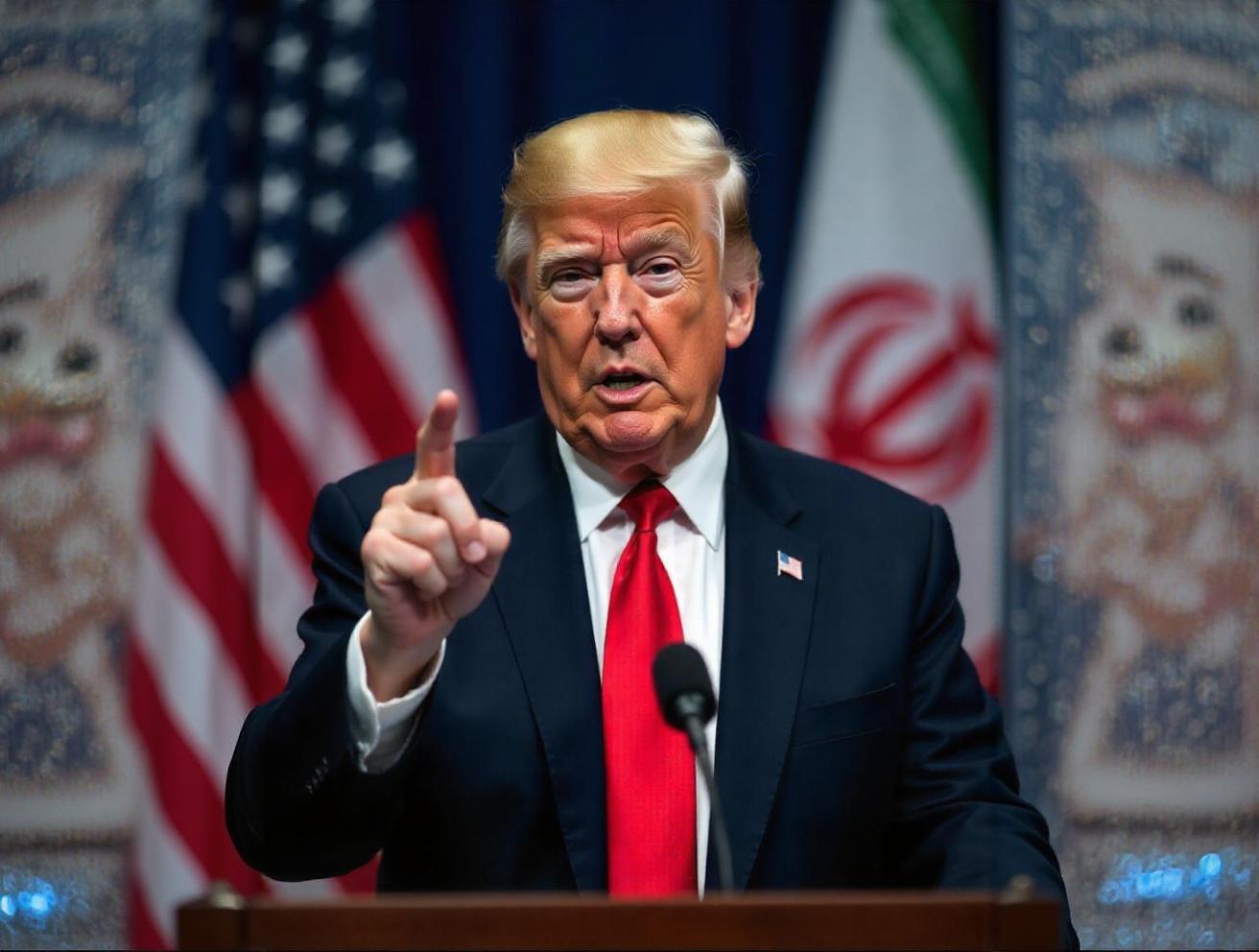
At the same time, US President Donald Trump rejected reports that Washington had offered Iran sanctions relief or access to frozen funds to end the conflict. The two sides remain divided on major issues, and Tehran has indicated that it will maintain its conditions.
Without an agreement, investors must consider the possibility of continued disruption. That uncertainty can support interest in gold as a safe-haven asset. Yet it can also sustain inflation fears, lift Treasury yields and encourage a tougher Fed stance. These competing effects help explain why geopolitical tension has not produced a stronger recovery in gold.
Fed Expectations and the US Dollar Limit Gold’s Recovery
The Federal Reserve’s next steps are another major influence on gold. After a recent rate increase, traders are considering the possibility of another hike in October. Expectations of tighter monetary policy tend to support US bond yields, adding to the appeal of interest-paying assets.
A firm US Dollar presents a separate challenge. Gold is commonly priced in dollars, so a stronger US currency makes it more expensive for buyers who use other currencies. That can reduce demand, even when investors remain concerned about global risks.
For gold to find more lasting support, investors may need greater confidence that inflation pressures are easing and that the Fed is nearing the end of its rate increases. Until then, any recovery could face resistance from the same forces that contributed to the recent decline.
The picture is not entirely one-sided. Concerns about the US-Iran conflict may continue to draw buyers to gold, particularly if uncertainty grows. But traders are balancing that demand against the returns available from bonds and the strength of the Dollar.
US Economic Reports Could Shift Expectations
Attention now turns to a busy run of US economic releases and comments from Fed officials. Consumer confidence and job openings data will offer an early look at how households and employers are responding to current conditions.
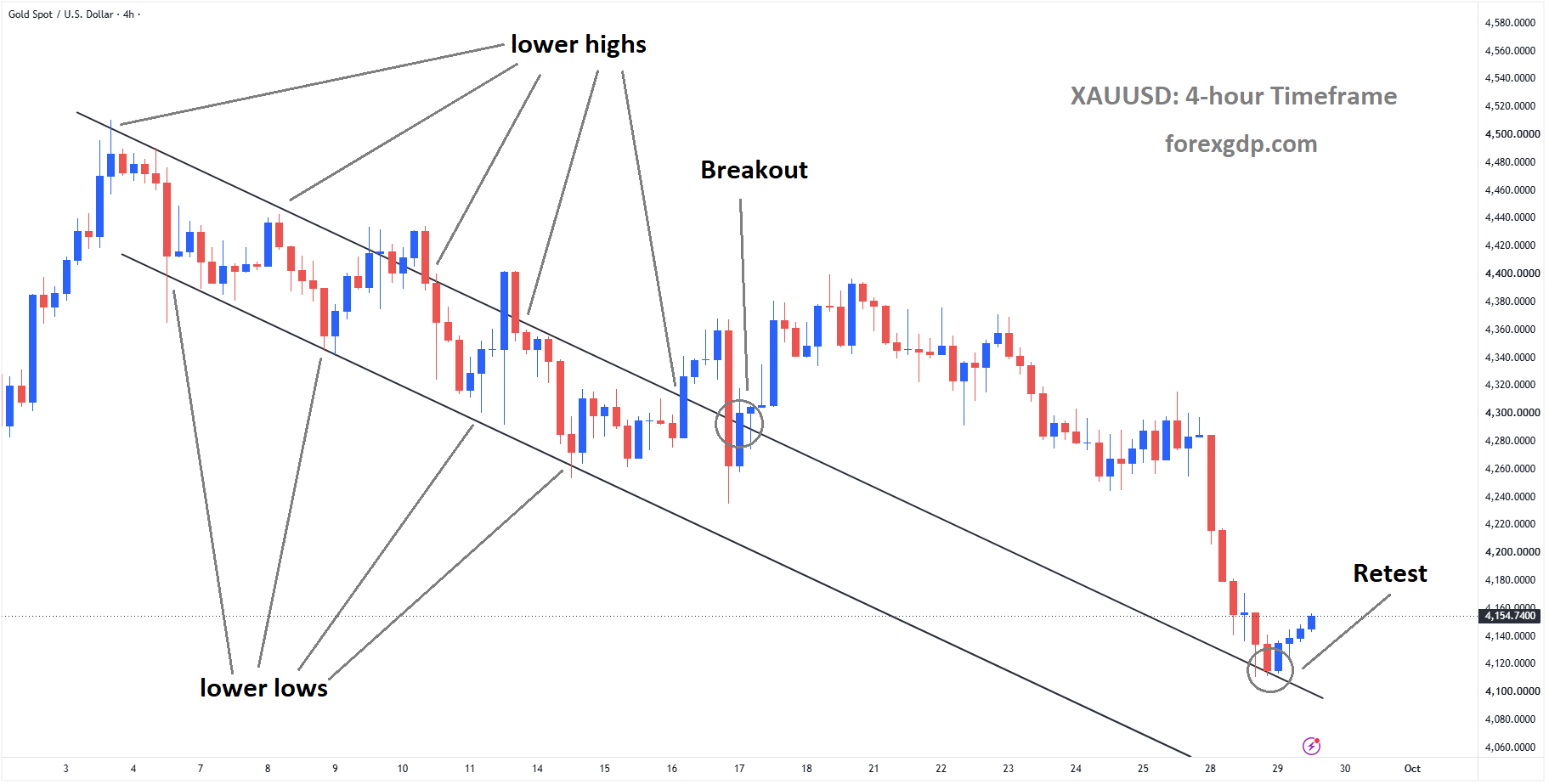
XAUUSD is rebounding from the retest area of the broken descending channel
Later reports on consumer inflation, manufacturing activity and employment could have a greater effect on expectations for interest rates. If the data suggests that inflation remains persistent and the economy can withstand higher borrowing costs, investors may see more room for the Fed to tighten policy. That could keep pressure on gold.
Softer figures could change the discussion. Signs of cooling inflation or weaker job growth may lead traders to question whether further rate increases are necessary. Fed officials’ remarks will matter because they can show how policymakers interpret the same data.
Summary
Gold has recovered some ground after a sharp fall, but its direction remains closely tied to US monetary policy. Higher Treasury yields and a strong Dollar are limiting the appeal of a metal that pays no interest. Meanwhile, the US-Iran standoff is keeping oil supply and inflation risks in view.
The next US economic reports and Fed comments may provide a clearer sense of where interest rates are headed. Until then, gold investors face two opposing forces: demand for safety during geopolitical uncertainty and pressure from expectations of further rate hikes.