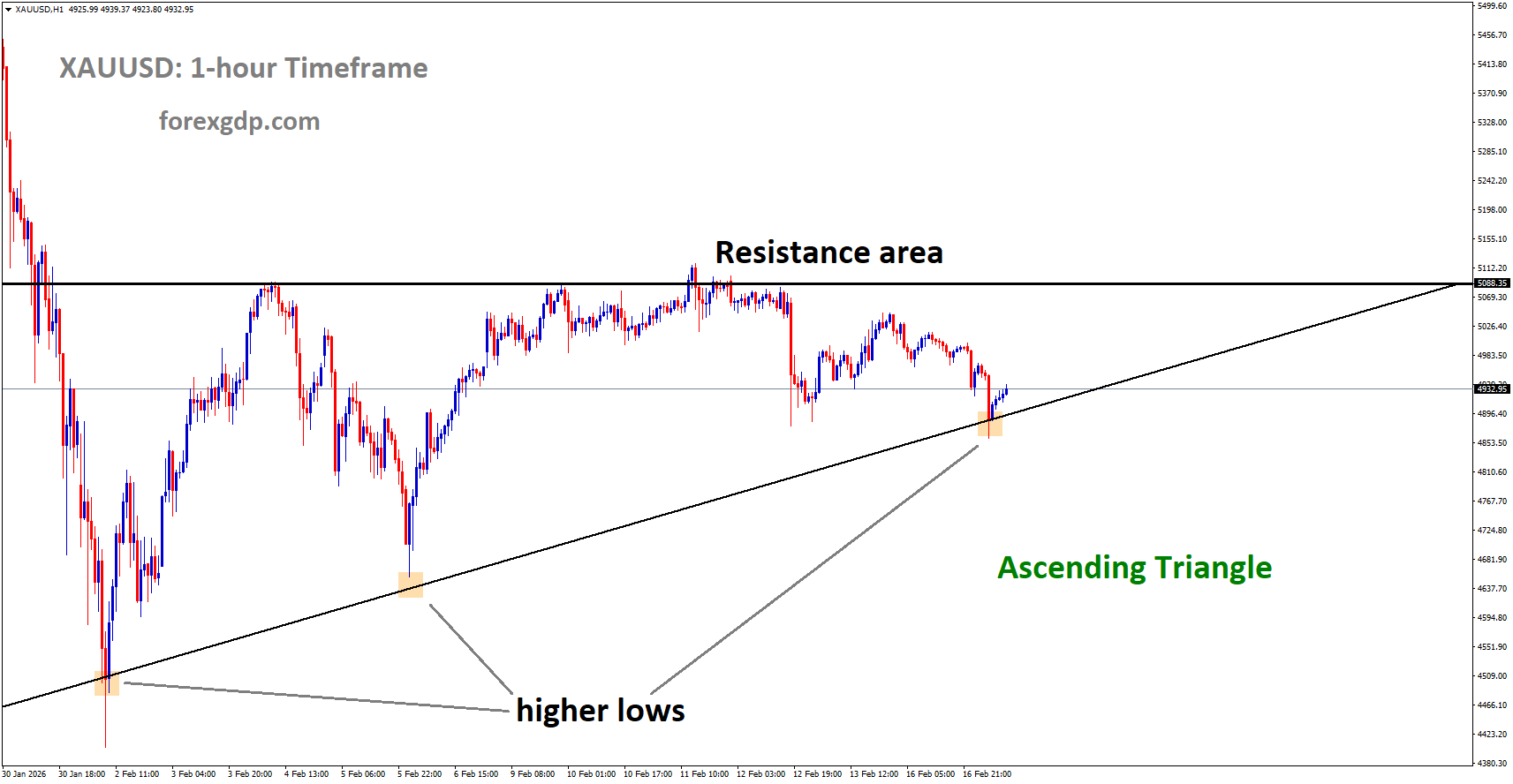


XAUUSD is falling from the higher high area of the uptrend channel
Gold prices moved slightly higher during the early European session on Wednesday, supported by growing expectations that the US Federal Reserve might cut interest rates again soon. While easing tensions between the United States and China offered some relief to global markets, uncertainty surrounding government debt and inflation kept investors cautious.
Let’s take a closer look at what’s driving this renewed interest in gold and why traders are keeping a close eye on upcoming US economic data.
Why Gold Is Gaining Momentum Again
Gold has always been considered a reliable store of value during uncertain times. Recently, several global and domestic factors have contributed to its modest upward movement.
Concerns Over the US Government Shutdown
One of the main reasons behind gold’s rise is the ongoing US government shutdown. The political standoff in Washington has dragged on for weeks, with lawmakers failing repeatedly to reach an agreement to fund the government. Each failed vote in Congress adds to market anxiety and weakens investor confidence.
When investors lose faith in the government’s ability to manage fiscal responsibilities, they often turn to safe-haven assets like gold. It’s seen as a hedge against uncertainty, making it an attractive option during times of political gridlock.
Debt Fears and Economic Uncertainty
Global markets are also becoming increasingly worried about the rising levels of government debt—not only in the US but also across other major economies. High debt levels can eventually slow economic growth, increase inflationary pressures, and weaken the value of currencies.
This fear of long-term financial instability tends to drive investors toward assets that can maintain value even when paper currencies lose strength. Gold fits perfectly into that category.
The Federal Reserve’s Rate Cut Expectations

One of the biggest influences on gold prices is monetary policy—specifically, interest rates set by the Federal Reserve.
How Rate Cuts Support Gold
There’s growing speculation that the Federal Reserve could announce another rate cut in its upcoming policy meeting. The market now expects at least one more quarter-point reduction this year, possibly in October.
When interest rates fall, holding non-yielding assets like gold becomes more attractive. That’s because the opportunity cost of owning gold (which doesn’t pay interest or dividends) decreases. Lower borrowing costs also tend to weaken the US dollar, making gold—priced in dollars—more affordable for buyers using other currencies.
This relationship between interest rates and gold demand often drives sharp movements in prices during periods of monetary policy shifts.
What the Market Expects Next
According to the CME FedWatch tool, investors are almost certain that the Fed will continue easing its policy. Traders are even factoring in another potential rate cut by December. Such expectations keep gold supported, as markets bet on a softer dollar and a more favorable environment for precious metals.
US-China Trade Tensions: A Temporary Calm
Another key factor shaping gold’s movement is the state of US-China trade relations.
Talks and Truce Hopes
Recent statements from both sides have suggested a more cooperative tone compared to the confrontational stance seen earlier this year. President Trump recently hinted that high tariffs on Chinese imports might be reconsidered, admitting that prolonged trade restrictions could harm both economies.
He also mentioned the possibility of meeting Chinese President Xi Jinping soon to work on a deal, although he acknowledged that the talks might not materialize as planned. Meanwhile, US Treasury officials are preparing to meet their Chinese counterparts to discuss ways to ease tensions before the next round of trade negotiations.
This apparent diplomatic progress has reduced some of the immediate safe-haven demand for gold. When relations between major economies improve, investors usually become more confident in riskier assets such as stocks. However, the uncertainty surrounding the outcome of these discussions means gold still retains some appeal as a safety net.
Why Trade Peace Doesn’t End Gold’s Appeal
Even if trade tensions continue to cool, it doesn’t necessarily mean gold will lose its shine. The broader picture—rising debt, inflation risks, and slowing global growth—still provides enough support for the metal. Many investors prefer to hold gold as insurance against unexpected market shocks.
The Upcoming US Inflation Report: A Key Moment for Gold
All eyes are now on the US Consumer Price Index (CPI) data, which is set to be released later this week. This report will give investors a clearer idea of how inflation is trending and what it could mean for the Federal Reserve’s next move.
Why Inflation Matters for Gold
If inflation continues to rise faster than expected, the Fed may face pressure to maintain a careful balance between supporting growth and keeping prices stable. Higher inflation generally boosts demand for gold, as the metal acts as a hedge against rising prices.
On the other hand, if inflation shows signs of cooling, the Fed might have more flexibility to cut rates further—something that could still benefit gold indirectly through a weaker US dollar.
Either way, Friday’s inflation report is expected to play a major role in determining the short-term direction of both the dollar and gold prices.
Market Reactions to Look Out For
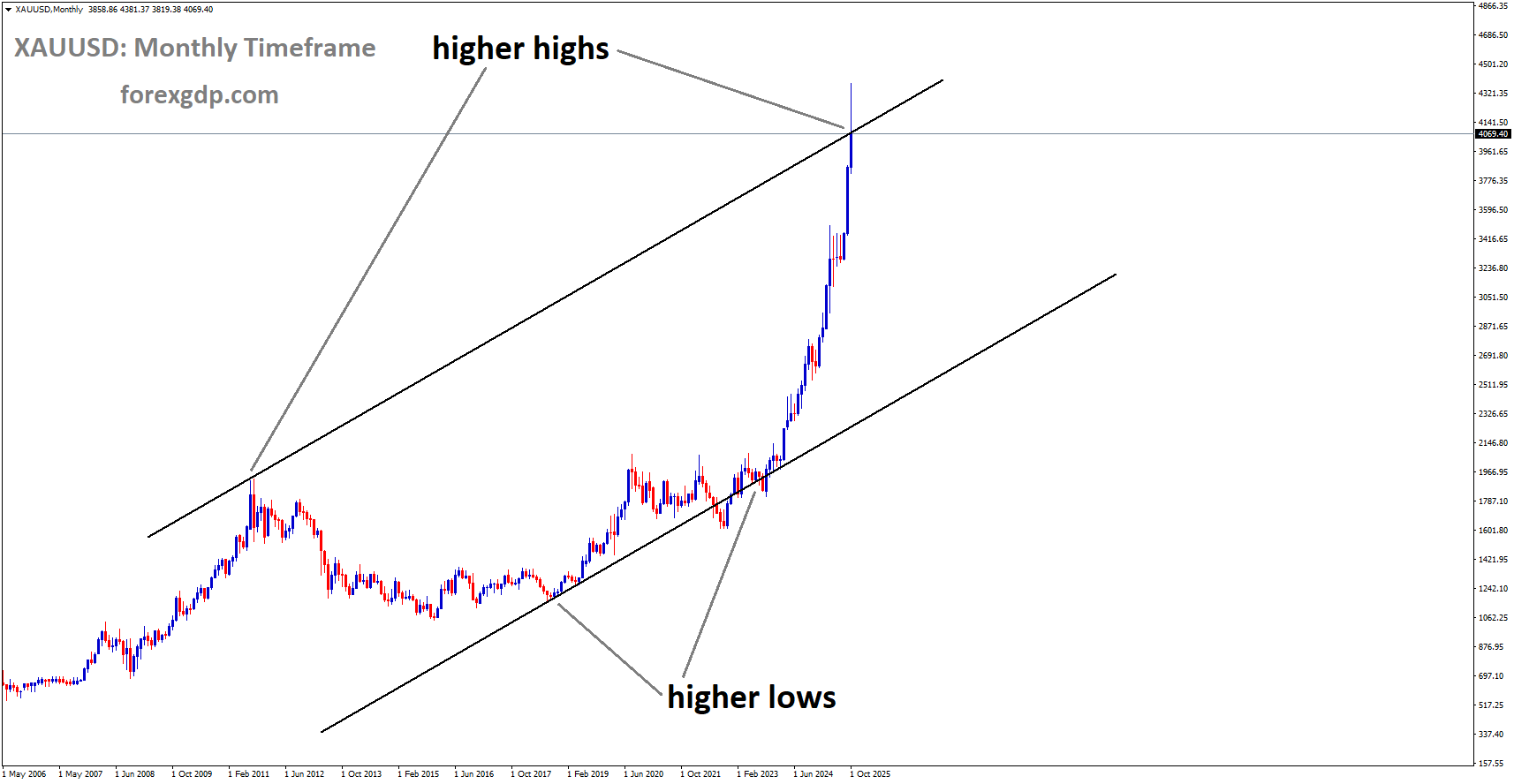
XAUUSD reached a higher high area of the Ascending channel
Investors will be watching how markets respond immediately after the CPI release. A stronger-than-expected inflation reading could push the dollar higher temporarily, pressuring gold in the short run. However, if inflation remains within moderate levels, traders might refocus on the Fed’s dovish stance, giving gold more room to climb.
Political Developments and Global Uncertainty Still in Focus
Beyond economic data, global politics continue to influence gold’s path.
Tensions Beyond Trade
President Trump’s comments about possible meetings with both Chinese and Russian leaders highlight how much geopolitics still affects market confidence. His statement that he doesn’t want a “wasted meeting” following the postponed talks with Russia over the Ukraine conflict shows that diplomatic progress remains fragile.
These ongoing uncertainties remind investors that while short-term optimism can lift risk assets, the underlying geopolitical risks are far from over. That’s another reason why many continue to view gold as a long-term safeguard.
Final Summary
Gold prices are holding steady as the global economy balances between optimism and caution. Easing US-China trade tensions have reduced immediate safe-haven demand, but deep-rooted concerns—like rising global debt, political gridlock in the US, and potential shifts in monetary policy—continue to keep gold in focus.
With the Federal Reserve expected to cut rates and inflation data set to take center stage, the next few days could be pivotal for the precious metal. Whether inflation rises or moderates, investors are likely to maintain some exposure to gold as protection against the unpredictable global financial environment.
In simple terms, gold’s steady performance shows that even in times of apparent calm, uncertainty is never too far away—and that’s when gold quietly shines the brightest.