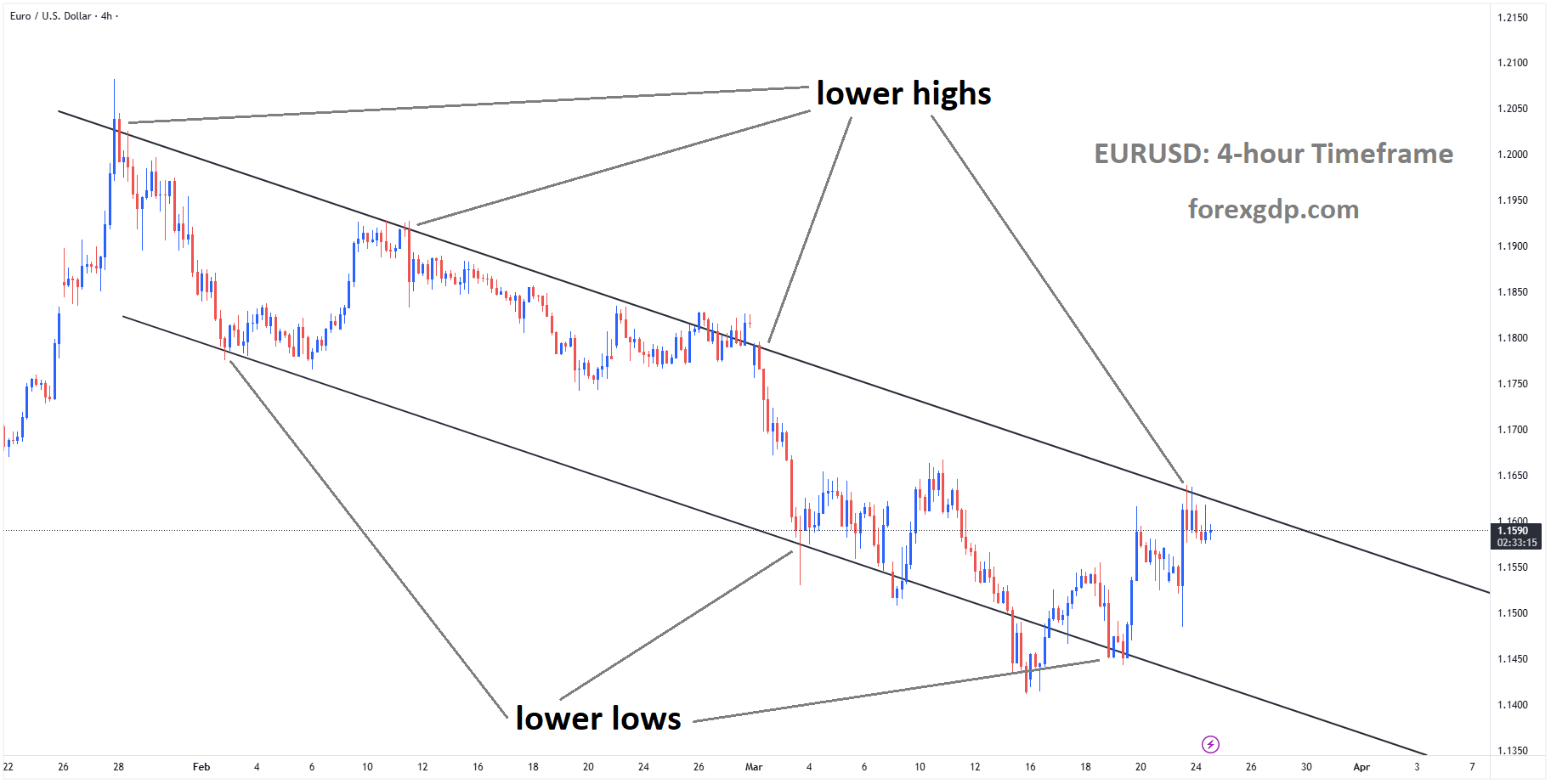
XAUUSD is moving in a descending channel, and the market has reached the lower low area of the channel
Gold has managed to edge higher for a second straight session, even as investors weigh a mix of supportive and limiting forces. On one side, steady buying from China, softer expectations around US monetary policy, and a weaker US dollar continue to support the precious metal. On the other, improving risk sentiment and cautious positioning ahead of major US economic data are keeping enthusiasm in check.
Rather than making bold moves, gold appears to be settling into a holding pattern. This pause reflects a market that is trying to make sense of shifting global signals while waiting for clearer direction from upcoming events. The balance between safety-driven demand and renewed confidence in riskier assets is shaping gold’s near-term behavior.
Strong Central Bank Demand Keeps Gold in Focus
One of the most important drivers supporting gold right now is continued buying by central banks, particularly in China. Recent data confirmed that the People’s Bank of China has added to its gold reserves once again, extending a long-running streak of purchases. This steady accumulation highlights gold’s role as a strategic asset during times of global uncertainty.
China’s ongoing interest in gold reflects broader concerns about economic stability, debt levels, and the long-term outlook for major currencies. By increasing its exposure to gold, China is reinforcing the idea that the metal remains a trusted store of value in a complex financial environment.
This trend is not limited to China alone. Central banks around the world have been diversifying their reserves, and gold has been a clear beneficiary of that shift. For long-term investors, this type of institutional demand adds a layer of underlying support that goes beyond short-term market swings.
Federal Reserve Expectations Weigh on the US Dollar

Another key factor influencing gold is the outlook for US interest rates. Expectations around future policy decisions by the Federal Reserve have turned more cautious, with markets increasingly betting on easier monetary conditions over time. Recent economic data from the United States has pointed to areas of softness, particularly in the labor market, reinforcing the case for a more accommodative stance.
When interest rate expectations soften, the US dollar often loses some of its appeal. A weaker dollar tends to make gold more attractive, especially for buyers using other currencies. Since gold does not offer yield, it generally performs better when returns on cash and bonds are less compelling.
Adding to this dynamic are growing discussions around the independence of the Federal Reserve. Public comments from US political leaders have raised concerns about potential pressure on monetary policymakers. While such statements do not directly change policy, they can influence market confidence and contribute to uncertainty around the future direction of interest rates.
All of these factors have combined to put gentle downward pressure on the dollar, creating a supportive backdrop for gold.
Improving Risk Sentiment Limits Safe-Haven Demand
Despite these supportive elements, gold has not surged higher. One reason is the generally positive mood across global equity markets. Signs of easing geopolitical tensions, particularly in the Middle East, have helped calm investor nerves and encouraged a shift toward riskier assets such as stocks.
Diplomatic engagement between major powers has reduced immediate fears of escalation, at least for now. As confidence improves, the need for traditional safe-haven assets like gold tends to fade. This does not mean investors are abandoning gold altogether, but it does limit aggressive buying.
This push and pull between safety and risk appetite explains why gold has been moving sideways rather than trending strongly. Investors are acknowledging the metal’s long-term value while also responding to short-term improvements in global sentiment.
Dedollarization and Long-Term Gold Appeal
Beyond daily market moves, a broader theme continues to shape gold’s outlook: the gradual shift away from reliance on the US dollar. Many countries are exploring ways to reduce their exposure to the dollar in trade and reserves, a trend often referred to as dedollarization.
Gold naturally fits into this narrative. It is not tied to any single country or political system, and it has a long history as a neutral reserve asset. As discussions around currency diversification grow, gold remains a logical choice for governments and institutions seeking stability.
This longer-term perspective helps explain why gold continues to attract interest even when short-term conditions are mixed. While daily headlines may cause fluctuations, structural trends provide a steady foundation beneath the surface.
Investors Await Key US Economic Data
In the near term, many traders are choosing patience over bold action. This week’s economic calendar in the United States includes several important releases that could influence both the dollar and gold.
Employment data will offer fresh insight into the health of the US labor market, an area closely watched by the Federal Reserve. Inflation figures will also be in focus, as they play a crucial role in shaping interest rate expectations. Together, these reports will help clarify whether the current narrative of easing policy remains intact.
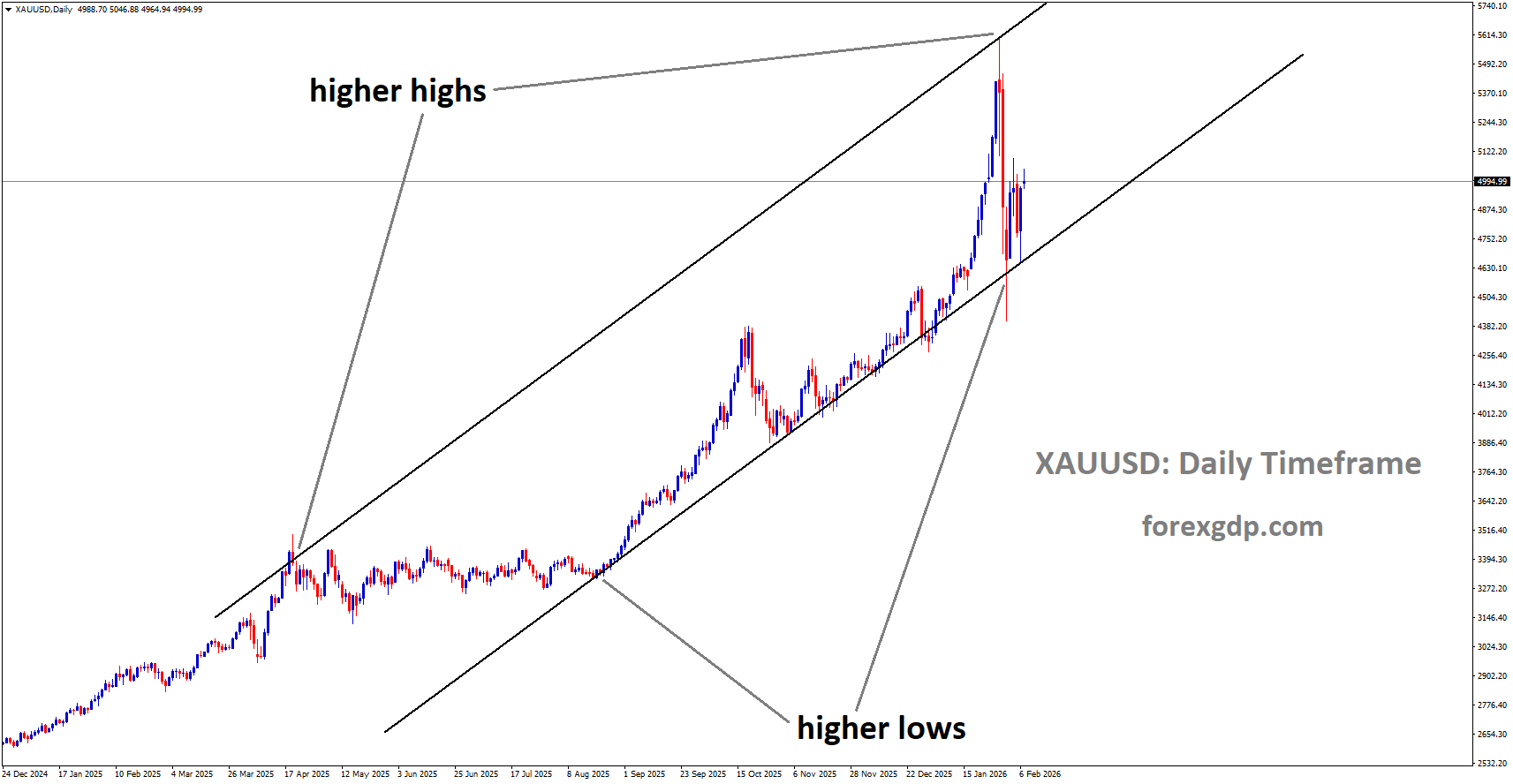
XAUUSD is moving in an ascending channel, and the market has rebounded from the higher low area of the channel
Until that information is available, market participants appear reluctant to commit to strong directional bets. This wait-and-see approach is contributing to gold’s steady, range-bound behavior.
Gold’s Role in a Changing Global Landscape
Gold’s recent performance reflects its unique position in the financial system. It responds not just to one factor, but to a complex mix of economic data, central bank actions, geopolitical developments, and investor psychology.
Right now, those forces are pulling in different directions. Supportive elements such as central bank buying and a softer dollar are balanced by improved risk sentiment and cautious positioning ahead of key data. The result is a market that is stable but undecided.
For many investors, gold continues to serve as a form of insurance rather than a speculative trade. It offers protection against unexpected shocks, policy mistakes, and long-term currency risks. Even when markets are calm, that underlying role does not disappear.
Final Summary
Gold is navigating a period of balance as supportive and limiting forces offset each other. Continued central bank buying, especially from China, and softer expectations around US monetary policy are helping to underpin demand. At the same time, improving global confidence and reduced geopolitical fears are easing the urgency for safe-haven assets.
With major US economic data on the horizon, investors are choosing caution, keeping gold in a steady holding pattern. While short-term direction remains uncertain, the metal’s long-term appeal as a store of value and strategic reserve asset continues to shine through.