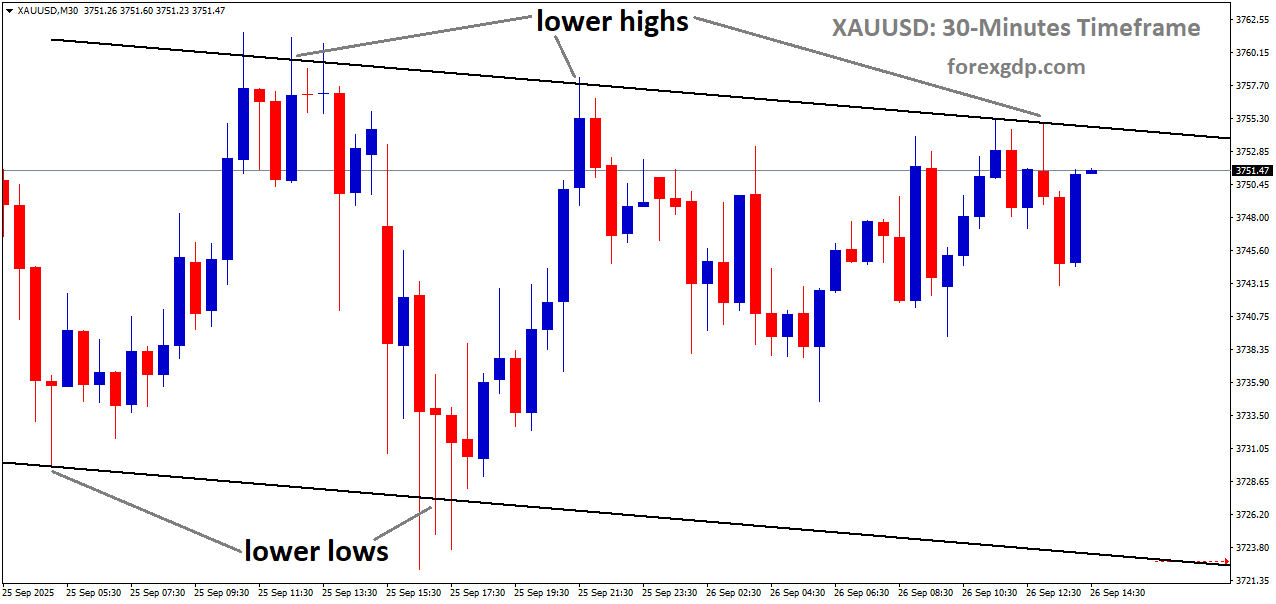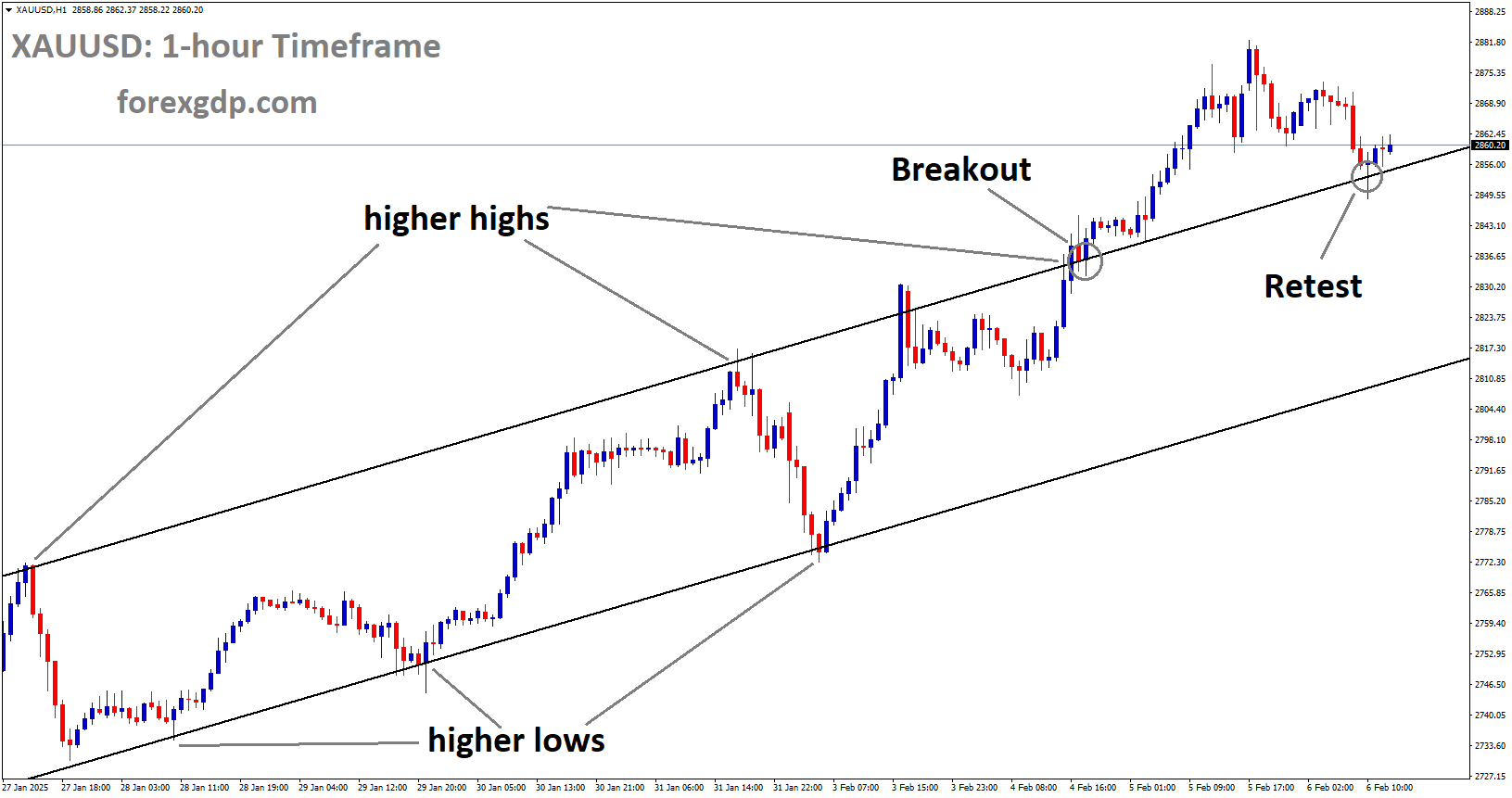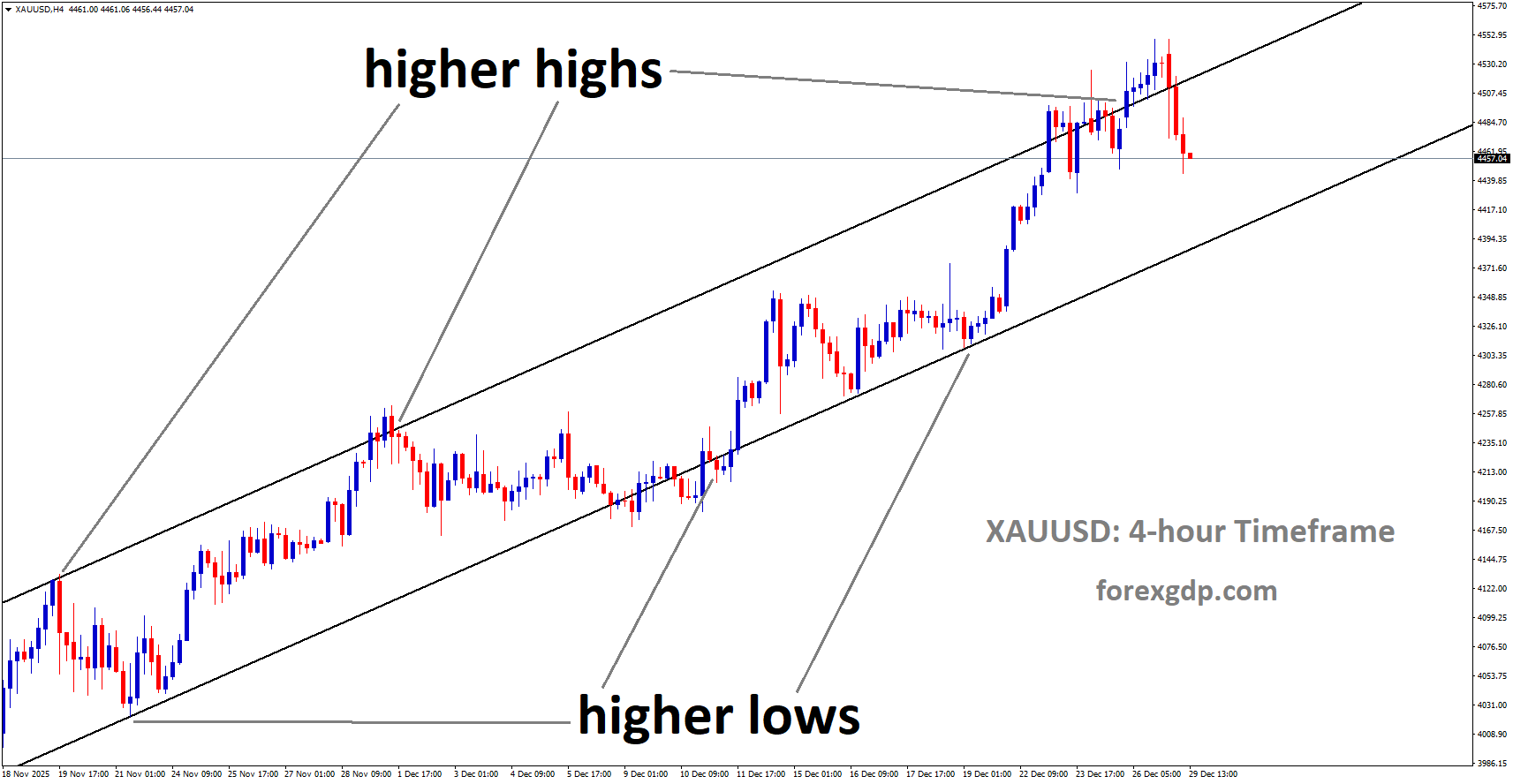
XAUUSD is moving in uptrend channel and market has fallen from the higher high area of the channel
Gold started the week on a softer note in early European trading on Monday, easing back after touching a fresh record in the previous session. The move looks less like a major shift in sentiment and more like a pause after an exceptional rally, with many traders choosing to lock in gains ahead of the year-end holidays.
A slightly firmer US Dollar also played a part. Because gold is priced in dollars, a stronger greenback can make the metal feel more expensive for buyers using other currencies. That can cool demand in the short term and nudge the gold price lower, even when the broader trend remains positive.
Still, the bigger story is hard to ignore: gold has had a standout year. After months of steady demand, the metal is heading toward its strongest annual performance in decades. And while a brief pullback can happen at any time, several powerful themes continue to support gold’s longer-term appeal.
Why Gold Pulled Back on Monday
The simplest explanation for Monday’s dip is profit-taking. When an asset pushes into record territory, it’s common for investors to take a breather—especially when holiday schedules reduce trading activity and liquidity becomes thin. In quieter markets, price swings can look larger than normal because fewer participants are active.
A stronger US Dollar can weigh on gold
Another short-term headwind is the US Dollar’s bounce. When the dollar rises, gold often faces pressure because it becomes less attractive to international buyers. This relationship doesn’t always move perfectly day to day, but it’s a frequent pattern in currency-driven markets, including the XAU/USD pair.
Holiday season trading can amplify small moves
This time of year tends to bring lighter volume. Many institutional desks run reduced schedules, and some investors prefer not to open new positions before the calendar turns. That can lead to subdued trading overall, with brief pullbacks and quick reversals becoming more common than in busier periods.
The Bigger Trend: A Remarkable Year for Gold
Even with Monday’s retreat, gold’s performance across 2025 has been striking. The metal has delivered one of its strongest annual gains since the late 1970s, highlighting how strongly investor demand has returned.
There are a few reasons gold has been able to climb so far:
-
Investors have been looking for stability in an uncertain global environment.
-
Expectations around future US interest rate policy have shifted in a gold-friendly direction.
-
Safe-haven demand has remained steady as geopolitical risks continue to simmer.
Gold often shines when people feel unsure about what comes next. That doesn’t mean it rises every day, but it does mean dips can attract buyers when the bigger narrative remains supportive.
What Could Support Gold Going Into 2026
Looking ahead, many market watchers believe the downside for gold may be limited, even if short-term dips continue. A key reason is the outlook for US interest rates.

Federal Reserve rate cuts can boost gold’s appeal
Gold is a non-yielding asset, meaning it doesn’t pay interest. When interest rates are high, holding cash or interest-bearing investments can look more attractive, which can reduce enthusiasm for gold.
But when investors expect rate cuts, that comparison changes. Lower rates can reduce the “opportunity cost” of holding gold, making it more appealing as a long-term store of value. Traders are already discussing the possibility of additional easing next year, and that expectation has been one of the quiet drivers behind gold’s resilience.
Safe-haven demand remains a powerful force
Gold’s role as a traditional safe-haven asset is still very relevant. When global tensions rise, investors often rotate into assets they view as more reliable. That can include gold, certain government bonds, and defensive currencies—though gold stands out because it is widely recognized across regions and does not depend on the stability of a single country’s financial system.
Geopolitical uncertainty continues to influence sentiment, and even headlines that hint at progress can be met with caution. Investors know that negotiations can be slow, complicated, and unpredictable, which keeps some level of defensive demand in the market.
Key Headlines Investors Are Watching
This week’s early market tone has been shaped by a mix of politics, economic data, and central bank expectations.
Updates on Ukraine talks are being followed closely
US President Donald Trump said he has made “a lot of progress” in discussions with Ukrainian President Volodymyr Zelensky regarding a potential peace deal. At the same time, he noted that there has not been a clear breakthrough on sensitive issues such as territory and suggested the process could still take weeks.
Markets often react to these kinds of updates in a measured way. Any sign of de-escalation can reduce immediate safe-haven demand, while uncertainty or stalled progress can keep defensive interest alive. For gold, the result is often a push and pull: optimism can cool demand briefly, but unresolved risks can keep underlying support in place.
US labor data is still sending a “steady” message
Recent US jobless claims data came in lower than the previous week and better than many analysts expected. That type of result can support the US Dollar in the short term because it suggests the labor market remains relatively stable.
For gold, stronger labor readings can be a mixed signal. On one hand, they can strengthen the dollar and reduce urgency for near-term rate cuts. On the other hand, gold doesn’t rely on weak data to perform well—especially when investors are focused on longer-term policy direction and broader risk concerns.
Fed independence is back in the spotlight
Trump also commented recently that he expects the next Federal Reserve Chair to keep rates low and not “disagree” with him. Those remarks have added to concerns among some investors and policymakers about the importance of central bank independence.
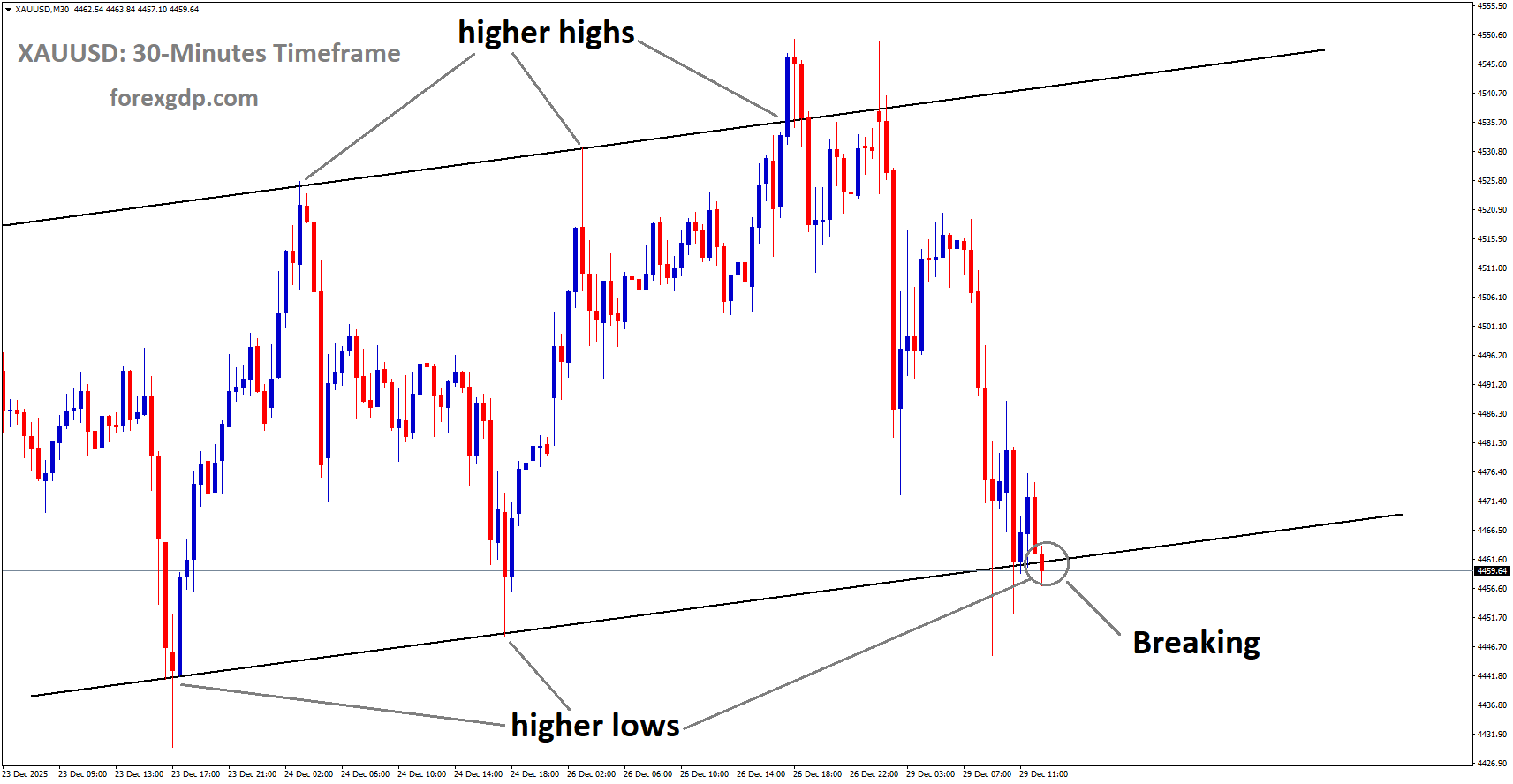
XAUUSD is breaking the higher low area of the uptrend channel
Gold can benefit when confidence in policy stability feels shaky. When investors worry about political pressure influencing monetary decisions, they sometimes increase allocations to hard assets like gold as a hedge against uncertainty.
What to Expect in the Final Week of the Year
With New Year holidays approaching, many traders expect markets to remain relatively calm, though sudden bursts of volatility are still possible in thin conditions.
A key data point on Monday is the US Pending Home Sales report for November. Housing indicators can influence expectations about economic momentum and future interest rates. While it’s not always a major market mover on its own, it can shape the broader tone—especially when trading volumes are light.
For gold traders and long-term investors, the next few sessions may be less about dramatic trend changes and more about positioning, profit-taking, and preparing for what 2026 could bring.
Final Summary
Gold has eased slightly after setting a new record, mainly due to profit-taking and a firmer US Dollar during thin holiday trading. Even so, the broader picture remains positive: gold has posted an exceptional year, supported by shifting expectations around Federal Reserve rate cuts, ongoing safe-haven demand, and continued geopolitical uncertainty. With markets likely to stay quieter into the New Year, investors will keep an eye on incoming US data and policy signals for clues about gold’s next move.