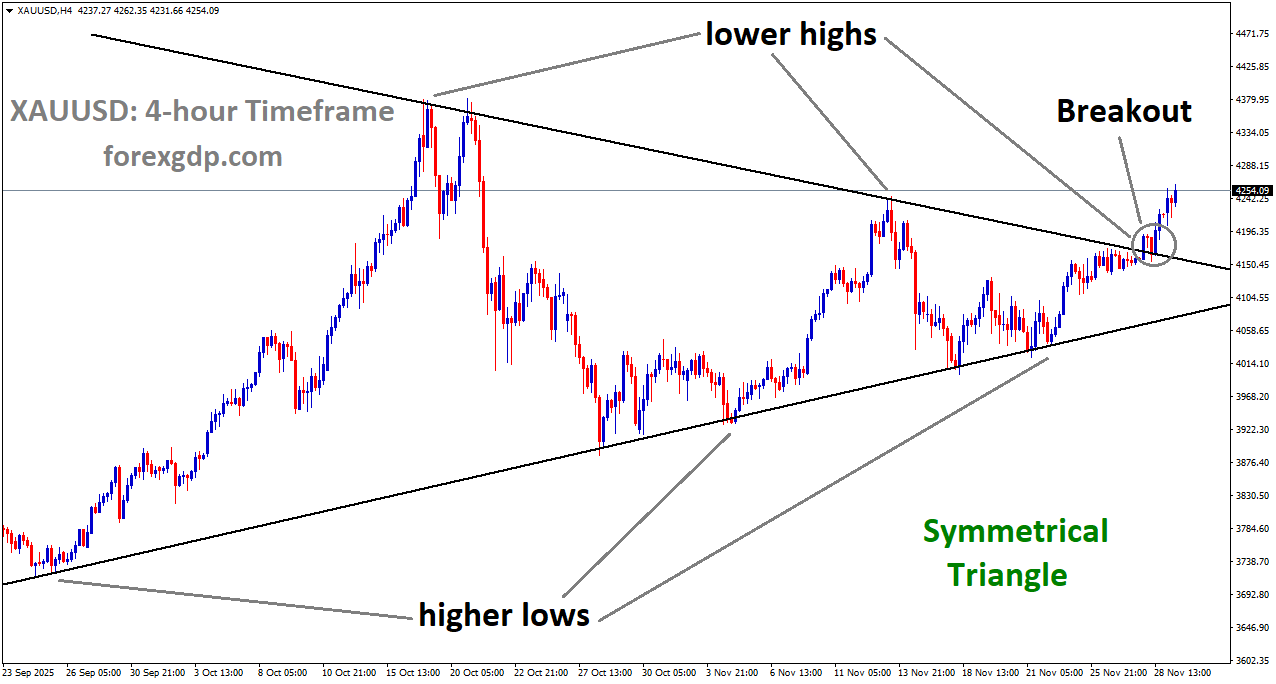
XAUUSD is moving in a descending channel, and the market has fallen from the lower high area of the channel
Gold prices are moving cautiously at the start of the week, staying close to recent levels as global events and economic expectations pull the market in different directions. While a softer US Dollar usually supports gold, the metal is finding it difficult to gain strong momentum. Investors are balancing geopolitical developments with growing attention on upcoming central bank decisions, creating a mixed outlook.
Geopolitical Developments Bring Temporary Calm
Recent news surrounding tensions between the United States and Iran has brought a sense of cautious optimism to global markets. Reports suggest that Iran has proposed a plan aimed at reopening the Strait of Hormuz, a key route for global oil shipments. This move is seen as a possible step toward reducing conflict, even though broader negotiations have yet to progress significantly.
The Strait of Hormuz plays a vital role in the global energy supply. Any disruption in this region tends to push oil prices higher and increases uncertainty across financial markets. The possibility of reopening this route has helped ease immediate concerns, improving overall market sentiment.
Despite this development, the situation remains uncertain. Diplomatic efforts are ongoing, and while there is hope for progress, no firm agreements have been reached. Investors are watching closely for any updates, as changes in the geopolitical landscape can quickly influence gold prices.
US Dollar Weakness Offers Limited Support
The US Dollar has shown some weakness following the latest geopolitical headlines. Typically, a weaker dollar makes gold more attractive to buyers using other currencies, which can help push prices higher. However, this time, the effect has been limited.
Gold is holding steady rather than rising sharply, indicating that other factors are playing a bigger role in shaping market behavior. Investors appear cautious, choosing not to make strong moves until there is more clarity on both economic policy and global events.
This muted reaction highlights how complex the current market environment is. Even when one factor supports gold, other influences can offset that impact.
Central Banks Take Center Stage
One of the main reasons gold is struggling to gain direction is the growing focus on central bank policies. Major institutions such as the Federal Reserve, European Central Bank, Bank of England, and Bank of Japan are all expected to announce policy decisions soon.
At this stage, most expectations point toward these banks keeping interest rates unchanged. However, the broader message from policymakers is likely to remain cautious, especially with inflation concerns still present.
Higher borrowing costs tend to weigh on gold because the metal does not provide any income. When interest rates are elevated, investors often prefer assets that offer returns, such as bonds or savings instruments. This creates a challenge for gold, even though it is traditionally seen as a safe-haven investment.
Inflation Concerns Continue to Build
Inflation remains a key issue across major economies. Rising oil prices, driven by geopolitical tensions, have contributed to increased costs for fuel and transportation. This has a ripple effect, pushing up prices in various sectors.
As inflation rises, central banks are under pressure to maintain tighter monetary policies. This means keeping interest rates higher for longer, which can slow economic growth but is intended to control rising prices.
For gold, the situation is mixed. On one hand, gold is often used as a hedge against inflation. On the other hand, higher interest rates reduce its appeal compared to income-generating assets. This balance is currently limiting strong price movements.
Investor Focus Shifts to Policy Signals

With so many moving parts in the global economy, investors are waiting for clearer signals from central banks. The Federal Reserve, in particular, plays a major role in shaping global financial conditions.
The ongoing conflict and its impact on energy prices add another layer of complexity. Policymakers must consider both inflation and employment, making their decisions more challenging. Any strong signals about future rate changes could have a significant impact on gold.
If central banks suggest that rates will stay high for an extended period, gold may face continued pressure. On the other hand, any signs of easing could provide support for the metal.
The Role of Oil and Global Trade Routes
The situation in the Strait of Hormuz remains one of the most important factors to watch. This narrow waterway is a key route for global oil shipments, and any disruption can have widespread effects.
If shipping through the strait is fully restored, oil prices could stabilize or decline. This would help ease inflation concerns and reduce pressure on central banks. In turn, this could create a more supportive environment for gold.
However, if tensions escalate again or negotiations stall, uncertainty could return quickly. In such scenarios, gold often benefits from its status as a safe-haven asset.
Why Gold Remains Range-Bound
Gold’s current behavior reflects a balance between opposing forces. On one side, geopolitical risks and a weaker dollar provide support. On the other, high interest rates and cautious central bank policies act as limiting factors.
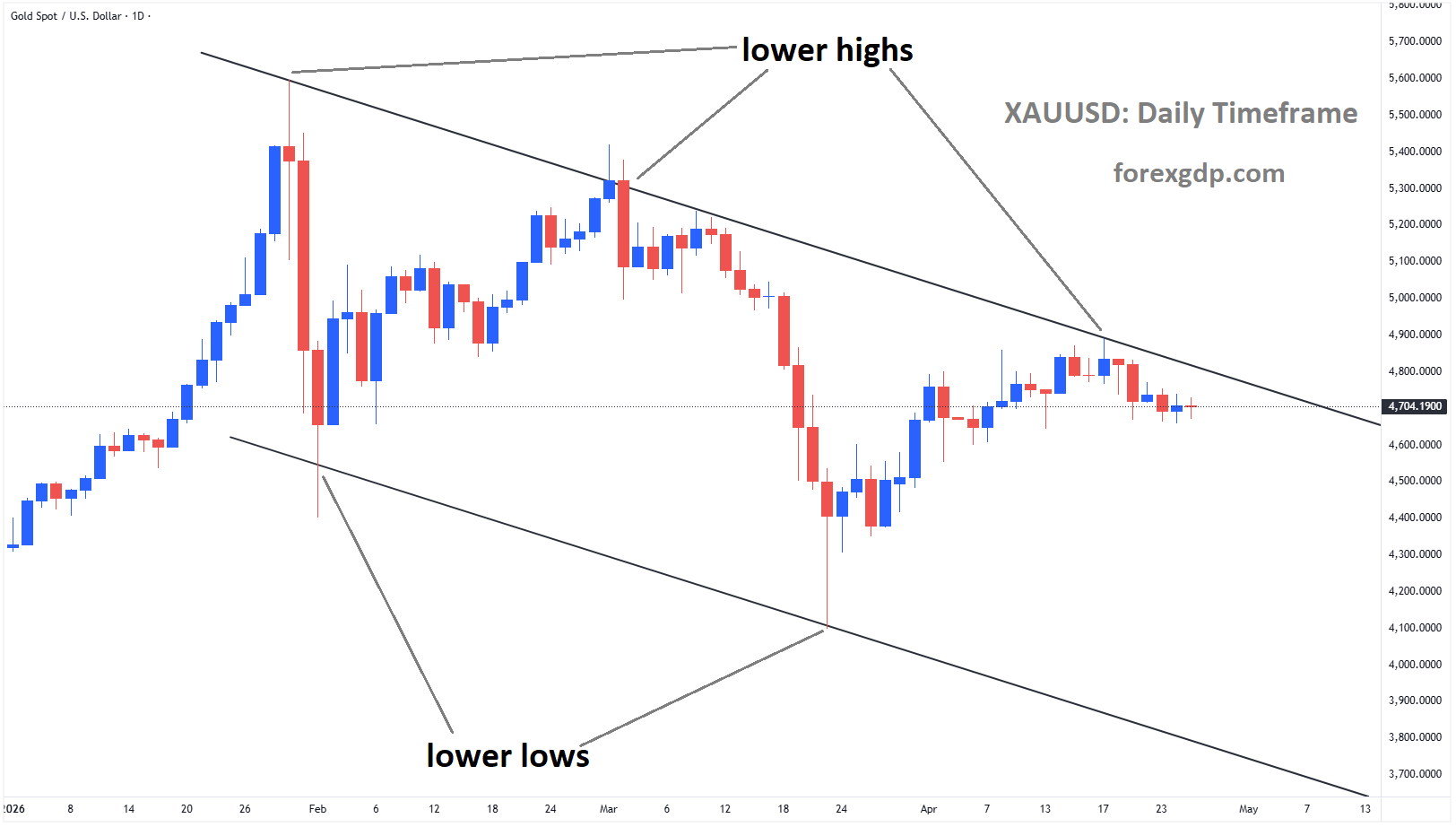
XAUUSD is moving in a descending channel, and the market has reached the lower high area of the channel
This push-and-pull dynamic is keeping gold within a relatively narrow range. Investors are hesitant to make aggressive moves until there is more clarity on key issues.
At the same time, the broader trend for gold remains intact. While momentum may have slowed, there is no strong indication of a major shift in direction. This suggests that gold could continue to move sideways in the near term.
What Traders Are Watching Next
Looking ahead, several key developments will shape gold’s direction:
- Updates on US-Iran relations and any progress toward reopening the Strait of Hormuz
- Central bank policy announcements and guidance on future interest rates
- Trends in oil prices and their impact on inflation
- Economic data that could influence monetary policy decisions
Each of these factors has the potential to shift market sentiment quickly. As a result, traders are staying alert and avoiding large positions until clearer trends emerge.
Summary
Gold is currently navigating a complex environment shaped by geopolitical tension, economic uncertainty, and central bank policies. While a weaker US Dollar and hopes for reduced conflict offer some support, high interest rates and inflation concerns are limiting strong upward movement.
The market is in a wait-and-see mode, with investors looking for clearer direction from policymakers and global events. Until more certainty emerges, gold is likely to remain steady, supported by ongoing uncertainty but held back by cautious economic expectations.