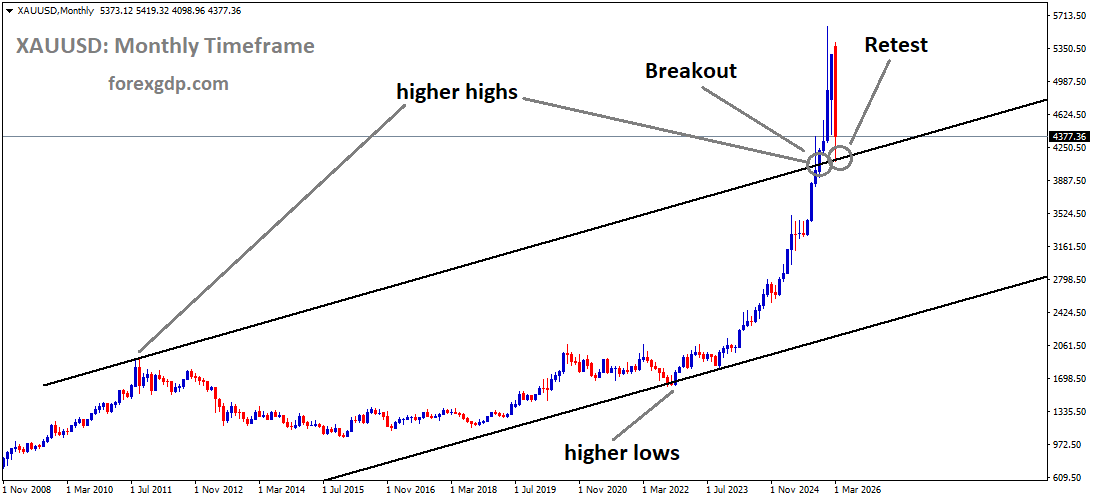
XAUUSD reached the retest area of the broken Ascending channel
Gold prices moved higher on Monday, bouncing back after a steep decline that had pushed the metal to its lowest level of the year. This recovery came as investors stepped in to buy at lower levels, while easing geopolitical tensions also helped improve overall market sentiment.
The rebound reflects how sensitive gold is to global developments, especially political risks and central bank expectations. While the short-term recovery has brought some relief, uncertainty remains high, keeping the outlook for gold mixed.
What Triggered Gold’s Recent Rebound
The main reason behind gold’s recovery was a shift in geopolitical developments involving the United States and Iran. Reports indicated that planned military actions targeting Iran’s energy infrastructure were temporarily delayed following constructive discussions between both sides.
This pause in escalation helped calm financial markets. When tensions ease, investors tend to move away from safe-haven assets like gold and shift toward riskier investments. However, in this case, the earlier sharp fall in gold prices attracted buyers who saw an opportunity.
Bargain Hunting Drives Demand
After a significant sell-off, many investors saw gold as undervalued and began buying again. This type of behavior, often called bargain hunting, is common after sudden market drops. It helps stabilize prices and can lead to short-term recoveries.
At the same time, the earlier decline had created conditions where the metal appeared oversold, encouraging traders to step back into the market.
Impact of Middle East Developments on Markets
The situation in the Middle East continues to play a major role in shaping global financial trends. Over the weekend, tensions had escalated after warnings about possible attacks on critical infrastructure. In response, Iran issued strong statements suggesting it could retaliate if such actions were carried out.
Temporary De-escalation Brings Relief
The decision to delay military action signaled a temporary easing of tensions. This had an immediate effect on several markets:
- Oil prices pulled back after earlier gains
- The US Dollar weakened slightly
- Government bond yields declined
These changes collectively supported gold’s rebound, as a weaker dollar and lower yields often make gold more attractive to investors.
Uncertainty Still Lingers
Despite the temporary calm, the broader situation remains unresolved. The risk of further escalation has not disappeared, and any new developments could quickly change market direction.
One key concern is the status of major shipping routes, which are critical for global energy supply. Any disruption could push oil prices higher again, bringing inflation worries back into focus.
Inflation Concerns and Interest Rate Expectations
Another important factor influencing gold is the outlook for inflation and interest rates. Even though oil prices eased slightly, they remain relatively high, which keeps concerns about rising costs alive.
Central Banks Staying Cautious
Recent meetings by major central banks suggest a cautious approach. Policymakers have chosen to keep interest rates steady for now, but they continue to highlight the risk of persistent inflation.
This signals that:
- Interest rates may remain elevated for a longer period
- There is still a possibility of further rate increases
- Central banks are not yet ready to shift toward easing policies
Why Interest Rates Matter for Gold
Gold does not pay interest or dividends, which means it competes with other investments that offer returns. When interest rates are high, investors often prefer assets like bonds that generate income.
As a result, higher rates increase the opportunity cost of holding gold, which can limit its upside potential.
At the moment, markets are adjusting their expectations, with fewer investors anticipating rate cuts in the near future. This shift is creating a challenging environment for gold, even as it recovers from recent lows.
Market Sentiment and the Role of Safe-Haven Assets
Gold is often seen as a safe-haven asset, meaning it tends to perform well during times of uncertainty. However, its behavior is not always straightforward.
Mixed Signals in the Current Environment
Right now, markets are dealing with two opposing forces:
- Easing geopolitical tensions, which reduce demand for gold
- Ongoing uncertainty and inflation risks, which support gold
This creates a push-and-pull effect, where gold prices may move in both directions depending on new developments.
Investor Focus Shifting Rapidly
With limited economic data available in the short term, investors are paying closer attention to headlines and global events. Any updates related to geopolitical risks or central bank policies can quickly influence market sentiment.
This means gold could remain volatile, reacting sharply to even small changes in the broader environment.
What Could Shape Gold’s Next Move
Looking ahead, several factors are likely to determine the direction of gold prices:
Geopolitical Developments
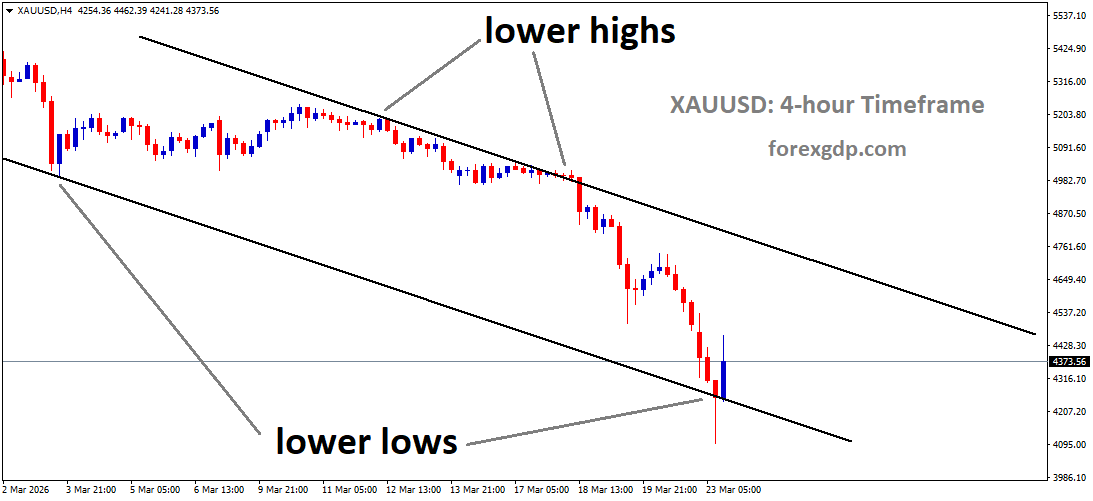
XAUUSD reached a lower low area of the descending channel
The situation between the United States and Iran remains the biggest driver. A clear resolution or further de-escalation could reduce demand for gold, while renewed tensions could push prices higher.
Oil Prices and Inflation
Energy markets will continue to play a key role. If oil prices rise again, inflation concerns could strengthen, potentially supporting gold as a hedge against rising costs.
Central Bank Decisions
Future signals from central banks will also be critical. Any indication of prolonged high interest rates or additional tightening could weigh on gold, while signs of easing could provide support.
Currency Movements
The strength of the US Dollar is another important factor. A weaker dollar typically benefits gold, while a stronger dollar can put pressure on prices.
Final Summary
Gold has staged a recovery after a sharp decline, helped by easing geopolitical tensions and renewed buying interest. The delay in potential military action reduced immediate risks, allowing markets to stabilize and giving gold room to rebound.
However, the broader outlook remains uncertain. Inflation concerns, central bank policies, and ongoing geopolitical risks continue to shape the market environment. While the recent bounce offers some optimism, the path forward for gold will depend heavily on how these factors evolve in the coming days.
For now, gold remains caught between improving sentiment and lingering uncertainty, making it a closely watched asset in global markets.