XAUUSD is moving in an uptrend channel, and the market has reached a higher high area of the channel
Gold has been moving higher as investors take a fresh look at where US interest rates may head over the next couple of years. After the Federal Reserve delivered another rate cut this week—its third cut of the year—many traders now believe borrowing costs could keep drifting lower, even if the Fed is not ready to promise anything in advance.
At the same time, the US Dollar has been softer, which often helps lift demand for gold from buyers outside the United States. Add ongoing geopolitical stress, and the setup continues to favor bullion as a “safe-haven” asset—something people tend to buy when they want stability in uncertain times.
What’s driving gold right now is not one single headline. It’s a mix of central bank buying, shifting expectations about the Fed, growing investment demand through ETFs, and the uneasy mood created by world events.
Why the Federal Reserve Matters So Much for Gold
Gold does not pay interest. That simple fact is a big reason the Federal Reserve has such a strong influence on the gold price.
When interest rates are high, investors can earn more by holding cash or interest-paying assets like bonds. Gold can still do well in those periods, but it often faces tougher competition. When rates are cut—or when markets expect rates to fall—gold can look more attractive because the “opportunity cost” of holding it goes down.
This week’s Fed decision pushed that debate back into the spotlight. The central bank lowered rates again, but it did not lay out a clear roadmap for what comes next. Instead, it kept its familiar approach: future decisions will depend on incoming economic data, especially inflation and the labor market.
Powell’s message: fewer surprises, more patience
Fed Chair Jerome Powell signaled that near-term rate hikes are unlikely, which many investors read as a softer tone than they expected. Even without a bold promise of additional cuts, that hint alone was enough to shift market expectations.
In plain terms, investors heard: “We’re watching the data, but we’re not looking to slam the brakes.” For gold, that kind of message can be supportive, because it suggests the Fed may lean toward easing if inflation cools or growth slows.
Markets vs. the Fed: different forecasts can move prices
One of the most common drivers of short-term moves in gold is the gap between what markets think the Fed will do and what Fed officials say they plan to do.
After this week’s decision, traders increased bets on more easing next year, even though some Fed projections still suggest a slower pace. That tension matters because gold often reacts to expectations—sometimes even more than the rate decision itself.
A Split Vote Shows the Fed Isn’t Fully Aligned
This rate cut was not a unanimous decision. Several policymakers disagreed, and their comments help explain why the market is still debating the Fed’s next steps.
Some officials argued for a more aggressive cut, believing the economy could handle it or that it would better support growth. Others preferred to keep rates unchanged, pointing to inflation risks and the importance of protecting the Fed’s credibility.
Concerns about inflation remain front and center
One dissenting voice emphasized the need for more clarity on inflation before moving faster. The argument is straightforward: cutting too quickly could risk repeating past mistakes if inflation proves stubborn.
Another policymaker warned against complacency, suggesting that policy may not be as restrictive as it seems and that the Fed must be careful not to weaken public confidence in its commitment to stable prices.
For gold investors, these disagreements matter because they create uncertainty. Uncertainty tends to increase the appeal of assets that are viewed as long-term stores of value.
A Softer US Dollar Adds Fuel to Gold’s Strength
Another major factor supporting gold is the US Dollar’s recent weakness.
Gold is traded globally and typically priced in US dollars. When the dollar falls, gold often becomes cheaper for buyers using other currencies, which can increase demand and push prices higher.
A softer dollar can also signal something broader: investors may be leaning toward a more “dovish” Fed outlook, meaning they expect lower rates over time. That combination—lower rate expectations and a weaker dollar—has historically been a friendly environment for gold.
Geopolitical Tensions Keep Safe-Haven Demand Alive
Gold’s reputation as a safe-haven asset becomes more important when global tensions rise. Investors often turn to gold when they worry about conflict, instability, or sudden economic shocks.
Recent developments in the Russia-Ukraine situation have kept markets on edge, particularly as peace efforts move slowly and proposals around contested regions raise new concerns. When negotiations stall or uncertainty grows, gold can benefit from steady demand as investors look for protection.
Even when headlines change from day to day, the broader theme is what matters: if global risks stay elevated, some investors prefer to keep at least part of their portfolio in assets that are less tied to any single government or currency.
Institutional Demand and Gold ETFs: A Bigger Story Than Daily Price Swings
Beyond the Fed and geopolitics, gold has been supported by strong demand from large institutions. Two areas stand out: central bank buying and investment flows into exchange-traded funds (ETFs).
Central banks continue to play a key role
Central banks have been significant buyers of gold in recent years as many countries look to diversify reserves. This type of demand can be powerful because it tends to be steady and long-term. Central banks usually don’t chase short-term moves; they buy for strategic reasons, including diversification and resilience.
ETF inflows make it easier for investors to buy gold
Gold ETFs have also helped support demand by making it simple for individuals and institutions to gain exposure without buying and storing physical metal. When ETF inflows rise, they can create an additional layer of buying pressure that supports the market.
India’s pension reform could open a new channel of demand
A noteworthy development is a regulatory change in India that allows certain pension funds to allocate a portion of assets to gold and silver ETFs regulated by the country’s securities framework.
This matters because pension money is typically “sticky”—it tends to be invested with a long time horizon. Even a small allocation from large retirement systems can add up over time and create a more consistent base of demand.
What to Watch Next: The Forces That Could Shape Gold’s Direction
Gold’s current strength is tied to several themes that can evolve quickly. If you’re following the gold price or the XAU/USD pair, these are the areas likely to matter most in the near future:
-
US inflation and jobs data: If inflation cools and the labor market softens, expectations for more Fed easing could grow. If inflation re-accelerates, the Fed may hesitate, and gold could face headwinds.
-
Fed communication: Speeches, meeting minutes, and updated projections can shift expectations even when rates do not change.
-
US Dollar trend: Continued dollar softness can support gold, while a rebound in the dollar can reduce demand from overseas buyers.
-
Geopolitical headlines: Progress toward stability can reduce safe-haven demand, while escalation can do the opposite.
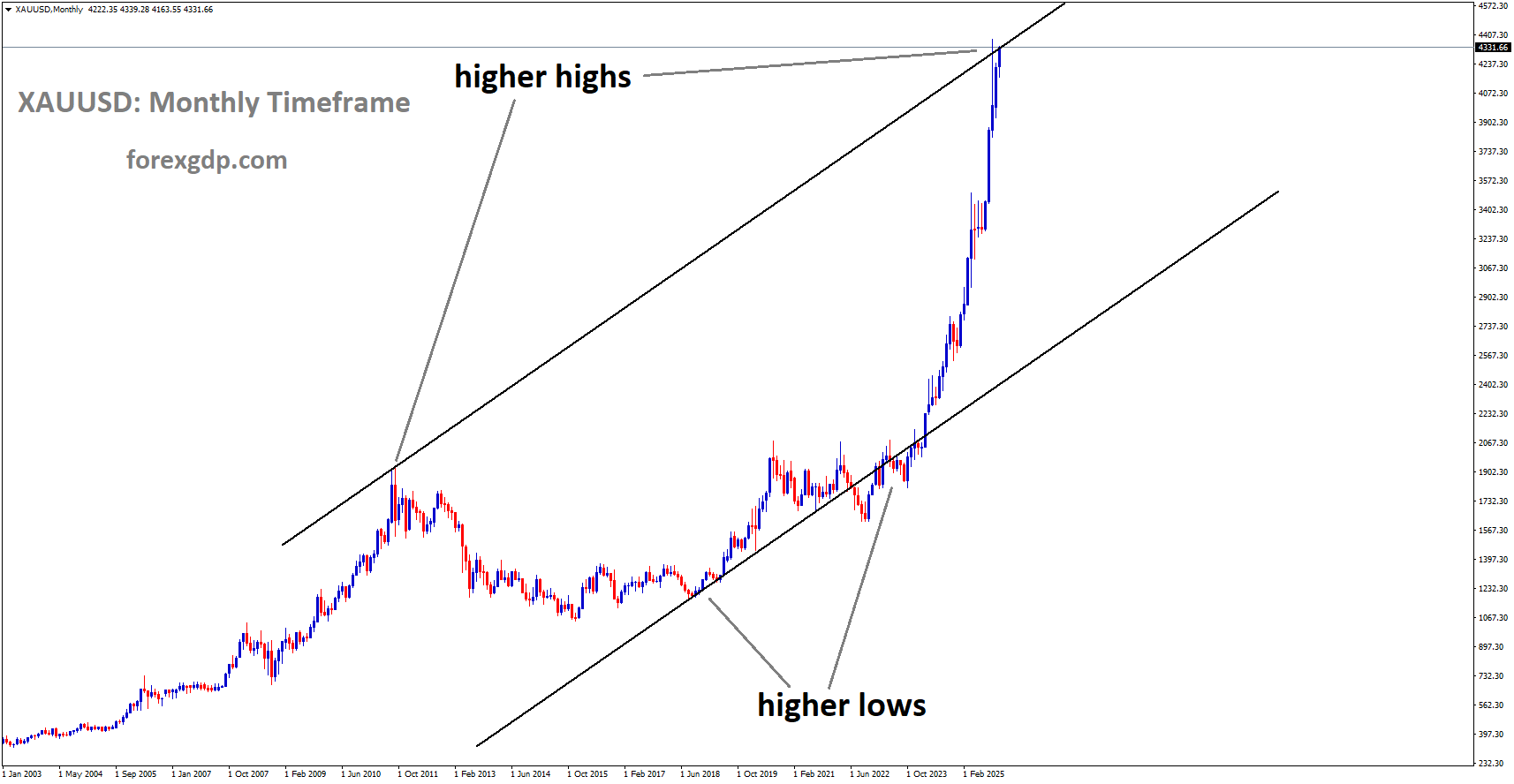
XAUUSD is moving in an Ascending channel, and the market has reached a higher high area of the channel
-
Institutional flows: Central bank purchases and ETF activity can provide clues about underlying demand beyond short-term trading.
Final Summary
Gold is rising because several supportive forces are lining up at once. The Federal Reserve’s latest rate cut has encouraged investors to think more easing could follow, even as policymakers debate the best pace and timing. A softer US Dollar has made gold more appealing to global buyers, and geopolitical uncertainty continues to keep safe-haven demand active. On top of that, strong institutional interest—through central bank buying, ETF inflows, and new channels such as India’s pension-linked access to precious metals—adds a steady foundation beneath the market.