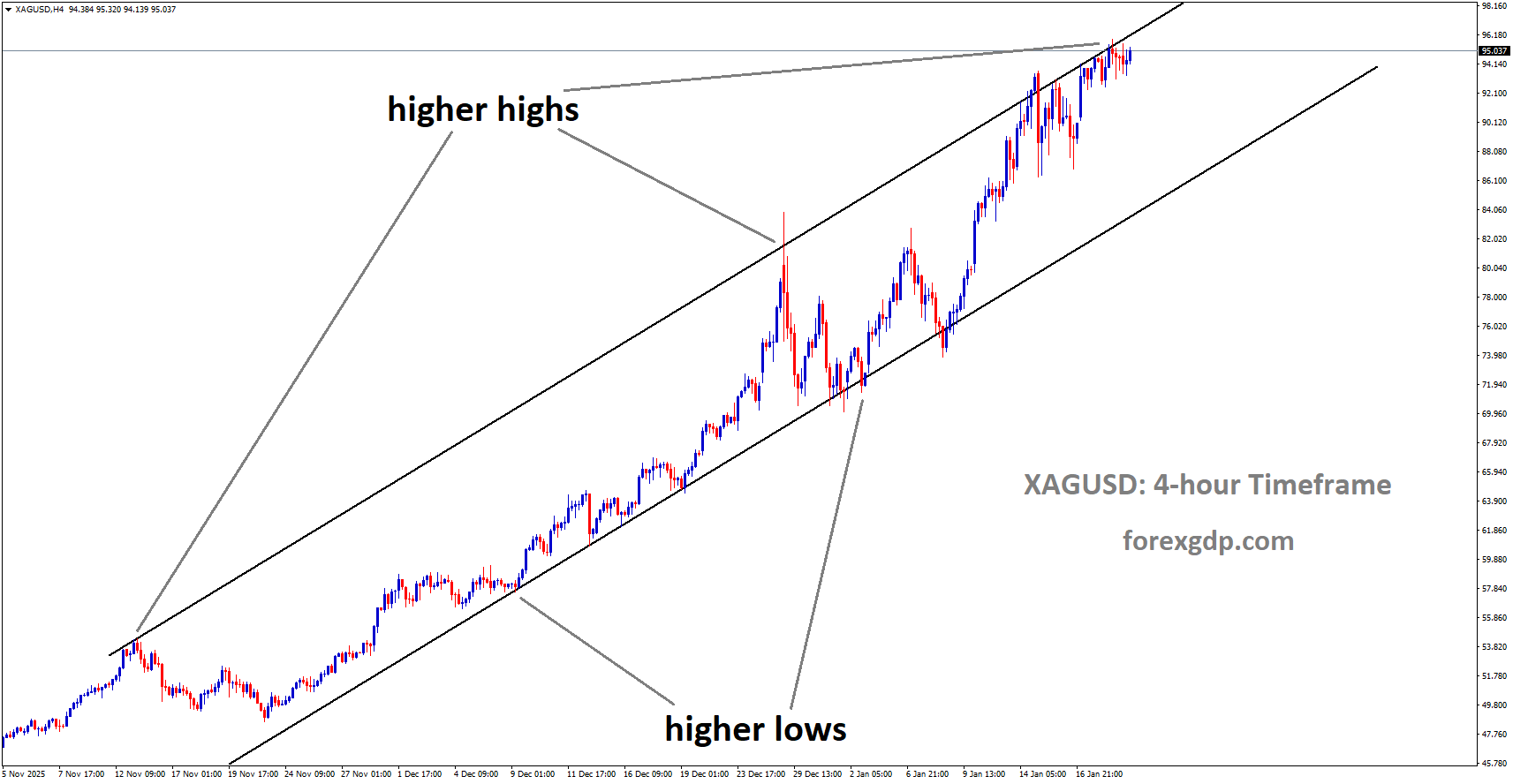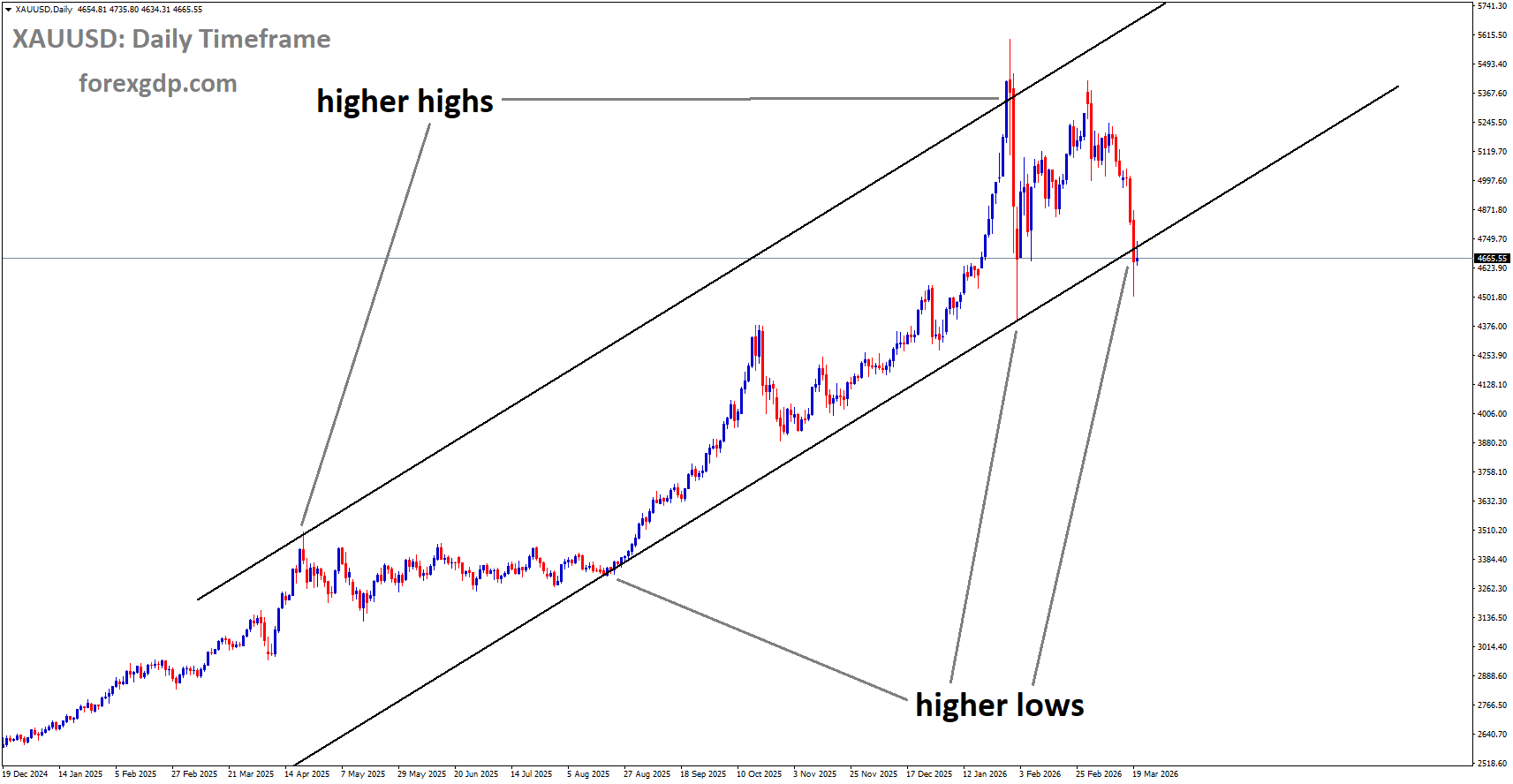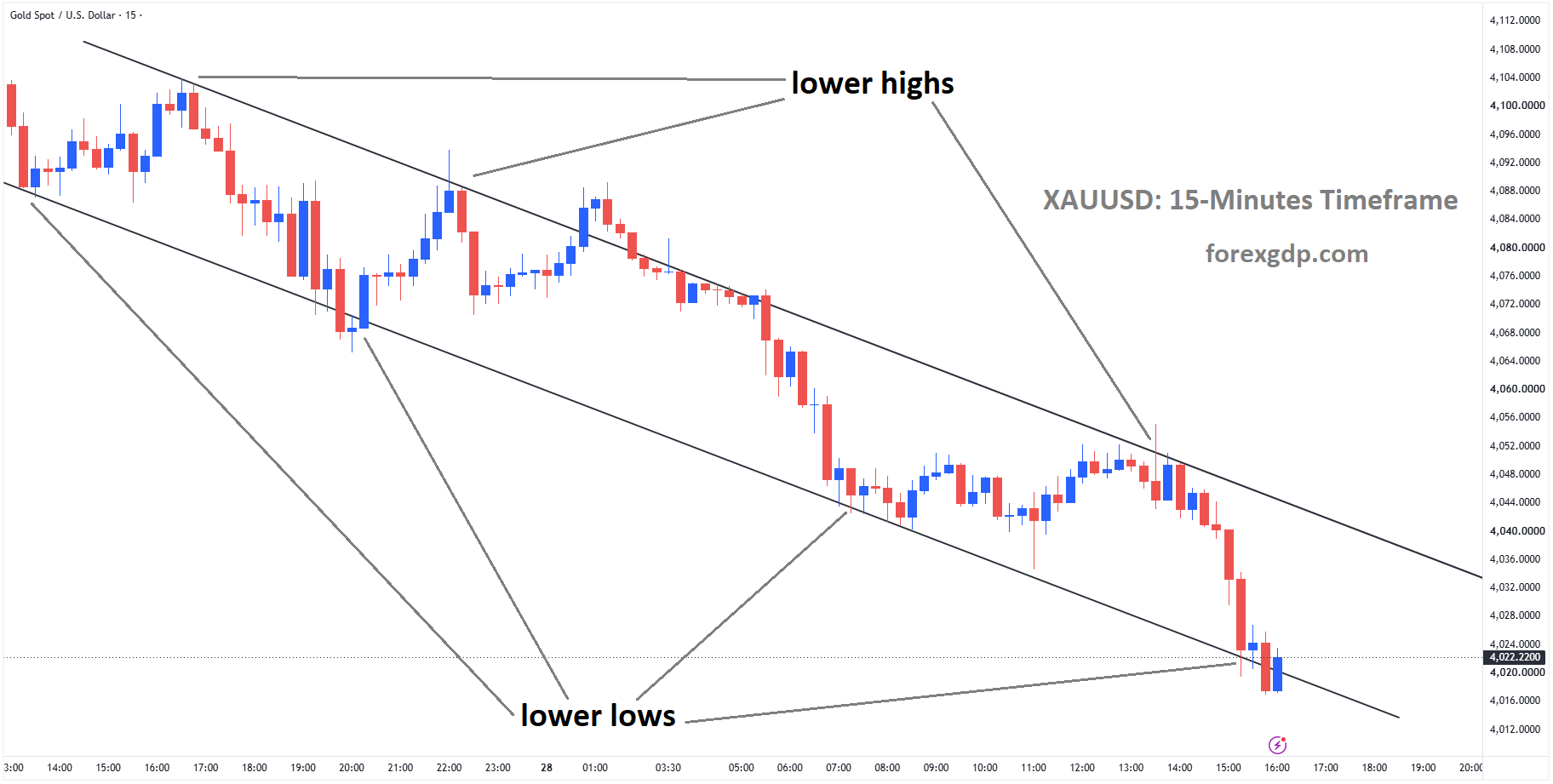


XAUUSD is moving in an uptrend channel, and the market has rebounded from the higher low area of the channel
Gold continued to attract attention from investors on Tuesday as ongoing global tensions and shifting economic signals influenced market sentiment. While the precious metal recorded modest gains during the day, the overall movement remained limited. Investors appeared cautious, waiting for clearer signals from economic data and geopolitical developments before making stronger commitments.
The combination of rising geopolitical concerns, fluctuating energy prices, and changing expectations about U.S. interest rates has kept gold in focus. Even though the metal received support from falling U.S. bond yields and a weaker dollar, the broader market mood prevented a stronger rally.
Geopolitical Tensions Support Gold Demand
One of the main reasons behind gold’s steady demand is the continued uncertainty in global politics. Investors often turn to gold when the world faces instability because it is widely viewed as a safe-haven asset. During periods of tension or conflict, gold tends to become more attractive as people seek protection for their wealth.
Recent developments in the Middle East have intensified these concerns. The conflict in the region has escalated further, creating worries about broader regional instability. Iranian officials have strongly rejected recent comments from U.S. leadership suggesting that the conflict could end soon. Instead, they warned that regional security must apply equally to all parties involved.
Iran’s Islamic Revolutionary Guard Corps also stated that the timeline for ending the conflict will not be determined by outside powers. Such statements highlight the ongoing uncertainty surrounding the situation, which keeps investors cautious.
Whenever geopolitical tensions rise, investors often reduce exposure to risky assets and increase their holdings in safer options like gold. This shift in investment behavior helps support gold prices even when other factors limit stronger gains.
Energy Market Concerns Add to Global Uncertainty
Energy markets have also contributed to the cautious mood among investors. Oil prices recently showed renewed strength after a dramatic turnaround earlier in the week. The recovery followed concerns that the ongoing conflict could disrupt global oil supplies.
One key concern involves the Strait of Hormuz, a crucial shipping route for global energy supplies. Any disruption in this area could significantly impact oil deliveries around the world. Because a large share of global oil shipments passes through this narrow waterway, even small disruptions can cause major market reactions.
If oil prices continue rising, inflation could increase again in many countries. Higher energy costs often translate into higher prices for goods and services. This possibility has made investors rethink their expectations about monetary policy in the United States.
Changing Interest Rate Expectations Influence Gold
The outlook for interest rates in the United States plays a major role in gold’s performance. When interest rates rise, gold often faces pressure because it does not provide interest or yield. On the other hand, when expectations shift toward lower interest rates, gold tends to benefit.

Recently, investors have started to question whether the U.S. Federal Reserve will cut interest rates as soon as previously expected. The possibility of higher inflation, partly driven by rising energy prices, could force the central bank to delay any policy easing.
If interest rate cuts are postponed, the dollar could remain strong and limit gold’s upside potential. This is one of the key reasons why gold’s gains have remained modest despite ongoing geopolitical risks.
However, there is another factor working in gold’s favor. U.S. Treasury bond yields have recently moved lower, pulling the U.S. dollar away from its recent highs. A weaker dollar generally helps gold because the metal becomes more affordable for buyers using other currencies.
This combination of lower bond yields and a softer dollar has helped gold maintain its upward bias, even though strong buying momentum has not yet appeared.
Investors Await Key Inflation Data
While global events continue to influence sentiment, investors are now closely watching upcoming economic data from the United States. Two major inflation reports scheduled for release later this week could play a significant role in shaping the market’s next move.
The first important report is the Consumer Price Index (CPI), which measures changes in the prices consumers pay for goods and services. This report will provide fresh insight into whether inflation in the United States is slowing down or remaining stubbornly high.
Later in the week, the Personal Consumption Expenditure (PCE) Price Index will also be released. This measure is particularly important because it is the Federal Reserve’s preferred gauge of inflation. Policymakers closely monitor this indicator when deciding whether to adjust interest rates.
If the data shows that inflation is cooling, expectations for interest rate cuts could increase again. Such a scenario would likely support gold demand, as lower interest rates generally make non-yielding assets like gold more attractive.
On the other hand, if inflation remains elevated, the Federal Reserve may choose to keep interest rates higher for longer. That outcome could strengthen the U.S. dollar and limit gold’s potential gains.
Mixed Market Sentiment Keeps Gold in a Narrow Range
Despite the supportive factors, gold has not yet seen a strong surge in buying activity. Part of the reason lies in the overall mood in global financial markets.
While geopolitical risks remain high, broader financial markets have not shown widespread panic. Many investors are still willing to take on risk in other asset classes, which reduces the urgency to move heavily into safe-haven assets like gold.
This balanced sentiment has kept gold trading within a relatively tight range. Buyers are hesitant to push prices significantly higher without stronger confirmation from economic data or geopolitical developments.
Traders are therefore adopting a wait-and-see approach. Instead of making large directional bets, many market participants are waiting for clearer signals about inflation trends and central bank policy.
Ongoing Conflict Remains a Key Factor
Even as economic data takes center stage this week, geopolitical developments continue to remain a critical influence on gold. The evolving situation in the Middle East, particularly involving tensions between the United States, Israel, and Iran, remains closely monitored by global investors.
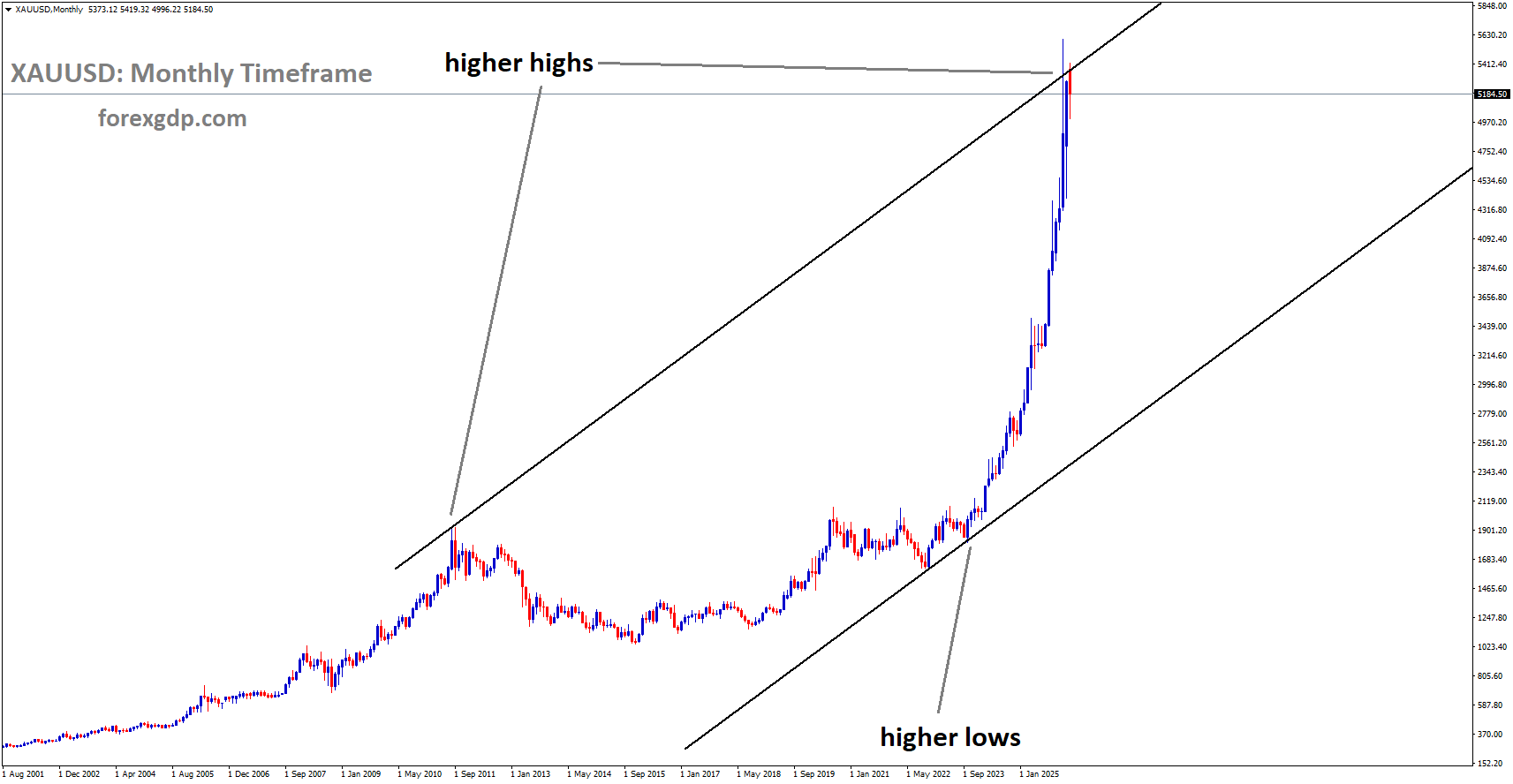
XAUUSD is moving in an uptrend channel, and the market has reached a higher high area of the channel
Any sudden escalation in the conflict could quickly shift market sentiment. In such scenarios, safe-haven demand for gold could increase rapidly as investors seek protection from heightened uncertainty.
At the same time, diplomatic developments or signs of de-escalation could reduce demand for defensive assets. This uncertainty makes the geopolitical landscape one of the most important drivers of gold sentiment in the near term.
Summary
Gold continues to hold steady as investors balance geopolitical risks with economic uncertainty. Tensions in the Middle East, concerns about potential disruptions to oil supplies, and shifting expectations around U.S. interest rates have all contributed to the metal’s current performance.
Lower U.S. bond yields and a softer dollar have provided support, helping gold maintain modest gains. However, caution among investors and mixed market sentiment have kept prices within a limited range.
The upcoming U.S. inflation reports, including the Consumer Price Index and the Personal Consumption Expenditure Price Index, are expected to play a crucial role in shaping future market expectations for interest rates.
At the same time, geopolitical developments remain a key factor that could influence investor behavior. As long as global uncertainty persists, gold is likely to remain an important asset for those seeking stability during unpredictable times.