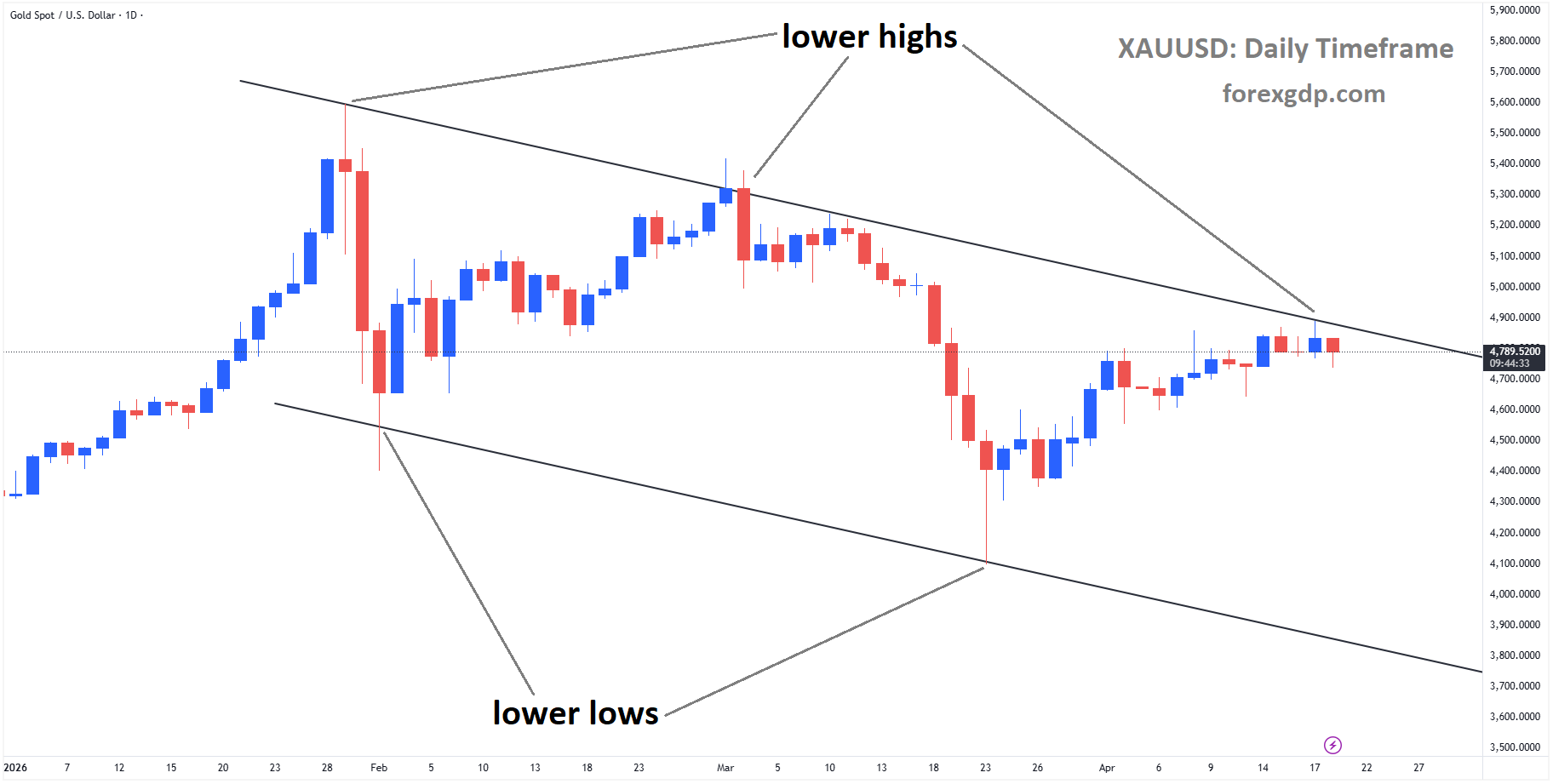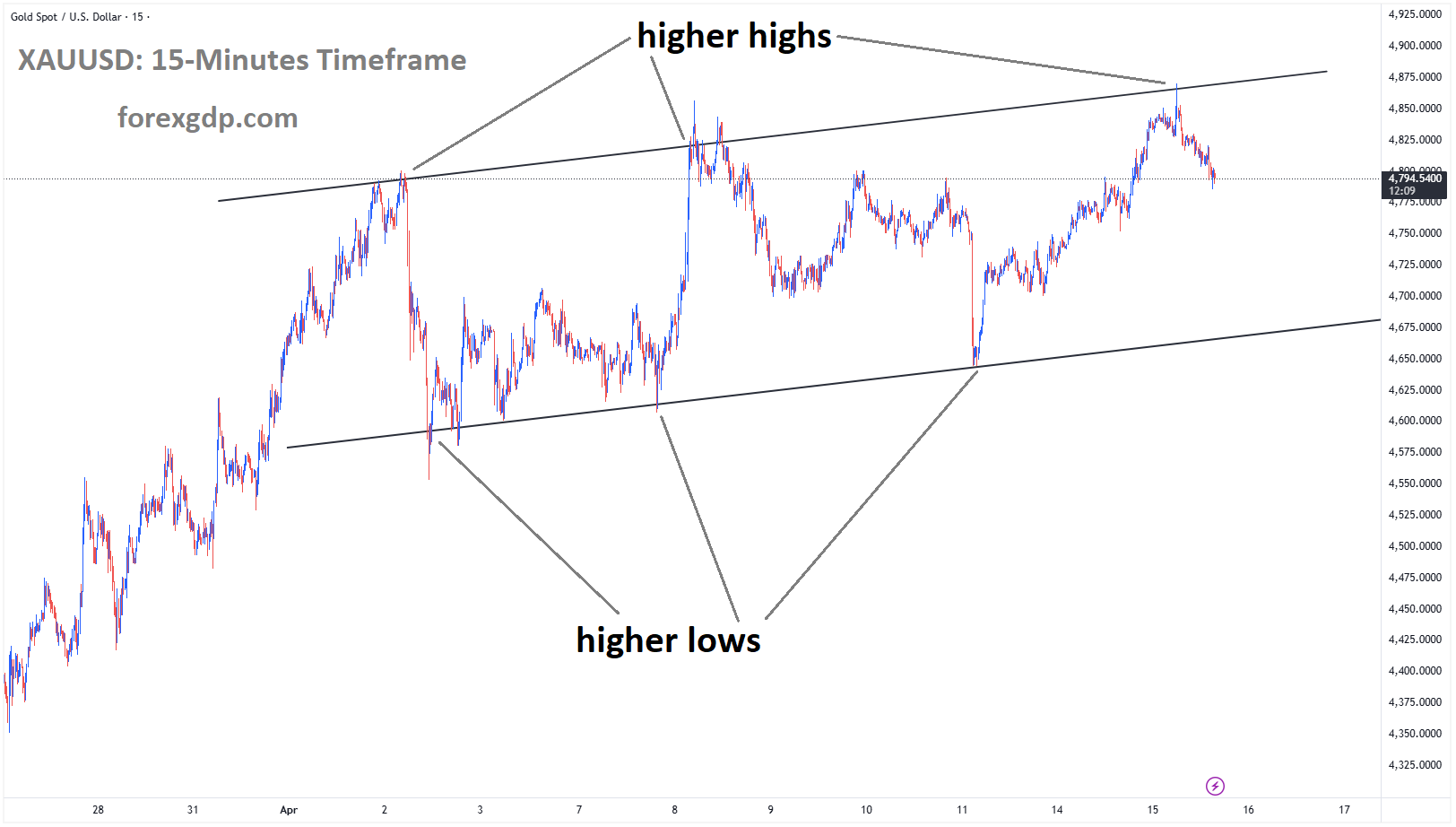
XAUUSD is moving in an ascending channel, and the market has fallen from the higher high area of the channel
Gold prices have recently shown signs of hesitation after briefly climbing to a near four-week high during early trading hours. While the precious metal initially benefited from global uncertainty, it has struggled to maintain that upward momentum. A mix of geopolitical developments, changes in the US Dollar’s strength, and evolving expectations around interest rates have all played a role in shaping the current direction of gold.
This shifting landscape highlights how closely gold is tied to global events and investor sentiment. Even small changes in political tone or economic outlook can influence its price in noticeable ways.
Geopolitical Tensions and Their Impact on Gold
One of the key drivers behind gold’s recent movements has been the ongoing situation involving the United States and Iran. The Strait of Hormuz, a crucial shipping route for global oil supplies, has remained a focal point of concern. Any instability in this region tends to increase market anxiety, often pushing investors toward safe-haven assets like gold.
However, the situation has been mixed. While tensions still exist, there have been signs that risks may not escalate as quickly as feared. This has slightly reduced the urgency for investors to move heavily into gold.
At the same time, strong reactions from Iranian officials have kept uncertainty alive. Iran’s ambassador to the United Nations has criticized recent US actions, calling them a serious violation of sovereignty. Adding to the tension, the country’s Islamic Revolutionary Guard Corps has warned of possible retaliation. These developments continue to create an environment where caution remains necessary.
Despite these risks, the overall tone has not been entirely negative. Investors are still holding on to the hope that diplomatic efforts could prevent further escalation. This balance between risk and optimism is one of the main reasons gold has struggled to find a clear direction.
US Dollar Strength Returns to the Spotlight
Another important factor influencing gold is the performance of the US Dollar. After a period of weakness, the dollar has shown signs of recovery. This has created pressure on gold prices, as the two typically move in opposite directions.
When the dollar strengthens, gold often becomes less attractive to investors using other currencies. This can limit demand and slow down any upward movement in gold prices.
The recent recovery in the dollar is partly linked to reduced fears about disruptions in global trade routes and energy supplies. As concerns ease, investors feel more comfortable holding the dollar, which remains the world’s primary reserve currency.
However, the dollar’s strength is not expected to grow unchecked. There are still factors that could limit its upside, especially when it comes to monetary policy in the United States.
Interest Rate Expectations and Their Influence

Expectations surrounding US interest rates continue to play a major role in shaping gold’s outlook. Recently, the chances of further rate increases by the Federal Reserve have decreased. This shift has important implications for both the dollar and gold.
Higher interest rates generally support the dollar while putting pressure on gold, which does not offer any yield. On the other hand, when expectations for rate hikes fade, gold tends to benefit.
Recent economic data has supported the idea that aggressive rate increases may not be necessary. Inflation figures, particularly the Producer Price Index, came in lower than expected. While there was still an increase compared to previous months, the numbers did not signal a strong surge in inflation.
This has helped calm fears that rising energy costs due to global tensions would lead to runaway inflation. As a result, investors have adjusted their expectations, leading to a drop in US Treasury bond yields.
Lower bond yields reduce the opportunity cost of holding gold, making it more appealing to investors. This dynamic has helped prevent gold from falling too sharply, even as the dollar shows some strength.
Diplomatic Hopes Offer Support
One of the more encouraging developments for markets has been the renewed focus on diplomacy between the United States and Iran. Political leaders have expressed cautious optimism about the possibility of future agreements.
US Vice President JD Vance has spoken about efforts to create a broader agreement that could improve Iran’s economic ties with the global community. Similarly, United Nations Secretary-General António Guterres has indicated that renewed talks between the two nations are likely.
These signals have provided some relief to investors. When the possibility of peaceful resolution increases, it tends to reduce extreme market reactions. However, it also creates a complex situation for gold.
On one hand, reduced tensions can lower demand for safe-haven assets. On the other hand, the uncertainty around whether these talks will succeed keeps some level of demand intact.
This delicate balance explains why gold has not made a strong move in either direction.
Market Sentiment Remains Cautious
The current environment is marked by a sense of caution among investors. There is no clear consensus about where markets are headed next. Instead, traders are reacting to each new piece of information as it comes.
Gold, being highly sensitive to both economic and political factors, reflects this uncertainty. It has shown resilience by holding onto much of its recent gains, but it has also struggled to break higher.
Investors are carefully watching developments on multiple fronts:
- Updates on US-Iran relations
- Changes in Federal Reserve policy outlook
- Movements in the US Dollar
- Global economic indicators
Each of these elements has the potential to shift sentiment quickly, making short-term movements in gold more unpredictable.
Why Gold Still Holds Its Appeal
Despite the challenges, gold continues to attract attention as a reliable store of value. Its role as a hedge against uncertainty remains strong, especially during times of geopolitical tension.

XAUUSD is rebounding from the retest area of the broken Ascending channel
Even when prices pull back slightly, many investors see these dips as opportunities rather than warning signs. The combination of lower interest rate expectations and ongoing global risks helps maintain a supportive backdrop for gold.
Additionally, gold’s ability to hold its ground despite a recovering dollar suggests underlying strength. This indicates that demand has not disappeared but is simply adjusting to changing conditions.
Final Summary
Gold prices are currently navigating a complex mix of influences, including geopolitical tensions, shifts in the US Dollar, and changing expectations around interest rates. While the metal recently reached a multi-week high, it has struggled to maintain that momentum due to a modest recovery in the dollar and easing fears around global disruptions.
At the same time, ongoing uncertainty in US-Iran relations and hopes for diplomatic progress continue to shape investor behavior. Lower expectations for aggressive interest rate hikes have provided some support to gold, preventing deeper declines.
Overall, gold remains in a balancing phase. It is supported by long-term factors like global uncertainty and lower yields, but short-term pressures from a stronger dollar and cautious market sentiment are keeping gains in check.