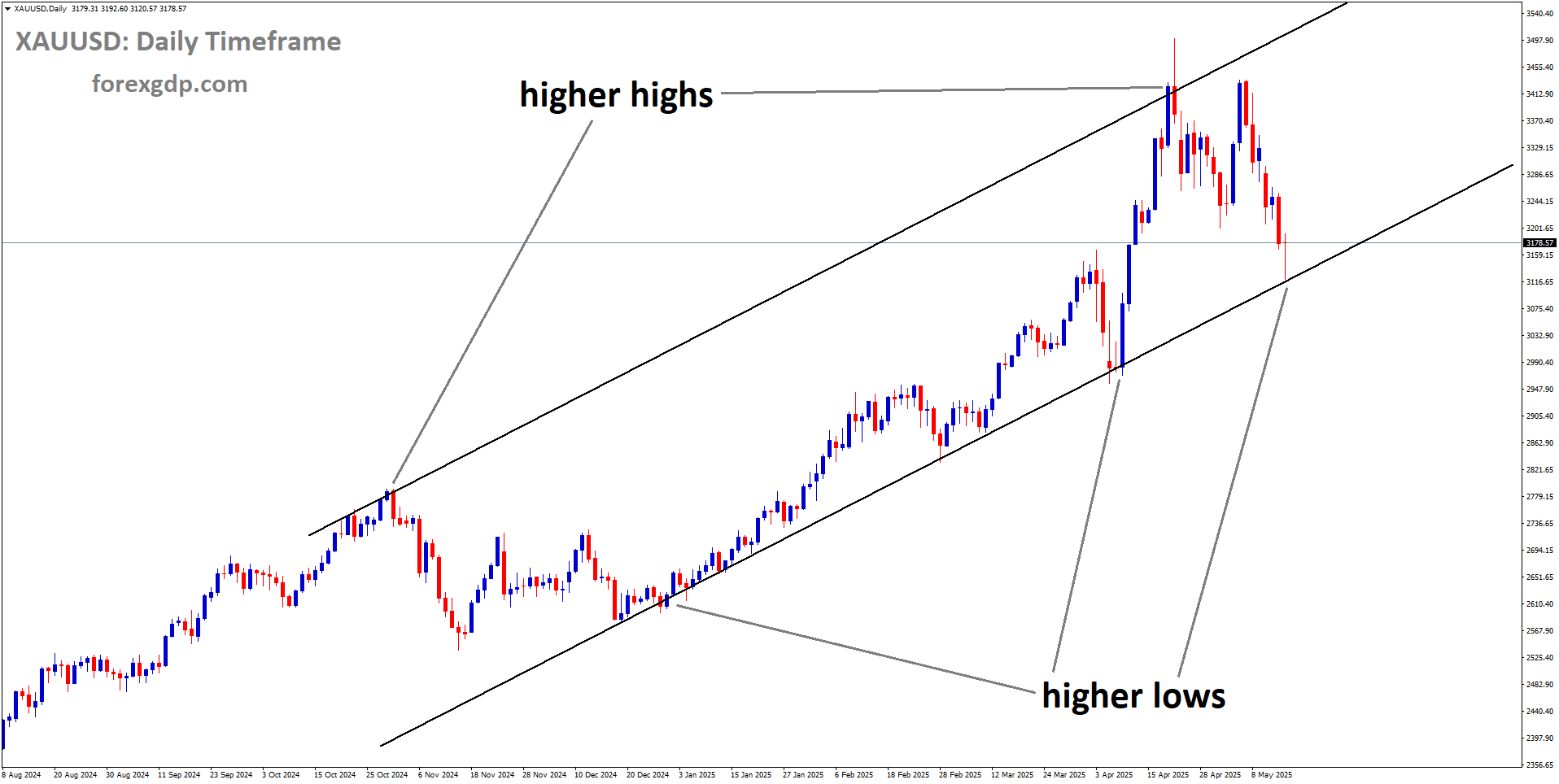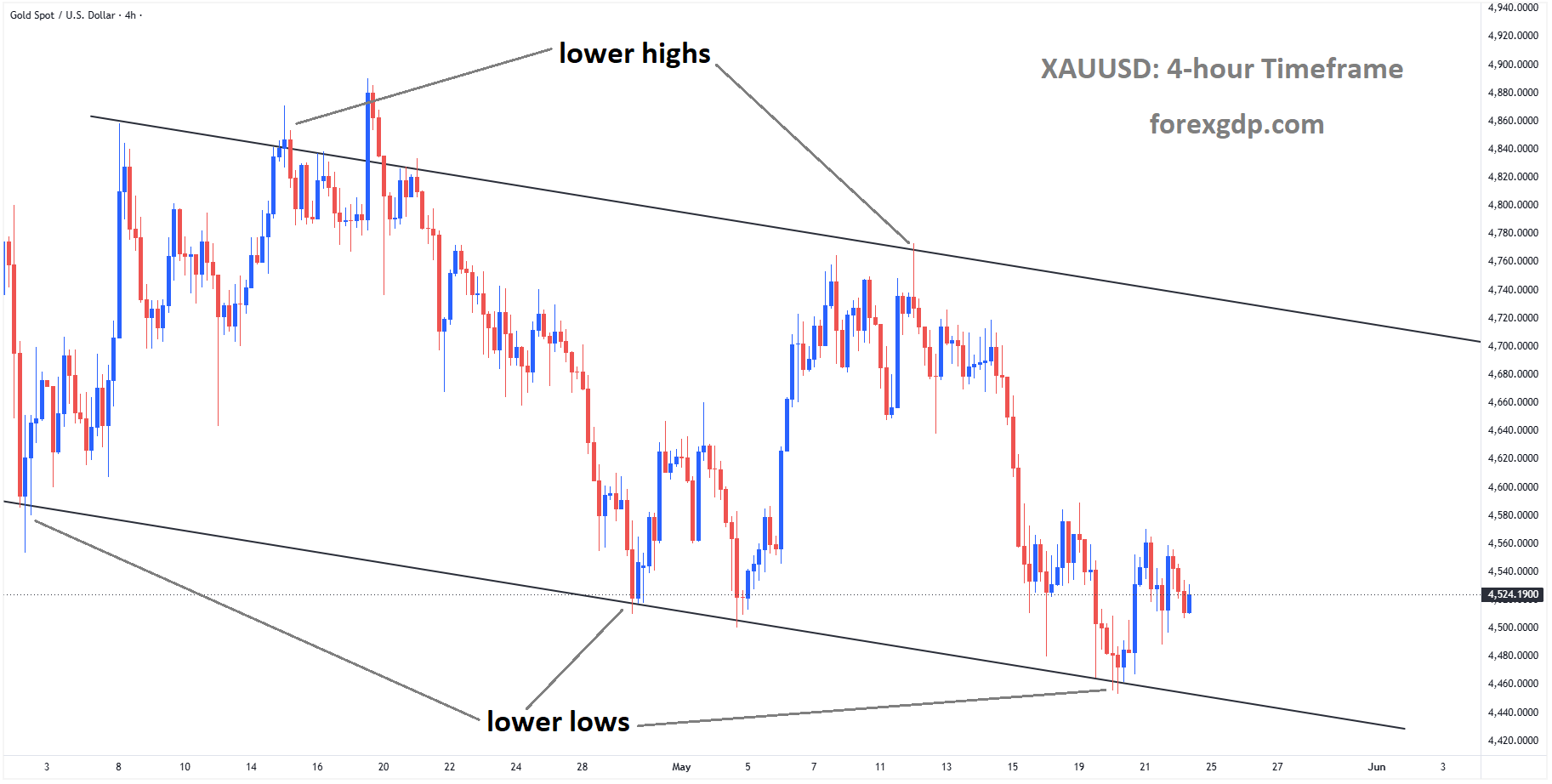
XAUUSD is moving in an uptrend channel, and the market has reached a higher low area of the channel
Gold prices are moving sideways this week, staying within a tight range as investors weigh strong US economic data against rising global tensions. The precious metal has been trading above the $5,000 level, but it has struggled to break higher. At the same time, it has found support from ongoing geopolitical risks.
Several key factors are influencing the direction of gold right now. Stronger-than-expected US job numbers have reduced hopes for an early interest rate cut by the Federal Reserve. Meanwhile, tensions between the United States and Iran are keeping demand for safe-haven assets alive.
Let’s take a closer look at what’s driving gold and what could come next.
Strong US Jobs Report Supports a Cautious Federal Reserve
One of the biggest developments this week has been the latest US employment data. According to the US Bureau of Labor Statistics, job growth surprised to the upside in January. Nonfarm Payrolls increased by 130,000, well above expectations. This marked the strongest monthly job gain since late 2024.
At the same time, the unemployment rate edged slightly lower to 4.3%. This combination of solid job growth and a steady labor market suggests that the US economy remains resilient.
For the Federal Reserve, this is important. A strong job market reduces the urgency to cut interest rates. When the economy is creating jobs at a healthy pace and unemployment remains low, policymakers feel less pressure to provide stimulus.
Because of this, investors are now expecting the Fed to keep interest rates steady for longer than previously thought. Earlier hopes for quick rate cuts have faded. While markets still anticipate some easing later this year, the first move is now more likely to come in the middle of the year rather than sooner.
This shift in expectations has created some pressure on gold.
Why Higher Rates Can Limit Gold’s Upside

Gold does not pay interest or dividends. It is considered a non-yielding asset. When interest rates are high, investors can earn better returns from interest-bearing assets like bonds or savings accounts. As a result, gold can become less attractive.
With the Federal Reserve signaling a “hold-for-longer” approach, gold’s upside has been limited. Traders are cautious about pushing prices much higher without clear signs that rate cuts are near.
Several Fed officials reinforced this cautious stance. Kansas City Fed President Jeffrey Schmid recently warned that cutting rates too soon could allow inflation to stay elevated. He emphasized that keeping policy restrictive remains appropriate while inflation remains close to 3%.
Similarly, Beth Hammack stated that the current federal funds rate is close to neutral. In her view, there is no immediate need to adjust policy. She noted that rates are not placing significant restraint on the economy, and fine-tuning is not necessary at this stage.
These comments support the idea that the Fed is comfortable waiting for more data before making any changes.
US Dollar and Bond Yields Offer Mixed Signals
Despite the strong jobs report, the US Dollar has not surged in response. In fact, the dollar index has hovered near recent lows. This lack of strong follow-through buying has helped prevent gold from falling sharply.
Usually, a stronger dollar makes gold more expensive for international buyers, which can weigh on demand. But since the dollar has remained relatively stable, gold has been able to hold its ground.
US Treasury yields have also failed to make a decisive move higher. This has further limited downside pressure on gold. When yields rise sharply, gold often struggles. But in this case, the reaction has been muted.
As a result, gold continues to trade within a narrow range. Neither buyers nor sellers have gained clear control.
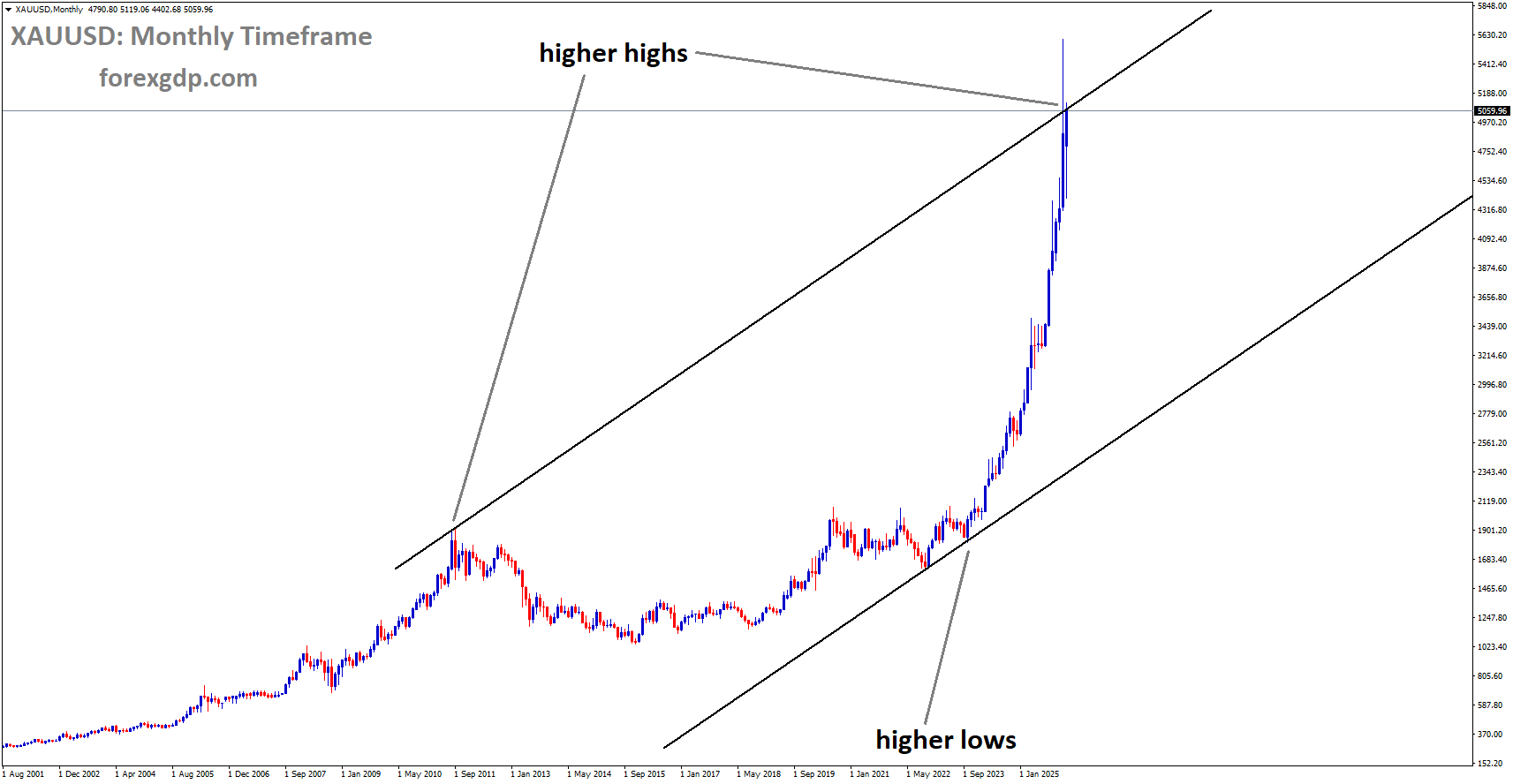
XAUUSD is moving in an uptrend channel, and the market has reached a higher high area of the channel
Geopolitical Tensions Support Safe-Haven Demand
While economic data and Federal Reserve policy are key drivers, geopolitical risk is also playing a major role.
Tensions between the United States and Iran remain elevated. Recent reports suggest that the US is preparing to deploy a second aircraft carrier strike group to the Middle East. This move comes as concerns grow over the future of negotiations related to Iran’s nuclear program.
Whenever geopolitical risks increase, investors often turn to safe-haven assets. Gold has long been considered one of the most reliable stores of value during times of uncertainty. It tends to attract demand when global tensions rise, as investors seek protection against unexpected shocks.
This safe-haven demand is helping to cushion gold’s downside. Even though stronger US economic data limits the metal’s upside, geopolitical uncertainty is preventing a deeper pullback.
In other words, gold is being pulled in two directions: strong economic data on one side and global risk concerns on the other.
What Investors Are Watching Next

Looking ahead, attention is turning to upcoming inflation data. The US Consumer Price Index (CPI) report will be closely monitored. Inflation remains one of the most important factors influencing Federal Reserve decisions.
If inflation shows signs of cooling further, expectations for rate cuts later this year could strengthen. That may provide additional support for gold.
On the other hand, if inflation remains stubbornly high, the Fed may continue to signal patience. That could keep gold confined within its current range.
Market participants are also watching global developments, especially in the Middle East. Any escalation in tensions could quickly boost demand for safe-haven assets.
For now, markets are pricing in roughly half a percentage point of rate cuts for the year. However, the timing of the first move remains uncertain. Much will depend on incoming economic data and how the Fed interprets it.
Why Gold Is Trading Sideways
Gold’s current sideways movement reflects a balance between competing forces.
On one side, strong US job growth supports a stable economy and reduces the need for immediate rate cuts. This creates a headwind for gold.
On the other side, ongoing geopolitical tensions and a relatively steady US Dollar are offering support. Investors are not ready to abandon gold entirely, especially given the uncertain global backdrop.
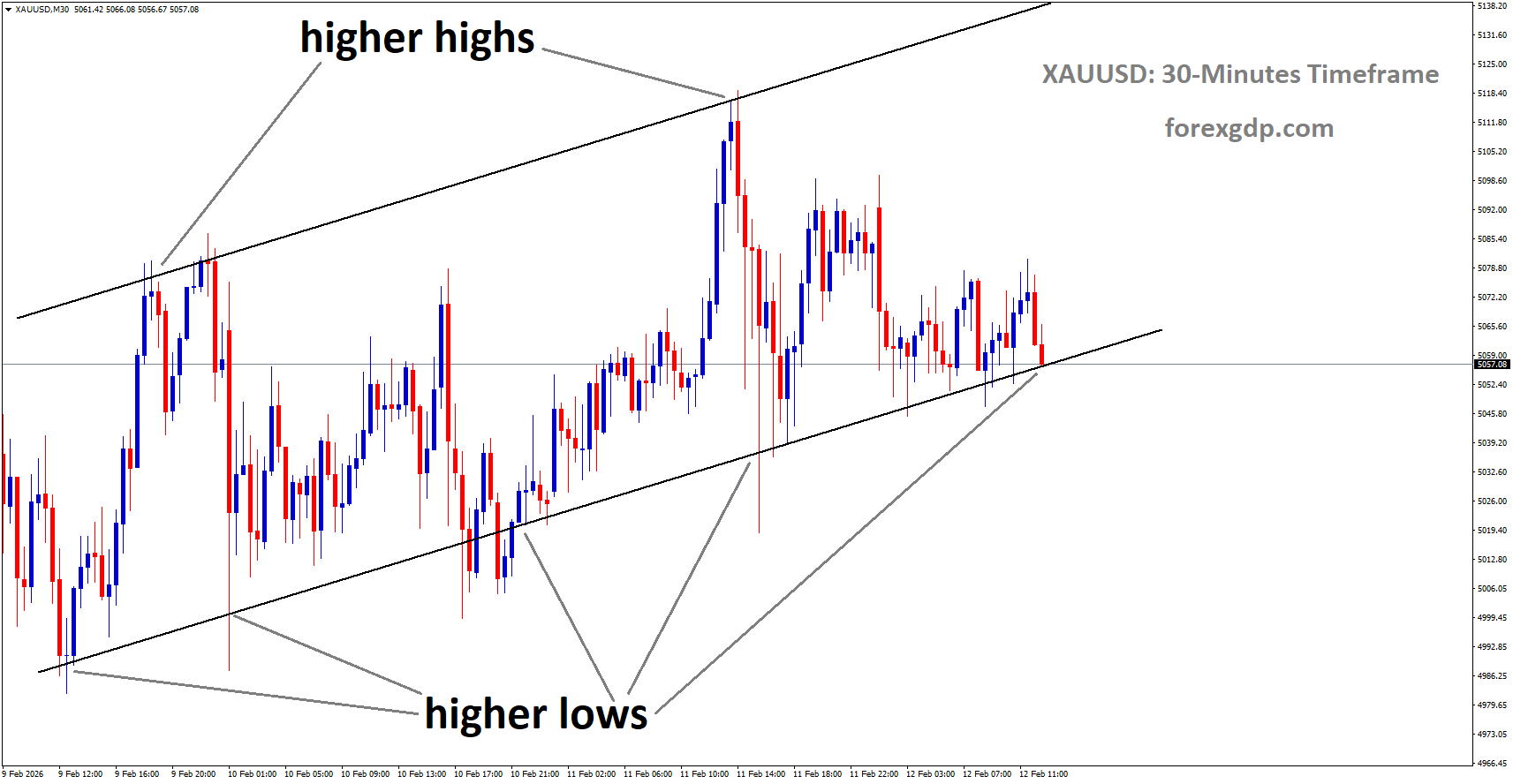
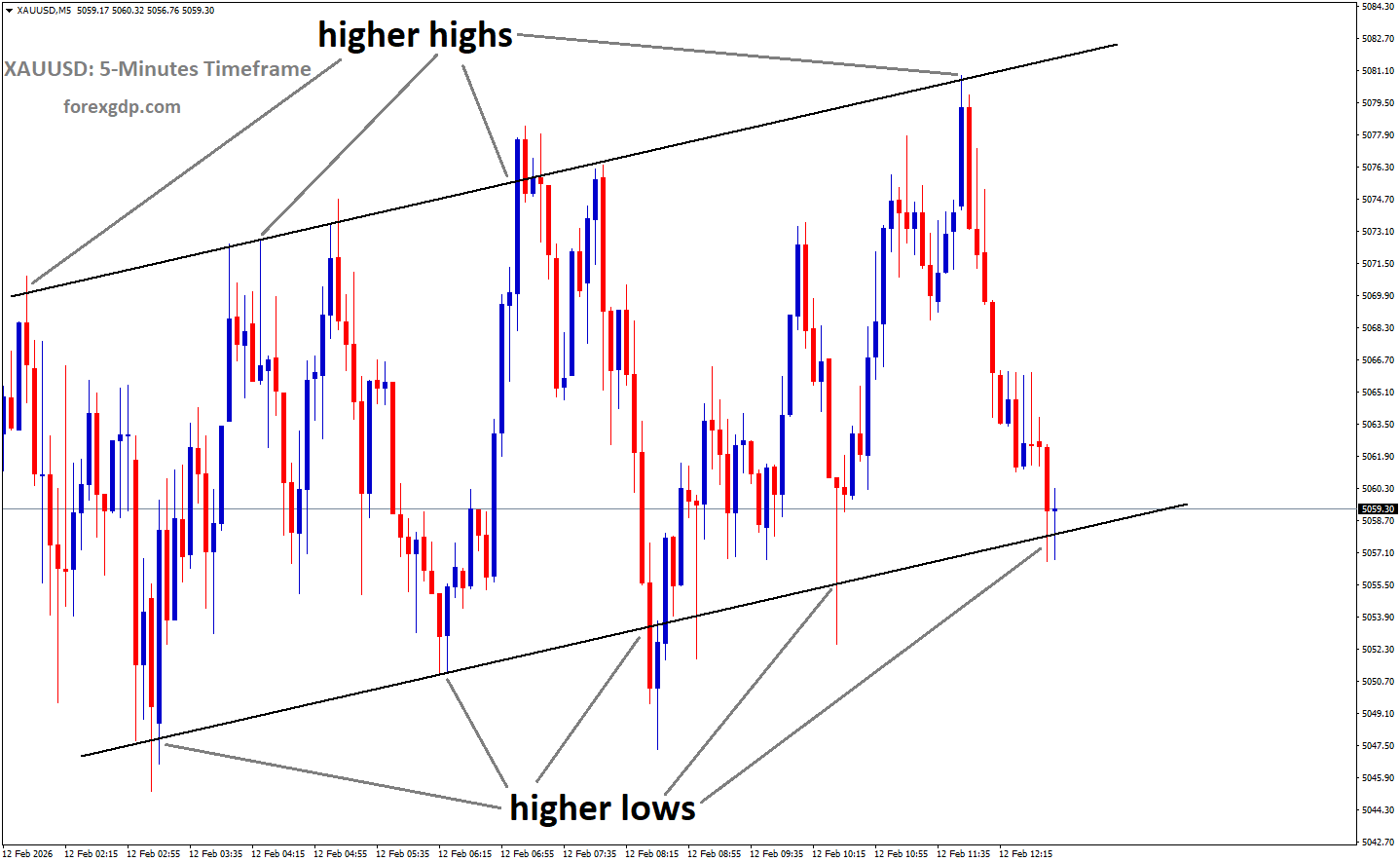
XAUUSD is moving in an ascending channel, and the market has reached the higher low area of the channel
This tug-of-war has kept gold confined within a narrow consolidation range throughout the week. Traders appear to be waiting for a clear catalyst before making larger moves.
Final Thoughts
Gold remains steady above the $5,000 mark as investors navigate a complex mix of economic strength and geopolitical risk. Strong US employment data has reinforced expectations that the Federal Reserve will keep interest rates unchanged for now. That limits the metal’s upside potential.
At the same time, rising tensions between the United States and Iran are supporting safe-haven demand. This is helping gold avoid sharper declines.
With inflation data on the horizon and global uncertainty still present, gold is likely to remain range-bound in the near term. Investors are watching closely for fresh signals that could break the current stalemate and set the tone for the next move.