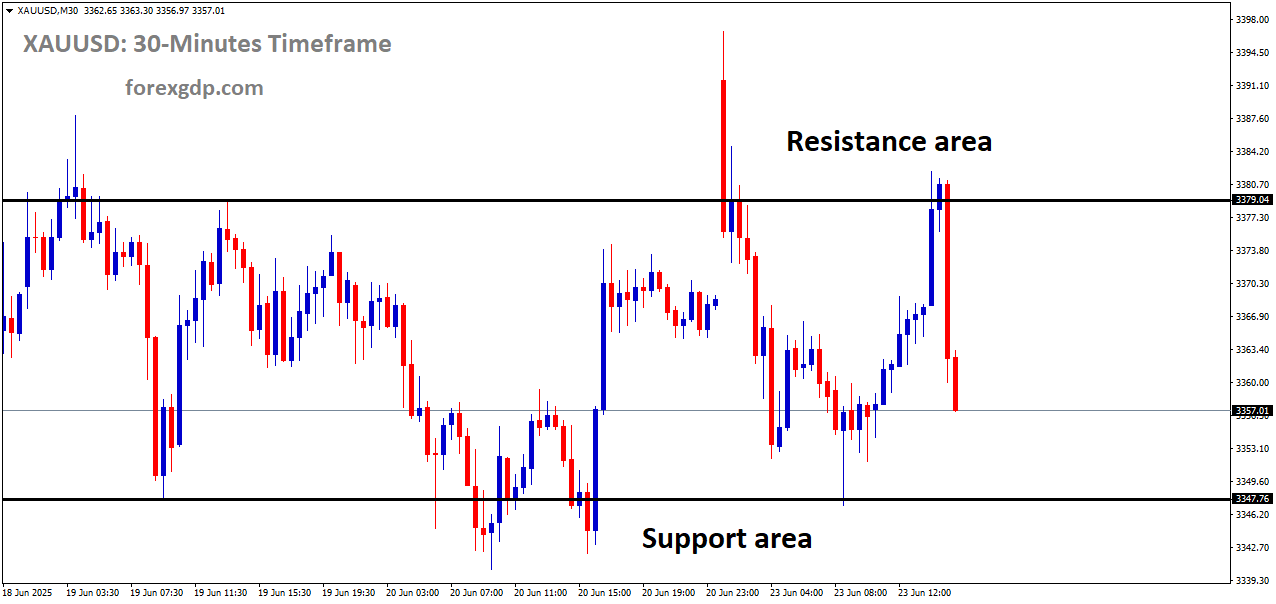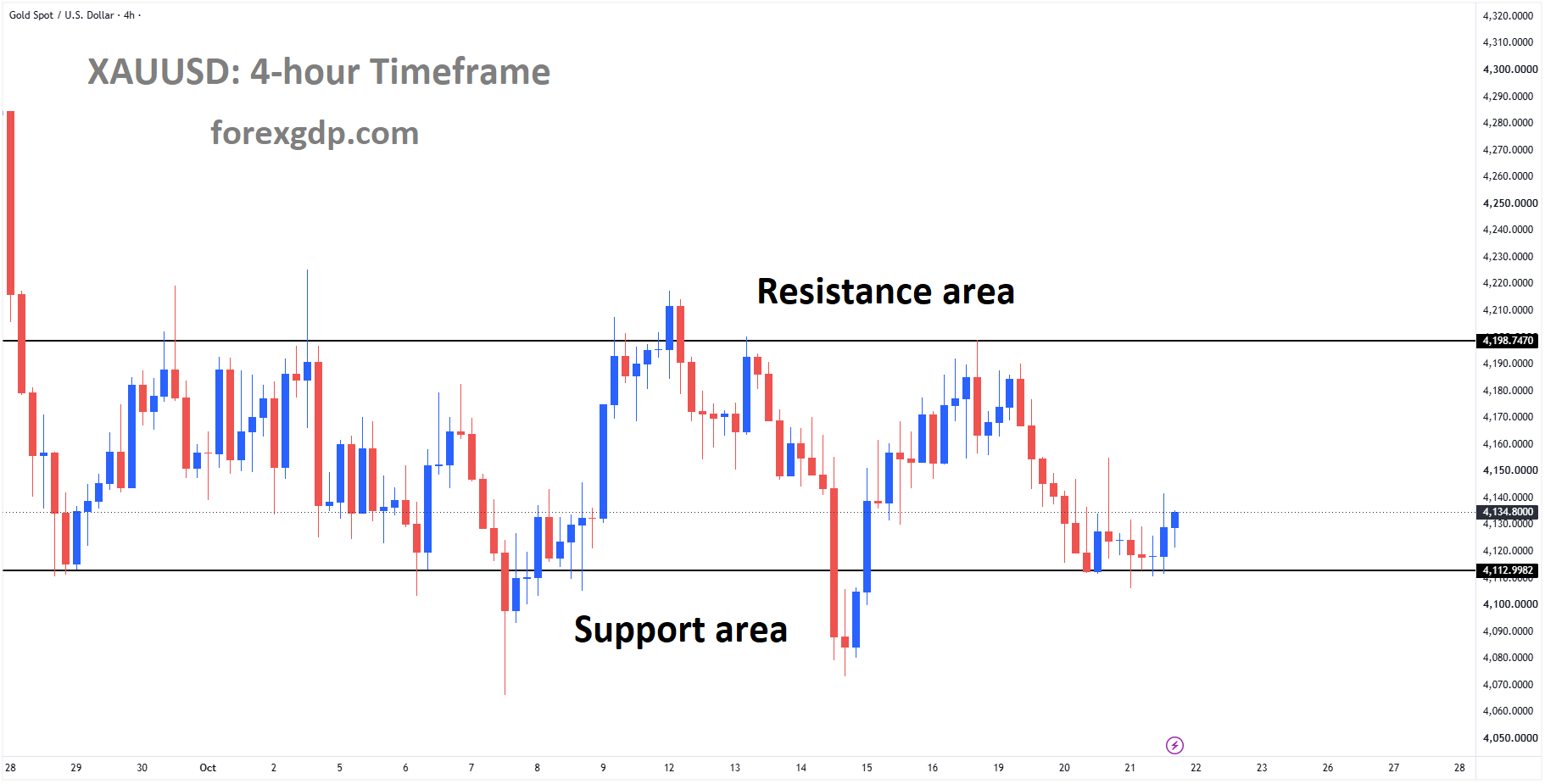
XAUUSD is rebounding from the support area of the box pattern
Gold remains under pressure for a fourth straight day as investors weigh rising inflation concerns, the possibility of higher US interest rates, and uncertainty surrounding US-Iran diplomacy. Although the precious metal has recovered some ground from its recent weakness, buyers remain cautious.
The main challenge for gold is the link between oil and inflation. Concerns about energy supply disruptions have kept investors alert to another increase in business and household costs. That could make it harder for the Federal Reserve to bring inflation under control and strengthen the case for further monetary tightening.
At the same time, changing expectations around peace talks have created mixed signals for the US Dollar. Hopes for a diplomatic agreement could weaken demand for the currency, offering gold some breathing room. However, doubts about an early breakthrough continue to limit that relief.
Oil Uncertainty Adds to Gold’s Inflation Challenge
Gold often attracts attention during periods of inflation, but its relationship with rising costs is not always straightforward. When inflation leads investors to expect higher interest rates, the precious metal can struggle.
That is the concern surrounding the latest oil market developments. A prolonged disruption to energy supplies could push up transport, manufacturing, and distribution costs. Businesses may pass some of those increases on to customers, making inflation more difficult to control.
For the Federal Reserve, this would complicate decisions about borrowing costs. Officials need to judge whether price pressures are easing steadily or whether another wave of energy inflation could interrupt that progress.
Gold pays no interest. When investors expect higher returns from interest-bearing assets, holding the metal becomes less attractive by comparison. This helps explain why concerns about oil supply can weigh on gold even when the same uncertainty increases demand for financial protection.
US-Iran Peace Hopes Face Fresh Questions

Diplomatic developments have added another layer of uncertainty to the outlook.
An unconfirmed report suggested that Qatar and Pakistan had proposed a compromise aimed at meeting the demands of both the United States and Iran. The possibility of progress briefly encouraged hopes that tensions could ease and reduce the threat to energy supplies.
However, a later report said a diplomat involved in the negotiations disputed suggestions that an agreement was close. That weakened confidence in an immediate breakthrough.
Iranian officials also continued to emphasize conditions for rebuilding trust. These included an end to hostilities and the release of frozen assets. Such demands suggest that meaningful differences remain between the two sides.
For investors, the challenge is separating encouraging headlines from confirmed progress. Until there is clearer evidence of an agreement, expectations may continue to shift quickly. Gold remains caught between the potential benefits of easing tensions and the inflation risks associated with a prolonged dispute.
Strait of Hormuz Concerns Keep Energy Risks Alive
The Strait of Hormuz remains central to concerns about oil supply. Statements from Iran asserting its authority over the waterway have reinforced uncertainty about the movement of energy shipments.
The economic concern extends beyond oil producers and importers. More expensive energy can affect airlines, shipping companies, factories, retailers, and households. If those pressures last, they could keep inflation elevated across several parts of the economy.
That possibility matters for gold because it influences expectations for the Federal Reserve. Investors may become less confident that borrowing costs will remain steady if energy disruption threatens to produce broader price increases.
However, the outcome remains dependent on events. Diplomatic progress could ease supply concerns, while renewed confrontation could intensify them. This leaves gold sensitive to both official statements and developments in negotiations.
December Rate Expectations Weigh on Gold Demand
The prospect of another Federal Reserve rate increase remains a major obstacle for gold.
The market picture described in the supplied reports points to stronger expectations for a December move than for an increase at the October meeting. Recent US inflation figures have reinforced concerns that policymakers may need to do more to contain price pressures.
BNY Markets analysts also viewed December as the more likely opportunity for another increase. Their assessment suggested that such a move could mark the final hike of the current cycle.
For gold, both parts of that outlook matter. An additional increase would raise the opportunity cost of holding a non-yielding asset. Yet greater confidence that the tightening cycle was approaching its end could eventually reduce some uncertainty.
Much depends on the Fed’s explanation. Investors will be watching whether officials describe inflation as a temporary setback or a problem requiring a longer period of restrictive policy.
The US Dollar Offers Mixed Signals
Currency movements are also shaping gold’s performance.
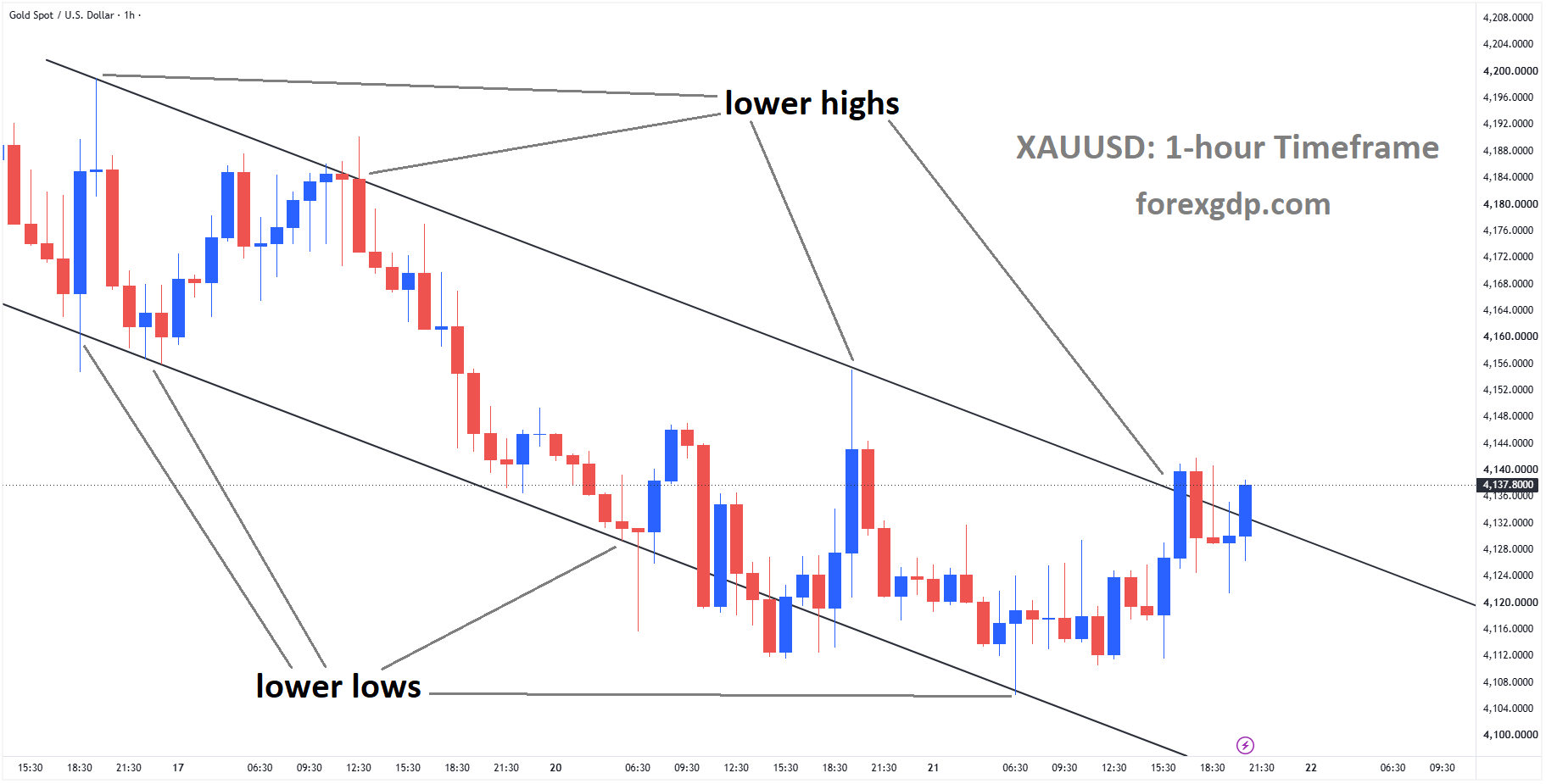
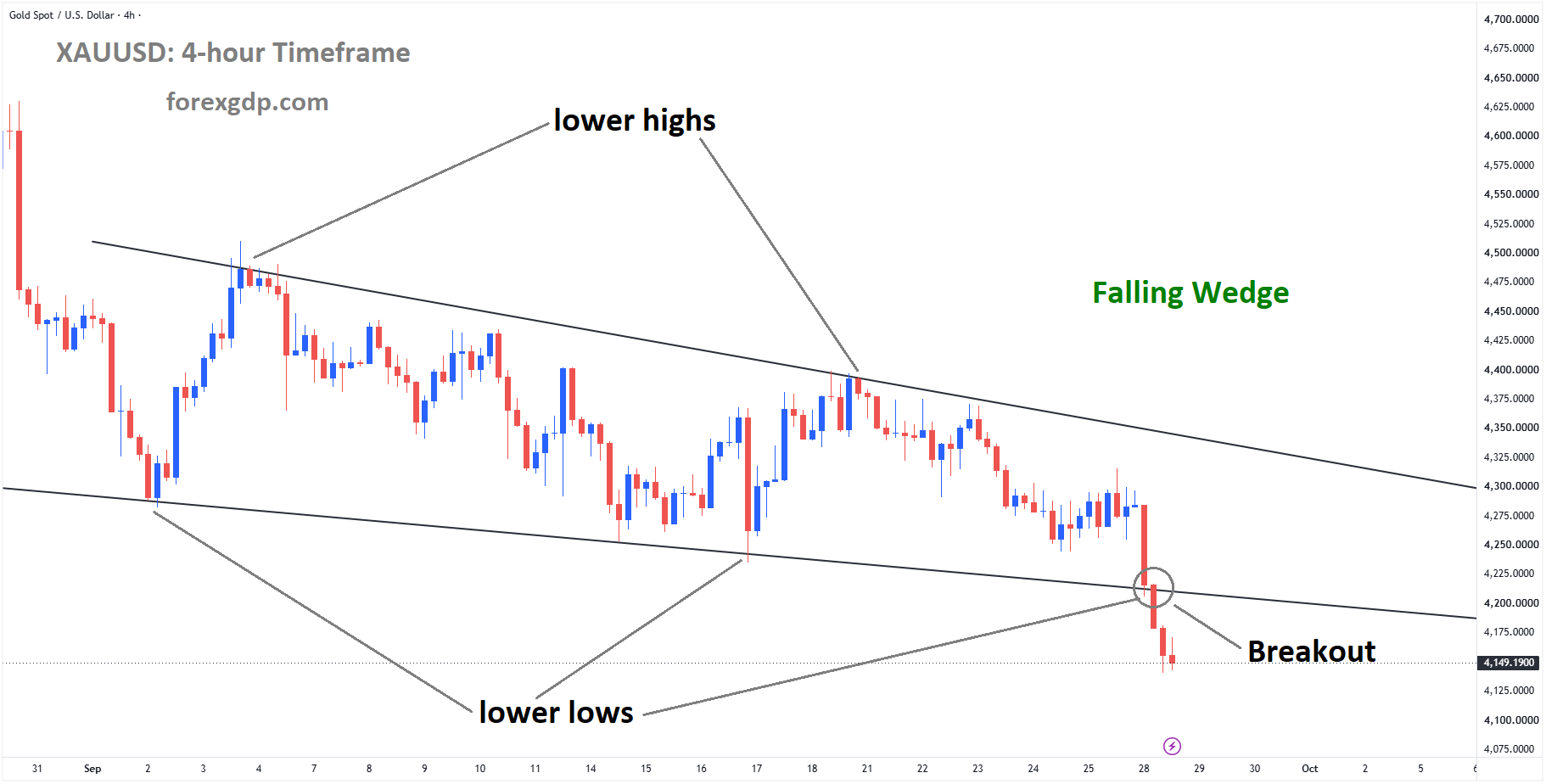
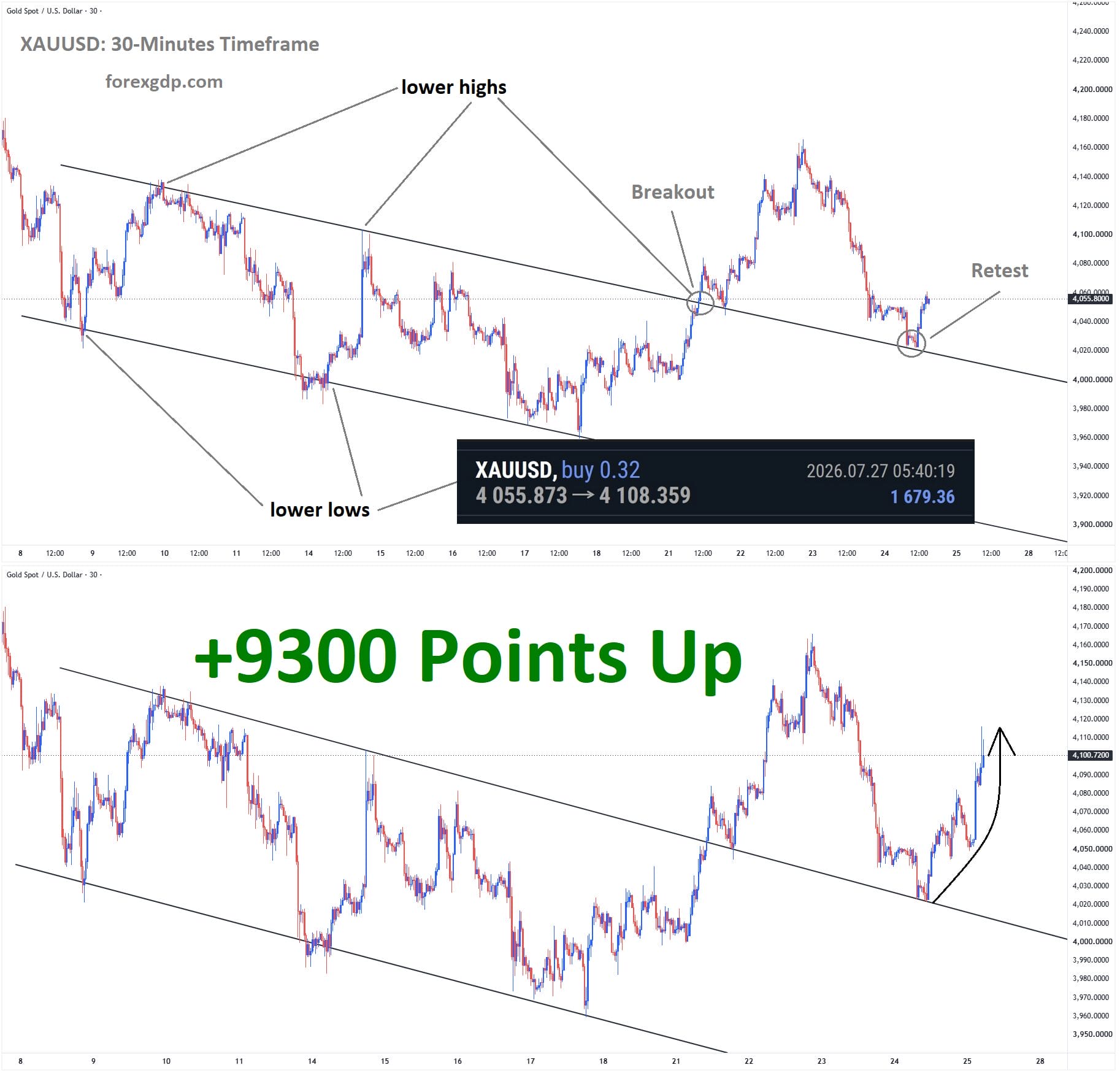
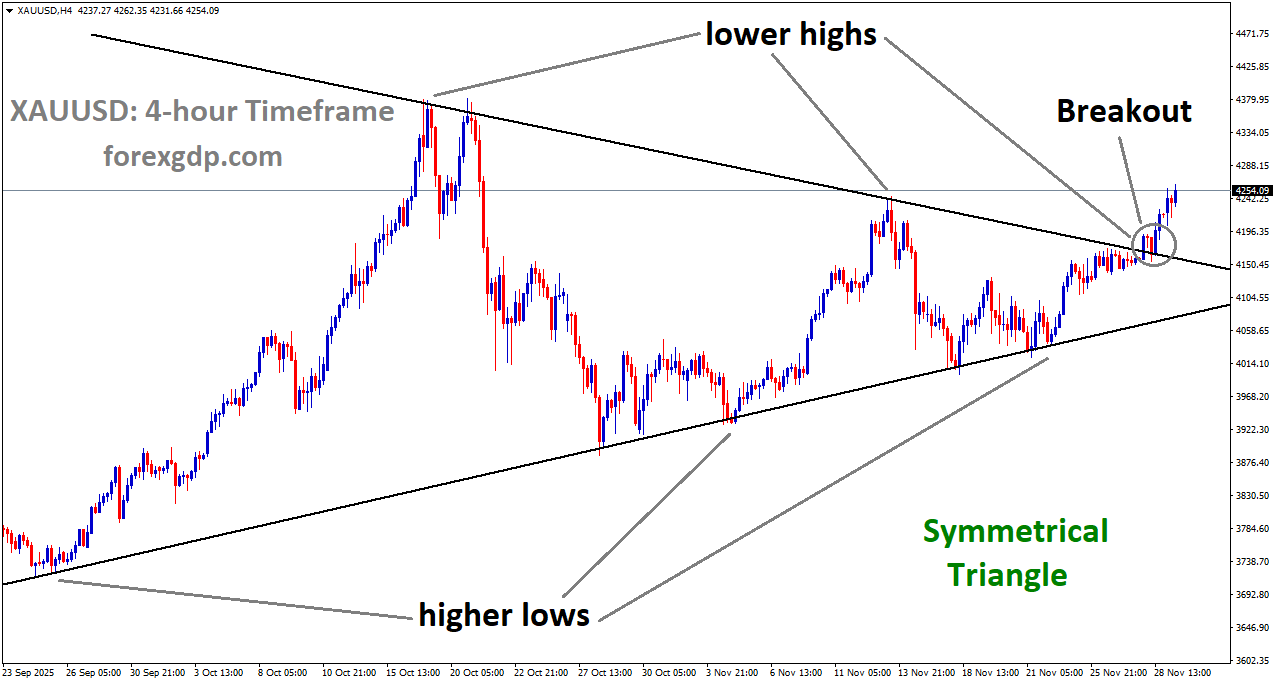
XAUUSD reached the lower high area of the descending channel
A firmer US Dollar generally makes gold more expensive for buyers using other currencies. This can weaken demand and limit the metal’s ability to recover.
Uncertainty in the Middle East can support the dollar as investors seek safety. Expectations of higher US borrowing costs can also make dollar-denominated assets more appealing.
On the other hand, renewed hopes for US-Iran diplomacy could reduce demand for the currency. A softer dollar would offer some support to gold, even if interest rate concerns remained unresolved.
The balance between these forces helps explain why gold has found some buying interest without establishing a stronger recovery.
Investors Await Clearer Policy Guidance
Upcoming Federal Reserve communication and US inflation data are likely to help investors reassess the outlook.
The Personal Consumption Expenditures Price Index will be particularly relevant because it is the Fed’s preferred inflation measure. Persistent price pressures could strengthen expectations for further tightening, while softer figures could ease them.
Policy decisions from other major central banks may also influence currencies and investment flows. Together, these developments could give investors a clearer view of how long borrowing costs may remain elevated.
Final Summary
Gold faces a difficult mix of energy uncertainty, inflation concerns, and expectations for another Federal Reserve rate increase. These pressures continue to limit demand for the precious metal.
US-Iran diplomacy offers a possible source of relief, particularly if progress eases oil supply concerns and weakens the dollar. Until negotiations and economic data provide clearer direction, gold’s outlook remains closely tied to expectations for inflation and US monetary policy.