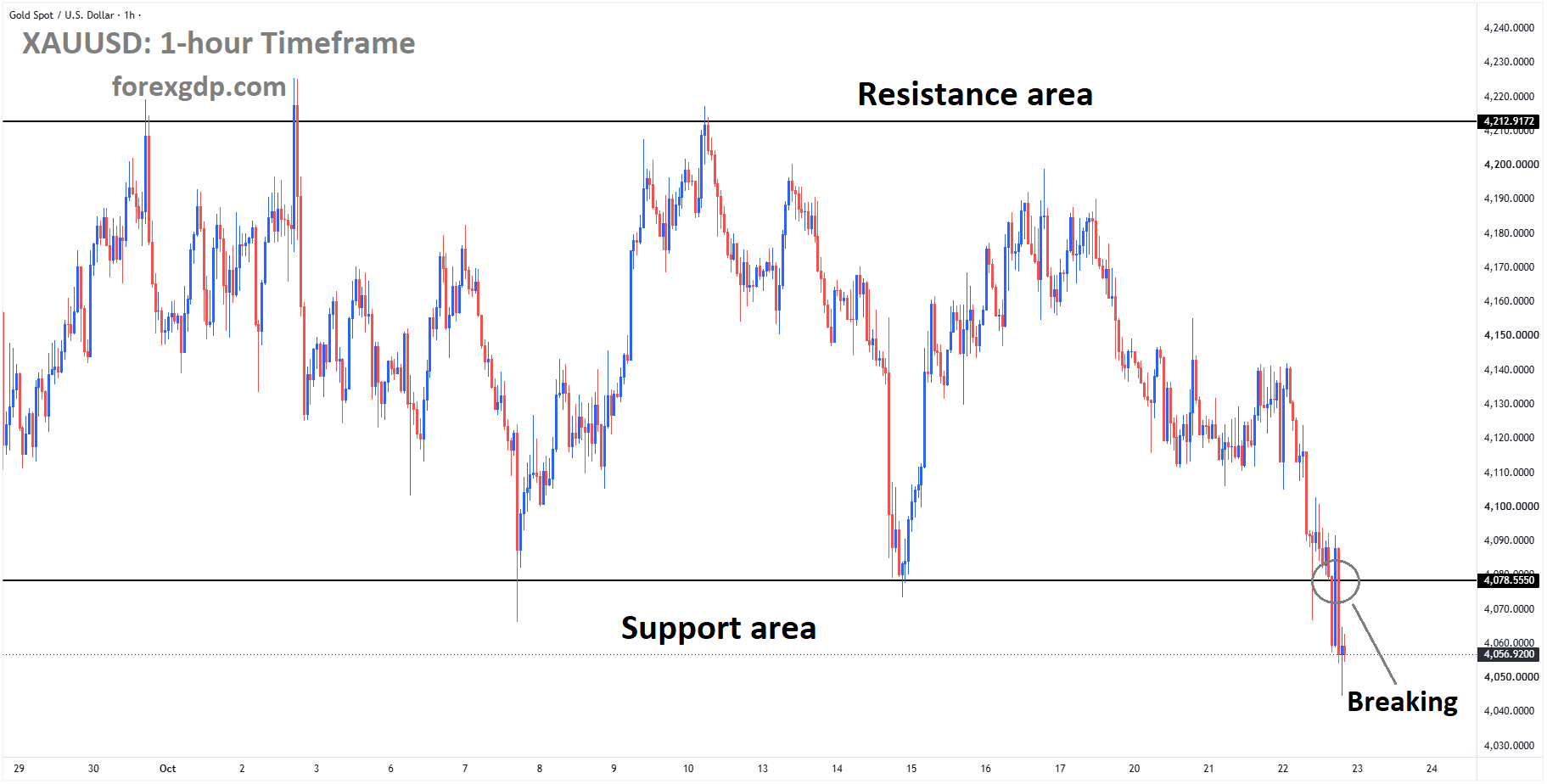
XAUUSD is breaking the support area of the box pattern
Gold is struggling to attract buyers as expectations of prolonged high interest rates reduce its appeal. A recovering US Dollar is adding to the pressure, while concerns about energy supplies in the Middle East are making the inflation outlook more uncertain.
Normally, rising geopolitical tensions encourage investors to seek safety in gold. This time, the response is more complicated. The risk of further disruption to oil supplies is raising concerns about higher energy costs, which could keep inflation elevated and delay any relief from tight monetary policy.
For gold investors, the central question is whether demand for safety can outweigh the pressure from interest rates and a firmer Dollar. Attention is now turning to the Federal Reserve’s next meeting and the guidance officials provide about future policy.
Why Higher Interest Rates Are Weighing on Gold
Interest rate expectations play a major role in gold demand. Gold does not pay interest, so investors often compare it with assets that provide regular income, such as government bonds and interest-bearing deposits.
When borrowing costs remain high, those alternatives become more attractive. Investors may feel less urgency to hold gold when they can earn income elsewhere, particularly if they expect central banks to maintain restrictive policies for an extended period.
That creates a difficult environment for the precious metal. Even investors who value gold as a long-term store of wealth may hesitate to increase their holdings while the outlook for interest rates remains uncertain.
The pressure becomes stronger when markets begin considering another rate increase. Expectations alone can influence investment decisions well before a central bank takes action.
Gold’s weakness therefore reflects more than the current level of borrowing costs. It also reflects concern that monetary policy could become tighter before conditions eventually ease.
Middle East Tensions Complicate the Inflation Outlook
Developments in the Middle East remain an important source of uncertainty. Reports concerning possible renewed military action against Iran, alongside escalating tensions involving Saudi Arabia and the Houthis, have increased concern about regional energy security.

The economic risk extends beyond the immediate conflict. Any disruption to energy production, transport, or infrastructure could affect supplies reaching international markets.
When oil becomes more expensive, the effects spread through the economy. Transport companies face higher fuel bills, manufacturers pay more to move goods, and businesses may pass some of those additional costs on to customers.
Households can also face higher spending on travel, heating, and everyday essentials. This reduces the money available for other purchases and makes it harder for inflation to return to central bank targets.
However, the lasting impact depends on how events develop. A temporary disruption may have a limited effect, while a prolonged conflict could create a more persistent challenge for policymakers.
For gold, that distinction matters. A brief period of uncertainty may encourage protective buying, but sustained energy inflation could strengthen expectations that interest rates will remain elevated.
Why Safe-Haven Demand Is Offering Limited Relief
Gold’s reputation as a safe-haven asset remains important, but it does not guarantee gains during every period of geopolitical stress.
Investors respond to several forces at once. Some buy gold to protect against uncertainty, while others favour the US Dollar or government bonds. Their choices depend on income opportunities, liquidity needs, and expectations about the wider economy.
The current tension comes from the different effects of an energy shock. Conflict can increase demand for protection, yet it can also raise inflation concerns and encourage central banks to keep policy restrictive.
This helps explain why troubling headlines may fail to produce a lasting improvement in gold demand. Investors may initially focus on safety before returning their attention to interest rates.
Gold also serves different purposes over different time frames. Its role in preserving wealth over many years does not prevent shorter periods of weakness when financial conditions favour other assets.
Federal Reserve Guidance Takes Centre Stage
The Federal Reserve’s next policy meeting is becoming a key focus for investors. Expectations described in the market outlook favour an unchanged decision at the upcoming meeting, while leaving open the possibility of another increase later.
A pause would give officials more time to assess inflation, employment, consumer demand, and the effects of earlier policy decisions. It would not automatically mean that the tightening cycle has ended.
That makes the Fed’s language especially important. Investors will examine whether policymakers remain concerned about persistent inflation and whether rising energy costs are changing their assessment.
If officials emphasise that further tightening remains possible, gold could continue to face pressure. Such guidance would reinforce the view that income-producing assets may retain an advantage.
A more cautious message about economic growth could have a different effect. Signs that policymakers are becoming concerned about slowing activity may encourage investors to reconsider how long restrictive conditions can last.
The meeting’s significance therefore goes beyond the immediate decision. The explanation behind that decision may have a greater influence on expectations.
A Firmer US Dollar Adds Another Challenge
The US Dollar’s recovery is creating an additional obstacle for gold. Because gold is generally traded internationally in Dollars, a stronger US currency makes it more expensive for buyers using other currencies.
That can reduce demand even when interest in holding the metal remains steady.
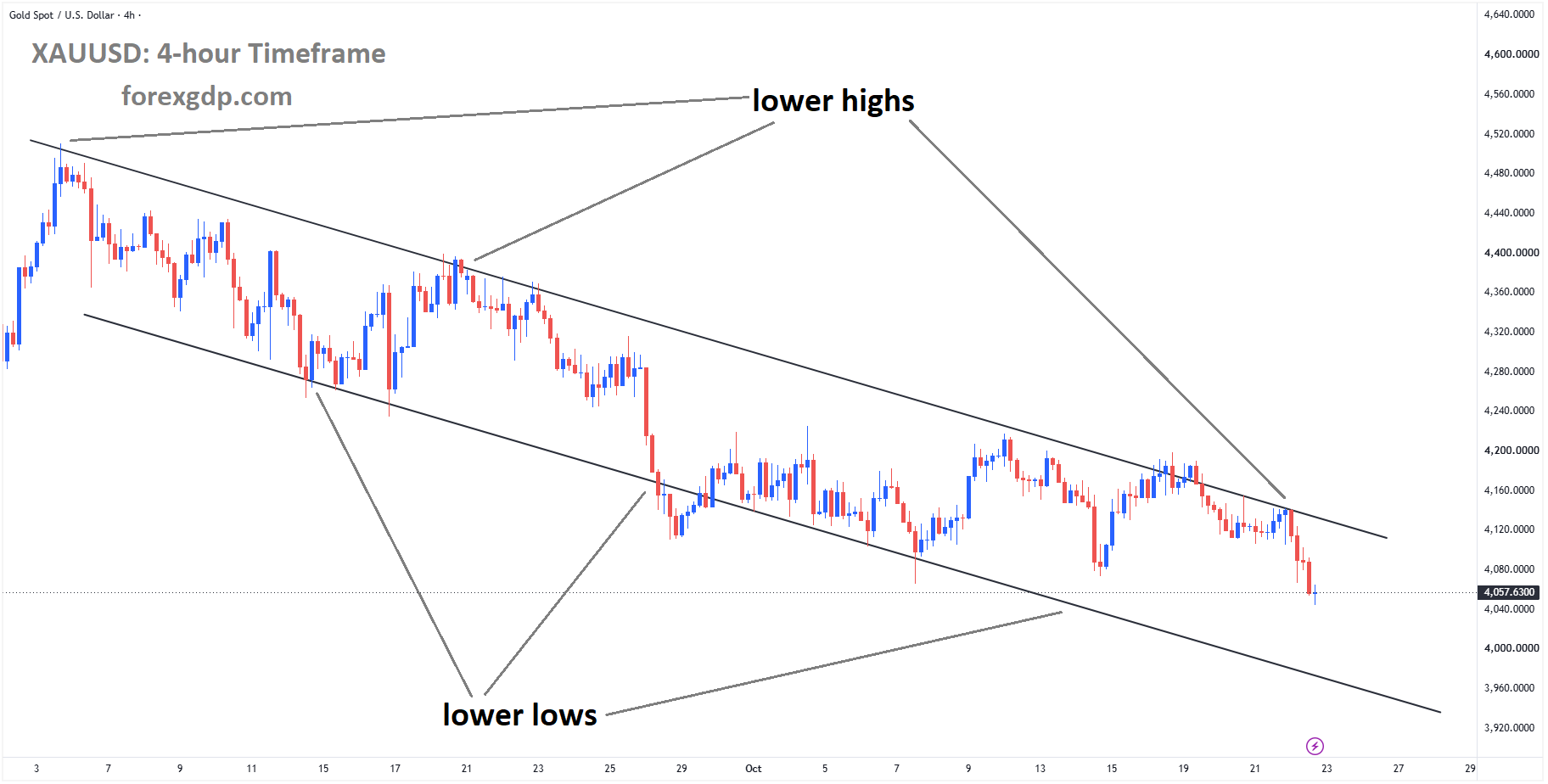
XAUUSD is moving in a descending channel, and the market has fallen from the lower high area of the channel
The Dollar also competes with gold during periods of uncertainty. Investors seeking liquidity may prefer to hold the US currency, particularly when expectations of relatively high interest rates support its appeal.
Government bond markets add another layer to the picture. Although bond yields can decline when investors seek safety, they may still offer enough income to compete with gold.
As a result, a modest easing in yields may provide limited relief if the broader outlook still points to restrictive monetary policy and a resilient Dollar.
Final Summary
Gold remains caught between demand for safety and the financial pressure created by high interest rates. Middle East tensions are increasing concern about energy supplies, but the resulting inflation risk may also encourage central banks to maintain tight policies.
A firmer US Dollar adds to that challenge by making gold more expensive for international buyers. The Federal Reserve’s next meeting will help investors judge whether another rate increase remains a serious possibility.
For now, gold’s direction depends on how these competing forces develop. Greater uncertainty may attract protective buying, while persistent inflation and restrictive policy could continue to limit demand.