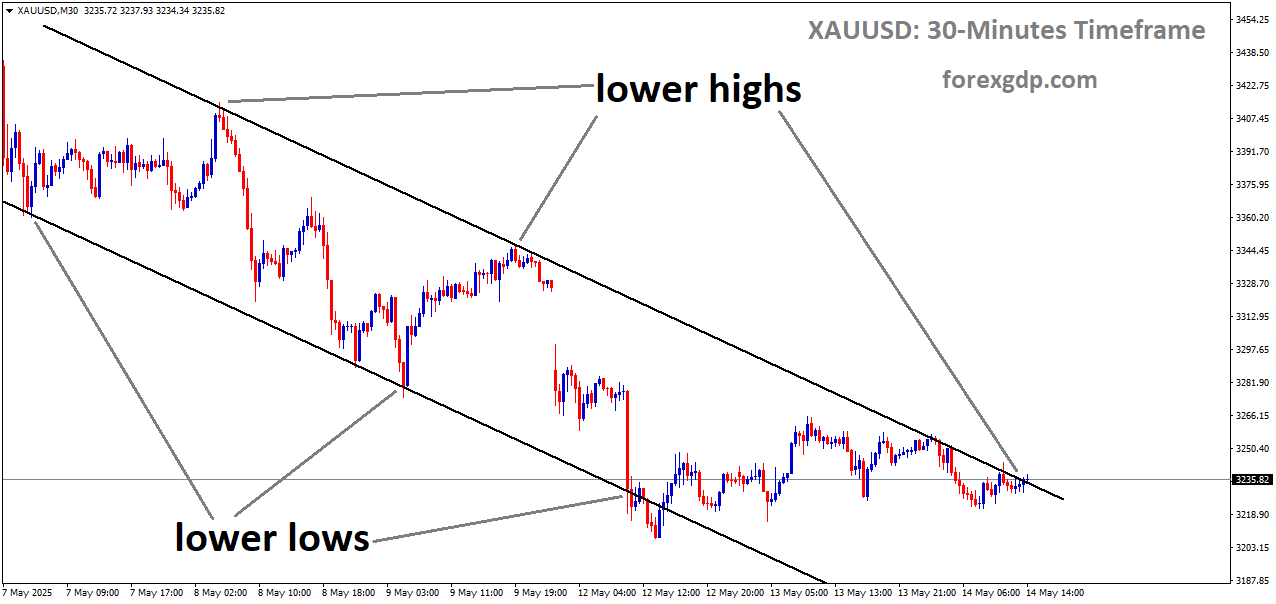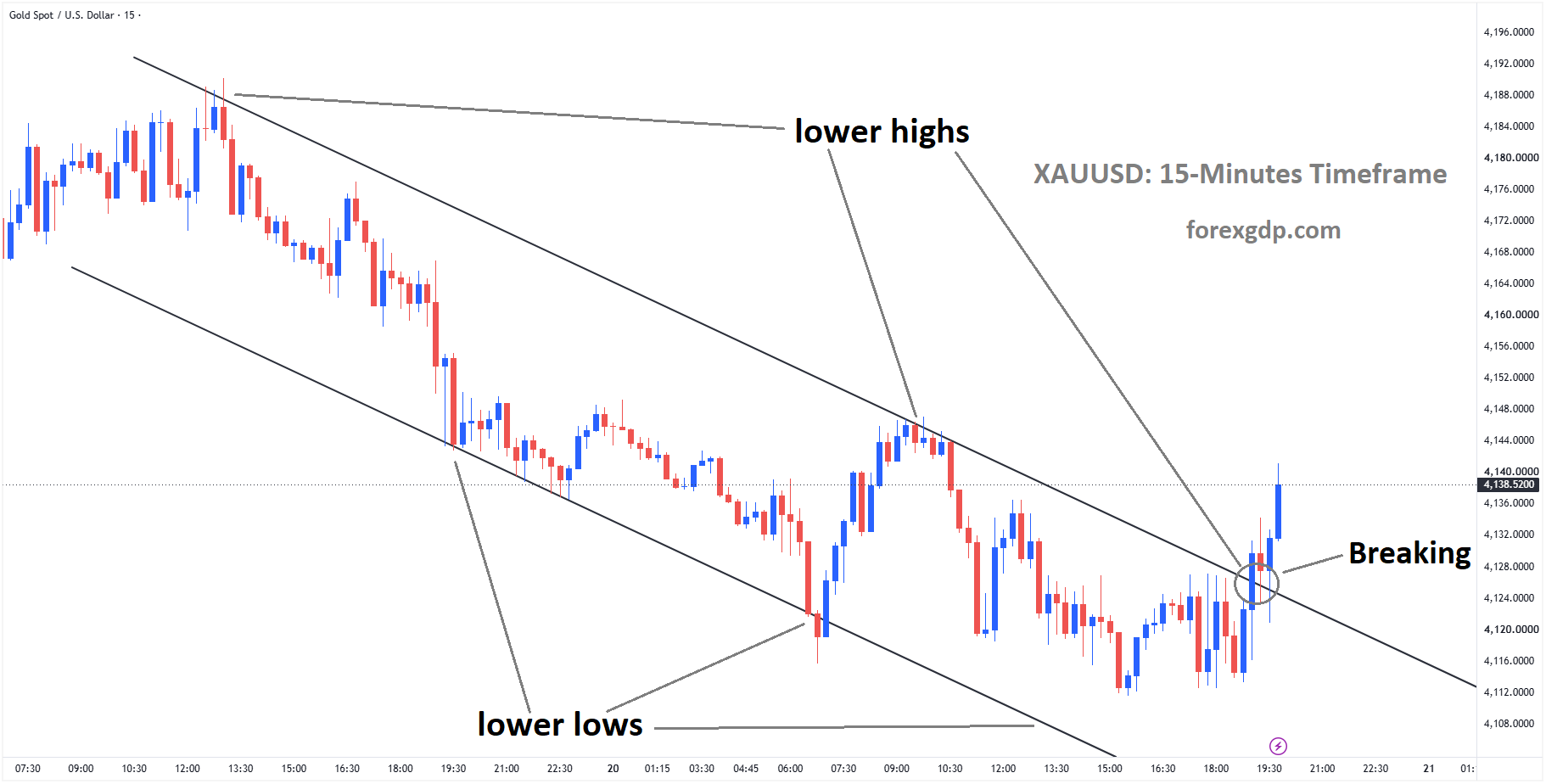
XAUUSD is breaking the lower low area of the descending channel
Gold regained ground after an earlier decline as reports of possible diplomatic progress between the United States and Iran changed the mood across financial markets. The prospect of an agreement pushed oil lower, eased some concerns about energy costs, and weighed on the US Dollar and US Treasury yields.
That combination gave gold some breathing room. However, the recovery remained limited by expectations that the Federal Reserve could raise interest rates again before the end of the year.
The gold market is now caught between two competing forces. Progress in Middle East diplomacy could reduce inflation pressure, while strong US inflation figures continue to give policymakers reasons to keep borrowing costs elevated.
Diplomatic Developments Give Gold a Lift
Reports of a possible US-Iran agreement helped gold recover from its earlier weakness. According to Israel’s Channel 12 News, a proposal presented by Pakistan’s army chief to senior Iranian officials had received American approval and an initial agreement from Iran.
The reported proposal includes transferring interest earned on Iranian funds frozen in Qatari banks to Tehran. Such a step could partly address Iran’s demands concerning access to its frozen assets.
These reports raised hopes that negotiations might move forward, although an initial agreement does not guarantee a final deal. Important details would still need to be settled, and any arrangement would depend on both sides following through.
For financial markets, even the possibility of progress was enough to change expectations. Oil moved sharply lower as traders reassessed the threat of further disruption to energy supplies. That shift helped ease pressure on gold through its effect on inflation concerns, bond yields, and the dollar.
Why Lower Oil Helped Gold Recover

Oil has become an important part of the gold story because of its influence on inflation and interest rates.
When energy becomes more expensive, the effects spread through the economy. Businesses face higher transport and production costs, while households spend more on fuel and other essentials. Some of those costs can eventually appear in the prices of a wide range of goods and services.
Persistent energy inflation can make central banks less willing to reduce interest rates. It can also increase the possibility of further rate rises if officials believe higher costs are spreading beyond the energy sector.
The sharp retreat in oil eased some of those concerns. US Treasury yields moved lower, reducing part of the pressure on gold.
Gold does not pay interest, so it can become more appealing when the returns available from bonds decline. This helps explain why the metal benefited from diplomatic optimism, even though an improvement in geopolitical conditions can sometimes reduce demand for assets associated with safety.
In this case, the response in energy and bond markets provided a clearer source of support.
A Softer US Dollar Adds Support
The weaker US Dollar also contributed to gold’s recovery.
Gold is widely traded in dollars. When the dollar loses strength, buyers using other currencies can find it less expensive to purchase the metal, assuming other conditions remain unchanged. That can improve demand and help gold regain ground.
The dollar’s retreat accompanied the decline in Treasury yields. Lower yields can reduce the relative appeal of dollar-denominated investments, particularly when investors had previously expected stronger returns from US assets.
However, this relationship is not automatic. Currency markets also respond to economic growth, policy decisions, and demand for liquidity during uncertain periods.
For now, the combination of a softer dollar and lower bond yields has helped gold. Whether that support continues will depend partly on incoming US economic data and the next developments in Middle East negotiations.
Energy Supply Risks Remain Unresolved
Diplomatic hopes have brought some relief, but they have not removed the risks facing global energy supplies.
The supplied reports describe continued fighting involving Saudi Arabia and the Houthis, along with increased attacks on vessels in the Strait of Hormuz. Such developments keep attention on the security of shipping routes and the reliability of oil deliveries.
Energy markets can react quickly when traders believe supplies may be interrupted. Even without an immediate shortage, uncertainty can raise transport costs and encourage buyers to secure additional supplies.
Oil also remains above its pre-war levels, meaning the recent decline has only partly reversed the pressure created by the conflict.
This leaves gold facing a complicated situation. Renewed tensions could increase demand for the metal as a store of value, but another rise in energy costs could also strengthen inflation concerns and encourage a tougher Federal Reserve stance.
The balance between those effects will matter more than any single headline.
Federal Reserve Rate Expectations Limit the Recovery
The main obstacle to a stronger gold recovery remains the outlook for US interest rates.
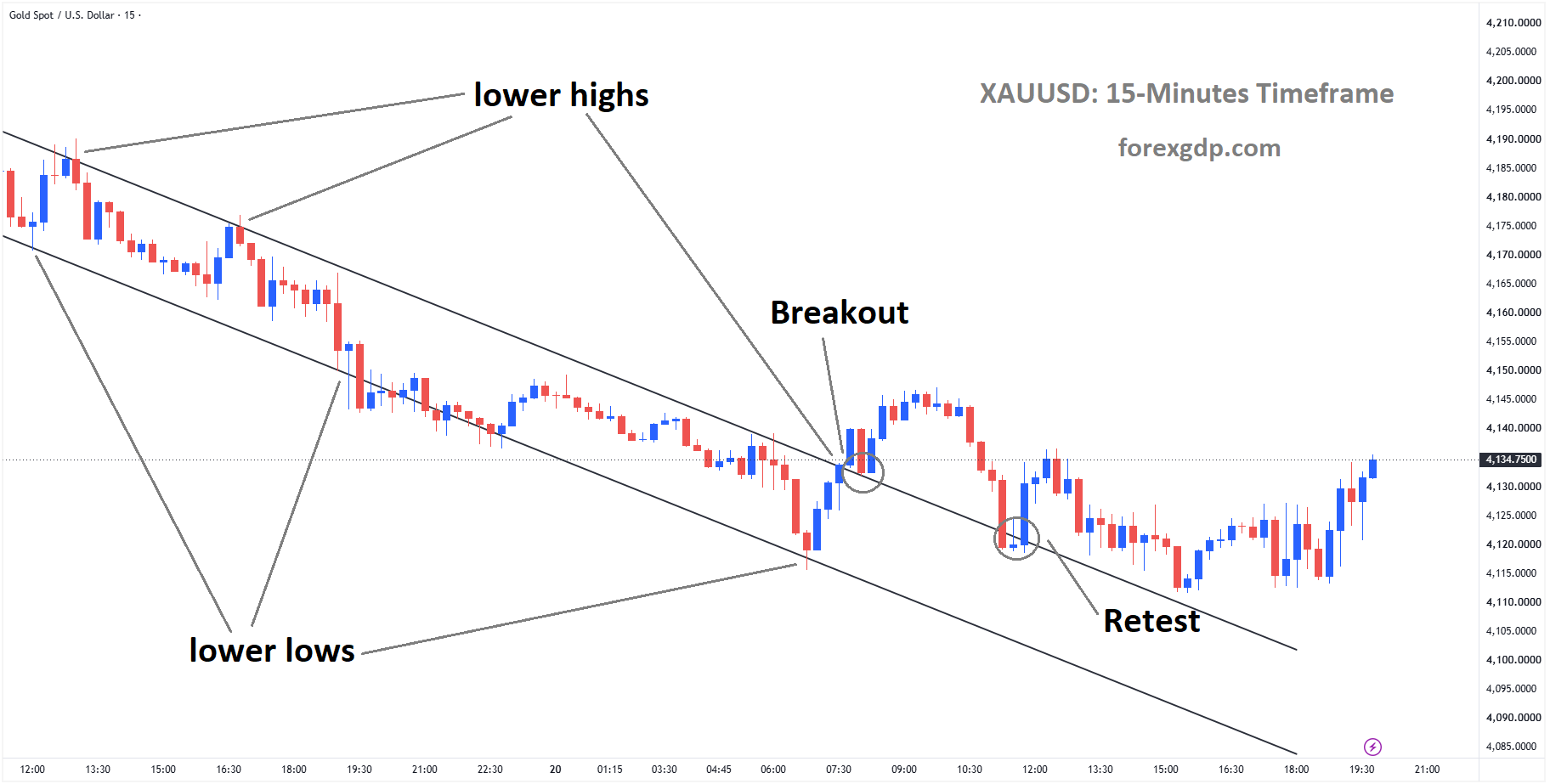
XAUUSD is rebounding from the retest area of the broken descending channel
September’s consumer and producer inflation reports were stronger than expected, reinforcing concerns that price pressures remain difficult to control. Those figures strengthened expectations that the Federal Reserve could deliver another rate increase before year-end.
Higher interest rates generally create a challenge for gold because the metal provides no regular income. When cash and bonds offer more attractive returns, holding gold carries a greater opportunity cost.
Traders still broadly expect the Fed to leave rates unchanged at its upcoming October meeting. Policymakers may prefer time to assess the effects of September’s increase before taking another step.
A pause, however, would not necessarily signal that the tightening cycle has ended. If inflation remains stubborn, officials could maintain the option of another increase later in the year.
That possibility could support the dollar and Treasury yields, limiting how far gold can recover.
Summary
Gold’s recovery reflects relief over possible US-Iran diplomatic progress and the resulting decline in oil. Lower energy costs eased some inflation concerns, while a softer US Dollar and falling Treasury yields helped the metal regain ground.
The broader outlook remains uncertain. Energy supply risks have not disappeared, and stronger-than-expected US inflation continues to support expectations of another Federal Reserve rate increase.
Gold’s next direction will depend on whether diplomatic progress produces lasting relief and whether economic data gives the Fed room to keep interest rates steady.