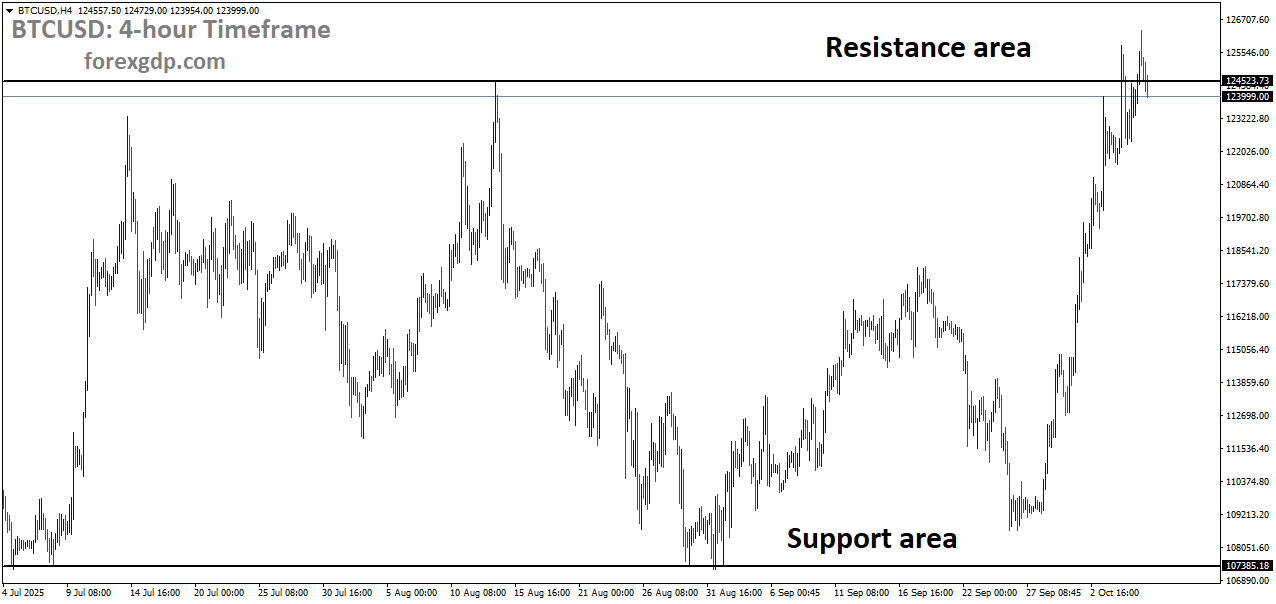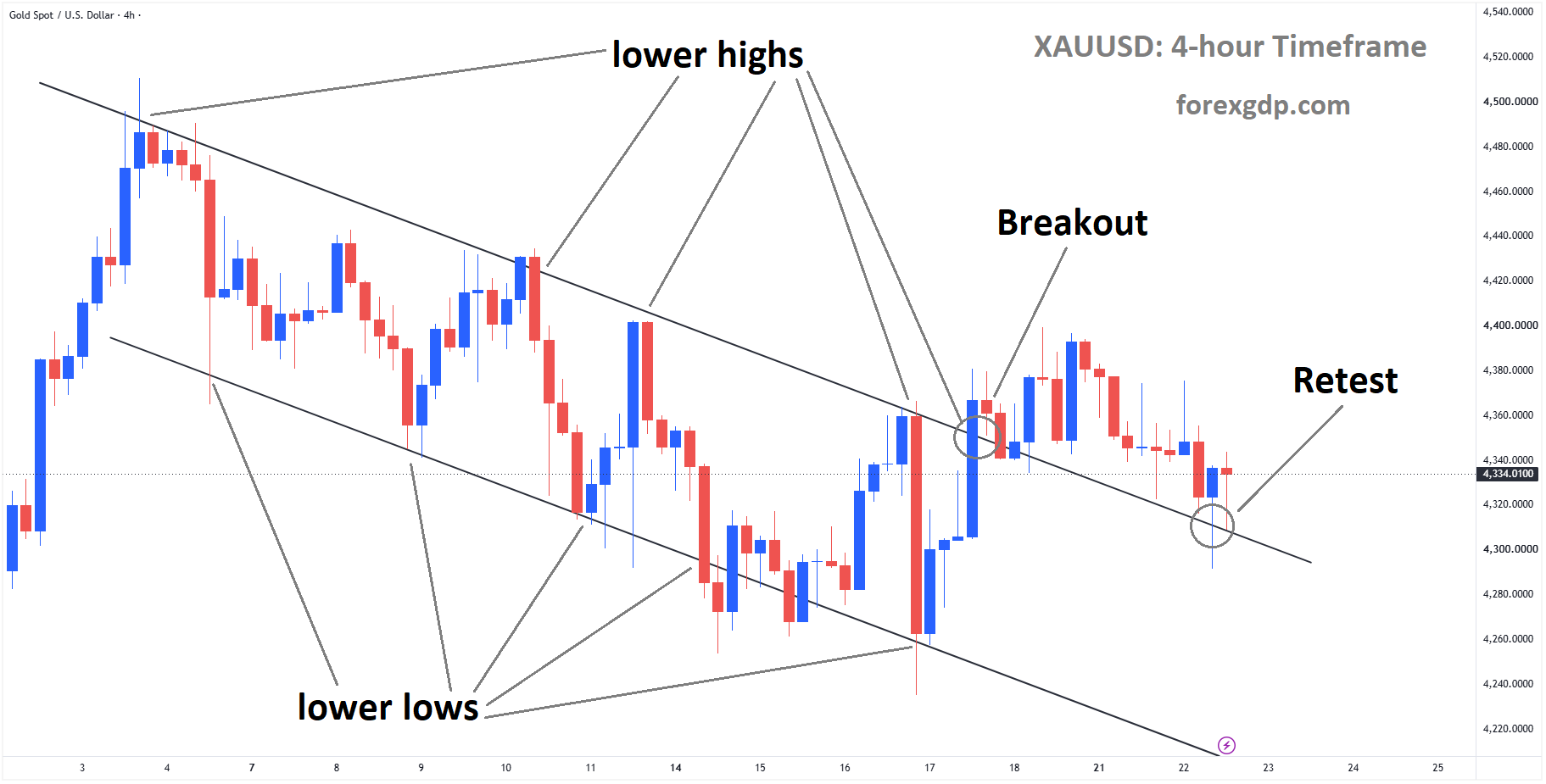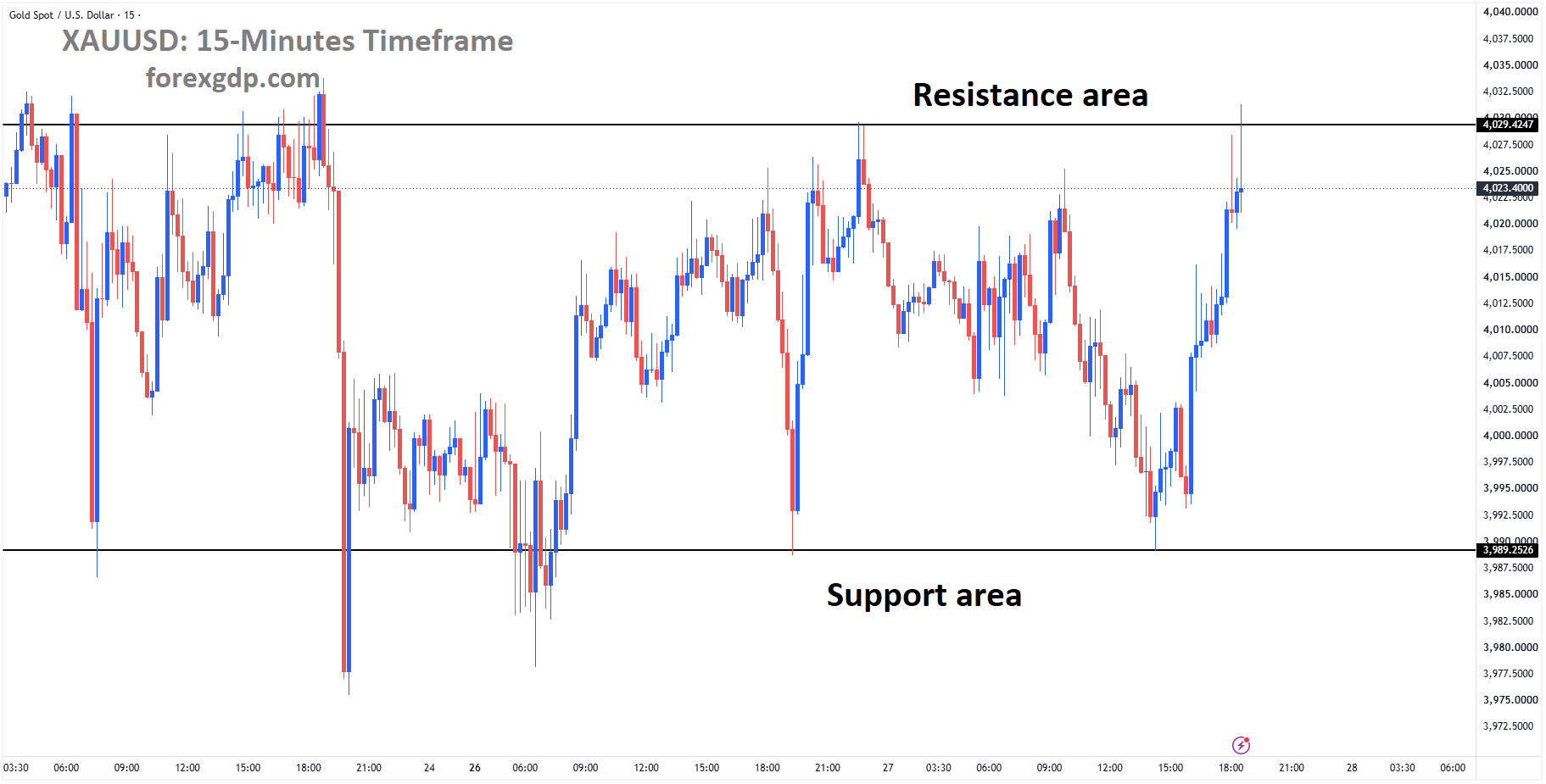
XAUUSD reached the resistance area of the box pattern
Gold is facing a challenging backdrop as a stronger US Dollar and uncertainty over Federal Reserve policy weigh on investor confidence. Attention is turning toward the central bank’s next announcement, with investors looking for a clearer sense of where interest rates may go in the months ahead.
The immediate decision is only part of the story. Even if the Fed leaves borrowing costs unchanged, its comments on inflation, energy costs and future policy could shape demand for gold.
At the same time, tensions in the Middle East continue to raise concerns about energy supplies. That creates a complicated situation for the precious metal. Global uncertainty can encourage demand for gold, but higher energy costs can also keep inflation elevated and give the Fed a reason to maintain a firm stance.
A Stronger US Dollar Creates Challenges for Gold
The US Dollar’s recovery is one of the main factors limiting gold’s appeal. Because gold is widely traded in Dollars, changes in the currency affect what buyers outside the United States must pay.
When the Dollar strengthens, gold becomes more expensive for people using other currencies. That can discourage purchases or lead buyers to wait until conditions become more favourable.
Currency movements also reflect changing expectations about the US economy and monetary policy. If investors believe the Fed will keep interest rates elevated, Dollar-based investments may become more attractive. This can support the currency while creating additional competition for gold.
Some of the recent shift may also reflect investors adjusting their holdings before the Fed announcement. Major policy events often prompt caution, especially when the central bank’s next steps remain uncertain.
For gold, the key question is whether Dollar strength will continue after the meeting. That will depend partly on whether the Fed’s message matches, exceeds or falls short of investor expectations.
The Federal Reserve’s Message Matters Beyond the Rate Decision
A decision to leave interest rates unchanged would not necessarily signal a softer approach to inflation. The Fed can pause while still making clear that another increase remains possible.
This is why investors pay close attention to the policy statement and the press conference that follows. The language used can reveal how officials view inflation risks, economic activity and the need for further action.
A firm message about controlling inflation could strengthen expectations for another rate increase in December. That would create a difficult environment for gold, particularly if it also supports the Dollar.
A more patient message could have a different effect. If officials stress the need to study incoming economic data before making another move, investors may become less certain that an additional increase is necessary.
However, patience should not be confused with a promise to lower rates. The Fed may want more evidence before acting while remaining concerned about inflation. For gold investors, that distinction matters because borrowing costs could remain elevated even without an immediate policy change.
Why Higher Interest Rates Can Reduce Gold’s Appeal
Gold does not pay interest or provide regular income. Its appeal comes from other qualities, including its role as a store of value and its use as a way to spread investment risk.
When interest rates are high, investors have more opportunities to earn income from savings products and interest-paying assets. Holding gold then involves giving up some of that potential income.
This is often called the opportunity cost of owning gold. The higher the available return elsewhere, the more carefully investors may weigh their reasons for holding the metal.
The relationship is not automatic. Gold can still attract buyers during periods of economic stress, political uncertainty or concern about financial stability. Different forces can influence demand at the same time.
Still, expectations for interest rates remain important. If investors believe the Fed will maintain restrictive policy for longer, gold may struggle to attract fresh interest. If those expectations ease, one source of pressure could begin to fade.
Energy Supply Risks Complicate the Inflation Outlook
Developments in the Middle East are adding another layer of uncertainty. Diplomatic discussions offer a possible route toward easing tensions, but concerns about shipping security and energy supply remain significant.
The Strait of Hormuz is especially important because it is a major route for global energy shipments. Threats to vessels moving through the area can disrupt trade and increase uncertainty for businesses that depend on reliable deliveries.
Attacks affecting regional infrastructure or transport can deepen those concerns. Even when supplies continue to move, uncertainty can make planning more difficult for energy producers, shipping companies and buyers.
For the Fed, the concern extends beyond fuel bills. Energy is used throughout the economy, from manufacturing and farming to transport and distribution. When those costs rise, businesses may pass some of the increase on to customers.
That can slow progress toward the central bank’s inflation target. It can also make policymakers more cautious about easing borrowing costs before they are confident that inflation is under control.
Gold’s Inflation Role Comes With Competing Pressures
Gold is often viewed as protection against inflation, but that does not mean inflation concerns always lead to stronger demand.
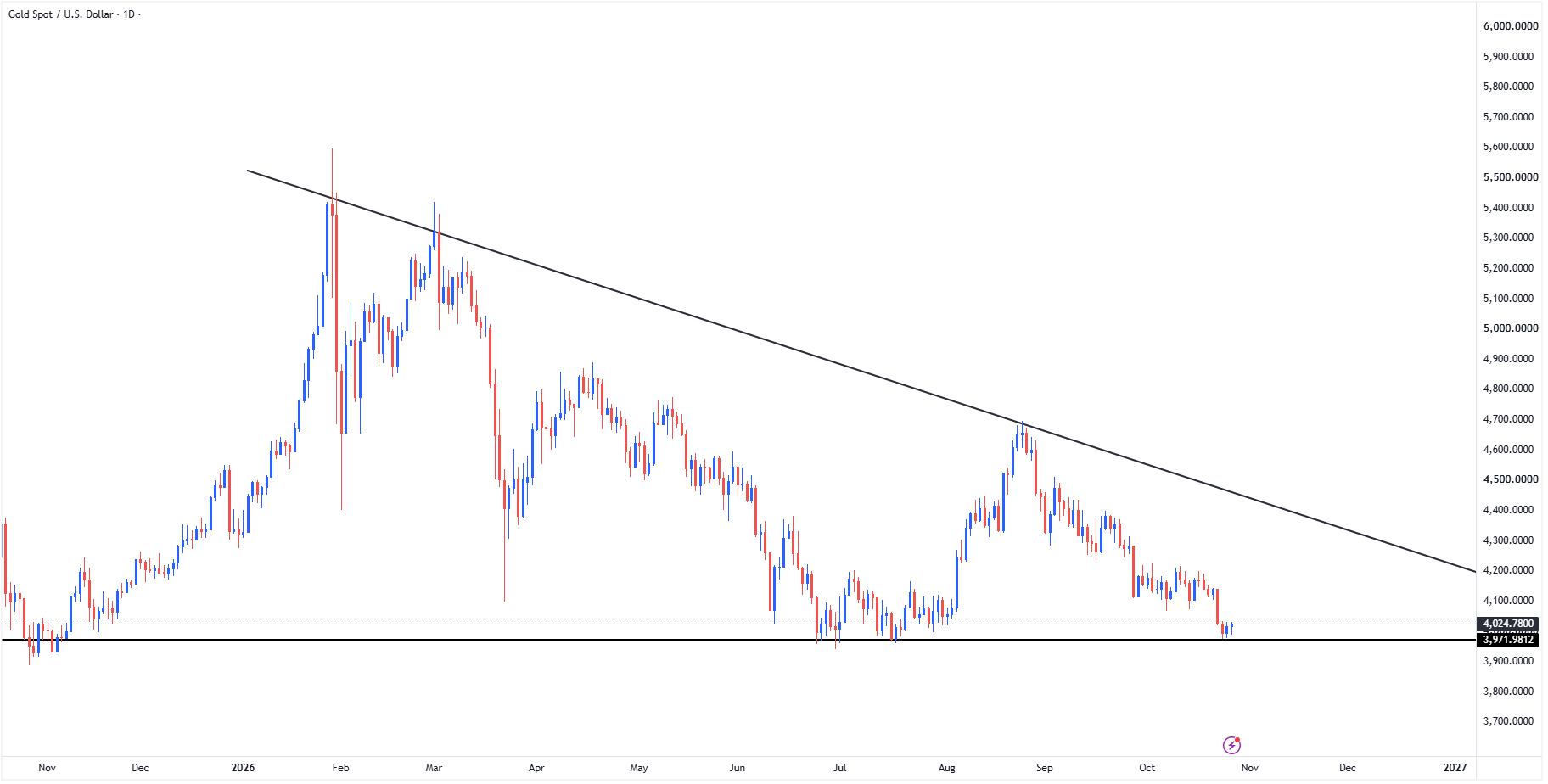
XAUUSD reached the support area of the descending triangle pattern
Much depends on how central banks respond. If rising costs lead investors to expect tighter monetary policy, the appeal of interest-paying assets may increase. A stronger Dollar can add another challenge.
At the same time, prolonged geopolitical uncertainty may encourage investors to hold gold as part of a broader approach to managing risk.
These forces can pull in different directions. An investor worried about instability may see a reason to buy gold, while another focused on income may prefer assets that benefit from higher interest rates.
Understanding that tension helps explain why gold’s response to inflation can vary. The inflation outlook matters, but so do policy expectations, currency movements and the reasons people choose to hold the metal.
Summary
Gold’s near-term outlook depends on the balance between Dollar strength, Federal Reserve policy and uncertainty over energy supplies.
A firm Fed message could reinforce expectations for another rate increase and keep pressure on gold. A more patient approach could ease some of that pressure, although persistent energy concerns may limit how much flexibility policymakers have.
The central issue is how these developments affect investor choices. Gold’s appeal as a store of value remains relevant, but it must compete with the income available from other assets while the outlook for inflation and interest rates remains unsettled.