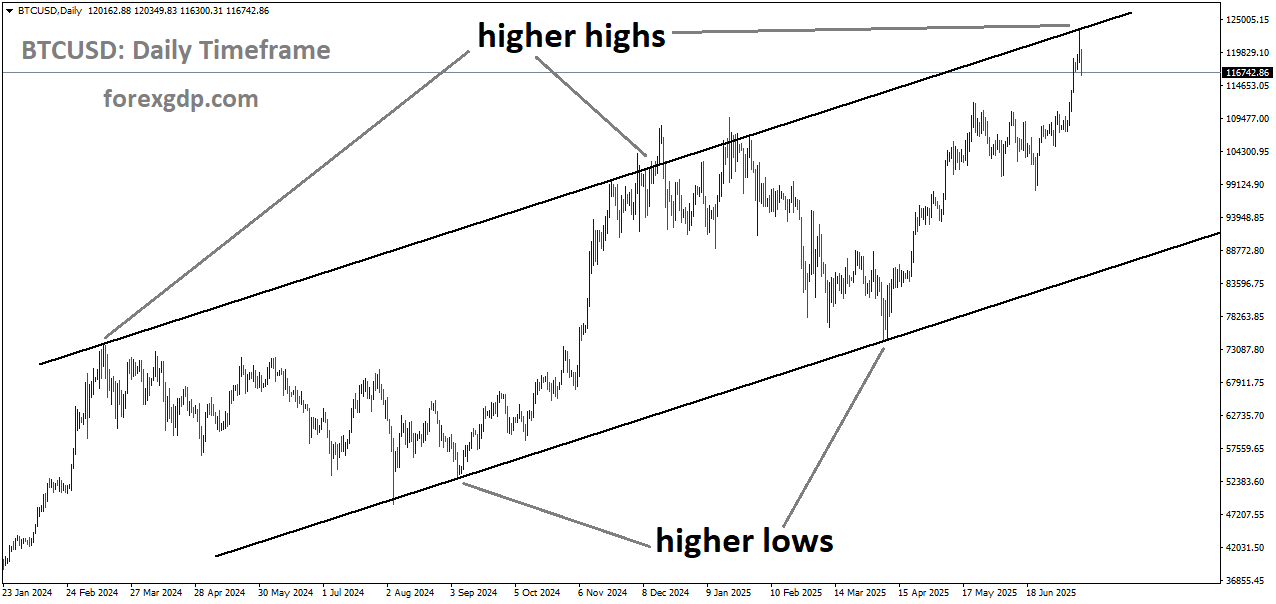
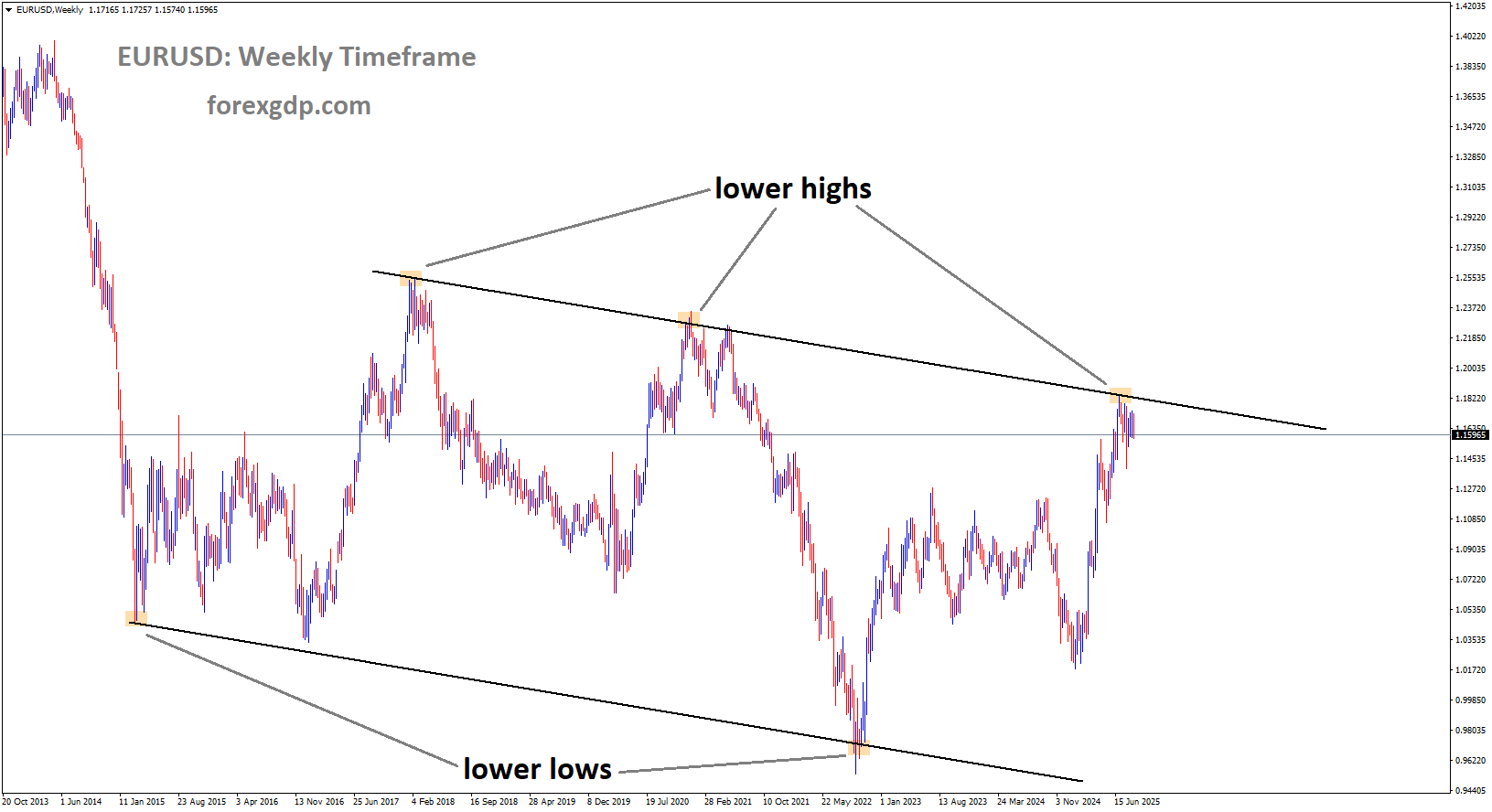
XAUUSD reached the retest area of the broken Ascending channel
Gold, the timeless safe-haven asset, often shines brightest in times of global uncertainty. However, recent developments have created a mixed mood in the market, with both optimism and caution tugging at its price direction. As peace talks between Israel and Hamas bring a wave of relief to global tensions and the U.S. dollar strengthens, gold is finding it harder to stay on its upward path. Yet, expectations of possible Federal Reserve interest rate cuts and fears about a U.S. government shutdown are helping to cushion the metal from a sharp fall.
Let’s dive into the key factors influencing gold’s movement and understand what’s really going on behind the headlines.
Peace Talks Weaken the Demand for Safe Havens
When investors sense geopolitical calm, they tend to move away from safe-haven assets like gold and return to riskier investments such as stocks and currencies. That’s exactly what’s happening now.
The Impact of the Israel-Hamas Peace Progress
The first phase of a peace agreement between Israel and Hamas, mediated after discussions in Egypt, has sparked a sense of optimism across global markets. This development has eased fears of further escalation in the Middle East — one of the biggest triggers for safe-haven demand in recent months. As a result, traders who had earlier bought gold to hedge against geopolitical risks began taking profits, reducing the overall demand for the metal.
This wave of profit-taking is natural after a prolonged rally driven by fear and uncertainty. With tension easing, investors are moving toward assets that might yield better returns, such as equities and government bonds.
Shift in Market Sentiment
The peace progress has also shifted the market sentiment from fear to relief. Investors are now focusing more on upcoming economic data and central bank signals rather than geopolitical worries. In simpler terms, the emotional drive that pushed gold prices higher in previous weeks has now cooled down, at least temporarily.
The Dollar Strengthens and Adds Pressure on Gold
Gold and the U.S. dollar share a well-known inverse relationship — when one rises, the other usually falls. This week, the dollar has taken center stage again, adding extra pressure on gold’s performance.
Why the U.S. Dollar Is Rising
The U.S. dollar has been gaining momentum and recently reached its highest level in months. This strength is supported by renewed investor interest in U.S. assets and cautious optimism about the country’s economic stability. With global investors seeking safety in the dollar, gold naturally faces a decline since it becomes more expensive for those holding other currencies.
When traders see a stronger dollar, they often prefer holding cash or U.S. bonds rather than gold, which doesn’t generate interest or dividends. This shift in preference has been one of the main factors weighing on gold recently.
How Fed Rate Expectations Influence Both Assets
Despite the dollar’s strength, there’s another side to the story — the Federal Reserve’s potential rate cuts. Lower interest rates typically make non-yielding assets like gold more attractive, as the opportunity cost of holding them decreases. The latest minutes from the Federal Reserve’s meeting revealed that most policymakers are leaning toward cutting rates due to concerns about the labor market and overall economic growth.
According to projections, there’s a high probability that the Fed could reduce rates in the coming months. This expectation has prevented gold from seeing a steep decline, as investors still view it as a strong long-term hedge against economic uncertainty.
U.S. Political Uncertainty Provides Support to Gold
While peace talks and a strong dollar have put pressure on gold, domestic challenges within the United States are offering a layer of support.
The Ongoing Government Shutdown Debate
The U.S. government is facing yet another shutdown scenario as lawmakers struggle to agree on budget funding. The Senate’s repeated failures to pass funding bills have created a sense of frustration among citizens and investors alike. Each day of delay adds more uncertainty to the economy, especially as thousands of federal workers face temporary layoffs.
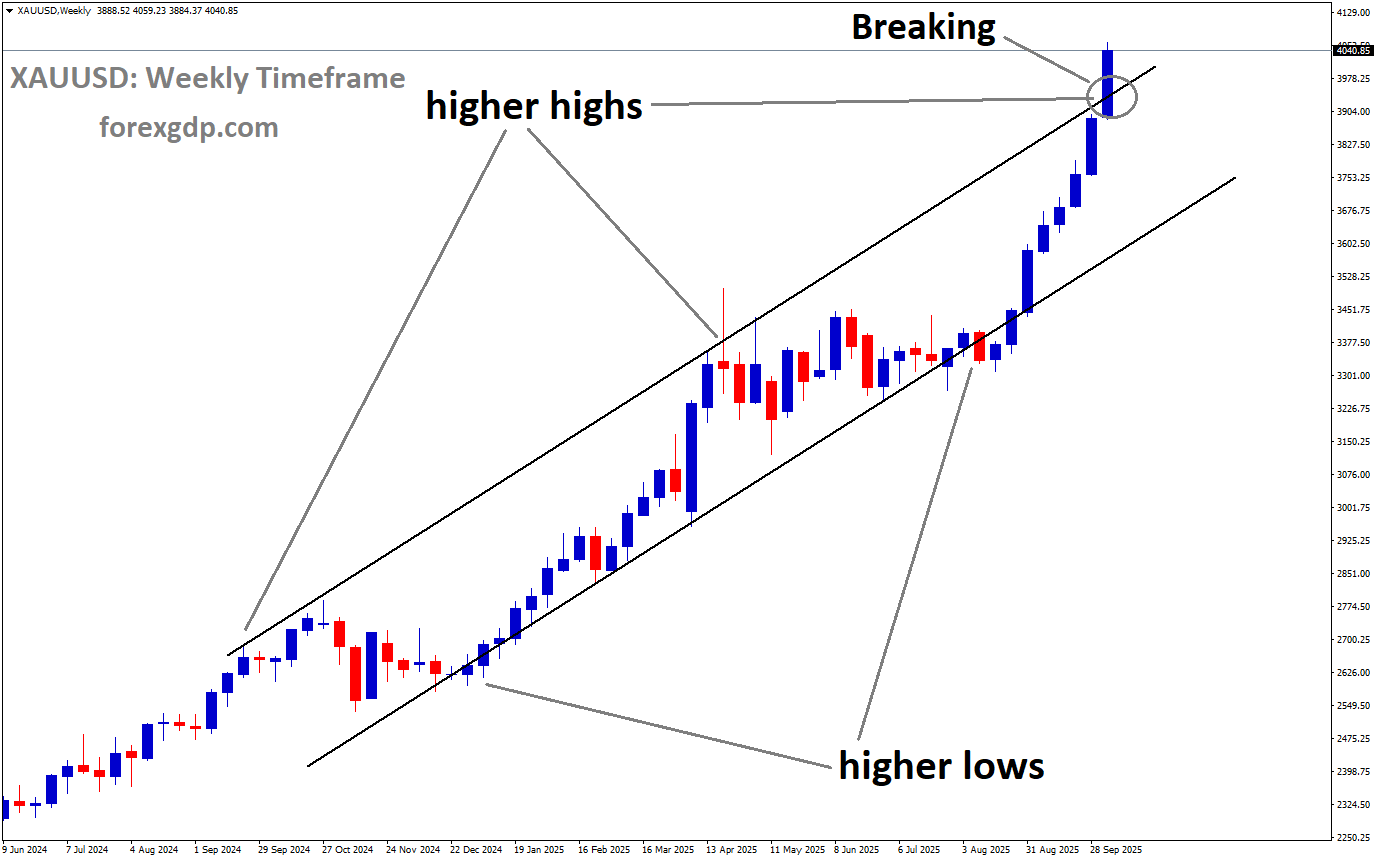
XAUUSD is breaking the higher high area of the uptrend channel
This type of political gridlock tends to benefit gold because it revives investors’ fear of instability. Many worry that a prolonged shutdown could hurt consumer confidence and slow down economic activity. As a result, gold remains a preferred hedge for those looking to protect their portfolios from potential market turbulence.
Geopolitical Tensions Still Lurking
Although peace efforts in the Middle East are making progress, not all geopolitical risks have vanished. For instance, Russia’s warning that it would target U.S. missiles and their launch sites if supplied to Ukraine has kept global tensions alive. Such remarks remind investors that the world remains unpredictable, and that gold still has a role as a safety net in uncertain times.
What Traders Are Watching Next
With so many mixed signals influencing the market, traders are now focusing on one key event — the upcoming speech by Federal Reserve Chair Jerome Powell. His comments are expected to offer more clarity on the direction of interest rates and the central bank’s outlook on inflation and employment.
If Powell reinforces the possibility of rate cuts, gold could find fresh buying interest. However, if he sounds more confident about the economy’s strength, the dollar could gain further, making gold less appealing. In short, Powell’s tone will likely set the mood for gold’s next major move.
A Balanced Perspective on Gold’s Path Ahead
Gold’s current position is like walking a tightrope — with one side supported by economic and political uncertainty, and the other pulled down by peace optimism and dollar strength. While short-term traders might find the metal struggling to maintain momentum, long-term investors see these dips as opportunities to accumulate.
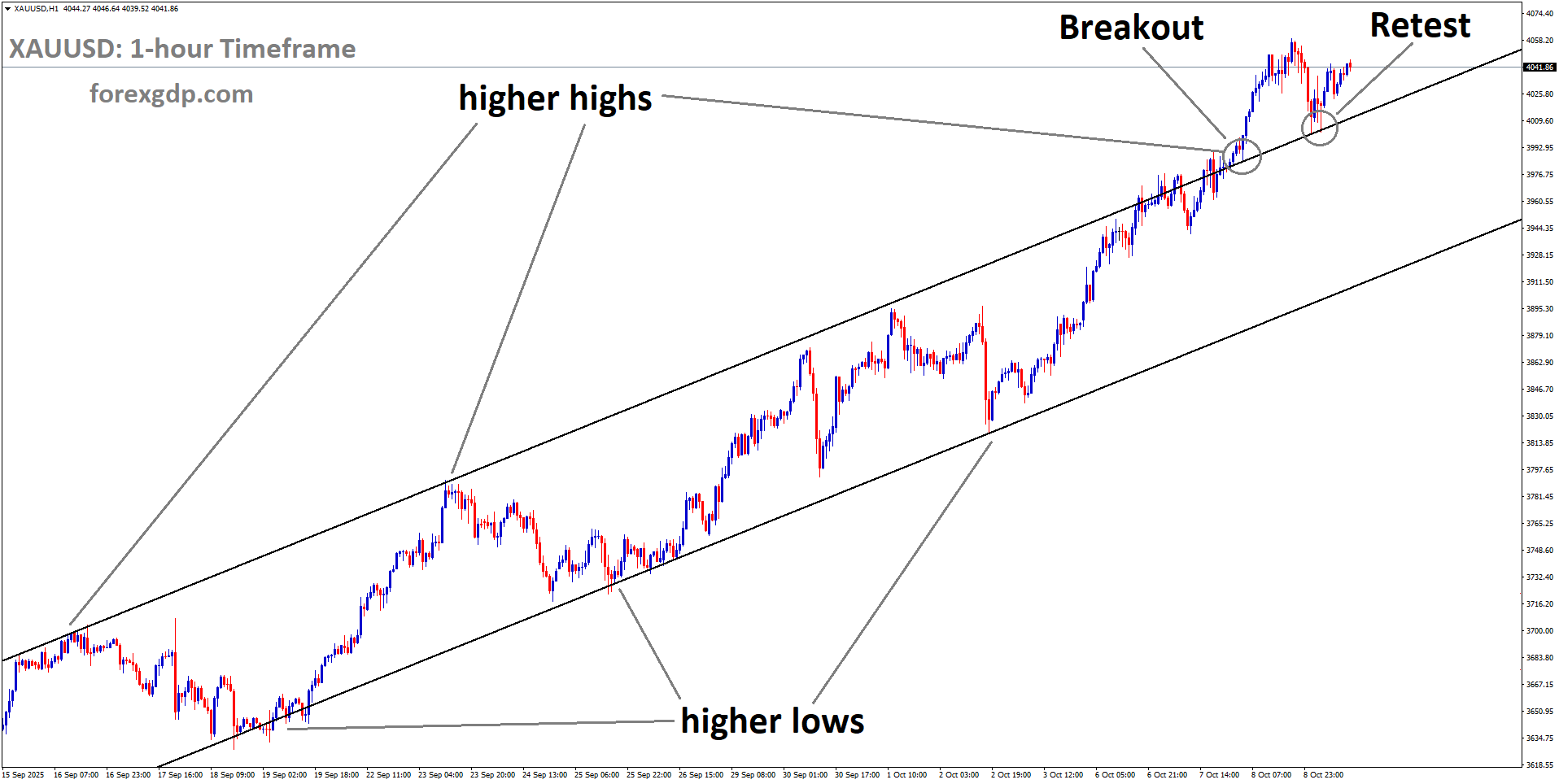
XAUUSD is rebounding from the retest area of the broken Ascending channel
The key takeaway here is that gold’s journey is rarely straightforward. Its price is influenced by a blend of global politics, currency moves, and central bank actions. Even when optimism temporarily dims its shine, the underlying reasons for owning gold — safety, stability, and value preservation — remain as strong as ever.
Final Summary
In recent days, gold has faced a tug-of-war between easing geopolitical tensions and ongoing economic uncertainty. The Israel-Hamas peace developments reduced its immediate appeal as a safe haven, while a stronger U.S. dollar further weighed on prices. However, fears surrounding the U.S. government shutdown and expectations of Federal Reserve rate cuts are providing much-needed support.
Investors should remember that gold’s performance often reflects the world’s mood. When confidence returns, it cools; when fear resurfaces, it glows again. For now, it’s holding steady, waiting for the next big signal — whether from Washington, the Fed, or the global stage.