

Trust is not something you build overnight — especially not in trading. Many new traders walk into the forex market with high hopes, armed with flashy indicators and promises of quick riches. But here’s the truth: the chart doesn’t owe you anything. It’s not about predicting the market perfectly; it’s about understanding what the market is trying to tell you.
The market moves in patterns. Those patterns don’t lie — traders do, to themselves. Trusting the chart means removing emotions, not forcing trades, and allowing data, structure, and logic to lead decisions. Once you start seeing charts as a conversation between price and psychology, you begin to realize that trust is earned through observation, not assumptions.
The Emotional Battle Behind Every Candle
Fear and Greed: The Two Enemies of Every Trader
If you’ve ever panicked during a drawdown or doubled your lot size after a win, you’ve felt the sting of emotional trading. Fear whispers that every candle against you is a threat. Greed shouts that every move in your favor is a signal to risk more. But both emotions cloud judgment.
Letting the chart earn your trust means letting go of those impulses. It’s like being in a relationship — if you keep doubting every move, you’ll never see the bigger picture. A calm trader is a consistent trader, and consistency only grows when trust replaces emotion.
Patience: The Forgotten Trading Strategy
Patience doesn’t sound glamorous. It doesn’t give you instant gratification. But in trading, patience is your most underrated edge. When you wait for confirmation, for the chart to align with your strategy, you’re letting the market show you its hand. Jumping in early is like interrupting someone before they finish their sentence — you miss the point entirely.
Reading Charts Like a Story, Not a Signal Machine
Every Candle Has a Voice
Each candle on the chart tells a story — who’s in control, buyers or sellers, where the battle is happening, and when exhaustion kicks in. But too many traders focus on patterns without understanding context. A bullish engulfing candle in a downtrend is not a buy signal — it’s just a whisper of uncertainty, not a trend reversal.
Trust comes from listening to what the market says over time. Just like you wouldn’t trust a person after one conversation, you shouldn’t trust a single candle to decide your next move.
Support and Resistance: The Foundations of Trust
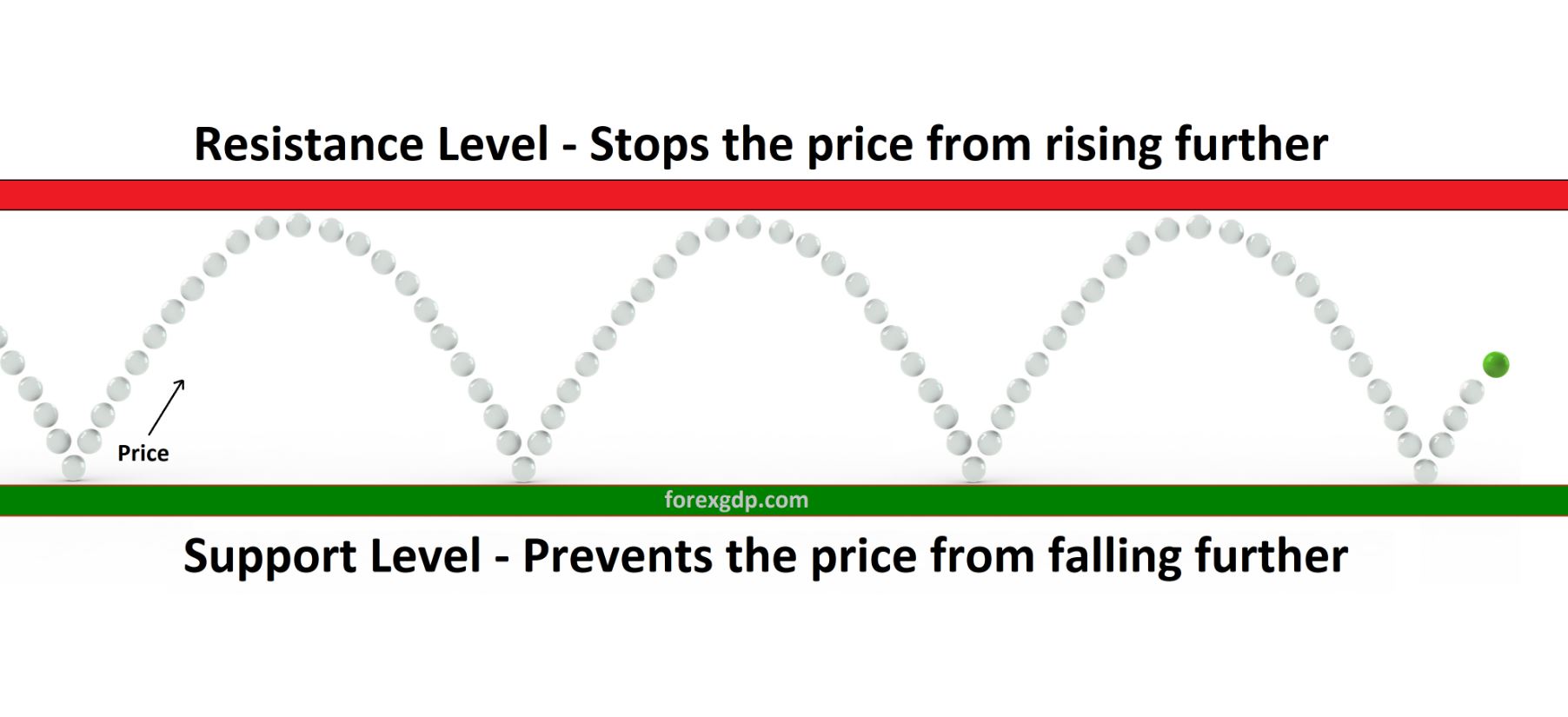
Support and resistance levels are not just lines on a chart — they’re emotional boundaries. Traders around the world watch these zones, waiting for reactions. When price respects these areas repeatedly, you start to trust that they matter. But if you draw them randomly or ignore confirmation, you’re setting yourself up for betrayal by your own impatience.
Waiting for the chart to confirm its behavior around these levels builds your confidence. The market rewards observation more than prediction.
Why Most Traders Fail to Build Trust
They Want Results Without Commitment
Many traders treat forex like a lottery ticket. They want the jackpot, not the journey. But charts reward commitment — studying price action, learning patterns, journaling trades, and improving entries. Without putting in the work, expecting the chart to perform for you is like expecting a plant to grow without watering it.
Trust requires consistency. If you keep changing strategies every week, you’re telling the market you don’t even trust yourself — so how can you trust the chart?
They Confuse Luck with Skill
Every trader gets lucky sometimes. A random breakout hits your take profit, and suddenly you feel invincible. But luck fades; skill endures. Trusting the chart means knowing why your trade worked, not just celebrating that it did. When you can explain your results, both wins and losses, that’s when trust starts forming.
Building a Trading Mindset That Lasts
Focus on Process, Not Profits
If you chase profits, you’ll forever be chasing. But if you focus on process — following your plan, respecting your risk, documenting your trades — profits will find their way to you. Charts don’t care about your financial goals; they react to volume, sentiment, and structure. When your focus shifts from “how much can I make?” to “how well can I execute?”, you align with how professional traders think.
Detach from Outcomes
Every trade is just one of many. When you attach your self-worth to every win or loss, you lose emotional balance. The chart is not out to get you; it’s just doing what it does. By detaching emotionally, you create space for rational decisions. A trader who’s not desperate to win is the most dangerous player in the market — because they act from clarity, not need.
Technical Analysis: The Bridge Between Data and Emotion
Indicators Are Tools, Not Teachers
There’s nothing wrong with using indicators, but they should guide you, not control you. Indicators confirm what the price already suggests; they don’t predict the future. Too many traders decorate their charts with so many indicators that they can’t even see the price anymore. Strip it down. Simplicity builds clarity, and clarity builds trust.
Price Action Is the Purest Form of Truth
If you want to know what’s really happening, look at the price itself. No indicator can interpret market structure, trends, and rejections better than your trained eyes. Every fakeout, every double top, every retest tells you more about trader psychology than any lagging tool. The chart becomes your teacher once you stop trying to outsmart it.
Let the Chart Prove Itself
Backtesting Builds Confidence
Trust is built on evidence. Backtesting your strategy on historical data shows you how your plan performs under different market conditions. It’s like rehearsing before the performance — you see the flaws, refine your approach, and learn when to enter or exit. The more you test, the more confident you become when it’s time to trade live.
Live Trading Reinforces Discipline

Nothing replaces the real-time pressure of watching a trade move. This is where discipline is tested. Following your stop loss, resisting the urge to move targets — that’s where trust becomes tangible. Each time you obey your plan instead of your emotions, the chart earns a little more of your trust.
Common Mistakes That Destroy Trust
Overtrading: The Silent Killer
Overtrading is like overeating — it feels good in the moment, but the regret hits hard later. Every extra trade chips away at your focus and increases your exposure. When you trade too often, you stop listening to the chart and start reacting to boredom or fear of missing out. True trust means waiting for your setup, not chasing someone else’s.
Ignoring Risk Management
No amount of analysis can save you if you risk too much. If you don’t respect your stop loss, you’re not just breaking rules — you’re breaking trust with yourself. The chart doesn’t punish you; your lack of discipline does. Protecting your capital isn’t being cautious — it’s being professional.
Let the Market Speak — You Just Listen
Avoid the Noise
Social media traders love showing profits, not losses. They’ll convince you to jump into trades that don’t match your system. But the chart doesn’t lie. When you trust your analysis more than the crowd’s excitement, you’re no longer just following — you’re leading. The real signals come from the chart, not from Telegram channels or Twitter threads.
Observation Over Prediction
You don’t have to predict every move; you just need to react wisely to what unfolds. The best traders act like detectives — they collect clues, confirm theories, and execute only when the evidence is undeniable. The market rewards listeners, not talkers.
Learning to Let Go: When Not to Trade
No Setup, No Trade
There’s immense power in doing nothing. Sitting out during unclear markets protects your capital and mental energy. When the chart doesn’t align with your rules, stepping away is a win. Trading without a setup is like driving without a destination — it looks like progress, but it leads nowhere.
Respect Market Phases
The market moves in cycles — trending, ranging, consolidating. Each phase requires a different mindset. Trusting the chart means adapting, not forcing the same strategy everywhere. When volatility is low, patience pays more than action.
The Psychology of Letting Go
Losses Are Lessons, Not Failures
Every trader loses. The difference between amateurs and professionals lies in their reaction. If you blame the market for every stop loss, you’ll never learn. But when you review, understand, and accept, you grow. Trust deepens when you realize the chart isn’t betraying you — it’s teaching you discipline.
Consistency Beats Perfection
You’ll never find the perfect entry or exit. Chasing perfection will only exhaust you. The goal is consistency — small, repeated wins that build confidence. Every consistent action, every properly executed trade, strengthens the bond between you and your chart.
Let Experience Shape Your Confidence
Trading Journals: Your Mirror
Keeping a trading journal might sound boring, but it’s one of the most powerful trust-building habits. By recording entries, exits, emotions, and results, you can see patterns in your behavior. You’ll notice which setups perform best and which emotions sabotage your trades. That awareness helps you improve — one trade at a time.
Experience Trumps Advice
You can read a hundred trading books or watch hours of tutorials, but until you face real charts, none of it sticks. The market humbles everyone equally. Your trust grows with experience — not by avoiding mistakes, but by learning from them.
The Reward of Letting the Chart Earn Your Trust
Confidence Without Arrogance
When you finally trust the chart, your confidence becomes quiet. You no longer need constant validation because you’ve seen proof — through your own data, patience, and results. You start trading calmly, respecting risk, and letting setups come to you. That’s when trading becomes less stressful and more strategic.
Freedom Through Discipline
Ironically, discipline is what sets you free. By sticking to your rules and trusting the chart, you free yourself from emotional rollercoasters. The market becomes a partner, not an enemy. You stop fighting it and start flowing with it — like a surfer waiting for the perfect wave.
Conclusion
Trust in trading doesn’t come from luck, signals, or strategies — it comes from observation, patience, and experience. “Let the chart earn your trust” is more than just a quote; it’s a mindset that separates real traders from gamblers. When you stop forcing trades and start respecting the rhythm of the market, everything changes. The chart doesn’t need to prove itself overnight — but if you listen long enough, it always tells the truth.
FAQs
How long does it take to trust your trading strategy?
It depends on consistency. With steady backtesting and real trading, most traders begin to develop trust after several months of disciplined practice.
Can I trade without trusting charts?
No. Charts are your only visual representation of price behavior. Trading without trusting them is like driving blindfolded — you might move, but not in the right direction.
Why do I lose even when I follow the chart?
Because no strategy is foolproof. Losses are part of the process. The goal isn’t to avoid them, but to manage them wisely and learn from each one.
How can I overcome emotional trading?
By sticking to a written plan, keeping a journal, and limiting your exposure. When your process is defined, emotions lose their power.
What’s the biggest sign that I don’t trust the chart yet?
If you constantly change strategies, second-guess entries, or chase trades impulsively, you haven’t built trust yet. Stay patient — let experience earn that trust.