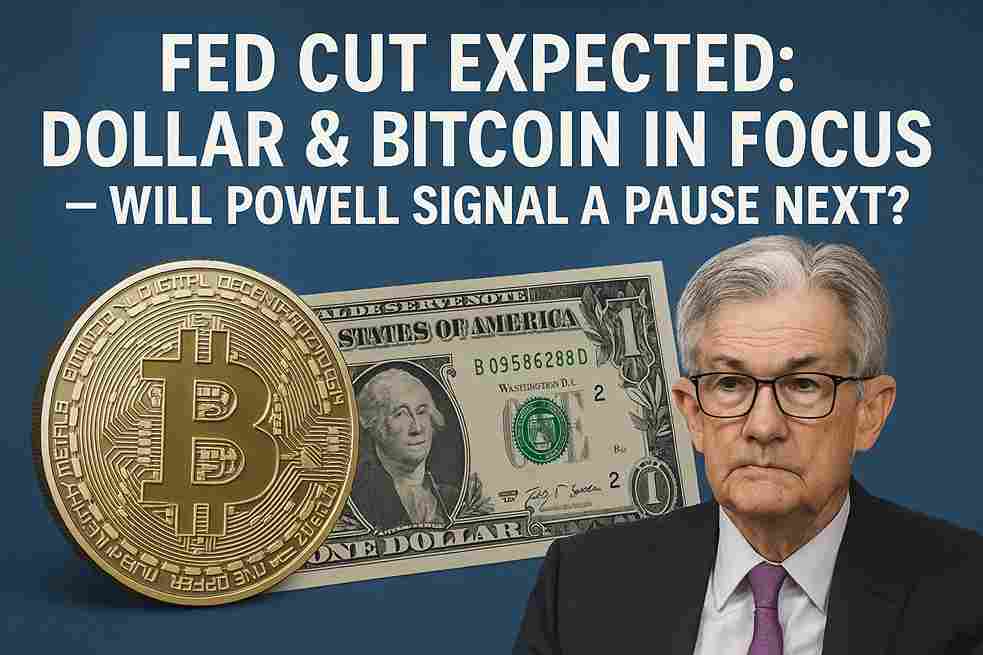
The U.S. Federal Reserve is heading into its final policy meeting of 2025 with most investors and economists expecting a small interest rate cut. On paper, a quarter-point move sounds straightforward. In reality, this meeting is shaping up to be one of the trickier ones in a while because the Fed is making decisions with incomplete information and a committee that is openly split.
A recent government shutdown delayed key economic reports, leaving policymakers without the usual steady flow of updates on inflation and jobs. At the same time, Fed officials are balancing two competing worries: inflation that is still higher than their long-term goal, and a job market that could soften if borrowing costs stay too high for too long.
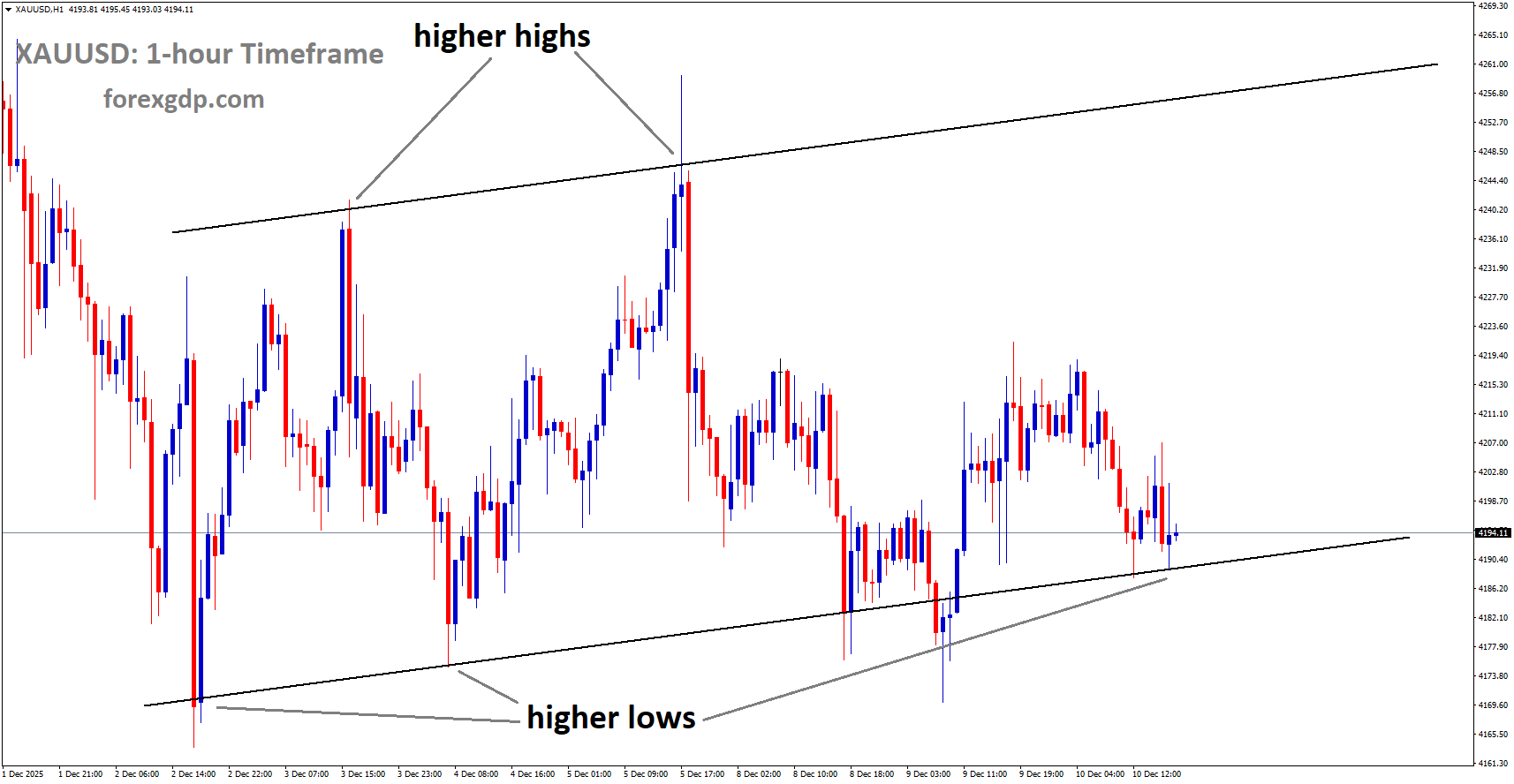
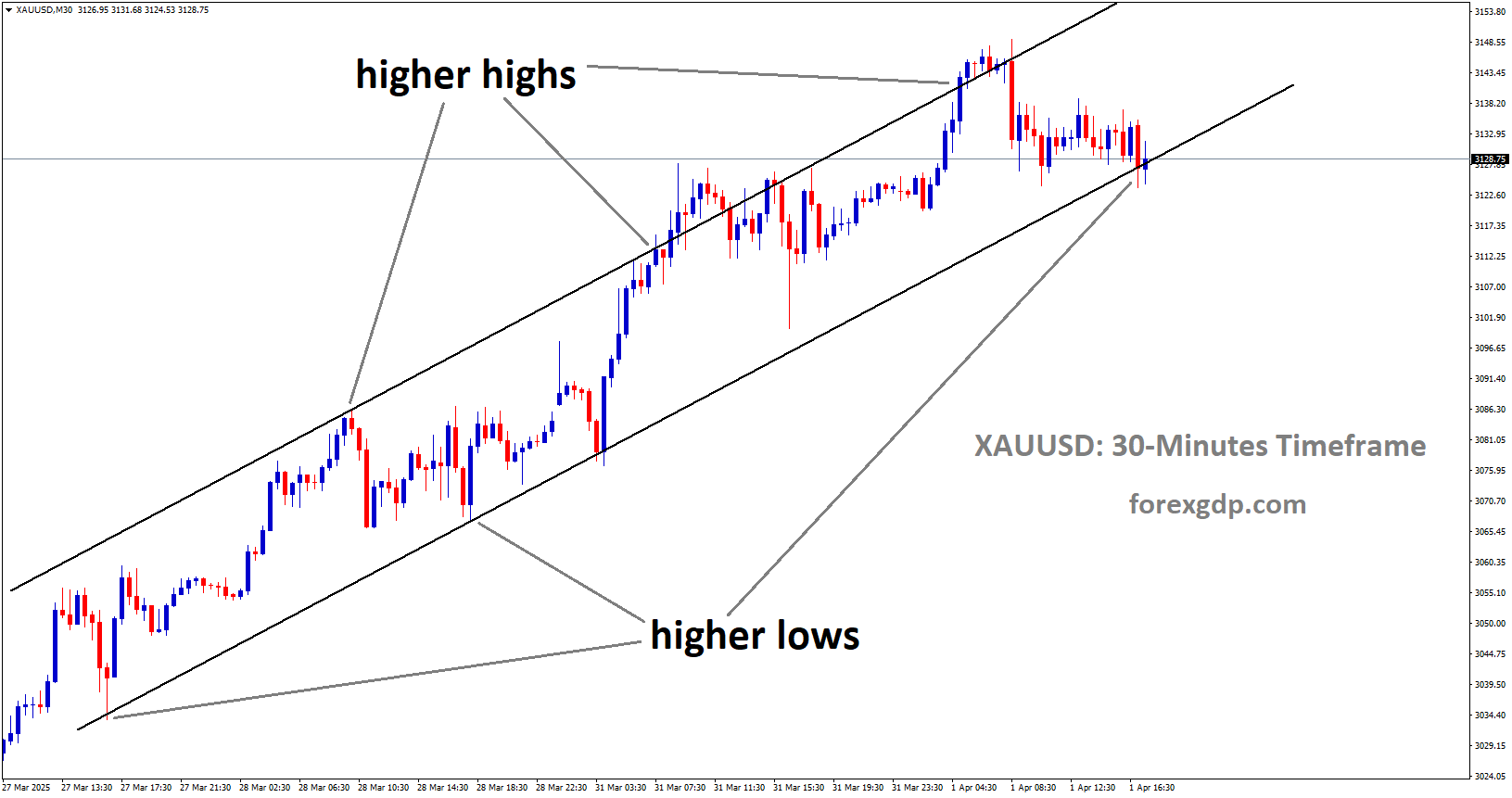
XAUUSD is moving in an uptrend channel, and the market has reached the higher low area of the channel
Even if the Fed lowers rates on Wednesday, the bigger story may be what it signals about 2026—and how confident it sounds while doing it.
Why This Meeting Feels Different
Normally, the Fed walks into a meeting with fresh snapshots of the economy. This time, it’s been working with data that is older than it would like. The last major inflation and jobs readings available to policymakers were for September. Back then, unemployment had inched up to 4.4%, and the Fed’s preferred inflation measure was running at 2.8%, still above the 2% target.
That wouldn’t be unusual by itself. What makes this moment uncomfortable is the gap created by the shutdown. A large batch of delayed reports—covering things like November inflation and employment—is expected to arrive just days after the Fed makes its decision. That means the central bank could take an action now, only to receive new evidence shortly afterward that strengthens one side of the internal debate.
This is one reason many analysts expect the Fed to move cautiously in how it talks about the road ahead. A rate cut can happen alongside messaging that suggests future cuts are not guaranteed.
The “data gap” problem
When the Fed lacks timely data, it tends to avoid sounding too certain. That can show up in careful wording in the policy statement, a less predictive tone in the press conference, and projections that feel more like placeholders than promises.
The Rate Cut Is Expected—But the Guidance Is the Real Event
Markets are widely positioned for a quarter-percentage-point rate cut, which would place the policy rate in the 3.50%–3.75% range. Many watchers also expect the Fed to hint that it may pause in January while it waits for more clarity.
In other words, the move itself may not surprise many people. What could move expectations is whether the Fed sounds comfortable with additional cuts next year, or whether it raises the bar.
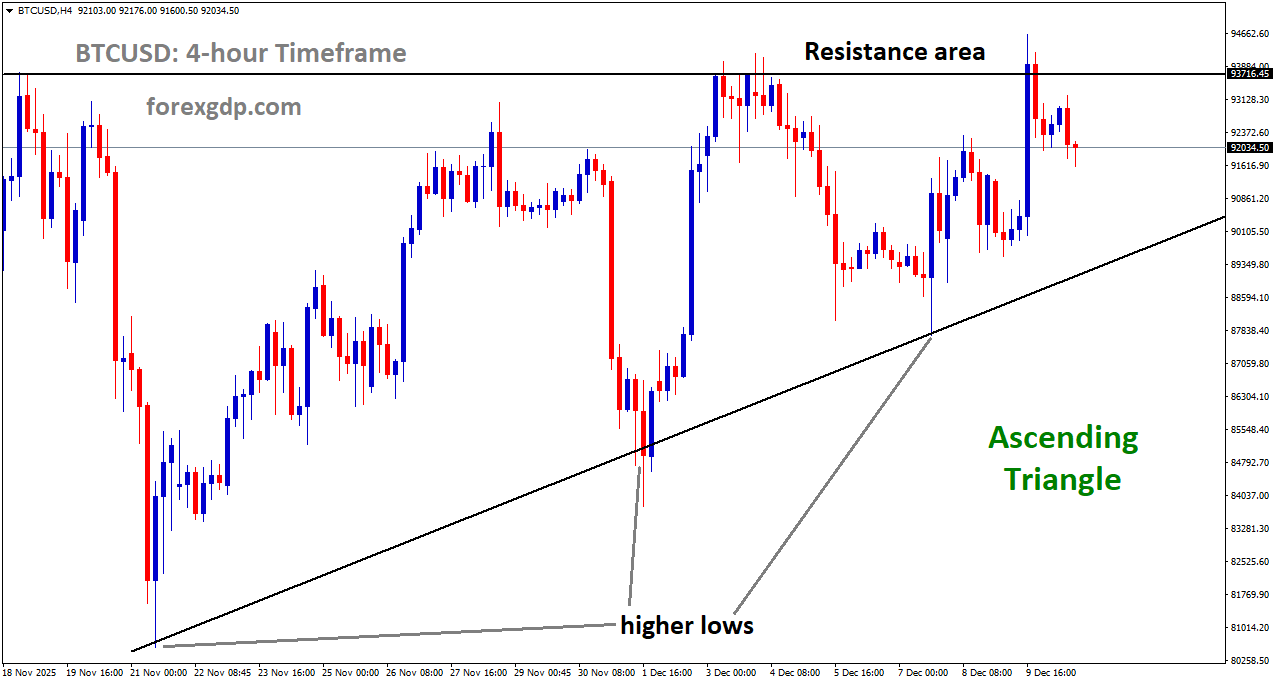
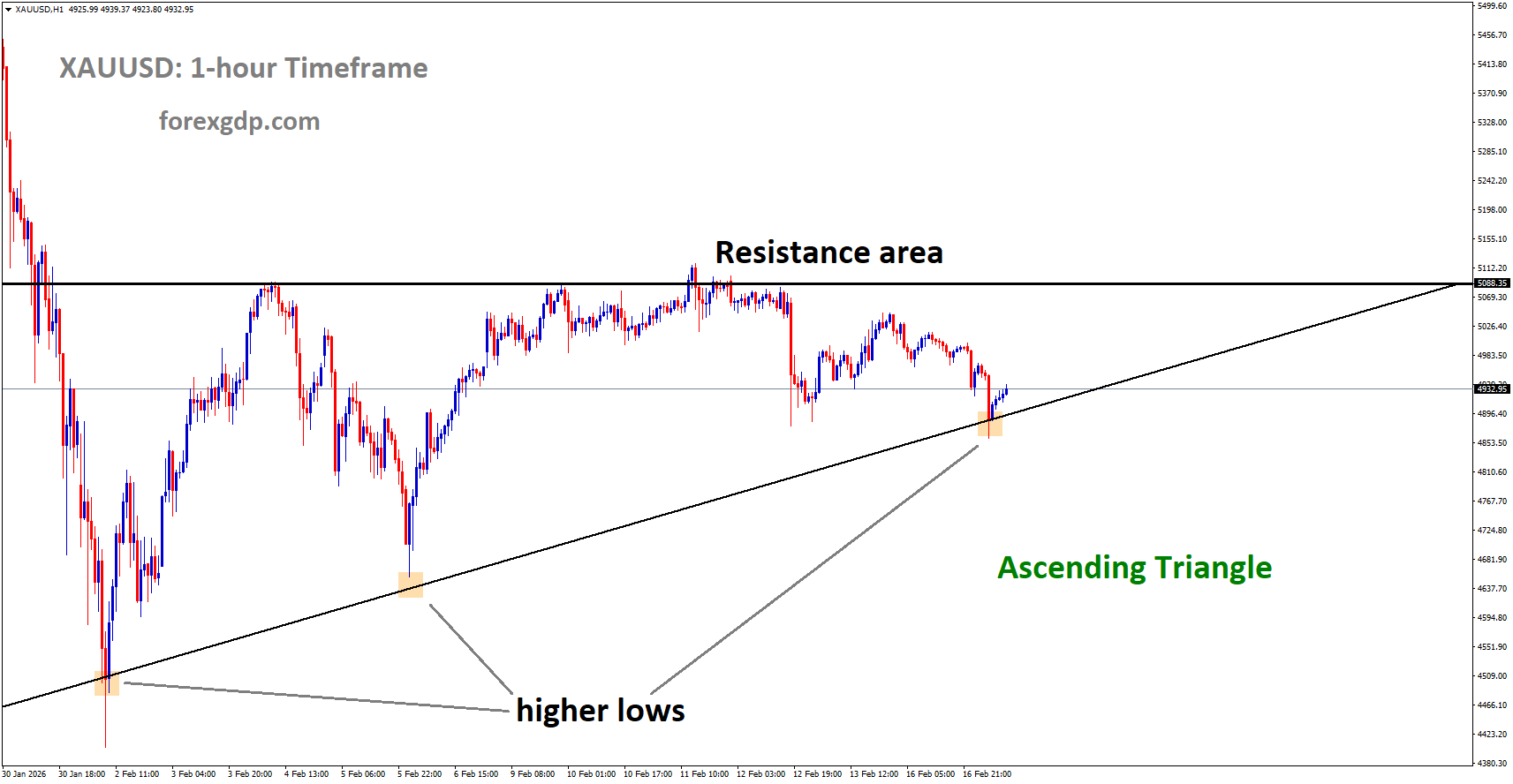
BTCUSD is moving in an Ascending Triangle pattern, and the market has fallen from the resistance area of the pattern
Some analysts anticipate a “hawkish cut,” meaning the Fed lowers rates now but communicates that future reductions will require clear evidence of weakening growth or a more serious slowdown in hiring. That sort of message can satisfy officials who want to be cautious about inflation without completely ignoring concerns about the economy.
Why the Fed might sound tougher than the cut suggests
There’s a simple logic at play: if inflation is still above target, officials don’t want financial conditions to loosen too quickly. A careful or even stern message can help keep expectations for rapid cuts in check—even while the Fed makes a modest move.
What the New Economic Projections May (and May Not) Tell Us
Along with the rate decision, the Fed will release updated quarterly economic projections, including where officials think interest rates should go over time. These projections offer a window into how policymakers see the economy evolving into 2026 and beyond.
But there’s an important catch: these forecasts can go stale quickly. They reflect what officials think today, based on the information they have today. With delayed data about to land, this set of projections could have an especially short shelf life.
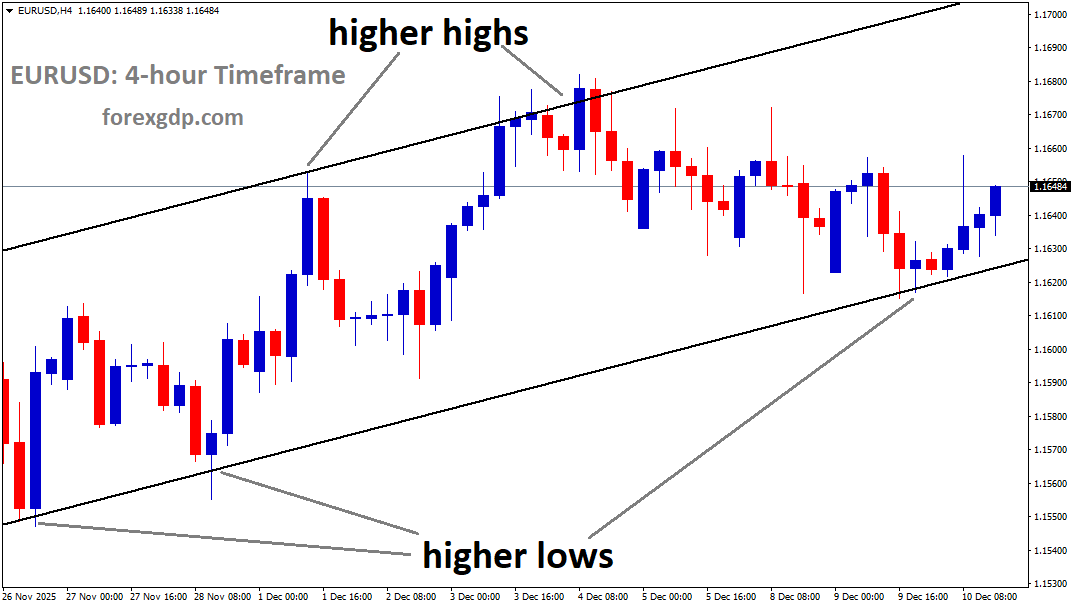
EURUSD is moving in an uptrend channel, and the market has rebounded from the higher low area of the channel
Investors will likely focus on the “rate path” implied by the projections. Earlier forecasts suggested a somewhat higher end point for 2026 than what markets have recently been leaning toward. If the Fed’s median projection remains higher, it would reinforce the idea that officials are growing more hesitant about cutting too much, too soon.
At the same time, a projection is not a schedule. It doesn’t guarantee the timing of moves, and it doesn’t capture how quickly views can shift after a few big reports.
One key takeaway to watch
If the projections show that more officials expect fewer cuts—or none—next year, it would be a clear sign that the Fed wants markets to stop assuming an easy glide path to lower rates.
A Divided Fed: Dissent Could Be Part of the Story
Another reason this meeting matters is that disagreement inside the Fed has become more visible. At the previous decision in late October, dissents appeared on both sides—some officials preferred tighter policy, while others wanted looser policy. That kind of split is unusual and highlights how uncertain the outlook feels even among experts looking at the same economy.
This week could bring more of the same. Some policymakers remain concerned that inflation could stay stubborn, while others worry that keeping rates too high could eventually weaken hiring and growth. When a committee is divided like this, even a modest decision can be politically and intellectually tense.
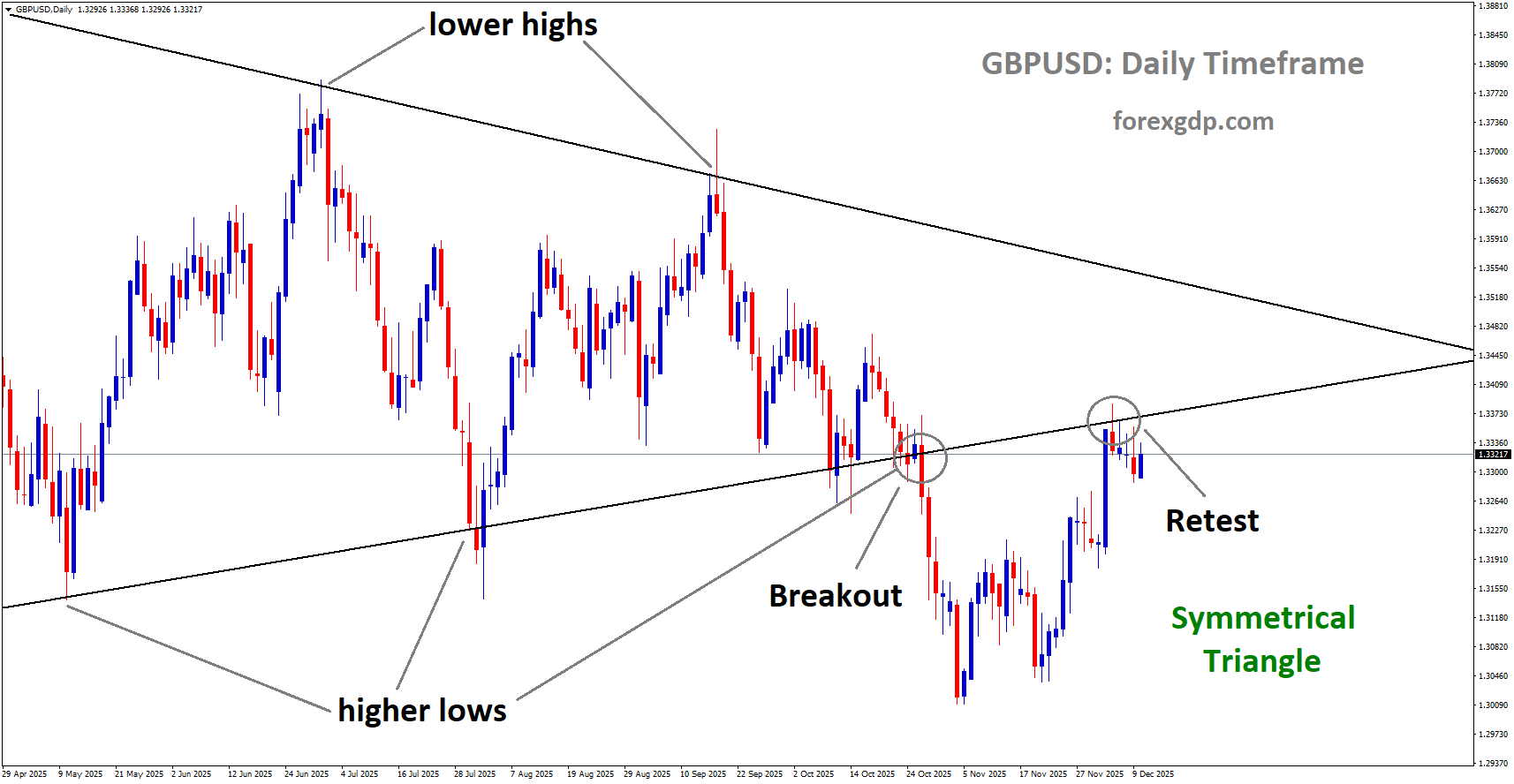
GBPUSD reached the retest area of the broken Symmetrical Triangle pattern
One Fed governor, Stephen Miran, has previously argued for larger cuts and may dissent again if the decision doesn’t go far enough. Meanwhile, several regional Fed presidents have been publicly cautious about additional easing, meaning dissents from the more hawkish side are also possible.
If dissents stack up, markets may read that as a sign the Fed will struggle to build consensus for more cuts in 2026.
Powell’s Press Conference: The Most Important 30 Minutes
After the decision and statement are released, Fed Chair Jerome Powell will face questions that go beyond the rate move itself.
Investors will listen closely for how Powell frames the trade-offs. Does he emphasize progress on inflation? Does he focus on protecting the job market? Does he sound like a chair trying to keep both sides of the committee aligned?
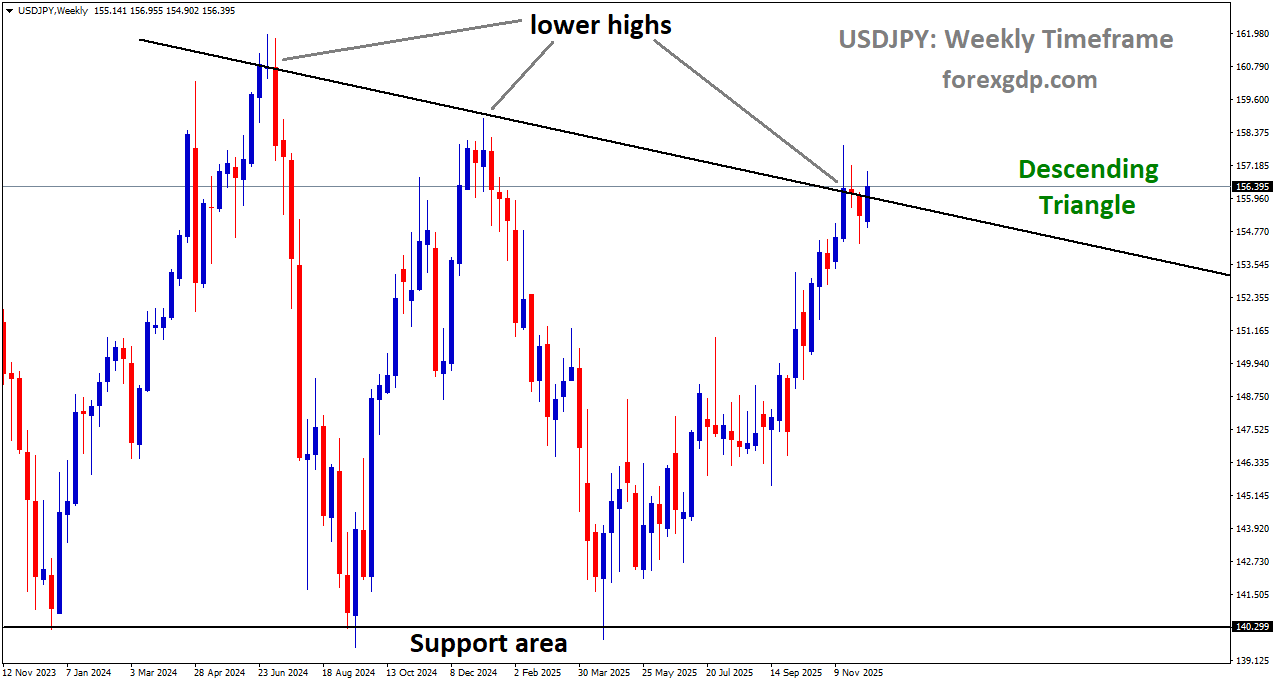
USDJPY is moving in a descending triangle pattern, and the market has reached the lower high area of the pattern
There is also a political shadow over this meeting. President Donald Trump has been pushing for sharper rate cuts and has indicated that the choice of the next Fed chair will be influenced by how willing a candidate is to lower borrowing costs. Powell’s term ends in May, and the discussion about his successor is becoming harder to ignore.
Markets have been watching speculation that Kevin Hassett, Trump’s chief economic adviser, could be in the mix. Even the possibility of a leadership change can affect expectations, because investors start trying to imagine how the Fed’s priorities might shift.
All of this makes Powell’s tone especially important. When the future leadership picture looks uncertain, the Fed’s messaging often has less power—because markets wonder how durable that messaging will be.
What Could Shape the Next Move After Wednesday
The debate inside the Fed boils down to a familiar question: what’s the bigger risk right now?
-
If inflation stays elevated, cutting too much could reignite price pressures and force the Fed into a tougher stance later.
-
If the economy cools quickly, staying too tight could lead to a sharper slowdown in hiring and consumer demand.
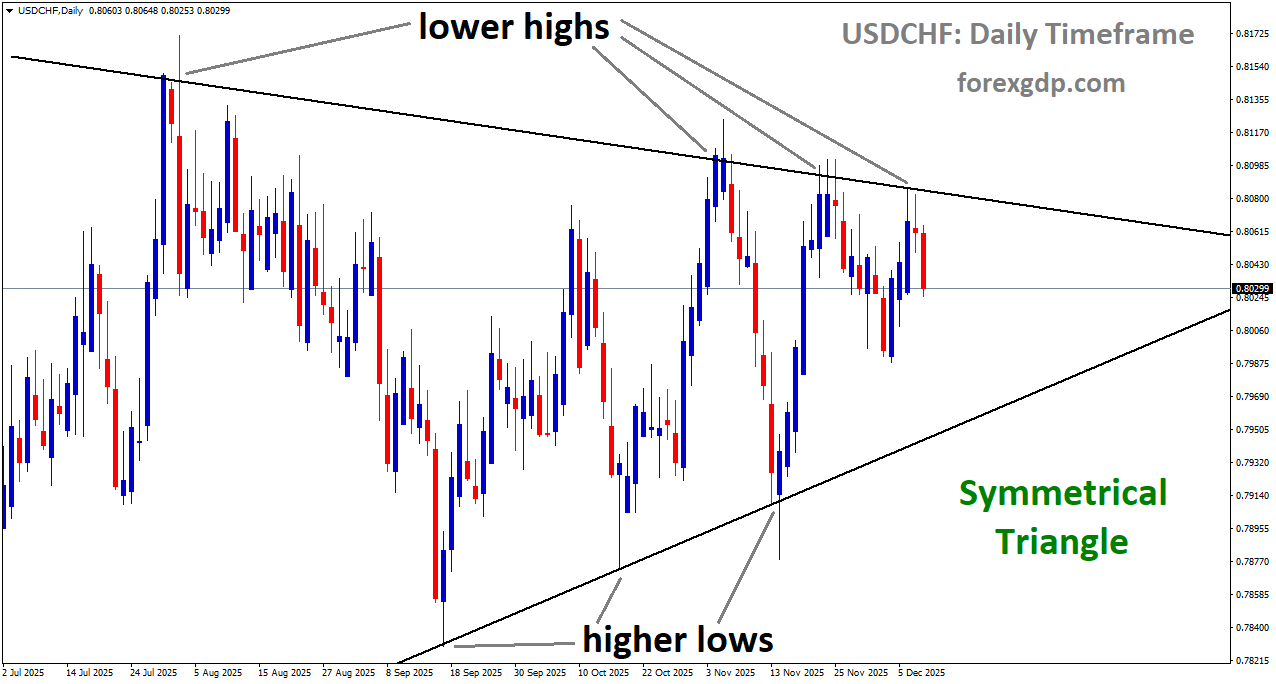
USDCHF is moving in a symmetrical triangle pattern, and the market has fallen from the lower high area of the pattern
Fresh reports delayed by the shutdown—especially November inflation and jobs data—could quickly strengthen one argument over the other. That’s why many expect the Fed to keep its options open rather than commit to a smooth sequence of cuts.
Some economists believe officials may set a “higher bar” for further reductions, making it clear that additional cuts would require meaningful evidence of labor market deterioration.
Meanwhile, investors have been leaning toward the idea that the Fed may cut a bit more by the end of 2026. Whether that remains a reasonable expectation will depend on what the Fed signals now, and what the delayed data shows in the days that follow.
Final Summary
Wednesday’s Federal Reserve meeting is expected to deliver a quarter-point rate cut, but the bigger focus is on what comes next. With key economic reports delayed by a government shutdown, the Fed is making decisions with less clarity than usual, and policymakers are divided over whether inflation or labor-market weakness is the bigger risk. The updated economic projections and Jerome Powell’s press conference will shape expectations for 2026, especially if the Fed hints that further cuts will require clearer evidence of slowing growth or weakening jobs. In a moment filled with uncertainty—and with leadership questions on the horizon—how the Fed communicates may matter as much as what it decides.
Don’t trade all the time, trade forex only at the confirmed trade setups
Get more confirmed trade signals at premium or supreme – Click here to get more signals, 2200%, 800% growth in Real Live USD trading account of our users – click here to see , or If you want to get FREE Trial signals, You can Join FREE Signals Now!