

The phrase “Learn to be bored with excellence” might sound strange at first. After all, excellence is supposed to be exciting, right? We imagine dramatic breakthroughs, roaring applause, and moments that feel larger than life. But the truth is far less glamorous. Real excellence is often quiet, repetitive, and, at times, painfully dull.
Behind every consistent performer—whether in trading, sports, business, or creative work—there’s a surprising secret. They don’t chase excitement. They master routine. They repeat the same proven actions so many times that the extraordinary begins to feel ordinary.

That’s where boredom enters the picture. Excellence isn’t built on occasional brilliance. It grows from the willingness to repeat the right habits day after day, even when nothing feels thrilling anymore.
The Strange Truth About Excellence
Why Real Mastery Feels Repetitive
Excellence Is Built on Repetition
If you observe someone who performs at a high level for years, you’ll notice something interesting. Their routines rarely change. They wake up, prepare, analyze, execute, and review in almost identical ways every single day.
This repetition can look boring from the outside. But inside that routine lies the engine of mastery. Each small action reinforces skill, judgment, and discipline. Over time, those repeated actions stack together, forming a level of expertise that appears effortless to others.
Think about a professional trader studying charts every morning. The process doesn’t suddenly become exciting after the hundredth time. Yet that steady rhythm sharpens instincts. Patterns become familiar. Risk becomes easier to manage. What once required intense effort eventually becomes second nature.
Why People Chase Excitement Instead
Many people struggle with boredom because they believe progress should always feel exciting. When routines start feeling predictable, they assume something must be wrong.
This mindset leads to constant change. Strategies get abandoned too quickly. Systems are replaced before they’re tested. People jump from one idea to another, hoping the next thing will bring back the excitement.
But excellence rarely lives in excitement. It lives in consistency. The ability to stay focused when things feel dull separates professionals from people who are always starting over.
The Misunderstood Role of Boredom
Boredom Signals Stability
Boredom often gets a bad reputation. It’s usually treated as something negative, something we should escape as quickly as possible. But in many cases, boredom simply means things are working.
When your routine becomes predictable, your mind stops reacting with urgency. The task no longer feels new. Instead, it becomes familiar territory. That familiarity is exactly what allows you to perform with precision.
Imagine driving on a road you travel every day. You don’t panic at every turn. You already know the path. That calm familiarity allows you to move smoothly without overthinking every detail.
Why Boredom Protects Discipline
Ironically, boredom can become a shield for discipline. When the emotional highs and lows disappear, decisions become clearer. You rely less on impulse and more on structure.
In fields like trading, sports, or entrepreneurship, emotional decisions often lead to mistakes. Excitement pushes people to take unnecessary risks. Fear pushes them to abandon strategies too early.
Boredom removes some of that emotional noise. It encourages steady execution instead of dramatic reactions.
Excellence in the World of Trading
Consistency Over Constant Action
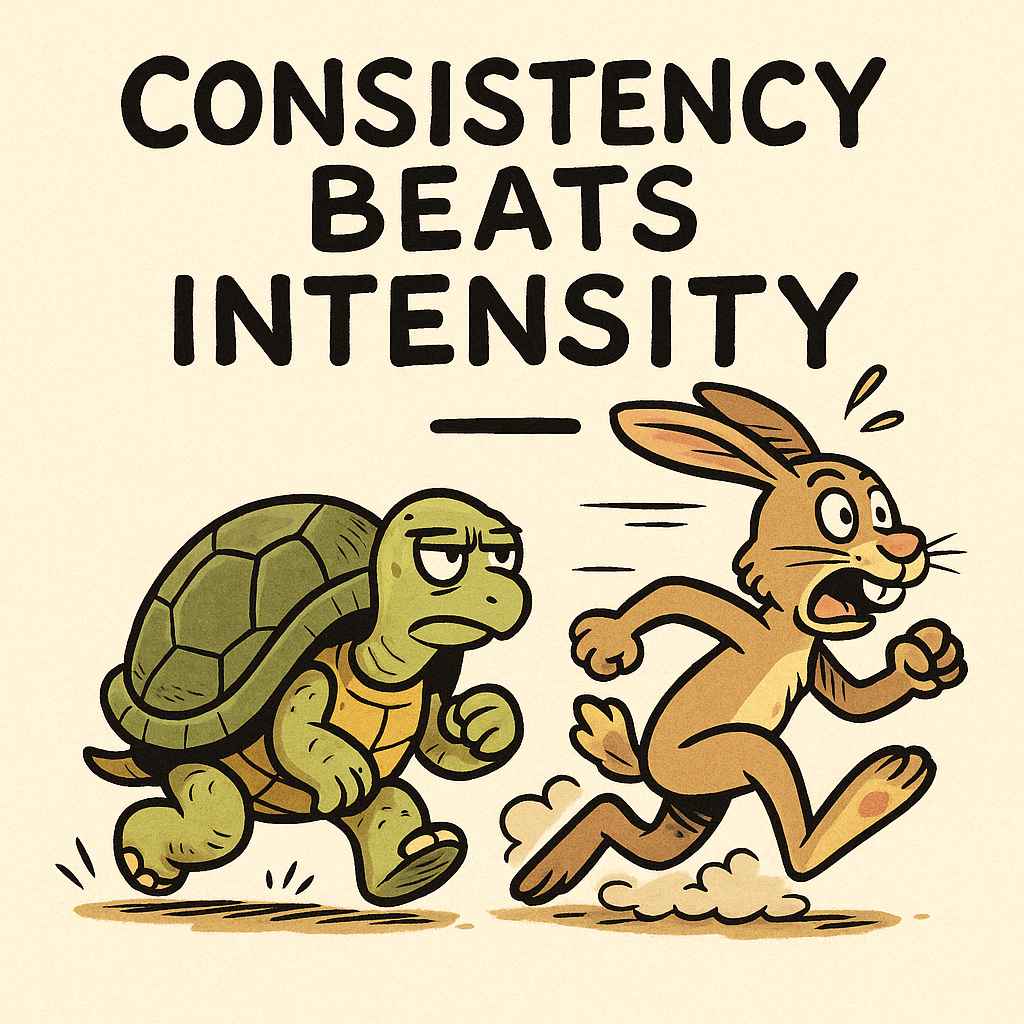
The Myth of Nonstop Opportunity
Many new traders enter the market believing success comes from constant action. They imagine a fast-paced world where trades happen every minute and profits grow quickly.
Reality tells a different story. Experienced traders often spend long stretches simply watching the market. They wait patiently for setups that meet their rules. Sometimes that waiting feels endless.
The discipline to do nothing can be harder than the discipline to act. Yet this quiet patience is exactly what protects traders from unnecessary losses.
Why Waiting Feels So Difficult
Human psychology struggles with inactivity. When people sit in front of a trading platform, they often feel pressure to make something happen. Silence becomes uncomfortable.
This pressure leads to impulsive trades. Small signals get mistaken for strong opportunities. Rules get bent just enough to justify action.
Learning to tolerate boredom allows traders to resist that pressure. When waiting becomes normal, patience becomes easier.
Routine Creates Reliability
The Power of Daily Structure
Successful traders rarely rely on random decisions. Instead, they build routines that guide every step of their process.
Each day might begin with market analysis, reviewing economic news, and identifying potential setups. Once the preparation is complete, execution follows strict criteria. After trades close, performance gets reviewed.
This structure may not feel exciting. In fact, it often feels repetitive. But that repetition builds reliability, turning trading into a disciplined process instead of a guessing game.
Why Structure Builds Confidence
When routines are followed consistently, confidence grows naturally. Traders know exactly how they’ll respond in different situations because they’ve practiced the same process countless times.
Without structure, every decision feels uncertain. That uncertainty creates stress, hesitation, and emotional reactions.
Structure removes much of that mental chaos. Even when markets behave unpredictably, the trader’s process remains stable.
The Psychology Behind Bored Excellence
How the Brain Responds to Repetition

The Comfort of Familiar Patterns
Our brains are designed to recognize patterns. Once a task becomes familiar, the brain uses less energy to perform it. What once required intense focus becomes almost automatic.
This is why musicians can play complex pieces without staring at every note. Athletes move instinctively during competition. Traders recognize patterns quickly on charts.
Repetition wires these patterns into the brain. The more often something is practiced, the easier it becomes.
Why Familiarity Feels Like Boredom
As tasks become easier, they stop feeling stimulating. The brain craves novelty, so familiar actions feel less exciting.
But that lack of excitement doesn’t mean progress has stopped. In fact, it often means mastery is developing.
The danger lies in mistaking boredom for stagnation. Many people abandon their routines just as their skills begin to deepen.
Emotional Control Through Routine
The Calm Side of Consistency
Consistent routines create emotional stability. When actions follow a predictable pattern, stress levels decrease.
Instead of reacting impulsively to every change, individuals rely on their systems. Decisions feel less personal and more procedural.
This calm mindset allows professionals to navigate difficult situations without panic.
Why Emotional Highs Are Risky
Excitement might feel good, but it often leads to risky behavior. When emotions run high, judgment becomes clouded.
In trading, excitement can push someone to increase position sizes or enter trades without confirmation. In business, it might encourage reckless expansion.
Bored routines help reduce these emotional swings. They keep actions grounded in logic rather than adrenaline.
Turning Discipline Into Habit
Learning to Embrace the Routine

Shifting the Perspective
The key to mastering boredom lies in changing how we interpret it. Instead of viewing repetition as a negative experience, it can be seen as a sign of progress.
When routines feel familiar, it means the foundation is becoming solid. Each repeated action strengthens that foundation further.
This shift in perspective turns boredom into something valuable rather than something to avoid.
Finding Satisfaction in Small Wins
Excellence rarely appears through dramatic leaps. More often, it grows through quiet improvements.
Small gains compound over time. A slightly better decision today leads to stronger performance tomorrow.
By focusing on these small victories, routine becomes less frustrating and more meaningful.
Building Long-Term Consistency
The Power of Patience
Patience plays a central role in long-term success. Whether in trading, business, or personal development, meaningful progress often unfolds slowly.
People who expect rapid results frequently become discouraged. When results take time, they abandon their systems in search of quicker rewards.
Those who embrace patience remain steady. They continue refining their routines while trusting the process.
Why Consistency Outperforms Motivation
Motivation can be unpredictable. Some days it feels powerful, pushing people to work harder. Other days it disappears completely.
Consistency doesn’t rely on motivation. It relies on commitment to routine.
When actions are repeated regardless of mood, progress continues even during difficult periods.
The Quiet Strength of Professional Discipline
Why Experts Look Effortless
The Invisible Work Behind Mastery
Experts often make complex tasks appear easy. Observers see smooth performance but rarely notice the years of repetition behind it.
This illusion leads people to believe talent alone explains success. In reality, countless hours of practice shape that effortless appearance.
Each repetition sharpens skill slightly. Over time, these tiny improvements accumulate into mastery.
Why Beginners Misjudge the Process
Beginners often expect quick transformation. When early progress slows, frustration grows.
They see experienced professionals performing smoothly and assume they skipped the boring stage. But every expert has spent years repeating the fundamentals.
Understanding this hidden process helps beginners stay patient during their own journey.
Excellence Without Drama

The Myth of Constant Breakthroughs
Popular stories about success often highlight dramatic turning points. A single breakthrough changes everything.
While breakthroughs can happen, they are usually the result of long periods of steady work. The quiet grind comes first.
When excellence becomes routine, dramatic moments become less important.
The Power of Ordinary Actions
Simple actions repeated daily create extraordinary results. Reviewing performance, refining strategies, and maintaining discipline may seem ordinary.
Yet these ordinary habits build extraordinary consistency.
Over time, the person who embraces routine often surpasses those chasing constant excitement.
Final Thoughts: The Discipline Behind Quiet Success
Excellence rarely arrives with fireworks. More often, it grows quietly in the background while routines repeat themselves day after day.
Learning to be bored with excellence means accepting that mastery is built on repetition. The thrill fades, the novelty disappears, and what remains is disciplined action.
For traders, entrepreneurs, athletes, and creators alike, the path to long-term success often feels uneventful. But within that quiet repetition lies tremendous power.
Those who can tolerate boredom while continuing to execute their systems steadily gain a powerful advantage. They avoid emotional decisions, stay consistent through challenges, and allow their skills to deepen naturally.
In the end, excellence doesn’t require constant excitement. It requires patience, discipline, and the willingness to show up even when the process feels ordinary.
And strangely enough, that quiet commitment is what eventually produces extraordinary results.
FAQs
1.What does “learn to be bored with excellence” actually mean?
It means becoming comfortable with the repetitive routines required to perform at a high level. Excellence often comes from consistent habits that may feel dull but build long-term mastery.
2.Why is boredom important for success in trading?
Boredom helps traders remain patient and avoid impulsive decisions. When traders accept waiting and routine as part of the process, they reduce emotional mistakes.
3.Can boredom really improve performance?
Yes. Boredom often signals familiarity and stability. When tasks become routine, the mind operates more calmly and efficiently.
4.Why do many people struggle with repetitive routines?
Human psychology tends to crave novelty and excitement. When routines become predictable, people may assume progress has stopped, even when they are improving.
5.How can someone stay consistent when motivation disappears?
Consistency grows from discipline and structured routines rather than motivation. By following a process regardless of mood, progress continues steadily over time.