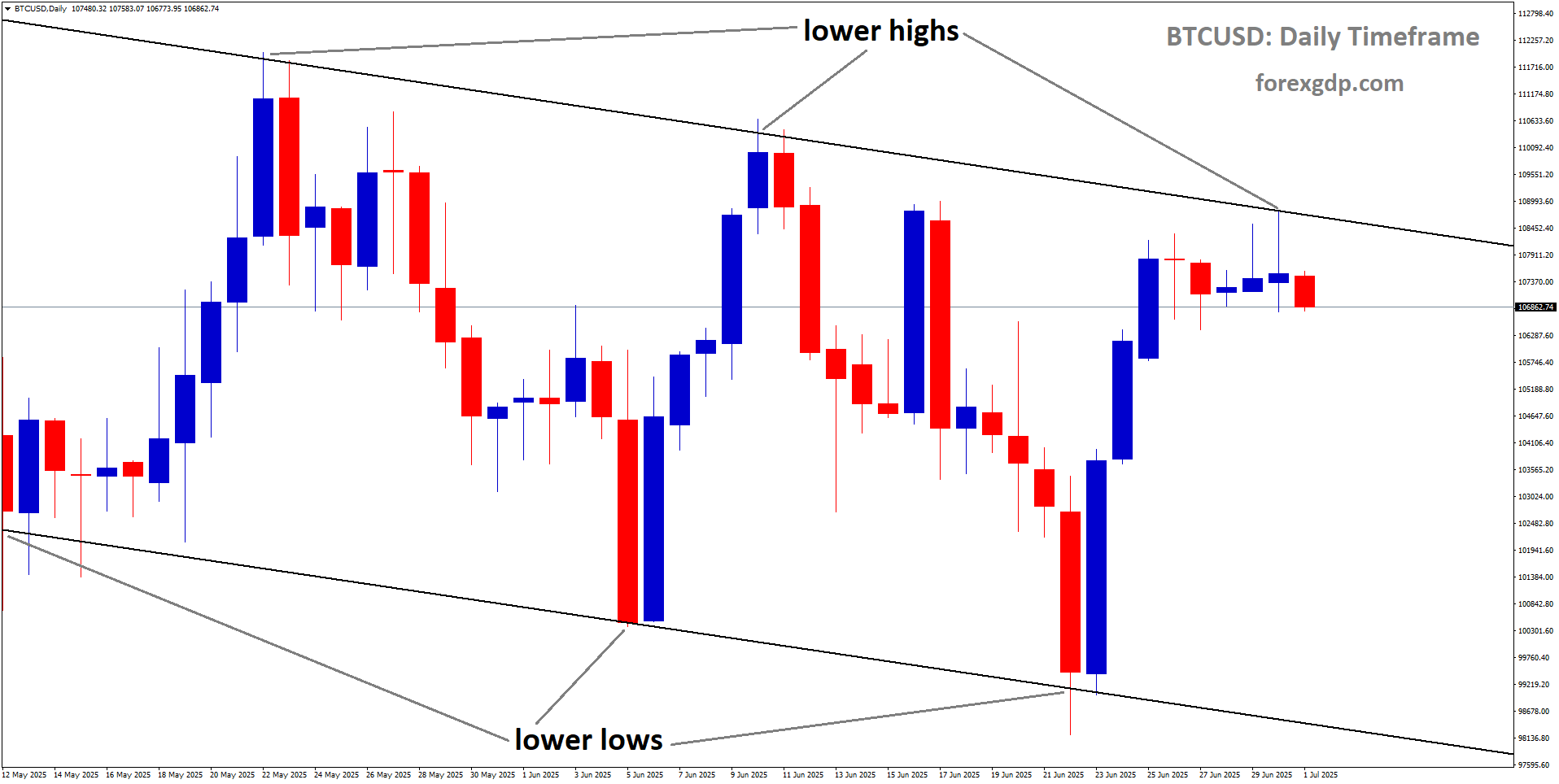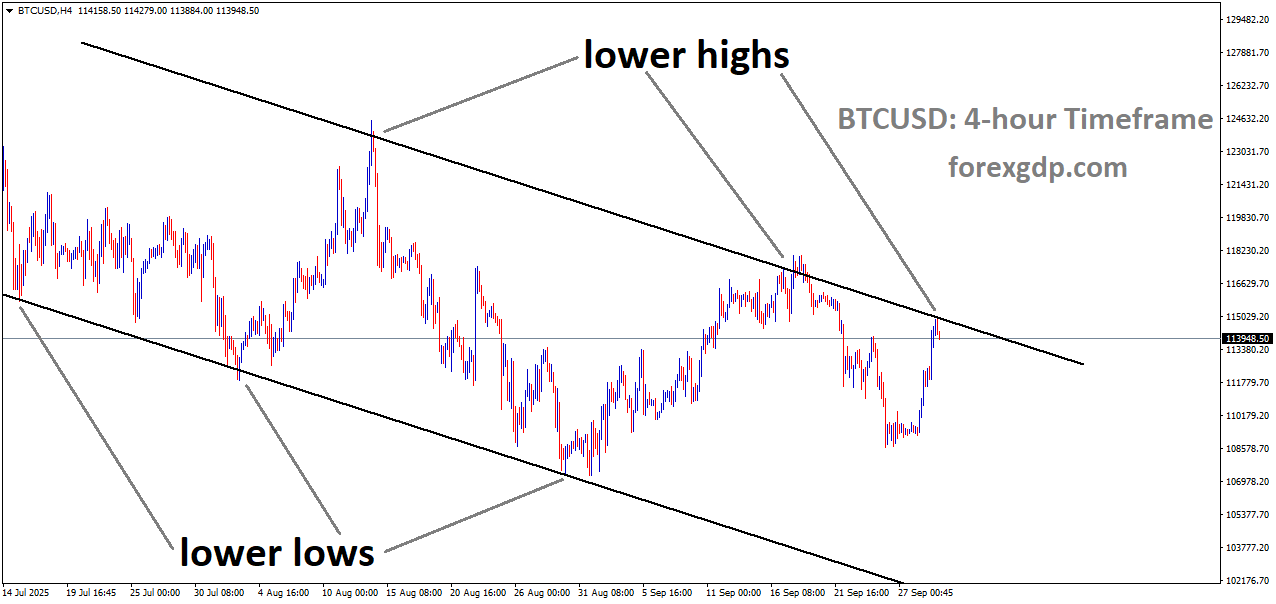

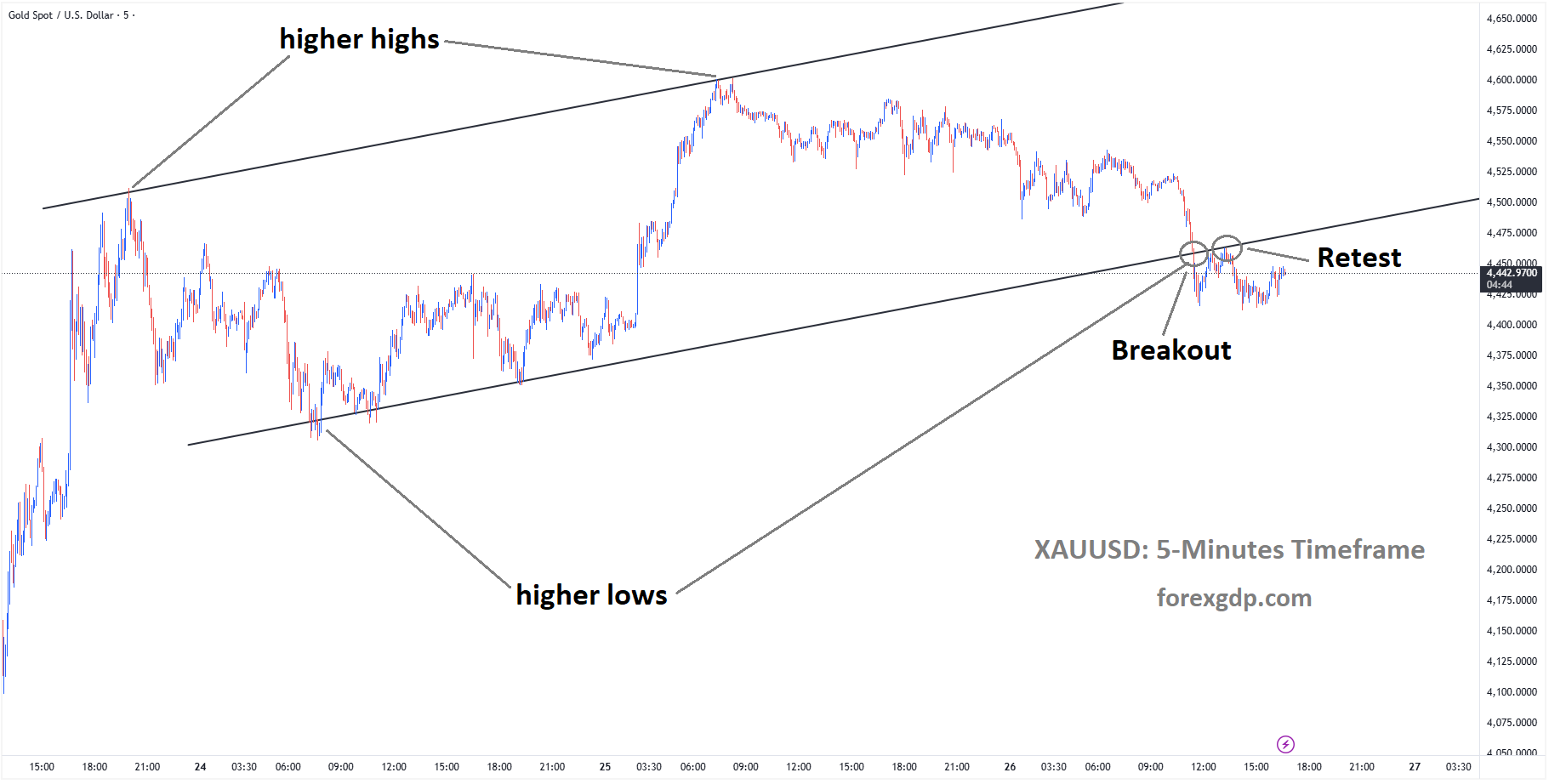
XAUUSD is falling from the retest area of the broken ascending channel
Gold has recently faced pressure after failing to maintain upward momentum near a key technical level. While it has managed to recover slightly during the day, the broader outlook remains uncertain. A mix of global tensions, central bank expectations, and a strong US Dollar is influencing the direction of the precious metal.
Why Gold Is Losing Momentum
Gold is often seen as a safe-haven asset, especially during uncertain times. However, it does not offer interest or yield. This becomes a disadvantage when central banks signal higher interest rates, as investors then prefer assets that generate returns.
Recently, gold prices pulled back after failing to break above an important moving average level. Although prices found some support and stopped falling further, any strong recovery still looks difficult.
One of the main reasons is the firm US Dollar. When the dollar strengthens, gold becomes more expensive for buyers using other currencies. This reduces demand and puts downward pressure on prices.
Another important factor is the shift in expectations around central bank policies. Many major central banks, especially the US Federal Reserve, are now expected to maintain a stricter stance on interest rates.
Impact of Central Banks and Interest Rate Expectations
Central banks play a major role in shaping the direction of gold prices. When interest rates rise, gold tends to lose appeal because it does not provide returns like bonds or savings instruments.
Currently, there is a growing belief that the Federal Reserve may not cut interest rates anytime soon. In fact, some traders are even expecting a possible rate hike later in the year. This change in expectations has pushed US Treasury bond yields higher.
Higher bond yields make fixed-income investments more attractive. As a result, investors shift their funds away from gold and into these interest-bearing assets.
This shift has created a challenging environment for gold, even though global uncertainty would normally support it.
Strong US Dollar Adds More Pressure
The US Dollar has remained strong due to its status as a global reserve currency. During times of uncertainty, investors often move their money into the dollar for safety.
This demand strengthens the currency and indirectly weakens gold. The current situation is no different. As tensions rise globally, the dollar continues to gain support, limiting gold’s ability to rise.
Geopolitical Tensions and Their Influence

Global tensions, especially in the Middle East, are playing a key role in shaping market sentiment. Recent developments have increased uncertainty and raised concerns about potential escalation.
Despite discussions around a possible ceasefire, there has been no clear agreement between the involved parties. Iran has rejected proposals and denied any ongoing negotiations, making the situation more complex.
At the same time, reports suggest increased military presence in the region. This raises the risk of further conflict, which keeps markets on edge.
Oil Supply Concerns and Inflation Fears
One of the biggest concerns right now is the impact on global energy supply. The Strait of Hormuz, a critical route for oil transportation, is reportedly facing disruptions. This has pushed oil prices higher.
When oil prices rise, it often leads to higher inflation. Increased inflation typically forces central banks to keep interest rates high or even raise them further.
This creates a chain reaction:
- Higher oil prices increase inflation
- Higher inflation leads to tighter monetary policies
- Tighter policies strengthen the US Dollar
- A stronger dollar puts pressure on gold
This cycle is currently limiting gold’s upside potential, even though geopolitical risks would usually support it.
Gold’s Sensitivity to Global Headlines
Gold prices are highly reactive to global news, especially when it comes to political or military developments. Any new update from the Middle East can quickly shift market sentiment.
There is ongoing speculation about further military actions, including the possibility of a ground operation targeting key oil facilities. Such developments could increase volatility in financial markets.
Because of this, gold is likely to remain unstable in the near term. Prices may react sharply to headlines, making it difficult to predict short-term movements.
Balancing Safe-Haven Demand and Market Forces
Normally, rising geopolitical tensions increase demand for gold. Investors turn to it as a store of value during uncertain times.
However, the current situation is different. While demand for safety exists, it is being offset by strong economic factors such as:
- Rising bond yields
- A stronger US Dollar
- Expectations of higher interest rates
This creates a tug-of-war in the market, where gold struggles to find a clear direction.
What This Means for Investors
The current environment is complex for gold investors. On one side, global tensions and uncertainty support the idea of holding gold. On the other side, economic conditions are working against it.
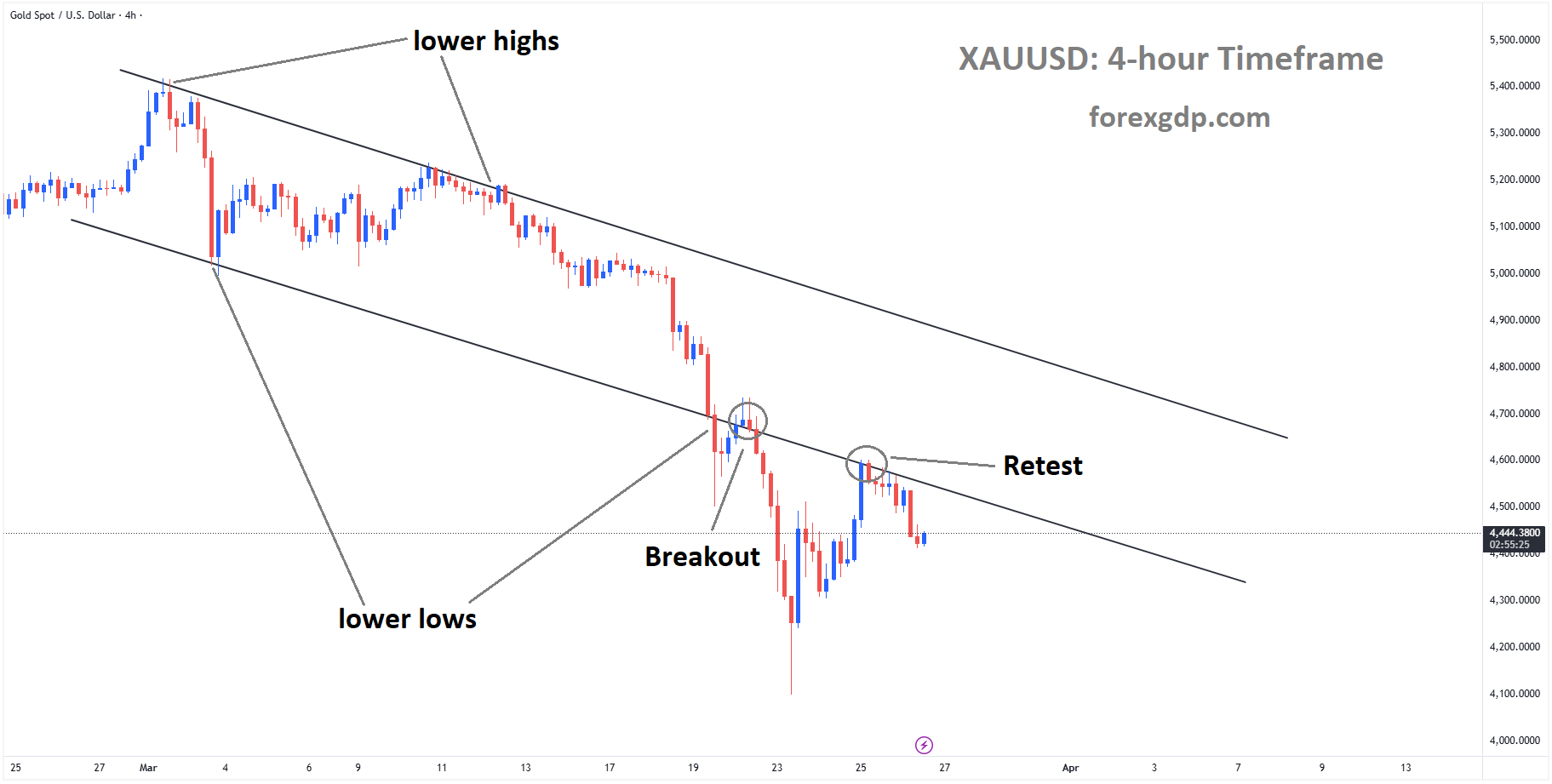
XAUUSD is falling from the retest area of the broken descending channel
Investors need to consider multiple factors before making decisions:
- Central bank policies are shifting toward tighter control
- Inflation concerns remain high due to energy prices
- The US Dollar continues to show strength
- Geopolitical risks are unpredictable
Because of these mixed signals, gold may continue to move within a range rather than showing a strong upward trend.
Final Thoughts
Gold is caught between two powerful forces: global uncertainty and strong economic pressure. While geopolitical tensions would normally push prices higher, the reality is more complicated.
The strength of the US Dollar, rising bond yields, and expectations of higher interest rates are limiting gold’s ability to gain momentum. At the same time, ongoing tensions in the Middle East are keeping markets alert and adding volatility.
For now, gold remains sensitive to both economic data and geopolitical developments. Any major change in either could quickly shift its direction. Until then, cautious sentiment is likely to dominate the market.