

The Silent Battle Every Trader Faces
The tug-of-war between logic and emotion
Trading looks clean and controlled from the outside. Charts move, numbers shift, and strategies appear to unfold with precision. But inside the mind of a trader, it’s anything but calm. There’s a constant tug-of-war happening beneath the surface, where logic tries to stay in charge while emotions push for quick action.
You’ve probably felt it. That urge to jump into a trade just because something feels right. Maybe the market moved fast, maybe you saw someone else win, or maybe you just didn’t want to miss out. That moment is where most mistakes are born. Not from lack of knowledge, but from a lack of control.
Why impulse trading feels so tempting
Impulse trading doesn’t show up as a villain. It sneaks in quietly, dressed as opportunity. It whispers things like, “This is the one,” or “You’ll regret not taking this.” And suddenly, discipline takes a backseat.
The market thrives on unpredictability, and your brain craves certainty. That mismatch creates pressure. So when a quick decision seems like relief, it’s easy to grab it. But that short-term relief often turns into long-term regret.
The Cost of Acting Without Thinking
How small mistakes turn into big losses
One impulsive trade might not seem like a big deal. But trading isn’t about isolated decisions—it’s about patterns. And once impulse becomes a habit, losses start stacking up faster than you realize.
Think of it like a tiny crack in a dam. At first, it’s barely noticeable. But ignore it long enough, and it can break everything. That’s exactly what impulsive decisions do to your trading account. They weaken your foundation.
The emotional hangover of bad trades
Losing money hurts. But what really stings is knowing you didn’t follow your own rules. That feeling lingers. It creeps into your next trade, your confidence, even your sleep.
You start questioning yourself. You hesitate when you shouldn’t, and rush when you should wait. It becomes a cycle, and breaking it requires more than just a better strategy. It demands a shift in mindset.
Discipline: The Real Edge in Trading
Why strategy alone isn’t enough
A solid strategy is important. But here’s the uncomfortable truth: even the best strategy fails in the hands of an undisciplined trader. You can know exactly what to do and still not do it.
Discipline is what bridges the gap between knowledge and execution. It’s the difference between watching a setup and actually waiting for confirmation. It’s boring, repetitive, and incredibly powerful.
Building habits that protect your capital
Discipline isn’t something you magically gain. It’s built through small, consistent actions. Every time you choose to wait instead of act impulsively, you’re strengthening that muscle.
Over time, those small wins add up. You start trusting your process. You stop chasing every move. And slowly, your trading becomes less about reacting and more about executing with purpose.
Understanding the “No Excuses” Mentality
Owning every decision you make

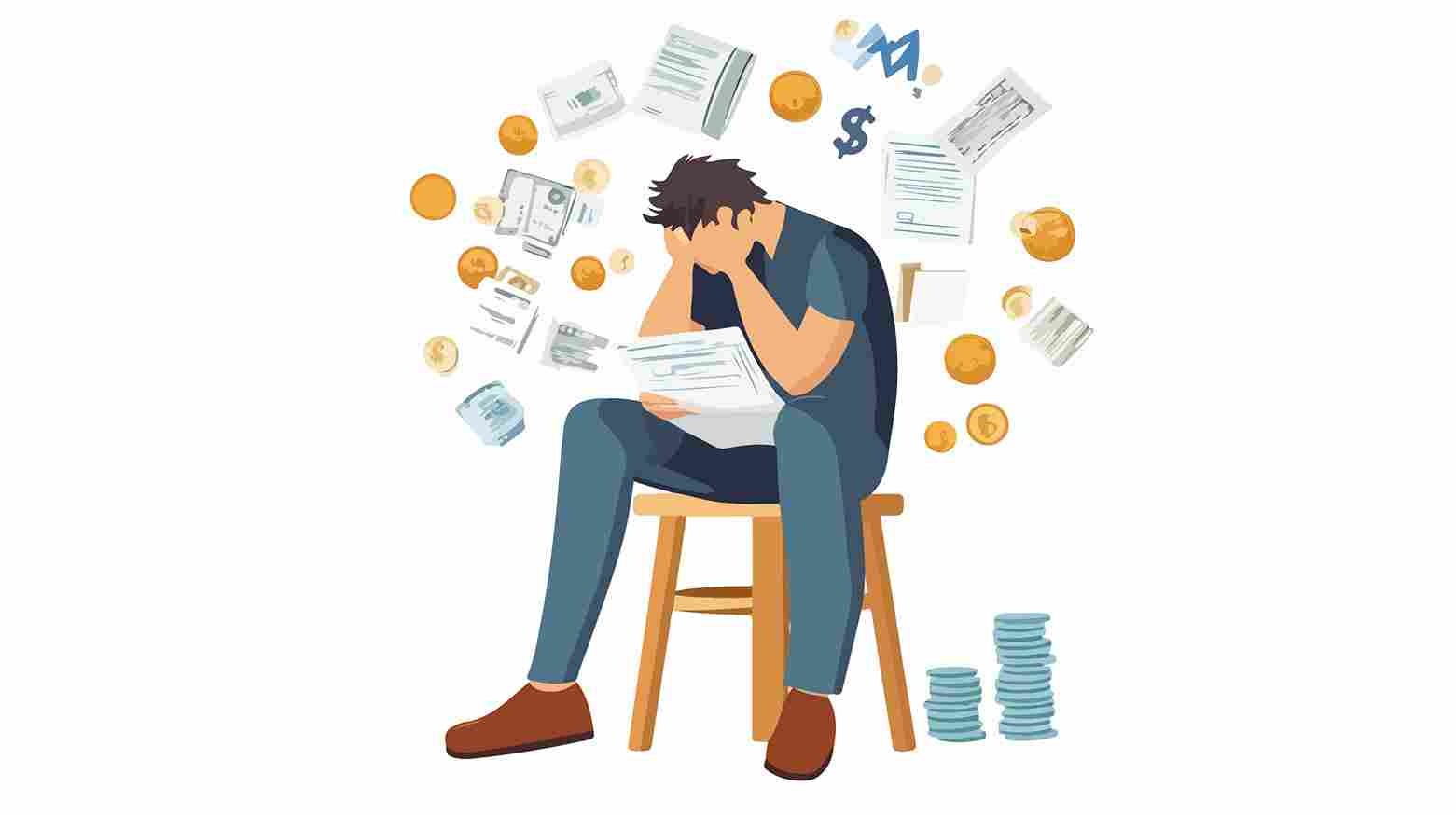
“No excuses” sounds harsh, but it’s freeing once you embrace it. It means you stop blaming the market, the news, or bad luck. Instead, you take full ownership of your actions.
That shift changes everything. When you own your mistakes, you learn faster. You adapt quicker. And most importantly, you stop repeating the same errors.
The danger of blaming external factors
It’s easy to say, “The market was crazy today,” or “That news was unexpected.” But the truth is, the market is always unpredictable. That’s not an excuse—it’s the reality you signed up for.
Blaming external factors might protect your ego, but it destroys your growth. Because if the problem is always outside of you, then you never fix what’s actually holding you back.
Mastering Emotional Control
Recognizing your emotional triggers
Every trader has triggers. For some, it’s losing a trade. For others, it’s seeing missed opportunities. These triggers push you toward impulsive decisions if you’re not aware of them.
The key is noticing the pattern. What makes you break your rules? When do you feel the urge to act without thinking? Awareness is the first step toward control.
Creating distance between impulse and action
You don’t need to eliminate emotions—that’s impossible. What you need is space. A pause between what you feel and what you do.
Even a few seconds can make a difference. It gives your logical brain a chance to catch up. And often, that’s all it takes to avoid a bad trade.
Patience: The Most Underrated Skill
Why waiting is harder than trading
It sounds simple: wait for the right setup. But in reality, waiting is one of the hardest parts of trading. The market is always moving, always offering something.
Sitting on your hands feels like missing out. But in truth, patience is what keeps you in the game. It protects you from unnecessary risk and keeps your focus sharp.
Letting the market come to you
Chasing the market is exhausting. You’re always one step behind, reacting instead of planning. But when you learn to wait, something shifts.
You start seeing clearer opportunities. You feel less pressure. And trades begin to align with your strategy, not your emotions.
The Power of Consistency


Small wins over time
Trading isn’t about hitting home runs. It’s about consistency. Small, controlled wins that build over time.
When you remove impulse from the equation, your results stabilize. You might not feel the adrenaline rush, but your account balance will thank you.
Trusting the process, even when it’s boring
Let’s be honest—disciplined trading can feel dull. There’s no excitement in waiting or following rules. But that boredom is a good sign.
It means you’re not gambling. You’re operating with intention. And over time, that quiet consistency becomes your biggest advantage.
Breaking Free from the Need for Action
Why doing nothing is sometimes the best move
In trading, action feels productive. But sometimes, the best decision is to do nothing. That’s hard to accept, especially when you’re eager to grow your account.
But forcing trades is like forcing a conversation—it rarely ends well. Silence, in this case, can be powerful.
Learning to sit with uncertainty
The market doesn’t owe you clarity. There will be moments when nothing makes sense. And that’s okay.
Instead of rushing to find answers, learn to sit with that uncertainty. It builds resilience. And it keeps you from making decisions you’ll regret later.
Developing a Trader’s Mindset
Thinking long-term instead of short-term
Impulse trading thrives on short-term thinking. It’s about immediate results, quick wins, and instant gratification.
But real success in trading comes from a long-term perspective. It’s about sustainability, growth, and staying in the game long enough to improve.
Becoming comfortable with slow progress
Fast results are exciting, but they’re rarely sustainable. Slow progress might feel frustrating, but it’s reliable.
When you embrace that pace, you remove the pressure to constantly perform. And that’s when your best decisions start to happen.
Building Confidence Through Discipline
Confidence that comes from control


True confidence doesn’t come from winning trades. It comes from knowing you followed your rules, regardless of the outcome.
That kind of confidence is stable. It doesn’t swing with every win or loss. It’s rooted in discipline, not luck.
Turning mistakes into lessons
Mistakes are inevitable. But they don’t have to be destructive. When you approach them with a “no excuses” mindset, they become valuable.
Each mistake teaches you something. And over time, those lessons shape you into a more resilient, focused trader.
The Role of Self-Awareness
Understanding your own behavior
You can’t fix what you don’t understand. Self-awareness is what allows you to see your habits clearly.
It’s not always comfortable. You might notice patterns you don’t like. But that awareness is the foundation for change.
Tracking your decisions and emotions
Keeping track of your trades is important. But tracking your emotions is just as crucial.
When you combine both, you start seeing connections. You understand not just what went wrong, but why it happened.
Staying Grounded in a Fast-Moving Market
Avoiding the noise and distractions
The trading world is loud. Opinions, predictions, and hype are everywhere. It’s easy to get pulled in.
But most of that noise doesn’t help you. It distracts you from your own strategy and feeds impulsive behavior.
Focusing on what actually matters


Strip away the noise, and trading becomes simpler. Not easy, but simpler.
It’s about your plan, your discipline, and your execution. Everything else is just background chatter.
Final Thoughts: Discipline Over Desire
“No impulse trades. No excuses.” It’s a simple phrase, but it carries weight. It’s not about being perfect—it’s about being accountable.
When you commit to that mindset, everything changes. You stop chasing the market. You stop blaming external factors. And you start building a foundation that can actually support long-term success.
Trading will always test you. It will push your patience, your emotions, and your confidence. But with discipline, those challenges become manageable. Without it, they become overwhelming.
At the end of the day, your biggest opponent isn’t the market. It’s yourself. And once you learn to control that, you’re already ahead of most traders out there.
FAQs
1.What does “no impulse trades” really mean?
It means making decisions based on a clear plan rather than emotions. You wait for confirmed setups instead of reacting to every market movement.
2.Why is discipline more important than strategy?
Because even the best strategy fails if you don’t follow it. Discipline ensures consistent execution, which is what leads to long-term success.
3.How can I stop making impulsive trades?
Start by recognizing your triggers and creating a pause before acting. Over time, this helps you break the habit and make more thoughtful decisions.
4.Is it normal to feel emotional while trading?
Yes, completely. The goal isn’t to eliminate emotions but to prevent them from controlling your actions.
5.Can patience really improve trading results?
Absolutely. Patience helps you avoid unnecessary risks and focus on high-quality setups, which leads to more consistent outcomes.