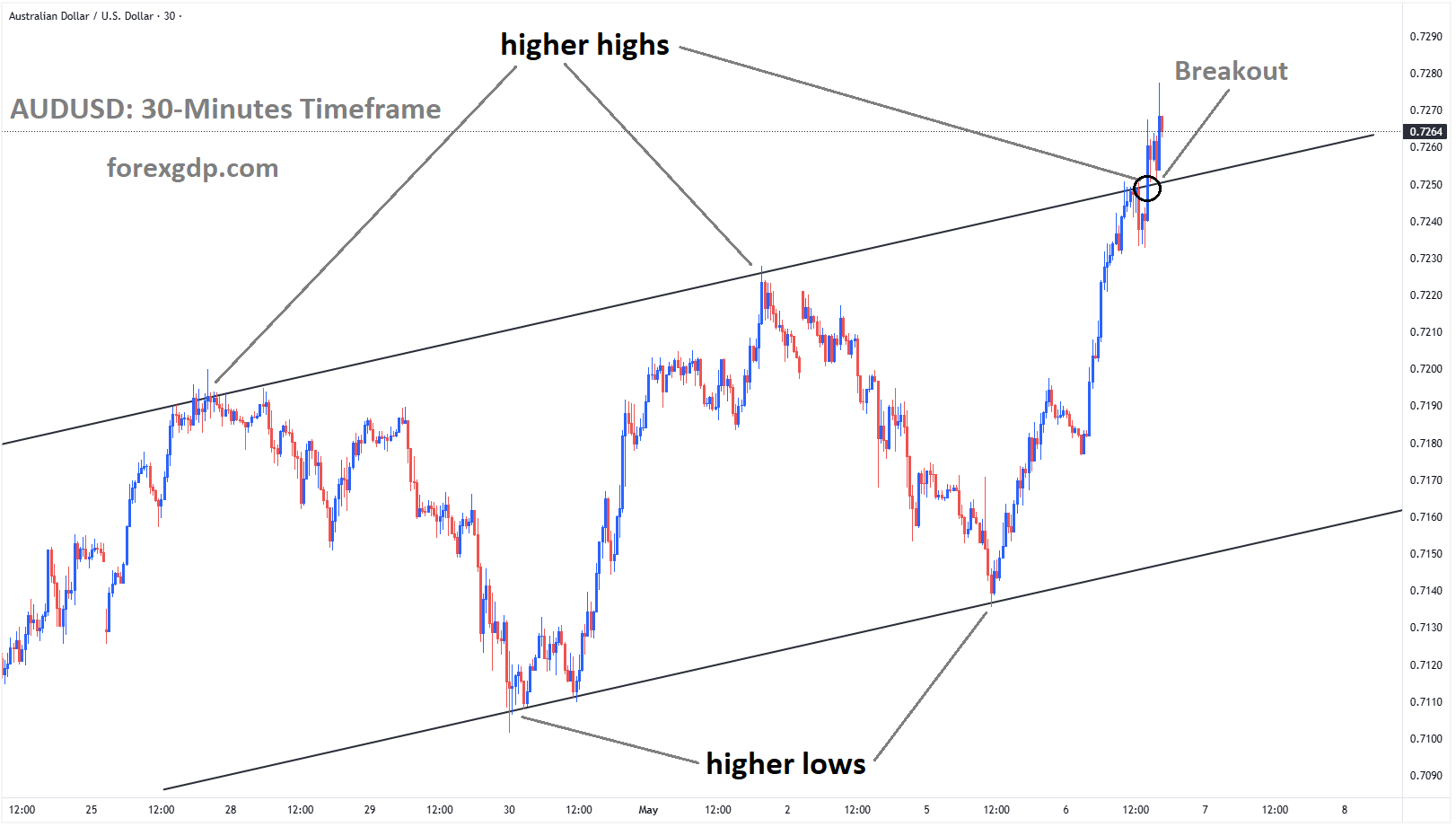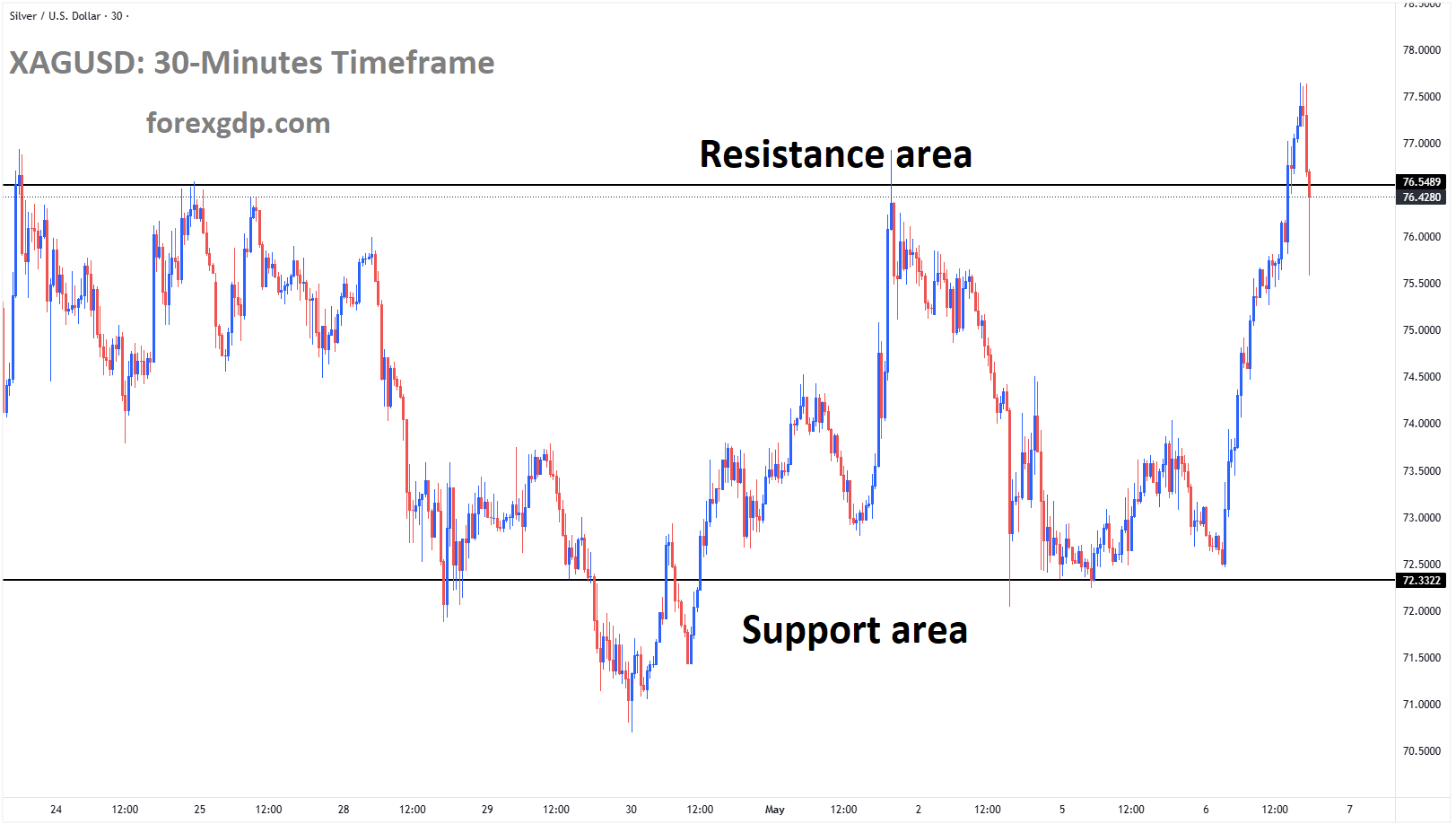
XAGUSD reached the resistance area of the box pattern
XAGUSD Extends Sharp Rally as Traders Eye Easing Middle East Tensions
Silver prices moved sharply higher in midweek trading as investors turned more optimistic about global developments and moved away from the US Dollar. The precious metal gained strong bullish momentum, with XAG/USD climbing more than 6% during the day and trading near the $77.50 level.
The rally came as market sentiment improved following reports that the United States and Iran are moving closer to a possible agreement that could ease tensions in the Middle East. At the same time, the US Dollar remained under strong selling pressure, giving silver additional support.
Silver Gains Strength Amid Positive Market Mood
Silver experienced one of its strongest daily moves in recent sessions as investors reacted positively to geopolitical news and shifting market sentiment. The combination of growing confidence in global stability and a weaker US Dollar created favorable conditions for precious metals.
Investors often turn to silver during periods of economic uncertainty, but the metal can also benefit when the US Dollar weakens significantly. Since silver is priced in dollars, a softer USD makes silver more attractive to buyers using other currencies.
The sharp upward move reflected renewed confidence among traders who believe global tensions may ease in the coming weeks.
US-Iran Negotiations Lift Investor Confidence

A major reason behind the market optimism was growing speculation about a potential agreement between the United States and Iran. Reports released during the trading session suggested that both countries are getting closer to a truce deal that could reduce geopolitical risks in the region.
According to reports from Axios, the proposed agreement may include the removal of restrictions in the Strait of Hormuz, one of the world’s most important oil shipping routes. The Strait plays a key role in global energy supply, and any reduction in tensions there is viewed positively by financial markets.
The reports also stated that Iran could agree to pause nuclear enrichment activities for a certain period. In return, the United States may ease sanctions and release billions of dollars in frozen Iranian funds.
Reuters later added further support to the story by citing a Pakistani source involved in the negotiations. The source reportedly said that both sides are very close to finalizing a deal.
This news improved overall investor sentiment and encouraged traders to move toward risk-sensitive assets.
Weak US Dollar Supports Silver Rally
Another important factor behind silver’s rise was the broad weakness in the US Dollar. The USD remained under heavy selling pressure throughout the session, helping silver prices push higher.
The US Dollar Index, which measures the value of the dollar against a basket of major global currencies, dropped around 0.8% during the day and traded near 97.70.
A weaker dollar generally supports commodities like silver and gold because they become cheaper for international buyers. This often increases demand and pushes prices higher.
The dollar’s decline also reflected changing investor expectations about global economic conditions and future financial policy decisions.
Why the Dollar Matters for Silver
The relationship between silver and the US Dollar is closely watched by traders around the world. In many cases, silver tends to rise when the dollar falls.
This happens because investors often look for alternative assets when confidence in the dollar weakens. Precious metals can become more appealing during such periods, especially when global uncertainty or political developments influence currency markets.
In this case, optimism surrounding diplomatic progress between the US and Iran reduced safe-haven demand for the dollar while supporting commodities and risk-related assets.
Global Markets React Positively
The improving market mood was not limited to silver alone. US stock index futures also moved higher during the session, showing that investors were becoming more comfortable with taking on risk.
Reports indicated that major US stock futures were up between 1.2% and 1.7% on the day. The strong gains suggested that traders viewed the possible US-Iran agreement as a positive step for global stability and economic confidence.
Financial markets typically respond favorably when geopolitical tensions ease because reduced uncertainty can support trade, investment, and overall economic activity.
The possibility of smoother relations between the two countries also raised hopes that energy markets may experience less disruption in the future.
Silver Continues to Attract Attention
Silver has remained one of the most closely watched precious metals this year due to its strong price swings and growing investor interest. Apart from its role as a store of value, silver is also widely used in industries such as electronics, solar energy, and manufacturing.
This dual role means silver often reacts to both economic growth expectations and broader financial market trends.
As global conditions continue to shift, traders are likely to keep a close eye on developments surrounding the US Dollar, geopolitical negotiations, and overall investor sentiment.
Any confirmation of a formal agreement between the US and Iran could continue influencing precious metals, currencies, and equity markets in the coming days.
Summary
Silver prices jumped sharply as improving global sentiment and a weakening US Dollar boosted demand for the precious metal. Optimism surrounding possible progress in US-Iran negotiations helped lift investor confidence across financial markets.
Reports suggesting that both countries are close to a deal supported hopes for reduced geopolitical tensions, while the falling dollar added further momentum to silver’s rally. At the same time, rising US stock futures reflected a broader positive shift in market sentiment.
With investors closely monitoring diplomatic developments and currency movements, silver is expected to remain in focus as global markets react to changing economic and political conditions.
EURUSD Strengthens Following Rising Confidence in Potential US-Iran Agreement
The EUR/USD currency pair moved higher during early European trading on Wednesday, climbing close to the 1.1730 level. The Euro gained strength against the US Dollar as investors reacted to fresh geopolitical developments involving the United States and Iran. At the same time, growing expectations surrounding future European Central Bank policy also supported the shared currency.
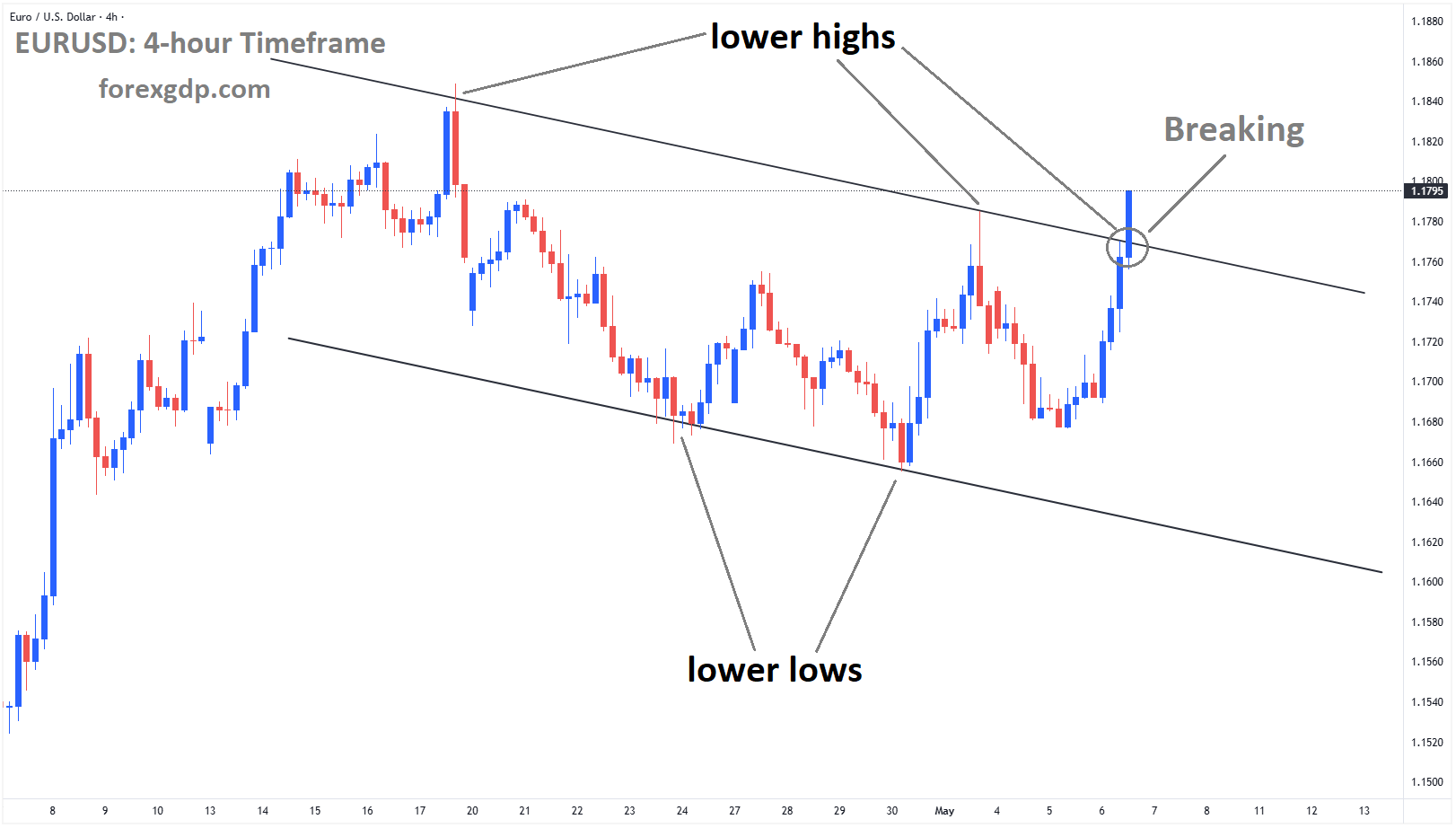
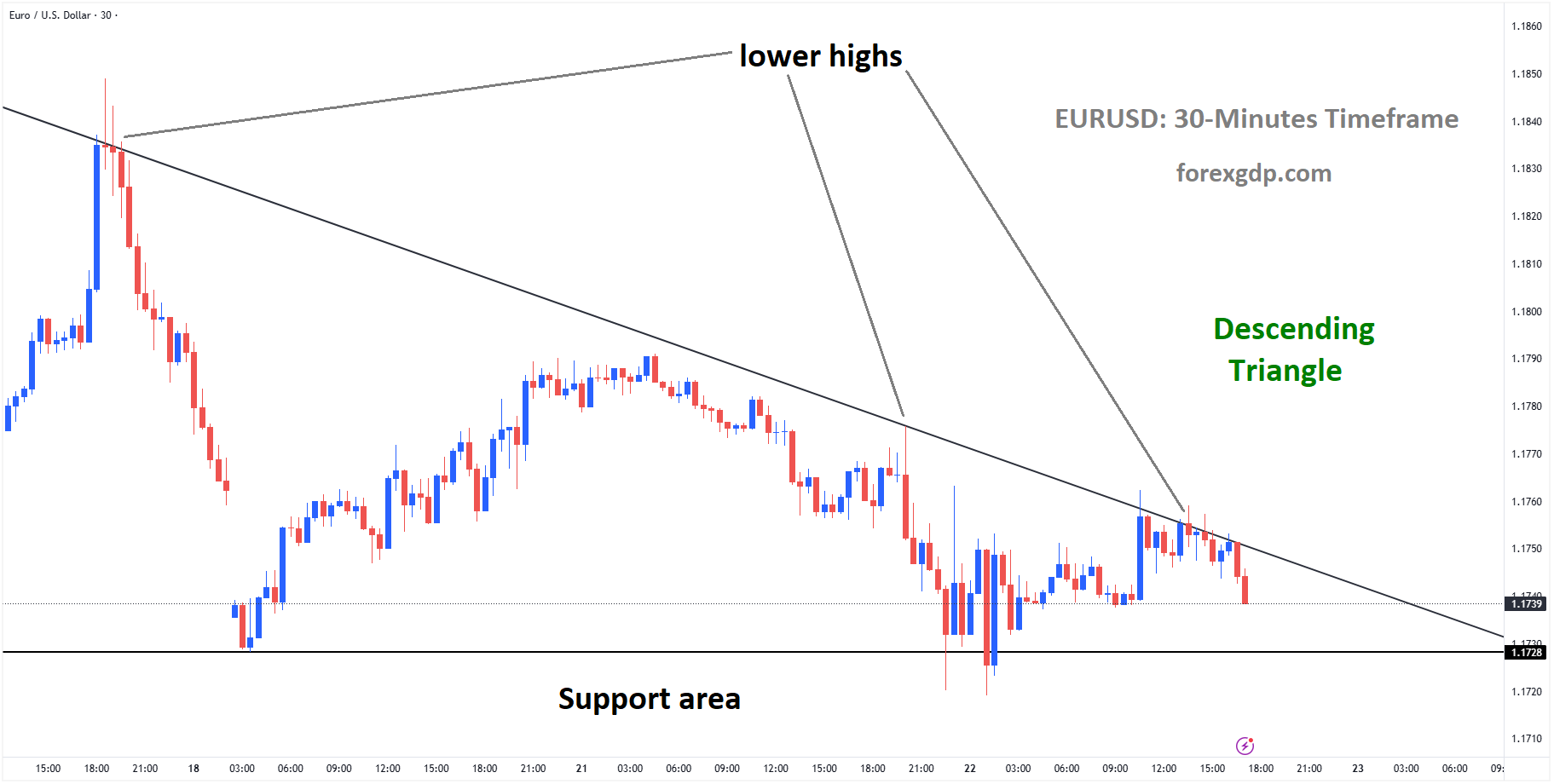
EURUSD is breaking the lower high area of the downtrend channel
Market participants are now focusing on several important events, including updates on the US-Iran situation and the upcoming US ADP Employment Change report, which could influence investor sentiment later in the day.
Euro Gains Support From Improved Market Sentiment
The Euro found support after comments from US President Donald Trump suggested progress toward a possible agreement with Iran. According to Trump, discussions with Iranian representatives have moved forward positively, raising hopes that tensions between the two countries could ease in the coming weeks.
He also mentioned pausing “Project Freedom,” a US initiative connected to commercial shipping activity through the Strait of Hormuz. This strategic waterway plays a major role in global energy transportation, and any disruption there often increases uncertainty in financial markets.
Investors generally react positively when geopolitical tensions begin to cool. Reduced uncertainty tends to encourage demand for riskier assets, including major currencies such as the Euro. As a result, optimism surrounding a possible diplomatic breakthrough helped lift EUR/USD during the session.
Strait of Hormuz Remains a Key Focus
Despite the more optimistic tone from Washington, the situation around the Strait of Hormuz remains closely watched. Earlier on Tuesday, Iran introduced a new system governing ship transit through the region amid its ongoing dispute with the United States.
The Strait of Hormuz is considered one of the world’s most important shipping routes because a large amount of global oil exports passes through it. Any instability in the area can quickly affect financial markets, energy prices, and investor confidence worldwide.
For now, traders appear encouraged by signs that both sides may be willing to avoid further escalation. If tensions continue to ease, financial markets could maintain a more positive outlook in the near term. This environment often supports currencies tied to stronger economic growth and investor confidence, including the Euro.
However, market sentiment could quickly change if negotiations break down or new tensions emerge. Investors are therefore likely to remain cautious while monitoring further announcements from both Washington and Tehran.
ECB Rate Hike Expectations Boost the Euro
Another major factor supporting the Euro is the growing belief that the European Central Bank could raise interest rates as early as June 2026.
In recent weeks, several ECB officials have expressed concerns about inflation remaining stubbornly high across parts of the Eurozone. These comments have increased expectations that the central bank may need to maintain tighter monetary policy for longer than previously expected.
Bundesbank President Joachim Nagel added to these expectations earlier this week. He stated that the ECB may need to consider raising interest rates if inflation does not show meaningful improvement in the coming weeks.
His remarks strengthened speculation that policymakers are becoming increasingly serious about fighting persistent inflation pressures. Investors often respond to potential interest rate hikes by buying a currency because higher rates can improve returns on assets denominated in that currency.
As a result, the Euro received additional support from changing market expectations surrounding future ECB policy decisions.
Inflation Remains a Concern in Europe
Inflation has slowed from the extremely high levels seen over the past few years, but some areas of the Eurozone continue to experience sticky price pressures. Service costs and wage growth remain key concerns for ECB policymakers.
Central bank officials are trying to balance the need to control inflation without putting too much pressure on economic growth. While some economists believe inflation could gradually stabilize, others warn that price pressures may remain stronger than expected.
This uncertainty has kept financial markets focused on every statement coming from ECB officials. Any further signals supporting tighter policy could continue helping the Euro in the coming months.
Federal Reserve Maintains a Firm Position

While expectations for ECB tightening are increasing, the US Federal Reserve has maintained a relatively firm stance on interest rates.
Federal Reserve officials have not shown any immediate urgency to lower borrowing costs. The central bank continues to monitor inflation and labor market conditions carefully before making any policy adjustments.
This cautious approach has helped the US Dollar remain relatively stable overall, even as the Euro gains short-term momentum. Investors are aware that strong US economic data could reinforce the Fed’s current position and potentially limit further upside in EUR/USD.
The upcoming US ADP Employment Change report will therefore receive significant attention from traders. The report provides insight into private-sector job growth and is often viewed as an early signal ahead of official US labor market data.
Employment Data Could Influence Market Direction
If the employment report shows stronger-than-expected hiring activity, investors may believe the US economy remains resilient. This could strengthen confidence in the Federal Reserve’s current policy path and support the Dollar.
On the other hand, weaker employment figures may increase speculation that the US economy is slowing, which could place pressure on the Dollar and provide additional support for EUR/USD.
Because of this, short-term market movements may depend heavily on how the labor market data compares with expectations.
Investors Remain Focused on Global Developments
Financial markets are currently balancing several important themes at the same time. Geopolitical tensions, central bank policy expectations, inflation concerns, and economic data are all influencing investor decisions.
The recent improvement in sentiment surrounding US-Iran relations has temporarily supported risk appetite, while expectations of future ECB rate hikes have added further strength to the Euro.
At the same time, the Federal Reserve’s cautious stance and upcoming US economic reports continue to provide support for the Dollar, creating a competitive environment between the two major currencies.
As traders continue monitoring these developments, EUR/USD could remain sensitive to both geopolitical headlines and central bank commentary in the days ahead.
Summary
EUR/USD moved higher during Wednesday’s European trading session as investors reacted positively to signs of progress between the United States and Iran. Hopes for reduced geopolitical tensions improved market sentiment and supported the Euro.
At the same time, growing expectations that the European Central Bank may raise interest rates in 2026 added further momentum to the shared currency. Comments from ECB officials, including Bundesbank President Joachim Nagel, strengthened speculation that inflation concerns could force policymakers to maintain tighter monetary policy.
Meanwhile, the US Federal Reserve continues to hold a firm position on interest rates, keeping the Dollar supported as investors wait for fresh economic data. The upcoming US employment report may play an important role in shaping short-term market direction for EUR/USD.
GBPUSD Rallies on Weaker Greenback and Improving Global Market Sentiment
The British Pound continued to rise against the US Dollar on Wednesday as investors reacted to fresh developments in global politics and improving economic data from the United Kingdom. The GBP/USD pair moved higher and traded near 1.3630 during the session, supported by broad weakness in the US Dollar and growing confidence across global financial markets.
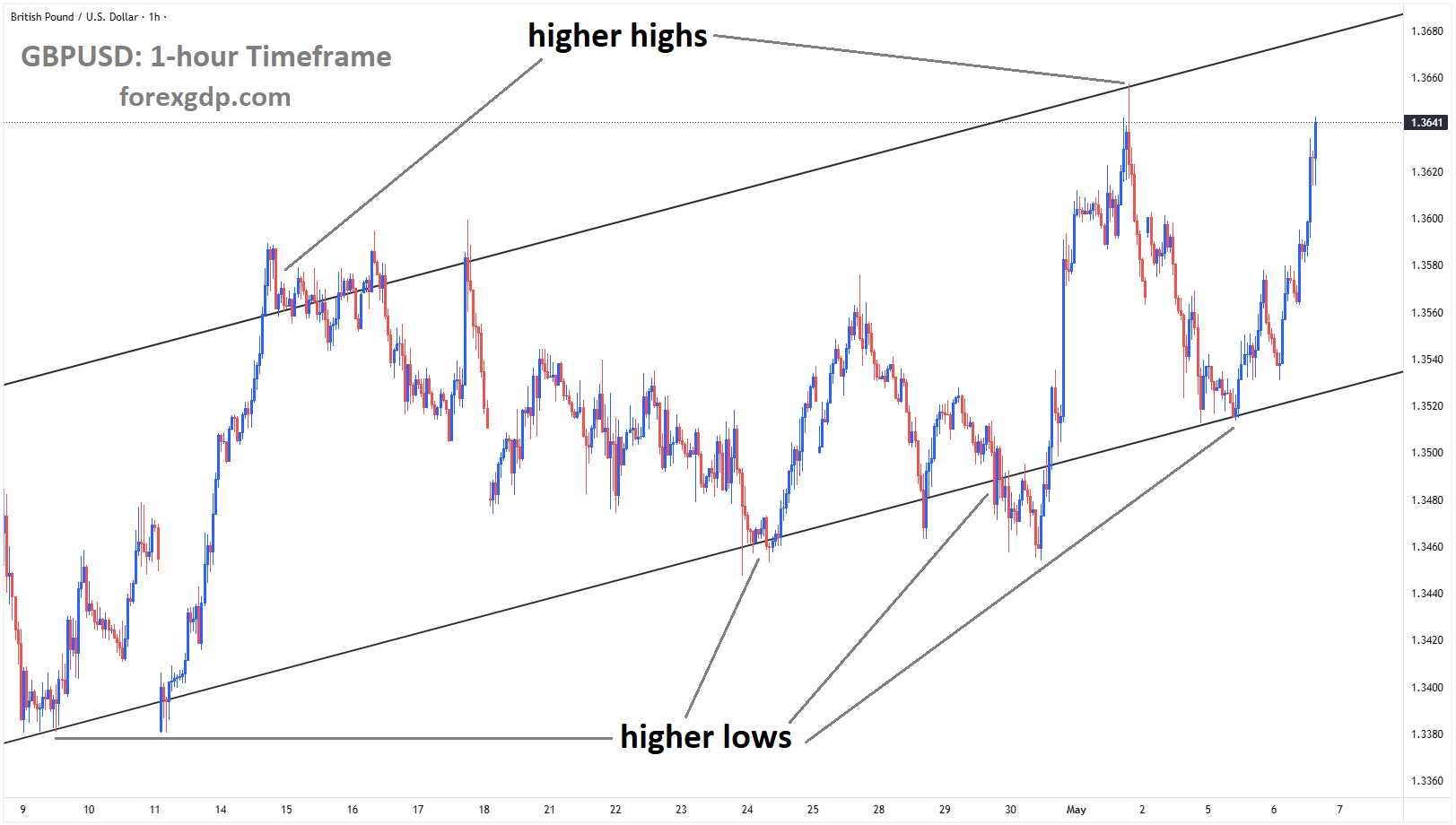
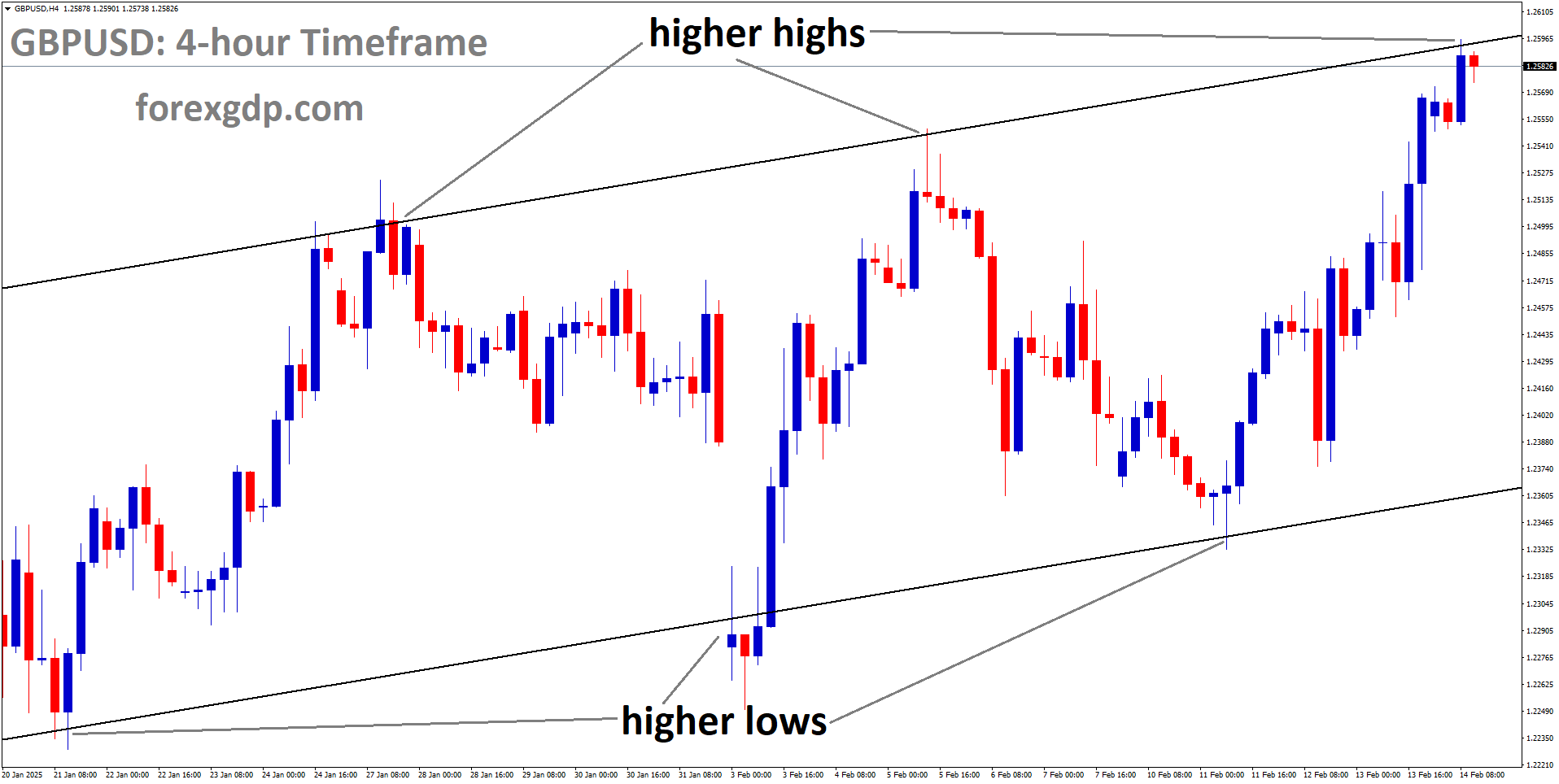
GBPUSD is moving in an uptrend channel
A major reason behind the Dollar’s decline was the easing of geopolitical tensions in the Middle East. Reports suggesting possible diplomatic progress between the United States and Iran encouraged investors to move away from safe-haven assets such as the US Dollar and shift toward higher-risk investments.
At the same time, stronger economic figures from the UK also helped support the Pound Sterling, giving traders more confidence in the British economy despite ongoing political concerns.
Diplomatic Progress Between the US and Iran Weakens the Dollar
The US Dollar came under pressure after reports indicated that Washington and Tehran may be close to reaching a new diplomatic agreement. According to recent media reports, officials from both countries are discussing a memorandum of understanding that could help ease current tensions and restart negotiations related to Iran’s nuclear program.
This news had a strong impact on investor sentiment. Whenever geopolitical risks rise, investors usually move their money into safer assets such as the US Dollar. However, signs of improving relations between the US and Iran reduced fears of a wider conflict in the Middle East.
The possibility of lower political tensions also helped calm concerns about disruptions to global energy supplies. Since the Middle East plays a critical role in global oil production, any reduction in conflict risk is generally viewed as positive for financial markets.
As investor confidence improved, demand for the US Dollar weakened. The US Dollar Index, which measures the strength of the Dollar against a basket of major currencies, dropped significantly and moved lower toward the 97.80 area.
Risk Appetite Returns to Global Markets
The easing political tensions encouraged a broader “risk-on” mood in financial markets. In this environment, investors are more willing to buy stocks, commodities, and currencies linked to economic growth instead of holding defensive assets.
This shift in market sentiment benefited several major currencies, including the British Pound. Traders reduced their holdings in the US Dollar and increased positions in currencies seen as offering better opportunities during periods of stronger market confidence.
The Pound Sterling was among the currencies that gained the most from this trend. The move higher in GBP/USD reflected both Dollar weakness and renewed interest in UK-related assets.
UK Economic Data Provides Additional Support
Besides the weaker Dollar, the Pound also received support from stronger-than-expected economic data in the United Kingdom.
The latest figures from S&P Global showed that the UK services sector continued to expand in April. The UK Services Purchasing Managers’ Index (PMI) was revised upward to 52.7, higher than the earlier estimate of 52 and also above the previous month’s reading of 50.5.
The Composite PMI, which combines both manufacturing and services activity, also improved to 52.6 from 50.3 previously.
These numbers are important because readings above 50 generally indicate economic growth. The stronger data suggested that business activity in the UK is improving and that the economy may be performing better than many investors expected.
Services Sector Remains a Key Driver
The services industry plays a major role in the British economy, covering sectors such as finance, hospitality, retail, and professional services. Stronger growth in this area often signals healthy consumer demand and stable business conditions.
The latest PMI data pointed to rising business activity and improving confidence among companies. This helped strengthen expectations that the UK economy could maintain steady growth in the near term.
Investors usually view improving economic conditions as supportive for a country’s currency because stronger growth can attract foreign investment and support overall financial stability.
Political Uncertainty Still Creates Some Caution
Despite the positive economic data, some caution remains around British assets due to upcoming political events.
Elections for the Scottish Parliament and the Welsh Senedd are scheduled to take place on Thursday, and investors are closely watching the outcome. Political developments can influence market confidence, especially if election results create uncertainty about government policies or regional stability.
Some analysts have warned that weak results for the current Labour government could increase political risks within the UK. Financial markets generally prefer political stability, and any unexpected election outcome could create short-term volatility for the Pound.
However, for now, traders appear more focused on the broader weakness of the US Dollar and the positive economic signals coming from the UK economy.
Markets Await Key US Employment Data

Attention is now turning toward the upcoming US ADP Employment Change report, which is expected later on Wednesday.
This report provides an estimate of private-sector job growth in the United States and is often viewed as an early indicator ahead of the official US employment figures. Investors closely monitor labor market data because it can influence expectations regarding economic growth and future policy decisions from the Federal Reserve.
If the employment numbers come in weaker than expected, pressure on the US Dollar could continue. On the other hand, stronger data may help the Dollar recover some of its recent losses.
Currency traders are expected to remain cautious ahead of the release, as the report could influence market direction in the short term.
Pound Sterling Benefits From Improved Market Sentiment
The combination of easing global tensions, stronger UK economic data, and a weaker US Dollar created favorable conditions for the British Pound.
Investor confidence improved significantly after reports suggested progress in US-Iran discussions, reducing fears surrounding geopolitical risks and energy supply concerns. This encouraged a move away from safe-haven assets and supported currencies tied to economic growth.
Meanwhile, the UK economy showed signs of resilience through stronger PMI readings, helping reinforce confidence in the Pound despite lingering political uncertainty ahead of regional elections.
Final Summary
GBP/USD moved higher as investors reacted positively to signs of improving diplomatic relations between the United States and Iran. Reduced geopolitical tensions weakened demand for the US Dollar and improved overall market sentiment.
At the same time, stronger UK economic data added further support to the Pound Sterling, especially after the services and composite PMI figures showed continued economic expansion.
Although political uncertainty in the UK remains a factor ahead of regional elections, market attention is now focused on upcoming US employment data, which could play a key role in determining the next direction for the US Dollar and the GBP/USD currency pair.
USDJPY Tumbles After Yen Surge and Fresh US-Iran Deal Optimism
The Japanese Yen surged strongly against the US Dollar on Wednesday as investors reacted to growing signs of possible intervention by Japanese authorities in the foreign exchange market. At the same time, easing geopolitical tensions in the Middle East added more pressure on the US Dollar, leading to a sharp decline in the USD/JPY currency pair.
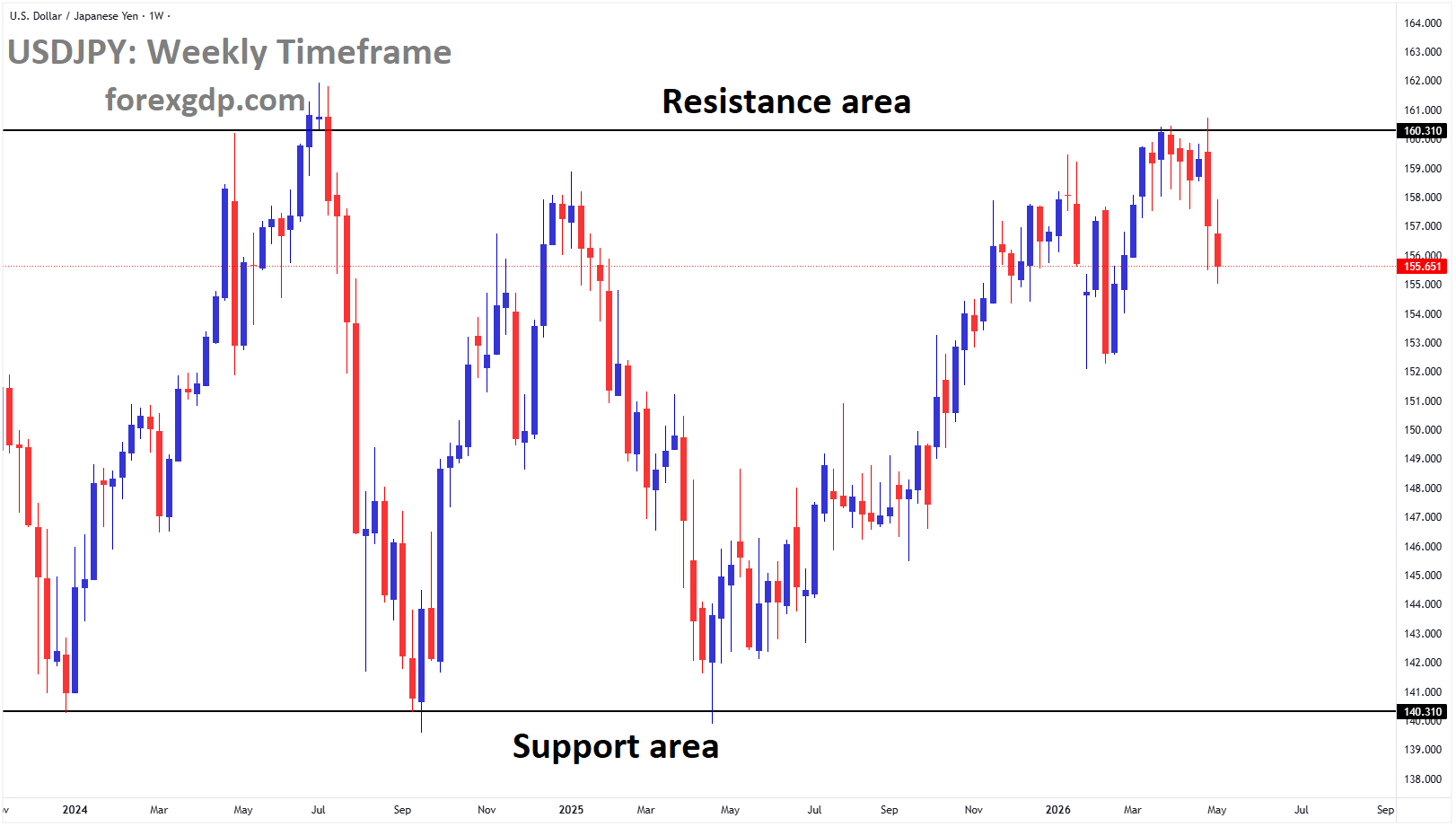
USDJPY is moving in a box pattern
The pair dropped to around 155.80 during trading, marking a significant daily loss of more than 1%. The movement reflects a mix of market concerns, political developments, and investor expectations about future economic events.
Japanese Authorities Suspected of Supporting the Yen
One of the main reasons behind the sharp rise in the Japanese Yen is speculation that Japan’s Ministry of Finance may have stepped into the market again to support its currency.
The Yen has faced heavy pressure in recent months as the US Dollar remained strong due to higher interest rates in the United States. Earlier, USD/JPY had climbed above the important 160 level, a point many traders believed could trigger official action from Tokyo.
Reports suggest Japanese authorities may have already spent nearly 5.48 trillion Yen, equivalent to around $35 billion, in recent intervention efforts aimed at slowing the Yen’s decline. Although officials have not officially confirmed the move, market analysts believe recent price action strongly points toward intervention.
Japanese Finance Minister Satsuki Katayama recently reinforced this view by stating that the government remains prepared to take “decisive measures” against excessive currency movements caused by speculation.
Large financial institutions are also supporting this theory. Analysts at MUFG noted that the recent fall in USD/JPY appears consistent with another round of intervention by Japanese authorities.
US-Iran Diplomatic Progress Boosts Market Confidence
Another major factor weakening the US Dollar is the improvement in geopolitical sentiment following reports of progress between the United States and Iran.
According to Axios, both countries are reportedly close to reaching a memorandum of understanding that could help reduce tensions and restart negotiations over Iran’s nuclear program. The proposed discussions include several important points, such as easing restrictions around the Strait of Hormuz, limiting Iran’s nuclear enrichment activities, and reducing some US sanctions.
The talks may also involve the release of billions of dollars in frozen Iranian funds, which would represent a major diplomatic breakthrough after years of strained relations.
Reuters also cited a Pakistani diplomatic source who said both sides were “very close” to finalizing an agreement.
These developments helped calm fears about possible disruptions to global energy supplies. The Strait of Hormuz is one of the world’s most important oil shipping routes, and any threat to its stability can quickly create uncertainty across financial markets.
As tensions eased, investors became more willing to move away from safe-haven assets like the US Dollar. This shift in market sentiment increased selling pressure on the greenback and supported the Japanese Yen.
US Dollar Faces Broad Weakness
The US Dollar Index, which measures the Dollar’s strength against a basket of major currencies, dropped sharply during the session. The index fell around 0.80% and traded near 97.70.
The decline highlights growing pressure on the Dollar from several directions. Easing geopolitical risks reduced demand for safe-haven investments, while traders also became cautious ahead of important US economic data scheduled later in the week.
Currency markets often react strongly when uncertainty decreases globally. Investors tend to move funds into higher-risk assets during calmer periods, reducing demand for defensive currencies like the Dollar.
This broad Dollar weakness added extra downward momentum to USD/JPY, accelerating the pair’s decline.
Investors Focus on Upcoming US Employment Data

While the Japanese Yen gained strength from intervention speculation and Dollar weakness, investors are also closely watching upcoming economic reports from the United States.
Markets are now waiting for the ADP Employment Change report, which provides insight into private-sector hiring trends in the US economy. The report is often viewed as an early signal ahead of the official labor market figures scheduled for release on Friday.
Employment data can have a major impact on market expectations regarding future decisions by the Federal Reserve. Strong hiring numbers may support the Dollar by suggesting economic resilience, while weaker figures could increase concerns about slowing growth.
Traders are expected to remain cautious until more economic data becomes available.
Market Sentiment Shifts Toward Risk Assets
The combination of diplomatic optimism and suspected intervention created a strong shift in overall market sentiment.
When geopolitical fears begin to fade, investors generally feel more confident taking on risk. This often leads to stronger performance in stocks and other growth-focused assets, while reducing demand for traditional safe-haven currencies.
The Japanese Yen can sometimes behave differently in these situations because direct government action has a powerful influence on the currency market. In this case, intervention concerns outweighed the broader risk-on environment and helped the Yen strengthen significantly.
The situation also highlights how quickly currency markets can react to both political headlines and government policy actions.
Why the USD/JPY Pair Matters Globally
The USD/JPY pair is one of the most closely watched currency pairs in the global financial market. It reflects not only economic conditions in the United States and Japan but also broader investor sentiment worldwide.
Sharp moves in the pair often influence global investment flows, bond markets, and international trade expectations.
Japan has historically intervened in currency markets when rapid Yen weakness threatens economic stability or increases import costs. A weaker Yen can make imported goods, especially energy and food, more expensive for Japanese consumers and businesses.
Because of this, traders remain highly alert whenever USD/JPY approaches key psychological levels.
Summary
The Japanese Yen strengthened sharply against the US Dollar as markets reacted to suspected intervention by Japanese authorities and improving geopolitical conditions in the Middle East. Reports suggesting progress in US-Iran negotiations reduced global uncertainty and weakened demand for the Dollar.
At the same time, investors believe Japan may have entered the market again to support the Yen after USD/JPY recently crossed the 160 mark. The combination of Dollar weakness, shifting investor sentiment, and intervention concerns pushed the currency pair significantly lower.
Markets are now turning their attention toward upcoming US employment reports, which could play an important role in shaping the next major move for the Dollar and the broader currency market.
USDCAD slips from highs as surging crude strengthens the Canadian Dollar
The USD/CAD currency pair moved slightly lower on Tuesday after failing to push above the 1.3630 level earlier in the day. Even with the small decline, the US Dollar continued to stay firm above the 1.3600 mark, showing that traders are still cautious about global risks and economic uncertainty.
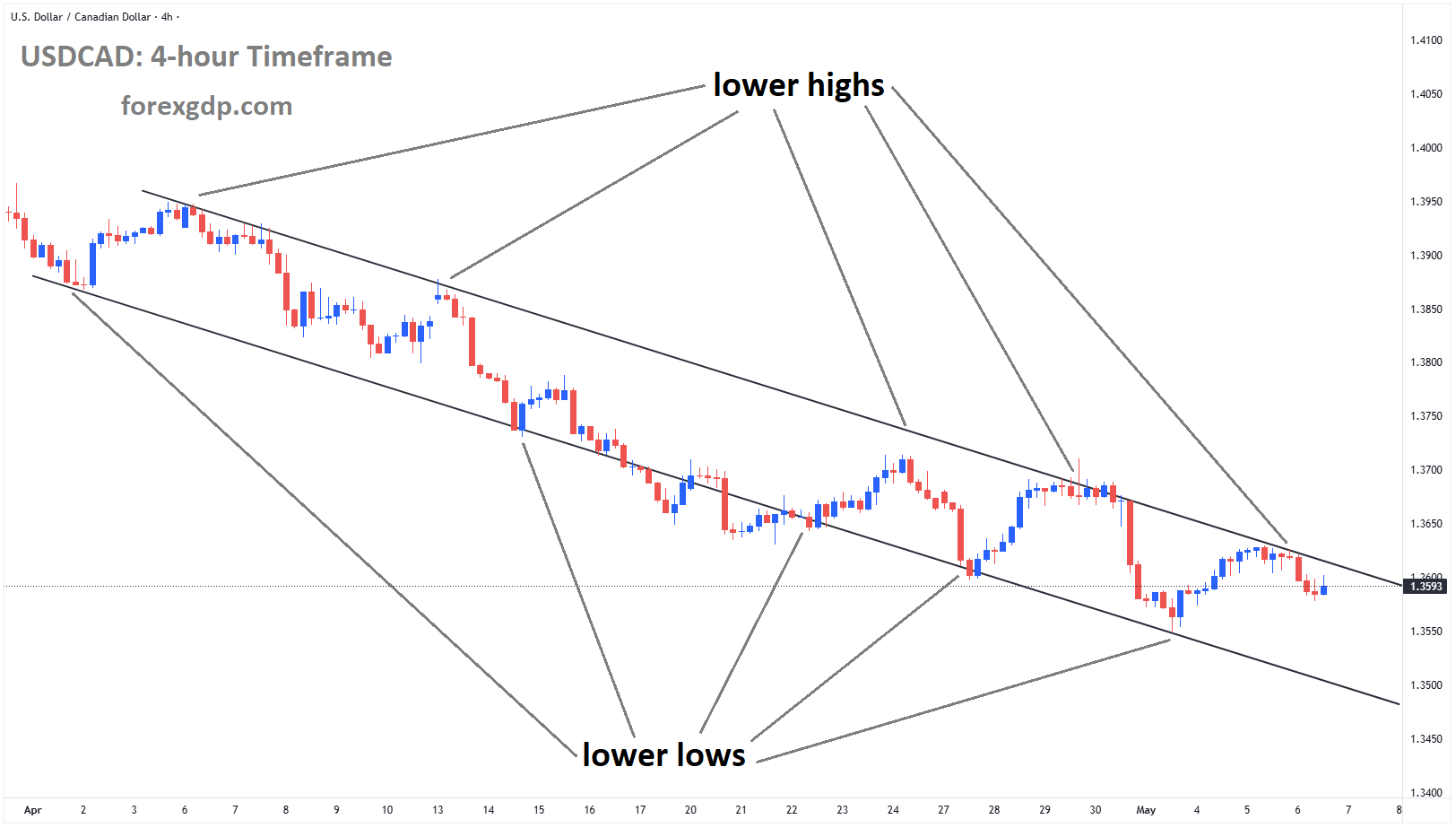
USDCAD is moving in a descending channel
At the same time, the Canadian Dollar found support from strong crude oil prices. Since Canada is one of the world’s largest oil exporters, rising energy prices often strengthen the country’s currency. The balance between safe-haven demand for the US Dollar and support from oil prices for the Canadian Dollar has kept the pair moving within a narrow range.
Rising US-Iran Tensions Keep Investors Cautious
One of the biggest drivers in the market this week is the growing tension between the United States and Iran. Investors remain worried that the fragile ceasefire in the region could collapse, leading to further conflict in the Middle East.
The Strait of Hormuz, a critical route for global oil shipments, has become a major focus. Reports of explosions, attacks on ships, and military activity have increased fears about disruptions to energy supplies. Iran recently attacked an oil port in the United Arab Emirates, raising concerns across global markets.
Adding to the uncertainty, Iran’s Parliament Speaker Mohammad Bagher Ghalibaf stated that a “new equation” now exists in the Strait of Hormuz. He accused the United States and its allies of threatening energy transportation by violating ceasefire agreements and creating blockades in the region.
These developments have pushed investors toward safer assets like the US Dollar. In times of geopolitical stress, traders often move money into the Greenback because it is viewed as a stable and reliable currency during uncertain periods.
Oil Prices Continue Supporting the Canadian Dollar
While global tensions have boosted demand for the US Dollar, they have also pushed oil prices higher. Crude oil remains above the important $100 level, helping support the Canadian economy and its currency.
West Texas Intermediate (WTI), the main US oil benchmark, stayed above $101 per barrel during Tuesday’s session. Concerns about possible supply disruptions in the Middle East are keeping energy markets tight and prices elevated.
This matters greatly for Canada because crude oil is one of the country’s largest exports. When oil prices rise, Canada earns more revenue from energy exports, which usually strengthens the Canadian Dollar.
As a result, the Canadian Dollar has been able to limit losses against the US Dollar despite ongoing global uncertainty. Traders are balancing two key themes: demand for the US Dollar as a safe-haven asset and support for the Canadian Dollar from higher oil prices.
USD/CAD Stays Above Key Levels
Although the USD/CAD pair pulled back slightly on Tuesday, it still held onto most of the gains seen over the past two trading sessions. Earlier last week, the pair had dropped toward 1.3550 before recovering strongly.
The ability to remain above 1.3600 suggests that traders are still favoring the US Dollar in the short term. However, the Canadian Dollar’s resilience shows that strong commodity prices are preventing larger moves higher.
Market sentiment remains mixed. On one side, fears of geopolitical conflict continue supporting the US Dollar. On the other, elevated oil prices are helping the Canadian economy and giving support to the loonie.
This balance has created relatively stable trading conditions for the currency pair, with neither side gaining complete control.
Key Economic Reports Could Drive the Next Move
Investors are also closely watching several important economic reports from both the United States and Canada this week.
On Tuesday, traders focused on the US ISM Services Purchasing Managers Index (PMI) for April along with the JOLTS Job Openings report for March. These reports provide insight into the strength of the US economy and labor market.
The ISM Services PMI is especially important because the services sector makes up a large portion of the American economy. Strong numbers could support the US Dollar further by increasing confidence in economic growth.
Meanwhile, the JOLTS report helps investors understand hiring demand in the labor market. A strong labor market often supports expectations for steady economic activity and can influence future monetary policy decisions.
Employment Data Takes Center Stage on Friday

The biggest market event of the week is expected to arrive on Friday when both the United States and Canada release employment data at the same time.
The US Nonfarm Payrolls report is one of the most closely watched economic indicators globally. It provides a detailed look at job creation, unemployment, and wage growth in the American economy.
At the same time, Canada will release its employment figures for April. Since both reports come out together, traders expect increased volatility in the USD/CAD pair.
If the US labor market shows stronger-than-expected growth, the US Dollar could gain more support. However, a strong Canadian employment report combined with high oil prices could help the Canadian Dollar strengthen further.
The simultaneous release of these reports may create sharp movements in the currency market as investors react to fresh economic data from both countries.
Market Sentiment Remains Sensitive
Global markets remain highly sensitive to geopolitical developments and economic signals. Any new headlines related to the Middle East conflict could quickly influence investor behavior, oil prices, and currency movements.
For now, traders appear cautious rather than aggressive. Many investors are waiting for clearer signals before making larger positions in the USD/CAD pair.
The combination of geopolitical uncertainty, strong energy prices, and upcoming economic reports is creating a complex environment for currency markets. As long as tensions remain elevated and oil prices stay high, both the US Dollar and Canadian Dollar are likely to continue finding support from different factors.
Summary
The USD/CAD pair edged lower on Tuesday but continued trading above 1.3600 as investors weighed geopolitical risks against rising oil prices. Growing tensions between the United States and Iran have increased demand for the US Dollar as a safe-haven currency, while strong crude oil prices continue supporting the Canadian Dollar.
Oil remaining above $100 per barrel is helping the Canadian economy, limiting losses for the loonie despite cautious market sentiment. Investors are now turning their attention toward major economic reports, including US services data, job openings figures, and Friday’s closely watched employment reports from both the United States and Canada.
With global tensions still high and important economic data ahead, volatility in the USD/CAD pair could remain elevated throughout the week.