

The forex market has a strange way of humbling people. One day, you feel unstoppable. The charts align, trades flow smoothly, and confidence rises like a rocket. Then suddenly, the next week feels like walking through a storm with no compass. That emotional rollercoaster is exactly why the phrase “Routine beats randomness” hits so hard in trading.
Most traders enter the market chasing excitement. They want fast wins, dramatic breakouts, and overnight success stories. But the market rarely rewards chaos. It rewards discipline. It rewards patience. It rewards the trader who shows up every day with a structured process instead of gambling instincts.
Forex trading is not a slot machine hiding inside a laptop. It’s more like farming. You plant seeds, water them consistently, protect them from storms, and wait. The people who survive long enough to see results are usually not the loudest traders on social media. They are the quiet ones with routines.
The Dangerous Illusion of Random Trading
Randomness feels exciting in the beginning. That’s the trap. It creates the illusion of freedom while secretly building a path toward burnout and losses.
Many traders jump into positions without a plan because they believe instinct alone is enough. Sometimes they win, which makes the bad habit even stronger. But eventually, the market collects its debt. It always does.
Emotions Become the Real Enemy
The biggest battlefield in forex trading is not the chart. It’s the mind. A trader without routine becomes vulnerable to every emotional swing the market throws their way.
Fear creeps in after a losing trade. Greed appears after a winning streak. Revenge trading shows up when frustration boils over. Without structure, emotions take control like a reckless driver speeding through traffic without brakes.
Fear Makes Traders Freeze
Fear has a sneaky personality in trading. It whispers doubts at the worst possible moments. A trader sees a perfect setup but hesitates because the previous trade failed.
That hesitation often leads to missed opportunities. Then frustration grows because the market moves exactly as expected after the trader stays out. It becomes a cycle of regret and emotional exhaustion.
Routine acts like a shield against fear. When a trader follows a proven process daily, decisions become less emotional and more mechanical. The market stops feeling personal.
Greed Turns Small Wins Into Big Losses
Greed usually wears a smile before disaster strikes. A trader doubles position sizes after a few successful trades and starts believing they’ve “figured out” the market.
But forex has a cruel sense of humor. The same market that handed over profits yesterday can erase them tomorrow. Traders who lack routine often hold trades too long, ignore risk management, and chase unrealistic gains.
A consistent routine keeps expectations grounded. It reminds traders that survival matters more than showing off huge profits online.
Random Decisions Create Unstable Results
Imagine trying to lose weight while eating healthy only when you “feel like it.” The results would probably be inconsistent and frustrating. Trading works the same way.
One random strategy today, another tomorrow, and a completely different approach next week create confusion. There’s no reliable data, no measurable improvement, and no long-term growth.
Changing Strategies Too Often Kills Progress

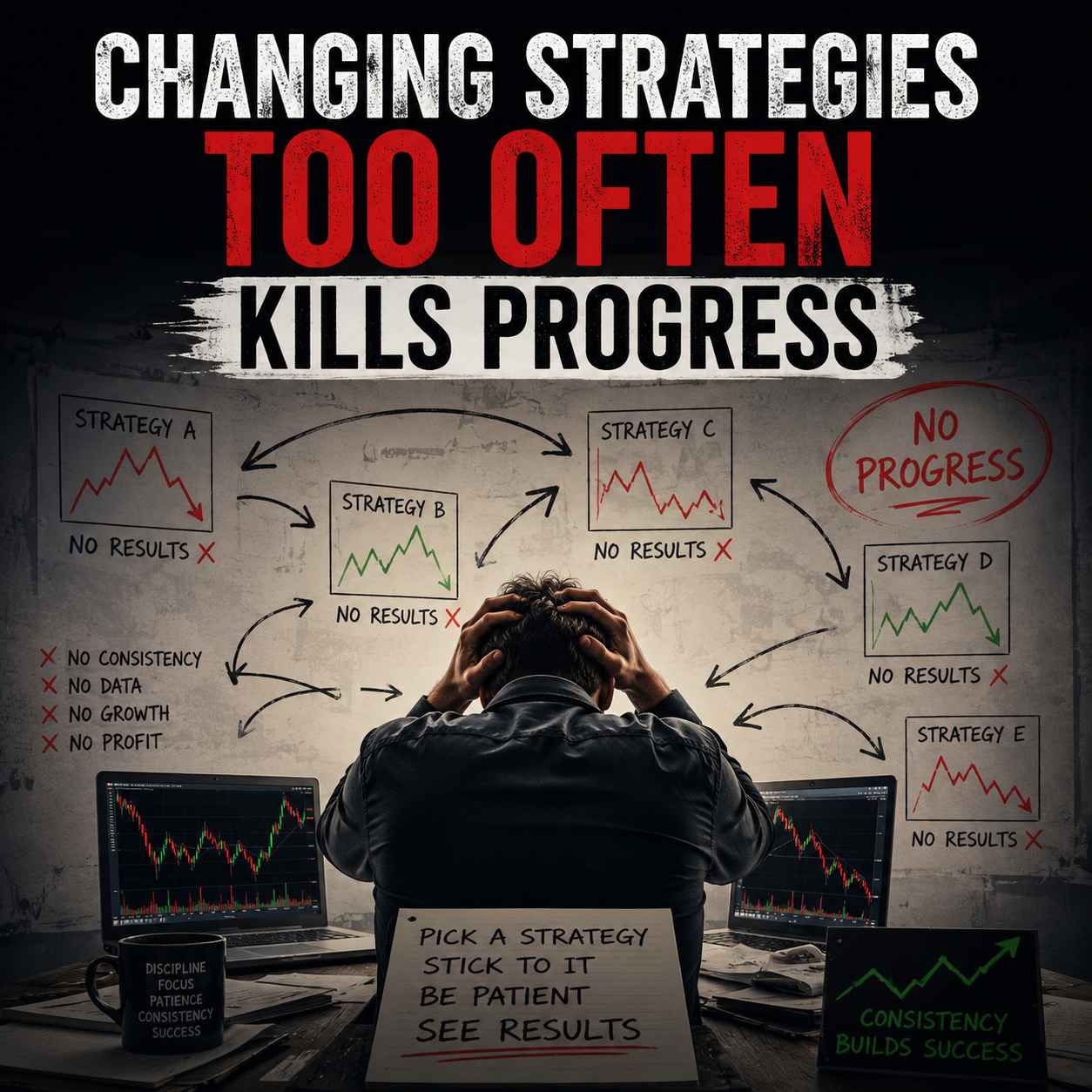
Many traders abandon strategies too quickly. They expect perfection immediately. After two or three losses, panic takes over, and they jump to another system.
This constant switching destroys confidence. It’s like digging multiple shallow holes instead of one deep well. Nothing meaningful develops.
Routine encourages patience. It gives traders enough time to understand whether a strategy genuinely works or simply needs refinement.
Lack of Structure Leads to Burnout
Trading without routine feels mentally exhausting. Every decision becomes stressful because there’s no framework guiding the process.
Eventually, burnout arrives quietly. Traders start overanalyzing charts, losing sleep, and feeling emotionally drained. What once felt exciting becomes overwhelming.
A structured routine reduces mental fatigue. Decisions become clearer because the trader already knows what to look for and what to avoid.
Why Routine Creates Stronger Traders
Routine may sound boring at first glance, but boring is often profitable in trading. The market rewards consistency far more than excitement.
Professional traders understand this deeply. They don’t wake up every morning hoping for miracles. They follow systems, habits, and routines that protect them from emotional chaos.
Consistency Builds Confidence
Confidence in trading doesn’t come from motivational quotes or social media hype. It comes from repetition. It comes from seeing yourself follow a process again and again.
When traders know exactly how they prepare, analyze, and execute trades, uncertainty decreases significantly.
Preparation Changes Everything
A trader who prepares before the market opens behaves differently from someone reacting impulsively to every price movement.
Preparation creates calmness. Economic news is reviewed, charts are analyzed, and potential setups are identified ahead of time. That clarity prevents emotional panic later.
Without preparation, trading feels like entering a boxing ring blindfolded. Every punch becomes a surprise.
Tracking Performance Reveals Patterns
Routine traders often journal their trades consistently. At first, journaling may feel unnecessary or even annoying. But over time, patterns become visible.
Some traders realize they perform better during specific sessions. Others discover emotional mistakes repeatedly appear after consecutive losses.
Those insights are impossible to notice when trading randomly. Routine turns experience into useful data instead of wasted frustration.
Discipline Becomes Easier Over Time


Discipline sounds painful when people talk about it. But once habits form, discipline actually becomes easier than chaos.
Think about brushing your teeth. You probably don’t debate whether to do it every morning. It became automatic through repetition. Trading habits can develop the same way.
Good Habits Replace Impulsive Decisions
Routine slowly trains the brain to focus on process instead of excitement. Traders stop entering random trades because their habits become stronger than temporary emotions.
That transformation doesn’t happen overnight. At first, sticking to routines feels restrictive. But eventually, it creates freedom because emotional mistakes decrease.
The market becomes less stressful when decisions follow structure rather than mood swings.
Patience Starts Producing Rewards
Impatience destroys many trading accounts. Traders often force setups simply because they feel bored or desperate to make money.
Routine teaches patience naturally. When traders know exactly what conditions they’re waiting for, they become more selective.
That selectiveness matters. Not every chart deserves a trade. Sometimes the best decision is doing absolutely nothing, even when the market seems tempting.
Routine Reduces Emotional Damage
Losses are unavoidable in forex trading. Even experienced traders lose trades regularly. The difference is how they respond emotionally.
Routine traders tend to recover faster because they understand losses as part of a larger process rather than personal failure.
Losses Feel Less Personal
A random trader often takes losses emotionally because decisions were impulsive. There’s regret, self-blame, and frustration.
Routine traders see losses differently. If the trade followed the plan, the outcome becomes easier to accept. The focus shifts toward execution quality instead of emotional disappointment.
That mindset creates emotional resilience over time.
Winning Streaks Stay Under Control
Ironically, winning streaks can be more dangerous than losing streaks. Success sometimes tricks traders into becoming careless.
Routine prevents overconfidence from spiraling out of control. Risk management remains consistent regardless of recent wins.
That consistency protects traders from the emotional crash that often follows reckless behavior.
Building a Trading Routine That Actually Works
A good routine doesn’t need to be complicated. In fact, overly complicated routines usually fail because they become impossible to maintain consistently.
The best routines feel practical, repeatable, and realistic. They fit naturally into daily life instead of becoming overwhelming.
Morning Preparation Matters More Than People Think


The way traders start their day often influences their decisions later. Jumping straight into charts without preparation creates unnecessary stress.
A calm beginning creates a calmer trading mindset.
Checking News Prevents Surprises
Economic news events can shake the forex market violently. Ignoring them is like driving through fog without headlights.
Routine traders review important events before trading. Interest rate announcements, inflation reports, and employment data can change market direction quickly.
Knowing what’s coming reduces panic and improves decision-making.
Mental Focus Improves Trade Quality
Trading while distracted rarely ends well. Stress from personal life, lack of sleep, or emotional frustration can affect judgment dramatically.
Many successful traders take a few quiet moments before trading begins. Some meditate briefly. Others review their goals or simply breathe deeply.
That mental reset creates sharper focus during the session.
Clear Rules Eliminate Confusion
One major reason traders fail is inconsistency. They change rules depending on emotions, which creates chaos.
Clear routines remove uncertainty by defining exactly how trades should be approached.
Entry Conditions Should Stay Simple
Complicated systems often create hesitation. Too many indicators, signals, and confirmations make traders second-guess themselves constantly.
Simple entry conditions usually work better because they’re easier to follow consistently. Traders know exactly what they’re looking for without confusion.
Clarity creates confidence.
Exit Plans Prevent Emotional Decisions
Many traders focus heavily on entries but completely ignore exits. That’s dangerous.
Without predefined exit rules, emotions take over once trades are live. Traders either panic too early or hold losses too long hoping for miracles.
Routine traders know their stop-loss and target levels before entering trades. That preparation reduces emotional decision-making later.
Reviewing Trades Creates Long-Term Growth


Improvement rarely happens accidentally. Traders who never review their performance often repeat the same mistakes endlessly.
Reviewing trades honestly creates awareness, and awareness creates progress.
Mistakes Become Valuable Lessons
Losses feel painful, but they contain valuable information. Every mistake reveals something about strategy, psychology, or discipline.
Routine traders study their losses carefully instead of ignoring them. Over time, those lessons strengthen decision-making.
Pain becomes education instead of wasted frustration.
Small Improvements Compound Over Time
Trading success rarely arrives through dramatic breakthroughs. It usually develops through small improvements repeated consistently.
A slightly better entry here. A more disciplined exit there. Better emotional control over time. Those tiny upgrades eventually create massive differences.
Routine turns gradual progress into long-term success.
The Psychological Power Behind Consistency
There’s something deeply powerful about consistency. It changes how traders think, react, and handle uncertainty.
The forex market constantly tests emotional stability. Routine helps traders remain grounded even when volatility increases.
Confidence Grows Through Repetition
People often wait to “feel confident” before becoming disciplined. But confidence actually grows after discipline becomes consistent.
Routine creates familiarity. Familiarity reduces anxiety.
Repetition Builds Mental Strength
Athletes train repeatedly because repetition strengthens performance under pressure. Traders need the same mindset.
The more consistently traders follow routines, the more natural disciplined behavior becomes. Emotional reactions lose intensity because habits take control.
That mental stability becomes a competitive advantage.
Chaos Loses Its Influence
The market will always remain unpredictable. No strategy removes uncertainty completely.
But routine changes how traders respond to uncertainty. Instead of reacting emotionally to every movement, they trust their process.
That trust reduces panic significantly.
Routine Creates Long-Term Survival


Many traders focus only on making money quickly. Ironically, that mindset often destroys accounts faster.
Survival matters more than speed in forex trading.
Consistency Protects Capital
Capital preservation doesn’t sound exciting, but it’s essential. Traders who protect their accounts stay in the game long enough to improve.
Routine encourages controlled risk instead of reckless gambling. That discipline keeps traders alive during difficult periods.
And difficult periods always come eventually.
Longevity Creates Opportunity
Trading is not a sprint. It’s a marathon filled with emotional twists, setbacks, and learning curves.
Routine helps traders survive long enough to benefit from experience. Over time, experience sharpens judgment in ways no shortcut can replicate.
The traders who endure are often the ones who stay consistent when others quit.
Final Thoughts
“Routine beats randomness” is more than a catchy phrase. It’s a survival principle in forex trading. The market punishes emotional chaos and rewards disciplined consistency.
Random trading may feel thrilling temporarily, but excitement alone rarely builds lasting success. Structure does. Patience does. Routine does.
The traders who grow steadily are usually not chasing every shiny opportunity. They focus on process, habits, and emotional control. They understand that success comes from repeated discipline rather than lucky moments.
Forex trading will always involve uncertainty. There will always be losses, frustrating days, and unexpected volatility. But routine creates stability in the middle of that chaos. It acts like an anchor during storms.
At the end of the day, consistency quietly defeats randomness the same way water slowly shapes stone. Not through force, but through persistence.
FAQs
1.Why is routine important in forex trading?
Routine helps traders stay disciplined, reduce emotional decisions, and maintain consistency. It creates structure that improves long-term performance and reduces impulsive mistakes.
2.Can random trading ever be profitable?
Random trading may produce short-term wins, but it’s usually unsustainable. Without a structured approach, emotions and inconsistency eventually lead to losses.
3.How long does it take to build a trading routine?
Building a routine varies for each trader, but consistency over several weeks or months usually helps habits become more natural and automatic.
4.What is the biggest mistake traders make without routine?
One major mistake is emotional trading. Without routine, traders often chase trades, overreact to losses, and ignore risk management rules.
5.Does routine guarantee success in forex trading?
No routine guarantees profits, but it significantly improves discipline, emotional control, and consistency, which are critical for long-term survival in the forex market.