

Forex trading can feel like standing in the middle of a storm while holding an umbrella made of paper. One moment, the market smiles at you with green candles and profits. The next, it punches you straight in the stomach with a brutal losing trade. That emotional swing is exactly why so many traders fall into one dangerous habit — doubling up after a loss.
It sounds harmless at first. You lose one trade, so you increase the next position to recover faster. Easy, right? The logic feels seductive because nobody enjoys losing money. But forex trading is not a casino game where luck magically turns around after a bad streak. The market does not care about your previous losses, your emotions, or your desperate need to recover quickly.
Many traders destroy accounts not because they lack strategy, but because they lack emotional discipline. The urge to double up losses often comes from frustration, ego, and panic rather than logic. It is like trying to put out a small kitchen fire with gasoline. Things escalate quickly.
The image message, “Avoid the temptation to double up losses,” carries more wisdom than most beginners realize. Behind those few words lies one of the biggest survival rules in forex trading. Traders who ignore it usually learn the hard way. Traders who respect it often stay in the game long enough to become consistently profitable.
Why Traders Feel the Need to Double Up
Losing money hurts. There is no elegant way to describe it. A losing trade can make even calm people feel irritated, anxious, or reckless. Forex trading becomes intensely emotional because every loss feels personal. That emotional pressure pushes traders toward irrational decisions.
Some traders believe doubling the next trade is a shortcut back to safety. Others convince themselves they are simply “being aggressive.” In reality, most are reacting emotionally instead of strategically. The market can smell emotional weakness like sharks smell blood in water.
The Emotional Trap Behind Revenge Trading
Revenge trading is one of the darkest corners of forex psychology. A trader loses a position and suddenly feels the urge to fight the market. It becomes less about smart analysis and more about proving something.
The dangerous part is how quickly emotions distort judgment. A trader who normally waits for confirmations may suddenly enter random trades with oversized lots. Logic disappears. Patience disappears. Discipline disappears.
The market does not reward emotional reactions. In fact, it often punishes them harder. One bad trade becomes two. Then three. Soon the account balance starts collapsing like dominoes.
Losses Trigger Fear and Ego Together
Fear tells traders they need to recover immediately. Ego tells them they cannot accept defeat. When those two emotions combine, they create terrible decisions.
A trader might think, “I cannot end the day negative,” or “I know the market will reverse this time.” Those thoughts are emotional, not analytical. The market owes nobody a recovery trade.
The sad reality is that many blown trading accounts begin with a single emotional decision. One oversized trade taken out of frustration can wipe out weeks or months of progress.
The Illusion of Control
Doubling up creates a false sense of control. Traders convince themselves they are actively fixing the problem. But increasing risk after losses is usually the opposite of control.
Imagine driving a car downhill with failed brakes. Pressing the accelerator harder would not solve the problem. Yet traders do the financial equivalent every day.
Forex markets are unpredictable in the short term. No trader can force the market to reverse simply because they increased position size. Thinking otherwise is dangerous fantasy.
How Greed Disguises Itself as Confidence
Sometimes doubling up does not come from anger. Sometimes it comes from overconfidence. A trader may believe they are smarter than the market after a few successful trades.
That confidence can quietly transform into greed. Instead of protecting capital, traders start chasing bigger wins faster. The problem is that greed rarely announces itself openly. It disguises itself as ambition.
Winning Streaks Can Be Dangerous


Ironically, traders often become most vulnerable after several wins. Success creates emotional momentum. It makes people feel untouchable.
A trader might think their strategy cannot fail. So when a losing trade finally arrives, they increase their next trade size aggressively to “maintain momentum.” That mindset is risky because markets constantly change.
Even professional traders experience losses regularly. The difference is that professionals respect risk. They do not try to bully the market into submission.
Big Wins Create Unrealistic Expectations
Social media has worsened this problem dramatically. Everywhere traders look, someone claims to flip small accounts into massive profits overnight.
Those flashy screenshots create unrealistic expectations. Beginners start believing consistent growth is boring. They want explosive returns immediately. That mindset encourages reckless risk-taking and doubling strategies.
Real trading success usually looks far less glamorous. It is built slowly, patiently, and often quietly.
What Happens When Traders Double Up Losses
The consequences of doubling losses rarely appear instantly. That is what makes the habit so deceptive. Sometimes traders recover temporarily, which reinforces the behavior. But eventually, the market exposes the weakness.
Forex trading is a game of survival before profit. Traders who cannot protect capital eventually disappear.
Small Losses Become Massive Damage
One controlled loss is manageable. A series of oversized revenge trades is catastrophic. Doubling positions magnifies emotional stress and financial exposure at the same time.
The market only needs one strong move against an oversized position to create severe damage. Traders who once felt calm suddenly panic while watching their account bleed rapidly.
Margin Calls Become Real Threats
Many traders underestimate how quickly leverage can destroy an account. Forex brokers make large positions accessible, but accessibility does not mean safety.
Doubling losses with leverage is like carrying dynamite in your backpack during a wildfire. The risk multiplies aggressively.
Margin calls often happen faster than traders expect. One emotional trading session can undo months of disciplined work.
Recovery Gets Harder After Big Losses
Large drawdowns create mathematical problems. Losing half an account requires a much larger percentage gain just to recover.
That reality traps many traders emotionally. They start taking even bigger risks trying to climb back. It becomes a vicious cycle.
The deeper the account damage becomes, the harder it is to trade calmly. Emotional stability begins collapsing alongside account balance.
Psychological Damage Lasts Longer Than Financial Losses
Money can be recovered. Confidence is harder to rebuild. Traders who experience severe losses often carry emotional scars into future trades.
Fear begins influencing every decision. Some traders hesitate constantly. Others become overly aggressive trying to compensate. Both extremes damage performance.
Stress Affects Decision-Making
Stress changes the way traders think. A stressed trader struggles to follow plans logically.
Charts begin looking confusing. Simple setups suddenly feel uncertain. Emotional exhaustion drains concentration and patience.
Trading under stress resembles trying to solve puzzles during an earthquake. Clear thinking becomes difficult.
Burnout Destroys Passion
Many traders enter forex excited about freedom and opportunity. But constant emotional trading eventually creates burnout.
The charts no longer feel exciting. They feel exhausting. Traders begin dreading market sessions because every trade feels emotionally heavy.
That burnout often pushes people to quit trading entirely. Sadly, many could have succeeded if they had simply managed risk properly from the beginning.
The Smarter Alternative to Doubling Up


Successful forex trading is not about avoiding losses completely. That goal is impossible. Success comes from managing losses intelligently while protecting long-term consistency.
Professional traders understand that survival matters more than pride.
Risk Management Builds Longevity
Risk management sounds boring compared to aggressive profit stories. But boring habits often create lasting success.
Smart traders accept small losses as part of the business. They focus on protecting capital rather than chasing emotional recovery.
Consistent Position Sizing Matters
Using stable position sizes creates emotional balance. Traders remain calmer because no single trade carries overwhelming pressure.
That consistency helps maintain objectivity. A trader who risks responsibly can think clearly during losses.
Steady risk management also prevents emotional spirals. One losing trade remains just a small setback instead of a catastrophe.
Patience Creates Stability
Patience is deeply underrated in forex trading. Many traders behave as if every market movement demands action.
But sometimes the smartest decision is doing nothing. Waiting for high-quality setups protects both capital and emotional energy.
The market will always provide new opportunities. Desperation only clouds judgment.
Accepting Losses Changes Everything
The traders who survive long term are not fearless. They simply make peace with losing trades.
Losses stop feeling like personal attacks. Instead, they become normal business expenses. That mental shift changes trading behavior dramatically.
No Strategy Wins All the Time
Even strong strategies experience losing streaks. That reality surprises beginners who expect constant accuracy.
Professional traders understand probability. They know a good strategy can still lose several trades in a row without being broken.
Accepting this truth removes much of the emotional panic behind doubling up.
Detachment Improves Performance
Emotionally detached traders often perform better because they make decisions based on logic rather than fear.
They do not chase the market desperately. They do not increase risk recklessly after losses.
Instead, they focus on process over emotion. Ironically, caring less emotionally often leads to better results financially.
Building Emotional Discipline in Forex Trading

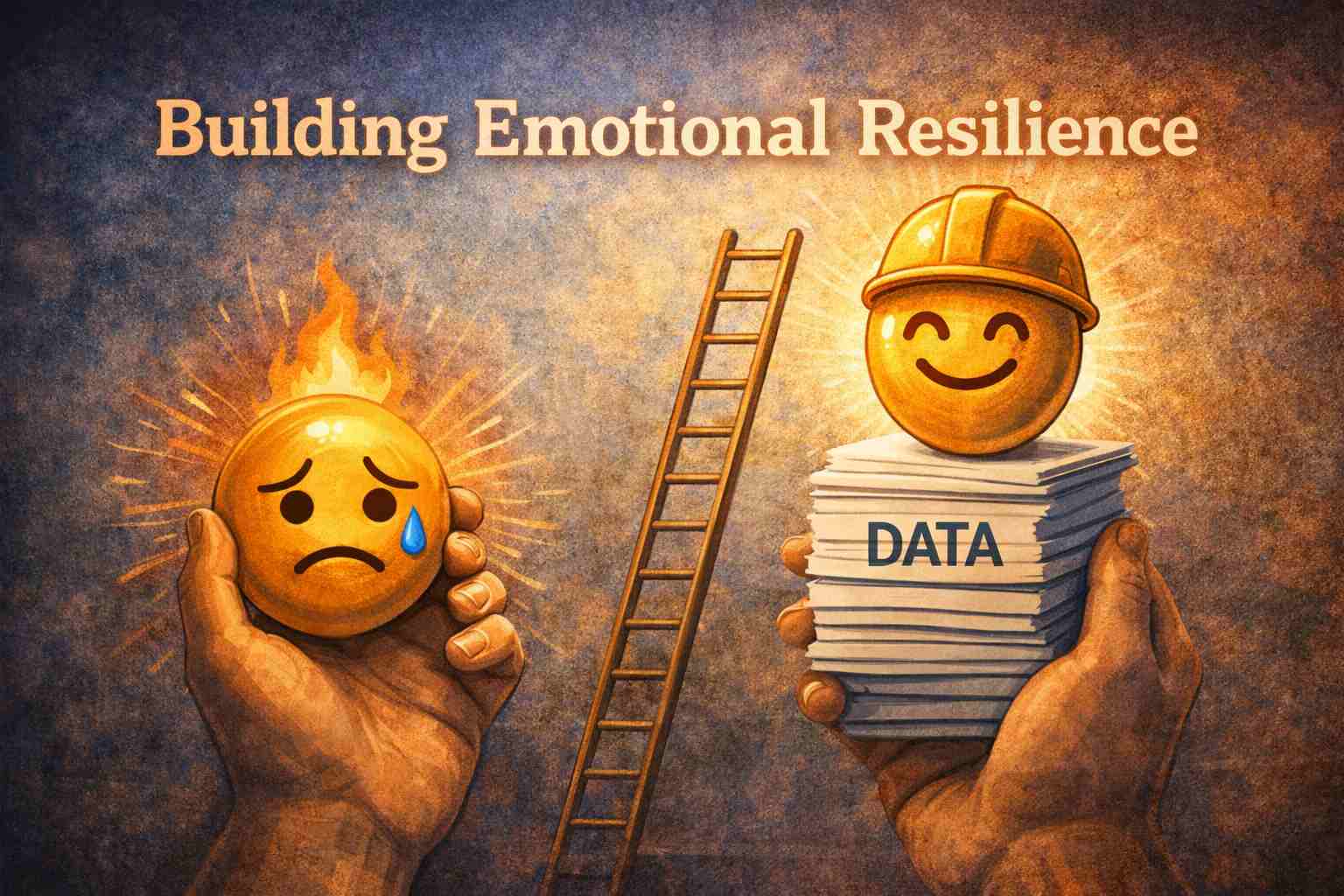
Discipline is not something traders magically wake up with. It develops through habits, self-awareness, and painful lessons.
The market has a brutal way of exposing emotional weakness. But traders who learn emotional control gain a major advantage.
Create Rules Before Emotions Appear
Emotions are strongest during live trading. That is why important decisions should be made before entering trades.
A solid trading plan acts like a guardrail on a dangerous mountain road. Without it, emotions can push traders off the edge quickly.
Daily Loss Limits Protect Accounts
Many experienced traders use daily loss limits. Once the limit is reached, trading stops completely.
This rule prevents emotional spirals from growing uncontrollably. It forces traders to step back and reset mentally.
Walking away after losses feels difficult at first. But it often prevents disaster.
Trading Journals Reveal Patterns
A trading journal exposes emotional habits honestly. Traders often discover repeating mistakes they never noticed before.
Patterns become obvious over time. Maybe losses trigger impulsive entries. Maybe frustration causes oversized trades.
Awareness creates opportunity for improvement. Ignoring emotional behavior only strengthens destructive habits.
Mindset Matters More Than Most Traders Think
Many traders obsess over indicators while ignoring psychology entirely. But mindset often separates profitable traders from struggling ones.
A weak mindset can destroy even excellent strategies.
Confidence Should Be Quiet
Healthy trading confidence is calm, not reckless. Loud confidence often hides insecurity or greed.
Strong traders do not need to prove themselves through oversized trades. They trust their process quietly.
That emotional stability creates consistency over time.
Humility Keeps Traders Alive
The market humbles everyone eventually. Traders who respect uncertainty survive longer.
Humility allows traders to admit mistakes quickly. Ego does the opposite. Ego keeps traders trapped in losing positions hoping the market will validate them.
The market does not reward stubbornness. It rewards discipline.
Why Long-Term Thinking Beats Emotional Trading

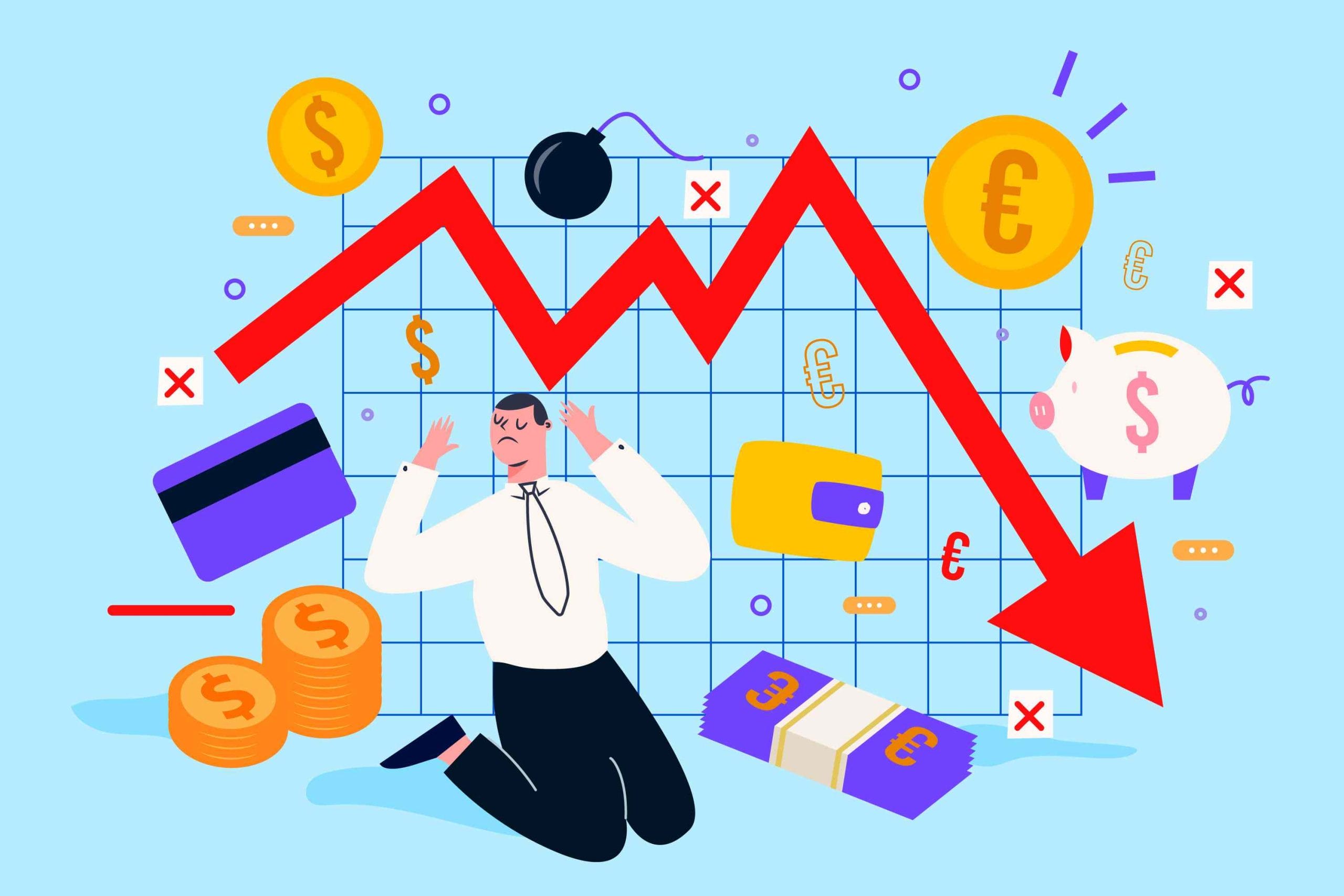
Forex trading attracts many people because of fast-money dreams. But chasing instant recovery often leads straight into disaster.
Long-term thinking changes the entire perspective.
Professional Traders Think Differently
Professionals focus less on individual trades and more on overall performance across months or years.
That mindset reduces emotional intensity. A single loss no longer feels devastating because it is viewed within a larger picture.
Consistency Beats Excitement
Exciting trading usually means dangerous trading. Huge emotional highs often come with painful crashes afterward.
Consistent traders may look boring online, but boring consistency builds accounts steadily.
The goal is not adrenaline. The goal is survival and growth.
Slow Growth Is Still Growth
Many traders underestimate the power of gradual progress. Small consistent gains compound over time.
Trying to double accounts rapidly often leads to blowing them entirely. Slow growth may test patience, but it protects longevity.
Trading is more marathon than sprint.
Protecting Capital Creates Opportunity
Every dollar preserved keeps future opportunities alive. Traders who destroy accounts lose the ability to participate when excellent setups appear later.
Capital protection creates freedom. Reckless risk-taking destroys it.
The Market Always Offers Another Chance
Missed trades and losing trades feel painful in the moment. But markets continue moving endlessly.
There will always be another setup tomorrow, next week, or next month.
Understanding this reduces desperation dramatically. Traders stop forcing recovery trades because they no longer fear missing out permanently.
Discipline Creates Real Confidence
True confidence does not come from one lucky trade. It comes from knowing you can survive difficult periods responsibly.
Disciplined traders sleep better. They trade calmer. They think clearer.
That quiet confidence becomes one of the most valuable assets in forex trading.
Final Thoughts
The temptation to double up losses in forex trading is powerful because it targets human emotion directly. Nobody enjoys losing money. Nobody likes feeling wrong. But the market punishes emotional reactions brutally.
Doubling losses may occasionally work temporarily, but it is rarely sustainable. It transforms manageable setbacks into dangerous situations. Over time, the habit destroys accounts, confidence, and emotional stability.
Successful traders learn a difficult truth early — survival matters more than ego. Small losses are normal. Patience is powerful. Discipline protects everything.
Forex trading is not about proving intelligence through aggressive recovery trades. It is about consistency, emotional control, and smart risk management. The traders who last longest are usually the ones who stay calm during losses instead of trying to fight the market emotionally.
The market will always test patience. It will tempt traders into reckless behavior repeatedly. But those who resist the urge to double up losses give themselves something incredibly valuable — a real chance at long-term success.
FAQs
1.Why is doubling up losses dangerous in forex trading?
Doubling up losses increases financial risk and emotional pressure at the same time. A few bad trades can quickly damage or completely wipe out a trading account.
2.What causes traders to revenge trade?
Revenge trading usually comes from frustration, fear, and ego after losing money. Traders try to recover losses emotionally instead of following logical strategies.
3.Can professional traders experience losing streaks?
Yes, even highly skilled professional traders experience losing streaks. The difference is they manage risk carefully and avoid emotional overreactions.
4.How can traders avoid emotional trading decisions?
Creating strict trading rules, maintaining consistent risk levels, using journals, and stepping away after losses can help reduce emotional decision-making.
5.Is slow account growth better than aggressive trading?
In most cases, yes. Slow and steady growth protects capital and creates long-term sustainability, while aggressive trading often leads to severe losses.