

The financial markets have always attracted dreamers. Some arrive with visions of quick wealth, while others hope to replace their day jobs with a few well-timed trades. The excitement is understandable. After all, the forex market moves trillions of dollars every day, creating opportunities that seem endless.
Yet beneath the excitement lies a harsh reality. Most traders focus so intensely on making money that they forget about the one thing that makes future profits possible: their capital. Without capital, even the best trading strategy becomes useless. It’s like trying to sail across an ocean without a boat. The destination may still exist, but the journey is already over.
The phrase “Guard your capital with all you’ve got” carries a powerful message. It reminds traders that survival comes before success. Before chasing profits, before looking for the next big opportunity, and before imagining massive account growth, there is one responsibility that must come first—protecting the money already in the account.
Why Capital Protection Matters More Than Profit
Many traders enter the market with the wrong priorities. They spend hours searching for indicators, strategies, and market predictions. They chase signals and obsess over entry points. Ironically, very few spend the same amount of time learning how to preserve their trading funds.
The market has a way of humbling people who overlook risk. It doesn’t care how confident a trader feels or how convincing a chart pattern appears. Unexpected events happen every day. Economic reports surprise investors, geopolitical tensions emerge without warning, and market sentiment can shift in minutes.
The Difference Between Professionals and Beginners
Professional traders often think differently from beginners. New traders tend to ask, “How much can I make?” Experienced traders usually ask, “How much can I lose?”
That subtle shift in thinking changes everything. Professionals understand that losses are inevitable. They know that no strategy wins every trade. Instead of trying to eliminate losses entirely, they focus on controlling them.
A beginner may view a losing trade as a personal failure. A professional sees it as a business expense. This mindset helps experienced traders remain calm during difficult periods while preserving their capital for future opportunities.
The Hidden Power of Staying in the Game
Imagine two traders. One doubles an account quickly but eventually loses everything through reckless risk-taking. The other grows more slowly but survives year after year.
Which trader ultimately wins?
The answer becomes obvious over time. Longevity often beats short-term brilliance. The trader who remains active can continue learning, adapting, and compounding returns. The trader who blows up an account has no capital left to work with.
Trading is not a sprint. It’s a marathon where survival is the first victory.
Markets Reward Patience
Financial markets constantly present opportunities. A missed trade today doesn’t mean the end of success tomorrow. There will always be another setup, another trend, and another chance.
Traders who understand this become less desperate. They stop forcing trades and start waiting for higher-quality opportunities. Their patience naturally helps protect capital.
The market is like a river. You don’t need to catch every fish swimming by. You only need to catch enough to stay profitable.
Capital Creates Flexibility
Money in a trading account is more than a balance. It represents future possibilities. Every dollar preserved today can be deployed tomorrow when conditions improve.
A heavily damaged account loses flexibility. Large drawdowns reduce buying power and increase emotional pressure. Recovery becomes significantly harder.
Protecting capital means protecting future choices. That alone makes risk management invaluable.
The Emotional Battle Behind Capital Preservation
Many trading losses are not caused by bad strategies. They are caused by emotions.
Fear, greed, frustration, and overconfidence often influence decisions more than traders realize. The market becomes a psychological battlefield where emotions quietly attack capital.
Greed Can Be a Silent Account Killer
Greed rarely announces itself openly. Instead, it whispers.
It encourages traders to increase position sizes after a winning streak. It convinces them to ignore risk limits because a trade looks “certain.” It creates the illusion that more profit is always just one trade away.
Unfortunately, greed often leads to oversized losses.
A trader who risks too much may enjoy larger gains temporarily, but eventually a losing trade arrives. When it does, weeks or months of progress can disappear in a matter of hours.
Fear Can Be Just as Dangerous

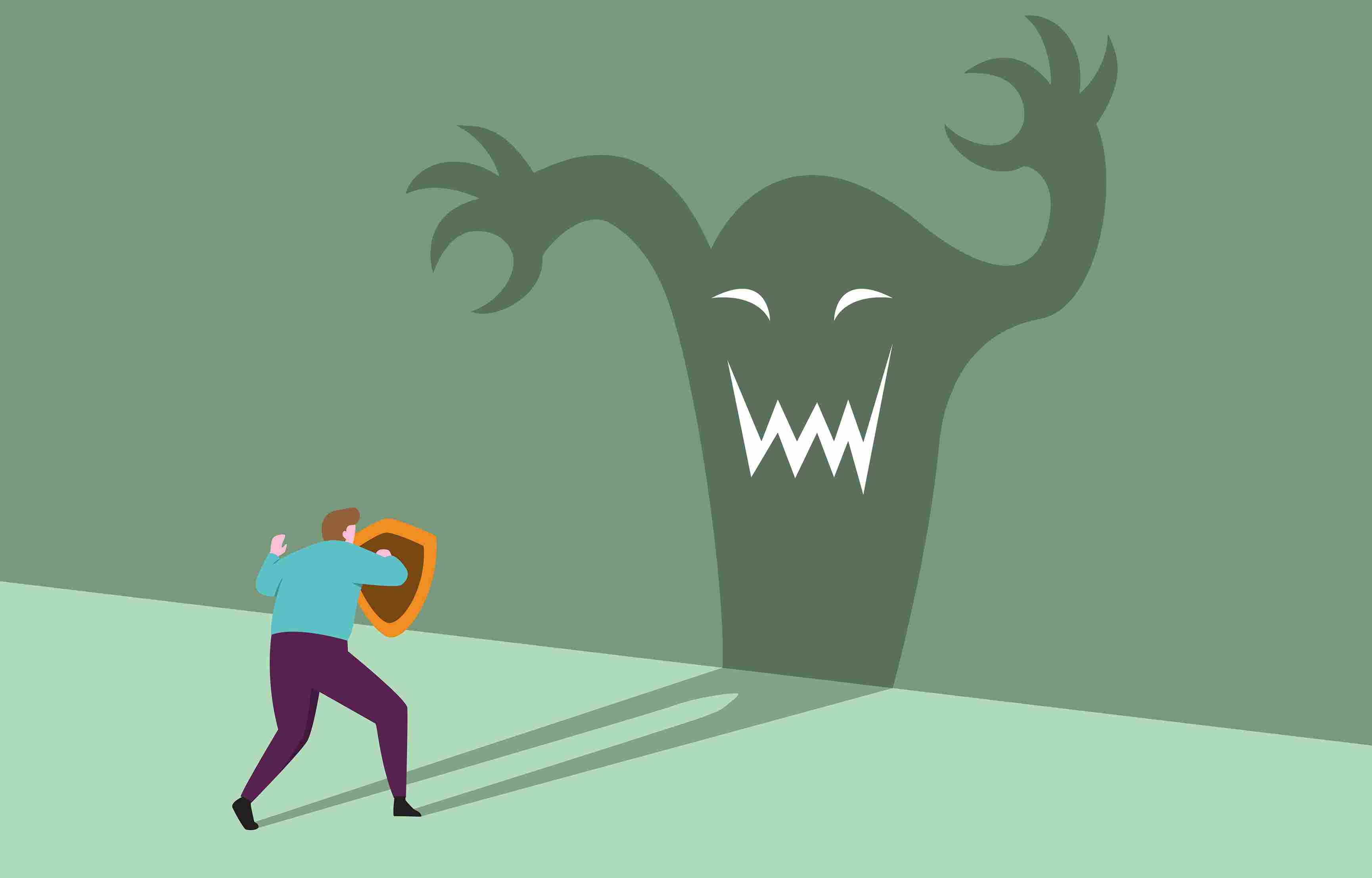
Fear creates a different problem. Traders may exit winning trades too early or hesitate to follow their plans.
Ironically, fear and greed often work together. A trader fears losing money yet becomes greedy enough to ignore risk when an attractive opportunity appears.
This emotional tug-of-war creates inconsistency. Decisions become reactive instead of disciplined.
The Cost of Revenge Trading
Every trader experiences losses. The problem arises when losses trigger emotional responses.
Revenge trading occurs when someone attempts to recover losses immediately through aggressive decisions. Instead of following a strategy, the trader begins chasing the market.
The result is usually more losses.
It’s similar to trying to escape quicksand by struggling harder. The extra effort often makes the situation worse.
Overconfidence Can Be Just as Destructive
Winning streaks create their own dangers.
After several successful trades, traders sometimes begin believing they have mastered the market. Risk limits start feeling unnecessary. Rules become flexible.
Then reality strikes.
The market doesn’t reward arrogance for long. Overconfidence often precedes some of the largest losses traders experience.
Building a Defensive Trading Mindset
Capital protection begins long before a trade is placed. It starts with a mindset.
A trader who values preservation naturally approaches opportunities differently. Every decision passes through a simple filter: “Does this protect my ability to trade tomorrow?”
Accepting That Losses Are Normal
One of the biggest mental breakthroughs in trading occurs when losses stop feeling personal.
Losses are not evidence of incompetence. They are part of the process. Even elite traders experience losing trades regularly.
Acceptance reduces emotional stress. Instead of fighting reality, traders begin working with it.
The goal is not perfection. The goal is consistency.
Discipline Over Excitement
Many people enter trading because it seems exciting. Charts move constantly, opportunities appear every hour, and financial markets never sleep.
Yet successful trading often feels surprisingly boring.
Discipline requires following plans repeatedly, even when emotions suggest otherwise. Excitement encourages impulsive decisions. Discipline protects capital.
Over time, boring habits often produce extraordinary results.
The Value of Trading Plans


A solid trading plan acts like a map during a storm.
Without a plan, traders drift wherever emotions push them. With a plan, decisions become structured and objective.
This structure reduces costly mistakes and increases consistency over time.
Consistency Beats Perfection
Many traders search endlessly for perfect systems.
The reality is that perfection doesn’t exist. Markets change constantly, making flawless performance impossible.
Consistent execution matters far more. A trader following a sound process can survive temporary setbacks while preserving capital.
Learning to Walk Away
Not every market condition deserves participation.
Sometimes the smartest trade is no trade at all.
Many traders struggle with this idea because activity feels productive. In reality, unnecessary trades often create unnecessary losses.
Knowing when to step aside is a powerful form of capital protection.
Recognizing Unfavorable Conditions
Certain market environments become unpredictable and difficult to navigate.
Periods of extreme volatility, conflicting signals, or unusual uncertainty can increase risk dramatically.
Experienced traders recognize these conditions and adjust accordingly. They understand that preservation matters more than constant action.
Cash Is Also a Position
Many people forget this simple truth.
Holding cash during uncertain periods is not weakness. It is a strategic decision.
Cash preserves capital, reduces stress, and provides flexibility for future opportunities.
Sometimes doing nothing is actually doing something very smart.
Patience Creates Better Opportunities
Waiting can feel uncomfortable.
However, patience often improves trade quality. By refusing mediocre setups, traders position themselves for stronger opportunities later.
Patience protects capital while improving overall decision-making.
Risk Management: The Shield Around Your Capital
Risk management is the practical application of capital protection.
While mindset forms the foundation, risk management provides the structure that keeps emotions from causing damage.
Small Losses Are Easier to Recover From

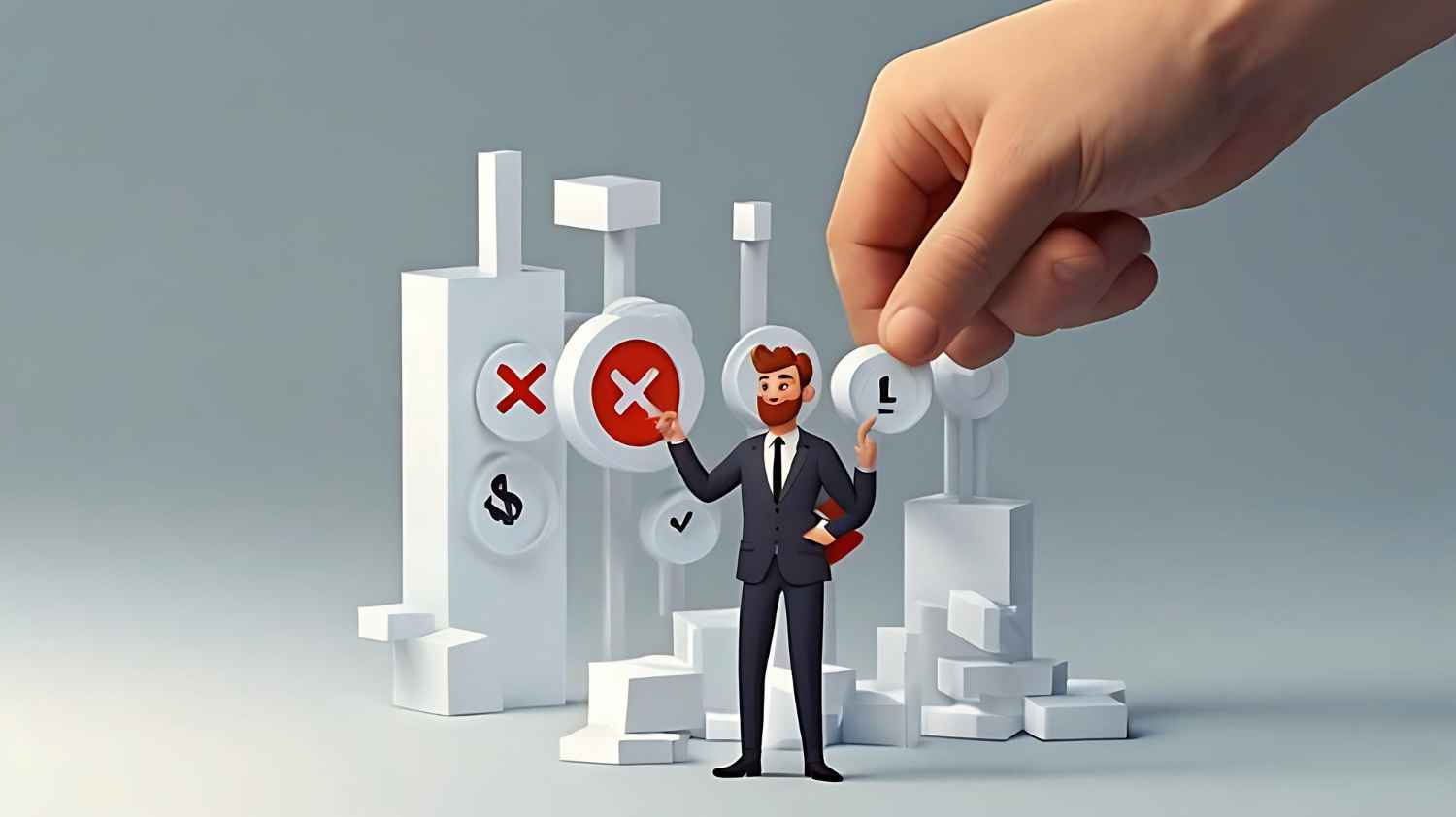
A small loss may feel frustrating, but it remains manageable.
Large losses create much bigger problems. The deeper an account falls, the harder recovery becomes.
For example, losing a modest portion of an account requires only a relatively small gain to recover. Larger drawdowns demand significantly higher returns.
This mathematical reality makes capital preservation essential.
The Importance of Controlled Exposure
Every trade carries uncertainty.
Even the strongest setup can fail. Because of this, exposure should always remain controlled.
Risk should never reach a level where a single outcome threatens long-term survival.
This approach may seem conservative, but it creates resilience.
Protecting Against Unexpected Events
Markets occasionally experience dramatic surprises.
Economic announcements, geopolitical developments, and sudden market shocks can create rapid price movements.
No trader can predict every event. Protection comes from limiting exposure before surprises occur.
Survival Is a Competitive Advantage
Many traders underestimate the power of simply surviving.
Accounts that remain intact retain the ability to benefit from future opportunities. Accounts that suffer catastrophic losses lose that privilege.
Survival creates options. Options create opportunities.
Avoiding the All-or-Nothing Mentality
Some traders approach markets like casinos.
They view trading as a chance to transform small amounts of money into fortunes overnight. While such stories occasionally exist, they are extremely rare.
More often, this mindset leads to excessive risk-taking and significant losses.
Long-term success usually comes from steady growth rather than dramatic gambles.
Thinking Like a Business Owner
Successful traders often view their activities as businesses rather than adventures.
Businesses focus on sustainability, efficiency, and long-term performance. They manage risk carefully because survival matters.
Trading capital should receive the same respect.
Every Dollar Has a Job


Capital is not just money sitting in an account.
It serves a purpose. It creates opportunities, supports growth, and provides flexibility.
Treating capital carelessly is like firing the employees responsible for generating future income.
Long-Term Growth Requires Protection
Growth and protection are not opposites.
In reality, they depend on one another. Sustainable growth becomes possible only when capital remains intact.
Without protection, growth eventually collapses under the weight of unnecessary risk.
The Psychology of Winning Through Preservation
Many people misunderstand success in trading.
They imagine giant gains, luxury lifestyles, and dramatic market victories. While profits certainly matter, true success often looks different.
It looks like consistency.
It looks like discipline.
Most importantly, it looks like preservation.
Confidence Comes From Control
Real confidence is not reckless.
It doesn’t involve taking huge risks or making emotional decisions. Real confidence comes from knowing losses remain manageable.
When traders trust their ability to protect capital, they become calmer and more focused.
That mental clarity often improves performance naturally.
The Freedom That Comes With Discipline
Protecting capital reduces emotional pressure.
Traders stop feeling desperate to recover losses or chase opportunities. They become more selective and objective.
This freedom improves decision-making and creates a healthier relationship with the market.
Less Stress, Better Decisions
Stress narrows perspective.
When traders fear major losses, they often make reactive decisions. Preserved capital reduces that fear.
A calmer mind sees opportunities more clearly and responds more effectively.
The Compounding Effect of Good Habits

Small habits accumulate over time.
Consistent discipline, careful risk management, and capital preservation create a powerful foundation for growth.
Like planting seeds in fertile soil, good habits eventually produce meaningful results.
Final Thoughts
The message “Guard your capital with all you’ve got” may sound simple, but it captures one of the most important truths in trading.
Capital is the lifeblood of every trading account. It provides opportunities, flexibility, and the ability to recover from setbacks. Without it, even the most promising strategy becomes irrelevant.
The traders who survive and thrive over the long term are rarely the ones chasing excitement. They are the ones protecting what they already have. They understand that losses are inevitable, emotions can be dangerous, and patience often beats aggression.
Markets will always offer new opportunities. Trends will emerge, prices will move, and fresh setups will appear. The challenge is ensuring that your capital remains available when those opportunities arrive.
Protect it fiercely. Respect it constantly. Guard it with all you’ve got.
FAQs
1.Why is capital preservation more important than making quick profits?
Capital preservation ensures you remain active in the market. Quick profits may be exciting, but losing your trading funds eliminates future opportunities. Protecting capital creates long-term sustainability.
2.Can a trader be successful even with frequent losing trades?
Yes. Many successful traders experience regular losses. The key is keeping losses controlled while allowing profitable trades to outweigh them over time.
3.How do emotions affect capital protection?
Emotions such as fear, greed, and overconfidence often lead to poor decisions. These emotional reactions can cause unnecessary losses and damage trading capital.
4.What is the biggest mistake traders make with risk management?
One of the biggest mistakes is risking too much on a single trade. Excessive exposure can result in significant losses that are difficult to recover from.
5.Does staying out of the market help protect capital?
Absolutely. Sometimes the safest and smartest decision is to avoid trading during uncertain conditions. Preserving capital during difficult periods can lead to better opportunities later.