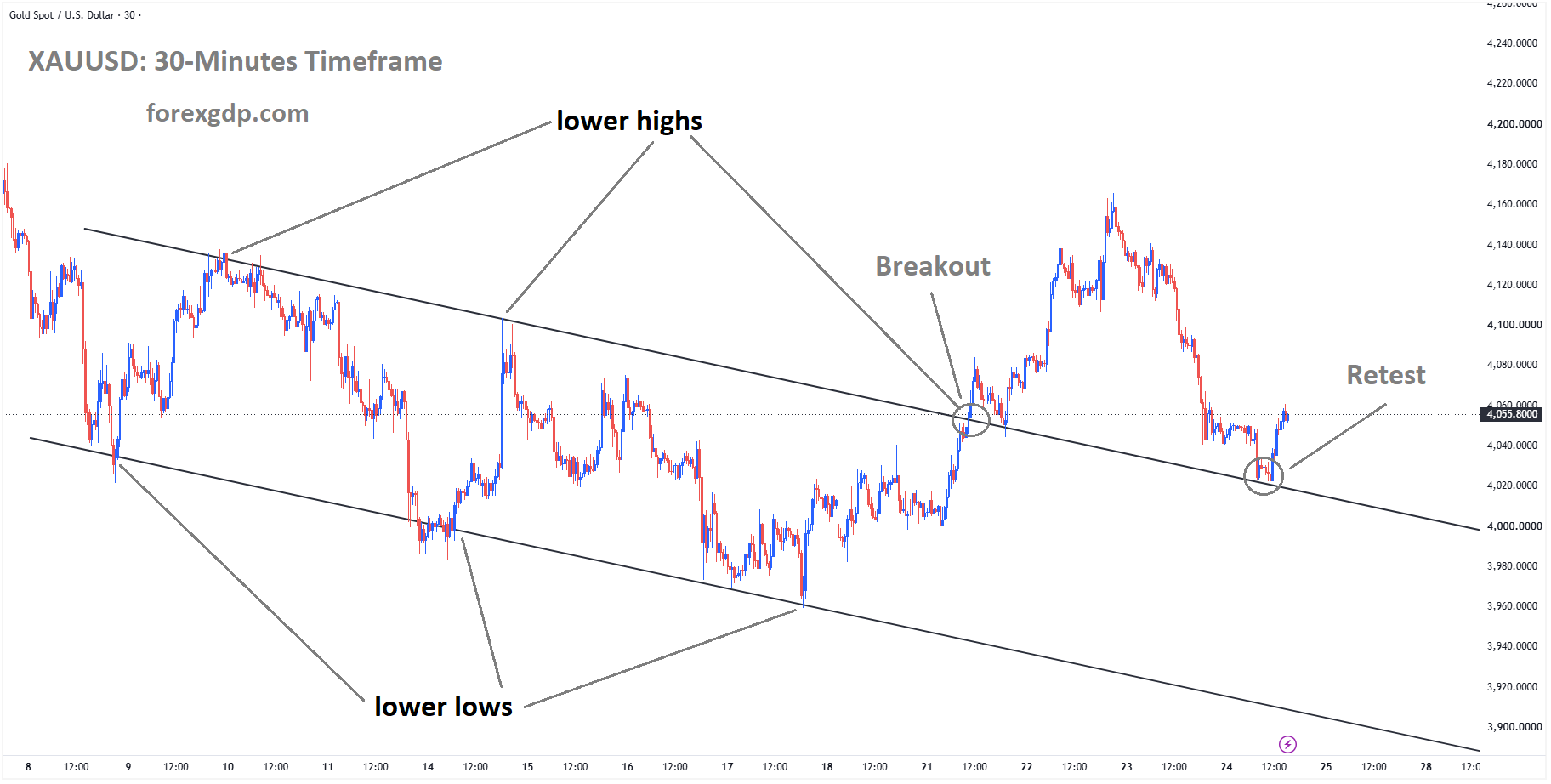
XAUUSD is rebounding from the retest area of the broken descending channel
Gold found some stability on Friday after experiencing a sharp sell-off in the previous trading session. Although the metal managed to recover from its recent weakness, buying interest remained cautious as investors continued to focus on rising inflation risks, central bank policy expectations, and growing geopolitical tensions.
The recent movement in Gold reflects a market that is balancing several powerful forces at once. While a softer US Dollar and lower Treasury yields have offered temporary support, concerns over higher inflation and the possibility of tighter monetary policy continue to weigh on overall sentiment.
Inflation Concerns Continue to Shape Market Direction
Inflation remains one of the biggest themes driving financial markets. Rising energy costs have renewed concerns that inflation could stay elevated for longer than many investors had hoped.
When inflation remains stubbornly high, central banks are often forced to keep interest rates higher or even consider additional policy tightening. This creates a challenging environment for Gold because higher interest rates generally make interest-bearing assets more attractive compared to precious metals.
Although Gold is often viewed as a store of value during uncertain times, expectations of prolonged higher interest rates have limited its ability to build strong upward momentum.
US Dollar Pullback Offers Temporary Support
One factor helping Gold stabilize was a slight decline in the US Dollar and US Treasury yields.
Gold usually performs better when the US Dollar weakens because it becomes more affordable for buyers using other currencies. Likewise, lower bond yields reduce the opportunity cost of holding Gold, making it relatively more attractive for investors.
However, this support has remained limited. Market participants continue to believe that inflation risks have not disappeared, keeping expectations for tighter monetary policy alive.
Federal Reserve Remains a Key Market Focus
Investors are closely watching the Federal Reserve for clues about its next policy move.
While the central bank is widely expected to leave interest rates unchanged at its upcoming meeting, many traders believe policymakers may still need to act later if inflation continues to remain above target.
This cautious outlook has prevented investors from becoming overly optimistic about Gold’s recovery. Every new piece of economic data now carries greater importance as markets try to determine whether inflation pressures are easing or becoming more persistent.
Trade Policies Add More Inflation Pressure
Inflation concerns have also been fueled by fresh trade measures introduced by the United States.
New tariffs on imports from several trading partners have increased worries that global supply chains could face additional pressure. Higher import costs often lead to increased prices for businesses and consumers, making inflation even more difficult to control.
These developments have strengthened the view that inflation may remain a longer-term challenge rather than a short-term issue.
Middle East Tensions Continue to Create Uncertainty
Geopolitical risks remain another major factor influencing investor sentiment.
Military activity involving the United States and Iran has intensified, with continued strikes and growing political uncertainty raising concerns across global markets. Statements from political leaders have added to fears that the situation could escalate further.
Whenever geopolitical tensions rise, financial markets usually become more cautious. Investors closely monitor these developments because they can quickly affect global trade, energy supplies, and overall economic confidence.
Energy Supply Risks Keep Oil Market in Focus

One of the biggest concerns linked to the ongoing conflict is the potential disruption of major global shipping routes used for transporting energy supplies.
If these important routes face prolonged disruptions, global energy markets could experience tighter supply conditions. This possibility has helped keep Oil prices elevated despite recent pullbacks.
Higher energy prices often increase production and transportation costs across many industries, creating additional inflation pressure that central banks must consider when making policy decisions.
For Gold, this creates mixed conditions. While geopolitical uncertainty can increase demand for safe-haven assets, inflation-driven expectations of higher interest rates can offset much of that support.
Safe-Haven Demand Has Remained Surprisingly Limited
Despite ongoing geopolitical uncertainty, Gold has not experienced the strong safe-haven buying that many investors typically expect during periods of conflict.
Market attention has shifted toward the economic impact of rising energy costs rather than focusing solely on political tensions. Investors appear more concerned about how higher inflation could influence future central bank decisions than about using Gold as a traditional defensive asset.
This shift in investor priorities has limited Gold’s ability to gain stronger upward momentum even during periods of heightened global uncertainty.
Investors Await Fresh Economic Data
The next major focus for financial markets will be upcoming US economic reports, including business activity data.
These releases often provide valuable insight into the overall health of the economy and may influence expectations regarding future Federal Reserve decisions.
Stronger economic data could reinforce the case for maintaining tighter monetary policy, while weaker numbers could reduce pressure on policymakers and potentially provide additional support for Gold.
As a result, traders are likely to remain cautious until fresh economic information offers a clearer picture of future market conditions.
Short-Term Outlook Remains Cautious
Gold has managed to recover from its recent decline, but uncertainty continues to dominate the broader outlook.
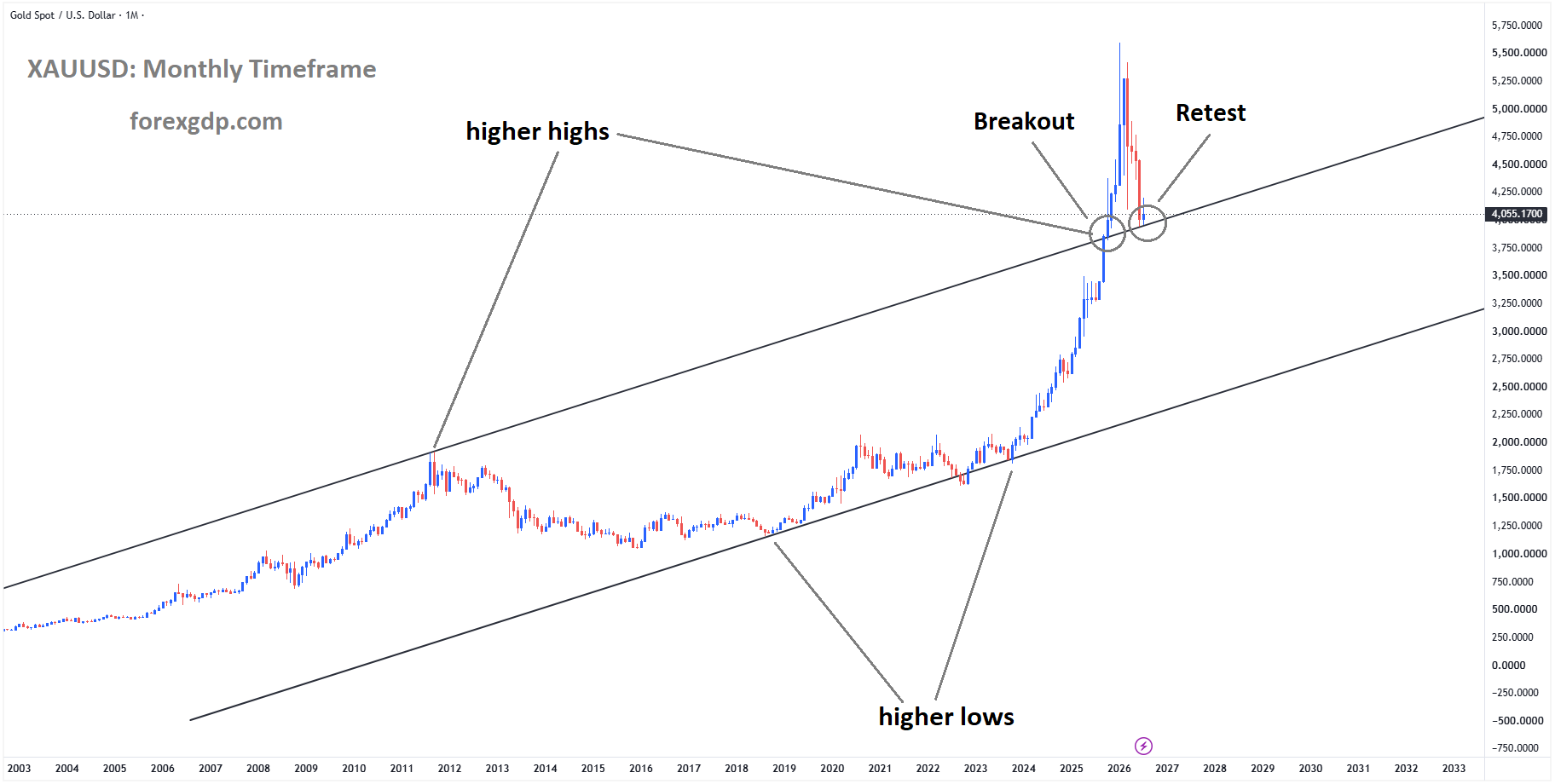
XAUUSD reached the retest area of the ascending channel
Inflation concerns, central bank policy expectations, trade tensions, and geopolitical risks are all competing for investors’ attention. While temporary weakness in the US Dollar has provided some support, it has not been enough to trigger a stronger recovery.
Market participants are expected to remain highly sensitive to both economic data and geopolitical developments in the days ahead, making volatility likely to continue.
Summary
Gold has found some stability after a sharp decline, but the broader market remains cautious. Inflation concerns continue to dominate investor thinking as higher energy costs, new trade measures, and ongoing geopolitical tensions keep pressure on global markets.
Although a softer US Dollar has helped support Gold in the short term, expectations surrounding future Federal Reserve policy continue to limit stronger gains. With important economic data approaching and global uncertainty still elevated, investors will continue watching both economic developments and international events for clearer direction.