

Careers don’t usually collapse overnight. They erode quietly. A little compromise here, a missed opportunity there, and before you know it, years have passed and you’re wondering how you ended up feeling stuck, underpaid, or invisible. Most people don’t fail because they lack talent. They fail because they repeat small mistakes so often that those mistakes become habits.
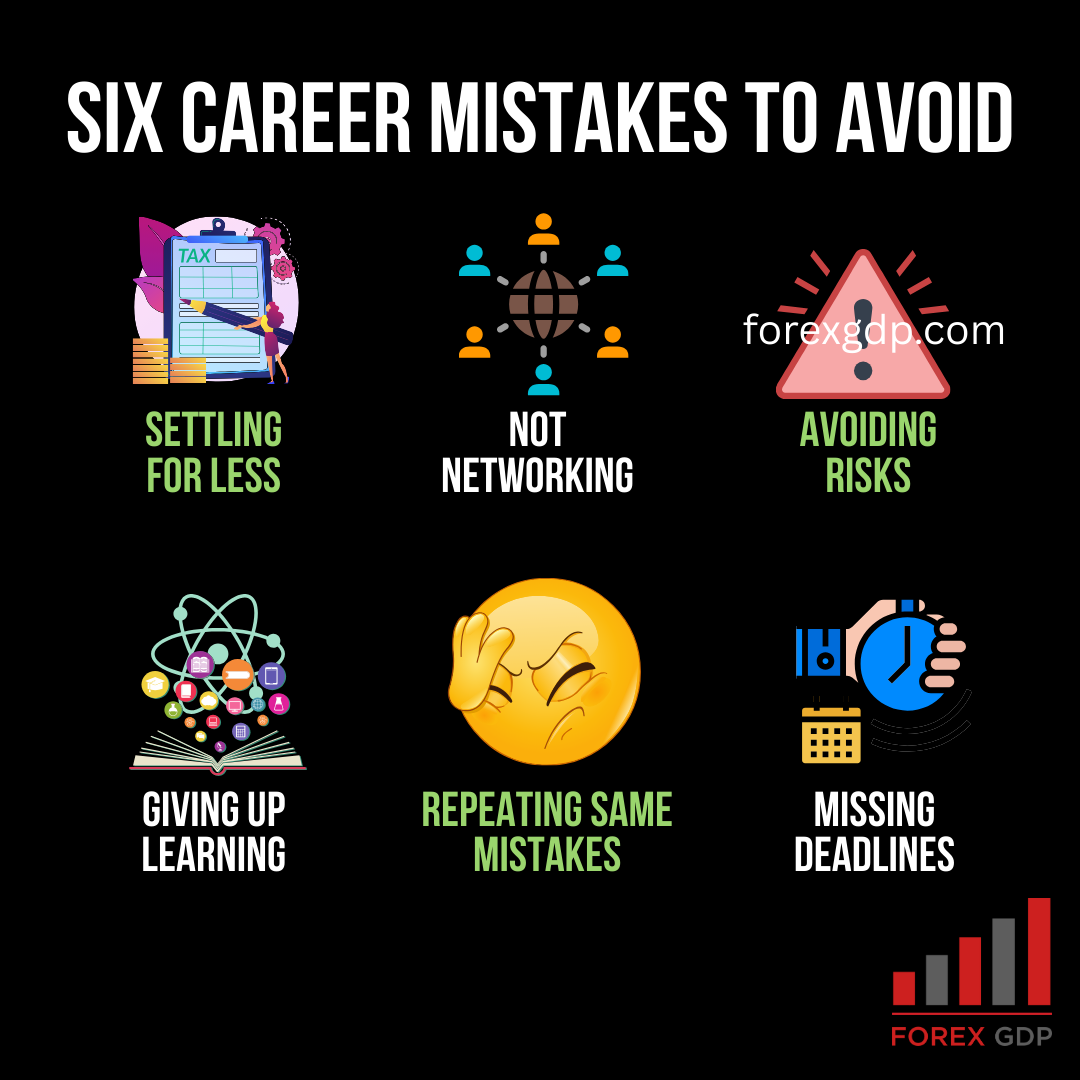
The image you saw highlights six career mistakes that quietly sabotage progress. None of them look dangerous at first. In fact, some even feel comfortable. That’s the trap. Let’s talk about them honestly, without sugarcoating, and without pretending careers are neat, linear journeys. They aren’t.
Settling for Less Than You Deserve
Why comfort can be more dangerous than failure
Settling rarely feels like giving up. It feels like being “practical.” You take the role that pays the bills even though it drains you. You accept the salary that feels slightly disappointing but safe. Comfort wraps itself around you like a warm blanket, and before long, ambition starts to feel like an inconvenience.
The real danger is time. Every year spent settling is a year not spent growing. Comfort dulls curiosity. It convinces you that asking for more is greedy or unrealistic, when in reality, growth always requires some discomfort.
The silent cost of undervaluing yourself
When you settle, you don’t just lose money. You lose confidence. Over time, you start to believe that this is all you’re worth. That belief leaks into how you speak, how you negotiate, and how you show up at work. Employers sense it. So do opportunities.
Undervaluing yourself teaches others to do the same. And once that reputation sticks, it’s incredibly hard to shake.
Fear disguised as gratitude
Many people confuse gratitude with self-sacrifice. You can be grateful and still want more. You can appreciate an opportunity without chaining yourself to it forever. Fear often wears the mask of humility, whispering that you should be thankful and quiet.
But careers reward clarity, not silence. Wanting growth doesn’t make you ungrateful. It makes you honest.
Not Networking (And Pretending Skills Alone Are Enough)
The myth of the lone achiever
We love stories about people who made it purely on talent. They sound heroic. They’re also incomplete. Behind almost every “self-made” success is a network of conversations, introductions, and relationships that opened doors.
Skills matter, but they don’t travel far on their own. People do.
Why opportunities rarely come from job boards
Most meaningful career opportunities never get posted publicly. They move quietly through conversations, recommendations, and trust. When you don’t network, you’re not just missing events. You’re missing access to information that could change your trajectory.
Networking isn’t about collecting contacts. It’s about staying visible in rooms where decisions happen.
Networking without feeling fake


A lot of people avoid networking because it feels awkward or transactional. But real networking isn’t about pitching yourself like a product. It’s about curiosity. Asking questions. Listening. Sharing ideas without an agenda.
When relationships are built on genuine interest, they don’t feel slimy. They feel human.
Avoiding Risks and Playing It Too Safe
Safety as a long-term liability
Playing it safe feels responsible, especially if you have obligations. But there’s a difference between calculated risk and permanent caution. When safety becomes your default setting, growth slows to a crawl.
Careers aren’t ladders anymore. They’re more like climbing walls. Sometimes you have to move sideways or even down to find a better grip.
How fear shrinks your future
Fear has a way of shrinking possibilities. You stop applying for roles you don’t meet every requirement for. You avoid speaking up because you might sound wrong. You stay where you are because the unknown feels scarier than dissatisfaction.
But fear doesn’t protect your future. It protects your present discomfort from changing.
Risk doesn’t mean recklessness
Taking risks doesn’t mean burning bridges or quitting without a plan. It means stretching beyond what feels familiar. It means saying yes before you feel ready. It means trusting that learning happens faster when stakes exist.
Growth lives just beyond the edge of certainty.
Giving Up on Learning Too Early
When experience becomes an excuse
Experience is valuable, but it can also become a crutch. Some professionals stop learning because they believe their years alone should carry them forward. Technology changes. Industries evolve. Roles shift. Experience without learning becomes outdated faster than most people expect.
The world doesn’t pause to respect seniority.
Curiosity as career fuel
The most resilient professionals aren’t the smartest in the room. They’re the most curious. They ask questions others are too proud to ask. They explore trends before those trends become requirements.
Learning keeps you adaptable. And adaptability is the real job security.
Learning beyond formal education


Learning doesn’t always mean degrees or certifications. It can be conversations, reading, experimentation, or observing how other people solve problems. Growth happens when curiosity stays alive.
The moment you think you’re done learning is the moment your career starts aging.
Repeating the Same Mistakes Over and Over
Patterns don’t disappear on their own
We all make mistakes. That’s normal. The problem starts when the same mistake shows up in different jobs with different faces. Bad managers. Toxic environments. Missed promotions. Burnout cycles.
At some point, patterns stop being bad luck.
The uncomfortable work of self-honesty
Repeating mistakes often means avoiding reflection. It’s easier to blame circumstances than to examine choices. But growth demands honesty. Why do you keep accepting the same red flags? Why do you avoid difficult conversations? Why do deadlines keep slipping?
Answers aren’t always flattering, but they’re necessary.
Learning requires action, not awareness
Awareness alone doesn’t break cycles. Change happens when behavior changes. That might mean setting boundaries, preparing differently, or making decisions slower instead of reacting emotionally.
Mistakes become lessons only when they change how you move forward.
Missing Deadlines and Undermining Trust
Why reliability beats brilliance
Talent gets attention, but reliability earns trust. Missing deadlines sends a message, even if unintended. It suggests disorganization, lack of respect, or poor prioritization. Over time, that perception overshadows skill.
People remember how you made their work harder.
Deadlines as professional promises


A deadline isn’t just a date. It’s a promise. When you miss it, you’re not just late. You’re breaking trust. Trust is fragile in professional settings, and once damaged, it’s difficult to repair.
Consistency builds credibility faster than occasional brilliance.
Time management as self-respect
Managing deadlines isn’t about productivity hacks. It’s about respecting your commitments and your own limits. Overcommitting creates stress and failure. Under committing with intention builds consistency.
Saying no at the right time protects your reputation later.
Why These Mistakes Often Travel Together
How one mistake feeds another
These mistakes rarely exist in isolation. Settling for less makes you avoid risks. Avoiding risks leads to stagnation. Stagnation kills motivation to learn. Lack of learning causes repeated mistakes. Repeated mistakes damage reliability.
It’s a chain reaction that quietly compounds.
Breaking the cycle intentionally
Change rarely comes from one dramatic decision. It comes from small, deliberate shifts. Asking for feedback. Saying yes to discomfort. Investing time in relationships. Owning mistakes quickly.
Momentum builds when intention replaces autopilot.
Progress over perfection
Careers aren’t won by perfect decisions. They’re shaped by consistent effort and course correction. You don’t need to fix everything at once. You just need to stop repeating the same patterns unconsciously.
Awareness is the first crack in the wall.
What Real Career Growth Actually Feels Like
Growth often feels messy
Real growth doesn’t feel like confidence all the time. It feels like doubt, stretch, and occasional regret. That doesn’t mean you’re failing. It means you’re expanding beyond old limits.
Comfort is quieter. Growth is louder.
Discomfort as a compass
Discomfort isn’t always a warning. Sometimes it’s a sign you’re moving in the right direction. New responsibilities, new environments, and new expectations all come with friction.
The goal isn’t comfort. It’s progress with purpose.
Choosing long-term fulfillment

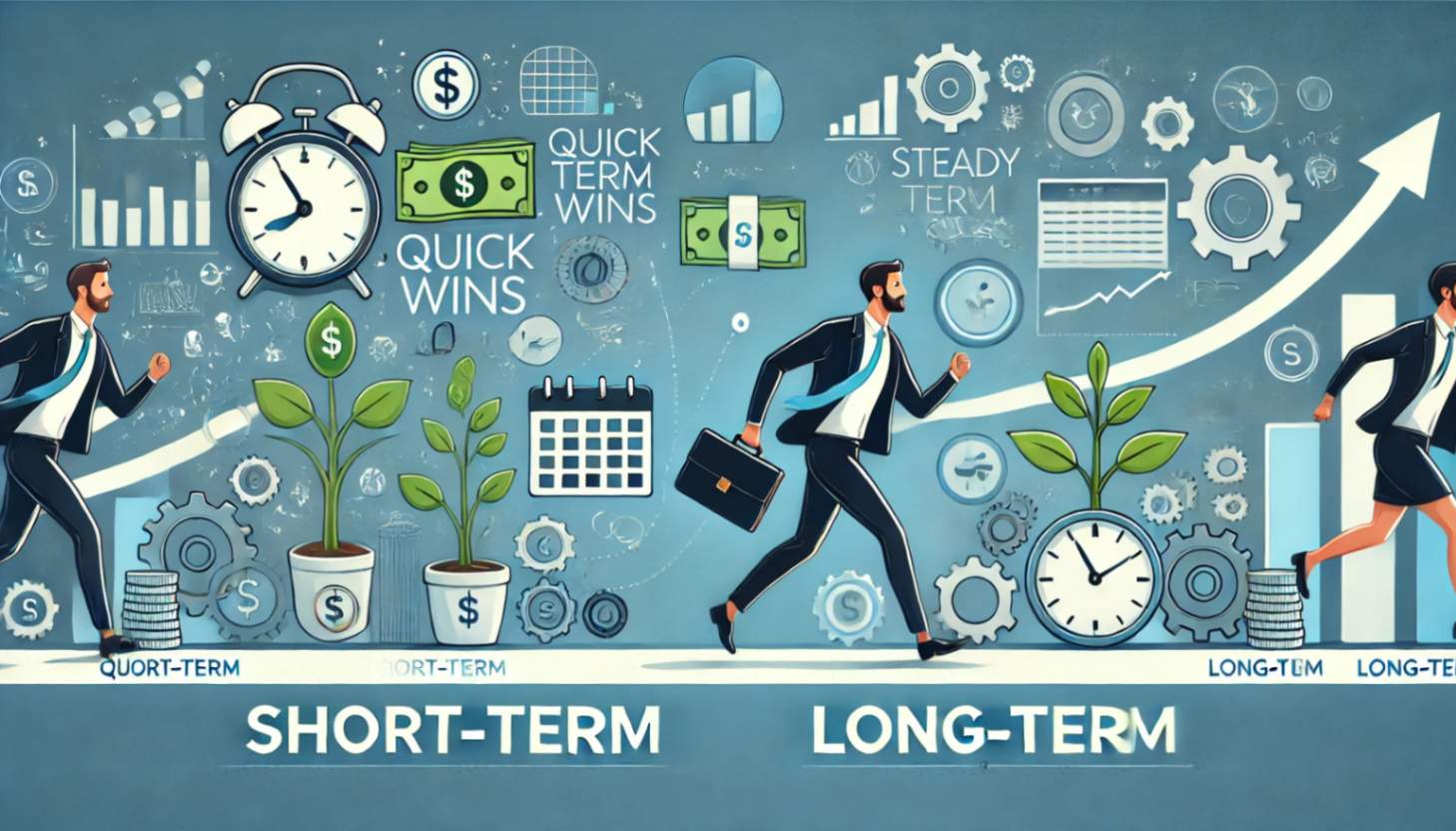
Short-term relief often comes at the cost of long-term fulfillment. Careers reward patience, reflection, and courage over time. The people who grow aren’t luckier. They’re more willing to stay uncomfortable a little longer.
That willingness compounds.
Final Summary
Careers don’t derail because of one bad decision. They drift because of repeated small choices made on autopilot. Settling for less, avoiding risks, skipping networking, stopping learning, repeating mistakes, and missing deadlines all chip away at momentum. None of these mistakes mean you’ve failed. They mean you’re human.
The good news is that awareness changes everything. Once you see the patterns, you can interrupt them. Growth doesn’t require perfection. It requires honesty, courage, and a willingness to move even when the path feels unclear.
Your career isn’t a fixed story. It’s a draft. And drafts can always be rewritten.
FAQs
Why do people settle for less in their careers even when they want more?
Because comfort feels safer than uncertainty, and fear often disguises itself as practicality.
Is networking really that important if I’m good at my job?
Yes. Skills open doors, but relationships decide which doors unlock first.
How can I take career risks without being reckless?
By planning thoughtfully, learning continuously, and choosing discomfort with intention instead of impulse.
What’s the biggest sign I’m repeating career mistakes?
When different jobs produce the same frustrations and outcomes despite changing environments.
How do deadlines affect long-term career growth?
They shape trust. Reliability often matters more than raw talent when opportunities are decided.