

The world of forex trading often looks glamorous from the outside. Social media feeds are flooded with screenshots of profits, luxury lifestyles, and promises of financial freedom. Yet behind every successful trader sits a quiet reality that rarely gets attention. Real success in trading has very little to do with luck, hype, or magical indicators. It has everything to do with process.
The phrase “Control the process. The results follow.” captures a truth that many traders learn only after painful losses. It sounds simple, almost too simple, but the deeper you go into trading, the more powerful it becomes. Markets move with chaos, emotions swing wildly, and uncertainty never leaves the room. In the middle of all that noise, process becomes the anchor.
Trading without a process is like driving through a storm without headlights. You may move forward for a while, but eventually the darkness catches up with you. A structured process does not guarantee instant profits, but it creates consistency. And consistency is what separates traders who survive from traders who disappear.
Why Most Traders Chase Results Instead of Process
Many beginners enter forex trading with one obsession: making money fast. They watch videos of traders turning small accounts into large fortunes overnight and believe the market owes them the same outcome. That mindset creates a dangerous cycle because it places all attention on results instead of habits.
The market has a cruel way of exposing impatience. Traders who focus only on profit usually take reckless trades, ignore risk, and constantly jump between strategies. They become emotionally attached to outcomes. A winning trade makes them overconfident, while a losing trade destroys their confidence.
The Illusion of Instant Success
Forex trading attracts dreamers, and there is nothing wrong with dreaming. The problem begins when dreams replace discipline. Too many traders believe success should happen quickly, almost like pressing a button and waiting for cash to fall from the sky.
Reality feels far less exciting. Trading is repetitive. It requires patience, analysis, and emotional control. That sounds boring to people who enter the market expecting nonstop adrenaline. Ironically, the traders who survive are usually the ones who accept the boring side of the process.
Social Media Creates Unrealistic Expectations
Scrolling through trading content online can feel like walking through a casino filled with winners. Nobody posts screenshots of sleepless nights, blown accounts, or emotional breakdowns after revenge trading. The internet often shows the reward while hiding the scars.
This creates pressure on beginners. They start comparing their journey to unrealistic standards and begin forcing trades just to catch up. Instead of following a system, they chase excitement. That chase usually ends in frustration.
Quick Profits Often Lead to Long-Term Failure
A trader who makes fast money without discipline can become more dangerous than a trader who loses early. Why? Because early luck creates false confidence. The trader starts believing they have mastered the market when they have actually mastered nothing.
The market eventually humbles everyone. Traders who rely on luck rather than structure often collapse the moment conditions change. Sustainable growth comes from controlled habits, not random victories.
Emotions Become the Real Enemy
Most people think the market is their opponent, but emotions are usually the true battlefield. Fear, greed, impatience, and frustration can quietly destroy even the smartest trading plan.
Without a clear process, emotions take control. Traders move stop losses, enter trades impulsively, and abandon strategies after a few losses. The market turns into an emotional roller coaster where every candle feels personal.
Fear Makes Traders Hesitate
Fear can freeze decision-making. A trader sees a perfect setup but hesitates because of previous losses. By the time they enter, the move is already gone. Then regret enters the picture.
That emotional cycle damages confidence. Instead of trusting the process, traders begin doubting every move. Fear slowly turns trading into mental torture.
Greed Pushes Traders Beyond Limits
Greed is equally destructive. A trader makes profit but refuses to close the trade because they want more. Suddenly the market reverses, and gains disappear.
It happens every day in forex trading. Greed whispers dangerous ideas into the mind. “Hold longer.” “Increase the lot size.” “You can double the account today.” Those whispers often end with painful losses.
The Power of Controlling the Process


A process-driven trader approaches the market differently. Instead of obsessing over individual outcomes, they focus on repeating high-quality decisions. They understand that no single trade defines success.
This mindset creates emotional stability. When traders stop treating every trade like a life-changing event, they think more clearly. Trading becomes less dramatic and more professional.
Consistency Builds Confidence
Confidence in trading should never come from profits alone. Profit can disappear quickly. Real confidence comes from knowing you can follow your plan even during difficult periods.
A trader with a process understands that losses are part of the game. They do not panic after a losing streak because they trust the long-term edge of their strategy.
Small Habits Create Big Results
The market rewards discipline more than brilliance. Simple habits like waiting for confirmation, managing risk, and reviewing trades may not look impressive, but they create long-term stability.
Think of trading like fitness training. One workout will not transform the body overnight. However, consistent training over time changes everything. Trading works the same way. Daily discipline compounds quietly.
Patience Separates Professionals from Gamblers
Professional traders often spend more time waiting than trading. That sounds strange to beginners who believe constant action equals productivity.
Patience protects traders from emotional mistakes. Instead of forcing setups, disciplined traders wait for conditions that match their strategy. They understand that the best opportunities rarely appear every hour.
Risk Management Changes Everything
Many traders search endlessly for the perfect entry strategy while completely ignoring risk management. That approach is backwards. Even average strategies can become profitable with strong risk control.
Risk management acts like a seatbelt in trading. You may not think about it when conditions are calm, but it becomes lifesaving during chaos.
Protecting Capital Comes First
A trader who loses all their capital loses the opportunity to continue learning. Survival matters more than fast profits.
This is where many traders fail. They risk too much on single trades because they want quick results. One emotional decision can wipe out months of progress.
Losses Are Part of the Business
No trader wins every trade. Even the best traders experience losing streaks. The difference is that professionals accept losses calmly instead of taking them personally.
Losses are business expenses in forex trading. When traders understand this reality, they stop reacting emotionally to every setback. That emotional maturity creates resilience.
Building a Trading Mindset That Lasts


The forex market tests psychology more than intelligence. Many highly educated people fail in trading because they cannot control their emotions. Meanwhile, disciplined traders with average technical knowledge often perform better.
Mindset determines how traders respond under pressure. A strong process creates emotional balance, while a weak process creates panic.
Discipline Beats Motivation Every Time
Motivation feels powerful in the beginning. A trader watches inspiring content, feels excited, and promises to stay focused forever. But motivation fades quickly.
Discipline survives when motivation disappears. It keeps traders consistent even on difficult days when emotions feel heavy and confidence feels weak.
Routine Creates Stability
A structured trading routine reduces emotional chaos. Traders who prepare before entering the market usually make better decisions because they operate with clarity instead of impulse.
Routine also reduces stress. When traders know exactly what they are looking for, they avoid random decision-making. The process becomes smoother and more controlled.
Overtrading Destroys Mental Energy
Many traders believe more trades equal more profit. In reality, overtrading often destroys both confidence and capital.
Every trade carries emotional weight. Too much exposure creates exhaustion and frustration. A disciplined trader understands that sometimes the best trade is no trade at all.
Self-Awareness Improves Decision-Making
The market constantly reflects emotions back at traders. Impulsive personalities often struggle with revenge trading. Fearful personalities hesitate too much. Self-awareness helps traders identify these patterns.
A trader who understands their emotional weaknesses gains a major advantage. They stop fighting blindly and start making intentional improvements.
Journaling Reveals Hidden Patterns
Keeping a trading journal may sound tedious, but it exposes valuable truths. Traders begin noticing emotional habits they previously ignored.
For example, a trader may realize most losses happen after frustration or lack of sleep. That awareness allows them to make adjustments before bad habits grow stronger.
Humility Keeps Traders Grounded
The forex market punishes arrogance quickly. Traders who believe they cannot lose often take reckless risks.
Humility creates caution. It reminds traders that the market owes nobody anything. That mindset encourages careful decision-making instead of emotional gambling.
Why Long-Term Thinking Matters in Forex Trading


Many traders sabotage themselves because they think only about today. They obsess over daily profits while ignoring long-term growth.
Short-term thinking creates emotional instability. Every small loss feels catastrophic because traders place too much importance on immediate outcomes.
Trading Is a Marathon, Not a Sprint
Forex trading rewards endurance more than speed. A trader who survives for years usually outperforms traders who burn out after chasing quick profits.
Long-term thinking changes perspective. Instead of trying to become rich overnight, disciplined traders focus on gradual improvement.
Compounding Rewards Patience
Small consistent gains may not look exciting at first, but they build momentum over time. Compounding transforms disciplined trading into something powerful.
The challenge is psychological. Humans naturally crave fast rewards. Waiting patiently feels uncomfortable, especially in a world obsessed with instant success.
Burnout Comes from Unrealistic Pressure
Traders who demand perfection from themselves often experience emotional exhaustion. They stare at charts endlessly, overanalyze every movement, and panic over losses.
That pressure eventually becomes toxic. Trading should involve focus, but it should not consume a person’s mental health completely.
Adaptability Keeps Traders Alive
The forex market constantly changes. Strategies that perform well today may struggle tomorrow. Traders who refuse to adapt often get left behind.
However, adaptability does not mean abandoning a process every week. It means adjusting thoughtfully while maintaining discipline.
Rigid Thinking Creates Problems
Some traders become emotionally attached to strategies. Instead of accepting changing market conditions, they force the same approach repeatedly.
That stubbornness creates frustration. Successful traders stay flexible enough to recognize when adjustments are necessary.
Learning Never Truly Ends
Even experienced traders continue studying the market. They review mistakes, test ideas, and refine their approach over time.
The moment a trader believes they know everything is usually the moment growth stops. Curiosity keeps the process evolving.
The Emotional Reality Behind Forex Success
Trading discussions often focus heavily on technical analysis, indicators, and strategies. Yet emotional endurance rarely receives enough attention.
There are difficult moments in trading that no chart can prepare someone for. Losing streaks test patience. Missed opportunities create regret. Unexpected market moves create frustration.
Handling Failure Without Falling Apart

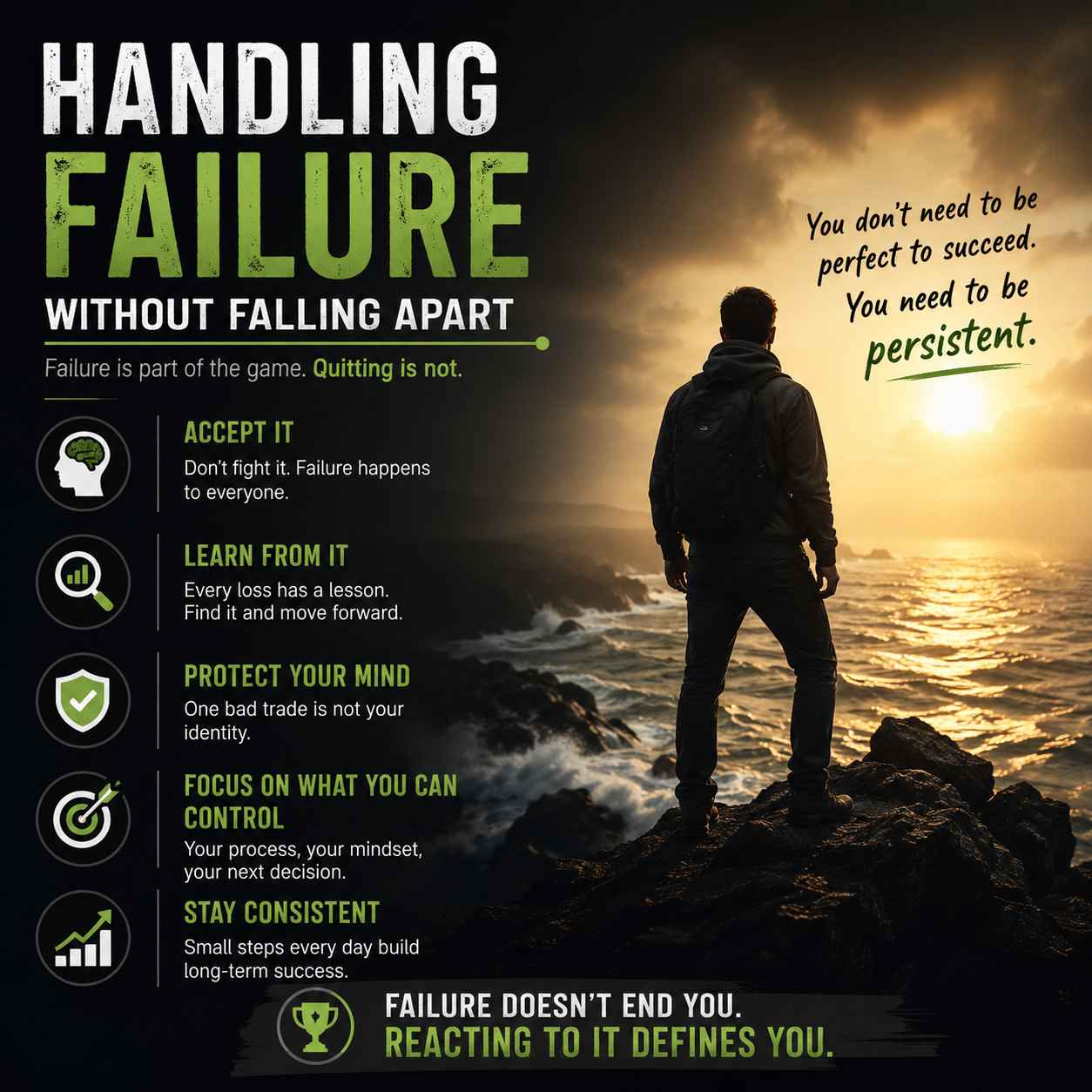
Every trader experiences failure. The difference lies in how they respond to it. Some traders collapse emotionally after setbacks, while others use failure as feedback.
Failure becomes dangerous only when traders allow it to define their identity. One bad trade does not mean someone is a bad trader.
Revenge Trading Creates More Damage
Few things destroy accounts faster than revenge trading. A trader loses money, becomes angry, and immediately jumps into another trade hoping to recover losses.
That emotional reaction usually leads to even bigger mistakes. Anger clouds judgment. Process disappears. Chaos takes over.
Acceptance Creates Emotional Strength
The market cannot be controlled completely. Traders who accept uncertainty handle pressure more effectively.
Acceptance creates peace of mind. Instead of fighting every market movement emotionally, disciplined traders focus only on executing their process correctly.
Confidence Must Be Earned Slowly
True confidence grows from experience, not hype. It develops through repetition, discipline, and emotional control.
Traders who build confidence slowly usually become more stable because their belief is rooted in process rather than ego.
Ego Can Destroy Progress
A profitable streak sometimes becomes dangerous because traders start believing they are invincible. Ego encourages reckless behavior.
The market has a brutal way of punishing overconfidence. Traders who ignore risk during winning periods often lose heavily later.
Emotional Balance Creates Clarity
Balanced traders think more clearly under pressure. They avoid emotional extremes because they understand the market will always involve uncertainty.
This emotional stability improves decision-making dramatically. Instead of reacting impulsively, disciplined traders remain calm and focused.
How Process Creates Freedom Beyond Trading
Interestingly, the lessons learned through forex trading often extend far beyond the market itself. Discipline, patience, emotional control, and consistency become valuable in everyday life.
People often enter trading searching for financial freedom, but many discover something deeper. They learn how to manage emotions under pressure and develop resilience through uncertainty.
Patience Improves Everyday Decisions
Modern life encourages impulsive behavior. Everything moves quickly, and people constantly seek immediate rewards. Trading exposes the danger of that mindset.
A disciplined trading process teaches patience in a very real way. Traders begin understanding that meaningful progress usually happens slowly.
Delayed Gratification Becomes Powerful

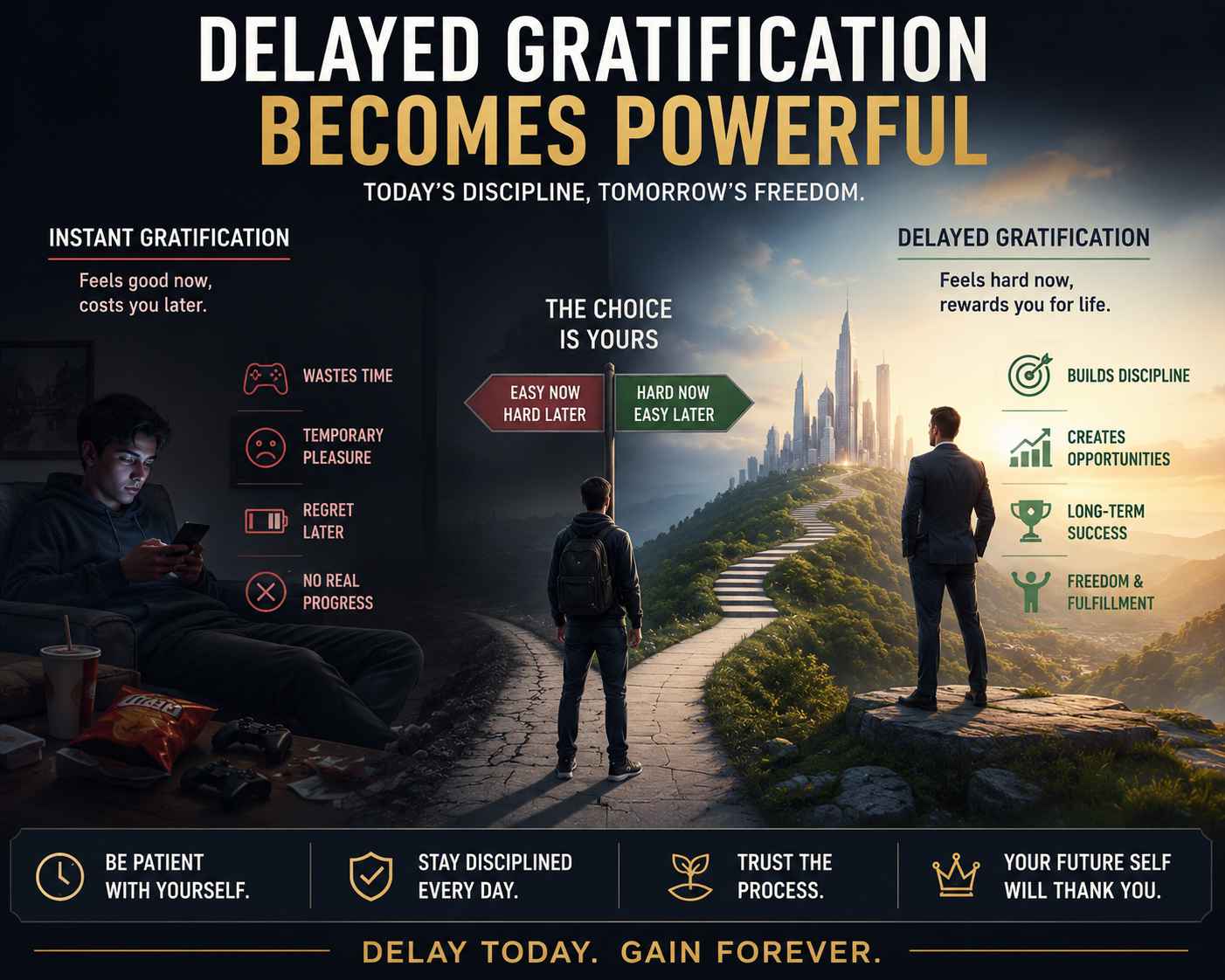
Waiting for quality opportunities in trading strengthens patience outside the market as well. People become less reactive and more intentional.
That shift changes decision-making in business, relationships, and personal growth. Patience creates clarity.
Emotional Control Builds Resilience
Trading forces people to confront uncomfortable emotions regularly. Fear, frustration, and disappointment become impossible to ignore.
Over time, disciplined traders learn how to respond calmly instead of reacting emotionally. That resilience becomes valuable far beyond financial markets.
Process Creates Inner Stability
Life itself contains uncertainty, much like the forex market. People cannot control every outcome, but they can control preparation, discipline, and attitude.
That realization becomes incredibly freeing. Instead of obsessing over results constantly, people learn to focus on effort and consistency.
Control What You Actually Can
Many traders waste energy trying to predict every market movement perfectly. That obsession creates stress because certainty does not exist.
The healthier approach is focusing on controllable factors like discipline, preparation, and risk management. Ironically, this mindset often improves results naturally.
The Journey Shapes the Trader
Success in forex trading is not only about profit. The process itself changes people. It teaches humility, patience, and emotional awareness.
Those lessons often become more valuable than money alone. A disciplined trader develops mental strength that carries into every part of life.
Final Thoughts on Process and Results
The phrase “Control the process. The results follow.” may sound simple, but it contains a powerful truth that many traders overlook. Forex trading is filled with uncertainty, emotional pressure, and constant temptation. In that environment, process becomes the foundation that keeps traders grounded.
Results matter, of course. Nobody enters trading hoping to lose money. But obsessing over results without building discipline usually leads to frustration. Sustainable success grows from consistent habits, emotional control, patience, and thoughtful risk management.
The market rewards traders who respect the process. It punishes those who chase shortcuts. While social media celebrates quick wins and flashy lifestyles, real trading success is often quiet and repetitive. It comes from showing up consistently, following rules, and staying emotionally balanced during both wins and losses.
At the end of the day, forex trading reflects life itself in many ways. People cannot control every outcome, but they can control preparation, discipline, mindset, and effort. When those pieces align, results tend to follow naturally over time.
FAQs
1.Why is process more important than profits in forex trading?
A strong process creates consistency and emotional stability. Profits can fluctuate in the short term, but disciplined habits help traders survive long enough to grow sustainably.
2.How can beginners improve emotional control while trading?
Beginners can improve emotional control by following a clear trading plan, using proper risk management, keeping a trading journal, and avoiding impulsive decisions.
3.Why do many traders fail despite having good strategies?
Many traders fail because emotions override their strategy. Fear, greed, impatience, and overconfidence often cause traders to abandon discipline.
4.What role does patience play in forex trading?
Patience helps traders avoid low-quality setups and emotional trades. Waiting for strong opportunities usually leads to better decision-making and reduced stress.
5.Can forex trading improve personal discipline outside the market?
Yes. Trading often teaches patience, emotional awareness, resilience, and consistency. Those qualities can positively influence decision-making in everyday life as well.