

In a world that celebrates constant hustle, endless screen time, and the idea of pushing harder every minute of the day, taking a break can feel almost rebellious. Many people, especially traders, entrepreneurs, and ambitious professionals, believe that success comes from staying glued to their work for as long as possible. The reality tells a different story.
The simple message, “Take breaks to protect your edge,” carries more wisdom than it first appears. Your edge is not just your strategy, knowledge, or experience. It is your ability to think clearly, make sound decisions, stay emotionally balanced, and perform consistently when it matters most.
Without proper breaks, even the sharpest mind starts to dull. Just as a blade loses its effectiveness without maintenance, the human brain loses its effectiveness when it never gets a chance to recover. Breaks are not signs of weakness. They are tools for preserving strength.
Understanding What Your Edge Really Means
Many people think their edge comes solely from technical skills or expertise. While knowledge certainly matters, performance is often determined by something much deeper.
Your edge is the combination of focus, discipline, emotional control, patience, and confidence. These qualities allow you to perform at your highest level when pressure builds and uncertainty increases.
The challenge is that these qualities are not unlimited resources. They can be depleted over time when they are constantly used without recovery.
Mental Energy Is a Limited Resource
The brain consumes a tremendous amount of energy throughout the day. Every decision, calculation, conversation, and problem-solving task drains a small portion of your mental reserves.
When people become mentally exhausted, they often fail to recognize it immediately. Instead, fatigue appears in subtle ways. Decisions take longer. Small mistakes become more common. Concentration starts slipping.
A tired mind is like a smartphone running on low battery mode. It still functions, but not at full capacity. Eventually, performance suffers whether you notice it or not.
Mental energy requires regular recharging. Breaks provide exactly that opportunity.
Performance Declines Without Recovery
Many professionals believe they can simply push through exhaustion. Sometimes they can for a short period. The problem arises when this becomes a habit.
Imagine driving a high-performance sports car at maximum speed for hours without stopping. The engine overheats, the tires wear down, and the risk of failure increases dramatically.
The human brain operates similarly. Continuous pressure without recovery creates mental wear and tear. Eventually, even simple tasks begin feeling difficult.
Taking strategic breaks prevents this decline before it becomes a problem.
Small Fatigue Creates Big Consequences
Minor fatigue often feels harmless. You may think you’re only a little tired or slightly distracted. However, small lapses can create major consequences.
A missed detail, a poor judgment call, or an emotional reaction can have lasting effects. This is especially true in environments where decisions carry financial or professional consequences.
Breaks help catch fatigue before it silently turns into costly mistakes.
Consistency Beats Constant Intensity
Many people confuse consistency with nonstop effort. In reality, consistency comes from sustainable performance.
The athlete who trains intelligently often outperforms the athlete who overtrains. The same principle applies to work and trading.
A well-rested person who performs effectively every day usually achieves more than someone who burns brightly for a short time and then crashes.
Your Mind Needs Space to Think


Great decisions rarely emerge from mental chaos. They emerge from clarity.
When the brain is overloaded with information, it becomes harder to separate important signals from background noise. Problems seem larger. Opportunities become harder to recognize.
Stepping away creates mental space. It allows ideas to settle and patterns to emerge naturally.
Many people have experienced a solution appearing while taking a walk, showering, or enjoying a quiet moment. That’s not a coincidence. It is the brain benefiting from temporary distance.
Creativity Thrives During Breaks
Innovation rarely happens when someone is staring intensely at a screen for twelve straight hours.
The brain often connects ideas during periods of relaxation. This process allows creativity to flourish without forced effort.
Some of the world’s best ideas have emerged during moments that looked unproductive from the outside.
Perspective Returns After Distance
Have you ever stared at a problem for so long that you became completely stuck?
Then, after taking a short break, the answer suddenly seemed obvious.
Distance changes perspective. What felt complicated often becomes simpler after stepping away. Breaks create that valuable distance.
The Hidden Cost of Never Taking Breaks
Many high performers fear slowing down because they worry about losing momentum. Ironically, avoiding breaks often destroys momentum altogether.
Exhaustion accumulates quietly. By the time most people recognize it, the damage has already begun.
Decision Fatigue Becomes a Silent Enemy
Every day, people make hundreds of decisions. Some are small. Others have significant consequences.
The quality of these decisions depends heavily on mental freshness. As fatigue increases, decision quality tends to decrease.
This phenomenon, known as decision fatigue, can affect anyone regardless of intelligence or experience.
Poor decisions rarely announce themselves immediately. They often reveal their consequences later.
Emotional Control Starts to Slip
One of the first casualties of exhaustion is emotional regulation.
When people are rested, they tend to respond calmly to challenges. When they are fatigued, they become more reactive.
Small frustrations feel larger. Setbacks feel more personal. Stress becomes harder to manage.
This emotional instability can lead to impulsive actions that would normally be avoided.
Stress Magnifies Small Problems
A clear mind can evaluate problems objectively. A tired mind often exaggerates them.
Minor setbacks suddenly appear catastrophic. Temporary difficulties seem permanent.
This distorted perception increases anxiety and reduces confidence.
Breaks help restore emotional balance before stress gains too much influence.
Impulsive Decisions Increase

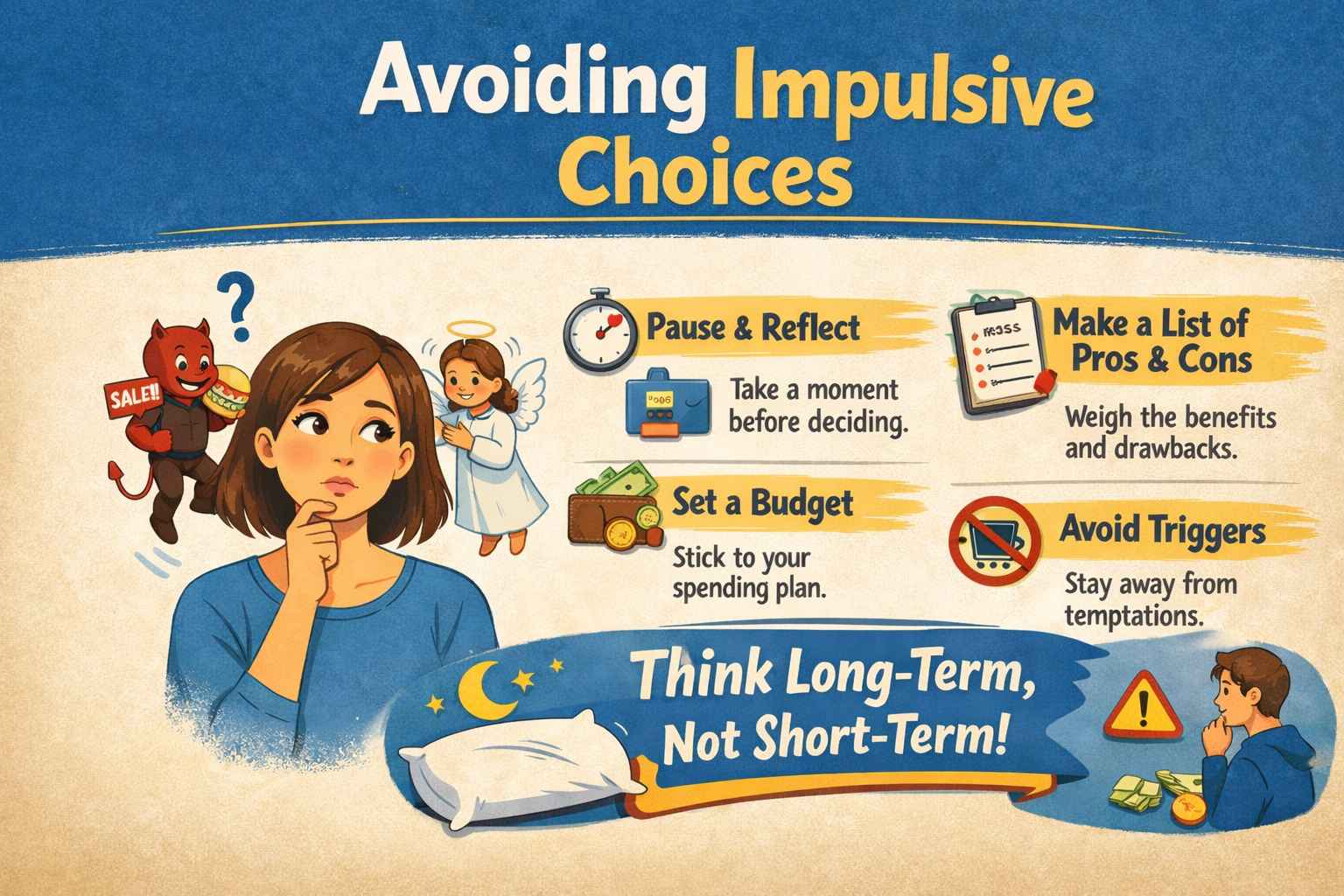
Fatigue weakens self-control.
People become more likely to chase quick solutions, abandon plans prematurely, or react emotionally rather than strategically.
Whether in business, trading, or everyday life, impulsive decisions rarely produce the best outcomes.
Burnout Does Not Arrive Overnight
Burnout is rarely caused by one difficult day. It develops gradually through weeks or months of sustained pressure.
At first, motivation decreases slightly. Then enthusiasm fades. Eventually, even simple tasks feel overwhelming.
Many people ignore the warning signs because they believe working harder will solve the problem.
Unfortunately, burnout often requires far more recovery time than regular fatigue.
Recovery Takes Longer Than Prevention
Preventing burnout is much easier than recovering from it.
A fifteen-minute break today may prevent weeks of reduced productivity later.
Just as regular maintenance prevents major equipment failures, regular breaks prevent major mental breakdowns.
Motivation Needs Fuel
Motivation is not an endless resource. It needs replenishment.
People often assume motivation disappears because they lack discipline. In many cases, they are simply exhausted.
Rest restores the energy required for motivation to return naturally.
Physical Health Also Pays the Price
Mental performance and physical health are deeply connected.
Long hours without breaks often lead to poor posture, eye strain, headaches, and increased stress levels.
Over time, these physical issues can affect concentration, mood, and overall well-being.
The body constantly sends signals when it needs recovery. Ignoring those signals rarely ends well.
Movement Restores Energy
Sitting for extended periods can create sluggishness rather than productivity.
A short walk, light stretching, or simply changing environments can refresh both body and mind.
Movement increases circulation and helps reduce the feeling of mental stagnation.
Sleep Quality Depends on Recovery Habits
People who continuously push themselves often struggle to unwind.
Their minds remain active long after work ends, making quality sleep difficult to achieve.
Regular breaks during the day help reduce overall stress, making restful sleep more attainable.
Why Breaks Are Especially Important for Traders


Trading presents unique psychological challenges. Markets move constantly, opportunities appear and disappear quickly, and emotions can run high.
These conditions make breaks particularly valuable.
The Market Will Always Be There
Many traders develop a fear of missing out. They worry that stepping away for even a few minutes could mean missing the perfect opportunity.
This mindset creates unnecessary pressure.
The truth is that markets operate continuously. Another opportunity will eventually appear. Protecting mental clarity is often more valuable than capturing every possible trade.
Patience Is a Competitive Advantage
Successful trading often requires waiting.
Waiting for setups. Waiting for confirmation. Waiting for conditions to align.
Patience becomes much harder when fatigue sets in. Tired traders frequently force trades simply because they feel compelled to do something.
Breaks help preserve patience and discipline.
Overtrading Often Begins with Fatigue
When mental energy drops, traders become more vulnerable to boredom and frustration.
These emotions can lead to overtrading, which frequently results in unnecessary losses.
Stepping away interrupts this cycle before it gains momentum.
Fresh Eyes See Better Opportunities
A trader who returns after a break often notices things that were previously overlooked.
Patterns become clearer. Risks become more obvious. Opportunities become easier to evaluate objectively.
Fresh eyes create better decisions.
Emotional Trading Can Be Dangerous

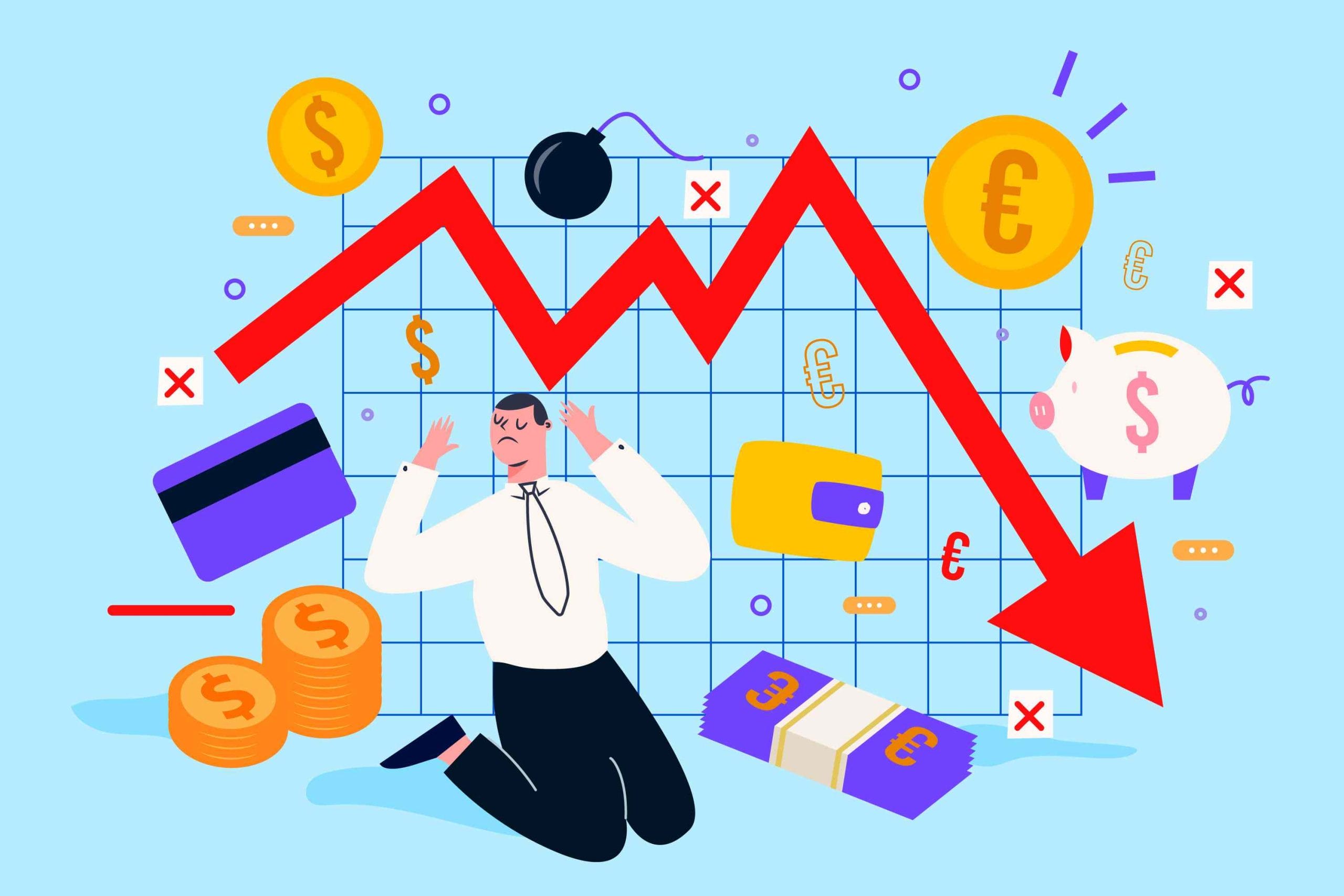
Fear and greed are powerful forces in financial markets.
Both emotions become stronger when mental resources are depleted.
A trader operating under emotional pressure may abandon plans, ignore risk management, or chase losses.
Breaks create emotional distance from market fluctuations.
Confidence Requires Clarity
True confidence comes from preparation and discipline, not constant activity.
When traders become exhausted, self-doubt often increases. Every decision feels uncertain.
Short breaks help restore confidence by improving clarity and reducing emotional noise.
Discipline Strengthens During Recovery
Discipline is easier to maintain when the mind is rested.
A fatigued trader constantly battles temptation. A refreshed trader makes disciplined decisions more naturally.
That difference can significantly impact long-term performance.
Objectivity Returns After Stepping Away
Markets do not care about personal opinions or emotions.
Objectivity allows traders to adapt to changing conditions without becoming emotionally attached.
Breaks help restore that objectivity when emotions begin influencing judgment.
Long-Term Success Depends on Sustainability
Many traders focus intensely on daily results while ignoring long-term sustainability.
A marathon runner would never sprint the entire race. Yet many traders approach markets exactly that way.
The goal is not merely surviving today. The goal is performing effectively for months and years.
Protecting Capital Includes Protecting Yourself
Most traders understand the importance of protecting financial capital.
Far fewer recognize the importance of protecting mental capital.
Your focus, confidence, and emotional stability are valuable assets. Once depleted, they become difficult to replace quickly.
The Best Performers Know When to Pause
Elite performers in every field understand the value of recovery.
They recognize that rest is not the opposite of productivity. It is a crucial part of productivity.
The same principle applies to trading, business, sports, and life.
Building a Healthier Relationship with Breaks


Many people treat breaks as rewards that must be earned. This mindset often creates guilt around stepping away.
A healthier perspective views breaks as part of the process itself.
Breaks Are Investments, Not Interruptions
When someone stops working for a few minutes, it may appear unproductive on the surface.
In reality, they may be improving the quality of their next several hours of work.
Breaks generate returns through improved focus, better decision-making, and reduced stress.
Quality Matters More Than Quantity
A short, intentional break can be more effective than a long period of distracted rest.
The goal is genuine recovery.
Even a few minutes of stepping away from screens and mental pressure can create noticeable improvements.
Presence Creates Recovery
True recovery happens when attention shifts away from work.
Checking charts, emails, or notifications every few seconds defeats the purpose.
The mind needs a chance to disengage.
Simple Moments Have Power
Recovery does not always require elaborate activities.
Fresh air, a quiet walk, a cup of coffee, or a brief conversation can provide meaningful mental refreshment.
Sometimes the simplest breaks are the most effective.
Balance Creates Sustainable Growth
Success is often portrayed as relentless effort. Yet sustainable success depends on balance.
Like a bow that remains permanently stretched, a person under constant tension eventually loses effectiveness.
Balance allows growth without destruction.
Strength Comes from Recovery


Muscles grow during recovery periods after training.
The mind follows a similar pattern.
Learning, performance, and resilience strengthen when recovery becomes part of the routine.
The Future Version of You Benefits
Every break is an investment in your future performance.
You may not immediately notice the benefits, but they accumulate over time.
A refreshed future self will make better decisions, manage stress more effectively, and maintain higher performance levels.
Final Thoughts
The message “Take breaks to protect your edge” may sound simple, but it carries a powerful truth. Success is not determined solely by how hard you work. It is also shaped by how well you recover.
Your edge is your ability to think clearly, remain disciplined, control emotions, and perform consistently under pressure. These qualities are precious resources, and like any valuable asset, they require protection.
Breaks are not signs of laziness, weakness, or lack of commitment. They are strategic tools that preserve mental sharpness, emotional stability, and long-term performance. Whether you are trading financial markets, running a business, pursuing a career, or simply navigating everyday challenges, stepping away at the right moment can often move you forward faster than pushing harder.
The strongest performers are not the ones who never stop. They are the ones who understand when to pause, recharge, and return stronger than before.
FAQs
1.Why are breaks important for maintaining productivity?
Breaks allow the brain to recover from mental fatigue, improving focus, decision-making, creativity, and overall performance throughout the day.
2.Can taking breaks actually improve trading results?
Yes. Breaks help traders maintain emotional control, reduce impulsive decisions, improve patience, and enhance objective analysis of market conditions.
3.How do I know when I need a break?
Common signs include difficulty concentrating, increased frustration, repeated mistakes, mental exhaustion, and declining decision quality.
4.Do short breaks really make a difference?
Absolutely. Even a few minutes away from work can refresh the mind, restore focus, and reduce stress levels significantly.
5.Is taking breaks a sign of weakness or lack of discipline?
No. Strategic breaks demonstrate self-awareness and discipline. They help protect long-term performance and prevent burnout, making them an essential part of sustained success.