

Life isn’t usually decided by dramatic, movie-style moments. It’s shaped in the quiet spaces—what you choose to believe before you pray, how you listen before you speak, and whether you try one more time before quitting. These small decisions don’t look heroic, yet they quietly stack the odds either for you or against you. Most people underestimate this power, then wonder why progress feels so slow.
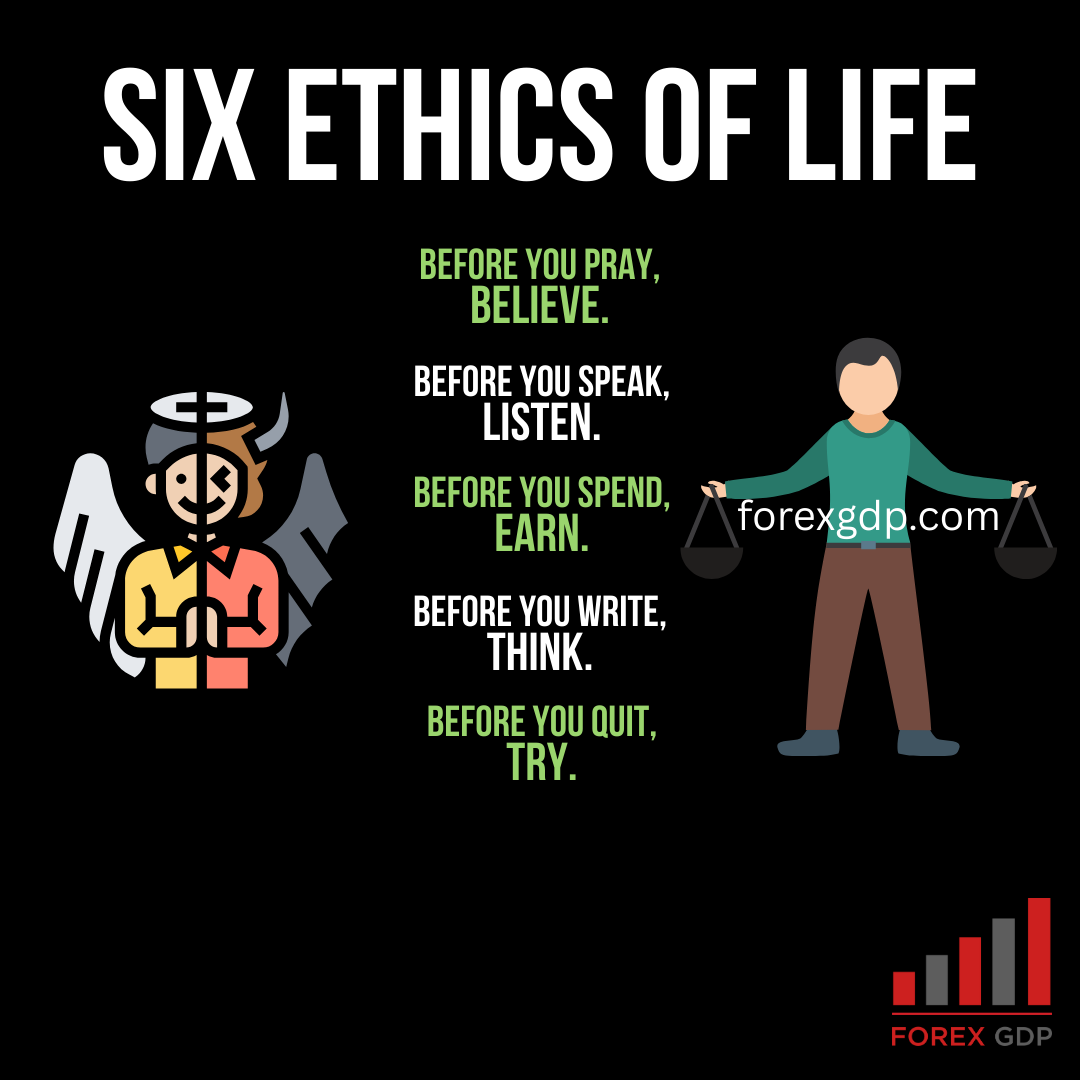
Ethics are often mistaken for moral lectures or religious commandments. In reality, they are practical tools for survival and growth. They guide how we spend money, how we communicate, and how we respond when life pushes back. Ignore them, and life feels heavier than it needs to be. Follow them, and suddenly things start aligning in ways that feel almost unfair.
Why Most People Learn These Lessons Too Late
The uncomfortable truth is that many people only learn these ethics after pain forces the lesson. Debt teaches earning before spending. Broken relationships teach listening before speaking. Burnout teaches thinking before writing or reacting. Quitting too soon teaches the value of trying one more time.
It’s not because people are lazy or stupid. It’s because modern life encourages shortcuts. Fast money, fast opinions, fast exits. The six ethics of life quietly stand against that noise, asking for patience, discipline, and humility—traits that don’t get likes but build stability.
Belief Comes Before Prayer
Faith Without Belief Is Just Noise
Before you pray, believe. That line cuts deeper than it looks. Prayer without belief is like dialing a number you don’t expect to answer. You go through the motion, but your heart isn’t present. Belief gives prayer weight. It turns words into intention and hope into action.
Many people pray as a last resort, not a first foundation. They ask for miracles while doubting the possibility of change. That internal conflict cancels momentum. Belief doesn’t guarantee outcomes, but it sharpens focus. It aligns your thoughts with your actions, and that alignment alone changes behavior.
Belief Is Not Blind Optimism
Belief isn’t pretending everything will work out. It’s trusting that effort, consistency, and resilience matter. It’s waking up on hard days and still showing up. Belief whispers, “This is difficult, but not pointless.” Without it, prayer becomes emotional relief rather than a catalyst.
There’s a harsh reality here: people who don’t believe in themselves often outsource responsibility to fate. They wait instead of act. Belief doesn’t replace prayer—it fuels it. It turns hope into something active instead of passive.
Listening Before Speaking Changes Everything
Words Are Cheap, Attention Is Rare
Before you speak, listen. Sounds obvious, right? Yet most people listen just long enough to reload their next sentence. Real listening is uncomfortable. It requires patience and silence, two things modern life actively discourages.
Listening doesn’t mean agreeing. It means understanding. When people feel heard, defensiveness drops. Conversations become exchanges instead of battles. Ironically, those who listen well often gain more influence than those who talk the most.
Why Silence Is a Strategic Advantage
Silence gives you leverage. It allows you to observe tone, emotion, and intent. Speaking too quickly exposes insecurity and impatience. Listening signals confidence. It says you’re not desperate to be right.
There’s also a practical benefit: fewer regrets. Words spoken in emotion can’t be taken back. Listening first filters impulsive reactions. It gives your mind time to respond instead of react, which often saves relationships and reputations.
Earning Before Spending Is a Survival Skill
The Illusion of Easy Money

Before you spend, earn. This ethic feels boring, which is exactly why people ignore it. Modern culture glamorizes spending before earning—credit cards, loans, and instant gratification. The result? Stress disguised as lifestyle.
Spending money you haven’t earned creates invisible chains. Every purchase becomes a future obligation. Freedom shrinks while responsibility grows. Earning first flips that equation. It gives spending permission instead of guilt.
Discipline Feels Heavy Until It Sets You Free
Earning before spending isn’t about deprivation. It’s about respect—respect for your effort and time. Money represents hours of your life. Spending without earning is trading future hours for temporary pleasure.
People who master this ethic sleep better. They make choices instead of compromises. The discipline hurts early, but the freedom lasts long. Ignore it, and the opposite happens: comfort now, pain later.
Thinking Before Writing Saves More Than Time
Thoughtless Words Create Lasting Damage
Before you write, think. Writing freezes your thoughts in time. Unlike spoken words, written ones linger. They get shared, screenshotted, and misinterpreted. One careless sentence can undo years of trust.
Thinking before writing doesn’t mean overthinking. It means asking simple questions. Is this necessary? Is it true? Is it kind? Emotional writing feels honest in the moment but often becomes embarrassing later.
Clarity Beats Cleverness Every Time
Many people write to impress instead of express. They chase clever phrases and sharp opinions. Thinking first brings clarity. It trims unnecessary ego and focuses on meaning.
Clear writing reflects clear thinking. When thoughts are organized, communication becomes powerful instead of noisy. The world already has enough noise. Thoughtful writing stands out because it respects the reader’s time and intelligence.
Trying Before Quitting Is the Ultimate Divider
Most People Quit One Step Too Early
Before you quit, try. This ethic exposes an uncomfortable truth: many failures aren’t real failures. They’re unfinished attempts. The hardest part of any journey is the moment just before progress appears.
Quitting feels like relief. Trying feels heavy. That’s why so many people confuse comfort with correctness. Growth rarely feels good while it’s happening. It feels awkward, frustrating, and slow.
Persistence Is Not Blind Stubbornness
Trying doesn’t mean repeating the same mistake endlessly. It means adjusting, learning, and continuing. Quitting should be a thoughtful decision, not an emotional escape.
Those who try one more time often look lucky from the outside. From the inside, they’re exhausted but committed. Persistence compounds. Each attempt builds skill, confidence, and resilience—even when results lag behind effort.
How These Ethics Quietly Shape Character
Small Principles Create Strong Foundations

The six ethics of life don’t demand perfection. They demand awareness. They encourage pausing before reacting and choosing intention over impulse. Over time, these pauses shape character.
Character isn’t built during wins. It’s revealed during pressure. These ethics provide anchors when emotions run high. They don’t eliminate mistakes, but they reduce regret.
Why Consistency Beats Motivation
Motivation fades. Ethics remain. When decisions are guided by principles rather than moods, life becomes more stable. You stop negotiating with yourself daily. You already know the standard.
Consistency doesn’t look exciting, but it delivers results quietly. It turns chaos into structure and effort into progress. People who live by these ethics don’t chase shortcuts—they build paths.
Applying the Ethics Without Becoming Rigid
Flexibility Still Matters
Living ethically doesn’t mean living stiffly. Life is messy. Context matters. These ethics guide direction, not dictate every move. The goal isn’t moral superiority—it’s practical wisdom.
Rigid people break under pressure. Flexible people bend and adapt. Ethics work best when paired with humility. They serve you, not control you.
Progress Over Perfection

You’ll fail at these ethics sometimes. Everyone does. The value lies in returning to them, not mastering them instantly. Each attempt strengthens awareness.
Progress happens quietly. One better decision today leads to another tomorrow. Over time, those decisions shape a life that feels intentional rather than accidental.
Final Thoughts: Living With Intention, Not Regret
The six ethics of life aren’t flashy. They don’t promise overnight success or effortless happiness. What they offer is something better—stability, clarity, and self-respect. Believing before praying aligns faith with action. Listening before speaking deepens connection. Earning before spending protects freedom. Thinking before writing preserves integrity. Trying before quitting builds resilience.
These ethics won’t make life easy, but they make it honest. They reduce unnecessary pain and replace chaos with direction. In a world obsessed with speed and shortcuts, choosing these quiet rules feels rebellious—and remarkably effective.
FAQs
What makes the six ethics of life different from motivational quotes?
They focus on behavior rather than emotion. Instead of hype, they offer practical guidance for daily decisions.
Can these ethics apply to professional life as well?
Absolutely. Listening, thinking, earning, and persistence directly impact careers, leadership, and financial stability.
Is belief necessary even when circumstances are difficult?
Belief doesn’t deny difficulty. It provides the mental strength to continue despite it.
What if trying again feels exhausting?
Exhaustion doesn’t mean stop forever. It means rest, adjust, and return with a better approach.
Do these ethics guarantee success?
Nothing guarantees success, but these ethics significantly reduce regret and increase long-term stability.